

Construction Stage Inspections: The Owner's Guide to Protecting Your New Build
Protect your new build at every stage. Learn what independent inspectors check for at slab, frame, lock-up, fixing, and handover.
Instant Quote
What Are Construction Stage Inspections?
Construction stage inspections are independent assessments carried out at key milestones during the build of a new home. Rather than waiting until handover to discover problems, these inspections catch defects while they are still easy and affordable to fix. Think of them as quality checkpoints that keep your builder accountable throughout the entire construction process.
When you sign a building contract, your local council or a private certifier will carry out their own inspections at certain stages. Many homeowners assume those inspections are enough, but the reality is quite different. Council and certifier inspections focus on minimum compliance with the Building Code of Australia (BCA). They check whether the work meets the bare minimum legal requirements, not whether the workmanship is high quality. They typically spend only a short time on site, and their inspections do not cover finishes, waterproofing details, or many of the issues that lead to expensive repairs down the track.
An independent stage inspection goes further. A qualified building inspector working for you (not the builder, not the council) examines the work in detail and provides a written report with photos. They look at the quality of materials, the accuracy of measurements, compliance with your approved plans, and adherence to Australian Standards. Because the inspector is working for you, their only interest is protecting your investment.
Who performs independent stage inspections? In most cases, the inspector will be a licensed builder or building consultant with specific qualifications in residential construction. At Owner Inspections, our inspectors are licensed in New South Wales, Victoria, and Queensland, and we have been carrying out stage inspections for homeowners since 2014. A good inspector will have hands-on building experience so they know exactly where shortcuts happen and what to look for at each stage.
Independent stage inspections are suitable for any new residential build, whether you are working with a project builder, a volume builder, or a custom home builder. They are especially valuable if you are not visiting the site regularly or if you do not have a building background yourself.
The Five Key Inspection Stages
A typical new home build has five inspection stages. Each one covers specific elements that are about to be concealed or become very difficult to access. Timing matters because once the next stage of work begins, problems get buried behind plasterboard, concrete, or cladding.
1. Slab or Base Stage
This inspection takes place after the formwork, reinforcement steel, and plumbing rough-in are in position but before the concrete is poured. Your inspector checks:
- Correct placement and sizing of steel reinforcement (mesh and bars)
- Adequate cover to reinforcement to prevent future corrosion
- Plumbing pipe positions matching the approved plans
- Formwork dimensions and levels
- Termite protection systems installed as specified
- Site drainage and moisture management
Once concrete is poured, none of this can be checked or easily corrected, which is why the slab stage is so important.
2. Frame Stage
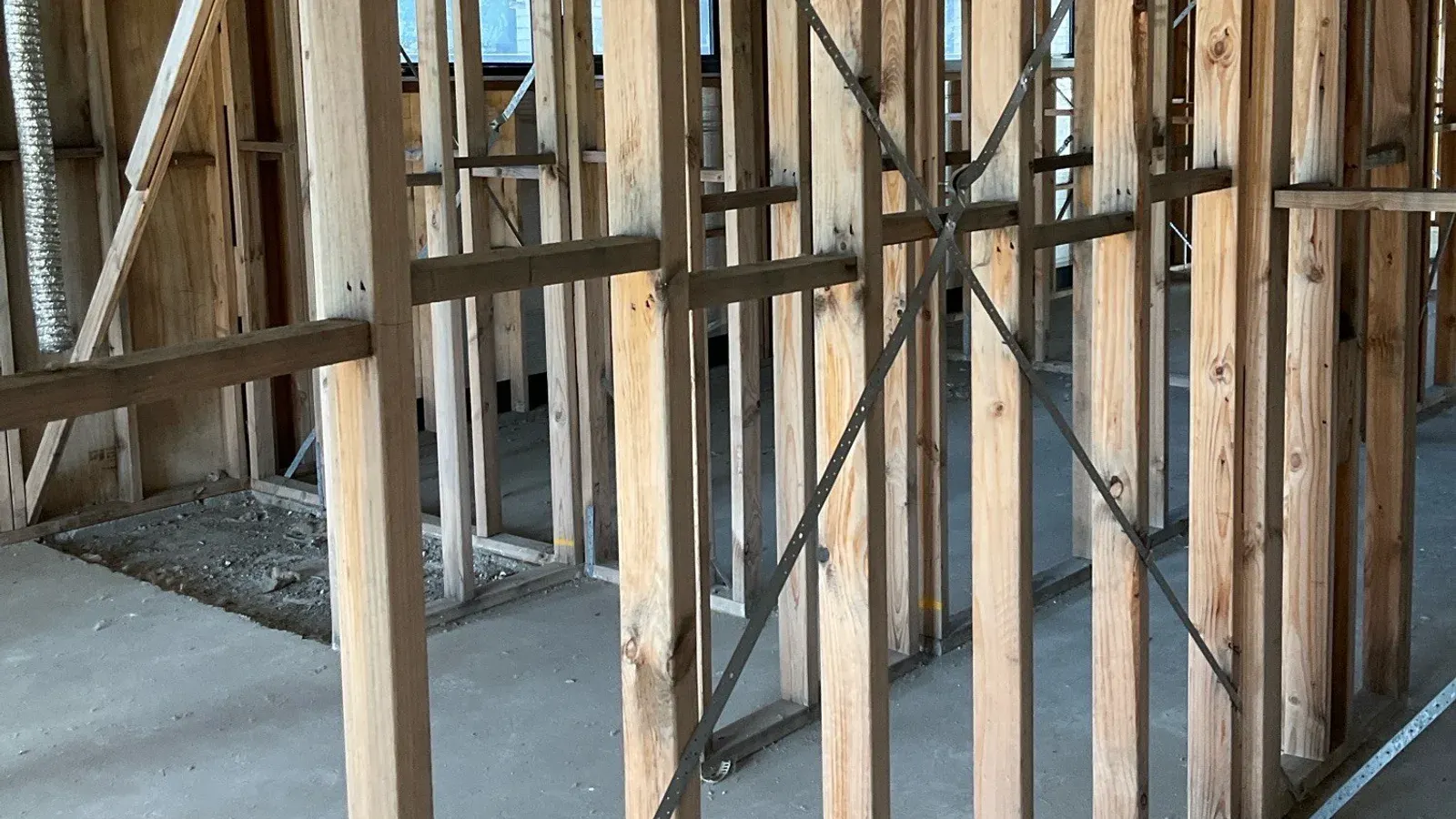
The frame inspection happens after the timber or steel frame is erected and before internal lining (plasterboard) goes up. This is one of the most important inspections because the frame is the structural skeleton of your home. Your inspector checks:
- Correct member sizes (studs, lintels, beams, rafters) matching the engineer's design
- Tie-down connections and bracing as per the engineering specifications
- Straight and plumb walls
- Window and door openings match the approved plans
- Roof truss spacing and alignment
- Wet area framing ready for waterproofing
3. Lock-Up Stage
Lock-up means the roof is on, external cladding is complete, and windows and external doors are installed. The building is secure from the weather. Your inspector checks:
- Roof sheeting, flashing, and guttering installed correctly
- External cladding fixed properly with correct clearances from ground level
- Windows and doors installed plumb and level with appropriate sealing
- Sarking and insulation in the roof space
- Weep holes present in brick veneer construction
- Electrical and plumbing rough-in positions
4. Fixing or Fit-Off Stage
At this stage, the internal lining is complete and fixtures are being installed. Waterproofing in wet areas should be finished and ready for tiling. Your inspector checks:
- Waterproofing membranes in bathrooms, laundries, and showers (before tiling covers them)
- Plasterboard installation quality, including joins, cornices, and finish
- Kitchen cabinetry, bench tops, and appliance provisions
- Door hardware, architraves, and skirting boards
- Painting preparation and first coats
- Tiling layout, falls to drains, and grouting
5. Handover or Pre-Completion Inspection (PCI)
This is your final inspection before you take possession. It is your last opportunity to have defects noted and included on the builder's rectification list. Your inspector checks:
- All finishes including paint, tiling, cabinetry, and bench tops
- Operation of all doors, windows, locks, and hardware
- Plumbing fixtures, taps, and drainage
- Electrical switches, power points, and light fittings
- External areas including driveways, paths, fencing, and landscaping
- Overall compliance with approved plans and contract specifications
A thorough handover inspection typically identifies anywhere from 30 to over 100 items that need attention, even on a well-built home.
Common Defects Found During Construction
After inspecting thousands of new builds across Sydney, Melbourne, Brisbane, and regional areas since 2014, Owner Inspections consistently finds the same types of defects appearing again and again. Understanding what can go wrong helps you appreciate why independent inspections matter.
Frame alignment and structural issues
Walls that are not plumb (vertical) or straight, undersized lintels above windows, missing or incorrectly installed tie-downs and bracing, and truss spacing that does not match the engineering design. These are structural concerns that affect the long-term performance of your home and are nearly impossible to fix once plasterboard is in place.
Waterproofing failures
Waterproofing is one of the most common sources of building disputes in Australia. Defects include membranes that do not extend high enough up walls, inadequate coverage around floor waste penetrations, and incompatible products being used together. A waterproofing failure can lead to water damage in walls, floors, and adjoining rooms, often not becoming obvious until months or years after you move in.
Incorrect or missing tie-downs
Tie-down systems connect the roof to the walls and the walls to the slab. They are engineered for specific wind loads and are critical for structural integrity, particularly in areas prone to severe weather. Missing or incorrectly installed tie-downs are a frequent finding at the frame stage.
Missing or poorly installed insulation
Insulation gaps in ceilings and walls reduce energy efficiency and can lead to condensation problems. Batts that are compressed, have gaps between them, or are missing entirely around downlights and services are common findings at lock-up.
Plumbing and drainage errors
Incorrect pipe falls (meaning water does not drain properly), unsupported pipes, missing backflow prevention devices, and hot and cold supplies in the wrong positions. These issues are easiest to identify and fix at the rough-in stage before they are concealed.
Other frequently found defects:
- Cracked or uneven concrete slabs
- Brick mortar joints that are too thin, too thick, or incomplete
- Roof flashings that are not properly sealed or overlapped
- External cladding installed too close to ground level, inviting moisture and termite entry
- Scratched or damaged windows, bench tops, and fixtures
- Paint defects including runs, missed areas, and poor cutting-in
The earlier a defect is found, the cheaper and simpler it is to fix. A framing error caught at frame stage might take a carpenter an hour to correct. The same error discovered after plasterboard, painting, and skirting boards are all complete could take days and cost thousands to rectify.
How Much Do Stage Inspections Cost?
The cost of independent stage inspections varies depending on the size and complexity of the build, the location, and how many stages you choose to have inspected. As a general guide for a standard residential new build in 2026:
- Individual stage inspection: $300 to $500 per stage
- Full five-stage package: $1,400 to $2,200 (most inspectors offer a discount when you book all stages together)
When you consider that the average new home build in Sydney or Melbourne costs between $350,000 and $700,000 (or more), spending $1,500 to $2,000 on quality assurance inspections represents a fraction of your total investment. A single undetected waterproofing failure or structural defect can easily cost $10,000 to $50,000 to repair after the fact.
When to book each inspection
Timing is critical with stage inspections. Your builder will typically give you a few days notice before each stage is ready. The inspection needs to happen after the work is complete but before the next trade begins covering it up. In practice, this means:
- Slab: After reinforcement and plumbing are in position, before the concrete pour. You may only have 24 to 48 hours notice.
- Frame: After the frame is up and bracing is installed, before plasterboard begins. Usually a few days window.
- Lock-up: After the building is weathertight, before internal lining and fit-off commence.
- Fixing/Fit-off: After waterproofing is applied, before tiling covers it. This is time-sensitive.
- Handover/PCI: A few days before the scheduled handover date.
The best approach is to book your inspection package early in the build and give your inspector your builder's contact details. That way, your inspector can coordinate directly and make sure they get access at the right time. At Owner Inspections, we work with your builder's schedule and can usually attend within 24 to 48 hours of being notified that a stage is ready.
Is it worth inspecting every stage?
If budget is a concern, the two most important stages to inspect are the frame stage and the handover (PCI). The frame stage is where the most serious structural defects are found, and once the frame is covered, they are hidden for good. The handover inspection is your last chance to have everything documented before you take possession. That said, a full five-stage package provides the most complete protection and the best value per inspection.
Your Rights as a Homeowner During Construction
As the person paying for the build, you have a right to know that the work is being done properly. But many homeowners are unsure about what they are actually entitled to during construction. Here is a breakdown of your rights across the states where Owner Inspections operates.
Can a builder refuse to let an independent inspector on site?
This is one of the most common questions we receive, and the short answer is: generally, no. Your building contract gives you (or your representative) the right to access the site to inspect the works. Most standard residential building contracts, including the HIA and Master Builders contracts used across Australia, include clauses that allow the owner to inspect work at reasonable times.
New South Wales
Under the Home Building Act 1989 (NSW), homeowners have strong protections. The Act includes statutory warranties that the work will be done with due care and skill, in accordance with plans and specifications, and using good and suitable materials. You have the right to engage an independent inspector, and any attempt by a builder to prevent reasonable site access should be treated as a red flag. If defects are found, the builder has an obligation to rectify them under the statutory warranty period (six years for major defects, two years for minor defects from completion).
Victoria
The Domestic Building Contracts Act 1995 (VIC) provides similar protections. Builders must carry out work in a proper and workmanlike manner. The major domestic building contract requires the builder to allow the owner and their consultants access to the site at reasonable times. Victoria also has Domestic Building Dispute Resolution Victoria (DBDRV) as a free service for resolving building disputes before they escalate to VCAT.
Queensland
Under the Queensland Building and Construction Commission (QBCC) framework, residential builders must hold the appropriate licence and comply with the Building Act 1975. Homeowners have the right to inspect works, and the QBCC provides a dispute resolution process if defects are not rectified. The statutory warranty periods in Queensland mirror the national standard at six years for structural defects.
Contract clauses to look for (and add)
Before signing your building contract, check for clauses that cover:
- Your right to access the site at reasonable times with reasonable notice
- Your right to have a representative (such as an independent inspector) accompany you
- The builder's obligation to notify you before each stage is covered up
- A clear defect rectification process and timeframes
If your contract does not include these provisions, ask your solicitor to have them added before you sign. A reputable builder will have no objection to an independent inspector attending the site.
What Happens If Defects Are Found?
Finding defects during construction is not unusual. In fact, it is the whole point of having independent inspections. What matters is how the defects are documented and resolved. Here is the typical process when an issue is identified.
Step 1: Documentation
Your independent inspector will provide a detailed written report, usually within 24 hours of the inspection. The report will describe each defect, explain why it is a concern (referencing the relevant Australian Standard, BCA requirement, or contract specification), and include photographs. This documentation is essential because it creates a clear, time-stamped record of the issue.
Step 2: Communicating with your builder
You (or your inspector, if you prefer) share the report with your builder and request rectification. Most builders will address legitimate defects without dispute, especially when they are presented professionally with photographic evidence and references to the applicable standards. Keep all communication in writing, whether by email or through your builder's project management portal.
Step 3: Builder rectification
The builder is legally obligated to carry out the work in accordance with the contract, the approved plans, and the applicable building standards. If a defect is identified, the builder should rectify it before the work is concealed. For example, a framing defect found at the frame stage should be fixed before plasterboard installation begins. Most builders cooperate because it is far cheaper to fix issues early than to deal with warranty claims later.
Step 4: Re-inspection (if needed)
For significant defects, you may want your inspector to return and confirm the rectification has been carried out correctly. This is particularly important for waterproofing, structural framing, and any defect that will be permanently concealed by subsequent work.
Step 5: Escalation if the builder refuses to act
In the rare case that a builder refuses to rectify a genuine defect, you have several escalation options:
- Written notice: Send a formal written notice citing the specific contract clause or statutory warranty that applies
- State regulator: Lodge a complaint with NSW Fair Trading, the Building and Plumbing Commission (BPC, formerly the VBA), or the QBCC depending on your state
- Dispute resolution: In Victoria, the DBDRV offers free mediation. In NSW and Queensland, Fair Trading and the QBCC can intervene
- Tribunal: If all else fails, you can take the matter to NCAT (NSW), VCAT (Victoria), or QCAT (Queensland)
Having a professional inspection report significantly strengthens your position at every stage of this process. Builders are much more likely to cooperate when they know the defects have been independently documented by a licensed inspector.
Building in Sydney and Melbourne: What to Watch For
While the fundamentals of good construction are the same everywhere, Sydney and Melbourne each have specific conditions that create unique challenges for new builds. Understanding these helps you know what your inspector should be paying close attention to.
Building in Sydney
Soil types and site conditions: Sydney has some of the most varied geology of any Australian city. You can find rock, sand, clay, and fill sites within a few kilometres of each other. Parts of western Sydney sit on highly reactive clay soils that expand and shrink with moisture changes, while coastal areas may have sandy soils with different bearing capacities. Your slab design and footing system should be engineered specifically for your site classification. An independent slab inspection verifies that the construction matches what the engineer specified.
Bushfire zones: Many areas across Greater Sydney, particularly on the urban fringe and near national parks, fall within designated bushfire-prone areas. If your site has a Bushfire Attack Level (BAL) rating, your build must comply with AS 3959 (Construction of buildings in bushfire-prone areas). This affects everything from external cladding and glazing to vents, gutters, and decking materials. An inspector with experience in BAL-rated construction will check that the correct materials and installation methods have been used.
DA and CDC requirements: Sydney councils can have very specific development application (DA) conditions covering setbacks, heights, stormwater management, and landscaping. Your inspector can cross-reference the approved plans with what is actually being built on site to make sure there are no discrepancies that could cause problems at the final occupation certificate stage.
Building in Melbourne
Reactive soils: Melbourne is known for its reactive clay soils, particularly in the western and northern growth corridors including areas like Melton, Wyndham, Hume, and Whittlesea. These soils can cause significant ground movement, and if the slab or footing system is not designed and built correctly for the site classification, cracking in walls, floors, and slabs can develop within the first few years. Your inspector should verify that the slab design matches the geotechnical report and that the construction follows the engineering specifications precisely.
Wind ratings: Parts of Melbourne, especially elevated and coastal areas, are subject to higher wind classifications. This affects the engineering requirements for roof tie-downs, bracing, and external cladding fixings. At the frame stage, your inspector checks that all structural connections match the engineer's wind load specifications.
Energy efficiency (6-star requirements): Victoria has among the most stringent energy efficiency requirements in Australia. New homes must meet a minimum 6-star energy rating under the Nationwide House Energy Rating Scheme (NatHERS), and from recent updates, this is moving towards 7 stars. This means insulation, glazing, sealing, and ventilation all need to be installed correctly. An inspector checks that insulation batts are properly fitted without gaps, that double-glazed windows are installed as specified, and that draught sealing is in place around doors and windows.
Whether you are building in Sydney or Melbourne, the key message is the same: local conditions create specific risks, and an experienced local inspector who knows what to look for in your area is your best defence against costly problems down the track. Owner Inspections has inspectors based across both cities and their surrounding growth areas, giving us first-hand knowledge of the builders, soil conditions, and common issues in each region.
Ready to Get Started?
Our licensed inspectors are ready to help across Sydney, Melbourne, and all major Australian cities.
Explore Our In-Depth Guides
Dive deeper into specific topics with our detailed articles.
What happens if my builder goes into liquidation?
A builder entering liquidation mid-build does not usually end your contract on its own. This guide covers who to tell, what to do with the next progress claim, and how to prove how far the build had got.
6 min read
Is a Termite Gap at the Slab Edge Normal?
The strip of bare concrete showing below the brickwork is a termite inspection zone, not sloppy work. This guide explains the 75mm rule, the gaps that are genuinely defects, and what to do when paving or render has buried the slab edge.
6 min read
Builder says not our scope: who is liable for new build defects?
When a builder tells you a defect in your new home is not their scope, the answer usually sits in the contract, the plans and the building permit rather than in the argument on site. This guide explains when that claim holds, when it does not, and what evidence settles it.
7 min read
Owner Builder Coordination: How to Manage Trades, Quotes and Site Records Across a Build
Owner building gives you control over budget, timeline and quality, but it also transfers the builder's legal responsibility onto you. This guide covers the permits you need before work starts, how to compare quotes properly, how to sequence trades and inspections, and the site records that decide whether you can sell cleanly at the end.
11 min read
Can I walk away from a new build during cooling off?
A new build usually involves two contracts, and each one runs its own cooling off clock on its own dates. This guide sets out how long you get in Victoria, New South Wales and Queensland, when the clock actually starts, what walking away costs, and why the tender you signed first may carry no cooling off right at all.
6 min read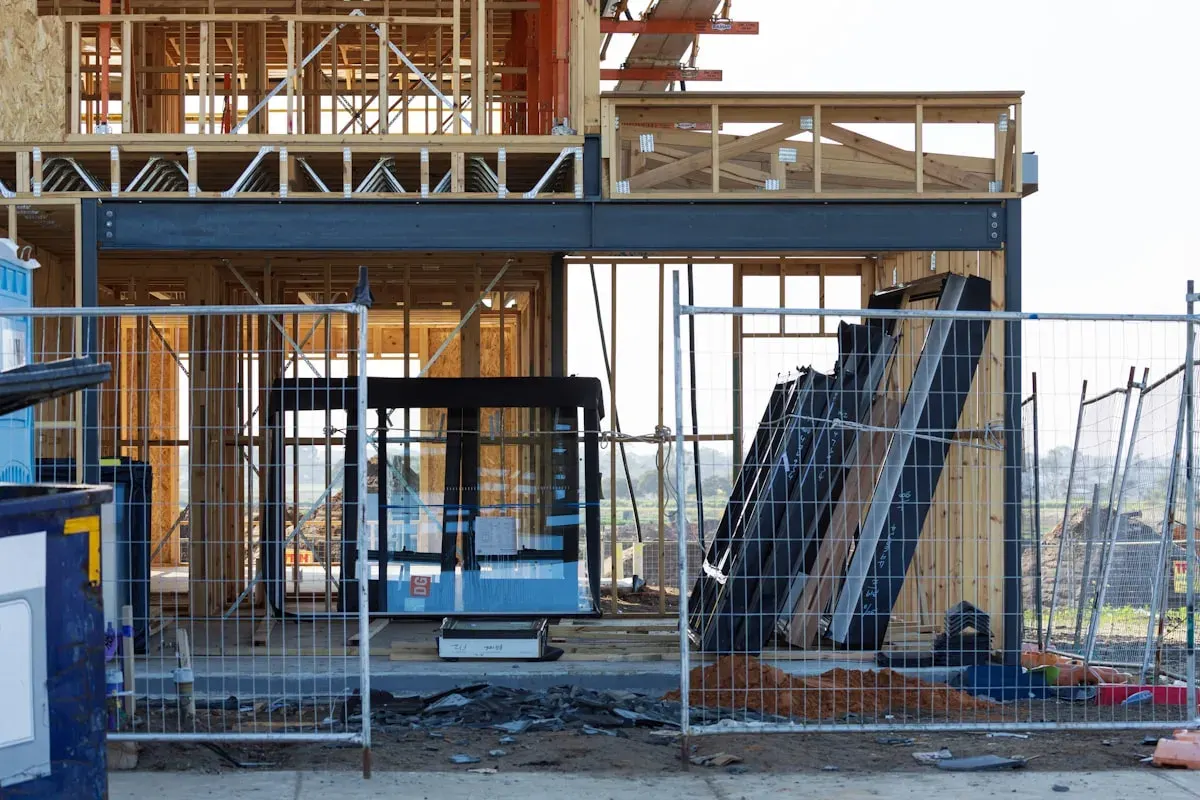
Can a Builder Refuse an Independent Inspector in Queensland?
Builders in Queensland cannot legally refuse access to an independent building inspector appointed by the homeowner. Learn the laws that protect your right to independent oversight during construction.
7 min read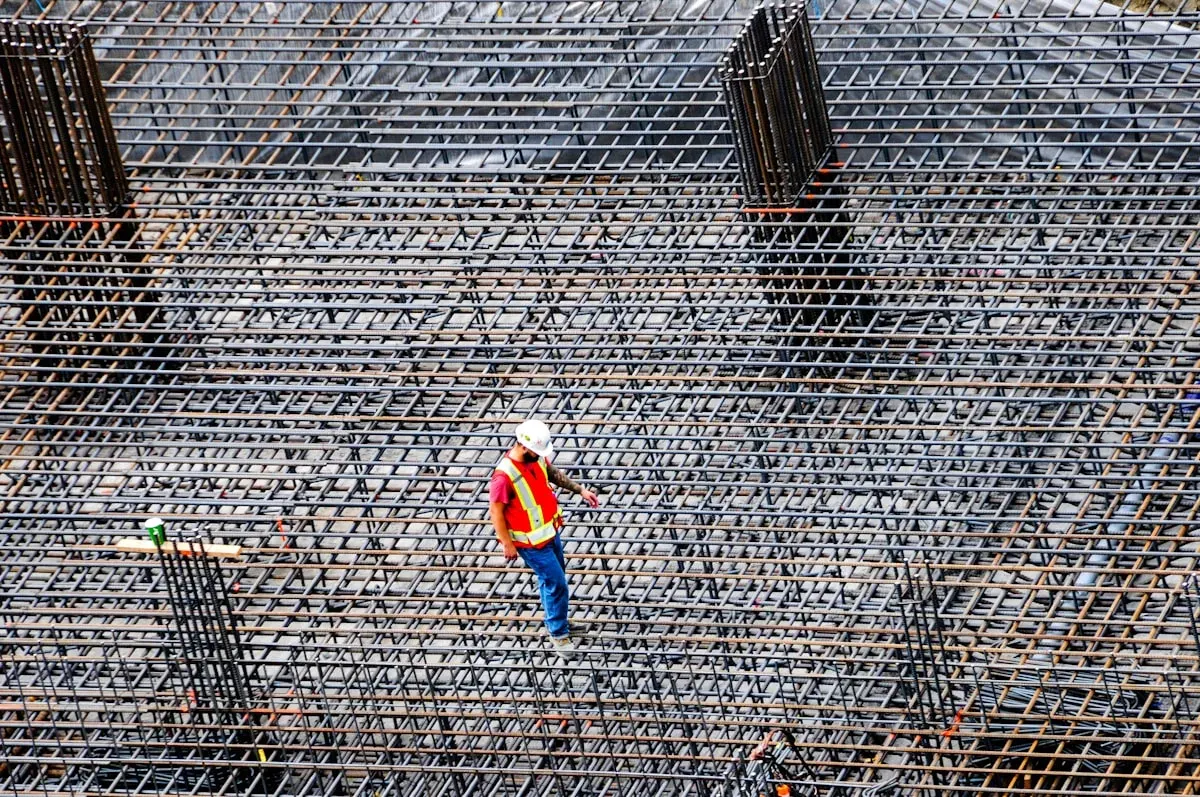
Can a Builder Refuse an Independent Inspector in Victoria?
Builders in Victoria cannot legally refuse access to an independent building inspector appointed by the homeowner. Learn the laws that protect your right to independent oversight during construction.
7 min read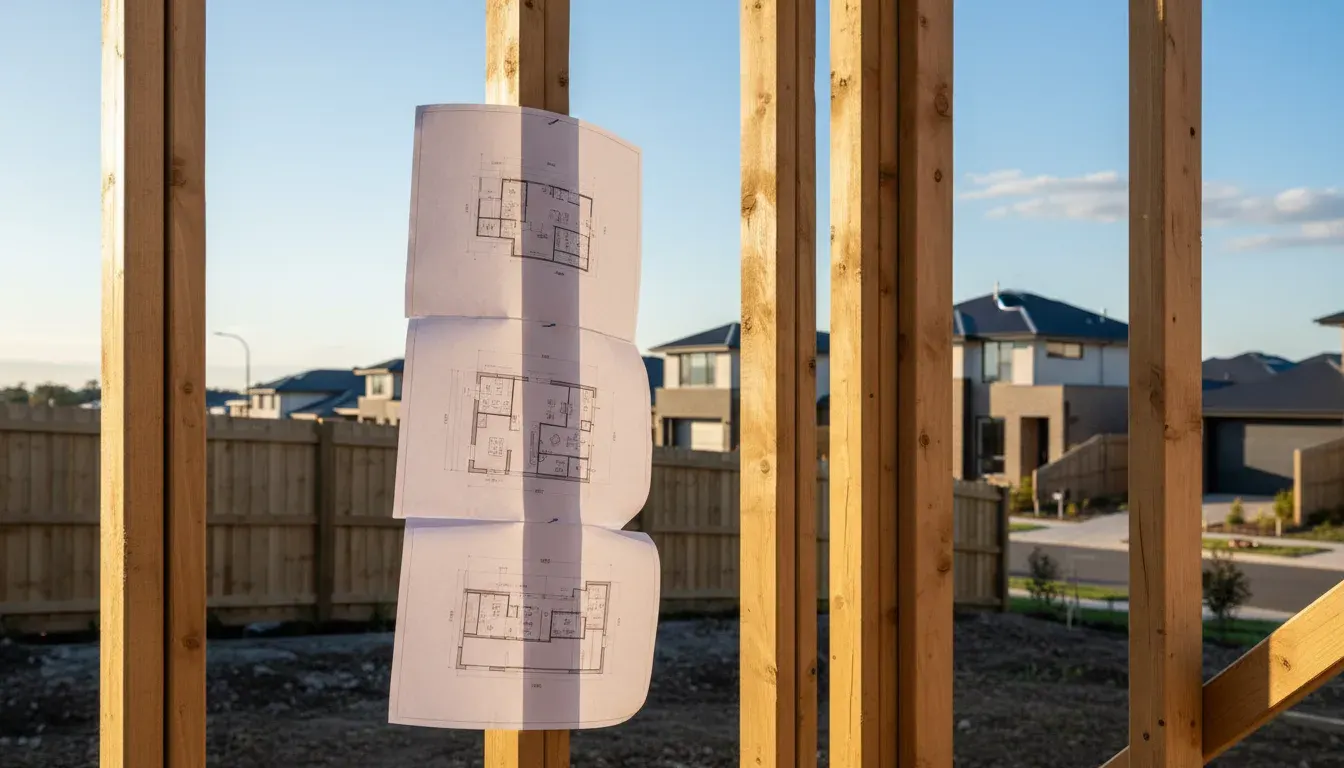
Owner Builder Inspection Requirements by State in Australia
Owner builders in Australia face specific inspection requirements that vary by state. This guide explains the mandatory inspection points, council obligations, and independent inspection options for owner builders in New South Wales, Victoria, and Queensland.
7 min read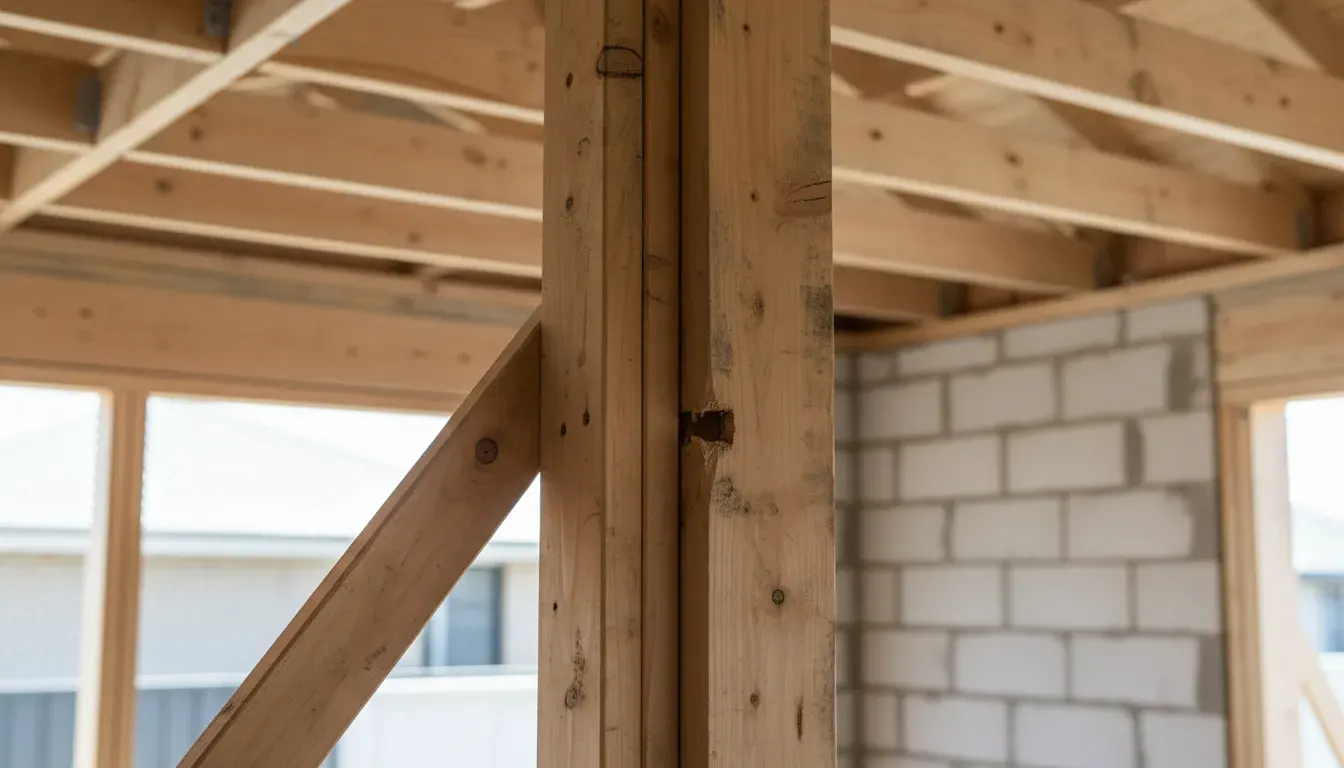
What Happens If Your Stage Inspection Finds Defects?
Discovering defects during a construction stage inspection can feel alarming, but it is exactly what the inspection is designed to do. This guide explains the full process from documentation through to rectification, re-inspection, and escalation if the builder does not respond.
7 min read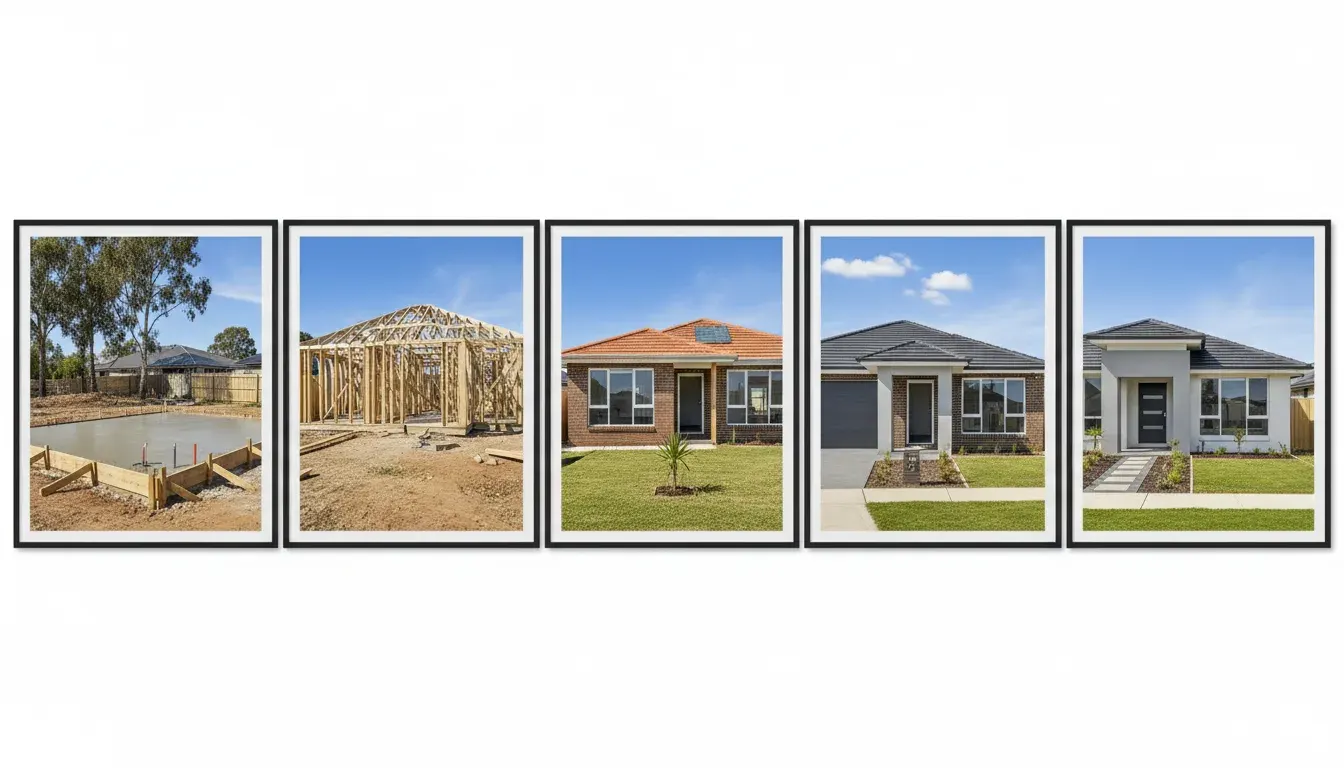
When to Book Each Stage Inspection: A Timeline Guide
Timing your construction stage inspections correctly is just as important as booking them in the first place. This guide explains when to schedule each of the five stage inspections relative to your builder's progress, how much lead time you need, and how to coordinate with your builder.
7 min read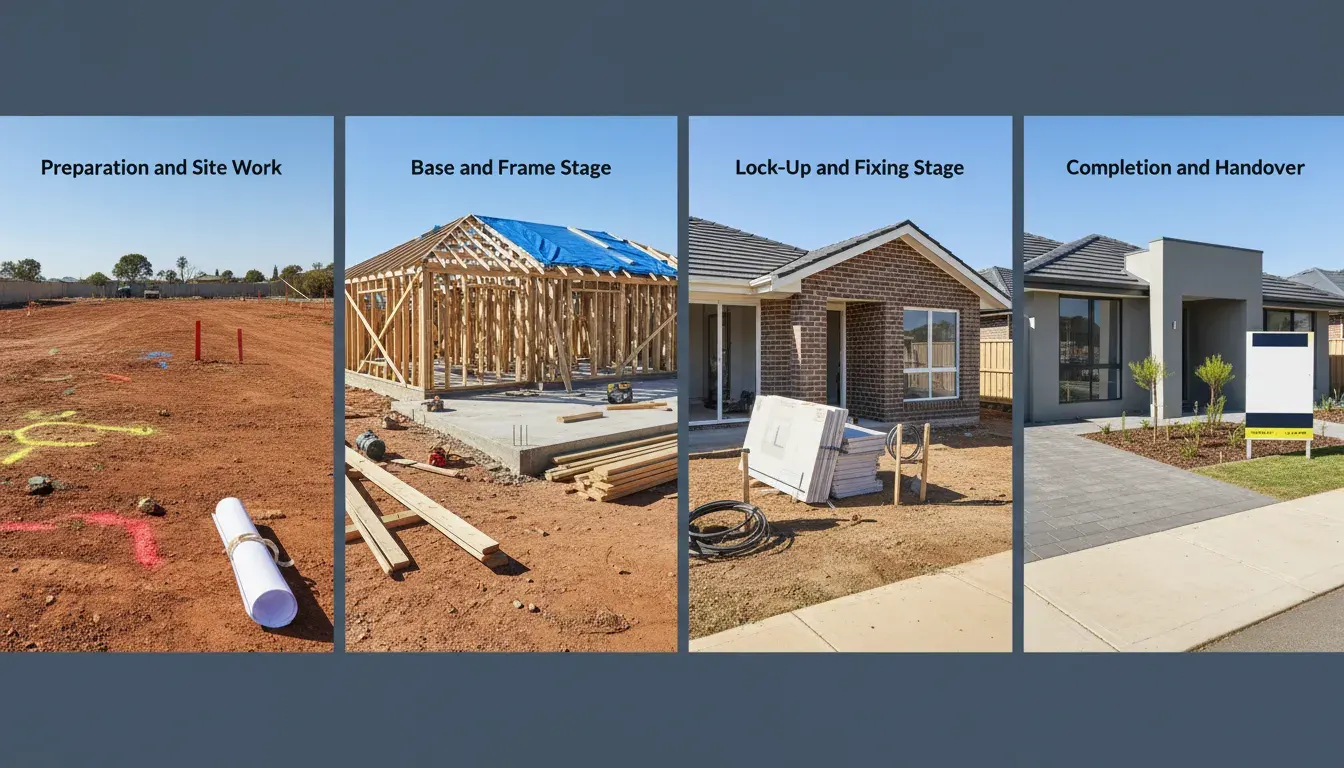
What Are Inspector Responsibilities at Each Construction Stage?
Building inspectors perform specific checks at each construction stage in Australia, from foundation to final handover. Understanding these responsibilities helps homeowners ensure their new build meets National Construction Code requirements and quality standards.
8 min read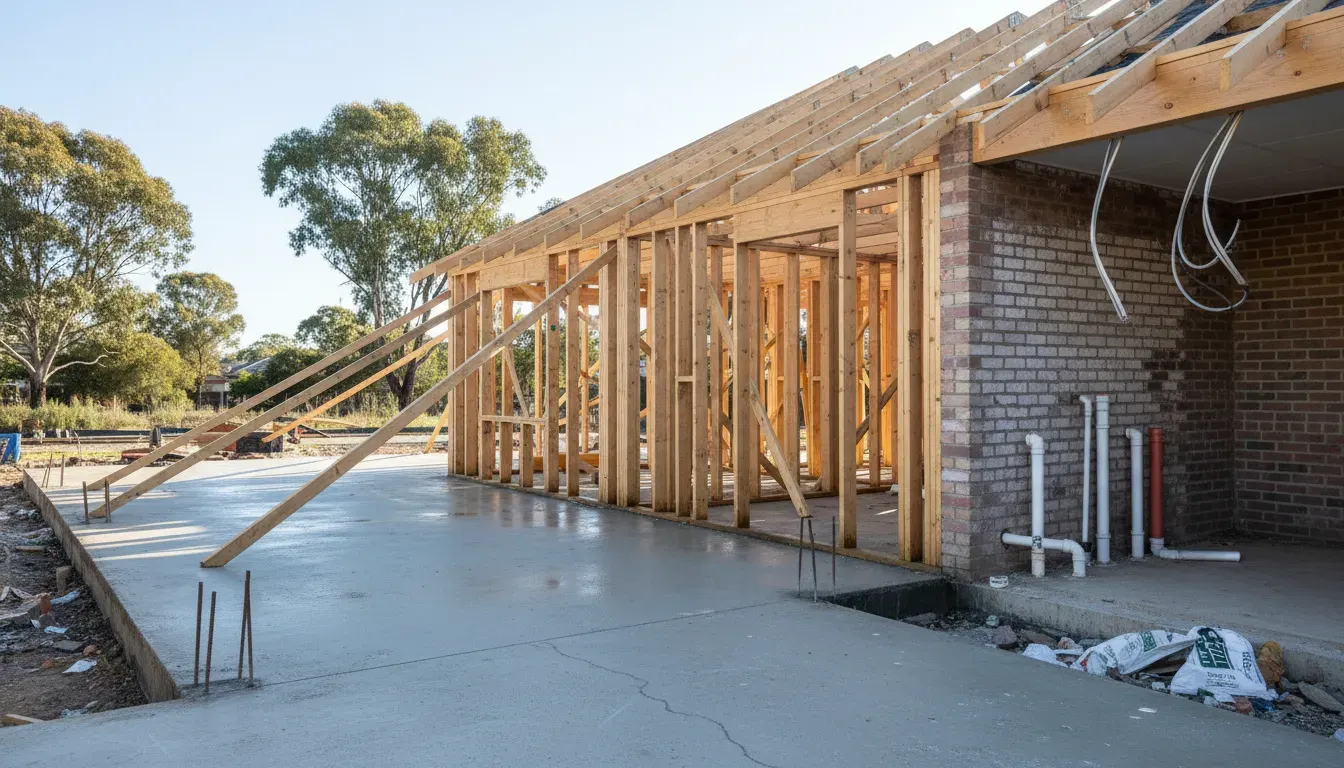
What Issues Should You Look for After Each Construction Stage?
Every construction stage hides the one before it, so the defects that matter are the ones about to become invisible. This checklist covers pre-pour and post-pour slab checks, frame, lock-up, fixing and waterproofing, and practical completion, plus the mandatory inspections in NSW, Victoria and Queensland and the tolerances that decide whether something counts as a defect.
13 min read
Compliance Inspection for Construction Projects: A Complete Guide
Ensuring compliance in construction projects is more than just following regulations. It is about protecting lives, securing investments, and maintaining the integrity of the built environment.
15 min read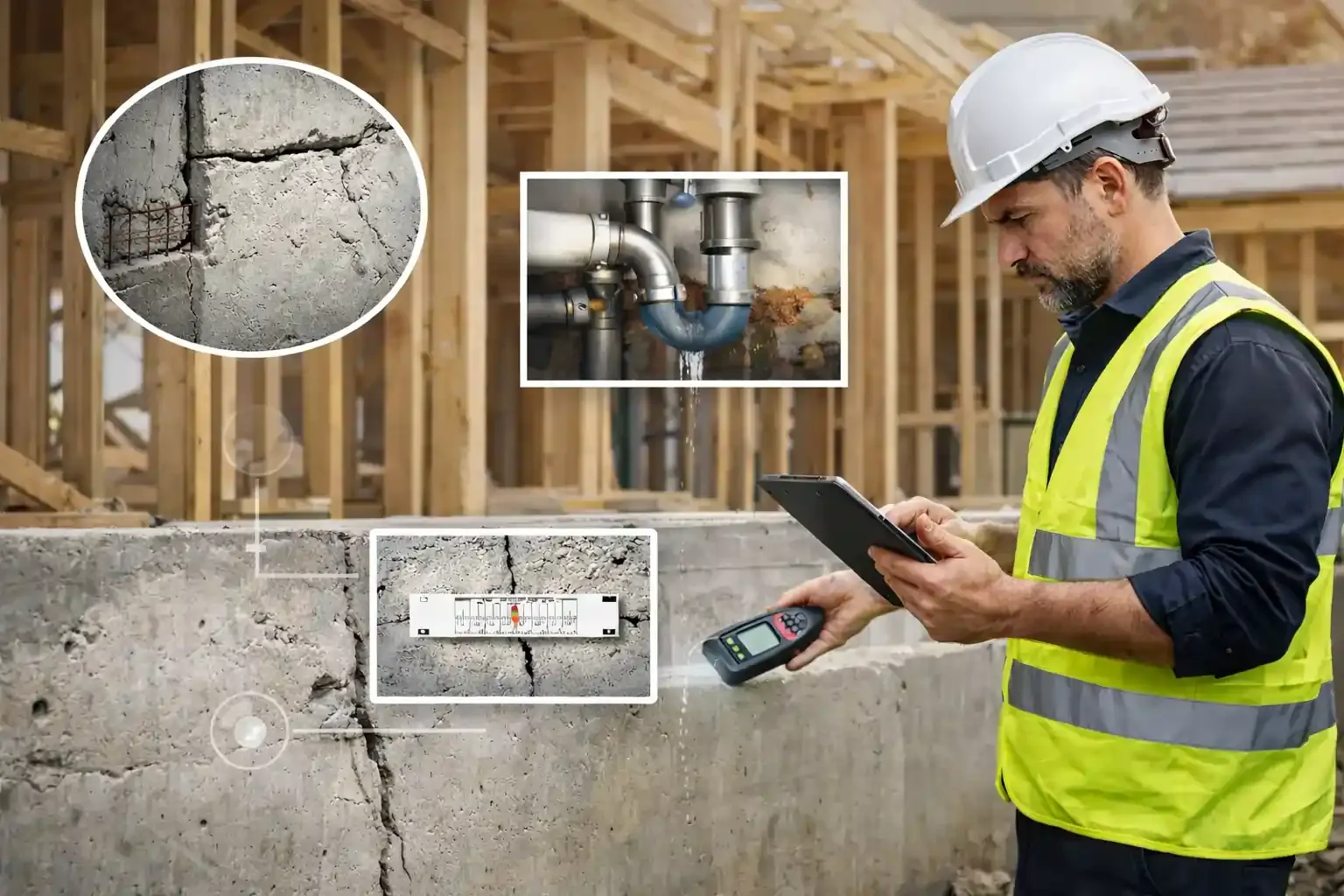
Construction Stage Defect Assessment for Early Fixes
Construction stage defect assessments are vital for protecting structural integrity. Defects caught early prevent escalation into costly issues that can increase project costs by up to 20%.
14 min read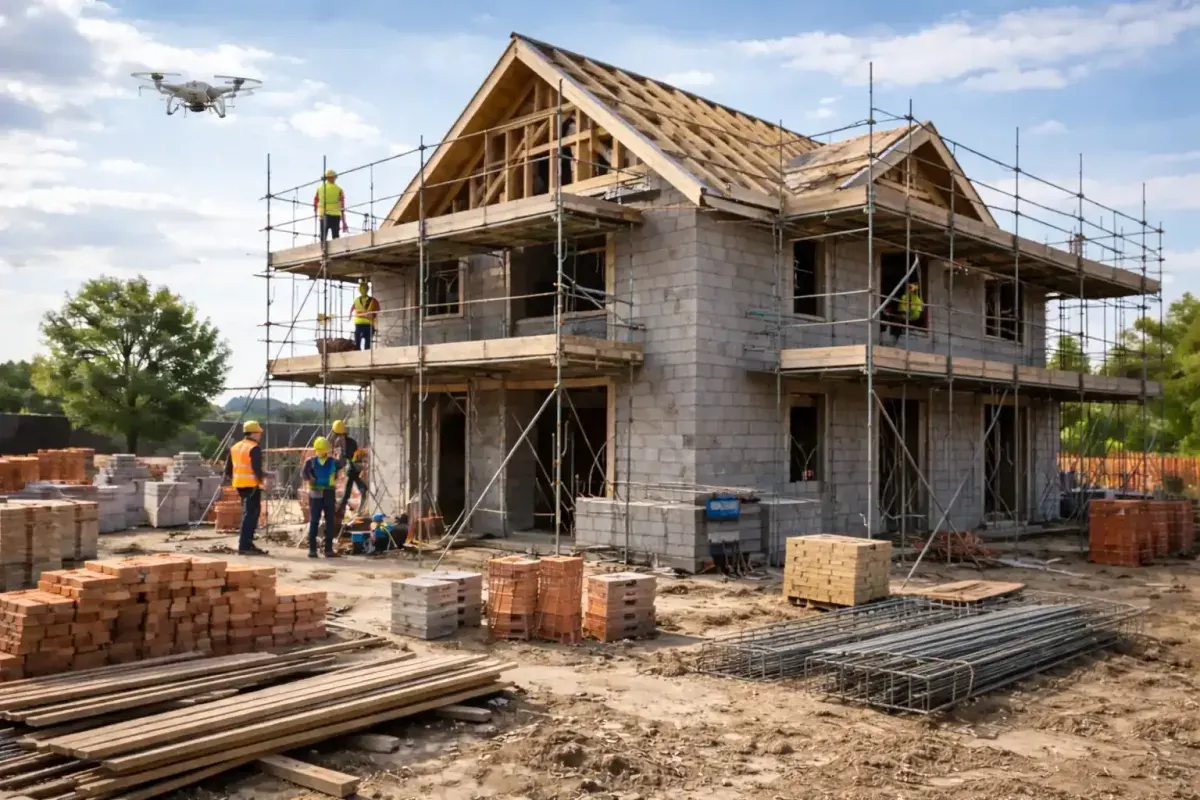
How Construction Progress Inspections Prevent Delays and Defects
Construction progress inspections are one of the most effective ways to keep your building project on time and on budget. This guide explains what happens at each inspection stage, who should be involved, and how regular checks protect homeowners and developers from costly rework and disputes.
11 min read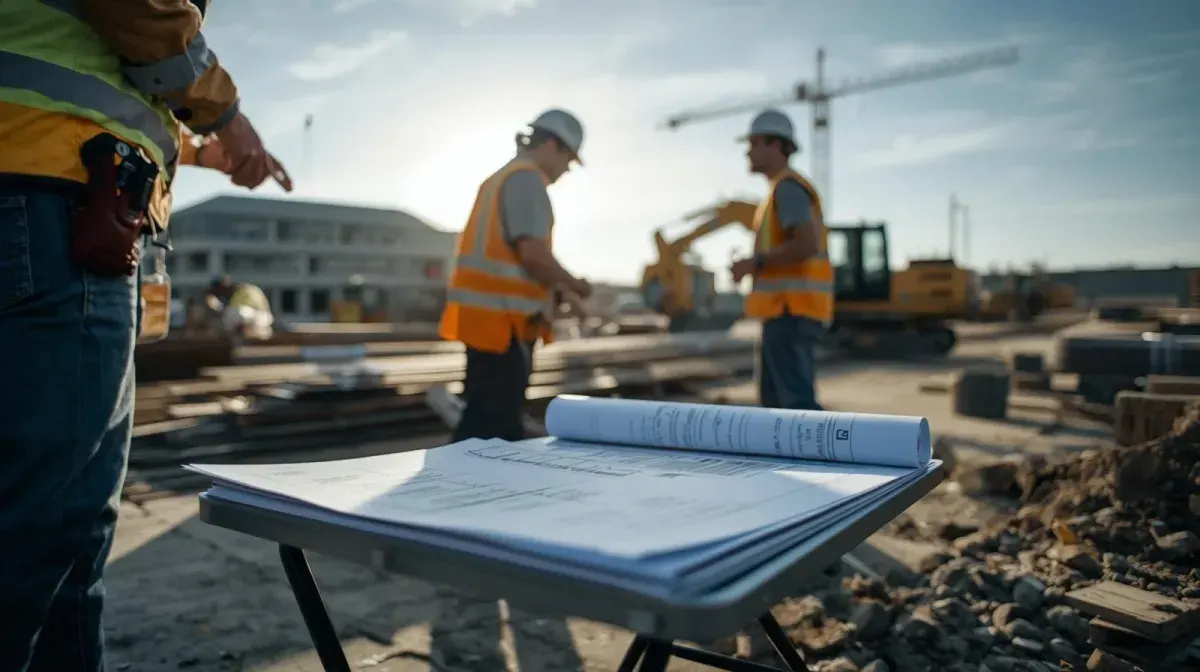
Construction Project Monitoring for Quality and Timelines
Construction project monitoring combines regular inspections, digital tracking tools and clear reporting to keep building projects on schedule, within budget and compliant with Australian Standards and the National Construction Code.
14 min read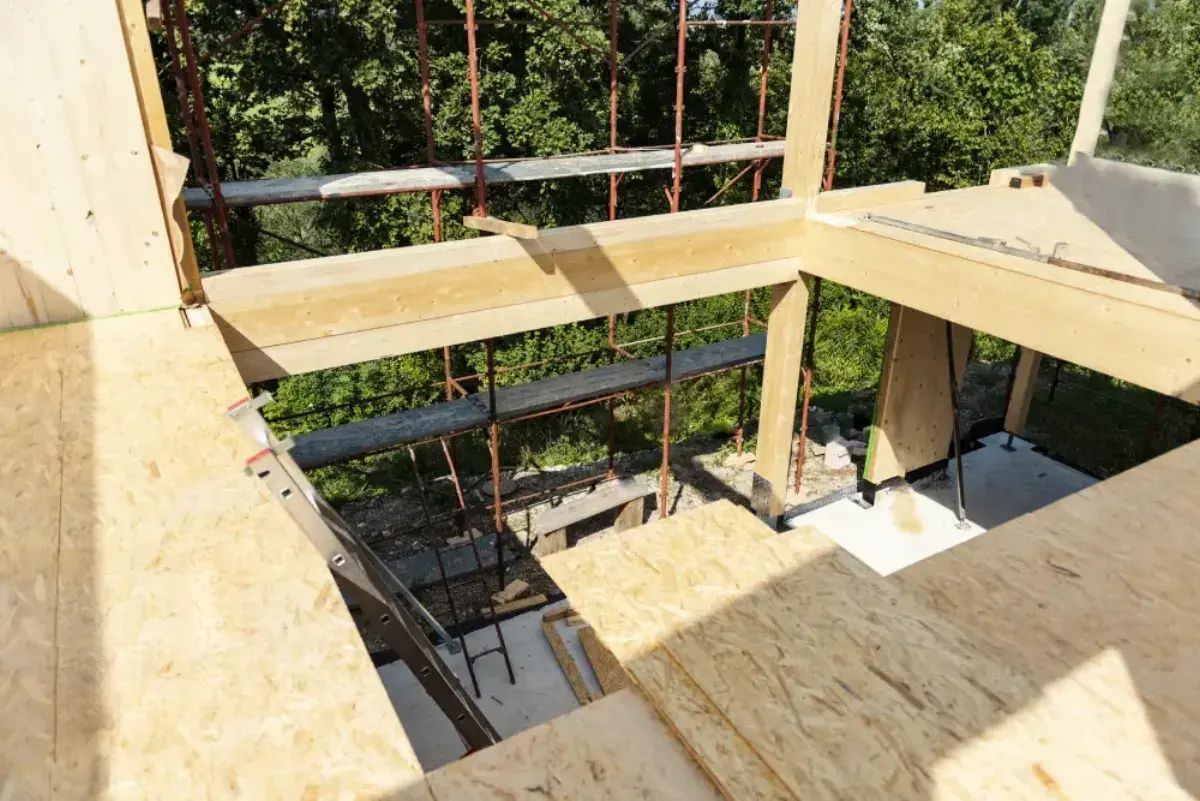
Construction Phase Defect Reports: Identifying Critical Issues
Construction Phase Defect Reports (CPDRs) are essential documents used to identify, record, and address defects during the building process. This guide covers their key functions, common defects found, warranty claim implications, documentation methods, and best practices for reporting.
14 min read
Independent Construction Inspections and Why They Matter
Independent construction inspections provide unbiased assessments of build quality and compliance. Learn why third-party inspections protect homeowners and investors.
13 min read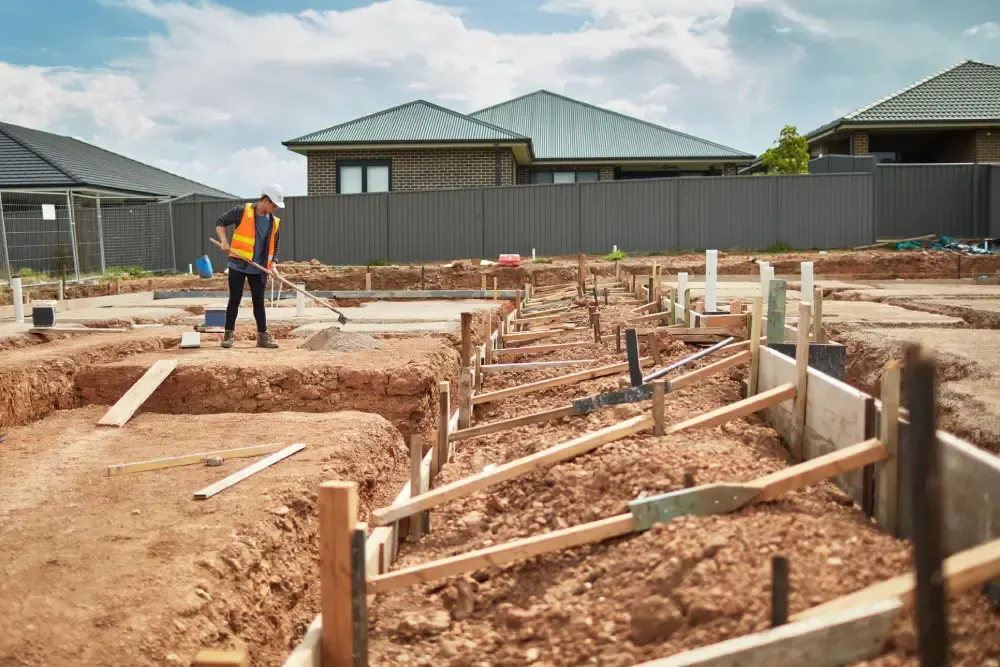
Construction Site Safety Inspection: Compliance and Protection
Construction site safety inspections identify hazards, ensure compliance with the Work Health and Safety Act 2011, and protect workers from injury. This guide covers inspection types, common hazards, checklists, and the legal framework for Australian construction projects.
11 min read
Benefits of Independent Construction Stage Inspections in Brisbane
Independent construction stage inspections in Brisbane give homeowners unbiased quality assurance at every build phase. Learn why third-party inspectors matter for compliance, defect prevention, and long-term savings.
10 min read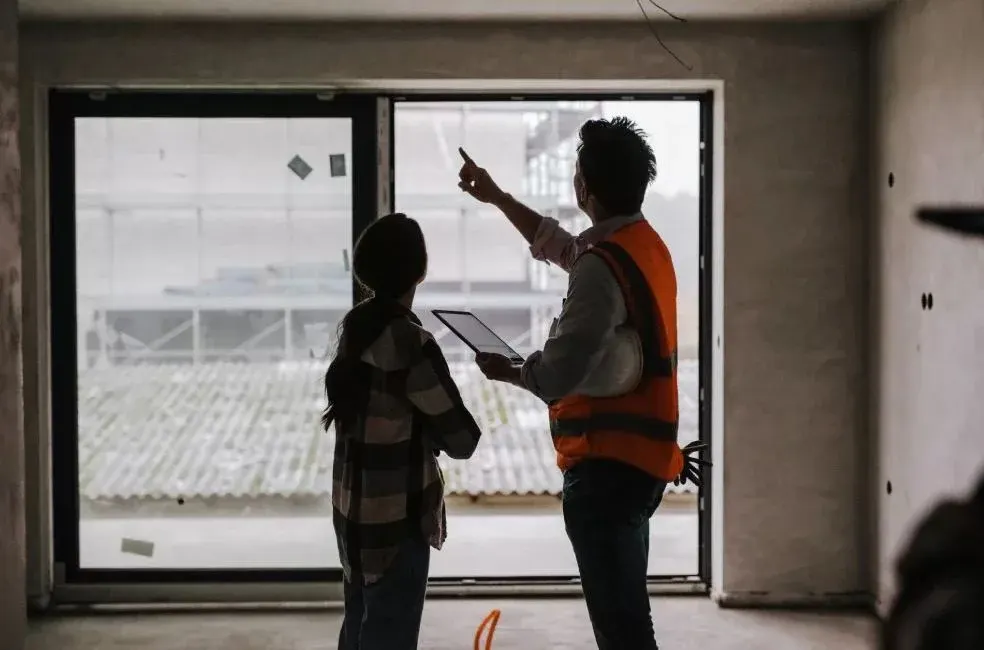
Lock-Up vs. Final Inspections: Knowing the Difference
Lock up inspections occur at approximately 80% completion while final inspections provide comprehensive assessment after construction concludes. Learn the key differences.
8 min read
Common Issues Found in Fixing Inspections and Their Solutions
The fixing stage is one of the most detail-intensive phases of new home construction. This guide covers the 10 most common issues found during fixing inspections, including misaligned plasterboards, window and door installation problems, gaps in skirting boards, and paint defects, along with practical solutions for each.
12 min read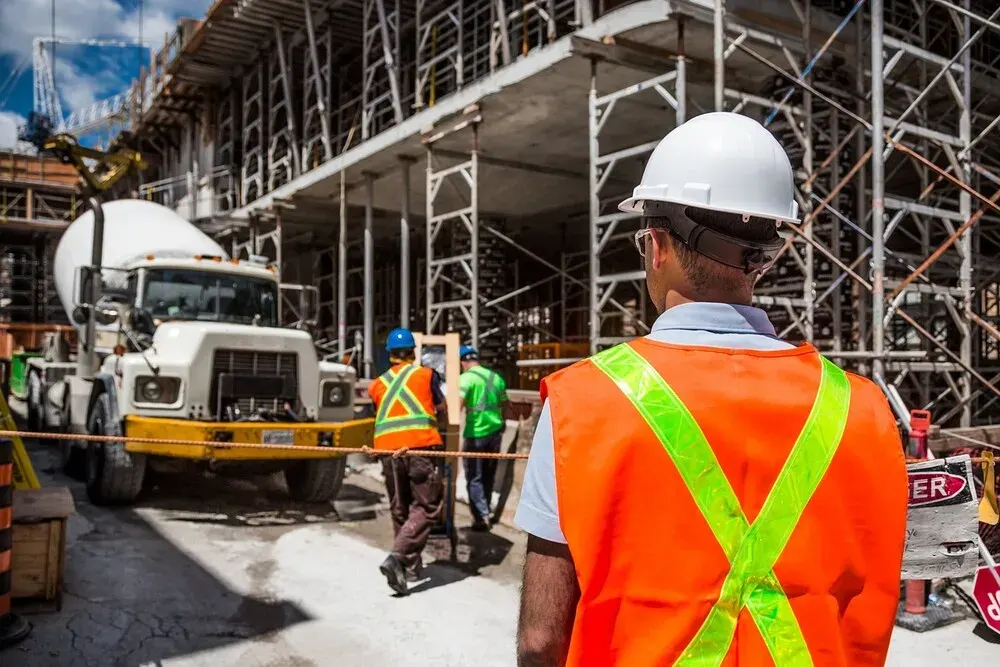
Understanding the 5 Stages of a Construction Project
Every construction project follows five key stages: initiation, design, procurement, construction, and post-construction closeout. This guide explains what happens at each stage, the inspections required, and how to keep your project on track and compliant in Australia.
11 min read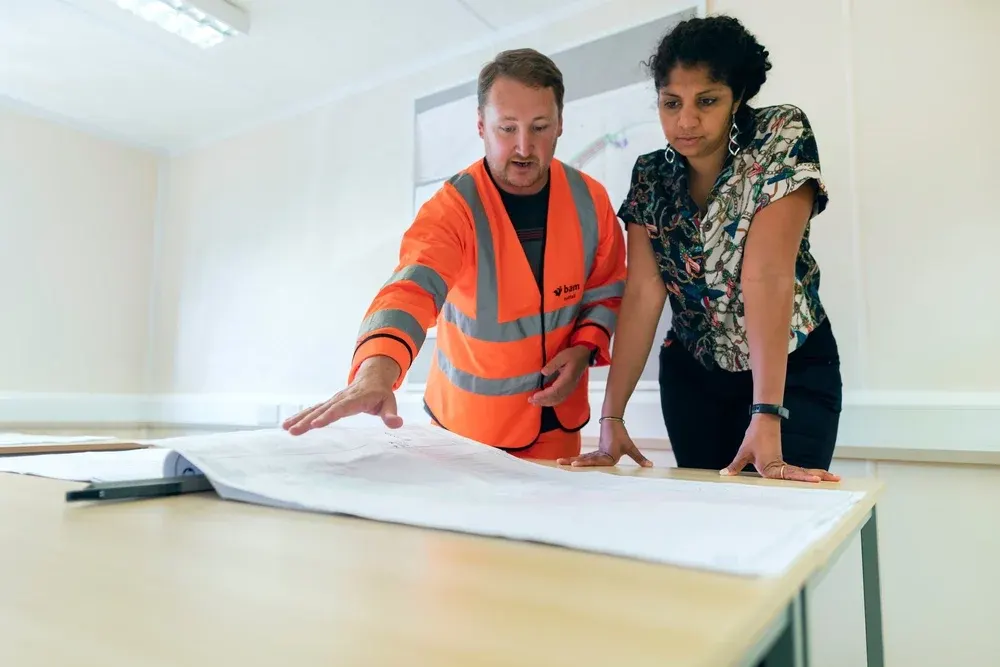
Essential Home Building Inspections in Australia
Building inspections function as protective mechanisms throughout both new construction and property acquisition phases. Learn what inspections are essential.
9 min read
Lock Up vs. Fixing Stage: Distinguishing the Differences in Construction
The lock up stage creates a secure, weatherproof environment while the fixing stage focuses on addressing defects and completing finishes. Learn the key differences.
8 min read
Cost-Saving Strategies for the Lock Up Stage in Construction
The lock up phase involves substantial expenses for windows, doors, and insulation. Learn proactive planning strategies and cost reduction tactics.
8 min read
Investing Wisely: Construction Stage Inspections in Sydney
Sydney's competitive property market makes construction stage inspections a smart investment. This guide covers all 8 inspection stages from foundation to post-handover maintenance, explaining what each covers and why it matters.
10 min read
Balancing Construction Speed and Quality in Gold Coast
Gold Coast's construction boom demands fast project delivery without compromising quality. This guide covers how builders maintain compliance with the NCC and QBCC requirements, use efficient construction strategies, and rely on stage inspections to protect build quality.
11 min read
Tips for a Successful Slab Pre-Pour Inspection Process
A slab pre-pour inspection verifies foundation integrity before concrete is poured, checking reinforcement, formwork, moisture barriers, and soil compaction. This guide covers the inspection process, common challenges, and what to expect.
10 min read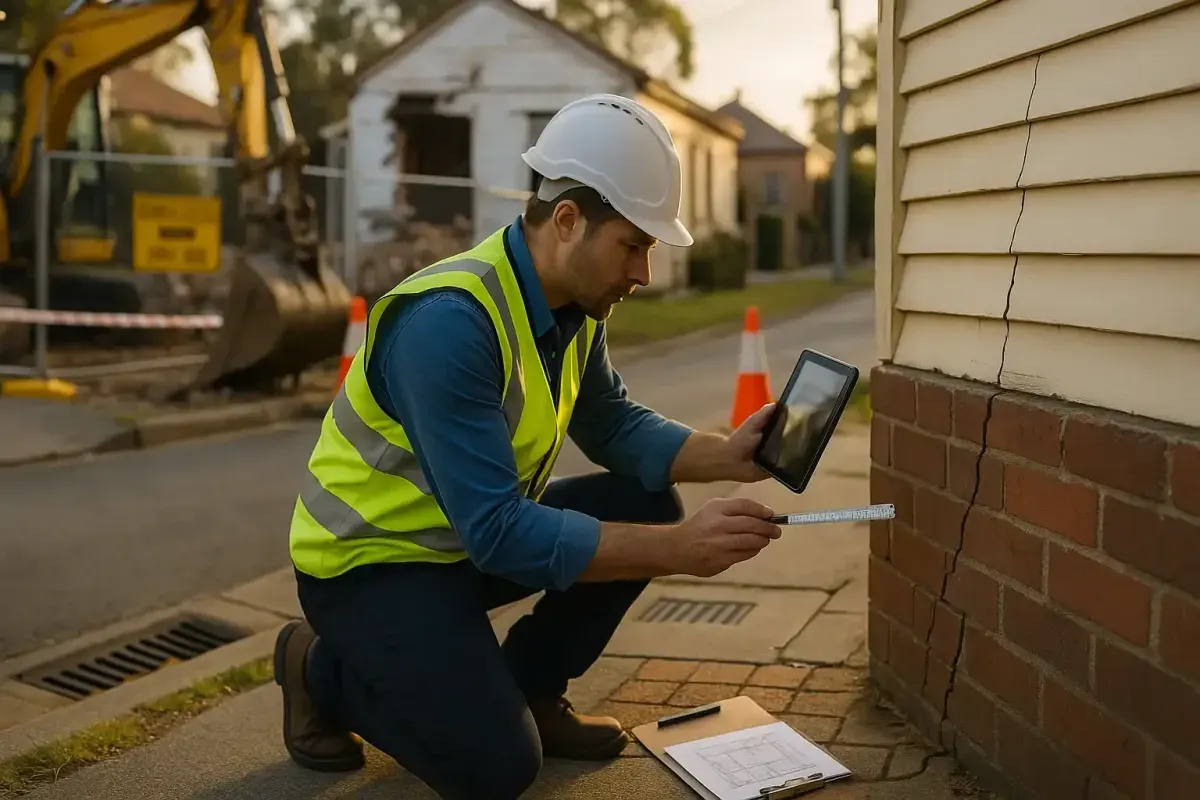
Construction Stage Inspections in Geelong's Residential Market
Geelong's residential market is growing rapidly, attracting new construction projects across the region. Construction stage inspections serve as health assessments for your build, ensuring quality and compliance at every phase from pre-construction through to final handover.
10 min read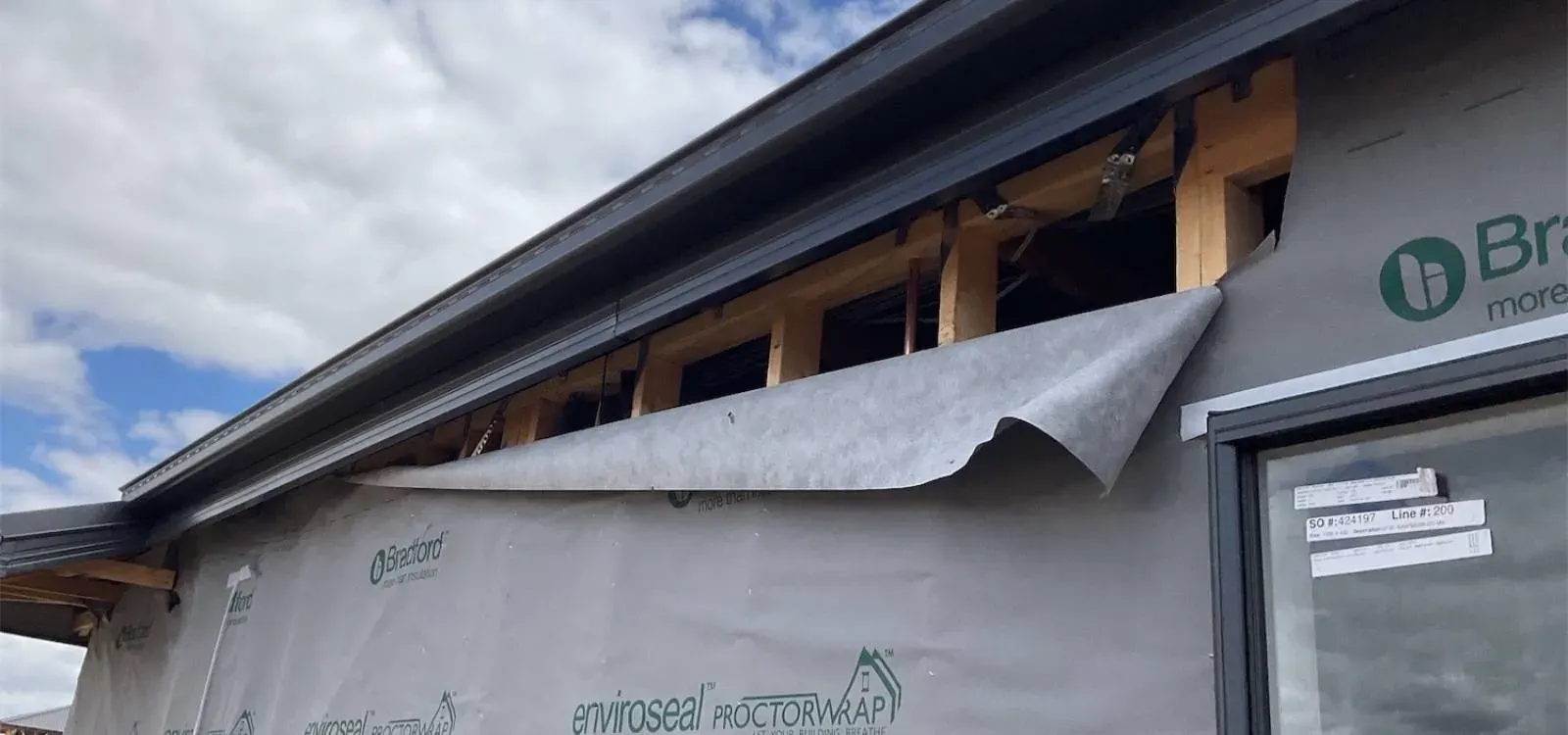
How Lock-Up Inspections Tackle Weatherproofing and Insulation
Lock-up inspections verify that weatherproofing and insulation meet Australian standards before internal work begins. This guide covers what inspectors check, common defects, and how to handle findings with your builder.
10 min read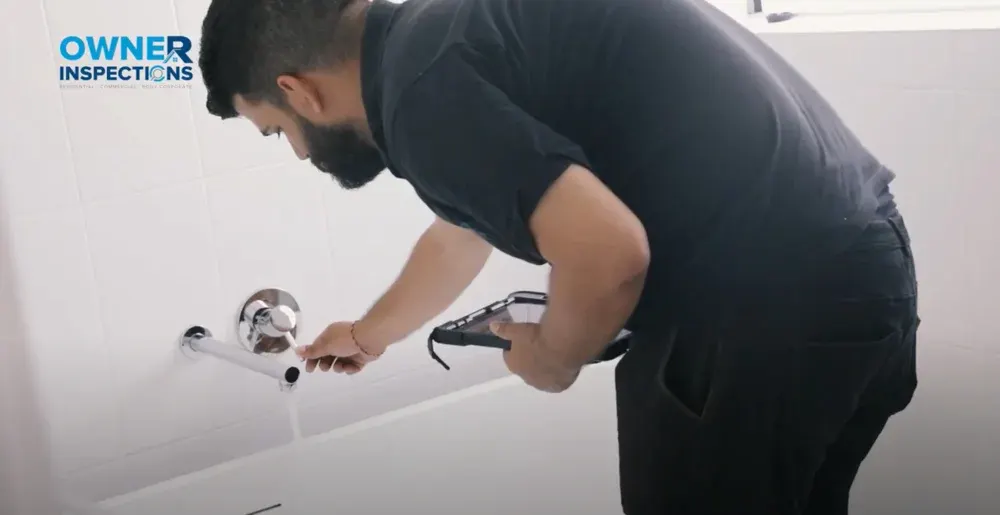
All You Need to Know About Fixing Inspections
A fixing stage inspection evaluates internal components before they are concealed, including cladding, architraves, doors, and built-in shelves. Learn what to expect.
9 min read
Understanding Lock Up Pre Plaster Stage Inspection
The lockup stage is a critical phase where structures are secured with windows, doors, and external cladding before plastering begins. Learn what inspectors check.
9 min read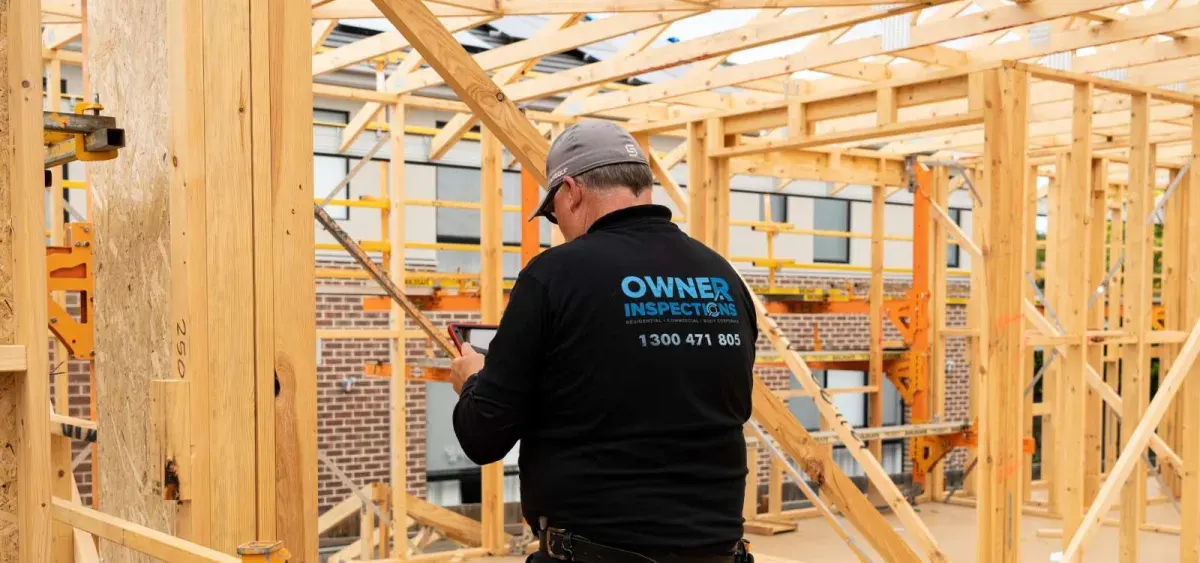
Understanding Frame Stage Inspections: What They Cover and Why They Matter
Frame stage inspections verify the structural integrity and compliance of a building framework before internal linings are installed. This guide covers what inspectors check, common defects, costs, and why these inspections are required in Australian construction.
10 min readFrequently Asked Questions
Yes. Council and private certifier inspections only check for minimum compliance with the Building Code of Australia. They do not assess workmanship quality, finishes, or many of the details that lead to expensive problems later. An independent inspector works for you, not the council or builder, and provides a far more thorough assessment at each stage. Think of council inspections as a pass/fail test on minimum standards, while an independent inspection is a comprehensive quality review.
In almost all cases, no. Standard residential building contracts (including HIA and Master Builders contracts) give you the right to access the site at reasonable times and to bring a representative such as an independent inspector. If your builder objects, it is usually a sign that they have something to hide. You should raise the issue in writing and refer to the access clause in your contract. In our experience at Owner Inspections, the vast majority of builders welcome independent inspections because they demonstrate quality work.
Ideally, book your full inspection package at the start of your build. That way, your inspector is already familiar with your plans and can coordinate timing directly with your builder. For individual stages, try to give your inspector at least 48 hours notice, though many inspectors (including Owner Inspections) can attend within 24 hours when needed. The most time-sensitive stages are the slab (before the concrete pour) and the waterproofing inspection at the fixing stage (before tiling begins).
Your inspector will document the defect in a written report with photos and references to the relevant Australian Standard or engineering specification. You share this report with your builder and request rectification before the frame is covered with plasterboard. Most builders will fix frame stage defects without argument because it is straightforward to correct them at this point. If the builder disputes the finding, your inspector can discuss the issue directly with the builder or site supervisor to reach a resolution.
Absolutely. Volume builders construct hundreds or thousands of homes each year, and while many do good work, the sheer volume means mistakes happen. Site supervisors are often managing multiple builds at once, and subcontractors may be under pressure to move quickly. Independent inspections provide an extra layer of accountability and catch issues that busy supervisors might miss. Some of the most common defects we find at Owner Inspections are on volume builder sites.
A typical stage inspection takes between one and two hours on site, depending on the size of the home and the stage being inspected. The frame stage and handover inspection usually take the longest because there is the most to assess. After the site visit, your inspector will prepare a detailed written report, usually delivered within 24 hours. The report includes photographs, descriptions of each defect, and references to the relevant standards.
You can certainly walk through the site and look for obvious issues, and we encourage you to do so. However, a professional inspector has the training, experience, and technical knowledge to identify defects that most homeowners would not notice. They know the relevant Australian Standards, can read engineering drawings, and understand what is acceptable versus what is a defect. A self-inspection is better than nothing, but it is not a substitute for a qualified, independent assessment, especially for structural and waterproofing stages.
If you can only afford one inspection, choose the frame stage. This is where the most serious structural defects are found, including incorrect tie-downs, undersized members, and missing bracing. Once the frame is covered with plasterboard, these issues are hidden and extremely expensive to investigate and repair. If your budget allows two inspections, add the handover (PCI) inspection as your second priority, since it is your final opportunity to have all defects documented before you accept the home.
Reviewed across every major platform