
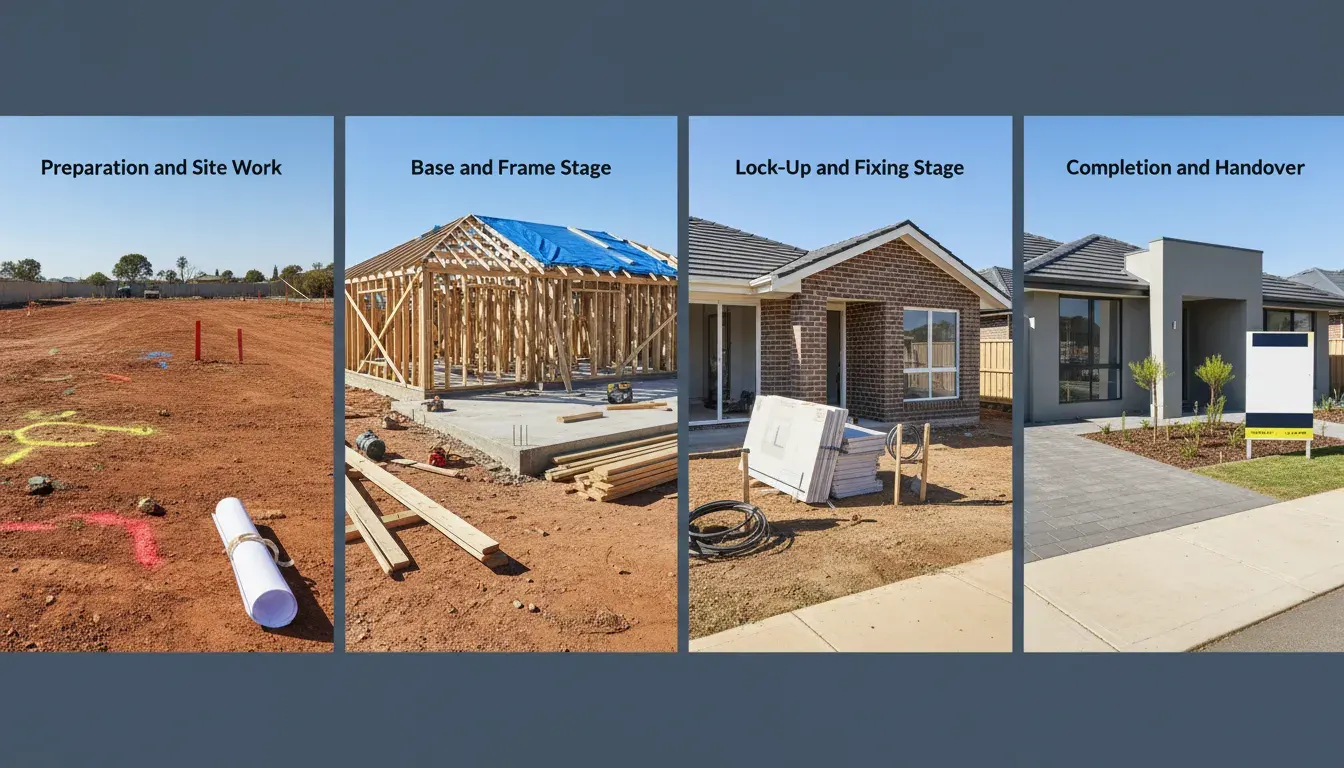
If you are building a new home in Australia, understanding what inspectors check at each stage protects your investment and ensures construction defects are caught early. Many issues become impossible or expensive to fix once covered by subsequent work. For example, waterproofing failures hidden behind tiles can cost $15,000 to $30,000 to rectify after completion.
This guide covers the specific duties inspectors perform at each construction phase, what documentation they provide, and how these inspections differ from council certification requirements.
5
Standard construction stages
$1,500-$2,500
Full inspection package cost
85%
Defects found before lock-up
Understanding Construction Stage Inspections
Construction stage inspections serve a different purpose than council certifier inspections. Council certifiers verify minimum NCC compliance for occupancy certificates. Independent inspectors assess workmanship quality, identify defects, and confirm the work matches approved plans and specifications.
| Inspection Type | Purpose | Who Performs | Documentation |
|---|---|---|---|
| Council/Certifier | NCC compliance for certification | Licensed certifier | Compliance certificates |
| Independent Stage | Quality assurance for owner | Licensed building inspector | Detailed defect report |
| Builder's QA | Internal quality control | Builder's supervisor | Internal checklist |
Booking new construction stage inspections through an independent inspector gives you leverage to have defects rectified before progress payments are made.
Stage 1: Slab or Base Inspection
The slab inspection occurs after formwork and reinforcement installation but before concrete is poured. This is the most time-critical inspection as it must happen within a narrow window.
Inspector Duties at Slab Stage
Timing is Critical
Slab inspections must be booked 24 to 48 hours before the concrete pour. Once concrete is placed, defects in reinforcement or termite barriers cannot be assessed or corrected.
Common defects found at slab stage include insufficient concrete cover to reinforcement, missing or incorrectly positioned termite barriers, and plumbing penetrations that deviate from plans.
Stage 2: Frame Inspection
The frame inspection takes place once the structural frame is complete but before cladding, insulation, or internal linings are installed. This stage reveals the skeleton of the building and allows thorough assessment of structural elements.
Inspector Duties at Frame Stage
| Element | Specific Checks |
|---|---|
| Timber Frame | Member sizes, grades, tie-down connections, bracing |
| Steel Frame | Gauge thickness, fastener patterns, earthing |
| Roof Structure | Truss installation, fixing, and bracing |
| Windows/Doors | Rough opening dimensions, lintel installation |
| Services | Plumbing, electrical, and HVAC rough-in positions |
Inspectors verify that the frame construction matches the engineering specifications and NCC requirements. They check that load-bearing walls are correctly positioned and that bracing complies with wind load requirements for the specific site classification.
Engineering Compliance
Frame inspections compare actual construction against the engineer's design. Missing or incorrect tie-down straps, inadequate bracing, and undersized members are common issues that compromise structural integrity.
Stage 3: Lock-Up Inspection
Lock-up stage occurs when the building envelope is complete. This means external cladding, roofing, windows, and doors are installed, making the building weather-tight and secure.
Inspector Duties at Lock-Up Stage
Waterproofing failures often originate from lock-up stage defects. Poorly sealed window flanges, inadequate roof flashings, and gaps in building wrap can cause water ingress problems that only become apparent months or years later.
Stage 4: Fixing or Fit-Off Inspection
The fixing stage inspection happens after internal linings, wet area waterproofing, cabinetry, and most fixtures are installed. This stage requires particular attention to waterproofing in bathrooms, laundries, and balconies.
Inspector Duties at Fixing Stage
| Area | Specific Checks |
|---|---|
| Wet Areas | Waterproof membrane to AS 3740, fall to drains |
| Internal Linings | Plasterboard fixing, cornices, skirting |
| Cabinetry | Kitchen and bathroom cabinet installation |
| Fixtures | Plumbing fixtures, power points, switches |
| Insulation | Thermal and acoustic insulation installation |
Waterproofing is Critical
Waterproofing in wet areas must comply with AS 3740. Inspectors check membrane application, upturns, and penetration sealing before tiling. Failures at this stage account for a significant portion of building defect claims.
If you suspect waterproofing issues in an existing property, a defect investigation report can identify the source of water ingress without destructive testing where possible.
Stage 5: Practical Completion Inspection
The practical completion or pre-handover inspection is the final assessment before settlement and handover. This comprehensive inspection covers all visible elements and systems.
Inspector Duties at Practical Completion
External Assessment
Landscaping, driveways, fencing, external fixtures, and drainage. Checking for construction damage to existing features.
Internal Walk-Through
Every room assessed for paint finish, flooring, doors, windows, and fixtures. Checking operation of all moving parts.
Services Testing
Hot water, electrical, air conditioning, smoke alarms, and exhaust fans. Verifying all systems operate correctly.
Documentation Review
Checking completion of all contract inclusions and variations against specifications.
The pre-handover report provides a defect list for the builder to rectify before you make the final payment and take possession.
Inspector Qualifications and Documentation
In Australia, building inspectors should hold relevant state licensing. In NSW, this means a builder's licence or accreditation from a relevant professional body. In Queensland, inspectors should be licensed by the QBCC.
- Defect Report
A detailed document listing all identified construction defects, their location, severity, and recommended rectification methods.
- NCC Compliance
Meeting the minimum requirements of the National Construction Code for structural adequacy, fire safety, health and amenity, and energy efficiency.
- Progress Payment
Staged payments made to builders upon completion of defined construction milestones, typically aligned with inspection stages.
Frequently Asked Questions
How much do construction stage inspections cost in Australia?
Individual stage inspections cost between $350 and $550 each. A complete package of five inspections typically ranges from $1,500 to $2,500 depending on property size and location.
Prices vary by state and property complexity. Multi-storey homes, complex designs, and regional locations may attract higher fees. Most inspectors offer package discounts when booking all stages together.
Are construction stage inspections mandatory in Australia?
Independent stage inspections are not legally mandatory. However, council or private certifier inspections are required at specific stages for building approval and occupancy certificates.
While not mandatory, independent inspections are strongly recommended. They provide quality assurance beyond minimum compliance and give you documented evidence if disputes arise with your builder.
What happens if defects are found during a stage inspection?
Defects should be rectified by the builder before the next construction stage proceeds and before the corresponding progress payment is made.
Your inspection report provides documented evidence for requesting rectification. Most building contracts require work to meet reasonable standards of workmanship. Withholding progress payments until defects are addressed is your primary leverage.
Can I attend the construction stage inspections?
Yes, reputable inspectors welcome owner attendance. Being present allows you to ask questions and understand the findings in context.
Attending inspections helps you learn about your home's construction and provides opportunity to discuss any concerns directly with the inspector on site.
How long does a construction stage inspection take?
Most stage inspections take between 1 and 2 hours on site, depending on property size and the specific stage being assessed.
Frame and practical completion inspections typically take longer due to the comprehensive nature of checks required. Slab inspections are usually shorter but more time-critical.
What is the difference between a certifier and an independent inspector?
Certifiers verify minimum NCC compliance for building approval. Independent inspectors assess workmanship quality and identify defects beyond code minimums.
Certifiers work within the approval framework and may be appointed by the builder. Independent inspectors work solely for you and focus on quality assurance rather than just compliance.
When should I book my slab inspection?
Book your slab inspection as soon as you receive notice from your builder that reinforcement is complete, typically 24 to 48 hours before the scheduled concrete pour.
Timing is critical for slab inspections. Once concrete is poured, you lose the opportunity to verify reinforcement placement, termite barriers, and other concealed elements.
Do inspectors check electrical and plumbing work?
Inspectors check visible installation aspects but do not certify electrical or plumbing work. Licensed electricians and plumbers must provide separate compliance certificates.
Building inspectors verify that electrical and plumbing rough-ins are positioned correctly and that installation appears compliant with relevant standards. However, they are not licensed to certify these services.
What qualifications should a construction stage inspector have?
Inspectors should hold state licensing appropriate to building work, such as a builder's licence, and preferably membership in professional bodies like the Master Builders Association.
In Queensland, check for QBCC licensing. In NSW, verify builder's licence status through NSW Fair Trading. Experience in residential construction and formal qualifications in building surveying or construction management are valuable.
Can I claim inspection costs on my tax?
Inspection costs for owner-occupied homes are generally not tax deductible. For investment properties, they may form part of the cost base for capital gains purposes.
Consult a tax professional for advice specific to your circumstances. Inspection costs for investment properties built new may be included in the construction cost base.
How soon will I receive the inspection report?
Most inspectors provide detailed reports within 24 to 48 hours of the inspection, often on the same day for urgent situations.
Reports typically include photographs, defect descriptions, severity ratings, and recommended rectification methods. Digital delivery via email is standard practice.
Should I get a building and pest inspection as well as stage inspections?
Stage inspections cover construction quality. A building and pest inspection is recommended at practical completion to verify termite management systems are intact and no pest activity has occurred during construction.
Termite barriers can be damaged during construction. A final pest inspection confirms the termite management system is complete and functional before handover.
Key Takeaways
- Construction stage inspections cover five key phases: slab, frame, lock-up, fixing, and practical completion
- Independent inspections differ from certifier inspections by focusing on quality assurance beyond minimum compliance
- Slab inspections are time-critical and must occur before concrete is poured
- Frame stage reveals structural elements that become hidden once cladding is installed
- Waterproofing inspection at fixing stage prevents costly failures in wet areas
- Withholding progress payments until defects are rectified provides leverage for homeowners
- Expect to pay $1,500 to $2,500 for a complete package of five stage inspections
- Reports should be delivered within 24 to 48 hours with photographs and rectification recommendations
References and Resources
Related Articles
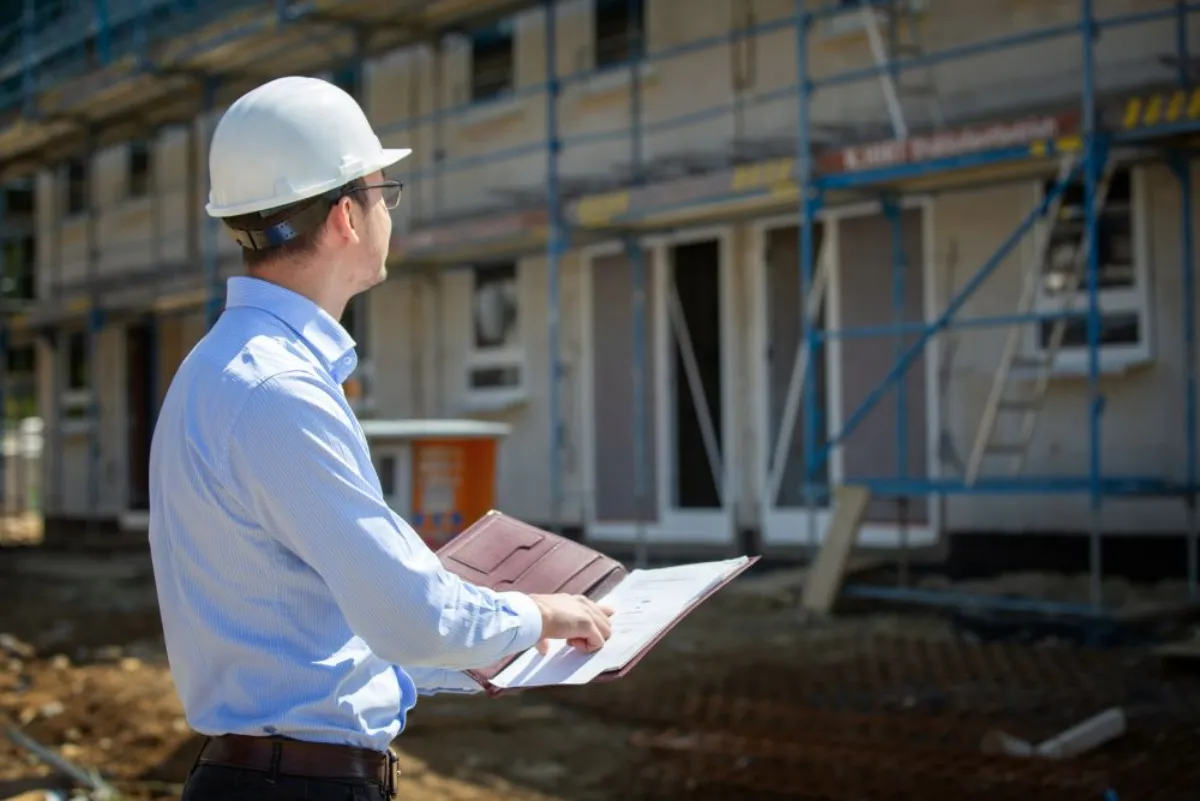
Third-Party Construction Stage Inspections in Melbourne
Third-party construction stage inspections in Melbourne provide independent quality assurance at every build milestone. Learn about key stages, costs, and how to choose an inspector.
Compliance Inspection for Construction Projects: A Complete Guide
Ensuring compliance in construction projects is more than just following regulations. It is about protecting lives, securing investments, and maintaining the integrity of the built environment.
Independent Construction Inspections and Why They Matter
Independent construction inspections provide unbiased assessments of build quality and compliance. Learn why third-party inspections protect homeowners and investors.
Book Your Construction Stage Inspections
Protect your investment with professional stage inspections from slab to completion.
For a complete overview, see our guide to construction stage inspections.
Need Construction Stage Inspections?
Our licensed inspectors cover Sydney, Melbourne, and all major Australian cities.