
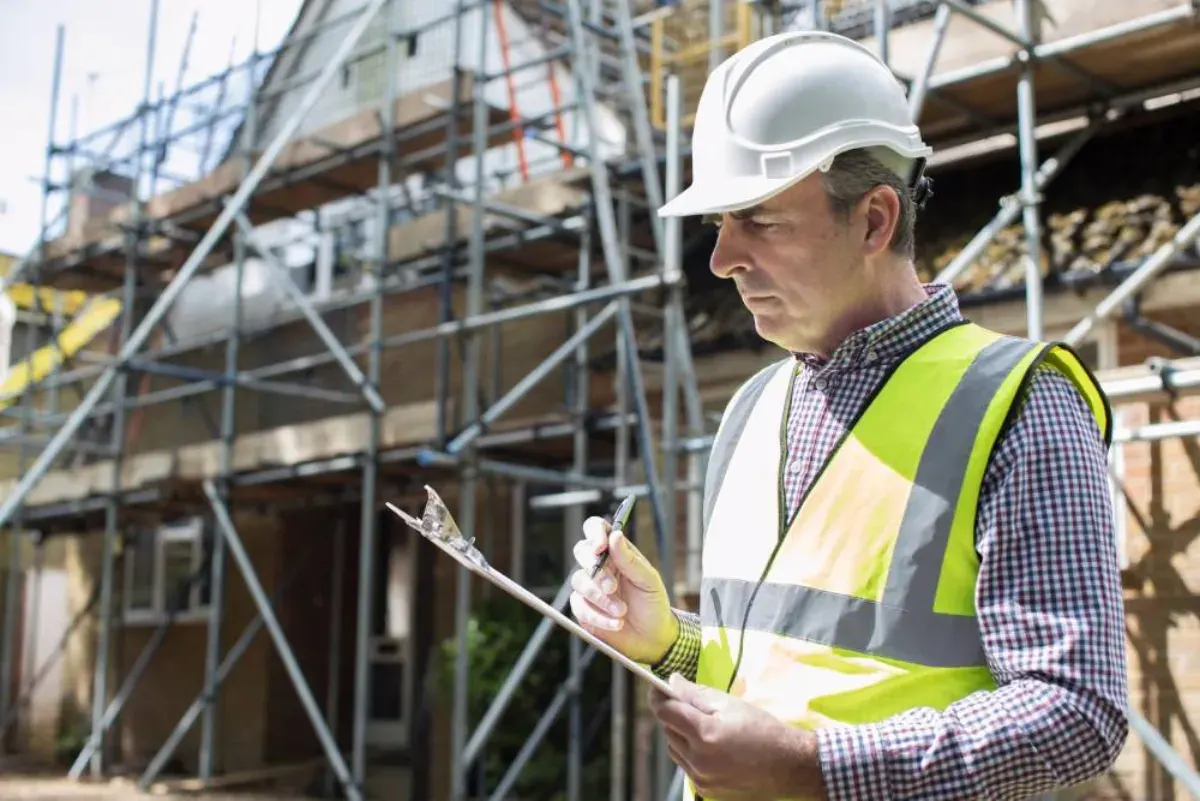
Whether you are building your first home, investing in a duplex development, or constructing a granny flat, each stage of the build presents opportunities for errors that can go unnoticed until they become expensive problems. Timber framing concealed behind plasterboard, waterproofing membranes hidden beneath tiles, and reinforcement buried in concrete are all examples of work that cannot be visually checked once the next trade begins.
This guide walks you through all eight construction stage inspections relevant to Sydney residential builds, explains what each one covers, and outlines why they represent one of the smartest investments you can make during the construction process.
Why Stage Inspections Matter in Sydney's Property Market
Sydney's property market is one of the most competitive in Australia. Median house prices remain among the highest in the country, and the cost of construction materials and labour continues to rise. In this environment, a building defect that costs $500 to fix during construction can easily become a $15,000 rectification project after the home is complete.
Under the Home Building Act 1989 (NSW), residential builders must provide statutory warranties covering structural defects for six years and non-structural defects for two years from completion. When a defect emerges during these warranty periods, it is the builder's responsibility to fix it. However, for the homeowner, dealing with warranty claims means disruption, delays, and the stress of living in a home that needs repair work.
Stage inspections give you independent verification at every point in the build where work is about to be concealed. They provide documented evidence of construction quality and give you leverage to have issues addressed while the responsible trade is still on site.
| Market Indicator | Current Sydney Figure |
|---|---|
| Forecast property growth | 4 to 7 per cent |
| Potential decline scenario | Up to 4 per cent |
| Rental availability | 1.7 per cent |
| Statutory warranty (structural, NSW) | 6 years |
| Statutory warranty (non-structural, NSW) | 2 years |
The 8 Construction Stage Inspections Explained
Each inspection stage targets specific elements of the build that will be concealed or inaccessible once the next phase of construction begins. Here is what each stage involves and why it matters.
Stage 1: Bored Piers and Screw Piles
The foundation is the most important structural element of any building. Bored piers and screw piles transfer the weight of the structure down to stable ground, and their correct installation determines the long-term stability of the entire home.
During this inspection, a licensed inspector assesses:
- Pier depth and alignment against the engineering specifications
- Load transfer capacity based on soil conditions
- Reinforcement cage placement within each pier
- Spacing and positioning relative to the approved plans
- Ground conditions and any evidence of fill, rock, or water table issues
Sydney's geology varies significantly across suburbs. Homes built on clay soils in Western Sydney face different foundation challenges than those on sandstone in the Eastern Suburbs or sandy soils along the Northern Beaches. Getting the foundation right is not optional.
Stage 2: Slab Pre-Pour
The slab pre-pour inspection takes place after all formwork, reinforcement, and embedded services are in position but before the concrete is poured. Once the concrete is placed, none of these elements can be visually inspected or easily corrected.
Key assessment areas include:
- Reinforcement bar (reo) spacing, size, and placement per the engineering drawings
- Formwork dimensions, edge beams, and internal beams
- Vapour barrier installation and continuity
- Embedded utilities including plumbing, electrical conduits, and stormwater pipes
- Slab edge setdowns for wet areas
- Chair and bar support heights to ensure correct concrete cover
A slab that does not meet the engineering specifications can lead to cracking, uneven floors, and structural compromise that is extraordinarily expensive to remedy after the fact.
Stage 3: Frame
The frame inspection occurs after the structural frame (timber or steel) is erected but before internal linings, external cladding, or insulation are installed. The frame is the skeleton of the building, and errors at this stage affect everything that follows.
Inspectors assess:
- Beam and post placement against the approved structural plans
- Design conformity including member sizes, spans, and connections
- Load-bearing wall locations and support points
- Bracing installation per AS 1684 (timber framing) or engineering specifications
- Tie-down straps and connections to the slab or footings
- Window and door opening dimensions
- Roof truss placement and fixing
Frame defects that go unnoticed can cause walls to bow, roofs to sag, and doors and windows to bind or stick. These are not just cosmetic issues; they indicate structural problems that worsen over time.
Stage 4: Lockup and Pre-Plaster
The lockup stage marks the point where the building envelope is sealed. External walls, windows, doors, and roofing are all installed, making the building weathertight. The pre-plaster component of this inspection occurs before internal wall and ceiling linings are fixed, giving the inspector access to the frame, services, and insulation.
This inspection covers:
- Window and door installation, flashing, and sealing
- Roofing installation including sarking, flashing, and gutter alignment
- External cladding or brickwork quality
- Watertightness of the building envelope
- Insulation placement and R-value compliance
- Electrical and plumbing rough-in before concealment
For a detailed breakdown of this stage, see our lock-up and pre-plaster inspection guide.
Stage 5: Fixing
The fixing stage covers the installation of all internal fittings, fixtures, and finished elements. This is when the house starts to look like a home, and it is also when a large number of cosmetic and functional defects can occur.
Items assessed during the fixing inspection include:
- Kitchen cabinets, countertops, and splashback installation
- Internal doors, handles, and hardware
- Bathroom fixtures including vanities, toilets, taps, and shower screens
- Built-in wardrobes and storage
- Architraves, skirting boards, and mouldings
- Staircase construction and balustrade compliance
Each element is checked for alignment, operation, and finish quality. A cabinet door that does not close properly or a countertop with uneven joins may seem minor during construction, but they become a source of frustration for the homeowner after handover.
Stage 6: Waterproofing
Waterproofing is one of the most failure-prone elements in residential construction. A membrane that is incorrectly applied, insufficiently lapped, or damaged during subsequent work can lead to water penetration that destroys floor coverings, wall linings, and structural timber in the rooms below.
The waterproofing inspection assesses:
- Membrane application in bathrooms, ensuites, laundries, and kitchens
- Hob heights and step-down compliance per AS 3740
- Junction detailing at wall-floor intersections
- Penetration sealing around pipes, drains, and fixtures
- Membrane continuity and overlap at sheet joins
- Floor falls directing water towards drains
In NSW, waterproofing must comply with AS 3740 (Waterproofing of domestic wet areas). This inspection must take place after the membrane is applied but before any tiling or floor coverings begin.
Stage 7: Pre-Handover (PCI)
The pre-handover inspection, also known as the Practical Completion Inspection (PCI), is the final comprehensive assessment before the property is handed over to the owner. This is your last opportunity to have defects rectified by the builder before you accept the property.
The PCI covers:
- Full assessment against the approved plans and specifications
- Paint finish quality including coverage, runs, and overspray
- Installation errors across all trades
- Door and window operation
- Tiling quality, grout lines, and adhesion
- External works including driveways, paths, fencing, and landscaping
- Compliance with any contract variations or change orders
For more on what this inspection involves, see our pre-handover inspection service.
Stage 8: Post-Handover Maintenance
The post-handover maintenance inspection is conducted approximately one year after you move in. This inspection identifies defects that have emerged during the first year of occupation, including settlement cracks, material shrinkage, and wear-related issues that are covered under the builder's statutory warranty.
Common items identified during this inspection include:
- Hairline cracks in walls and ceilings from normal settlement
- Doors and windows that have shifted and no longer close properly
- Grout cracking or tile movement
- Paint defects that have become visible over time
- Plumbing issues such as slow drains or minor leaks
- External drainage or landscaping problems
This inspection should be completed within the two-year non-structural warranty period under the Home Building Act 1989 (NSW) to allow time for the builder to complete rectification works before the warranty expires.
What Each Inspection Stage Covers at a Glance
| Stage | Key Focus Areas | Why It Matters |
|---|---|---|
| 1. Bored Piers/Screw Piles | Depth, alignment, reinforcement, load transfer | Foundation stability for the entire structure |
| 2. Slab Pre-Pour | Reo placement, formwork, vapour barrier, utilities | Cannot be corrected once concrete is poured |
| 3. Frame | Beam/post placement, bracing, tie-downs, openings | Structural skeleton affects all subsequent work |
| 4. Lockup/Pre-Plaster | Windows, doors, roofing, insulation, rough-in | Building envelope watertightness and concealed services |
| 5. Fixing | Cabinets, countertops, doors, bathroom fixtures | Cosmetic and functional quality of finished elements |
| 6. Waterproofing | Membranes, hob heights, falls, penetrations | Prevents water damage to structure and finishes |
| 7. Pre-Handover PCI | Plans compliance, paint, installation quality | Last chance to have defects fixed before handover |
| 8. Post-Handover | Settlement, warranty defects, wear issues | Catches problems within statutory warranty periods |
Cost of Stage Inspections vs Defect Rectification
The financial argument for stage inspections is compelling. Here is a comparison of typical inspection costs versus what it costs to fix defects after the build is complete.
| Defect Type | Stage Inspection Cost | Rectification Cost After Completion |
|---|---|---|
| Foundation misalignment | $400 to $700 | $20,000 to $80,000 |
| Slab reinforcement error | $400 to $700 | $15,000 to $50,000 |
| Frame bracing deficiency | $400 to $700 | $8,000 to $25,000 |
| Waterproofing failure | $400 to $700 | $12,000 to $30,000 |
| Fixing defects (cabinets, doors) | $400 to $700 | $3,000 to $10,000 |
| Paint and finish defects | $400 to $700 | $4,000 to $12,000 |
A complete set of eight stage inspections for a typical Sydney residential build costs between $3,200 and $5,600. A single undetected waterproofing failure can cost more than the entire inspection programme to rectify.
How to Choose a Stage Inspection Provider in Sydney
Not all inspection providers offer the same level of service. When selecting an inspector for your Sydney build, consider the following:
- Licensing: The inspector should hold a licence issued by NSW Fair Trading. Ask for the licence number and verify it online.
- Insurance: Confirm they carry professional indemnity insurance and public liability insurance.
- Experience: Look for inspectors with specific experience in residential new construction, not just pre-purchase inspections on established homes.
- Reporting: Ask to see a sample report. It should include photographs, descriptions of each defect, and references to the relevant Australian Standard or NCC provision.
- Independence: The inspector must be fully independent from the builder, developer, and any trades working on the project.
Common Defects Found at Each Stage in Sydney
Sydney's unique combination of soil types, weather patterns, and construction methods produces recurring defect patterns at each stage.
Foundation stage: Piers not reaching the specified depth due to unexpected rock or groundwater. Reinforcement cages misaligned or with insufficient concrete cover.
Slab stage: Reo chairs displaced during the pour preparation, resulting in reinforcement sitting too low. Vapour barriers torn or inadequately lapped at joins.
Frame stage: Missing or incorrectly positioned bracing. Tie-down straps not connected to the slab bolts. Truss spacings exceeding the engineering specification.
Lockup stage: Window flashing not installed or incorrectly lapped. Sarking (roof underlay) not extending into gutters. Gaps in the building envelope at penetrations.
Fixing stage: Cabinet doors misaligned. Countertop joins visible or uneven. Bathroom fixtures not level or not securely fixed.
Waterproofing stage: Membrane not extending to the required height on walls. Insufficient overlap at sheet joins. Floor falls directing water away from drains.
Pre-handover: Paint defects including runs, missed areas, and overspray on fixtures. Scratched glass. Incomplete external works.
Post-handover: Settlement cracks in plasterboard at doorways and windows. Grout cracking in wet areas. Doors sticking due to frame movement.
Frequently Asked Questions
Frequently Asked Questions
How much do construction stage inspections cost in Sydney?
Individual stage inspections in Sydney typically cost between $300 and $800, depending on the property size and the complexity of the stage being inspected.
A complete package covering all eight stages for a standard residential build generally ranges from $3,200 to $5,600. Some providers offer package pricing that reduces the per-inspection cost. The cost varies based on the size of the home, the number of levels, and the location within Greater Sydney. Inspections for homes in outer suburbs may include a travel component. When compared to the cost of rectifying a single defect after completion, which can range from $5,000 to $80,000 depending on severity, the inspection cost represents excellent value.
Are construction stage inspections mandatory in NSW?
Stage inspections by a building surveyor (principal certifying authority) are mandatory at prescribed hold points under NSW legislation. Independent stage inspections by a building inspector are voluntary but strongly recommended.
The mandatory inspections required by the Environmental Planning and Assessment Act 1979 (NSW) cover specific structural stages such as footings, frame, and final completion. These mandatory inspections have a limited scope focused on compliance with the building permit conditions. Independent stage inspections go beyond the mandatory requirements by assessing trade quality, workmanship, and elements that building surveyors do not typically inspect, including waterproofing application, insulation placement, and fixture installation.
When should I book stage inspections during my Sydney build?
Each inspection should be booked as soon as the relevant stage of work is complete but before the next stage begins to conceal it.
Timing is critical. For example, the slab pre-pour inspection must happen after all reinforcement and services are in place but before the concrete truck arrives. The waterproofing inspection must occur after the membrane is applied but before any tiling starts. Your builder should provide advance notice of when each stage will be ready. Most inspection providers can attend the site within 24 to 48 hours of your booking. Build a relationship with your inspector early so they understand your project timeline and can schedule accordingly.
Can my builder refuse to allow an independent stage inspection?
No. Under the Home Building Act 1989 (NSW), homeowners have the right to engage independent inspectors at any stage of the construction process.
If your building contract does not already include provisions for independent inspections, you should discuss this with your builder before construction begins. Most reputable builders welcome independent inspections because they help identify issues early and reduce the risk of disputes at handover. If a builder actively resists independent inspections, this may be a red flag about their confidence in the quality of their work. You can also include a clause in your building contract that specifically allows for independent inspections at each construction stage.
What qualifications should a stage inspector have in NSW?
A stage inspector in NSW should hold a building inspection licence issued by NSW Fair Trading, along with professional indemnity insurance and public liability insurance.
Relevant qualifications include a Certificate IV or Diploma in Building and Construction (Building), a degree in building surveying or construction management, or equivalent industry experience. The inspector should have specific experience in new residential construction inspections, as this requires different knowledge compared to pre-purchase inspections on established homes. Ask for the inspector's licence number and verify it through the NSW Fair Trading licence check service before engaging their services.
What happens if defects are found during a stage inspection?
The inspector documents all defects in a detailed report with photographs, descriptions, and references to the applicable Australian Standards or NCC provisions. You then present this report to your builder for rectification.
Most defects found during stage inspections can be rectified quickly and at minimal cost because the work is still accessible. A framing defect can be corrected before plasterboard is fixed. A waterproofing defect can be repaired before tiling begins. The builder should direct the responsible subcontractor to complete the rectification, and you may request a re-inspection to confirm the work has been properly addressed before the build proceeds to the next stage.
Do I need all eight stage inspections or can I choose specific ones?
You can choose specific stages, but a complete set of inspections provides the best protection for your investment.
If budget is a concern, prioritise the stages where defects are most costly to rectify after the fact. Foundation (bored piers), slab pre-pour, frame, and waterproofing inspections are the most critical because these elements are fully concealed by subsequent work and are the most expensive to access and repair later. The pre-handover inspection is also highly recommended as it provides a comprehensive assessment before you accept the property. Skipping any stage carries a risk that defects in that phase will go undetected.
How long does a stage inspection take in Sydney?
A single stage inspection on a standard residential property in Sydney typically takes between two and four hours on site.
The duration depends on the size and complexity of the home, the stage being inspected, and the number of defects found. Slab and foundation inspections are generally quicker than frame or pre-handover inspections, which involve more elements to assess. Inspection reports are usually delivered within 24 to 48 hours of the site visit. For larger or architecturally complex homes, some stages may require additional time, and the inspector will advise you of this when the inspection is booked.
Can I attend the stage inspection with the inspector?
Yes. Attending the inspection is recommended because it gives you a firsthand understanding of the issues identified and the opportunity to ask the inspector questions about the build.
Being present during the inspection allows you to see exactly where defects are located and understand their significance. The inspector can explain technical issues in plain language and help you understand what to raise with your builder. If you cannot attend in person, the inspection report with photographs will still provide all the information you need to follow up with your builder. Some inspectors also offer video walkthroughs of the inspection findings.
What is the difference between a stage inspection and a defect inspection?
A stage inspection is a proactive assessment carried out during construction at a specific point in the build. A defect inspection is a reactive assessment carried out after construction is complete to identify problems that need rectification.
Stage inspections prevent defects from being concealed by subsequent work, allowing them to be fixed while the responsible trade is still on site and the work is accessible. Defect inspections, by contrast, identify problems that have already been covered up and typically require more extensive and expensive rectification. Both types of inspection serve a valuable purpose, but stage inspections are the more cost-effective approach because they catch problems at the point where they are cheapest to fix.
Is the post-handover maintenance inspection covered by the builder's warranty?
The cost of the inspection itself is not covered by the builder's warranty. However, the defects identified during the inspection are covered under the builder's statutory warranty obligations in NSW.
Under the Home Building Act 1989 (NSW), builders must rectify structural defects for six years and non-structural defects for two years from the date of practical completion. The post-handover maintenance inspection, typically conducted around 12 months after you move in, is timed to fall within the non-structural warranty period. This gives the builder sufficient time to complete rectification works before the two-year warranty expires. The inspection cost is borne by the homeowner and typically ranges from $400 to $800.
Key Takeaways
Key Takeaways
- Construction stage inspections in Sydney cover eight defined stages from bored piers through to post-handover maintenance, providing independent verification at every point where work will be concealed
- Sydney's property market conditions, with forecast growth of 4 to 7 per cent and rental availability of just 1.7 per cent, make protecting your building investment through stage inspections a financial priority
- A complete set of eight stage inspections costs between $3,200 and $5,600, while a single undetected defect can cost $15,000 to $80,000 to rectify after completion
- The Home Building Act 1989 (NSW) provides statutory warranties of six years for structural defects and two years for non-structural defects, but preventing defects during construction is far more effective than claiming on warranties after handover
- Waterproofing and foundation inspections are the most critical stages because defects in these areas are fully concealed and the most expensive to access and repair later
- Inspectors must hold a licence issued by NSW Fair Trading and carry professional indemnity and public liability insurance
- The post-handover maintenance inspection should be completed within the first 12 months to allow time for warranty rectification before the two-year non-structural warranty period expires
References
References and Resources
- Home Building Act 1989 (NSW) - NSW legislation governing residential building work, warranties, and dispute resolution
- National Construction Code (NCC) - Australian Building Codes Board, governing technical building requirements
- AS 3740 Waterproofing of Domestic Wet Areas - Standards Australia, waterproofing requirements for residential buildings
- AS 1684 Residential Timber-Framed Construction - Standards Australia, timber framing standards for residential buildings
- AS 2870 Residential Slabs and Footings - Standards Australia, design and construction of residential slabs and footings
Related Articles

Protect Your Sydney Build with Stage Inspections
Independent construction stage inspections catch defects while they are still accessible and affordable to fix. Our licensed inspectors cover all eight stages from foundation to post-handover across Greater Sydney.
For a complete overview, see our guide to construction stage inspections.
Need Construction Stage Inspections?
Our licensed inspectors cover Sydney, Melbourne, and all major Australian cities.