





Why Is a Roof Inspection Important?
The roof is the part of a building most exposed to weather and least often looked at. Failures there rarely announce themselves at the roof: water enters at a cracked tile, a corroded valley or a failed flashing, then travels along battens and framing before appearing as a ceiling stain in a different room entirely.
By the time the stain shows, the water has usually been present long enough to affect insulation, plasterboard and framing timber. Inspecting the roof directly finds the entry point rather than the symptom, which is the difference between repairing a flashing and replacing a ceiling.
What Is a Roof Condition Report?
A roof condition report is a documented assessment of the roof as it stands, prepared for a specific purpose: a purchase decision, an insurance claim, a strata capital works plan, or a dispute with a builder or roofer.
It records the roof covering, flashings, valleys, ridge capping, pointing and bedding, penetrations such as vents and skylights, gutters, downpipes and drainage. Each defect is photographed, located on the roof, and described with its likely cause rather than just its appearance.
The distinction from a general building inspection is depth and purpose. A pre-purchase building inspection notes the roof as one element among many. A roof condition report is about the roof alone, and is detailed enough for a roofer to quote from or an insurer to assess against.
What Does a Roof Inspection Cover?
The covering itself is assessed first: cracked, slipped or broken tiles, corroded or lifting metal sheeting, deteriorated pointing and bedding on ridge capping, and fixings that have worked loose.
Flashings and penetrations follow, because these are where most leaks originate. Valleys, chimney and wall flashings, vent and skylight penetrations, and the junctions between roof planes all rely on a seal that degrades faster than the covering around it.
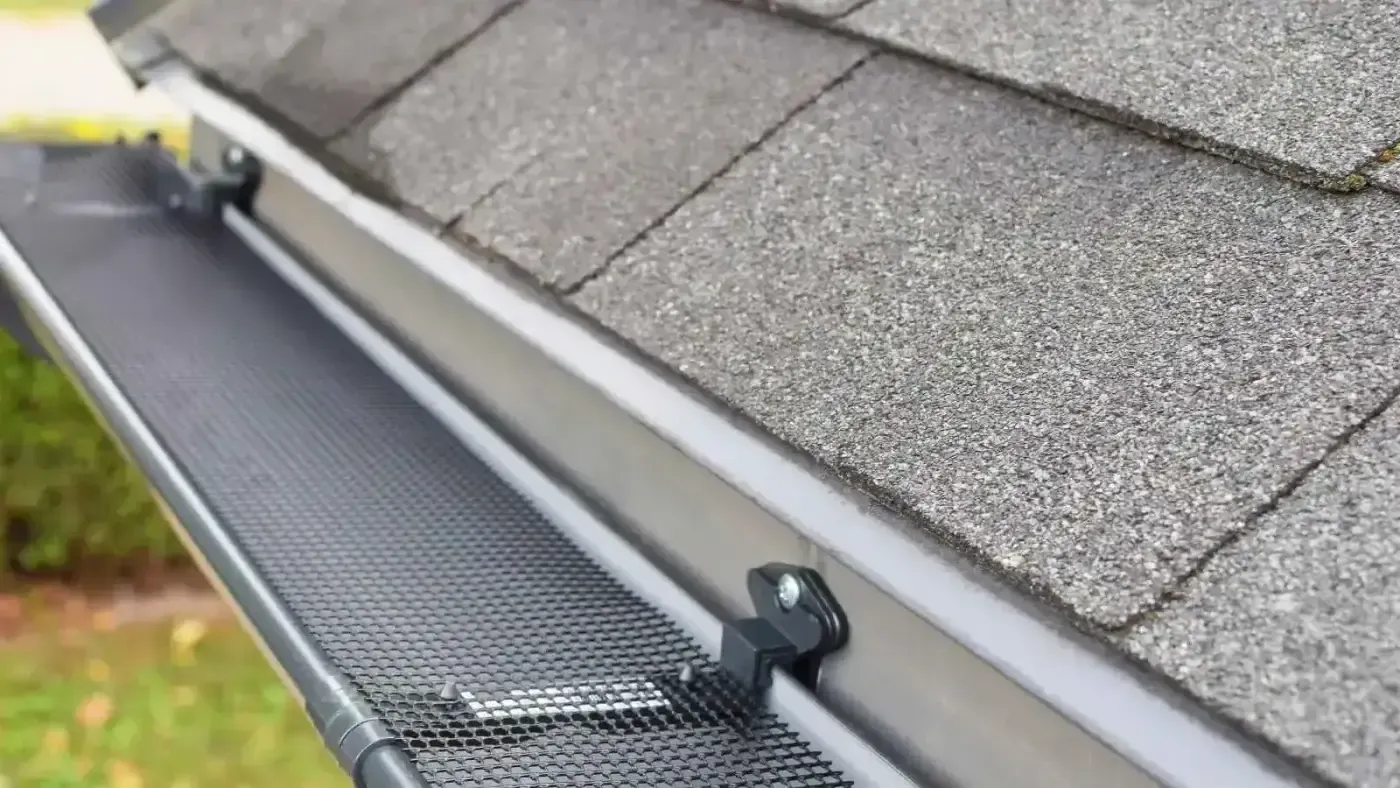
Drainage is the third area. Blocked or undersized gutters, downpipes discharging against a wall rather than into stormwater, and box gutters without adequate fall or overflow provision all put water where it should not be. Where accessible, the roof space is inspected from beneath for daylight, staining, damp insulation, sarking condition and evidence of past leaks.
When Are Drone Roof Inspections Used?
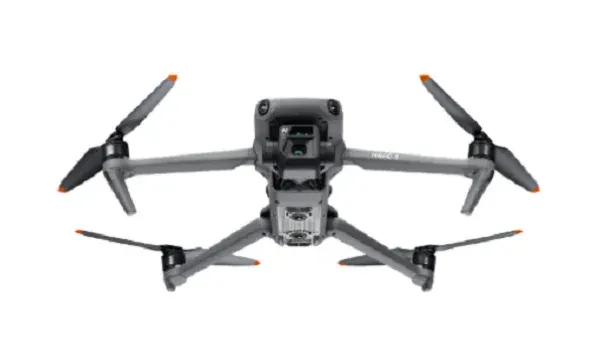
Drones are used where a roof cannot be walked safely or completely: steep pitches, two and three storey buildings, brittle or fragile roofing such as older fibre cement, and roofs where foot traffic would itself cause damage.
The practical gain is coverage. A ladder-and-edge inspection sees the perimeter and whatever is visible from it. A drone documents the entire surface, including ridge lines, upper valleys and the far side of a pitch, at a resolution that shows individual cracked tiles and corrosion.
Commercial drone operation in Australia is regulated by the Civil Aviation Safety Authority. A drone under 2 kg flown for work falls into the excluded category, which requires operator accreditation and drone registration rather than a full remote pilot licence. The DJI Mavic 3 used for these inspections sits under that threshold.
What Does a Roof Inspection Cost in Australia?
Every roof inspection is quoted up front, including GST, with the report delivered within 24 hours.
Price moves with roof area and complexity rather than the size of the house. A simple hip roof on a single storey costs less to assess than a multi-plane roof with box gutters, several penetrations and limited access. Two and three storey buildings and roofs requiring drone coverage sit at the higher end.
Where the report is being prepared for an insurance claim or a dispute, scope and cost differ, because the evidentiary standard is higher: causation has to be addressed, not just condition.
Roof Inspections After Storm Damage
After hail, wind or heavy rain, the useful question for an insurer is not whether the roof is damaged but whether this event caused the damage. Insurers commonly decline claims on the basis that deterioration was gradual and pre-existing, which is a question about cause rather than condition.
A report prepared for a claim documents the damage with dated photographs mapped to locations on the roof, distinguishes impact damage from age-related wear where the evidence allows, records moisture readings where water has entered, and sets out a scope of works.
Inspecting promptly matters. The longer the gap between the event and the assessment, the harder it becomes to separate storm damage from ordinary weathering, and the stronger the insurer position becomes.
Roof Reports for Strata and Capital Works Planning
Strata committees need roof condition information for two decisions: what to repair now, and what to budget for over the next ten years. A condition report supports both by recording remaining service life alongside current defects.
For a capital works fund, the useful output is not a list of faults but a sequence: what fails first, what can reasonably be deferred, and what should be bundled into one access arrangement because scaffolding or drone mobilisation is a fixed cost regardless of how much work is done while it is in place.
The same report supports insurance and compliance obligations, and gives owners a documented basis for a levy decision rather than a contractor quote.
Which Roof Defects Are Found Most Often?
Deteriorated pointing and bedding on ridge capping is the most common finding on tiled roofs in Australia. The mortar cracks and washes out over time, tiles loosen, and water enters at the ridge.
On metal roofs, corrosion concentrates where water sits or where dissimilar metals meet, typically valleys, fastener penetrations and gutter junctions. Coastal properties see this faster because of salt exposure.
Drainage defects are the most common cause of damage that presents somewhere other than the roof: gutters that have never been cleared, downpipes disconnected from stormwater, and box gutters with insufficient fall. Missing or damaged sarking is the other recurring finding, and matters because sarking is the second line of defence when the covering fails.
When Do You Need a Roof Inspection?
Before buying a property is the most common reason. Roof repairs and replacements are among the most expensive maintenance items a home carries, and damage inside the roof cavity is invisible during an open home. Findings from the report can be used to renegotiate the price or to have the vendor complete repairs before settlement.
After a storm, hailstorm or cyclone, an inspection documents the damage while it can still be tied to the event, which is what an insurer needs to see. When a ceiling stain or leak appears, the inspection finds the entry point rather than the symptom.
The other triggers are routine: every two to five years as maintenance depending on roof age and climate, before selling so issues are fixed rather than discounted, and during a dispute with a builder or roofer where independent evidence is needed. Properties in coastal, tropical or bushfire-prone areas, and those with large trees nearby, sit at the shorter end of that interval.
Roof Inspection or Full Building Inspection?
A pre-purchase building inspection under Australian Standard AS 4349.1 assesses the roof as one element among many, from the ground and from the roof space where accessible. It is the right choice when buying and there is no specific concern about the roof.
A dedicated roof inspection goes further on the roof alone: the full surface by drone, every flashing and penetration, moisture readings where water has entered, and the roof space in detail. It suits a suspected leak, storm damage, an ageing roof, a strata capital works plan or an insurance dispute.
The two can be combined. Buyers who have a particular concern about a roof often add a roof condition report to the building inspection so both are done in one visit.
What Should a Roof Inspector Hold?
A current builder's or building inspector's licence in the state where the property sits, professional indemnity and public liability insurance, and experience with the roof type in question, whether tile, metal, slate, membrane or fibre cement.
In NSW that means licensing under the Home Building Act 1989. In Victoria the Victorian Building Authority regulates practitioners. In Queensland the QBCC oversees licensing. Owner Inspections holds licences in all three.
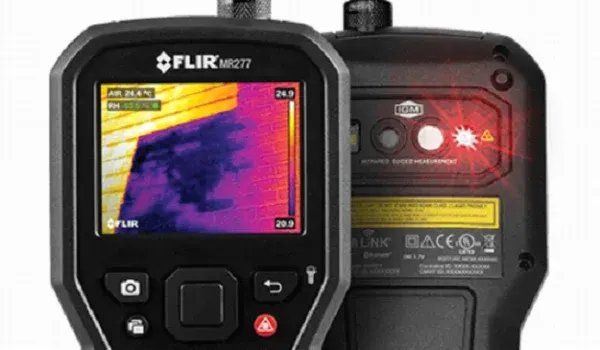
Equipment matters as much as the licence. An inspector relying on a ladder and eyesight sees the perimeter. Thermal imaging, a moisture meter and a drone see the rest. Ask for a sample report before booking, because the report is what you are actually paying for.