
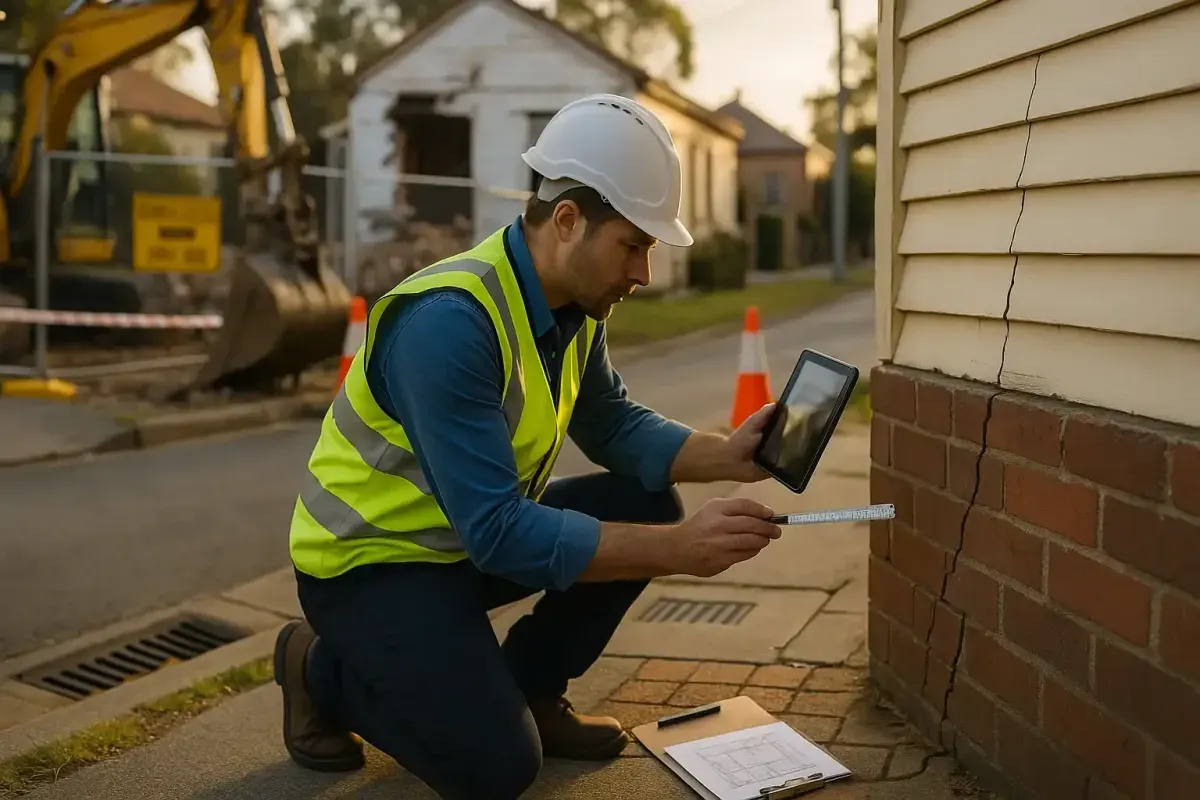
With so much building activity, the importance of quality assurance during construction cannot be overstated. Construction stage inspections act as health assessments for your building project, identifying potential problems at each critical phase before they become costly defects. Whether you are building a new home, investing in a townhouse development, or purchasing off the plan in one of Geelong's new estates, understanding these inspections is essential.
Construction stage inspections are not about catching builders out. They are about catching problems early, when they are simple and affordable to fix, rather than discovering them after completion when rectification becomes complex and expensive.
Geelong's Growing Housing Market
Geelong's population growth has been among the fastest of any regional city in Australia. The combination of relatively affordable property prices compared to Melbourne, improved transport infrastructure, and a thriving local economy has made the region a magnet for new residents.
This growth has driven a diverse range of new construction projects:
- Waterfront apartments along the Geelong foreshore and in the developing suburbs of Rippleside and North Geelong, catering to buyers seeking premium coastal living
- Eco-friendly housing developments incorporating energy-efficient design, solar integration, and sustainable materials in estates across Armstrong Creek and Mount Duneed
- Affordable housing projects supported by government initiatives, providing entry-level options for first home buyers in suburbs such as Lara, Leopold, and Lovely Banks
- Townhouse and medium-density developments in established suburbs like Belmont, Highton, and Newtown, where older homes are being replaced with contemporary multi-dwelling projects
With this volume of construction activity, the risk of defects and compliance issues increases. Independent construction stage inspections provide homeowners and investors with an objective assessment of build quality at each critical milestone.
What Are Construction Stage Inspections?
Construction stage inspections are independent assessments conducted at key milestones during the building process. Think of them as health assessments for your construction project. Just as a doctor monitors a patient's health at regular intervals to catch problems early, a construction stage inspector examines your build at each critical phase to identify defects, non-compliance, and quality issues before they are concealed by subsequent work.
These inspections are carried out by licensed building inspectors who are independent of the builder and the building surveyor. Their role is to represent your interests as the property owner, providing an objective assessment of whether the work meets the required standards.
Construction stage inspections are not a replacement for the statutory inspections carried out by the building surveyor. They are an additional layer of quality assurance that protects your investment by identifying issues the building surveyor may not have the time or scope to assess in detail.
Phases of Construction Stage Inspections
A comprehensive construction stage inspection programme covers three main phases, each addressing different aspects of the build.
Pre-Construction Inspection
The pre-construction inspection takes place before building work begins. This inspection examines the site preparation, including:
- Verification that the site has been properly cleared and prepared according to the engineering specifications
- Assessment of soil conditions and confirmation that appropriate footing designs have been specified
- Review of the approved plans and specifications to establish a baseline for subsequent inspections
- Confirmation that drainage and services have been correctly positioned
During Construction Inspections
Inspections during the construction phase are conducted at key milestones when critical building elements are still visible and accessible. The typical stages include:
Slab or Base Stage
Inspection of the concrete slab or subfloor framing before any further construction. This checks footing depths, reinforcement placement, slab thickness, membrane installation, and termite management systems.
Frame Stage
Assessment of the structural framing once the walls, roof trusses, and bracing are in place but before cladding, insulation, or internal linings are installed. This is a critical stage as framing defects become hidden once plasterboard is installed.
Lock-Up Stage
Inspection at the point where the building is weather-tight, with external cladding, roofing, windows, and external doors installed. This stage examines waterproofing, flashings, window installation, and external finishes.
Fixing and Fit-Out Stage
Assessment of internal fixtures, fittings, cabinetry, tiling, plumbing fixtures, and electrical installations before the final handover inspection.
Final Inspection (Pre-Handover)
The final inspection, also known as the pre-handover or practical completion inspection, is the last opportunity to identify defects before you accept the property from the builder. This comprehensive inspection covers every accessible element of the completed building, documenting any defects or incomplete work that the builder must rectify before handover.
Choosing the Right Inspector in Geelong
Selecting the right building inspector for your construction stage inspections is critical. Not all inspectors offer the same level of expertise, and local knowledge can make a significant difference in Geelong's market.
Comprehensive Inspection Checklist
A thorough construction stage inspection covers multiple aspects of the building work. The following checklist outlines the key areas assessed at each inspection.
Structural Integrity
- Footing depths and dimensions comply with engineering specifications
- Reinforcement is correctly positioned with appropriate cover
- Framing members are the correct size, grade, and spacing
- Bracing is installed in accordance with the bracing plan
- Load-bearing walls and beams are correctly positioned and supported
Safety Compliance
- Smoke alarms are correctly positioned and meet current NCC requirements
- Balustrades and handrails comply with height and spacing requirements
- Electrical installations are correctly positioned and meet safety standards
- Glazing in hazardous locations is safety glass as required by AS 1288
Material Quality
- Building materials match the specifications in the approved plans and contract
- Timber framing is appropriately graded and free from excessive defects
- Concrete has been placed and finished to the required standard
- Waterproofing membranes are correctly installed and of the specified type
Workmanship
- Brickwork joints are consistent and properly pointed
- Plastering and rendering are smooth, even, and free from defects
- Tiling is level, with consistent grout lines and no lipping
- Painting and finishing are even and free from runs, sags, or missed areas
Code Compliance
- The building work complies with the National Construction Code (NCC)
- Energy efficiency requirements are met, including insulation levels and glazing specifications
- Wet area waterproofing complies with AS 3740
- Termite management systems are installed as required by AS 3660
Detailing and Finishes
- Window and door frames are plumb, level, and operate smoothly
- Flashings are correctly installed at all roof penetrations, wall junctions, and window heads
- Sealants are neatly applied and provide complete coverage at joints
- Cabinetry and joinery are properly fitted and finished
Frequently Asked Questions
What is a construction stage inspection?
A construction stage inspection is an independent assessment of building work conducted at key milestones during the construction process. These inspections are carried out by a licensed building inspector who is independent of the builder and building surveyor, providing an objective evaluation of build quality, compliance, and workmanship.
How many inspections should I have during construction?
A comprehensive inspection programme typically includes four to six inspections: slab or base stage, frame stage, lock-up stage, fixing or fit-out stage, and a final pre-handover inspection. Some homeowners also include a pre-construction inspection and a waterproofing inspection for wet areas.
Are construction stage inspections mandatory in Victoria?
The statutory inspections required under the Building Act 1993 are mandatory and are carried out by the building surveyor. Independent construction stage inspections by a private inspector are not mandatory but are strongly recommended as an additional quality assurance measure to protect your investment.
Can my builder refuse to allow an independent inspector on site?
Under Victorian law, homeowners have the right to engage an independent inspector to assess the building work. While builders may initially resist, they cannot legally prevent you from having your own inspector attend the site. It is advisable to include provisions for independent inspections in your building contract.
What should I do if defects are found during a stage inspection?
The inspection report will document each defect with photographs and descriptions. You should provide the report to your builder and request that the defects be rectified before the next stage of construction proceeds. Most builders will address defects promptly when presented with a professional inspection report.
How much do construction stage inspections cost in Geelong?
Individual stage inspections in Geelong typically range from $300 to $600 per inspection, depending on the size and complexity of the build. Many inspection companies offer package deals for multiple stage inspections that provide better value. The cost is minimal compared to the potential expense of rectifying defects discovered after completion.
What qualifications should a construction inspector have?
A construction stage inspector should hold a current building inspector licence registered with the Victorian Building Authority (VBA). They should have practical experience in building construction, a thorough knowledge of the National Construction Code and relevant Australian Standards, and the ability to produce detailed written reports.
When is the best time to arrange a stage inspection?
Each stage inspection should be arranged after the builder has completed the work for that stage but before the next stage begins. This is particularly important for the frame stage inspection, which must occur before plasterboard is installed, and the waterproofing inspection, which must occur before tiling commences.
Do I need a stage inspection if I have a building surveyor?
Yes. The building surveyor's role is to certify that the building work complies with the building permit and applicable regulations. However, building surveyors have limited time on site and may not inspect every detail. An independent stage inspector provides a more thorough assessment focused on your interests as the property owner.
Are there specific issues to watch for in Geelong builds?
Geelong's proximity to the coast means that salt spray and wind exposure can affect material selection and durability. Some areas of Geelong also have reactive clay soils that require specific footing designs. An inspector with local knowledge will be familiar with these region-specific factors and will assess the build accordingly.
Key Takeaways
- Geelong's growing residential market includes waterfront apartments, eco-friendly developments, and affordable housing projects
- Construction stage inspections act as health assessments for your build, identifying defects before they are concealed
- Key inspection phases include pre-construction, slab, frame, lock-up, fixing, and final pre-handover
- Choose a licensed, experienced inspector with local Geelong knowledge and modern inspection tools
- The inspection checklist covers structural integrity, safety, material quality, workmanship, compliance, and detailing
- Independent inspections complement but do not replace the statutory inspections by the building surveyor
References and Resources
Related Articles
Building Inspection Stages: A Comprehensive Guide
Third-Party Construction Stage Inspections in Melbourne
What Does a Building Inspector Do in Victoria?
Building inspectors in Victoria assess property safety, compliance, and construction quality. Learn about their qualifications, responsibilities, and when you need one.
Construction Stage Inspections in Geelong
Book your construction stage inspections with Owner Inspections to ensure your Geelong build meets quality and compliance standards at every phase. Our licensed inspectors provide detailed reports with photographs and recommendations.
For a complete overview, see our guide to construction stage inspections.
Need Construction Stage Inspections?
Our licensed inspectors cover Sydney, Melbourne, and all major Australian cities.