
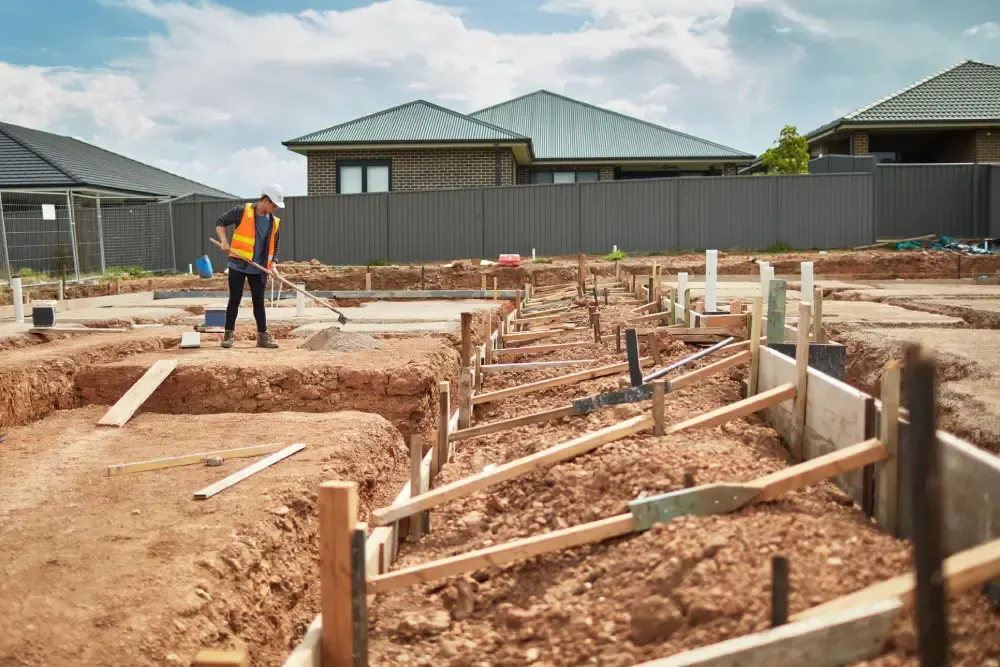
The complexity of construction sites, with heavy machinery, work at heights, and hazardous materials, means that safety risks are present at every stage of a project. A well-structured inspection programme ensures that hazards are identified, minimised, and controlled before they cause harm.
Sponsored
This article contains a sponsored link to EKA CyberLock. Owner Inspections received payment or another commercial benefit for the placement, and EKA CyberLock had no input into our inspection advice.
Legal and Regulatory Framework
Australia has strict regulations governing construction site safety. Safe Work Australia and state-based safety agencies enforce compliance through legislation and codes of practice:
- Work Health and Safety Act 2011 (WHS Act): Establishes the legal obligations for employers and workers to maintain workplace safety
- Safe Work Australia's Construction Work Code of Practice: Provides guidance on best safety practices for construction projects
- National Model WHS Regulations: Outlines minimum compliance standards across various construction activities
Failure to comply can result in hefty fines, legal repercussions, and project shutdowns. A proactive approach to safety inspections ensures compliance and a safer working environment for everyone on site.
What Is a Construction Site Safety Inspection
A construction site safety inspection is a planned assessment aimed at identifying hazards, unsafe conditions, and compliance gaps. Inspections occur at different stages of a project:
- Pre-construction: Before work begins, inspections focus on site preparation, worker training, and hazard assessments
- Ongoing inspections: During construction, inspectors evaluate equipment safety, structural integrity, and worker adherence to safety protocols
- Post-construction: After major work phases, inspectors verify compliance and confirm that completed structures meet safety standards
QWho conducts safety inspections?
- Site supervisors and project managers oversee routine safety checks
- Third-party auditors provide independent assessments for unbiased evaluations
- Government regulatory bodies (such as SafeWork NSW) perform random site inspections to enforce legal compliance
Safety Inspections vs. Safety Audits
| Safety Inspection | Safety Audit | |
|---|---|---|
| Focus | Immediate hazards and day-to-day risk management | Long-term compliance with legal and industry standards |
| Frequency | Daily or weekly | Quarterly or annually |
| Conducted By | Site supervisors, project managers, safety officers | Independent third-party auditors |
| Scope | Specific hazards, equipment checks, worker behaviour | Systemic review of policies, procedures, and compliance records |
Key Components of a Safety Inspection
Risk management
- Hazard identification: Detecting unstable scaffolding, exposed electrical wiring, slippery surfaces, and other risks that could lead to injuries
- Hazard mitigation: Implementing control measures such as barricades, warning signs, and Personal Protective Equipment (PPE)
Site access control and worker safety
- Restricting unauthorised entry helps prevent non-workers from entering hazardous areas, while electronic access control solutions such as EKA CyberLock can help secure and manage access to construction sites and restricted assets
- Conducting mandatory safety inductions for new workers to educate them on protocols and emergency procedures
- Maintaining sign-in and sign-out procedures to track worker presence and access to high-risk zones
Safe Work Method Statements (SWMS)
Safe Work Method Statements are required for all high-risk activities, including working at heights, confined spaces, and handling hazardous materials. A SWMS outlines specific risk control measures, emergency procedures, and required PPE for each activity.
Common Hazards and Inspection Focus Areas
Falls from heights
Falls account for nearly 30% of construction site fatalities in Australia.
Machinery and equipment safety
Electrical safety
- Exposed live wires and faulty insulation increase the risk of electrocution
- Test and tag procedures must be implemented for all portable electrical equipment
- Regular electrical inspections ensure compliance with AS 3000 wiring standards
Fire safety
Inspection Frequency
| Who | Purpose | |
|---|---|---|
| Daily | Site supervisors | Quick hazard checks to mitigate immediate risks |
| Weekly | Site managers | Detailed inspections addressing ongoing concerns |
| Monthly | Health and Safety Representatives | Assess compliance with industry regulations |
| Ad-hoc / After Incidents | Safety officers, external auditors | Determine causes and prevent recurrence after accidents or near-misses |
Documentation and reporting
Inspection reports should include:
- Identified hazards, their potential consequences, and affected areas
- Recommended corrective actions, timelines, and responsible parties
- Follow-up measures to confirm issues are addressed effectively
Benefits of Regular Safety Inspections
50%
Fewer incidents reported on sites with routine inspections
$3M
Maximum fine for non-compliance with WHS Act
30%
Construction fatalities from falls, the top hazard
11%
Share of worker fatalities from the construction industry
- Reduction in workplace injuries and fatalities: Regular inspections catch hazards before they cause harm
- Avoiding legal penalties and lawsuits: Documented compliance protects against fines and litigation
- Boosting efficiency and productivity: Fewer incidents mean fewer project delays and better workflow
Key Takeaways
- Construction site safety inspections are a legal requirement under the WHS Act 2011 in Australia.
- Falls from heights account for nearly 30% of construction site fatalities, making them the top inspection priority.
- Inspections should be conducted daily, weekly, and monthly, plus immediately after any incident or near-miss.
- Safe Work Method Statements (SWMS) are required for all high-risk construction activities.
- Sites with routine inspections report up to 50% fewer incidents compared to those without regular checks.
- Non-compliance with safety regulations can result in fines of up to $3 million and project shutdowns.
- Documentation of every inspection, corrective action, and training session is critical for demonstrating compliance.
Frequently Asked Questions
What is the primary purpose of a construction site safety inspection?
The primary purpose is to identify hazards, ensure compliance with Australian safety regulations (particularly the WHS Act 2011), and protect workers from injury. Inspections also help prevent project delays and legal penalties by catching safety issues early.
How often should safety inspections be conducted on a construction site?
Daily checks should be performed by site supervisors. Weekly detailed inspections are conducted by site managers. Monthly reviews by Health and Safety Representatives assess broader compliance. Additional inspections should occur immediately after any incident or near-miss.
Who is responsible for construction site safety inspections?
Responsibility is shared among site supervisors, health and safety officers, project managers, and external auditors. The principal contractor typically holds overall responsibility for site safety, with duties delegated to competent personnel at each level.
What are the legal requirements for safety inspections in Australia?
The WHS Act 2011 mandates that employers maintain safe workplaces. The National Model WHS Regulations outline specific requirements for construction work, including SWMS for high-risk activities, worker training, and hazard management. State-based agencies like SafeWork NSW enforce compliance.
What are the most common hazards on construction sites?
The most common hazards include falls from heights, machinery incidents, electrical hazards, fire risks, and exposure to hazardous materials. Falls alone account for nearly 30% of construction site fatalities in Australia.
How can businesses avoid workplace safety fines?
Implement a structured safety programme that includes regular inspections, SWMS documentation for high-risk work, comprehensive worker training, and detailed compliance records. Engage proactively with WorkSafe inspectors and stay updated on legislative changes.
What should be included in a Safe Work Method Statement (SWMS)?
A SWMS should include a description of the high-risk work, identified hazards and risks, control measures to be implemented, emergency procedures, and the PPE required. It must be specific to the task and site conditions, and all workers must sign off on it before starting the activity.
What are the penalties for non-compliance in Australia?
Penalties under the WHS Act can reach up to $3 million for corporations and include potential imprisonment for individuals in cases of reckless conduct. Project shutdowns, enforcement notices, and reputational damage are additional consequences.
What is the difference between a safety inspection and a safety audit?
A safety inspection is a frequent, hands-on check focusing on immediate hazards and daily risk management. A safety audit is a broader, less frequent evaluation that assesses the overall safety management system, policies, and long-term compliance with legal and industry standards.
How do construction site safety inspections improve productivity?
Fewer safety incidents mean fewer work stoppages, less downtime for investigations, and reduced project delays. A safe site also improves worker morale and confidence, which directly contributes to more consistent and efficient output.
References and Resources
- Safe Work Australia - National workplace safety guidelines and construction codes of practice
- Work Health and Safety Act 2011 - Australian Government WHS legislation
- SafeWork NSW - NSW workplace safety enforcement and guidance
- WorkSafe Victoria - Victorian workplace safety regulations
- AS 1851-2012 Routine service of fire protection systems - Fire safety maintenance standard
Related Articles
Compliance Inspection for Construction Projects
Ensuring compliance in construction projects is more than just following regulations. It is about protecting lives, securing investments, and maintaining the integrity of the built environment.
Building Inspection Stages: A Comprehensive Guide

Quality Assurance in Construction Best Practices
Quality assurance inspections during construction catch trade defects before they are concealed by the next stage of work. This guide explains how QA inspections protect builders, reduce disputes, and improve construction outcomes across Australian residential projects.
Ensure your construction project meets the highest safety standards. Owner Inspections provides comprehensive site safety inspections and compliance assessments across NSW, Victoria, and Queensland. Contact us today or call 1300 471 805 to schedule an inspection.
For a complete overview, see our guide to construction stage inspections.
Need Construction Stage Inspections?
Our licensed inspectors cover Sydney, Melbourne, and all major Australian cities.