
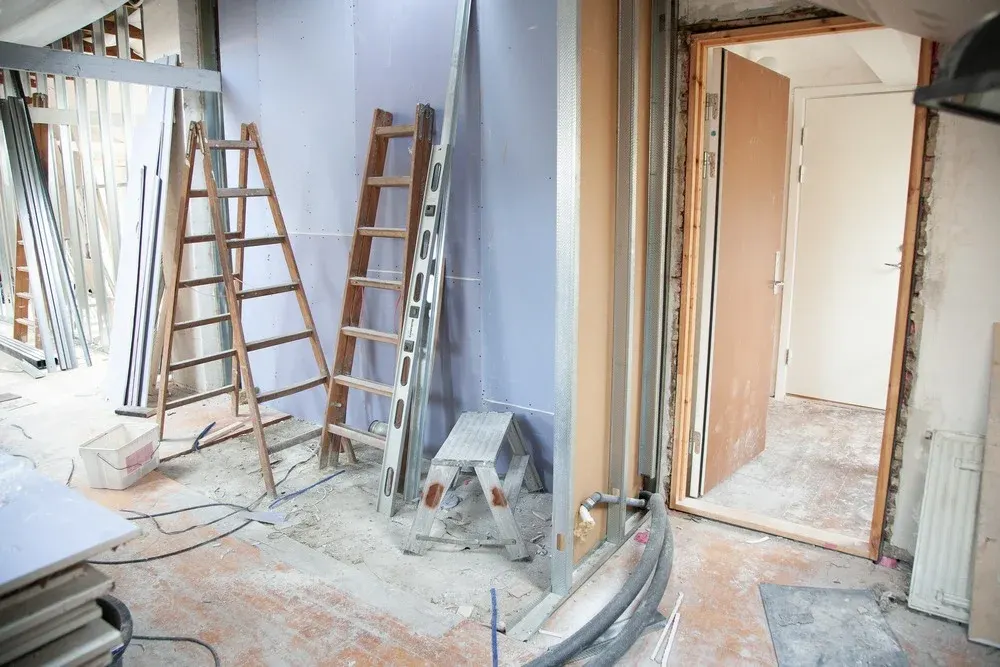
Understanding how to manage costs effectively during the lock up stage is essential for owner builders and project managers alike. The decisions you make regarding windows, doors, insulation, and external cladding will impact not only your immediate budget but also the long term energy efficiency and maintenance costs of your building.
According to industry data from the Housing Industry Association (HIA), the lock up stage typically accounts for 15 to 25 percent of the total construction cost for residential projects. With careful planning and strategic decision making, you can achieve significant savings without compromising on quality or compliance with Australian building standards.
The lock up stage is where smart planning pays off. Every dollar saved through careful material selection and supplier negotiation compounds into substantial savings across the entire project.
Understanding the Lock Up Stage
The lock up stage, sometimes called the enclosed stage or weather tight stage, is reached when the external building envelope is complete. At this point, the structure is protected from the elements and can be securely locked. This milestone triggers a progress payment under most building contracts in Australia.
Key components installed during the lock up stage include:
- External windows and glazing: All window frames, glass panels, and associated hardware
- External doors: Entry doors, garage doors, and any other external access points
- Roof covering: Final roofing materials including tiles, metal sheets, or membrane systems
- External cladding: Wall cladding, render, or brick veneer completion
- Insulation: Wall and ceiling insulation installed before internal linings
- Fascias and guttering: Drainage systems and roof edge finishes
Lock Up Stage Budget Planning
Effective budget planning for the lock up stage requires understanding the typical cost breakdown and identifying areas where savings can be achieved without compromising quality.
| Component | Typical Cost Range | Potential Savings | Risk Level |
|---|---|---|---|
| Windows and Glazing | 30 to 40% | 15 to 25% | Medium |
| External Doors | 10 to 15% | 10 to 20% | Low |
| Roofing Materials | 20 to 30% | 10 to 15% | High |
| Insulation | 5 to 10% | 10 to 20% | Medium |
| External Cladding | 15 to 25% | 10 to 20% | Medium |
| Fascias and Guttering | 5 to 8% | 5 to 15% | Low |
Proactive Planning for Cost Management
The foundation of successful cost management during the lock up stage begins long before materials are ordered or contractors engaged. Proactive planning involves creating comprehensive budgets, establishing financial buffers, and utilising modern tools to track and manage expenses.
Developing Comprehensive Budgets
A comprehensive budget for the lock up stage should detail every component, from major items like windows and roofing to smaller elements like flashings and sealants.
Your comprehensive budget should include:
- Material costs: Itemised costs for all materials with quantities and unit prices
- Labour costs: Installation costs for each trade including windows, roofing, and insulation
- Delivery and logistics: Transport costs for materials, crane hire if required, and staging
- Permits and inspections: Any additional inspection or certification costs
- Contingency allowance: Buffer for unexpected costs and variations
Establishing a Financial Buffer
Industry best practice recommends maintaining a financial buffer of 5 to 10 percent of the lock up stage budget. This contingency fund covers unexpected costs such as price increases, delivery delays requiring alternative suppliers, or minor design changes required by site conditions.
Financial Buffer Guidelines
- 5% buffer: Suitable for straightforward projects with confirmed pricing
- 7.5% buffer: Recommended for most residential projects with custom elements
- 10% buffer: Advisable for complex projects or volatile market conditions
Utilising Construction Management Software
Modern construction management software provides powerful tools for budget tracking, cost comparison, and financial forecasting. Key features to look for include:
- Real time budget tracking: Monitor actual versus budgeted costs as expenses occur
- Supplier comparison tools: Compare quotes from multiple suppliers side by side
- Change order management: Track variations and their impact on the overall budget
- Reporting and forecasting: Generate reports to identify trends and predict final costs
Popular options in Australia include Procore, Buildertrend, and CoConstruct for larger projects, with simpler tools like Buildxact suitable for smaller residential builds.
Cost Reduction Tactics for the Lock Up Stage
With a solid planning foundation in place, you can implement specific tactics to reduce costs during the lock up stage. These strategies focus on material selection, supplier relationships, and avoiding costly mistakes.
Evaluating Window Types and Materials
Windows represent one of the largest expenses during the lock up stage, but they also offer significant opportunities for cost savings.
| Frame Material | Relative Cost | Advantages | Considerations |
|---|---|---|---|
| Aluminium | Low to Medium | Durable, low maintenance | Poor thermal performance |
| uPVC | Low to Medium | Excellent thermal performance | Limited colour options |
| Timber | Medium to High | Natural aesthetics | Requires maintenance |
| Aluminium Composite | High | Best of both materials | Higher initial cost |
Cost saving strategies for windows include:
- Standardise sizes: Using standard window sizes rather than custom dimensions can reduce costs by 20 to 30 percent
- Reduce opening windows: Fixed glazing is significantly cheaper than operable windows while providing the same light and views
- Consider uPVC: For projects where thermal performance is important, uPVC often provides better value than thermally broken aluminium
- Optimise glazing specification: Match glazing performance to actual requirements rather than over specifying for all windows
Negotiating Supplier Rates
Effective negotiation with suppliers can yield significant savings during the lock up stage. Many owner builders leave money on the table by accepting initial quotes without negotiation.
- Obtain multiple quotes: Always source at least three quotes for major items to understand the market and create competition
- Timing matters: Suppliers may offer better rates during slower periods or towards the end of financial quarters
- Build relationships: Establishing a relationship with a supplier across multiple purchases can unlock preferential pricing
- Ask for trade pricing: If you are an owner builder with a builder owner permit, many suppliers will offer trade rates
Leveraging Bulk Purchase Discounts
Purchasing materials in bulk can achieve significant discounts, particularly for items used throughout the lock up stage.
- Insulation batts: Bulk orders often attract 10 to 15 percent discounts
- Roofing materials: Order all roofing, flashings, and fixings together
- Sealants and adhesives: Bulk purchasing reduces unit costs
- Hardware and fixings: Screws, brackets, and connectors purchased in bulk offer substantial savings
Avoiding Post Finalisation Design Changes
Design changes after specifications have been finalised are one of the most significant sources of cost overruns during the lock up stage. Changes at this point often incur restocking fees, reordering costs, and project delays.
Strategies to prevent costly design changes include:
- Thorough design review: Conduct comprehensive reviews of all specifications before orders are placed
- Visual aids: Use 3D renderings, samples, and mock ups to confirm choices
- Decision deadlines: Establish clear deadlines for final decisions
- Change order process: Implement a formal process that requires cost and schedule impact assessment before approving changes
Balancing Economy with Quality
Cost savings should never come at the expense of quality that affects structural integrity, weather protection, or compliance with Australian building standards.
Understanding Where Quality Matters Most
- Critical quality areas: Roofing membranes, window flashing, weatherproof sealants, and structural fixings must meet or exceed specifications
- Moderate flexibility areas: Window frame materials, insulation brands, and cladding finishes offer more flexibility for cost optimisation
- Aesthetic driven areas: Hardware finishes, colour choices, and decorative elements can accommodate cost effective alternatives
Cost Effective Alternatives That Maintain Standards
| Premium Option | Cost Effective Alternative | Typical Savings |
|---|---|---|
| Concrete roof tiles | Colorbond steel roofing | 15 to 25% |
| Thermally broken aluminium | Quality uPVC windows | 20 to 35% |
| Hardwood timber entry door | Engineered timber or steel | 30 to 50% |
| Glass wool insulation | Polyester insulation | 10 to 20% |
Compliance with Australian Building Standards
All cost saving measures must maintain compliance with the National Construction Code (NCC) and relevant Australian Standards. Key standards relevant to the lock up stage:
- AS 2047: Windows and external glazed doors in buildings
- AS 4055: Wind loads for housing
- AS/NZS 4859.1: Thermal insulation materials for buildings
- NCC Section J: Energy efficiency requirements for building fabric
- AS 1562: Design and installation of sheet roof and wall cladding
Budget Management Tips for the Lock Up Stage
Effective ongoing budget management ensures that planning and cost reduction efforts translate into actual savings.
Track Expenses in Real Time
- Record all expenses as they occur, including small items that can accumulate
- Compare actual versus budgeted costs weekly at minimum
- Investigate any variance greater than 5 percent immediately
- Update forecasts based on actual costs to predict final outcomes
Manage Cash Flow Carefully
- Map out expected payments against available funds throughout the stage
- Negotiate payment terms that align with your cash flow position
- Consider supplier finance options for large purchases if beneficial
- Maintain a cash reserve for unexpected expenses beyond the contingency budget
Document Everything
- Retain all quotes, orders, invoices, and delivery dockets
- Photograph materials on delivery to document condition and quantities
- Record any variations or changes with associated cost impacts
- Maintain a log of communications with suppliers and contractors
Frequently Asked Questions
What is included in the lock up stage of construction?
Short answer: The lock up stage includes installation of all external windows, doors, roofing, cladding, insulation, and guttering to make the building weather tight and secure.
At lock up, the building envelope is complete and the structure is protected from the elements. This milestone typically includes all external windows and glazing, external doors including garage doors, completed roof covering with flashings and sarking, wall insulation, external cladding or render, and fascias with guttering and downpipes.
How much should I budget for the lock up stage?
Short answer: The lock up stage typically represents 15 to 25 percent of total construction costs, varying based on design complexity and material choices.
For a standard residential build, budget approximately 20 percent of total construction cost for the lock up stage. Projects with extensive glazing, premium materials, or complex roof designs may trend towards the higher end. Always obtain detailed quotes for your specific design before finalising budgets.
What are the biggest cost saving opportunities during lock up?
Short answer: Windows and glazing offer the greatest savings potential through material selection, standardised sizes, and supplier negotiation.
As windows typically represent 30 to 40 percent of lock up costs, this area offers the most significant savings opportunity. Using standard sizes instead of custom dimensions, limiting the number of operable windows, and choosing cost effective frame materials like uPVC can achieve savings of 15 to 25 percent on window costs alone.
How can I save on windows without compromising quality?
Short answer: Use standard sizes, limit operable windows, consider uPVC frames, and match glazing specifications to actual requirements for each window.
Custom window sizes can cost 20 to 30 percent more than standard dimensions, so designing around standard sizes offers immediate savings. Fixed windows cost significantly less than operable windows while providing the same light and views.
Should I use cheaper roofing materials to save money?
Short answer: Exercise caution with roofing savings as the roof is critical for weather protection, but cost effective alternatives like quality metal roofing can be appropriate.
Roofing is a high risk area for cost cutting because failures lead to water damage throughout the building. Quality Colorbond steel roofing is often more cost effective than concrete tiles while providing excellent durability and weather resistance.
How important is a financial buffer for the lock up stage?
Short answer: A 5 to 10 percent contingency buffer is essential for managing unexpected costs and price variations during the lock up stage.
Even well planned projects encounter unexpected costs during the lock up stage. Material price increases, delivery damage requiring replacement, and minor design adjustments all can impact the budget. The buffer should be treated as a last resort rather than available spending money.
Can I negotiate prices with window and door suppliers?
Short answer: Yes, suppliers expect negotiation, and obtaining multiple quotes, building relationships, and timing purchases strategically can achieve meaningful discounts.
Most suppliers build negotiation margin into their initial quotes. Start by obtaining at least three competitive quotes to understand market pricing and create leverage. Approach suppliers during slower periods or towards the end of financial quarters when they may be more motivated to close sales.
What happens if I change my mind about specifications after ordering?
Short answer: Post order changes typically incur significant costs including restocking fees, cancellation charges, and reordering at potentially higher prices.
Changing specifications after orders are placed is one of the most expensive mistakes in construction. Custom items like windows and doors may have cancellation fees of 50 percent or more. The best strategy is thorough review and confirmation of all specifications before ordering.
How can bulk buying reduce lock up stage costs?
Short answer: Bulk purchases of insulation, roofing materials, sealants, and hardware can achieve discounts of 10 to 20 percent compared to smaller orders.
Suppliers offer volume discounts because bulk orders reduce their handling, packaging, and administrative costs. Items well suited for bulk purchasing during lock up include insulation batts, roofing materials and accessories ordered together, sealants and adhesives, and hardware like screws and brackets.
What should I inspect before making the lock up stage payment?
Short answer: Verify all windows and doors are correctly installed and operational, roofing is complete with proper flashings, insulation is installed correctly, and the building is genuinely weather tight.
Before releasing the lock up stage payment, conduct a thorough inspection or engage a professional building inspector. Check that all windows and doors open, close, and lock correctly with no gaps or defects. Verify roofing is complete with all flashings, ridge capping, and guttering installed properly.
Key Takeaways
- The lock up stage typically represents 15 to 25 percent of total construction costs, with windows and glazing being the largest expense category.
- Comprehensive budget planning with a 5 to 10 percent contingency buffer provides the foundation for effective cost management.
- Construction management software improves budget tracking, supplier comparison, and change order management for larger projects.
- Standardising window sizes, limiting operable windows, and considering uPVC frames can achieve significant savings without quality compromise.
- Supplier negotiation, bulk purchasing, and strategic timing can reduce material costs by 10 to 20 percent across the lock up stage.
- Avoiding post finalisation design changes prevents restocking fees, delays, and budget overruns.
- Cost effective alternatives exist for many premium materials while maintaining compliance with Australian building standards.
- Professional inspections before lock up stage payment ensure quality standards are met and protect your investment.
Related Articles
Understanding Lock Up Pre Plaster Stage Inspection
The lockup stage is a critical phase where structures are secured with windows, doors, and external cladding before plastering begins. Learn what inspectors check.
Lock Up vs. Fixing Stage: Distinguishing the Differences in Construction
The lock up stage creates a secure, weatherproof environment while the fixing stage focuses on addressing defects and completing finishes. Learn the key differences.
All You Need to Know About Fixing Inspections
A fixing stage inspection evaluates internal components before they are concealed, including cladding, architraves, doors, and built-in shelves. Learn what to expect.
For a complete overview, see our guide to construction stage inspections.
Need Construction Stage Inspections?
Our licensed inspectors cover Sydney, Melbourne, and all major Australian cities.