
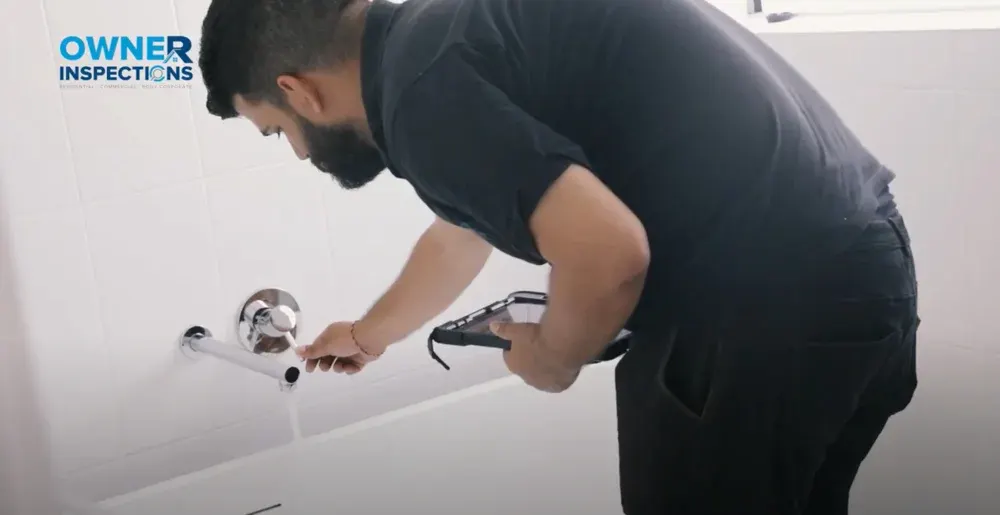
Understanding what occurs during the fixing stage and why a professional inspection is essential can save homeowners significant expense and frustration. Once final finishes are applied, accessing and repairing defects becomes substantially more expensive and disruptive to occupants. The fixing stage inspection ensures that all internal elements meet Australian Standards, comply with the National Construction Code, and are installed to an acceptable standard of workmanship.
This comprehensive guide explains what the fixing stage involves, what inspectors examine during a fixing stage inspection, common defects that are identified, relevant Australian regulations and standards, and why timing your inspection correctly protects your investment in your new home.
The fixing stage is your opportunity to verify that internal components are correctly installed before they become concealed by paint and floor coverings. Defects identified now can be rectified at reasonable cost. The same defects discovered after completion often require extensive remediation work and can cost thousands of dollars to address.
Australian Regulatory Framework for Fixing Stage Construction
The fixing stage of construction in Australia is governed by a comprehensive regulatory framework that ensures building work meets minimum safety and quality standards. Understanding these regulations helps homeowners appreciate what their builder is required to achieve and what inspectors assess during the fixing stage inspection.
National Construction Code Requirements
The National Construction Code (NCC), administered by the Australian Building Codes Board, establishes the minimum performance requirements for buildings throughout Australia. The NCC is given legal effect through state and territory building legislation and is referenced in building contracts as the benchmark for compliance. Key NCC provisions relevant to the fixing stage include:
- Volume Two Housing Provisions: Contains specific requirements for Class 1 and Class 10 buildings, covering structural adequacy, fire safety, access and egress, services and equipment, and energy efficiency
- Part 3.8 Services and Equipment: Specifies requirements for plumbing, drainage, electrical installations, and mechanical ventilation systems
- Part 3.12 Energy Efficiency: Mandates insulation requirements, thermal bridging mitigation, and building sealing standards that are verified at fixing stage
- Part 2.6 Wall Cladding: Sets performance requirements for internal wall linings and their installation, including fire resistance where required
Building Regulations 2018 (Victoria) Definition
The Building Regulations 2018 (Victoria) provides a specific statutory definition of fixing stage construction. Under Regulation 15, the fixing stage is defined as the stage of construction during which work is carried out for the purpose of:
- Fitting or fixing any internal cladding, including plasterboard and wall linings
- Installing architraves, skirting boards, and other decorative timber elements
- Hanging internal doors and fitting door hardware
- Installing built-in shelves, wardrobes, and storage units
- Fitting baths, basins, sinks, and other sanitary fixtures
- Installing troughs, cupboards, and benchtops
- Any other fixtures, fittings, or finishes attached to internal walls or ceilings
This definition establishes the scope of work that constitutes fixing stage construction and provides clarity for both builders and homeowners regarding what elements should be complete and ready for inspection at this stage.
Australian Standards for Fixing Stage Components
Multiple Australian Standards apply to the components installed during the fixing stage. These standards specify material requirements, installation methods, and quality benchmarks that professional inspectors verify during the fixing stage inspection.
| Australian Standard | Title | Application at Fixing Stage |
|---|---|---|
| AS/NZS 2589 | Gypsum Linings | Plasterboard installation, fixing patterns, jointing and finishing |
| AS 3500 Series | Plumbing and Drainage | Sanitary fixture installation, connections, and testing |
| AS/NZS 3000 | Electrical Installations | Powerpoint and switch installation, circuit completion |
| AS 4386 | Domestic Kitchen Installations | Cabinet installation, benchtop fitting, appliance provisions |
| AS 1684 | Residential Timber Framed Construction | Door frame installation, architrave and skirting fixing |
| AS 4654 | Waterproofing of Wet Areas | Wet area fixture installation, penetration sealing |
| AS 2047 | Windows and Doors | Internal door operation, hardware installation |
State Building Authority Requirements
Each Australian state and territory has a building authority that administers building legislation and provides guidance on construction standards. These authorities establish requirements for mandatory inspections, builder licensing, and dispute resolution processes that homeowners may need to utilise if fixing stage defects are not adequately addressed.
- Victorian Building Authority (VBA): Requires registered building surveyors to conduct mandatory inspections at prescribed stages, including verification of fixing stage completion before final inspection
- NSW Fair Trading: Administers the Home Building Act 1989 which sets out statutory warranties including the requirement for work to be carried out with reasonable care and skill
- Queensland Building and Construction Commission (QBCC): Regulates the building industry and provides homeowner protection through licensing requirements and dispute resolution services
- Consumer and Business Services SA: Oversees building work in South Australia and provides guidance on construction standards and consumer rights
What is the Fixing Stage?
The fixing stage, sometimes referred to as the fit out or second fix stage, occurs after the lock up stage and before practical completion. At this point, the building envelope is complete and internal linings have been installed. The focus shifts to installing internal fixtures, fittings, and finishes that transform the building from a shell into a liveable dwelling.
During this phase, skilled tradespeople complete the internal presentation of the home by fitting doors, installing joinery, connecting plumbing fixtures, completing electrical fit off, and preparing surfaces for final finishes. The quality of workmanship at this stage directly affects the appearance, functionality, and durability of the finished home.
Key Components at Fixing Stage
At the fixing stage, the following elements should be in place and ready for inspection:
- Plasterboard installation and finishing: Internal wall and ceiling linings installed, jointed, and ready for painting with appropriate finishing levels achieved
- Internal doors: Door leaves hung, hinges fitted, handles and latches installed, and doors adjusted for correct operation
- Architraves and skirting boards: Decorative timber or MDF elements fitted around door frames and at wall to floor junctions
- Cabinetry and joinery: Kitchen cabinets, bathroom vanities, wardrobes, and built-in storage units installed and adjusted
- Benchtops: Kitchen and bathroom benchtops fitted with appropriate edge treatments and cutouts for sinks and appliances
- Plumbing fixtures: Baths, showers, basins, toilets, sinks, and tapware installed and connected
- Electrical fit off: Powerpoints, light switches, light fittings, and smoke alarms installed and operational
- Window furnishings: Blinds, curtain tracks, or other window treatments if included in the building contract
Timing of the Fixing Stage
In a typical residential construction timeline, the fixing stage occurs after the lock up and pre-plaster stages and before practical completion. The progression generally follows this sequence:
| Construction Stage | Key Activities | Typical Duration |
|---|---|---|
| Slab Stage | Foundation preparation and concrete slab pour | 2 to 4 weeks |
| Frame Stage | Wall and roof frame erection, structural bracing | 2 to 4 weeks |
| Lock Up Stage | External cladding, roof, windows, doors, services rough in | 4 to 6 weeks |
| Fixing Stage | Plasterboard, internal fixtures, cabinetry, fit off | 4 to 6 weeks |
| Practical Completion | Painting, floor coverings, external works, final clean | 2 to 4 weeks |
Why Fixing Stage Inspection Matters
The fixing stage inspection is conducted while internal components remain accessible and before final finishes are applied. This is a critical inspection point for several reasons:
- Plasterboard joints and finishing can be assessed before paint conceals imperfections
- Door and window operation can be verified and adjustments made without damaging finishes
- Cabinetry installation quality can be examined including fixings and adjustments
- Plumbing connections can be tested for leaks before enclosure by cabinetry and finishes
- Electrical installation can be verified for correct operation and compliance
- Any defects can be rectified without the need to repair or replace final finishes
Fixing Stage Inspection Checklist
A thorough fixing stage inspection covers multiple building systems and components. Each area requires careful examination to identify defects that could cause problems if left unaddressed. The following checklist outlines the key areas that professional inspectors assess against Australian Standards and the National Construction Code.
Plasterboard Installation Assessment
Plasterboard linings form the internal wall and ceiling surfaces of the home. AS/NZS 2589 specifies requirements for gypsum lining installation. Inspectors examine:
- Sheet fixing: Verifying screws are correctly spaced at 150mm maximum around sheet edges and 200mm maximum in the field for ceilings, 200mm edges and 300mm field for walls
- Joint treatment: Checking that joints are properly taped, filled, and sanded to achieve the specified finish level (typically Level 4 for painted surfaces)
- Screw depth: Confirming screws are set to correct depth without breaking the paper face, creating dimples ready for filling
- Corner beads: Verifying external corner beads are straight, securely fixed, and properly finished
- Surface flatness: Assessing walls and ceilings for bulges, waves, or depressions that would be visible after painting
- Control joints: Checking that control joints are installed where required to manage potential cracking at stress points
Internal Door Assessment
Internal doors must be correctly hung and operate smoothly. AS 2047 and AS 1684 provide guidance on door installation. Inspectors verify:
- Plumb and level: Using spirit levels to confirm door frames are plumb and level within tolerances of 3mm in any 2 metre span
- Clearances: Checking head, jamb, and threshold clearances are consistent and within acceptable tolerances (typically 2 to 4mm at sides and head)
- Operation: Verifying doors open and close smoothly without binding, scraping, or requiring excessive force
- Latching: Testing that latches engage correctly and strike plates are correctly positioned for secure closing
- Hardware: Examining hinges, handles, and latches for correct installation, alignment, and smooth operation
- Door leaf: Inspecting the door surface for damage, scratches, or manufacturing defects
Architrave and Skirting Assessment
Decorative timber elements must be accurately fitted with quality joinery. Inspectors assess:
- Mitres and joints: Examining mitred corners for tight, gap-free joints that will not open with seasonal movement
- Fixing: Verifying architraves and skirtings are securely fixed with nail holes filled and sanded
- Alignment: Checking that horizontal elements are level and vertical elements are plumb
- Reveals: Confirming consistent reveals around door frames and even spacing from floor
- Scribe joints: Assessing internal corners for proper scribe joints rather than mitres which can open
- Surface quality: Inspecting for damage, defects, or poor quality timber that will show through paint
Cabinetry and Joinery Assessment
Kitchen, bathroom, and built-in cabinetry must be correctly installed and adjusted. AS 4386 provides guidance for domestic kitchen installations. Inspectors examine:
- Level and plumb: Using precision instruments to verify cabinets are level (within 2mm per metre) and plumb (within 3mm per 2 metres)
- Secure fixing: Checking that wall mounted cabinets are securely fixed to structural framing or appropriate wall anchors
- Door and drawer operation: Testing all doors and drawers for smooth operation, correct alignment, and proper closing
- Hinges and hardware: Verifying soft-close mechanisms function correctly and handles are securely fixed
- Benchtop installation: Examining benchtops for level installation, proper support, and appropriate edge treatment
- Joints and connections: Inspecting joins between cabinet sections and benchtop joints for quality finish
Plumbing Fixture Assessment
Plumbing fixtures must be correctly installed and connected in accordance with AS 3500 Plumbing and Drainage. Inspectors verify:
- Fixture installation: Checking baths, basins, toilets, and sinks are level, securely fixed, and correctly positioned
- Tapware: Testing hot and cold taps for correct operation with hot on the left as required by AS 3500
- Waste connections: Examining waste pipe connections for correct fall, secure joints, and absence of leaks
- Overflow function: Testing overflow outlets on baths and basins for correct operation
- Sealing: Verifying silicone sealing around fixtures is complete, continuous, and properly finished
- Water pressure: Assessing water flow and pressure at fixtures for adequate supply
Electrical Fit Off Assessment
Electrical fit off must comply with AS/NZS 3000 Wiring Rules. Inspectors assess:
- Powerpoint installation: Checking powerpoints are level, securely fixed, at correct heights, and wired correctly
- Switch operation: Testing all light switches for correct operation and that they control the intended circuits
- Light fittings: Examining light fitting installation for secure mounting, correct operation, and appropriate clearances
- Smoke alarms: Verifying smoke alarm locations comply with NCC requirements and that units are operational
- Earth leakage protection: Confirming residual current devices (RCDs) are installed and operational for required circuits
- Exhaust fans: Testing bathroom and kitchen exhaust fans for correct operation and adequate extraction
Common Defects Found at Fixing Stage
Professional inspectors regularly identify specific issues during fixing stage inspections. Understanding these common defects helps homeowners appreciate why professional inspection provides value. The following table summarises frequently identified defects and their potential consequences.
| Component | Common Defects | Potential Consequences |
|---|---|---|
| Plasterboard | Visible joints, nail pops, uneven surfaces, insufficient finishing level | Visible imperfections after painting, cracking, ongoing maintenance |
| Internal Doors | Poor alignment, binding, inconsistent gaps, faulty latches, damaged surfaces | Operational problems, security issues, ongoing adjustment requirements |
| Architraves and Skirting | Open mitres, poor scribe joints, inconsistent reveals, unfilled nail holes | Poor visual appearance, gaps visible after painting, joints opening over time |
| Cabinetry | Out of level, misaligned doors, drawers not closing, insecure fixing | Functional problems, premature wear, potential safety hazard if unsecured |
| Plumbing Fixtures | Leaking connections, incorrect hot and cold, poor sealing, inadequate fall | Water damage, mould growth, functional problems, potential health risks |
| Electrical | Incorrect switch wiring, unlevel power points, non-operational smoke alarms | Safety hazards, inconvenience, non-compliance with regulations |
| Benchtops | Poor joins, inadequate support, rough cutouts, visible chips or damage | Aesthetic issues, potential for water damage at poor joins, premature failure |
Plasterboard Defects in Detail
Plasterboard finishing is one of the most frequently identified areas for defects during fixing stage inspections. The standard of finishing directly affects the appearance of painted walls and ceilings. Common issues include:
- Visible joints: Inadequate taping, insufficient compound application, or poor sanding leading to joints that show through paint
- Nail pops and screw heads: Fasteners not properly set or filled, creating visible bumps after painting
- Waves and bulges: Frame irregularities transferred through plasterboard, particularly visible under raking light
- Corner bead issues: Kinked, damaged, or poorly finished corner beads creating uneven external corners
- Sanding marks: Visible sanding swirls or scratches that show through paint under certain lighting conditions
AS/NZS 2589 specifies five levels of gypsum lining finish from Level 0 to Level 5. Most residential construction requires Level 4 finish for painted surfaces, which includes filling and sanding of joints, internal corners, and fastener heads to achieve a surface suitable for flat or low sheen paint.
Door and Joinery Defects in Detail
Internal doors and joinery defects affect both the functionality and appearance of the finished home. Issues identified at fixing stage include:
- Door binding: Doors catching on frames due to frame out of square, door warp, or incorrect hinge morticing
- Inconsistent gaps: Variable clearances around door leaves creating uneven appearance and potential draught paths
- Strike plate misalignment: Latches not engaging strike plates correctly, requiring excessive force to close
- Hinge issues: Hinges not morticed to correct depth, screws not fully seated, or hinges binding
- Open mitres: Architrave mitres with visible gaps that will become more pronounced after painting and with seasonal movement
Cabinet and Joinery Defects in Detail
Cabinetry represents a significant investment in a new home and must be correctly installed to ensure durability and functionality. Common defects include:
- Cabinets out of level: Wall and floor units not correctly levelled, affecting door alignment and creating operational problems
- Insecure wall mounting: Wall cabinets not fixed to studs or using inadequate fixings, creating potential safety hazard
- Drawer and door misalignment: Drawer fronts and doors not correctly adjusted, creating uneven gaps and inconsistent appearance
- Soft close failure: Soft close mechanisms not correctly adjusted or failing to operate as intended
- Benchtop issues: Joints not sealed, inadequate support causing deflection, or rough cutouts for sinks and cooktops
Cost of Defect Rectification: Fixing Stage vs Post Completion
Identifying and rectifying defects at the fixing stage dramatically reduces repair costs compared to discovering the same issues after practical completion. The following table illustrates typical cost differences:
| Defect Type | Cost to Fix at Fixing Stage | Cost to Fix Post Completion |
|---|---|---|
| Plasterboard re-finishing | $200 to $500 | $800 to $2,500 (including repaint) |
| Door adjustment | $50 to $150 per door | $150 to $400 per door (touch up required) |
| Architrave re-fit | $100 to $300 | $300 to $800 (including repaint) |
| Cabinet realignment | $150 to $400 | $400 to $1,200 (may require removal) |
| Plumbing leak repair | $100 to $300 | $500 to $3,000+ (water damage repair) |
| Electrical correction | $100 to $250 | $250 to $600 (wall repair required) |
The cost of a professional fixing stage inspection is typically recovered many times over through defects identified and rectified at this accessible stage. A single identified plumbing leak that would otherwise cause water damage can save thousands of dollars in remediation costs and protect your home from mould and structural damage.
The Fixing Stage Inspection Process
A professional fixing stage inspection follows a systematic methodology to ensure all components are thoroughly assessed. Understanding the inspection process helps homeowners appreciate what the inspection covers and how findings are documented and reported.
Pre-Inspection Preparation
Before conducting the inspection, the inspector reviews available documentation including:
- Building contract specifications and included items
- Approved building plans showing room layouts and fixture locations
- Previous inspection reports from earlier construction stages
- Manufacturer specifications for installed products where available
On-Site Inspection
The on-site inspection typically takes 1.5 to 2.5 hours depending on property size and complexity. The inspector systematically examines each room and component using:
- Spirit levels and laser levels: To verify plumb and level of doors, cabinets, and other elements
- Straight edges: To assess wall and ceiling flatness and surface quality
- Moisture meters: To check for moisture in walls or around plumbing fixtures indicating potential leaks
- Electrical testers: To verify powerpoint polarity and earth connections
- Torch and inspection mirror: To examine concealed areas and cabinet interiors
- Digital camera: To document all identified defects with clear photographs
Documentation and Reporting
Following the inspection, a comprehensive written report is prepared that includes:
- Executive summary of key findings and overall assessment
- Detailed room by room description of identified defects
- Photographs of each defect with clear identification of location
- Reference to relevant Australian Standards and NCC requirements where applicable
- Recommendations for rectification and priority assessment
- Guidance on discussing findings with the builder
Benefits of Fixing Stage Inspections
Scheduling a professional fixing stage inspection provides significant benefits for homeowners. Understanding these benefits helps explain why this inspection represents excellent value for your construction project.
Quality Assurance
The fixing stage inspection provides independent verification of construction quality:
- Objective assessment: Professional inspectors provide unbiased evaluation separate from the builder
- Technical expertise: Qualified inspectors understand Australian Standards and can identify workmanship issues
- Systematic coverage: Methodical inspection ensures all components are examined
- Documentation: Written reports provide evidence of conditions at this critical stage
Cost Protection
Early identification of defects protects your financial investment:
- Reduced rectification costs: Defects fixed now cost less than after final finishes
- Prevents consequential damage: Issues like plumbing leaks are identified before causing water damage
- Warranty protection: Documented defects support warranty claims if disputes arise
- Informed decisions: Understanding construction quality helps with stage payment decisions
Peace of Mind
A thorough fixing stage inspection provides confidence in your building project:
- Independent verification that internal finishes meet acceptable standards
- Documented evidence of the property condition at this construction stage
- Professional guidance on discussing findings with your builder
- Confidence that problems are identified before becoming concealed
Inspection Practical Details
| Detail | Information |
|---|---|
| Cost | Starting from $490, varying by property size and complexity |
| Duration | Typically 1.5 to 2.5 hours depending on property size |
| Report Delivery | Within 24 to 48 hours of inspection |
| Service Areas | New South Wales, Victoria, Queensland, South Australia |
| Booking Notice | Book 3 to 5 business days in advance of required inspection date |
| Owner Attendance | Welcome but not required; ensure site access is arranged |
Frequently Asked Questions
QWhat is a fixing stage inspection?
Short answer: A professional inspection conducted when internal fixtures are installed but before final finishes like paint and floor coverings are applied.
A fixing stage inspection assesses the quality of internal construction work including plasterboard finishing, internal doors, architraves and skirting boards, cabinetry, plumbing fixtures, and electrical fit off. The inspection is timed to occur after these elements are installed but before painting and floor coverings conceal potential defects. This timing allows defects to be identified and rectified while components remain accessible, avoiding the need for expensive remediation work after practical completion.
When should I book my fixing stage inspection?
Short answer: Book when your builder advises that fixing work is complete but before painting commences, typically giving 3 to 5 business days notice.
The fixing stage inspection window is limited to the period after internal fixtures are installed and before final finishes are applied. Communicate regularly with your builder about the construction timeline and request notification when fixing stage is approaching completion. Once painting begins, many defects become more difficult and expensive to rectify. Most inspection companies can accommodate bookings with 3 to 5 business days notice, though earlier booking is advisable during busy construction periods.
What is the difference between fixing stage and pre-plaster inspections?
Short answer: Pre-plaster inspection occurs when walls are open before plasterboard installation, while fixing stage inspection occurs after plasterboard is installed and stopped.
The pre-plaster or lock up inspection is conducted when the building is weather tight but internal walls remain open, allowing examination of structural framing, plumbing and electrical rough in, and insulation. The fixing stage inspection occurs later when plasterboard is installed and finished, internal doors are hung, and fixtures are fitted. Both inspections are important as they examine different elements at different construction stages. Ideally, homeowners should have both inspections conducted to achieve comprehensive coverage of construction quality.
How much does a fixing stage inspection cost?
Short answer: Fixing stage inspections typically start from $490, varying based on property size, location, and scope of inspection required.
The cost of a fixing stage inspection represents excellent value when compared to potential rectification costs after practical completion. A single identified defect, such as a plumbing leak or improperly installed cabinet, can cost thousands of dollars to fix once final finishes are applied. Many inspection companies offer package pricing for multiple stage inspections that reduces the total cost compared to booking individual inspections separately.
What happens if defects are found during the inspection?
Short answer: You receive a detailed report documenting all defects, which you provide to your builder for rectification before final finishes are applied.
When defects are identified, the inspector documents them comprehensively with descriptions, photographs, locations, and recommendations. You then provide this report to your builder and request rectification before painting and floor coverings are installed. Most building contracts require satisfactory completion of each stage before progress payments, giving you leverage to ensure defects are addressed. If your builder disputes the findings, the independent report provides objective evidence to support your position.
Should I attend the fixing stage inspection?
Short answer: Attending is encouraged but not required. You will receive a comprehensive written report regardless of attendance.
Attending the inspection allows you to see any defects firsthand and ask questions about construction quality. However, many homeowners are unable to attend due to work commitments, and the detailed written report with photographs provides all necessary information. If you do attend, ensure you have appropriate site access arranged with your builder and follow all safety requirements. The inspector can explain their findings and answer questions either during the inspection or when delivering the report.
Is the fixing stage inspection the same as the council inspection?
Short answer: No, council or building surveyor inspections focus on code compliance, while independent inspections assess overall workmanship quality.
Mandatory inspections conducted by councils or registered building surveyors verify that construction complies with the approved building permit and the National Construction Code. However, these inspections have limited scope and time constraints, focusing primarily on safety and code compliance rather than workmanship quality. Independent fixing stage inspections provide a more comprehensive examination of construction quality, identifying issues that may not breach building codes but still affect the quality, durability, and value of the finished home.
What qualifications should a fixing stage inspector have?
Short answer: Look for inspectors with building industry qualifications, relevant experience, licensing where required, and professional indemnity insurance.
Qualified inspectors typically hold relevant building industry qualifications such as a builder licence, building inspection certification, or trade qualifications in relevant disciplines. They should have practical experience in residential construction and thorough knowledge of Australian Standards and the National Construction Code. Professional indemnity insurance provides protection if an inspector fails to identify a significant defect. Membership in professional associations such as the Housing Industry Association (HIA) or Master Builders Association indicates commitment to professional standards.
How long does a fixing stage inspection take?
Short answer: A thorough fixing stage inspection typically takes 1.5 to 2.5 hours depending on property size and complexity.
The duration depends on the property size, number of rooms, and complexity of fixtures and fittings. Larger homes, properties with multiple bathrooms, and those with extensive custom joinery take longer to inspect thoroughly. The inspector needs adequate time to examine all plasterboard surfaces, test every door, inspect all cabinetry, verify plumbing connections, and check electrical installation. A rushed inspection is likely to miss important issues, so ensure your inspector allocates sufficient time. The detailed written report is typically delivered within 24 to 48 hours of the inspection.
Can fixing stage defects affect my final payment?
Short answer: Building contracts typically require satisfactory completion before stage payments, so documented defects may justify withholding payment until rectified.
Most residential building contracts in Australia tie progress payments to satisfactory completion of construction stages. If your independent inspection identifies significant defects, you may have grounds to withhold the relevant stage payment until rectification is completed. Review your building contract for specific provisions regarding stage payments and defect rectification. For minor defects that do not affect subsequent work, it may be reasonable to proceed with payment subject to written agreement for rectification. For significant defects, seek legal advice if your builder refuses to address the issues before payment.
Key Takeaways
- The fixing stage occurs when internal fixtures are installed but before final finishes such as paint and floor coverings are applied.
- Under Victorian Building Regulations 2018, fixing stage involves fitting cladding, architraves, doors, shelves, baths, basins, sinks, troughs, and cupboards.
- Key components examined include plasterboard finishing, internal doors, architraves and skirting, cabinetry, plumbing fixtures, and electrical fit off.
- Common defects include visible plasterboard joints, misaligned doors, open mitres, cabinet adjustment issues, plumbing leaks, and electrical installation problems.
- Defects identified at fixing stage can be rectified at significantly lower cost than after final finishes are applied.
- Relevant Australian Standards include AS/NZS 2589 (gypsum linings), AS 3500 (plumbing), AS/NZS 3000 (electrical), and AS 4386 (kitchen installations).
- Professional inspections starting from $490 provide excellent value compared to potential rectification costs after practical completion.
- Independent fixing stage inspections provide more comprehensive assessment than mandatory council or building surveyor inspections.
- Documentation from fixing stage inspections supports warranty claims and provides evidence if disputes arise with the builder.
References and Resources
- National Construction Code (NCC)
- Victorian Building Authority (VBA)
- NSW Fair Trading
- Queensland Building and Construction Commission (QBCC)
- Consumer and Business Services South Australia
- Standards Australia
- Building Regulations 2018 (Victoria)
- Housing Industry Association (HIA)
Related Articles
Understanding Lock Up Pre Plaster Stage Inspection
The lockup stage is a critical phase where structures are secured with windows, doors, and external cladding before plastering begins. Learn what inspectors check.
Cost-Saving Strategies for the Lock Up Stage in Construction
The lock up phase involves substantial expenses for windows, doors, and insulation. Learn proactive planning strategies and cost reduction tactics.
Lock-Up vs. Final Inspections: Knowing the Difference
Lock up inspections occur at approximately 80% completion while final inspections provide comprehensive assessment after construction concludes. Learn the key differences.
For a complete overview, see our guide to construction stage inspections.
Need Construction Stage Inspections?
Our licensed inspectors cover Sydney, Melbourne, and all major Australian cities.