
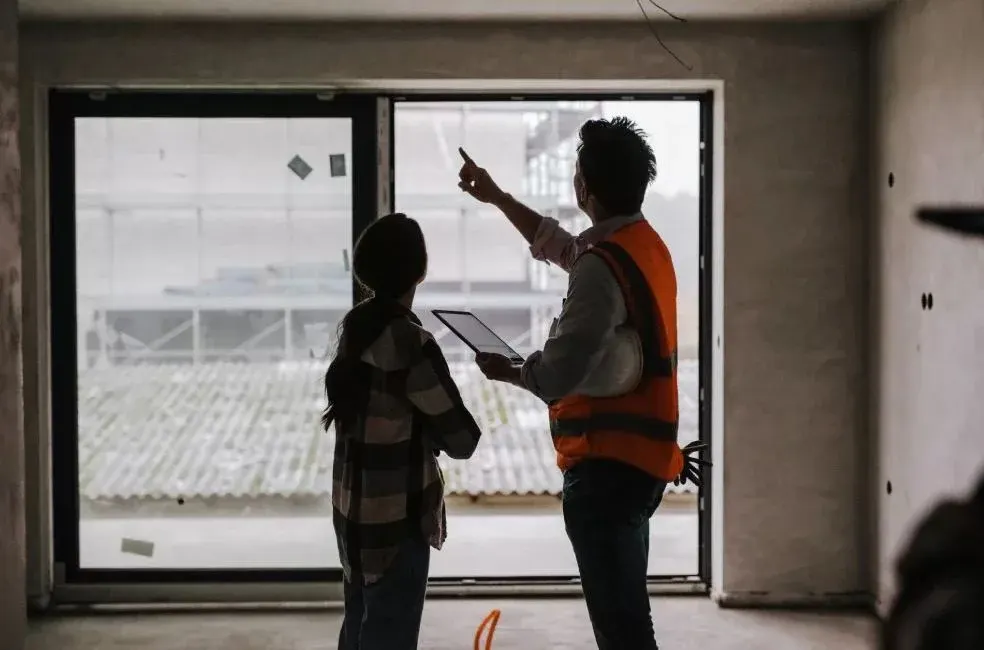
While both inspections play essential roles in quality assurance, they occur at different stages of construction and focus on distinct aspects of the build. Understanding the difference between these inspections helps you protect your investment and ensures your new home is completed to the highest standards.
A lock-up inspection typically occurs when the building reaches approximately 80% completion, focusing on exterior features, weatherproofing, and structural soundness. The final inspection, conducted at practical completion, examines building code compliance, interior finishing, and a complete systems review.
Knowing when and why each inspection occurs empowers you to hold your builder accountable and ensures defects are identified before they become costly problems to rectify.
Lock-Up Inspection Coverage
The lock-up stage, also known as the enclosed stage or weatherproof stage, marks a significant milestone in construction. At this point, the building is approximately 80% complete and has become weather-tight, meaning it is protected from the elements with external walls, roof covering, windows, and external doors installed.
Exterior Features and Weatherproofing
The primary focus of a lock-up inspection is ensuring the building is adequately protected from weather. This includes a thorough examination of:
- Roof covering: Verification that tiles, metal sheeting, or other roofing materials are correctly installed with proper overlaps and secure fixing
- External cladding: Assessment of brickwork, weatherboards, render, or other cladding materials for correct installation and weatherproofing
- Windows and external doors: Checking that all openings are properly sealed with appropriate flashing and weather seals installed
- Fascia and guttering: Inspection of roof drainage components for correct installation and appropriate falls
Structural Soundness
At the lock-up stage, all major structural elements should be complete and visible for inspection before being covered by internal linings:
- Wall framing: Verification that studs, plates, and noggings are correctly positioned and secured according to engineering specifications
- Roof framing: Assessment of trusses or rafters for correct installation, bracing, and connection to wall frames
- Bracing: Confirmation that structural bracing meets engineering requirements and is correctly installed
- Tie-down systems: Verification that cyclone straps, anchor bolts, and other tie-down components are correctly installed in relevant regions
Primary Systems Installation
The lock-up stage also involves the rough-in of primary building services inspected before walls are closed up:
- Electrical rough-in: Verification of cable runs, junction boxes, and switchboard preparation
- Plumbing rough-in: Assessment of water supply lines, waste pipes, and fixture connection points
- HVAC ducting: Inspection of air conditioning and ventilation ductwork
- Insulation: Verification that wall and ceiling insulation meets minimum R-value requirements for the climate zone
Final Inspection Coverage
The final inspection, also known as the practical completion inspection or PCI, occurs when construction is complete and the builder considers the home ready for handover. This comprehensive inspection examines every aspect of the finished building to identify defects, incomplete work, and non-compliant elements before you take possession.
Building Code Compliance
A critical component of the final inspection is verifying compliance with the National Construction Code (NCC) and relevant Australian Standards:
- Structural adequacy: Confirmation that all structural elements meet engineering specifications and NCC requirements
- Fire safety: Verification of smoke alarms, fire separation between garage and living areas, and compliant emergency lighting where required
- Health and amenity: Assessment of ventilation, natural lighting, room heights, and wet area waterproofing
- Energy efficiency: Verification that the building meets minimum energy rating requirements for insulation, glazing, and services
Interior Finishing Quality
The final inspection thoroughly examines all interior finishes for quality and completeness:
- Plasterwork: Assessment of wall and ceiling surfaces for cracks, bumps, joins, and finish quality
- Paintwork: Checking for even coverage, clean edges, appropriate finish, and freedom from runs or drips
- Flooring: Inspection of tiles, timber, carpet, or other floor coverings for level installation and defect-free surfaces
- Joinery: Assessment of kitchen cabinets, wardrobes, vanities, and other built-in elements for alignment, operation, and finish
- Wet area finishes: Inspection of tiling, grouting, silicone, and fixture installation in bathrooms, ensuites, and laundries
Complete Systems Review
All building systems must be complete and operational at the final inspection stage:
- Electrical systems: Testing of all power points, light switches, safety switches, and smoke alarms for correct operation
- Plumbing systems: Verification of water pressure, drainage, hot water delivery, and fixture operation
- HVAC systems: Testing of air conditioning, heating, and ventilation systems for correct operation
- External services: Verification of stormwater drainage, driveway, paths, and landscaping completion
Key Distinctions Between Lock-Up and Final Inspections
Understanding the differences between lock-up and final inspections helps you appreciate their complementary roles in the construction quality assurance process.
Comprehensive Comparison Table
| Aspect | Lock-Up Inspection | Final Inspection |
|---|---|---|
| Stage of Completion | Approximately 80% | 100% (practical completion) |
| Building Condition | Weather-tight but unfinished internally | Complete and ready for occupation |
| Primary Focus | Structure, weatherproofing, services rough-in | Finishes, compliance, systems operation |
| Structural Access | Framing visible and accessible | Concealed behind wall linings |
| Services Status | Rough-in complete, visible | Complete, concealed, operational |
| Interior Finishes | Not yet installed | Complete assessment of all finishes |
| Defect Types Found | Framing errors, installation defects, water ingress risks | Cosmetic issues, incomplete work, operational failures |
| Repair Accessibility | Easy access to structural elements | May require removal of finishes |
| Cost of Rectification | Generally lower | Higher for concealed defects |
| Payment Trigger | Lock-up stage payment (approx. 35%) | Final payment and handover |
| Documentation | Photos of exposed elements | Photos plus compliance certificates |
Timing and Payment Milestones
The lock-up inspection happens at approximately 80% completion when the building becomes weather-tight. The final inspection occurs at 100% completion when the builder declares practical completion. Both inspections typically align with progress payment claims under standard building contracts.
The lock-up stage usually triggers a significant progress payment, often around 35% of the contract value. The final inspection precedes the final payment and handover of keys. Having independent inspections at these stages protects your financial interests by ensuring you only pay for work completed to an acceptable standard.
Defect Detection Opportunities
Each inspection provides unique opportunities for defect detection:
- Lock-up inspection: Last opportunity to identify structural framing issues, services rough-in problems, and insulation defects before they are concealed
- Final inspection: First opportunity to assess finished surfaces, operational systems, and overall build quality
Missing either inspection creates blind spots in your quality assurance process. A structural defect not found at lock-up may require expensive demolition of finishes to repair. A finishing defect not identified at final inspection may be difficult to have rectified after settlement.
Benefits of Both Lock-Up and Final Inspections
Conducting both lock-up and final inspections provides comprehensive protection throughout the construction process.
Australian Building Code Compliance
Australian buildings must comply with the National Construction Code (NCC), which sets minimum requirements for safety, health, amenity, and sustainability. Both inspections verify compliance at their respective stages:
- Lock-up inspection: Verifies structural compliance with AS 1684 (timber framing), AS 4100 (steel structures), and relevant energy efficiency requirements before elements are concealed
- Final inspection: Confirms overall NCC compliance including fire safety, accessibility, waterproofing, and health and amenity requirements
Non-compliance can result in building orders, certificate refusal, and significant rectification costs. Independent inspections identify compliance issues early when they can be addressed efficiently.
Financial Protection
The financial benefits of conducting both inspections extend throughout the construction process and beyond:
- Reduced rectification costs: Defects found at lock-up cost significantly less to repair than the same defects discovered after completion
- Protected progress payments: Inspection reports provide evidence to support or dispute progress claims
- Preserved property value: A defect-free home maintains its value better than one with unaddressed issues
- Warranty documentation: Inspection reports provide evidence for warranty claims during the defects liability period
Peace of Mind
Beyond the practical benefits, having professional inspections at both stages provides invaluable peace of mind:
- Independent verification: An objective third party assesses the work without any financial interest in minimising defects
- Expert knowledge: Professional inspectors understand building standards and can identify issues that untrained eyes might miss
- Comprehensive coverage: Together, both inspections cover all aspects of construction from hidden structural elements to visible finishes
- Confidence in handover: Knowing the building has been thoroughly inspected allows you to take possession with confidence
Frequently Asked Questions
What exactly is the lock-up stage of construction?
Short answer: The lock-up stage is when the building becomes weather-tight with the roof, external walls, windows, and doors installed, typically at about 80% completion.
At the lock-up stage, the building is protected from the weather with the roof covering complete, external cladding installed, and all windows and external doors in place. Internally, framing is complete and services rough-in is finished, but wall linings, painting, and finishing have not yet commenced.
QWhen should I book my lock-up inspection?
Short answer: Book your lock-up inspection when your builder advises that lock-up stage is complete but before internal wall linings are installed.
Timing is critical because you need to examine structural framing and services rough-in before they are concealed behind plasterboard. The inspection should occur after the builder has completed lock-up work but before you authorise the stage payment or allow internal lining work to commence.
Do I need both a lock-up and final inspection?
Short answer: Yes, both inspections are strongly recommended as they examine different elements that can only be assessed at specific stages.
The lock-up inspection is your only opportunity to assess structural framing, services rough-in, and insulation before they are concealed. The final inspection is your only opportunity to assess finished surfaces, operational systems, and overall quality. Structural defects missed at lock-up become extremely expensive to repair once the building is complete.
What defects are commonly found at the lock-up stage?
Short answer: Common lock-up defects include framing alignment issues, missing bracing, incorrect flashing, insulation gaps, and plumbing or electrical installation errors.
Lock-up inspections frequently identify out-of-plumb walls, missing or incorrectly installed noggings, inadequate bracing, poor window and door flashing, incomplete sarking, gaps in insulation, undersized or incorrectly routed services, and damaged roof tiles or cladding. These defects are relatively easy to rectify at this stage but would become major problems if discovered after completion.
What defects are commonly found at final inspection?
Short answer: Common final inspection defects include paint defects, tile chips, scratched surfaces, doors not closing properly, and incomplete or missing items.
Final inspections commonly identify paint runs and missed areas, cracked or chipped tiles, scratched benchtops or sinks, doors that do not latch or close properly, cabinets with alignment issues, gaps in silicone, unfinished external works, and items that were specified but not installed.
Can I withhold payment if defects are found?
Short answer: Yes, you can generally withhold a reasonable amount to cover rectification costs until defects are addressed, subject to your contract terms.
Most building contracts allow you to withhold funds proportionate to the cost of rectifying identified defects. For significant defects found at lock-up, you may withhold part of the stage payment until issues are addressed. Review your specific contract terms and seek legal advice if disputes arise.
Are builder inspections sufficient or do I need an independent inspector?
Short answer: Independent inspections are strongly recommended as the builder has a financial interest in minimising reported defects.
While builders conduct their own quality checks, they have an inherent conflict of interest. An independent inspector works solely for you and provides an unbiased assessment against Australian Standards and building codes. The cost of independent inspections is minimal compared to the protection they provide.
What Australian building codes apply to new construction?
Short answer: The National Construction Code (NCC) and various Australian Standards govern new construction requirements across all states and territories.
All new construction in Australia must comply with the National Construction Code. Key Australian Standards include AS 1684 for timber framing, AS 3740 for waterproofing, AS/NZS 3000 for electrical installations, and AS/NZS 3500 for plumbing. State-based legislation provides additional requirements and consumer protections.
QWhat is the defects liability period?
Short answer: The defects liability period is a warranty period after completion during which the builder must rectify defects, typically 6 to 7 years for major defects.
In most Australian states, major defects affecting structural soundness are covered for 6 years, while minor defects are covered for 2 years. Your inspection reports provide documented evidence of the building's condition at completion, which is valuable when making warranty claims.
What if my builder disputes the inspection findings?
Short answer: Document everything in writing and escalate to your state building authority if the builder refuses to address legitimate defects.
If your builder disputes findings, request their formal written response. For persistent disputes, contact your state building authority such as NSW Fair Trading, Victorian Building Authority, or Queensland Building and Construction Commission. These bodies can mediate disputes and take action against builders for substandard work.
Key Takeaways
- Lock-up and final inspections serve different purposes and examine different aspects of construction at distinct stages.
- The lock-up inspection at approximately 80% completion examines structural framing, weatherproofing, and services rough-in before they are concealed.
- The final inspection at practical completion assesses all finishes, operational systems, and overall building code compliance.
- Defects found at lock-up are significantly cheaper to rectify than the same defects discovered after completion.
- Both inspections are essential for comprehensive quality assurance throughout the construction process.
- Independent inspections provide unbiased assessment separate from builder self-inspection.
- All new construction must comply with the National Construction Code and relevant Australian Standards.
- Inspection reports provide valuable documentation for managing defect rectification and supporting warranty claims.
References and Resources
- National Construction Code (NCC)
- Standards Australia
- NSW Fair Trading
- Victorian Building Authority (VBA)
- Queensland Building and Construction Commission (QBCC)
Related Articles
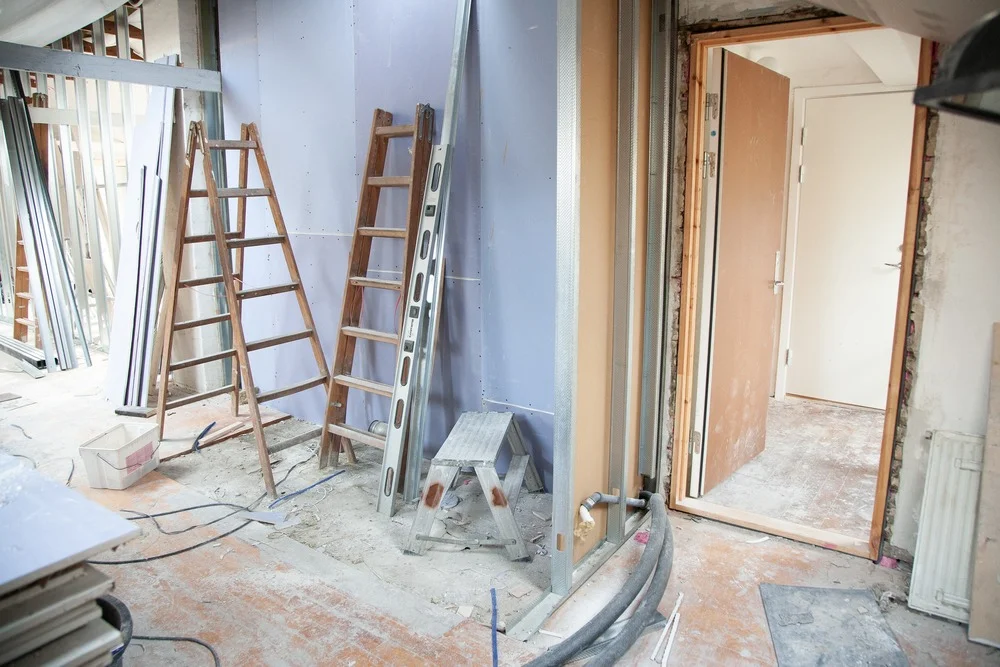
Cost-Saving Strategies for the Lock Up Stage in Construction
The lock up phase involves substantial expenses for windows, doors, and insulation. Learn proactive planning strategies and cost reduction tactics.
All You Need to Know About Fixing Inspections
A fixing stage inspection evaluates internal components before they are concealed, including cladding, architraves, doors, and built-in shelves. Learn what to expect.

Understanding Lock Up Pre Plaster Stage Inspection
The lockup stage is a critical phase where structures are secured with windows, doors, and external cladding before plastering begins. Learn what inspectors check.
For a complete overview, see our guide to construction stage inspections.
Need Construction Stage Inspections?
Our licensed inspectors cover Sydney, Melbourne, and all major Australian cities.