
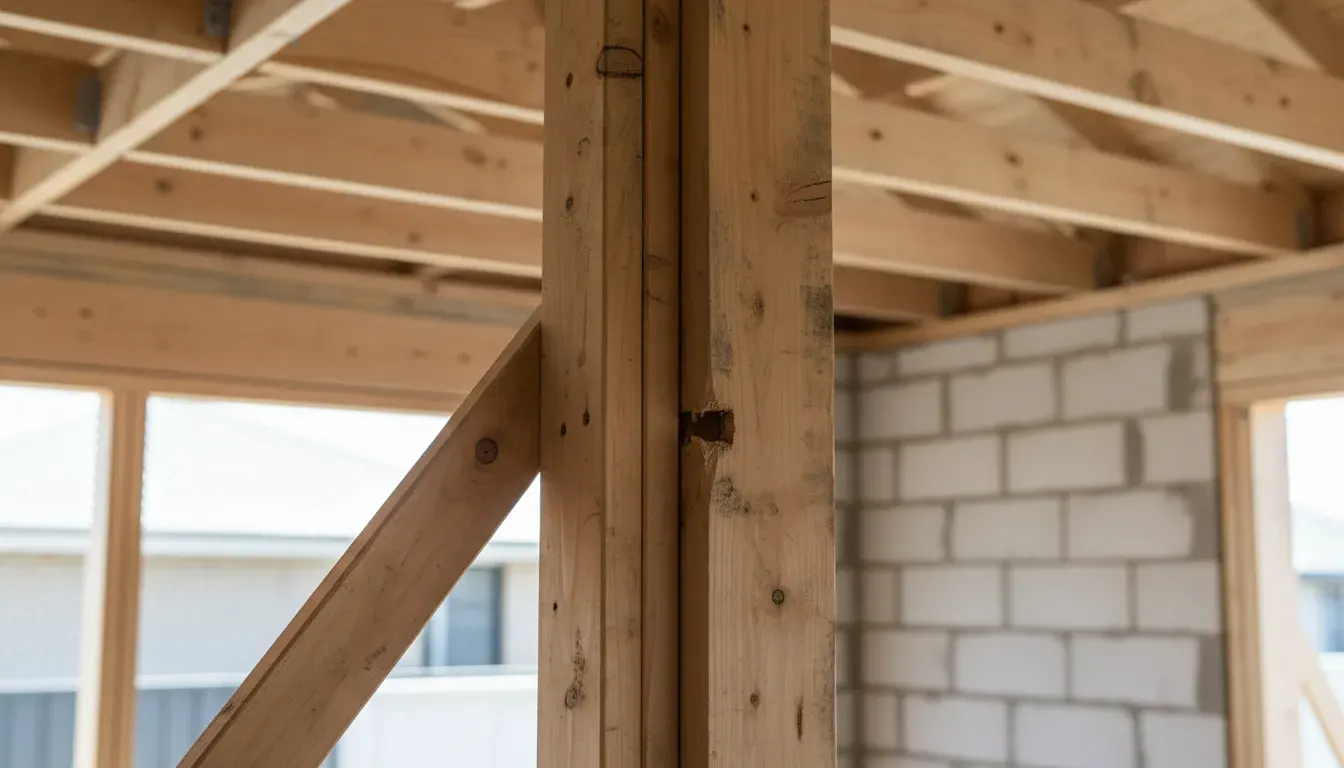
Why Defects During Construction Are Common
Residential construction involves dozens of tradespeople working across multiple stages over several months. Even with experienced builders and quality subcontractors, defects happen. Common reasons include miscommunication between trades, time pressure, material inconsistencies, and simple human error.
The important thing is not whether defects occur but whether they are found and fixed before the next stage of construction covers them up. A waterproofing defect in a bathroom, for example, costs a few hundred dollars to fix before tiling. After tiles, cabinetry, and flooring are installed, the same defect can cost $15,000 or more to rectify.
This is exactly why independent stage inspections exist. They catch problems while the fix is still straightforward.
Step 1: Documentation in the Inspection Report
When your independent inspector identifies a defect, the first step is thorough documentation. A professional inspection report will include:
- A clear description of each defect, including its location within the property
- Photographs showing the defect from multiple angles where relevant
- A reference to the specific Australian Standard, NCC clause, or building contract specification that the work does not meet
- A severity rating, typically categorised as structural, major, or minor
- Recommended rectification action
This documentation is critical. It transforms a verbal concern into a formal, evidence-based record that the builder cannot easily dismiss. The report becomes your primary tool for requesting rectification and, if needed, for supporting any formal dispute or claim down the track.
A well-documented inspection report carries weight not only with your builder but also with state regulators, tribunals, and insurers. Always keep copies of every report issued during your build.
Step 2: Notifying Your Builder
Once you receive your inspection report, the next step is to formally notify your builder about the identified defects. This should be done in writing, not just verbally. Email is the most common and practical method.
When notifying your builder:
Most reputable builders will take a professional inspection report seriously and respond promptly. The report gives them a clear, itemised list of what needs to be fixed, which is actually helpful for managing their own subcontractors.
Step 3: The Rectification Process
After notification, the builder is expected to arrange for the defective work to be rectified. The typical process looks like this:
The builder reviews the report and discusses the findings with the relevant subcontractor or trade. The subcontractor returns to site to carry out the rectification work. The timeframe depends on the severity of the defects and the availability of the trade, but most builders aim to complete rectification within 7 to 14 days for standard defects.
For structural defects or issues that affect safety, rectification should happen before any further construction work proceeds. For minor cosmetic defects, it may be reasonable to allow the builder to address them at a later stage, as long as this is agreed in writing and documented.
Do not approve progress payments for a construction stage if significant defects identified in the inspection report have not been rectified. Your building contract should include provisions that tie progress payments to satisfactory completion of each stage.
Step 4: Re-Inspection
Once the builder confirms that the defects have been rectified, it is strongly recommended to arrange a re-inspection. A re-inspection involves the independent inspector returning to site to verify that the rectification work has been completed properly.
Re-inspections are particularly important for:
- Structural defects where the quality of the repair affects the integrity of the building
- Waterproofing defects where an incomplete repair could lead to water damage
- Any defect that will be concealed by the next stage of construction
Re-inspections typically cost less than a full stage inspection, often between $150 and $300, because the scope is limited to verifying the previously identified items. Some inspection companies include one re-inspection in their full stage package.
What If the Builder Disputes the Findings?
In most cases, builders accept the findings of a professional inspection report and proceed with rectification. However, there are situations where a builder may disagree with the inspector's assessment.
If this happens, you have several options:
- Ask the builder to provide their reasoning in writing, including references to the standards or codes they believe support their position
- Request your inspector to respond to the builder's objections with further technical explanation
- Engage a second independent inspector to provide a separate opinion on the disputed items
- If the dispute cannot be resolved informally, move to formal escalation through your state's building regulatory authority
A builder who consistently refuses to address defects documented in a professional inspection report is a serious red flag. This behaviour should be recorded and may be relevant to a future complaint or tribunal application.
Escalation Options
If your builder refuses to rectify defects or fails to do so within a reasonable timeframe, there are formal escalation paths available in each Australian state.
| Regulatory Body | Escalation Path | |
|---|---|---|
| New South Wales | NSW Fair Trading | Lodge a complaint with Fair Trading. If unresolved, apply to NCAT (NSW Civil and Administrative Tribunal) |
| Victoria | Victorian Building Authority (VBA) / Domestic Building Dispute Resolution Victoria (DBDRV) | Apply to DBDRV for dispute resolution. If unresolved, proceed to VCAT |
| Queensland | QBCC | Lodge a defect complaint with the QBCC. They can direct the builder to rectify or issue a direction to fix |
In all states, having a detailed, professionally prepared inspection report significantly strengthens your position. Regulators and tribunal members take documented evidence seriously, and a report from a licensed independent inspector carries credibility that a verbal complaint does not.
Types of Defects and How They Are Handled
Not all defects are treated equally. They are generally categorised by severity, and the urgency of rectification varies accordingly.
Structural Defects
These are defects that affect the structural integrity or safety of the building. Examples include inadequate slab reinforcement, incorrect frame bracing, missing tie-downs, or defective load-bearing connections. Structural defects must be rectified before construction proceeds to the next stage.
Major Defects
Major defects are significant issues that do not pose an immediate structural risk but will cause problems if left unaddressed. Examples include waterproofing failures, incorrect drainage falls, and non-compliant window or door installations. These should also be rectified before the next stage, especially if they will be concealed.
Minor or Cosmetic Defects
Minor defects are issues of workmanship or finish quality that do not affect the structural performance or weathertightness of the building. Examples include small plaster cracks, minor paint touch-ups, or slightly misaligned fixtures. These can often be deferred to a later stage or addressed at pre-handover, provided they are documented and agreed in writing.
Protecting Yourself Throughout the Process
There are several practical steps you can take to protect yourself when defects are found during construction.
Key Takeaways
- Defects during construction are common and finding them early is the whole point of stage inspections.
- A professional inspection report documents each defect with photographs, descriptions, and code references.
- Notify your builder in writing and attach the inspection report when requesting rectification.
- Most builders address defects within 7 to 14 days when presented with a clear, professional report.
- Arrange a re-inspection after rectification to confirm the work was completed properly.
- If a builder refuses to fix defects, escalation options include NSW Fair Trading, the VBA/DBDRV, the QBCC, and state tribunals.
- Hold progress payments until defects are rectified or formally agreed to be deferred.
- Detailed documentation from day one is your strongest protection in any dispute.
Frequently Asked Questions
Is it normal to find defects during a stage inspection?
Yes. It is very common for stage inspections to identify defects, ranging from minor cosmetic issues to significant structural concerns. The purpose of the inspection is to catch these problems while they can still be fixed easily and affordably. Finding defects does not necessarily mean your builder is doing a bad job. It means the inspection is doing its job.
Should I stop progress payments if defects are found?
You should not approve a progress payment for a construction stage if significant defects have been identified and not yet rectified. Your building contract typically ties progress payments to satisfactory completion of each stage. Withholding payment until defects are addressed is a standard and reasonable approach. For minor cosmetic defects, you and the builder may agree in writing to defer rectification to a later stage while still processing the payment.
How long does the builder have to fix defects?
There is no single mandated timeframe that applies across all situations. For most standard defects, a reasonable expectation is 7 to 14 days. Structural or safety-related defects should be addressed before any further construction proceeds. If your building contract specifies a rectification timeframe, that provision applies. If the builder is unresponsive or unreasonably slow, you can escalate through your state's building regulatory authority.
What does a re-inspection cost?
A re-inspection typically costs between $150 and $300, as the scope is limited to checking that previously identified defects have been rectified. Some inspection companies include a re-inspection in their full stage inspection package. Ask your provider about this when booking.
What if the builder says the defect is within acceptable tolerances?
Australian Standards and the NCC do include tolerances for certain types of work (for example, allowable deviations in plumb and level for framing). If the builder claims the work is within tolerance, ask them to reference the specific standard and clause. Your independent inspector can also respond to this claim with their own assessment. If there is a genuine disagreement, a second independent opinion or a formal dispute resolution process can help determine the correct position.
For a complete overview, see our guide to construction stage inspections.
Need Construction Stage Inspections?
Our licensed inspectors cover Sydney, Melbourne, and all major Australian cities.