
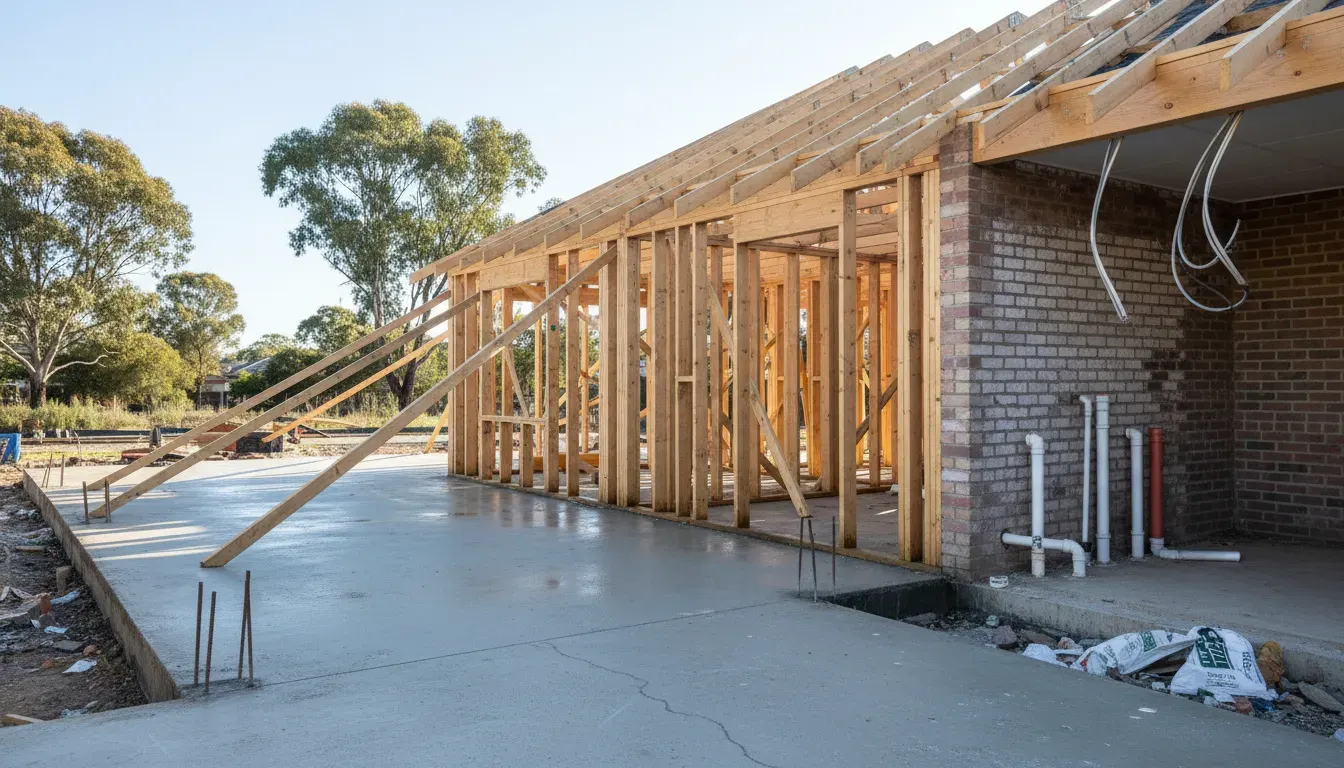
This guide is essential for anyone building a new home or undertaking major renovations in Australia. Whether you are an owner-builder, have engaged a volume builder, or are working with a custom builder, understanding what to look for at each stage protects your investment and ensures compliance with the National Construction Code and relevant Australian Standards.
The building process in Australia typically involves four to six inspection stages, each governed by specific tolerances and compliance requirements. Missing defects at early stages creates compounding problems that can affect structural integrity, weatherproofing, and long-term durability of your home.
73%
New homes with defects at handover
10-20x
Cost increase if defects covered
6
Key inspection stages
Why Stage Inspections Matter
Every construction stage builds upon the previous one. A slab that is out of level creates problems for frame installation. A frame with inadequate bracing affects wall sheeting and roof installation. Each defect left unaddressed multiplies through subsequent stages.
Professional construction stage inspections provide documented evidence of compliance or non-compliance at each milestone. This documentation becomes invaluable if disputes arise with your builder or when claiming against home building insurance.
| Stage | Typical Timing | Key Compliance Areas |
|---|---|---|
| Pre-slab | Before concrete pour | Termite barriers, reinforcement, plumbing |
| Slab | After cure, before frame | Levels, hold-down bolts, waterproofing |
| Frame | Before cladding | Bracing, tie-downs, window openings |
| Lock-up | After external cladding | Weatherproofing, flashings, windows |
| Fixing | Before plaster | Services rough-in, insulation, vapour barriers |
| Practical Completion | Handover | All finishes, compliance items, defect-free |
Slab Stage Critical Issues
The slab forms your home's foundation. Defects here affect everything built above. During a slab inspection, these are the primary concerns.
Critical Slab Tolerances
Australian Standard AS 2870 specifies slab level tolerance of plus or minus 10mm across any 3-metre span. Variations beyond this can cause doors and windows to bind, cracking in rigid floor coverings, and visible gaps at skirting boards.
Defects to Identify at Slab Stage
I regularly find hold-down bolts missing entirely or positioned incorrectly, requiring costly core drilling and chemical anchoring. These bolts secure your frame to the slab and are required by engineering specifications. Their absence compromises structural integrity, particularly in cyclonic regions.
Frame Stage Defects to Identify
Frame stage is arguably the most critical inspection point. Once wall sheeting and cladding are installed, frame defects become invisible but continue causing problems.
Common Frame Stage Issues
| Defect Type | Tolerance/Standard | Common Finding |
|---|---|---|
| Walls out of plumb | 5mm per 3m height | 8-15mm deviations |
| Top plates not level | 5mm in 3m | Uneven ceiling lines |
| Inadequate bracing | Per engineering | Missing or undersized |
| Incorrect tie-downs | Per N-rating | Wrong connectors used |
| Undersized lintels | Per span tables | Deflection above openings |
Bracing Requirements
Bracing walls resist lateral loads from wind and earthquake. Builders sometimes relocate bracing for convenience, invalidating the engineering design. Always verify bracing location matches the approved plans.
Tie-down connections deserve particular attention. In wind classifications N1 to N6 across Australia, specific connector types and fixing patterns are mandated. Using the wrong connector type or insufficient nail quantities can result in roof uplift during severe weather events.
Lock Up Stage Inspection Points
Lock-up stage occurs when the building is enclosed with external cladding, windows, and doors installed. Weatherproofing is the primary concern at this stage.
Critical Lock Up Defects
- Missing or incorrectly installed flashings
- Window and door frame gaps unsealed
- Weep holes blocked or absent in brick veneer
- Sarking tears or gaps allowing water ingress
- Roof tile or sheet fixing non-compliant
Flashing installation around windows is frequently defective. Head flashings should extend beyond the window frame on each side, with proper returns to direct water away. Missing or short flashings allow water to enter the wall cavity, causing timber rot, mould growth, and eventual structural damage.
A thorough pre-handover inspection later cannot identify these concealed defects. That is why independent inspection at lock-up stage is essential.
Fixing Stage and Pre-Plaster
Before plasterboard installation, all services rough-in must be inspected. This is your last opportunity to verify compliance before walls are sealed.
Electrical Rough-In
Verify cable sizing, correct circuit allocation, smoke detector locations per AS 3786, and switch heights comply with AS/NZS 3000.
Plumbing Rough-In
Check pipe grades, support spacing, water hammer arrestors, and hot water pipe insulation where required.
Insulation
Confirm R-values match NCC Section J requirements for your climate zone. Check for gaps, compression, and correct installation.
Wet Area Waterproofing
Inspect membrane installation in bathrooms and laundries before tiling. This prevents costly rectification later.
Waterproofing failures in wet areas account for a significant proportion of building defect claims in Australia. The membrane must be inspected while visible, as failures only become apparent years later through water damage to adjacent rooms or lower floors.
Practical Completion Final Inspection
At practical completion, your home should be defect-free and ready for occupation. This inspection covers all visible finishes and functional testing.
| Inspection Area | What to Check | Common Defects |
|---|---|---|
| Plasterwork | Joints, cornices, patches | Visible joins, nail pops, cracking |
| Paintwork | Coverage, runs, cutting-in | Missed areas, colour variation |
| Joinery | Doors, windows, cabinetry | Alignment, operation, finish |
| Wet areas | Tiles, grouting, silicone | Lippage, hollow tiles, gaps |
| External | Landscaping, driveways, fencing | Levels, drainage, finish quality |
A defect investigation report at this stage documents all outstanding items requiring rectification before final payment. Builders must address these items within a reasonable timeframe under home building legislation in each state.
Ensuring Defects Are Fixed Before Progression
The critical question is not just identifying defects, but ensuring they are actually fixed before work continues.
Documentation Process
Every defect should be documented with photographs, location details, and reference to the relevant standard or tolerance breached. Provide this written notice to your builder and request written confirmation when rectification is complete.
Verification Steps
- Issue written defect notice with photographs
- Set reasonable timeframe for rectification
- Request notification when work is complete
- Conduct re-inspection before approving progression
- Document all correspondence in writing
Progress payments under standard building contracts are tied to stage completion. You have the right to withhold payment for incomplete or defective work. However, you cannot withhold payment for minor defects that do not prevent progression. Understanding this distinction requires familiarity with your specific contract terms.
Frequently Asked Questions
How many construction stage inspections do I need?
Most new homes require four to six stage inspections: pre-slab, slab, frame, lock-up, fixing, and practical completion.
The exact number depends on your construction type and contract. Slab-on-ground construction typically requires all six stages. Suspended slab construction may include additional footing inspections. Your building contract should specify stage completion milestones.
Can I do construction stage inspections myself?
You can inspect your own home, but professional inspectors identify issues that untrained eyes miss and provide reports that carry weight in disputes.
Without industry experience, you may not recognise undersized lintels, inadequate bracing, or incorrect tie-down connectors. Professional reports reference specific standards and tolerances, making them valuable evidence if you need to pursue rectification through tribunals or courts.
What happens if I find defects but the builder disagrees?
Reference the specific Australian Standard or NCC requirement that has been breached. If disputes continue, escalate to your state building authority.
Professional inspection reports carry significant weight because they cite specific standards. In NSW, you can contact Fair Trading. In Queensland, contact the QBCC. In Victoria, the VBA handles building disputes. These bodies can issue rectification orders against non-compliant builders.
Should defects be fixed before the next progress payment?
Yes. Progress payments are for completed work meeting contract specifications and building standards. You can withhold payment for significant defects.
Your building contract defines stage completion. Generally, you can withhold payment proportional to the cost of rectifying defects. Minor cosmetic issues typically do not justify withholding full payment, but structural defects or non-compliance with plans certainly does.
What is the most important construction stage to inspect?
Frame stage is arguably most critical because defects become permanently hidden once cladding and plasterboard are installed.
Frame defects affect structural integrity and are extremely costly to rectify once covered. Issues like inadequate bracing, incorrect tie-downs, and out-of-plumb walls must be identified and fixed at this stage. That said, all stages are important, and skipping any inspection creates risk.
How long do builders have to fix defects?
Builders must rectify defects within a reasonable timeframe, typically 14 to 28 days depending on the issue complexity and your contract terms.
Your building contract may specify rectification timeframes. If not, what is reasonable depends on the defect type. Structural issues should be addressed before any further work. Cosmetic items may have longer timeframes. Document all communications and follow up in writing if deadlines are missed.
What tolerances apply to construction work in Australia?
Tolerances are specified in Australian Standards including AS 2870 for slabs (10mm in 3m), AS 1684 for timber framing (5mm per 3m height for plumb), and various others for specific trades.
Builders sometimes claim defects are within tolerance when they are not. Having access to the relevant standards, or engaging a professional who does, allows you to verify claims. The NCC and state-specific guidelines also specify acceptable tolerances for various construction elements.
Can I withhold final payment if there are defects at practical completion?
You can withhold a reasonable amount proportional to rectification costs, but cannot withhold the entire final payment for minor defects.
Most contracts allow retention of funds for defect rectification. Typically 5% to 10% of the contract value can be held until defects are addressed. Your contract terms govern the specific arrangements. If in doubt, seek legal advice before withholding significant amounts.
Are council inspections enough or do I need independent inspections?
Council inspections verify compliance with approved plans and building codes but do not check workmanship quality or minor defects.
Council or certifier inspections focus on compliance with the development approval. They typically do not check surface levels within tolerance, paint quality, or joinery operation. Independent inspections complement council inspections by examining workmanship and identifying defects that affect livability and value.
What should I do if defects are covered before I can inspect?
Document the situation, notify your builder in writing immediately, and request the covering work be removed for inspection if you suspect defects.
Builders should provide reasonable notice before progressing to the next stage. If work has been covered without opportunity for inspection, you may need to insist on opening up for inspection, particularly for critical elements like waterproofing or framing. Document everything in writing and escalate to your state building authority if necessary.
How much do construction stage inspections cost?
Individual stage inspections typically cost $300 to $500 each. Packages covering all stages range from $1,500 to $3,000 depending on home size and complexity.
The cost is minimal compared to rectifying defects discovered after completion. A full inspection package across all stages provides comprehensive protection. Some inspectors offer discounts for booking all stages upfront. Consider the cost as insurance against far more expensive problems later.
What qualifications should a construction stage inspector have?
Look for inspectors with building industry qualifications such as a builder's licence, building surveyor registration, or engineering degree, plus experience in residential construction.
Membership in professional bodies like the Master Builders Association or Australian Institute of Building Surveyors indicates ongoing professional development. Ask about specific experience with your construction type and request sample reports to assess thoroughness and professionalism.
Key Takeaways
- Inspect at every stage: slab, frame, lock-up, fixing, and practical completion
- Frame stage is most critical as defects become permanently hidden
- All defects must be documented with photographs and standard references
- Rectification must be completed and verified before approving progression
- Council inspections check compliance, not workmanship quality
- You can withhold payment proportional to defect rectification costs
- Professional inspections provide evidence valuable in disputes
- Early-stage defects cost 10 to 20 times more to fix once covered
References and Resources
Related Articles

Third-Party Construction Stage Inspections in Melbourne
Third-party construction stage inspections in Melbourne provide independent quality assurance at every build milestone. Learn about key stages, costs, and how to choose an inspector.
Understanding Frame Stage Inspections: What They Cover and Why They Matter
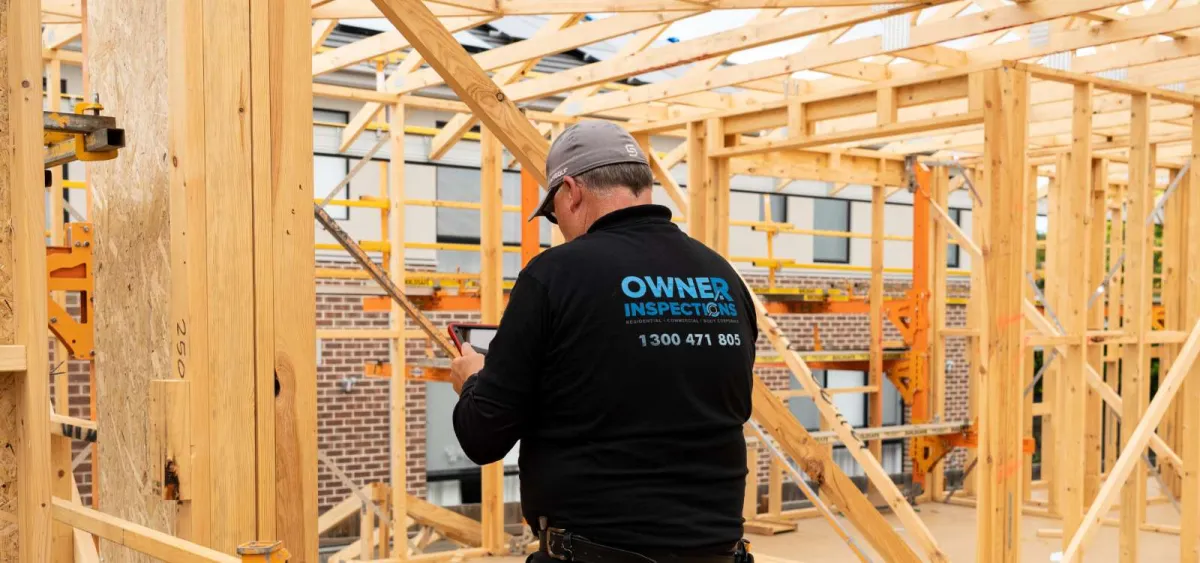
Frame stage inspections verify the structural integrity and compliance of a building framework before internal linings are installed. This guide covers what inspectors check, common defects, costs, and why these inspections are required in Australian construction.

Compliance Inspection for Construction Projects: A Complete Guide
Ensuring compliance in construction projects is more than just following regulations. It is about protecting lives, securing investments, and maintaining the integrity of the built environment.
Book Your Construction Stage Inspection
Protect your investment with professional inspections at every build milestone.
For a complete overview, see our guide to construction stage inspections.
Need Construction Stage Inspections?
Our licensed inspectors cover Sydney, Melbourne, and all major Australian cities.