
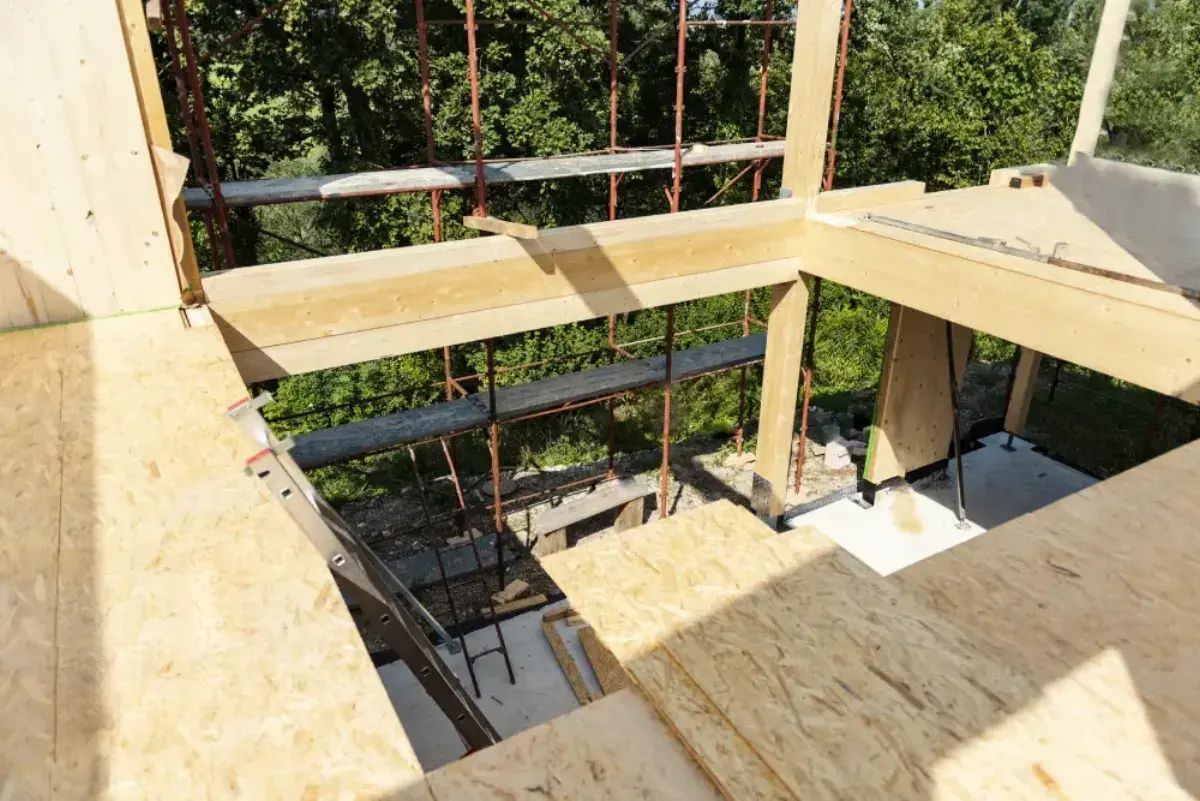
Without thorough defect reporting during construction, issues can be concealed behind walls, ceilings, and finishes, only to emerge months or years later as costly problems. This guide explains what CPDRs are, their key functions, the common defects they capture, their role in warranty claims, and best practices for identification, documentation, and reporting.
What Are Construction Phase Defect Reports?
A Construction Phase Defect Report is a formal document that records defects, deficiencies, and non-conformances identified during the construction of a building. These reports are prepared by qualified building inspectors, project managers, or independent third-party inspectors at various stages of the construction process. They serve as an objective record of the condition of the work at the time of inspection, providing evidence that can be referenced during rectification, disputes, or warranty claims.
CPDRs are important because they catch problems early, before they are covered up by subsequent construction stages. A crack in a slab, a poorly installed waterproofing membrane, or a plumbing defect is far easier and cheaper to fix during construction than after the building is completed and occupied.
Key Functions of CPDRs
Quality and Compliance Assurance
CPDRs serve as a quality control mechanism throughout the construction process. They verify that the work being carried out complies with the approved plans, the National Construction Code (NCC), Australian Standards, and the specifications outlined in the building contract. By documenting the condition of the work at each stage, CPDRs help ensure that the finished building meets the required standards for safety, performance, and durability.
QWho Relies on CPDRs?
A range of stakeholders rely on CPDRs to protect their interests:
Property owners: To ensure the building they are paying for is constructed to the agreed standard and to support any defect claims
Builders and contractors: To identify and rectify defects early, reducing the risk of costly rework after completion
Project managers: To monitor progress, maintain quality, and manage subcontractor accountability
Lenders and insurers: To assess the condition and compliance of the building at key milestones
Legal professionals: To provide evidence in the event of disputes or warranty claims
QWhen Are CPDRs Conducted?
CPDRs are typically conducted at key stages of the construction process:
Pre-construction: Reviewing plans, specifications, and site conditions to establish a baseline
During construction: Inspecting work at critical milestones such as slab, frame, lock-up, fixing, and pre-plaster stages
Post-construction: Conducting a comprehensive inspection of the completed building before handover or settlement
Common Defects Identified in CPDRs
Structural Weaknesses
Structural defects are among the most critical issues captured in CPDRs. These include cracks in concrete slabs, inadequate reinforcement, improperly tied steel, insufficient bracing in framing, and foundation issues caused by poor site preparation or reactive soils. Structural defects can compromise the safety and longevity of the building and must be rectified before construction proceeds.
Plumbing and Electrical Defects
Common plumbing defects include incorrectly graded pipes, leaking joints, non-compliant installations, and inadequate waterproofing around wet areas. Electrical defects can include exposed wiring, incorrectly wired circuits, non-compliant switchboard installations, and inadequate earthing. Both plumbing and electrical defects pose safety risks and must comply with the relevant Australian Standards.
Concrete and Material Defects
Defects related to concrete work include honeycombing, surface cracking, poor finishing, inadequate curing, and incorrect cover to reinforcement. Material defects can include the use of non-compliant or substandard materials that do not meet the specifications in the building contract or the requirements of the NCC.
Roofing and Waterproofing Issues
Roofing defects include incorrectly installed tiles or sheeting, poor flashing, inadequate sealing around penetrations, and blocked or improperly graded gutters and downpipes. Waterproofing defects, particularly in wet areas such as bathrooms, showers, and balconies, are a major source of problems in new buildings. Inadequate or incorrectly applied waterproofing membranes can lead to water ingress, structural damage, and mould growth.
HVAC Defects
Defects in heating, ventilation, and air conditioning systems can include poorly installed ductwork, disconnected or damaged ducts, inadequate insulation around ducts, and systems that have not been properly commissioned or balanced. These issues can result in reduced efficiency, uneven temperatures, and increased energy costs.
Unapproved Deviations from Plans
CPDRs also capture instances where the construction deviates from the approved plans without proper authorisation. This can include changes to room dimensions, structural elements, material substitutions, or the omission of specified features. Unapproved deviations may not comply with the NCC and can affect the building's certification and insurance.
CPDRs and Warranty Claims
Structural Failures and Warranty
CPDRs provide critical evidence for warranty claims related to structural failures. In most Australian states, statutory warranties cover structural defects for six to seven years after completion. A well-documented CPDR that identified a structural issue during construction, along with records of how it was (or was not) rectified, can be instrumental in supporting a warranty claim.
Material Defects and Warranty
When defective or non-compliant materials are identified during construction and documented in a CPDR, this creates a clear record for any future warranty claim. If a material fails prematurely, the CPDR can demonstrate that the issue was present from installation and may not have been adequately addressed.
The Cost of Poor Documentation
Inadequate documentation during construction can significantly increase the cost and difficulty of resolving defects after completion. A case in Melbourne highlighted the consequences of poor documentation, where a residential apartment building required over $2 million in rectification works for waterproofing and structural defects that were not properly documented or addressed during construction. Comprehensive CPDRs could have identified these issues early and ensured they were rectified at a fraction of the eventual cost.
How to Identify and Document Defects
Pre-Construction Phase
Before construction begins, a thorough review of the plans, specifications, and site conditions establishes a baseline for the project. This includes reviewing the geotechnical report, confirming the design meets NCC requirements, and documenting the existing site conditions. Pre-construction documentation ensures that any changes or deviations during the build can be measured against an agreed starting point.
During Construction
Inspections during construction are the core of the CPDR process. At each critical stage, a qualified inspector examines the work in progress and documents any defects, non-conformances, or deviations from the approved plans.
Advanced inspection techniques can reveal hidden defects that are not visible to the naked eye. Thermal imaging cameras can detect moisture intrusion behind walls, heat loss through poor insulation, and electrical hotspots. These tools provide objective evidence that supports the inspector's findings and strengthens the CPDR.
Post-Construction Phase
The post-construction inspection is a comprehensive assessment of the finished building. It checks all visible and accessible elements against the plans, specifications, and NCC requirements. Moisture testing is particularly important at this stage to identify any water ingress issues before the building is handed over or occupied.
Recommended Tools and Technology
Modern CPDR processes benefit from a range of tools and technology:
Drones: For inspecting roofing, facades, and other hard-to-reach areas safely and efficiently
Moisture meters: For detecting moisture content in materials and identifying potential water ingress issues
Thermal imaging cameras: For revealing temperature differences that indicate insulation gaps, moisture, or electrical faults
Inspection software: For standardised reporting, real-time data capture, photo annotation, and tracking of defect rectification
How Builders Address Defects
Best Practices for Rectification
When defects are identified in a CPDR, the builder is responsible for rectifying the issues before construction proceeds to the next stage. Best practices include:
Acknowledging defects promptly: Respond to the CPDR findings in a timely manner and commit to a rectification timeline
Using qualified tradespeople: Ensure that rectification work is carried out by appropriately licensed and experienced tradespeople
Documenting rectification: Photograph and record the rectification work to demonstrate that the defect has been properly addressed
Re-inspection: Arrange for the inspector to verify that the rectification work has been completed to the required standard
Preventive Measures
The most effective approach to defect management is prevention. Builders can reduce the incidence of defects by:
Implementing robust quality management systems with documented procedures for each construction stage
Providing regular training and supervision for tradespeople and subcontractors
Conducting internal quality checks before engaging independent inspectors
Using compliant materials from reputable suppliers with appropriate certification
Best Practices for Reporting
Standardised Procedures
Adopting standardised reporting procedures ensures consistency and completeness across all inspections. A well-structured CPDR should include:
Clear identification of the project, stage, date, and inspector
A systematic description of each defect, including its location, nature, and severity
Photographic evidence with annotations to clearly illustrate each defect
Reference to the relevant standard, plan, or specification that has not been met
Recommendations for rectification and a priority rating for each item
Real-Time Reporting
Modern inspection software enables real-time reporting, allowing defects to be captured, documented, and communicated to the builder immediately. This reduces delays in rectification and ensures that all parties have access to the latest information. Real-time reporting also creates an auditable trail of when defects were identified, communicated, and resolved.
Frequently Asked Questions
How do CPDRs impact warranty claims?
CPDRs provide documented evidence of defects identified during construction, including when they were found, how they were communicated, and whether they were rectified. This evidence is critical for warranty claims, as it demonstrates that the defect existed during the construction phase and may not have been adequately addressed by the builder.
What is a Construction Phase Defect Report?
A Construction Phase Defect Report (CPDR) is a formal document prepared by a qualified inspector that records defects, deficiencies, and non-conformances identified during the construction of a building. It includes descriptions, photographs, references to relevant standards, and recommendations for rectification.
What are the most common defects found in CPDRs?
The most common defects include structural issues such as cracking and inadequate reinforcement, plumbing and electrical non-conformances, waterproofing failures, concrete defects, roofing problems, HVAC installation issues, and unapproved deviations from the approved plans.
Who is responsible for fixing defects identified in a CPDR?
The builder or head contractor is generally responsible for rectifying defects identified in a CPDR. They may direct the relevant subcontractor to carry out the rectification work. The property owner or their representative should verify that the work has been completed to the required standard through a re-inspection.
Can CPDR documentation be used in legal proceedings?
Yes. CPDRs prepared by qualified inspectors are commonly used as evidence in building disputes, warranty claims, and legal proceedings. The detailed documentation, including photographs and references to standards, provides objective evidence of the condition of the work at the time of inspection.
How can defects be prevented during construction?
Defects can be minimised through robust quality management systems, regular training and supervision of tradespeople, internal quality checks at each construction stage, the use of compliant materials, and engaging independent inspectors to provide objective assessments. Prevention is always more cost-effective than rectification.
Are there legal requirements for CPDRs in Australia?
While there is no single national law that mandates CPDRs, various state and territory regulations require inspections at critical construction stages. For example, mandatory inspections are required for slab, frame, and final stages in most jurisdictions. The National Construction Code sets the performance requirements that must be met. Independent CPDRs go beyond the minimum requirements to provide comprehensive documentation for property owners.
What tools are used to identify construction defects?
Common tools include moisture meters, thermal imaging cameras, spirit levels, laser levels, drones for aerial and hard-to-reach inspections, electrical testers, and inspection software for standardised reporting and documentation. These tools help inspectors identify defects that are not visible to the naked eye.
How do construction defects affect property value?
Unresolved construction defects can significantly reduce a property's market value. Structural defects, waterproofing failures, and non-compliant work are particularly concerning for prospective buyers and valuers. Comprehensive CPDRs that document the identification and rectification of defects can help maintain property value by providing evidence that issues were properly addressed during construction.
How often should construction inspections be conducted?
At a minimum, inspections should be conducted at each critical construction stage, including slab, frame, lock-up, fixing, and pre-handover. For complex projects or where there are concerns about build quality, more frequent inspections may be warranted. Regular inspections ensure that defects are caught early and rectified before they are concealed by subsequent construction stages.
Key Takeaways
- Construction Phase Defect Reports (CPDRs) document defects at each stage of the building process to ensure quality and compliance
- CPDRs are relied upon by property owners, builders, project managers, lenders, and legal professionals
- Common defects include structural issues, plumbing and electrical non-conformances, waterproofing failures, and unapproved deviations from plans
- Thorough documentation during construction is essential for supporting warranty claims and avoiding costly rectification after completion
- Modern tools such as drones, thermal imaging, and moisture meters enhance defect identification
- Standardised and real-time reporting ensures consistency, completeness, and timely rectification
- Prevention through quality management systems and regular inspections is more cost-effective than post-construction rectification
References and Resources
Related Articles
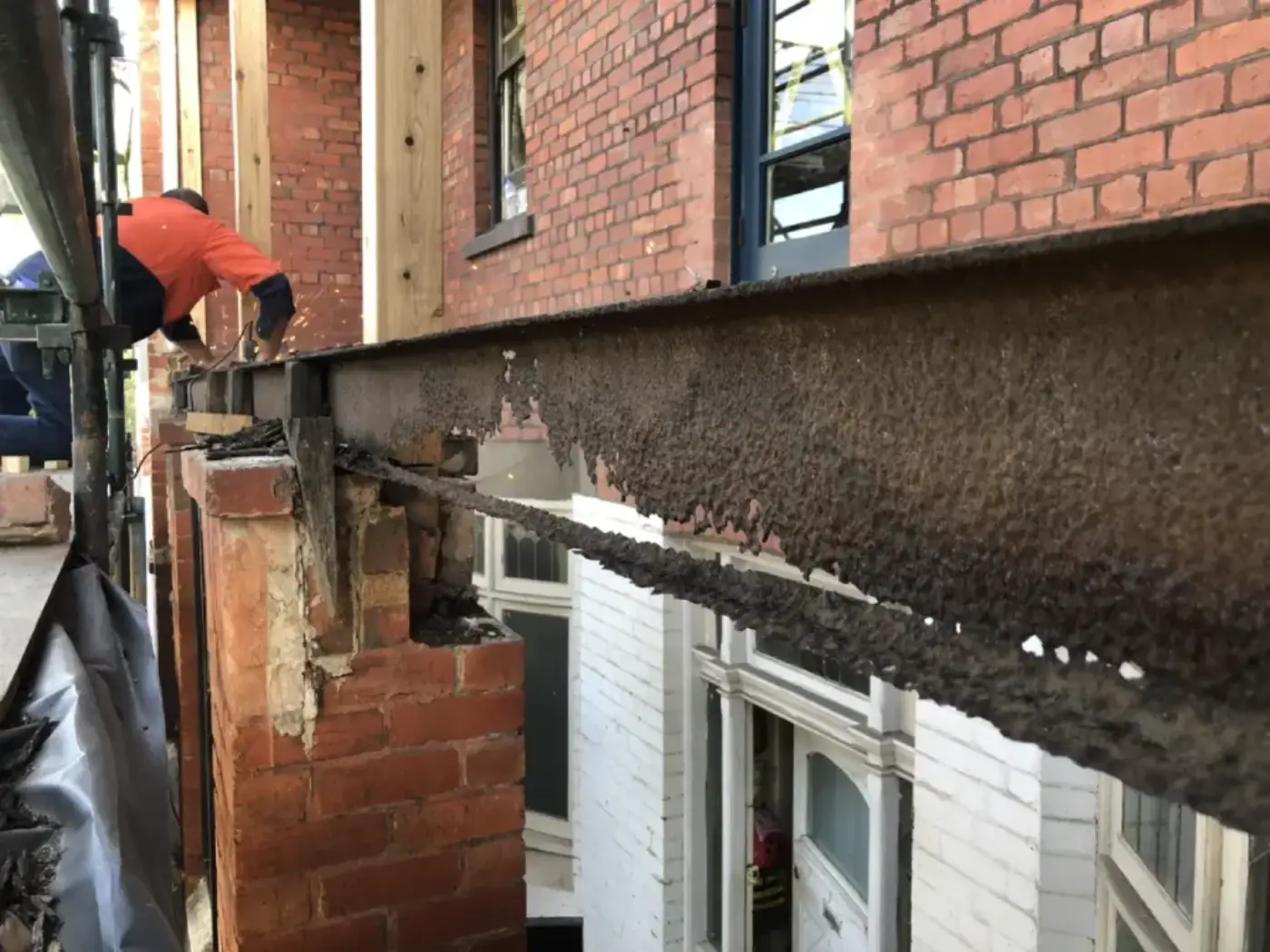
Construction Defect Inspection: Identify and Prevent Issues
Construction defect inspections systematically assess property structure, materials, and workmanship to identify faults and ensure compliance with Australian Building Codes.
Building Inspection Stages: A Comprehensive Guide
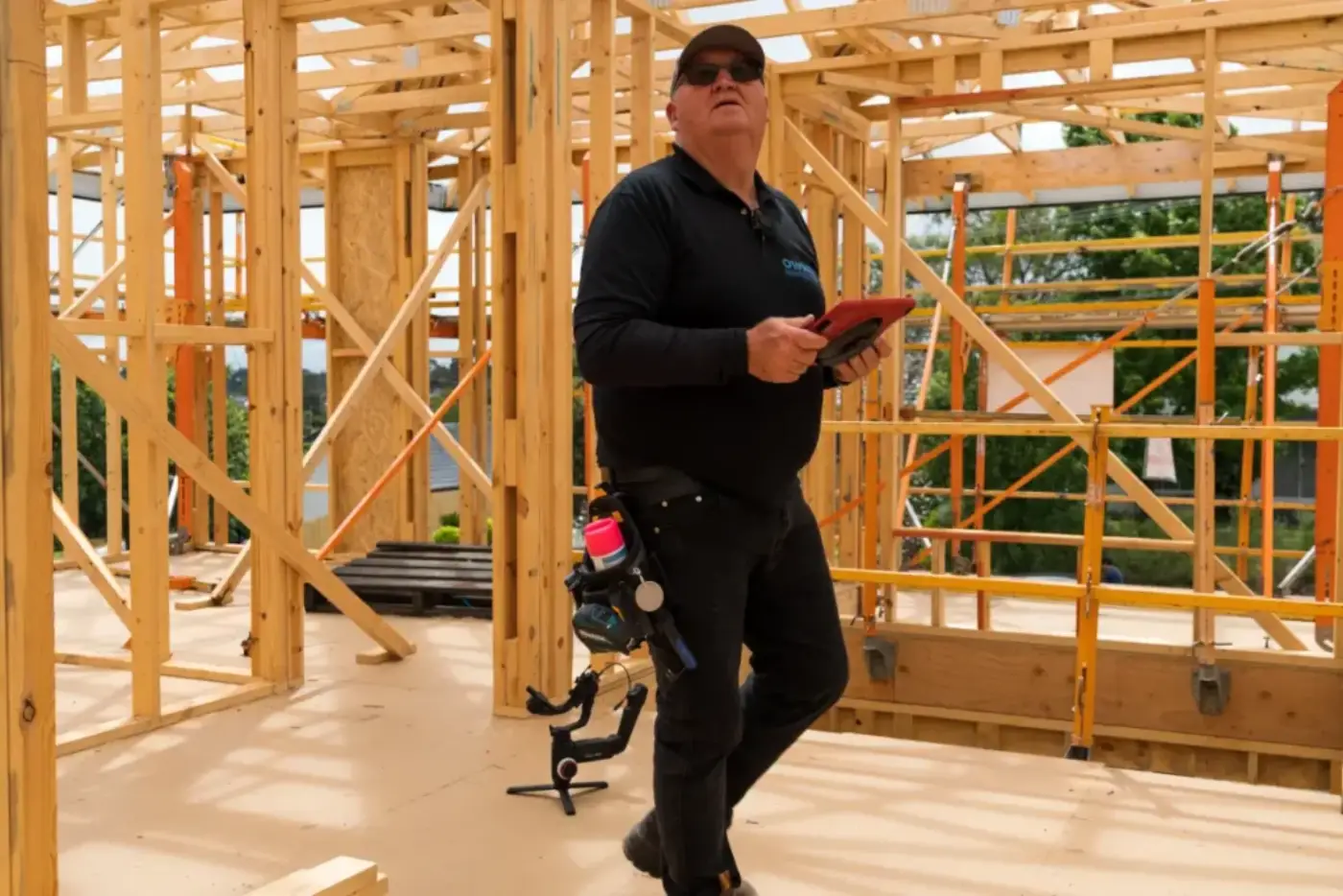
Structural Defect Inspections to Prevent Future Problems
Approximately one in five Australian homes experience structural issues. Learn how structural defect inspections can prevent expensive repairs and ensure safety.
Protect Your Building Project
Book a construction phase inspection with Owner Inspections to catch defects early and ensure your build meets Australian standards. Our detailed reports support quality assurance and warranty claims.
For a complete overview, see our guide to construction stage inspections.
Need Construction Stage Inspections?
Our licensed inspectors cover Sydney, Melbourne, and all major Australian cities.
If defects persist after construction is complete, a formal investigation may be needed. See our guide to building defect investigations.