

The Gold Coast construction sector has seen sustained growth, with building approvals reaching hundreds of millions of dollars annually according to the Australian Bureau of Statistics. With demand for new housing, apartment developments, and commercial projects at high levels, builders face constant pressure to deliver on tight schedules. But speed without quality is a false economy. Defective construction leads to warranty claims, disputes with homeowners, and action by the Queensland Building and Construction Commission (QBCC).
Gold Coast Construction Regulations
National Construction Code (NCC)
The National Construction Code sets the minimum performance requirements for all new buildings in Australia, including those on the Gold Coast. It covers structural adequacy, fire safety, accessibility, energy efficiency, and health and amenity standards. Every Gold Coast build must comply with the NCC, and the building certifier confirms compliance at prescribed inspection stages.
Australian Standards
Beyond the NCC, Australian Standards govern specific aspects of construction including materials, methods, and testing. On the Gold Coast, the coastal environment adds further considerations. Salt air corrosion, high humidity, wind resistance, and cyclone-rated construction are all factors that Australian Standards address.
| Scope | Impact on Speed vs Quality | |
|---|---|---|
| NCC (National Construction Code) | Minimum building performance requirements for all new construction | Sets the quality floor. Builders cannot cut corners below NCC requirements regardless of schedule pressure. |
| Australian Standards (AS Series) | Specific technical standards for materials, methods, and testing | Specifying the right materials and methods upfront avoids rework and delays from failed inspections. |
| QBCC Requirements | Licensing, insurance, and conduct standards for builders in Queensland | Ensures builders are qualified and accountable. Non-compliance results in penalties and licence action. |
| Local Council Overlays | Site-specific planning controls including setbacks, height limits, and environmental protections | Must be addressed in the design phase. Ignoring council requirements causes approval delays. |
Why Speed and Quality Often Conflict
Construction projects face competing pressures. Developers want fast completion to start generating returns. Builders want to move to the next job. Buyers want to move in on schedule. These pressures can push quality to the background if there are no strong controls in place.
Common causes of quality compromise include:
- Skipping or rushing construction stage inspections to keep the schedule moving
- Using cheaper materials that do not perform well in Gold Coast's coastal conditions
- Insufficient supervision of subcontractors who may take shortcuts
- Poor planning that leads to trades working out of sequence
- Failing to allow adequate drying and curing times for concrete, render, and waterproofing
The cost of fixing defects after handover is typically three to five times higher than getting the work right during construction. For homeowners, defects discovered after moving in cause stress, financial loss, and lengthy dispute processes through the QBCC or the Queensland Civil and Administrative Tribunal (QCAT).
Strategies for Efficient, Quality Construction
Delivering projects on time without sacrificing quality is achievable with the right approach. The following strategies help Gold Coast builders maintain high standards under schedule pressure.
Comprehensive Planning
Develop a detailed construction programme
Map out every stage of the build with realistic timeframes, including allowances for weather delays and material lead times specific to the Gold Coast.
Coordinate trades scheduling
Sequence subcontractors so that each trade completes their work before the next begins. Overlapping trades leads to rework and quality issues.
Procure materials early
Order long-lead items well in advance. Supply chain disruptions can stall a project for weeks if materials are not available when needed.
Establish quality checkpoints
Build inspection and quality review points into the programme at each construction stage. These are not delays; they are protections against costly rework.
Efficient Construction Methods
- Prefabrication and modular construction allow components to be manufactured off-site while on-site works continue, reducing overall build time
- Building Information Modelling (BIM) enables 3D coordination of all building systems before construction starts, catching clashes and design errors early
- Lean construction principles reduce waste, improve workflow, and keep the project moving without sacrificing quality
- Selecting materials suited to Gold Coast conditions (corrosion-resistant fixings, marine-grade aluminium, durable external coatings) prevents premature failures
Quality Control on Site
The Building Approval Process in Gold Coast
Understanding the approval process helps avoid delays that push builders to rush later stages of the build.
Projects That May Not Need Approval
Some low-risk works on the Gold Coast are exempt from building approval requirements. These typically include:
- Small garden sheds and non-habitable structures under specified size limits
- Low-height fences that do not exceed council height limits
- Minor non-structural retaining walls under set height thresholds
Tips for a Smooth Approval
The Role of Building Inspections
Building inspections are the primary mechanism for maintaining quality on a construction project. On the Gold Coast, the building certifier conducts mandatory inspections at prescribed stages. In addition, homeowners can appoint an independent building inspector to conduct their own parallel assessments.
What Inspections Check
| What Is Assessed | Why It Matters | |
|---|---|---|
| Slab / Footing Stage | Formwork, reinforcement, site drainage, and compliance with engineering specifications | Errors in the foundation are the most expensive and difficult to fix later |
| Frame Stage | Structural framing, bracing, tie-downs, alignment, and fixing details | Frame defects are hidden once walls are lined. They must be caught at this stage. |
| Lock-up Stage | Roof, external cladding, windows, doors, and weatherproofing | The building must be weather-tight before internal works begin |
| Final / Handover | Completed build against approved plans, NCC compliance, finishes, and overall workmanship | This is the last check before the occupancy certificate is issued and the owner moves in |
Independent construction stage inspections by a private inspector give homeowners an extra layer of protection. The building certifier checks for code compliance, but an independent inspector assesses overall workmanship and quality with the owner's interests in mind.
Common Quality Issues in Fast-Paced Builds
When builders prioritise speed over process, certain defects appear more frequently. Knowing what to watch for helps homeowners and inspectors focus their attention.
- Waterproofing failures in wet areas from insufficient curing time or incorrect membrane application
- Cracking in render and concrete from not allowing proper drying times
- Poor tile adhesion and grout failures from rushing wet area finishes
- Frame alignment issues from not checking plumb and level before lining
- Inadequate corrosion protection on fixings and flashings exposed to salt air
- Gaps in insulation and vapour barriers that reduce energy performance
Technology and Innovation in Gold Coast Construction
Technology is helping Gold Coast builders deliver faster without compromising quality.
- BIM (Building Information Modelling) allows digital coordination of architecture, structure, and services before physical construction begins
- Drone inspections provide fast, safe assessments of roofs and upper-level work
- Project management software tracks progress, schedules trades, and flags delays in real time
- 3D scanning and digital twins create accurate as-built records for quality verification
- Prefabricated wall panels, roof trusses, and bathroom pods reduce on-site construction time significantly
Key Takeaways
- Gold Coast construction must comply with the NCC, Australian Standards, and QBCC requirements regardless of schedule pressure.
- Rushing construction leads to defects that cost three to five times more to fix after handover than during the build.
- Comprehensive planning, trade coordination, and early material procurement are the foundations of efficient, quality construction.
- Prefabrication, BIM, and lean construction methods help deliver speed without sacrificing quality.
- Building inspections at each construction stage are the primary quality control mechanism on any project.
- Independent inspections give homeowners a second opinion beyond the building certifier's compliance checks.
- Gold Coast's coastal conditions demand materials and methods that resist salt air corrosion, humidity, and wind loads.
Frequently Asked Questions
What challenges do Gold Coast builders face in balancing speed and quality?
Gold Coast builders face tight deadlines driven by high market demand, budget constraints, supply chain variability, and the added challenge of building in a coastal environment. Salt air corrosion, high humidity, and the need for cyclone-rated construction add complexity. Careful planning, quality materials, and regular inspections are the best way to maintain standards under these pressures.
How does Gold Coast weather affect construction schedules?
The Gold Coast's subtropical climate brings hot, humid summers with frequent afternoon storms and a wetter season from November to March. Rain can delay concrete pours, roofing, and external works. Humidity affects drying times for paint, render, and waterproofing membranes. Builders need to factor weather delays into their programmes rather than rushing work in poor conditions.
What is the QBCC and how does it affect construction quality?
The Queensland Building and Construction Commission (QBCC) is the regulatory body that licenses builders, sets conduct standards, and handles complaints and disputes in Queensland. Builders who deliver defective work can face licence conditions, suspension, or cancellation. The QBCC also provides a statutory warranty period during which homeowners can lodge defect claims.
Should homeowners get independent inspections on their Gold Coast build?
Yes. While the building certifier conducts mandatory compliance inspections, an independent building inspector works on behalf of the homeowner and focuses on workmanship quality, finish standards, and overall build integrity. Independent inspections catch issues that the certifier may not report on, giving the homeowner better leverage to have defects fixed during construction.
What are the most common defects in fast-tracked Gold Coast builds?
The most frequent defects include waterproofing failures in bathrooms and showers, cracking in render and concrete from inadequate curing, poor tile adhesion, frame alignment issues, insufficient corrosion protection on metal fixings, and gaps in insulation. These typically result from rushing work stages or not allowing adequate drying and curing times.
How can prefabrication help speed up construction without losing quality?
Prefabrication involves manufacturing building components such as wall panels, roof trusses, and bathroom pods in a controlled factory environment. The finished components are then transported to site and assembled. This approach reduces on-site construction time, minimises weather-related delays, and often delivers higher quality because factory conditions allow for tighter quality control.
What materials work best for Gold Coast coastal construction?
Properties near the coast should use corrosion-resistant fixings (stainless steel or hot-dip galvanised), marine-grade aluminium for windows and doors, durable external coatings rated for coastal exposure, and concrete mixes suited to marine environments. Australian Standards specify requirements for coastal construction, and your builder and certifier should confirm compliance.
What role does BIM play in Gold Coast construction projects?
Building Information Modelling (BIM) creates a detailed 3D digital model of the building before construction starts. It coordinates architecture, structure, and services to identify clashes and design issues early. On the Gold Coast, BIM is increasingly used on larger residential and commercial projects to improve planning accuracy, reduce waste, and avoid costly rework during the build.
How do supply chain disruptions affect Gold Coast construction?
Supply chain disruptions can delay projects significantly when key materials are unavailable. Gold Coast builders can manage this risk by ordering long-lead items early, maintaining relationships with multiple suppliers, stockpiling commonly used materials, and building flexibility into their project programmes to accommodate potential delays.
What should homeowners know about fast-tracked construction projects?
Homeowners should be aware that fast-tracked projects carry a higher risk of quality issues if proper controls are not in place. Choose a QBCC-licensed builder with a strong track record, appoint an independent building inspector, attend site visits at each stage, and review the inspection reports carefully. Being informed and involved throughout the build is the best protection against compromised quality.
References and Resources
- Queensland Building and Construction Commission (QBCC) - Licensing, regulation, and dispute resolution for Queensland building
- National Construction Code (NCC) - Australian Building Codes Board
- Australian Bureau of Statistics - Building Approvals - Building approval data including Gold Coast
- Gold Coast City Council - Building and Planning - Local planning and building information
Related Articles
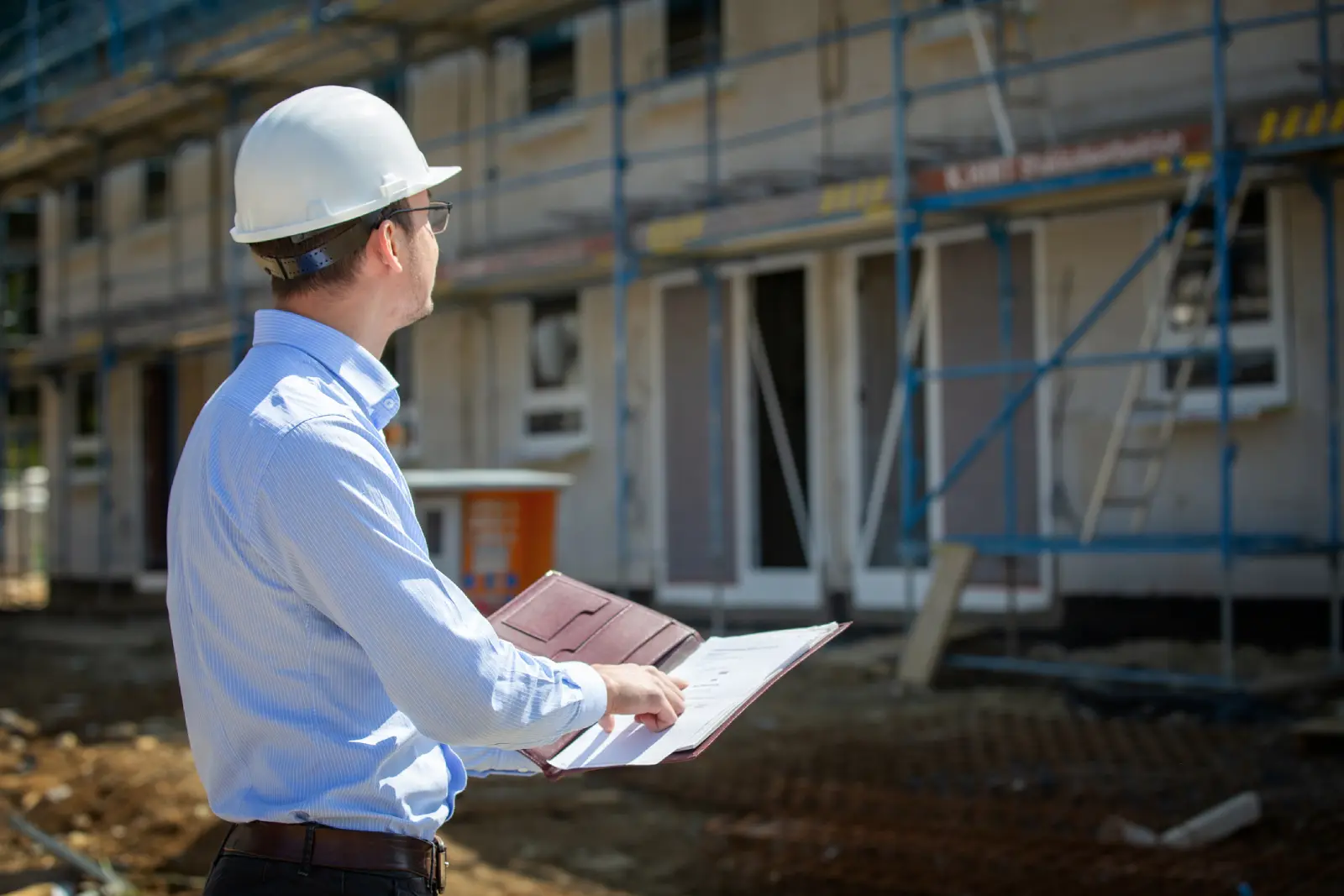
Quality in Construction Stage Inspections
Construction stage inspections provide independent assessments at each building phase to ensure compliance with Australian Standards and the National Construction Code. This guide covers all five key stages, who conducts them, and their benefits.
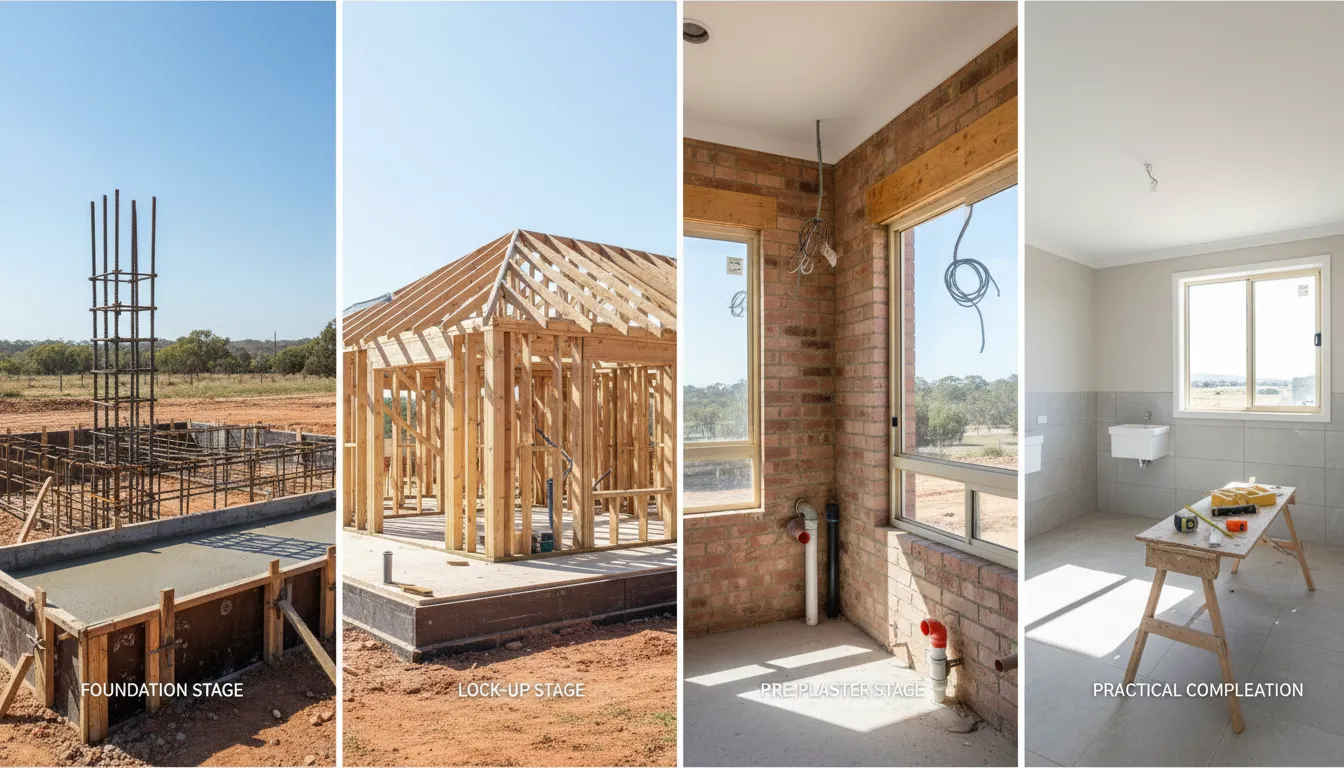
Construction Stage Defects: What to Check at Each Stage
Every construction stage hides the one before it, so the defects that matter are the ones that become invisible next week. This guide covers what to check at pre-pour, slab, frame, lock-up, waterproofing and practical completion, the mandatory inspections in NSW, Victoria and Queensland, and the tolerances that decide whether something counts as a defect at all.

Quality Assurance in Construction Best Practices
Quality assurance inspections during construction catch trade defects before they are concealed by the next stage of work. This guide explains how QA inspections protect builders, reduce disputes, and improve construction outcomes across Australian residential projects.
Building on the Gold Coast and want to make sure speed does not come at the cost of quality? Owner Inspections provides independent construction stage inspections across the Gold Coast and south-east Queensland. Our QBCC-licensed inspectors check workmanship, compliance, and build quality at every stage. Get a quote today or call us on 1300 471 805.
For a complete overview, see our guide to construction stage inspections.
Need Construction Stage Inspections?
Our licensed inspectors cover Sydney, Melbourne, and all major Australian cities.