
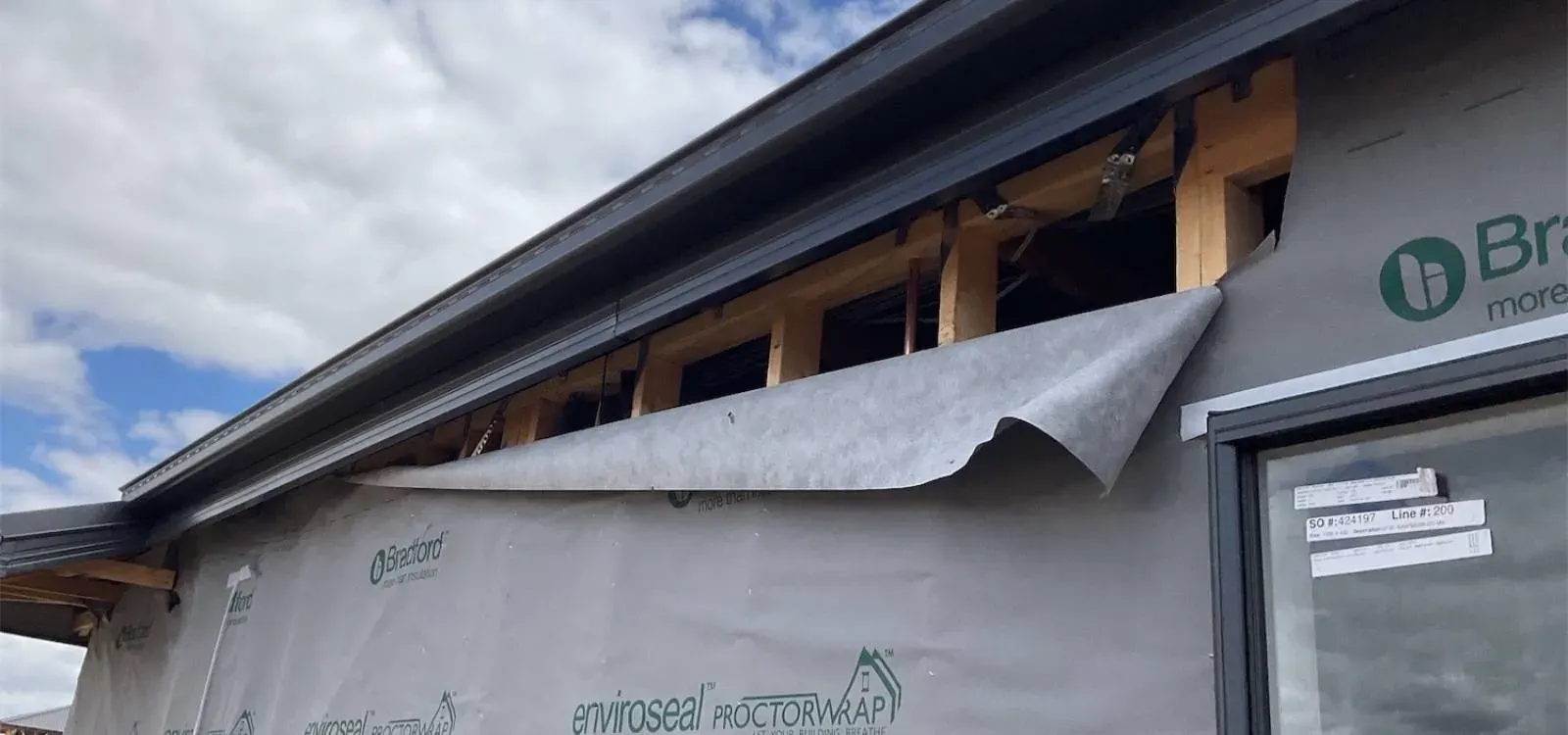
Building a new home involves multiple construction stages, and the lock-up stage is one of the most significant checkpoints. This is the point where your home should be sealed from the outside elements. If weatherproofing or insulation is substandard at this stage, the problems become hidden behind plasterboard and paint, often only surfacing months or years later as mould, energy inefficiency, or water damage. A professional lock-up inspection at this point gives you the chance to address issues while they are still visible and cost-effective to fix.
What Is Weatherproofing?
Weatherproofing protects your home from external elements including rain, wind, and temperature extremes. An effective weatherproofing system prevents water ingress and uncontrolled air infiltration, directly affecting both comfort and energy costs. At the lock-up stage, inspectors check that all weatherproofing components have been installed correctly and meet NCC requirements.
Poor weatherproofing is one of the most common sources of building defects in Australian homes. Water that enters through gaps in flashing, poorly sealed windows, or inadequate drainage can cause structural damage, mould growth, and deterioration of building materials over time.
Weatherproofing Checklist for Lock-Up Inspections
During a lock-up inspection, a qualified inspector examines the following weatherproofing elements:
Flashing defects are among the most common problems found during lock-up inspections. If flashing around windows, doors, or the roof line is missing, incorrectly overlapped, or poorly sealed, water can enter the wall cavity and cause hidden damage that only becomes apparent after the home is completed.
The Role of Insulation
Insulation acts as a thermal barrier, reducing unwanted heat gain in summer and heat loss in winter. The NCC sets minimum insulation requirements for Australian homes, expressed as R-values, which measure the material's resistance to heat flow. Higher R-values indicate better thermal performance.
At the lock-up stage, insulation is typically visible before plasterboard installation begins. This is the last practical opportunity to check that insulation has been installed correctly and meets the required specifications.
Insulation Inspection Areas
Inspectors focus on these areas during an insulation check:
| What Inspectors Check | Common Issues | |
|---|---|---|
| Ceiling / Attic | Insulation coverage, correct R-value, no gaps around downlights or vents | Missing batts, compressed insulation, blocked ventilation points |
| Walls | Uniform distribution, no gaps around power points, switches, or pipes | Gaps behind electrical boxes, insulation sagging or falling out of position |
| Floors | Insulation presence under raised floors, correct fixing in crawl spaces | Missing insulation in subfloor areas, particularly in raised homes |
| R-Value Compliance | Verification that the installed R-value matches the NCC requirements for the climate zone | Wrong R-value product installed, or builder substituting a lower-grade product |
Australia is divided into eight climate zones under the NCC, each with different minimum insulation requirements. A home in Melbourne (climate zone 6) will need higher R-value insulation than a home in Brisbane (climate zone 2). Your inspector should verify the installed insulation matches your specific climate zone requirements.
Benefits of Proper Weatherproofing and Insulation
Getting weatherproofing and insulation right at the lock-up stage delivers both immediate and long-term benefits.
Up to 40%
Heating and cooling energy savings with correct insulation (CSIRO estimates)
8 Climate Zones
NCC climate zones across Australia, each with different insulation requirements
$490+
Starting cost for a lock-up inspection that covers weatherproofing and insulation
- Consistent indoor comfort: Proper insulation and sealing maintain stable indoor temperatures regardless of outside conditions
- Reduced energy costs: Less reliance on heating and cooling systems translates to lower electricity and gas bills
- Lower carbon footprint: Reduced energy consumption means fewer greenhouse gas emissions
- Protection from moisture damage: Effective weatherproofing prevents water ingress that causes mould, rot, and structural deterioration
- Longer building lifespan: Materials protected from weather exposure last significantly longer
Common Defects Found at Lock-Up
- Missing or incorrectly installed sarking behind cladding
- Flashing not properly overlapping at window heads and sills
- Gaps in insulation around power points and plumbing penetrations
- Roof tiles cracked or lifted during construction activities
- Window frames not properly sealed to the building structure
- Insulation compressed or missing in hard-to-reach areas
- Drainage not directing water away from the foundation
Handling Inspection Findings
Discovering defects during a lock-up inspection is far better than finding them after the home is finished. Here is how to handle the findings.
Communicating with Your Builder
Report issues immediately
As soon as the inspection report is received, share the findings with your builder. The sooner they know, the sooner rectification can begin.
Keep detailed records
Maintain a log of all identified problems, communications with the builder, and any agreed actions. Written records are valuable if disputes arise later.
Get a rectification timeline
Ask the builder to provide a realistic timeline for correcting each defect. Put this in writing.
Using Your Warranty
- Understand what your home warranty covers, as coverage varies by state under the Home Building Act 1989 (NSW), the Domestic Building Contracts Act 1995 (VIC), or the QBCC Home Warranty Scheme (QLD)
- Submit warranty claims promptly to avoid missing time limits
- Store all warranty documents, repair logs, and correspondence in an accessible location
When to Get a Second Opinion
If significant defects are found or if you disagree with the builder's response, consider engaging another qualified inspector for a second assessment. For unresolved disputes, mediation or legal advice may be appropriate.
Tips for Homeowners
Key Takeaways
- Lock-up inspections check weatherproofing and insulation before internal finishes cover these elements permanently.
- Weatherproofing issues such as flashing defects, poor sealing, and drainage problems are among the most common findings.
- Insulation must meet NCC R-value requirements specific to your home's climate zone.
- Catching defects at the lock-up stage is far cheaper and easier than rectifying them after completion.
- Homeowners should communicate findings to their builder immediately and document all discussions and agreed actions.
- Proper weatherproofing and insulation can reduce heating and cooling energy use by up to 40%.
- Lock-up inspections start from $490 AUD and vary depending on the property size.
Frequently Asked Questions
What is a lock-up inspection?
A lock-up inspection takes place when a new home reaches the stage where external walls, roofing, windows, and doors are installed, effectively sealing the property from the weather. At this point, inspectors assess weatherproofing and insulation quality before internal finishes such as plasterboard and painting begin. You can read more in our lock-up and pre-plaster inspection guide.
Why is weatherproofing checked during a lock-up inspection?
Weatherproofing protects the home from rain, wind, and temperature extremes. If weatherproofing defects such as missing flashing, unsealed windows, or drainage issues are not identified at lock-up, they become hidden behind internal finishes and can cause water damage, mould, and structural problems over time.
How does insulation contribute to energy efficiency?
Insulation acts as a barrier to heat transfer, reducing the amount of heat that enters your home in summer or escapes in winter. This means your heating and cooling systems work less, lowering energy consumption and costs. According to CSIRO estimates, correct insulation can reduce heating and cooling energy use by up to 40%.
What insulation materials are commonly checked during inspections?
Common insulation materials in Australian homes include fibreglass batts, polyester batts, rigid foam boards, and cellulose. Each has different thermal performance characteristics, and the choice depends on the application area, climate zone, and NCC requirements for the specific home.
How do inspectors verify insulation effectiveness?
Inspectors check the installed insulation against the R-value specified in the building plans and NCC requirements for the climate zone. They also confirm that insulation is uniformly distributed without gaps, compression, or displacement, and that it has not been damaged during construction.
How much does a lock-up inspection cost?
Lock-up inspections start from approximately $490 AUD. The final cost depends on the size and complexity of the property. Contact us for an exact quotation for your project.
Why are licences from the VBA, NSW Fair Trading, and QBCC important for inspectors?
These licences confirm that the inspection company meets the standards set by Australian state regulators. The Victorian Building Authority (VBA), NSW Fair Trading, and Queensland Building and Construction Commission (QBCC) each require inspectors to hold appropriate qualifications and maintain professional standards.
What should homeowners do if issues are found during a lock-up inspection?
Homeowners should share the inspection report with their builder immediately, request a written rectification timeline, and keep detailed records of all communications and agreed actions. If the builder does not address the issues, the homeowner can escalate through warranty claims or dispute resolution processes.
How often should homes be inspected after construction is complete?
After the initial construction, periodic inspections are recommended, particularly after major weather events or every two to three years. These checks help confirm that weatherproofing and insulation continue to perform as intended and that no new issues have developed.
How can homeowners prepare for a lock-up inspection?
Ensure the property is accessible and safe for the inspector. Clear any construction debris from walkways and key areas. Have the building plans and any relevant contract documents available for reference. Communicating with your inspector before the scheduled visit can also help ensure a smooth process.
References and Resources
- National Construction Code (NCC) - Australian Building Codes Board, insulation and energy efficiency requirements
- Victorian Building Authority (VBA) - Building practitioner registration and standards
- NSW Fair Trading - Home Building - Home building regulations in NSW
- Queensland Building and Construction Commission (QBCC) - Building standards and warranties in QLD
- CSIRO - Energy Efficiency - Research on insulation and energy performance in Australian homes
Related Articles

Lock-Up and Pre-Plaster Inspection Guide
The lockup stage is a critical phase where structures are secured with windows, doors, and external cladding before plastering begins. Learn what inspectors check.
Lock-Up vs Final Inspections: Knowing the Difference
Lock up inspections occur at approximately 80% completion while final inspections provide comprehensive assessment after construction concludes. Learn the key differences.
The Importance of Sarking in Building Construction
Sarking, a pliable roof membrane installed under tiles or metal sheets, helps manage water entry, dust, airflow, and moisture movement. Learn why it should not be skipped.
Building a new home? A professional lock-up inspection ensures your weatherproofing and insulation meet Australian standards before they are covered by internal finishes. Owner Inspections provides construction stage inspections across NSW, Victoria, and Queensland. Get a quote today or call us on 1300 471 805.
For a complete overview, see our guide to construction stage inspections.
Need Construction Stage Inspections?
Our licensed inspectors cover Sydney, Melbourne, and all major Australian cities.