





Owner Inspections
Owner Inspections - Building and Pest Inspections Australia

Maximise Savings with Our
Tax Depreciation Schedule

Enhance Your Investment Returns through Accurate and Customised Tax Depreciation Schedules.

What Is A Tax Depreciation Schedule?

A Tax Depreciation Schedule Report outlines the tax deductions available to investment property owners related to depreciation. It identifies all depreciable items within your property and calculates the deductions you can claim. Our reports are prepared by qualified Quantity Surveyors following Australian Taxation Office regulations, ensuring compliance and maximum deductions.

How We Save You Money:

Owner Inspections employs experienced Quantity Surveyors using current methods to deliver accurate reports. Their expertise ensures comprehensive Tax Depreciation Schedule Reports that maximise your tax returns and identify items needing replacement or upgrading. A well-prepared depreciation schedule can save you thousands of dollars each year.


Who Needs a Tax Depreciation Schedule?

Our tax depreciation schedule services benefit a wide range of property owners

Property Owners

Property Owners

Property Investors

Property Investors

Landlords

Landlords

Property Developers

Property Developers

Corporate Entities

Corporate Entities

Managed Fund Investors

Managed Fund Investors

Tax Depreciation Schedule Inclusions

Our comprehensive Tax Depreciation Schedule reports cover all depreciable items within your investment property, ensuring you claim every deduction available under ATO regulations.

  • Building structure depreciation
  • Carpets and flooring
  • Window treatments and blinds
  • Electrical and plumbing systems
  • Appliances and fixtures
  • Heating and cooling systems
  • Pools and outdoor structures
  • Capital works deductions (Division 43)
  • Plant and equipment deductions (Division 40)
  • Renovation and improvement items

The Team at Owner Inspections are available at all hours to take your query. Click the Request Quote button below to get in touch with our Quantity Surveyors today!

Tax depreciation schedule report

Benefits of a Tax Depreciation Schedule

Accurate calculation of tax deductions
Identification of all depreciable items
Comprehensive breakdown of deductions
Maximised tax return on investment
Improved cash flow for investors
ATO compliant reports
Prepared by qualified Quantity Surveyors
Report cost is 100% tax deductible

Maximise your investment property returns - give the Owner Inspections Team a call today! 1300 471 805

Benefits of tax depreciation schedule

Eligible Property Types

Brand new residential properties
Second-hand properties with renovations
Commercial and retail properties
Industrial and manufacturing buildings
Motels and hospitality properties
Properties in managed funds
Former principal residences now rented
Properties with new plant and equipment

Find out how much you could save - contact us for a free quote! 1300 471 805

Eligible property types for depreciation

Get Your Free Expert Quote Today

Need a depreciation schedule? Our qualified inspectors are ready to assess your property and provide a comprehensive, professional report.

Latest Tools and Technology

We use state-of-the-art equipment to deliver accurate and comprehensive inspections

Cloud-Based Reports

Cloud-Based Reports

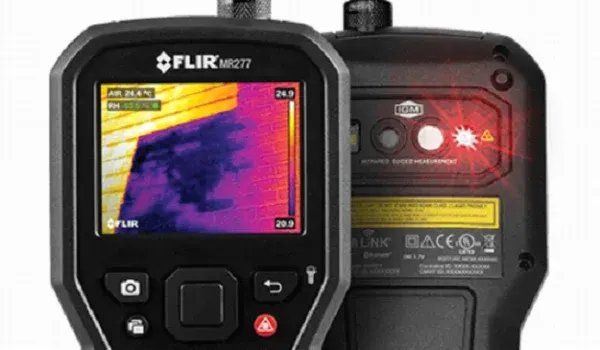
Thermal Imaging Camera

Thermal Imaging Camera

Moisture Hygrometer

Moisture Hygrometer

Termatrac T3i Radar

Termatrac T3i Radar

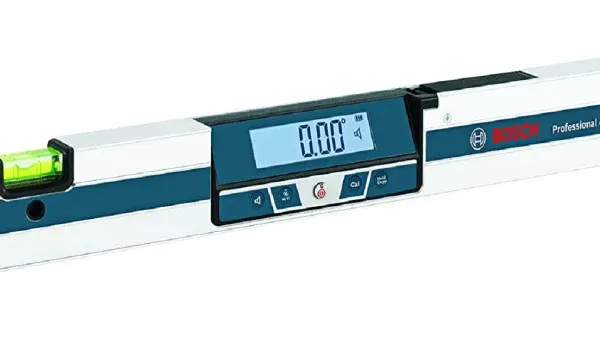
Digital Inclinometer

Digital Inclinometer

DJI Mavic 3 Drone

DJI Mavic 3 Drone

Tax Depreciation Schedule FAQs

Answers to common questions about our tax depreciation schedule services

A Tax Depreciation Schedule is an ATO-compliant report prepared by a qualified Quantity Surveyor that outlines all tax deductions available for the wear and tear of your investment property. It covers both Capital Works (Division 43) and Plant and Equipment (Division 40) deductions under the Income Tax Assessment Act 1997.

Any Australian taxpayer who owns an income-producing property can claim depreciation deductions. This includes individual investors, companies, trusts, self-managed super funds (SMSFs), and partnerships. The property must be used to produce assessable income, such as rental income.

Division 43 covers the building structure and fixed improvements. Residential properties built after 15 September 1987 can claim 2.5% per year for 40 years. Commercial properties built after 26 February 1992 also qualify. Earlier construction dates have different rates. Capital Works deductions are available for both new and second-hand properties.

From 1 July 2017, the ATO restricted Plant and Equipment (Division 40) deductions for second-hand residential properties. Investors can no longer claim depreciation on existing fixtures in previously used properties. However, you can still claim Division 40 deductions on brand new properties and any new items you purchase and install yourself.

The prime cost method provides equal deductions each year over an asset effective life. The diminishing value method front-loads deductions, giving higher claims in early years that reduce over time. Once you choose a method for an asset, you cannot change it. Your accountant can advise which method suits your tax situation.

Yes, the ATO requires depreciation schedules for properties where construction costs are unknown to be prepared by a qualified professional. Quantity Surveyors are specifically recognised under Tax Ruling TR 97/25 as appropriately qualified to estimate construction costs for depreciation purposes.

Yes, if you convert your principal place of residence to a rental property, you can claim depreciation from the date it becomes income-producing. However, for Division 40 items, you can only claim on items you purchased new. A depreciation schedule should be prepared based on the market value at the time of conversion.

You can amend your tax returns for the previous two financial years to claim missed depreciation deductions. For earlier years, you may be able to make a catch-up adjustment in the current year under certain circumstances. Consult your accountant about the best approach for your situation.

Yes, the cost of obtaining a Tax Depreciation Schedule is 100% tax deductible under Section 25-5 of the Income Tax Assessment Act 1997. The fee is claimed in the year you incur the expense, providing an immediate tax benefit in addition to ongoing depreciation deductions.

Any depreciation you have claimed on Plant and Equipment reduces the cost base of those items for CGT purposes. Capital Works deductions do not affect your CGT calculation. When you sell, you may need to include depreciation clawback for Division 40 items. Your accountant can calculate the net tax benefit considering both depreciation and CGT implications.

Yes, renovations and improvements are fully depreciable. Capital improvements depreciate at 2.5% per year under Division 43. New fixtures and fittings you install can be claimed under Division 40 at their full value, regardless of whether the property is new or second-hand. A new depreciation schedule should be prepared after significant renovations.

Most income-producing properties are eligible, including residential rentals, commercial buildings, industrial properties, retail shops, serviced apartments, and short-term rentals. The property must be used to earn assessable income. Owner-occupied properties and properties used for private purposes cannot claim depreciation.

Payment Options

Flexible payment options to suit your needs

Afterpay
PayID
Square
Stripe
All Major Credit Cards
VBA

VBA

CBD-U 5342

Victoria

NSW Fair Trading

NSW Fair Trading

366177C

NSW

QBCC

QBCC

15249792

Queensland

ABSC SIP

ABSC SIP

141