





Owner Inspections - Building and Pest Inspections Australia

Building Defect Investigation:
Finding the Cause

Goes past what is wrong to why, so you can fix the cause instead of repeating the repair.

Learn More
★★★★★4.8· 2,500+ reviews
Free & no obligation24-hour reportsFully licensed

Instant Quote

By submitting this quote you agree to our Terms and Conditions and Privacy Policy.

Reviewed by Maison Azdari, Co-Founder, Senior Building Consultant & Expert WitnessLast updated: 13 November 2026

What is a defect investigation report?

A defect investigation report goes beyond identifying a defect to establishing its cause. Where a standard inspection notes that cracking or water ingress exists, an investigation determines why it is happening, whether it is progressing, and what rectification the evidence actually supports.

How It Differs From a Standard Building Inspection

A standard building inspection, such as a pre-purchase inspection under AS 4349.1, is a visual assessment of accessible areas. It records visible defects and safety hazards but does not set out to explain why they exist. A defect investigation is targeted at problems that have already been found or are suspected, and answers four questions: what the defect is, where it is, what caused it, and what needs to happen next.

That means tracing each problem back to its root cause, citing the specific National Construction Code provisions and Australian Standards involved, and recommending repair solutions. Think of the standard inspection as a health check and the investigation as the specialist diagnosis. Property owners can use the report before hiring contractors to avoid being misled on repair costs. We also offer Expert Witness Reports for legal proceedings and Insurance Claim Assessments.

How We Save You Money:

Understanding the exact defect source and repair solution helps you obtain fair contractor quotes and prevent overcharging. Our report provides detailed defect information, enabling informed decisions about necessary rectification before you receive expensive repair quotes. This knowledge puts you in control of the repair process.

When Do You Need a Defect Investigation?

When a building problem goes beyond cosmetic wear. The common triggers are cracking in walls, water coming in through windows, balconies or the roof, failed waterproofing in bathrooms and laundries, poor workmanship in tiling or joinery, and work that does not appear to comply with the National Construction Code.

The situations that call for one are just as consistent. A new build has defects and you need them documented formally against the contract and the standards. The builder disputes responsibility or has stopped responding. You are inside a statutory warranty period and need the defects recorded before it runs out: in NSW, major defects are covered for six years under the Home Building Act 1989, and in Victoria the Domestic Building Contracts Act 1995 implies warranties into every domestic building contract. A dispute is heading to a tribunal and needs independent evidence. Or a pre-purchase inspection has flagged a concern and you want to understand it before negotiating or deciding whether to proceed.

Do not wait for a defect to get worse. Water ingress and structural movement escalate, and delay can push a claim outside the warranty period.

How Is the Root Cause Established?

The investigation starts with the history of the problem: when each defect first appeared, whether it has changed, and what has already been tried. The building contract, approved plans and specifications show what should have been built, which is the benchmark the finished work is measured against.

On site, the pattern of the damage matters as much as the damage itself. Thermal imaging and moisture meters trace water back from the stain towards the point of entry. Laser levels show whether floors and openings have moved. Each finding is then attributed to a likely cause: poor workmanship, non-compliant materials, departure from the approved plans, or a breach of the National Construction Code or an Australian Standard.

Some causes sit behind a finish, such as a failed waterproofing membrane under tiles or inadequate bracing behind a wall lining. Where a cause cannot be confirmed without opening up, the report says so and identifies the testing or specialist input, such as a structural engineer, needed to confirm it.

What Does the Report Contain?

The report opens with the property, the inspection date, the inspector and the agreed scope. Every defect is then recorded individually with a written description, its exact location and photographs.

For each defect the report explains the likely cause and cites the provisions it fails to meet, such as the National Construction Code, AS 3740 for waterproofing of wet areas or AS 2870 for residential slabs and footings. It then sets out a rectification scope specific enough for a qualified contractor to follow, with repair cost guidance so you know the scale of the work before quotes arrive.

Measurements, moisture readings and thermal images are kept as supporting evidence. Where a matter needs itemised costings for a tribunal, those are prepared in a Scott Schedule as part of an expert witness report.

How to Prepare for the Investigation

Write down every defect you have noticed and when you first saw it. When a defect first appeared often matters as much as the defect itself, both for working out the cause and for any warranty claim.

Gather the building contract, approved plans, specifications and any previous inspection reports, along with your correspondence with the builder: emails, text messages and letters about the defects. The documents are reviewed alongside the building itself.

Make sure every area can be reached on the day, including the roof space, the subfloor and any locked rooms. An area that cannot be accessed cannot be reported on.

What Happens After the Report?

Most owners start by giving the report to the builder with a written request to rectify the listed defects. An independent report that cites the standard each item fails to meet is harder to dismiss than a list written by the owner.

If the builder does not act, the report supports a complaint to the building regulator in your state: NSW Fair Trading, the Building and Plumbing Commission in Victoria, or the QBCC in Queensland. Where the dispute goes further, to NCAT, VCAT or QCAT, the investigation lays the groundwork for an expert witness report prepared for the hearing.

Once repairs are done, a re-inspection checks that each item was rectified properly rather than covered over.

Why Choose Owner Inspections?

Thorough & Detailed Inspections
Fixed Price, No Extras
Qualified & Experienced Inspectors
Fully Licensed & Insured
Fast Turnaround & Online Booking
Free Consultation & Exceptional Service
Thermal Imaging & Drone Technology
Across NSW, VIC & QLD
Independent & Unbiased
Easy Online Booking & Payment

Reviewed across every major platform

Trusted by Thousands of Australians

Who Needs a Building Defect Report?

Our defect investigation services are valuable for a wide range of clients

Building Defect Report Inclusions

Our comprehensive defect investigation reports go beyond standard inspections to identify and document complex property issues. Using advanced technology and expert knowledge, we provide detailed analysis and recommendations.

  • Any issues unique to the property
  • Structural defects assessment
  • Visual defects documentation
  • Safety defects identification
  • Design defects analysis
  • Water leaks investigation
  • Moisture readings and thermal imaging
  • Repair recommendations

The Team at Owner Inspections are available at all hours to take your query. Click the Request Quote button below to get in touch with our Building Defect Investigation Specialists today!

Building defect investigation in progress

Our Defect Investigation Process

A thorough two-stage approach to identifying and documenting building defects

1

Document Review and Inspection

Our defect investigation specialist begins with a thorough review of all relevant documentation including contracts, plans, specifications, and correspondence. This is followed by a comprehensive on-site inspection to assess the building issues firsthand.

What's Included:

  • Initial consultation and case assessment
  • Review of contracts and specifications
  • Analysis of building plans and drawings
  • Comprehensive site inspection
  • Photographic documentation
  • Thermal imaging and moisture detection
  • Identification of defects and issues
  • Assessment against Australian Standards
Document Review and Inspection
2

Detailed Report Preparation

Following the inspection, our specialist prepares a comprehensive report documenting all findings, defect analysis, and professional recommendations for rectification.

What's Included:

  • Detailed documentation of findings
  • Analysis of defects and causes
  • Reference to Australian Standards
  • Building Code compliance assessment
  • Remediation recommendations
  • Repair cost guidance
  • High-resolution photographs
  • Clear, objective reporting
Detailed Report Preparation

Get Your Free Expert Quote Today

Need a professional defect investigation? Our qualified inspectors are ready to identify the source of your building defects and provide expert repair recommendations.

Example Defects

Common issues identified during building defect investigations

Benefits to Property Owners

Identify the exact source of defects
Understand the full extent of damage
Receive expert repair recommendations
Avoid being overcharged by contractors
Professional documentation for disputes
Thermal imaging and moisture detection
Compliance with Australian Standards
Detailed photographic evidence

Get expert answers about your property defects - give the Owner Inspections Team a call today! 1300 471 805

Benefits to property owners

Benefits for Legal & Insurance Matters

Expert witness reports available
Court-admissible documentation
Insurance claim assessments
Support during legal disputes
Professional independent assessment
Detailed compliance reporting
Licensed and insured inspectors
Ongoing support and re-inspections

Need expert support for your legal or insurance matter - give the Owner Inspections Team a call today! 1300 471 805

Benefits for legal and insurance matters

Latest Tools and Technology

We use state-of-the-art equipment to deliver accurate and comprehensive inspections

Cloud-Based Reports

Cloud-Based Reports

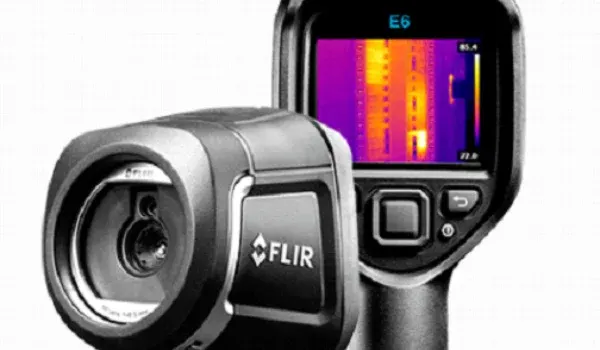
Thermal Imaging Camera

Thermal Imaging Camera

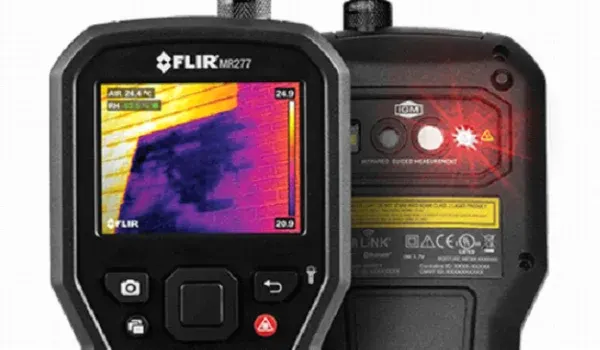
Moisture Hygrometer

Moisture Hygrometer

Termatrac T3i Radar

Termatrac T3i Radar

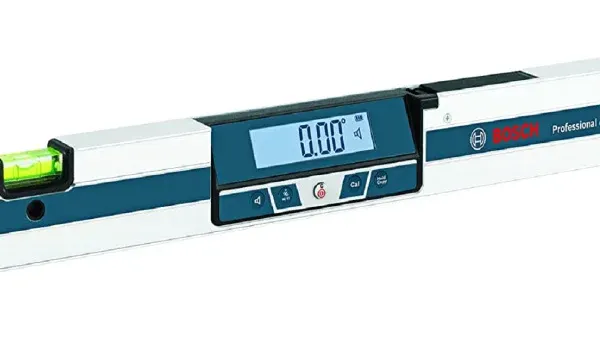
Digital Inclinometer

Digital Inclinometer

DJI Mavic 3 Drone

DJI Mavic 3 Drone

Explore our full toolkit→

Building Defect Investigation FAQs

Answers to common questions about our building defect investigation services

Defects in residential and commercial properties fall into three broad groups. Structural or movement-related defects include significant cracking, footing movement, bulging walls, and doors or windows that stick because the building has moved. Water or moisture-related defects include roof and balcony leaks, failed waterproofing in wet areas, poor drainage, dampness and mould. Finish and workmanship defects include plasterboard cracking, poor alignment, gaps and uneven joins that fall outside accepted tolerances. We also assess non-compliance with the National Construction Code and Australian Standards.

We offer extensive industry experience, qualified professionals, and commitment to thorough inspections with detailed reports. We serve homeowners, investors, property managers, strata managers, and builders across New South Wales, Victoria and Queensland.

It creates a clear, usable record of defective or incomplete work and connects each finding to the standard it fails to meet. That tells you whether an issue is minor, significant or urgent, shows the builder exactly what is being raised, supports a request for rectification, and puts a dated record on file before warranty or insurance deadlines matter. If the matter escalates to a tribunal, the report is the starting point for the evidence.

Most inspections complete within 1-4 hours, with reports delivered within 5-7 business days, depending on property size and complexity of the issues being investigated.

All our professionals hold relevant qualifications and accreditations in building and construction, ensuring accurate and professional defect identification and reporting. Owner Inspections also carries full professional indemnity and public liability insurance.

Costs depend on property size and scope of the investigation. Contact us for a tailored quote based on your specific needs and requirements.

Yes, you are encouraged to attend the inspection. This allows you to ask questions and better understand the identified issues firsthand.

Each defect is described, located and photographed, with its likely cause, the Australian Standard or Building Code provision it fails to meet, a recommended scope of rectification and repair cost guidance. Supporting data such as moisture readings and thermal images is included as evidence.

Yes, Owner Inspections provides ongoing support and re-inspection services to ensure defects are rectified in compliance with industry standards.

Inspections can typically be scheduled within a few days, depending on availability and your location.

Yes, both new and existing properties. For a new build, the investigation documents the defects formally and assesses them against the building contract, the approved plans and the applicable standards. Arrange it early: statutory warranties run for fixed periods (in NSW, six years for major defects under the Home Building Act 1989), and water ingress and structural movement get worse while a dispute drags on.

You can complete our online enquiry form or contact us via phone or email. Our team will guide you through the booking process.

Yes, Owner Inspections treats all personal information confidentially in accordance with Australian privacy laws.

A standard building inspection provides a general overview of a property condition for purchase or sale purposes. A defect investigation is a specialised, in-depth assessment focused on identifying the root cause of specific building problems, providing detailed analysis and expert repair recommendations.

Yes, our defect investigation reports are prepared to a professional standard and can be used as supporting evidence in tribunal and court proceedings. We also support clients through building disputes, and for formal legal matters we offer dedicated expert witness reports with Scott Schedule cost estimates.

We use professional-grade equipment including thermal imaging cameras, moisture meters, laser levels, and other specialised tools to identify hidden defects. This technology allows us to detect issues such as water leaks, moisture intrusion, and thermal anomalies that are not visible to the naked eye.

Our defect investigation reports are delivered electronically via email in both cloud-based and PDF formats, with high-resolution photographs throughout.

Yes, we investigate defects in all property types including strata buildings, apartments, townhouses, and commercial properties. For strata buildings, we can work directly with owners corporations and strata managers to coordinate access and document defects across common areas and individual lots.

Findings that suggest the problem is more than cosmetic: repeated mentions of water ingress, damp, ponding, failed falls or poor drainage; cracking linked to movement, especially cracks that are widening; bulging walls, or doors and windows that no longer operate properly; finish defects that return after patch repairs; signs of incomplete or non-compliant work; and recommendations for invasive testing or structural engineering input. Any of these is a reason to investigate the cause rather than repair the symptom.

The investigation starts with non-invasive methods: visual inspection, thermal imaging, moisture meters and laser levels, which locate many concealed problems without damage. Some causes, such as a failed waterproofing membrane under tiles or inadequate bracing behind a wall lining, cannot be confirmed without removing part of the finish. Where that is the case, the report identifies what should be opened up or tested and which specialist, such as a structural engineer or waterproofing specialist, should be involved, so the next step is targeted rather than exploratory.

Payment Options

Flexible payment options to suit your needs

All Major Credit Cards
Apple Pay
Google Pay
Link
WeChat Pay
Afterpay
Klarna
Zip
PayID