

Building a new home is one of the most significant investments most Australians will ever make. With new home construction projected to exceed 190,000 starts annually by 2025, understanding the critical inspection stages that protect your investment has never been more important.
Construction stage inspections are systematic assessments conducted at key milestones during the building process. These inspections verify that workmanship meets Australian Standards, complies with the National Construction Code (NCC), and adheres to your approved building plans. Without them, defects can become concealed behind finished surfaces, only to emerge as costly problems years later.
This comprehensive guide explores the six essential building inspection stages, explaining what each inspection covers, why it matters, and how it protects your investment from foundation to final handover.
The cost of rectifying a defect increases exponentially the longer it remains undetected. A problem that costs $500 to fix at the frame stage can cost $50,000 or more once the building is complete and occupied.
Overview of the Six Key Building Inspection Stages
Building inspections during construction follow a logical progression that aligns with the construction sequence. Each stage inspection must occur at a specific time when relevant elements are visible and accessible, but before subsequent work conceals them.
| Stage | Inspection Name | Key Focus Areas | Timing |
|---|---|---|---|
| 1 | Pre-Slab/Footing Inspection | Reinforcement, formwork, underground plumbing | Before concrete pour |
| 2 | Frame Stage Inspection | Studs, beams, roof trusses, wind resistance | After framing complete |
| 3 | Lock-Up/Pre-Plaster Inspection | Insulation, electrical, plumbing rough-ins | Before wall lining installation |
| 4 | Pre-Paint/Waterproofing Inspection | Waterproofing membranes, wet area preparation | Before tiling and painting |
| 5 | Final/Handover Inspection | All systems, finishes, defect list | Before practical completion |
| 6 | Maintenance/Warranty Inspection | Settling issues, warranty defects | Near end of warranty period |
Missing any of these inspection stages can leave you vulnerable to hidden defects that become increasingly expensive to rectify as construction progresses. Understanding what each stage involves allows you to work effectively with your inspector and builder to ensure quality construction.
Stage 1: Pre-Slab/Footing Inspection
The pre-slab or footing inspection is the first critical checkpoint in your construction journey. This inspection occurs after excavation is complete and the foundation formwork and reinforcement are in place, but before concrete is poured. Once the slab is poured, these elements become permanently concealed and any defects become extremely expensive to rectify.
What the Pre-Slab Inspection Covers
A thorough pre-slab inspection examines multiple elements that are essential for a stable, long-lasting foundation:
- Reinforcement bar (rebar) placement: Verification that steel reinforcement is correctly positioned, adequately supported with bar chairs, and matches the engineering specifications. Incorrect rebar placement is one of the most common slab defects
- Formwork integrity: Assessment of edge boards, form ties, and bracing to ensure the concrete will be contained properly and the slab edges will be straight and level
- Underground plumbing: Inspection of all drainage pipes, sewer connections, and water supply lines that will be embedded in or under the slab. Leaks or blockages in these pipes are extremely difficult to repair after the slab is poured
- Soil preparation: Verification that the excavation depth is correct, the base material is properly compacted, and any required moisture barriers are in place
- Service penetrations: Confirmation that electrical conduits, plumbing penetrations, and any other services passing through the slab are correctly positioned
Why Pre-Slab Inspection Matters
Foundation defects are among the most serious and expensive problems that can affect a building. Issues such as insufficient reinforcement, poorly compacted fill, or incorrectly positioned plumbing can lead to:
- Slab cracking and movement over time
- Structural failures affecting the entire building
- Plumbing leaks requiring slab cutting or underpinning to repair
- Water intrusion problems from inadequate moisture barriers
- Uneven floors that affect door and window operation
In reactive soil areas common throughout much of Australia, proper foundation design and construction is particularly critical. The pre-slab inspection verifies that the foundation system is appropriate for the site conditions.
Stage 2: Frame Stage Inspection
The frame stage inspection occurs once the structural frame of the building is complete. This includes wall frames, floor joists (for multi-level construction), roof trusses, and all associated bracing and tie-down systems. This inspection must happen before any cladding, insulation, or wall linings are installed.
What the Frame Stage Inspection Covers
The frame is the skeleton of your home, and its integrity determines the building's structural performance for decades to come. A comprehensive frame inspection examines:
- Wall studs: Verification of correct sizing, spacing, and species of timber (or gauge of steel). Studs must be straight, plumb, and properly fixed to top and bottom plates
- Beams and lintels: Assessment of structural beams supporting loads above openings, ensuring they are correctly sized and installed according to engineering specifications
- Roof trusses: Inspection of truss installation, including correct spacing, bearing points, and connection to wall frames. Roof trusses must be properly braced to prevent movement
- Wind resistance systems: Verification of tie-downs, bracing, and connections designed to resist wind loads. These are particularly important in cyclonic regions of Australia
- Noggins and blocking: Confirmation that horizontal blocking between studs is correctly positioned for fixing points and structural support
- Window and door openings: Assessment of opening dimensions, header installation, and preparation for window and door installation
Why Frame Inspection Matters
Frame defects can have far-reaching consequences that may not become apparent until years after construction:
- Structural integrity: Undersized or incorrectly installed framing members can lead to sagging floors, cracking walls, and roof problems
- Wall straightness: Frame alignment issues cause problems with window and door installation, cabinetry fitting, and visible wall irregularities
- Wind resistance: Inadequate bracing and tie-down systems can result in structural damage or failure during severe weather events
Stage 3: Lock-Up/Pre-Plaster Inspection
The lock-up or pre-plaster inspection is one of the most critical inspection stages. It occurs when the building is weather-tight (external cladding, roofing, and windows installed) but before internal wall linings such as plasterboard are fitted. This is your last opportunity to inspect elements that will be permanently concealed within wall and ceiling cavities.
What the Lock-Up Inspection Covers
This comprehensive inspection examines multiple building systems that are about to be hidden from view:
- Insulation: Verification that thermal insulation is correctly installed in walls and ceilings, with no gaps, compression, or areas left uninsulated. R-values must meet NCC requirements for your climate zone
- Electrical rough-in: Inspection of all electrical wiring, junction boxes, switch locations, and power point positions. While electrical work must be certified by a licensed electrician, an independent inspection can identify positioning errors
- Plumbing rough-in: Assessment of water supply pipes, drainage systems, and hot water connections. Pressure testing should be conducted to verify joints are watertight
- Wall wrapping and sarking: Verification that wall wrap and roof sarking are correctly installed to provide weather protection and meet energy efficiency requirements
- HVAC ducting: If applicable, inspection of heating and cooling ductwork installation, including insulation, sealing, and support systems
Why Lock-Up Inspection Matters
The elements inspected at lock-up stage will be inaccessible once wall linings are installed. Problems discovered later require removing plasterboard, which is disruptive, expensive, and often reveals damage to other components:
- Insulation defects: Gaps or compression in insulation create thermal bridges, reducing energy efficiency and potentially causing condensation problems
- Plumbing leaks: Hidden pipe leaks can cause extensive water damage, structural rot, and mould growth before they are detected
- Electrical issues: Incorrectly positioned power points or switches require wall repair if relocated later
Stage 4: Pre-Paint/Waterproofing Inspection
The pre-paint or waterproofing inspection focuses on wet areas and surface preparation before final finishes are applied. Waterproofing failures are among the most common and expensive defects in Australian buildings, making this inspection stage particularly important for bathrooms, laundries, and other wet areas.
What the Waterproofing Inspection Covers
This inspection examines both waterproofing systems and the preparation of surfaces for final finishes:
- Waterproofing membranes: Verification that waterproofing has been applied to all required areas, including shower recesses, bathroom floors, balconies, and laundry areas. The membrane must extend to the correct height on walls and be properly detailed at corners, penetrations, and junctions
- Wet area floor falls: Assessment of floor gradients to ensure water drains correctly to floor wastes. Incorrect falls cause water pooling and accelerate waterproofing deterioration
- Plasterboard installation: Inspection of wall and ceiling lining quality, including joint preparation, fixing patterns, and use of appropriate moisture-resistant board in wet areas
- External flashings: Assessment of window, door, and roof flashings to ensure weather tightness before external painting or rendering
Waterproofing Compliance Requirements
Australian Standard AS 3740 sets out the requirements for waterproofing domestic wet areas. Key requirements include:
- Shower floors and walls within the shower area must be waterproofed
- Bathroom floors must be waterproofed if over a habitable space or on an upper level
- Wall waterproofing must extend at least 150mm above the finished floor level
- Shower wall waterproofing must extend to at least 1800mm above the finished floor
- Waterproofing must extend across the full width of door openings
- All penetrations through the membrane must be properly sealed
Stage 5: Final/Handover Inspection
The final or handover inspection, also known as the practical completion inspection (PCI), is your comprehensive assessment before taking possession of the property. This is your opportunity to identify all visible defects and incomplete items before making final payment and assuming responsibility for the building.
What the Final Inspection Covers
The final inspection is the most extensive of all stage inspections, examining every aspect of the completed building:
- All internal finishes: Assessment of paint quality, plastering, tiling, flooring, joinery, and fixtures for defects, damage, or incomplete work
- Fixtures and fittings: Testing of taps, showers, toilets, door handles, locks, hinges, and all installed hardware for proper operation
- Doors and windows: Verification that all doors and windows open, close, and lock correctly, with appropriate seals and weather strips
- Electrical systems: Testing of all power points, light switches, and installed appliances. Safety switch operation should be verified
- Plumbing systems: Testing of all taps, drains, and fixtures for correct operation, adequate pressure, and proper drainage
- External areas: Assessment of driveways, paths, fencing, landscaping, and external finishes
Why Final Inspection Matters
The final inspection is your last opportunity to have defects rectified by the builder before you take possession:
- Leverage for rectification: Your final payment provides leverage to ensure defects are fixed before settlement
- Documentation: A professional inspection report provides clear evidence of the building's condition at handover
- Warranty baseline: The inspection establishes a baseline for future warranty claims
- Peace of mind: Moving into your new home knowing that defects have been identified and addressed
Stage 6: Maintenance/Warranty Inspection
The maintenance or warranty inspection, sometimes called the end-of-defect-liability inspection, should be conducted near the end of your builder's defect liability period. This is typically 13 weeks after handover in most states, though statutory warranty periods extend much longer. This inspection identifies defects that have emerged since you took possession.
What the Maintenance Inspection Covers
The maintenance inspection focuses on issues that develop as the building settles and materials stabilise:
- Settlement cracks: Assessment of cracks that have appeared in walls, ceilings, and around openings as the building settles on its foundations
- Door and window adjustments: Checking for doors and windows that have become difficult to operate due to frame movement
- Tile and grout issues: Inspection for cracked tiles, crumbling grout, or lifting tiles that may indicate movement or waterproofing problems
- Drainage problems: Assessment of site drainage, gutters, and downpipes after experiencing rainfall
- Paint and finish defects: Identification of paint failures, peeling, or discolouration that has developed since handover
Why Maintenance Inspection Matters
Some defects only become apparent after the building has been occupied and systems have been used:
- Settling issues: All new buildings undergo some settlement as materials dry out and foundations stabilise. Normal settling causes minor cracking; excessive movement indicates problems
- Seasonal changes: Materials expand and contract with temperature and humidity changes, potentially revealing defects in joints and finishes
- Warranty protection: Identifying defects before the defect liability period expires ensures they are rectified at the builder's expense
Statutory Warranty Periods in Australia
While the defect liability period under most building contracts is short, statutory warranties provide longer protection:
- NSW: 6 years for major defects, 2 years for other defects under the Home Building Act
- Victoria: 6 years for structural defects, 2 years for non-structural defects under the Domestic Building Contracts Act
- Queensland: 6 years 6 months for structural defects, 6 months for non-structural defects under the QBCC Act
- South Australia: 5 years for structural defects under the Building Work Contractors Act
Why Each Inspection Stage Matters
Understanding the importance of each inspection stage helps you prioritise your investment in professional assessments and engage effectively with your builder throughout the construction process.
The Cost of Missed Defects
The cost of rectifying defects increases dramatically the longer they remain undetected. Consider these examples:
- Rebar spacing error at pre-slab: Costs nothing to fix before pour, but may require complete slab replacement if discovered later
- Frame alignment issue: Minor adjustment at frame stage, but requires removing cladding and linings if discovered after completion
- Plumbing leak in wall cavity: Simple joint repair before lining, but extensive damage repair after walls are closed
- Waterproofing failure: Membrane repair before tiling costs hundreds, but complete bathroom strip-out and retiling costs tens of thousands
Independent vs Council Inspections
Council or private certifier inspections are mandatory at certain stages but have limitations:
- Focus primarily on code compliance rather than quality
- May not examine all areas accessible during each stage
- Often conducted quickly due to workload pressures
- Do not act in your interest as the property owner
Independent inspections provide a more thorough assessment of workmanship quality and act solely in your interest as the client.
Frequently Asked Questions
What are the main stages of building inspection?
Short answer: The six main stages are pre-slab, frame, lock-up, pre-paint/waterproofing, final handover, and maintenance/warranty inspections.
Each inspection stage corresponds to a key milestone in the construction process when specific elements are visible and accessible. The pre-slab inspection examines foundation preparation before concrete is poured. Frame stage inspects the structural skeleton before cladding. Lock-up stage examines services before wall linings are installed. Pre-paint focuses on waterproofing before tiling. Final inspection assesses the completed building. Maintenance inspection identifies issues that develop after occupation.
How much do construction stage inspections cost?
Short answer: Individual inspections typically cost $300 to $600 each, with package deals for all stages offering better value.
The cost varies depending on the property size, location, and scope of each inspection. Many inspection companies offer comprehensive packages covering all construction stages at a reduced total cost. A typical package of six inspections might cost $2,000 to $3,500, which is minimal relative to the total construction cost and potential savings from early defect detection.
Are stage inspections mandatory in Australia?
Short answer: Council or certifier inspections are mandatory at certain stages, but independent inspections for your own protection are voluntary.
Building regulations require mandatory inspections by council officers or private certifiers at specified stages to ensure compliance with the building approval and relevant codes. However, these mandatory inspections have limited scope and focus on code compliance rather than comprehensive quality assessment. Independent inspections conducted by a building inspector of your choice provide additional protection by examining workmanship quality and identifying defects that may not constitute code non-compliance.
What happens if defects are found during a stage inspection?
Short answer: Defects are documented in a report which you present to your builder for rectification before work proceeds or payment is made.
When defects are identified, your inspector will provide a detailed report including descriptions, photographs, and severity assessments. You then present this report to your builder and request rectification before the next construction stage begins or the relevant progress payment is released. Most building contracts include provisions for defect rectification.
When should I book my building inspections?
Short answer: Engage an inspection company before construction starts and coordinate inspection timing with your builder throughout the project.
Contact an inspection company when you sign your building contract or shortly after. This allows the inspector to review your plans, understand the project, and schedule inspections at appropriate times. Each stage inspection must occur within a specific window before subsequent work covers the relevant elements. For example, the pre-slab inspection must happen after reinforcement is placed but before concrete is poured.
What is the most important stage inspection?
Short answer: The lock-up/pre-plaster and waterproofing inspections are arguably most critical as they examine elements that become permanently concealed.
While all stage inspections are important, the lock-up inspection is particularly critical because it is your last opportunity to examine insulation, electrical, and plumbing work before wall linings are installed. Similarly, the waterproofing inspection is crucial because waterproofing failures are among the most common and expensive defects in Australian buildings.
What qualifications should a building inspector have?
Short answer: Look for building industry qualifications, relevant experience, professional indemnity insurance, and membership in industry associations.
Qualified building inspectors typically hold builder's licences, building inspection certifications, or engineering qualifications. Practical experience in construction helps inspectors understand building systems and common defects. Professional indemnity insurance provides protection if the inspector fails to identify a significant defect. Membership in professional associations indicates commitment to professional standards.
QCan I attend the stage inspections?
Short answer: Yes, attending inspections is recommended as it helps you understand your building and any issues identified.
Most inspection companies welcome clients attending inspections. Being present allows you to see the construction progress, understand any defects firsthand, and ask questions. You will gain valuable knowledge about your building that helps with future maintenance. Ensure you have permission to access the site and comply with all safety requirements.
What if my builder refuses to fix identified defects?
Short answer: Document everything and escalate through your state's building dispute resolution processes if the builder refuses to rectify legitimate defects.
If your builder disputes defects identified in your inspection report, request a formal written response. You may obtain a second opinion from another qualified inspector. Continue negotiating in good faith, maintaining written records. If resolution is not possible, lodge a complaint with your state's building authority. NSW Fair Trading, QBCC in Queensland, and VBA in Victoria all have dispute resolution processes.
Are inspection reports useful for warranty claims?
Short answer: Yes, stage inspection reports provide documented evidence of construction quality that supports warranty claims during the statutory warranty period.
Your stage inspection reports create a detailed record of the property's condition at each construction phase. If defects emerge later that can be traced to construction issues, these reports provide evidence supporting warranty claims. Photographs and detailed descriptions document what was inspected and any concerns raised. This documentation strengthens your position when making claims against the builder or their warranty insurance.
Key Takeaways
- Six key inspection stages protect your investment: pre-slab, frame, lock-up, waterproofing, final, and maintenance inspections.
- The cost of rectifying defects increases exponentially the longer they remain undetected, making early-stage inspections particularly valuable.
- Lock-up and waterproofing inspections are critical as they examine elements that become permanently concealed within the building.
- Independent inspections complement mandatory council inspections by providing more thorough assessment of workmanship quality.
- Stage inspection reports provide documentation that supports defect rectification requests and future warranty claims.
- Choose inspectors with relevant qualifications, experience, professional indemnity insurance, and clear reporting practices.
- Coordinate with your builder to ensure inspections occur at the correct time before subsequent work conceals relevant elements.
- The total cost of comprehensive stage inspections is minimal compared to your construction investment and potential defect rectification costs.
References and Resources
- National Construction Code (NCC)
- Standards Australia
- NSW Fair Trading - Home Building
- Queensland Building and Construction Commission (QBCC)
- Victorian Building Authority (VBA)
- Housing Industry Association (HIA)
Related Articles
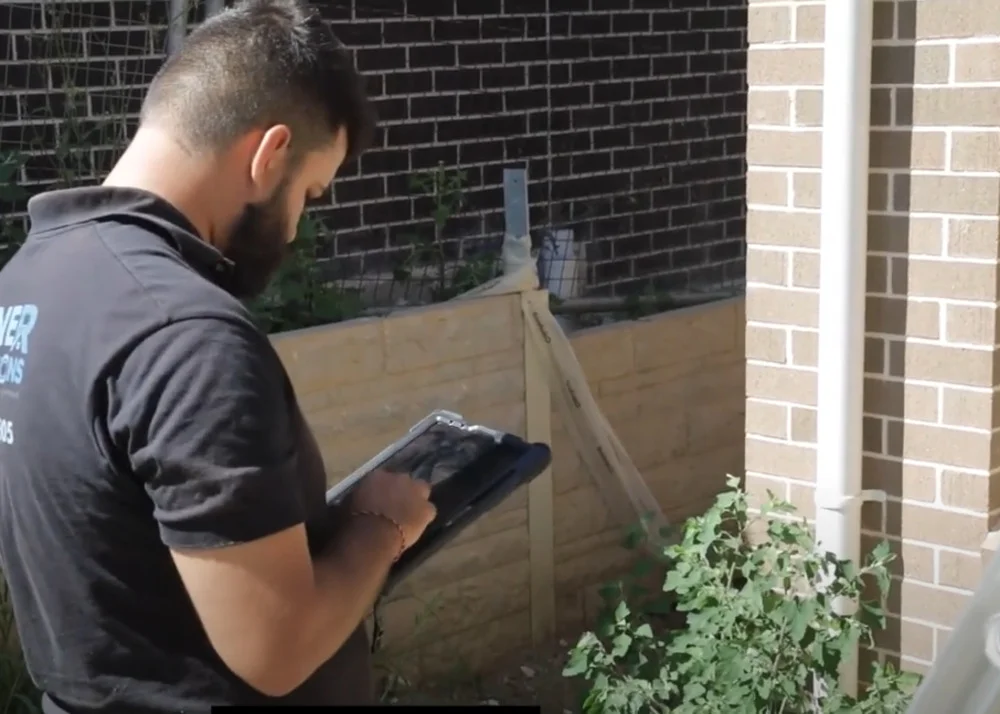
A Comprehensive Guide to House Inspections
House inspections are detailed professional assessments evaluating structural integrity, safety systems, and component functionality. Learn everything you need to know.
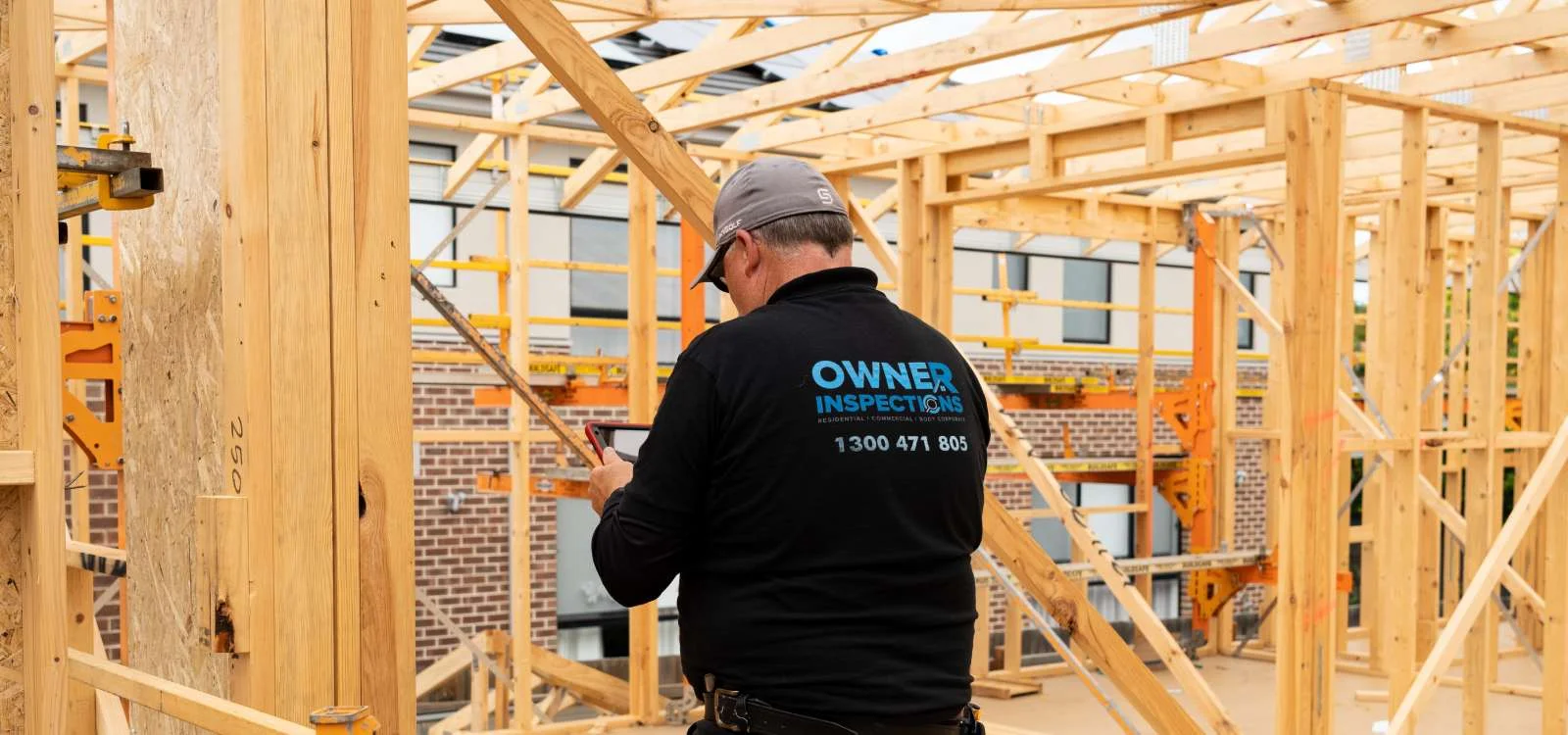
Common Frame Defects and How to Address Them
A home

Essential Home Building Inspections in Australia
Building inspections function as protective mechanisms throughout both new construction and property acquisition phases. Learn what inspections are essential.
For a complete overview, see our guide to construction stage inspections.
Need Construction Stage Inspections?
Our licensed inspectors cover Sydney, Melbourne, and all major Australian cities.