
Building a home or purchasing a property represents one of the largest financial commitments most Australians will make. Yet many buyers and owner-builders rely solely on council inspections or builder-arranged checks to verify construction quality. The problem with this approach is that council inspections are primarily concerned with code compliance at a broad level and are not designed to assess overall workmanship quality. Independent inspectors fill this gap by providing detailed, impartial reporting that puts the property owner's interests first.
A defect that costs a few hundred dollars to fix at the framing stage can escalate to tens of thousands once walls are lined and finishes are applied. Independent inspections catch problems when they are still affordable to resolve.
What Are Independent Construction Inspections?
Independent construction inspections are assessments performed by licensed building inspectors who operate separately from the builder and the local council. Their role is to examine construction work at various stages and identify defects, non-compliant work, poor workmanship or deviations from approved plans and specifications.
Unlike council inspections, which focus on minimum code compliance, independent inspections assess a broader range of quality indicators. This includes checking that materials match specifications, verifying structural elements are correctly installed, and confirming that finishes meet acceptable standards.
Key Distinction
Council inspections verify minimum regulatory compliance. Independent inspections go further by assessing workmanship quality, material standards and adherence to your specific building contract and plans.
Types of Independent Construction Inspections
Independent inspections cover multiple stages and purposes throughout the construction lifecycle. Understanding each type helps property owners determine which inspections are most relevant to their situation.
Pre-Purchase Inspections
Pre-purchase inspections assess the condition of an existing property before a buyer commits to the purchase. These inspections examine structural integrity, identify defects and highlight maintenance concerns. They are conducted under AS 4349.1 and provide buyers with a clear picture of the property's condition.
Stage Inspections
Stage inspections occur at defined milestones during new construction. Common stages include pre-slab, frame, lock-up, pre-plaster, fixing and handover. Each stage inspection examines work that will soon be concealed by subsequent construction, making it the last opportunity to identify and rectify issues.
Handover and Pre-Settlement Inspections
Handover inspections take place before practical completion, when the builder considers the home ready for occupancy. Pre-settlement inspections occur before final payment or settlement. Both aim to identify incomplete work, defects and items that do not match the approved plans or contract specifications.
Defect Liability Inspections
Most residential building contracts include a defect liability period, typically ranging from 90 days to 12 months after handover. An independent inspection during this period documents any defects that have appeared since completion, such as cracks from settling, leaks or finish failures, so they can be addressed under the builder's warranty obligations.
Structural Inspections
Structural inspections focus specifically on load-bearing elements such as foundations, beams, columns, roof trusses and retaining walls. These are particularly important when signs of structural distress are present or when modifications to an existing structure are being considered.
Council Inspections vs Independent Inspections
One of the most common misconceptions among homeowners is that council inspections are sufficient to guarantee build quality. In reality, council and independent inspections serve different purposes and have different scopes.
| Aspect | Council Inspection | Independent Inspection |
|---|---|---|
| Purpose | Verify minimum code compliance | Assess overall quality and compliance |
| Who pays | Builder (via permit fees) | Property owner |
| Inspector loyalty | Council (regulatory body) | Property owner (client) |
| Scope | NCC minimum requirements | NCC, Australian Standards, contract specs |
| Detail level | General compliance check | Detailed defect and quality assessment |
| Report provided | Pass/fail or compliance certificate | Comprehensive written report with photos |
| Time on site | Typically 20 to 40 minutes | Typically 1.5 to 3 hours |
| Frequency | Mandatory stages only | Any stage requested by the owner |
Important
Council inspections are a regulatory requirement, not a quality assurance service. Passing a council inspection does not mean the work is free from defects or meets best practice standards.
Why Independent Inspections Matter for Homeowners
Unbiased Assessment
Independent inspectors have no financial relationship with the builder. This removes the conflict of interest that can arise when a builder's own supervisor or a builder-appointed inspector assesses the work. The inspector's sole obligation is to the property owner who engaged them.
Early Defect Detection
Identifying defects during construction, before they are hidden behind plasterboard, cladding or finishes, is far more cost-effective than discovering them after completion. Common issues identified at stage inspections include:
- Incorrect reinforcement placement in slabs
- Misaligned or undersized framing members
- Missing or incorrectly installed tie-down connections
- Inadequate waterproofing in wet areas
- Non-compliant electrical or plumbing rough-ins
- Poor brickwork or cladding installation
Builder Accountability
When builders know that an independent inspector will review their work at each stage, the quality of workmanship often improves. The presence of third-party oversight creates accountability and encourages tradespeople to follow specifications and standards more carefully.
Documentation for Disputes
If a dispute arises between the property owner and the builder, independent inspection reports provide documented evidence of the condition of the work at specific points in time. These reports can be used in negotiations, mediation, or proceedings before bodies such as NCAT in New South Wales, QCAT in Queensland, or VCAT in Victoria.
The Role of Regulatory Bodies
Several state and national bodies govern building standards and consumer protection in Australia. Understanding their roles helps property owners know where to seek guidance and lodge complaints.
| Regulatory Body | Jurisdiction | Key Responsibilities |
|---|---|---|
| ABCB / NCC | National | Sets minimum building performance standards |
| QBCC | Queensland | Builder licensing, insurance, dispute resolution |
| NSW Fair Trading | New South Wales | Builder licensing, home building complaints |
| VBA | Victoria | Building practitioner registration, compliance |
| SA Consumer and Business Services | South Australia | Builder licensing, consumer protection |
| DMIRS | Western Australia | Building services regulation |
The National Construction Code, maintained by the Australian Building Codes Board (ABCB), provides the baseline performance requirements for all building work across Australia. State bodies such as the QBCC, NSW Fair Trading and VBA administer licensing, insurance and complaint processes within their respective jurisdictions.
Owner-Builders and Independent Inspections
Owner-builders face unique challenges because they take on the responsibilities that a licensed builder would normally carry. In most states, owner-builders must obtain a permit and are personally responsible for ensuring all work meets the NCC and relevant Australian Standards.
Independent inspections are particularly valuable for owner-builders because:
- They may lack the technical knowledge to assess subcontractor work
- They carry personal liability for defects and non-compliance
- They must provide a defect report to future purchasers if selling within a specified period (six years in NSW, 6.5 years in Queensland)
- Insurance requirements for owner-builders are often more restrictive
Owner-Builder Warning
In NSW, owner-builders who sell within six years of completion must provide prospective buyers with a report from a qualified inspector detailing any known defects. Independent stage inspections during construction create a documented history that supports this obligation.
Safety and Compliance Considerations
Independent inspections contribute directly to building safety by identifying non-compliant work that could pose risks to occupants. Common safety-related issues found during independent inspections include:
- Inadequate bracing or tie-down systems in high-wind areas
- Missing or incorrectly installed smoke alarms
- Non-compliant balustrades and handrails
- Insufficient termite management systems
- Poor waterproofing leading to structural timber decay
- Electrical defects not identified during council inspection
The NCC sets minimum performance standards for structural adequacy, fire safety, access and egress, moisture control, energy efficiency and services. Independent inspectors assess compliance with these requirements and flag any areas that fall short.
How to Choose a Qualified Independent Inspector
Selecting the right inspector is a significant decision. Not all inspectors offer the same level of expertise or service quality. Consider the following criteria when making your selection.
Pros
- Holds a current building inspector licence in your state
Carries professional indemnity and public liability insurance
Provides detailed written reports with photographic evidence
Has experience with your type of construction (residential, commercial)
- Is a member of a recognised industry association
- Can explain findings clearly and answer your questions
Cons
Offers unusually low prices that suggest rushed inspections
- Cannot provide licence number or proof of insurance
- Has financial ties to builders or real estate agents
Delivers generic or template reports without property-specific detail
- Refuses to allow you to attend the inspection
- Does not reference Australian Standards or NCC in reports
Red Flags During Construction
Independent inspectors are trained to identify issues that may not be obvious to untrained observers. Some red flags that warrant immediate attention include:
- Significant deviations from approved engineering drawings
- Water pooling on slabs or in subfloor areas
- Visible cracking in concrete within the first few weeks of pouring
- Timber framing that appears warped, split or undersized
- Missing flashing or sarking at roof and wall junctions
- Builder reluctance to allow independent access to the site
- Unexplained delays at specific construction stages
If your builder discourages or obstructs independent inspections, this should be treated as a serious concern. Reputable builders welcome third-party oversight because it confirms the quality of their work.
Cost of Independent Inspections
The cost of independent construction inspections varies based on property size, location and the number of stages inspected. As a general guide for residential properties in major Australian cities:
| Inspection Type | Typical Cost Range |
|---|---|
| Single stage inspection | $300 to $600 |
| Full stage inspection package (all stages) | $2,000 to $4,500 |
| Pre-purchase building inspection | $400 to $700 |
| Defect liability inspection | $400 to $700 |
| Pre-settlement inspection (apartments) | $300 to $500 |
| Structural assessment | $500 to $1,200 |
These costs represent a small fraction of the total construction budget but can prevent defect rectification costs that run into tens of thousands of dollars. Many property owners consider independent inspections a form of insurance against poor workmanship.
Frequently Asked Questions
What is an independent construction inspection?
An independent construction inspection is an assessment of building work performed by a licensed inspector who has no financial or contractual relationship with the builder or developer.
The inspector works solely on behalf of the property owner and provides an unbiased evaluation of workmanship quality, material compliance and adherence to the NCC, Australian Standards and the approved building plans. These inspections can occur at any stage of construction.
Are council inspections sufficient for a new build?
Council inspections verify minimum regulatory compliance but do not assess overall workmanship quality or adherence to your specific building contract.
Council inspectors typically spend 20 to 40 minutes on site and focus on code compliance at mandatory stages. Independent inspections provide a more detailed assessment that covers quality of workmanship, material specifications and contract requirements. Both types of inspection serve important but different purposes.
When should I book independent stage inspections?
Independent stage inspections should be booked at each major construction milestone: pre-slab, frame, lock-up, pre-plaster, fixing and handover.
Each inspection must occur before the next stage of work begins, as subsequent construction will conceal the elements being assessed. Coordinate with your builder to receive adequate notice before each stage is reached, and book your inspector promptly to avoid delays to the construction schedule.
Can my builder prevent me from having an independent inspection?
No. Under Australian consumer protection law, property owners have the right to engage independent inspectors to assess construction work on their property.
Most standard building contracts include provisions allowing reasonable access for independent inspections. If your builder attempts to restrict access, this may breach your contract and should be raised formally in writing. Regulatory bodies such as NSW Fair Trading and the QBCC can provide guidance in these situations.
How much does an independent building inspection cost?
Individual stage inspections typically cost between $300 and $600, while a full package covering all construction stages ranges from $2,000 to $4,500 for standard residential properties.
Pricing varies based on property size, location, complexity and the number of stages inspected. These costs are modest compared to the potential expense of rectifying defects that go undetected during construction.
What qualifications should an independent inspector have?
Independent inspectors should hold a current building inspector licence issued by their state authority, along with professional indemnity insurance and public liability insurance.
In Queensland, inspectors must be licensed through the QBCC. In NSW, licensing is managed by NSW Fair Trading. In Victoria, inspectors should be registered with the VBA. Look for inspectors with relevant tertiary qualifications in building, construction or engineering, and membership of recognised industry bodies.
What is a defect liability inspection?
A defect liability inspection is conducted during the warranty period after construction completion to document any defects that have emerged since handover.
Most residential building contracts include a defect liability period of 90 days to 12 months. During this time, the builder is obligated to rectify defects at no cost to the owner. An independent inspection before this period expires ensures all defects are formally documented and submitted to the builder for rectification.
Do I need independent inspections for an apartment purchase?
Yes. Pre-settlement inspections are strongly recommended for off-the-plan and new apartment purchases to identify defects before you accept the property.
Apartment buyers face unique risks because they typically cannot inspect during construction. A pre-settlement inspection by an independent inspector can identify incomplete work, cosmetic defects, functional issues and non-compliant finishes. This gives you documented grounds to request rectification before settlement.
What happens if defects are found during an independent inspection?
The inspector provides a detailed report listing all identified defects, their locations and recommended rectification actions. This report is then presented to the builder for resolution.
Most defects are resolved through direct negotiation between the property owner and the builder. If the builder disputes the findings or refuses to rectify, the inspection report serves as evidence in formal dispute resolution processes through bodies such as NCAT, QCAT or VCAT. In serious cases, the report may support a complaint to the relevant licensing authority.
Are independent inspections worth it for owner-builders?
Independent inspections are especially valuable for owner-builders because they carry personal liability for all construction work and may lack the technical expertise to assess subcontractor performance.
Owner-builders are responsible for ensuring all work meets the NCC and relevant Australian Standards. Independent inspections provide professional verification at each stage and create documentation that supports future sale obligations. In NSW, owner-builders who sell within six years must provide a defect report to buyers.
Can independent inspection reports be used as evidence in disputes?
Yes. Independent inspection reports are commonly used as evidence in building disputes before tribunals such as NCAT, QCAT and VCAT, as well as in court proceedings.
For reports to carry maximum weight, they should be prepared by a qualified and experienced inspector, reference relevant Australian Standards and the NCC, include photographic evidence and clearly describe each defect and its implications. In some cases, the inspector may be called to provide expert witness testimony.
How long does an independent construction inspection take?
A typical stage inspection for a standard residential property takes between 1.5 and 3 hours, depending on the stage and complexity of the build.
Frame and pre-plaster inspections tend to take longer because there are more elements to assess. Handover inspections also require significant time as the inspector reviews all finishes, fittings and systems. Be cautious of inspectors who spend less than an hour on site, as this rarely allows for a thorough assessment.
Key Takeaways
- Independent construction inspections provide unbiased assessments of build quality that go beyond minimum council compliance checks
- Council inspections and independent inspections serve different purposes and are not interchangeable
- Stage inspections during construction catch defects before they are concealed and become expensive to rectify
- Owner-builders carry personal liability and benefit significantly from independent oversight at every stage
- Qualified inspectors should hold current state licensing, professional indemnity insurance and relevant qualifications
- Independent inspection reports serve as documented evidence in building disputes before NCAT, QCAT, VCAT and courts
- The cost of independent inspections is minimal compared to the potential cost of undetected construction defects
- Builder reluctance to allow independent inspections should be treated as a red flag
References and Resources
- National Construction Code (NCC)
- Australian Standard AS 4349.1: Inspection of Buildings
- Queensland Building and Construction Commission (QBCC)
- NSW Fair Trading: Home Building
- Victorian Building Authority (VBA)
- Australian Building Codes Board (ABCB)
Related Articles
Compliance Inspection for Construction Projects
Learn how compliance inspections protect construction projects in Australia, covering NCC, WHS Act, structural integrity, fire safety and certification requirements.

Building Inspection Stages: A Comprehensive Guide
Understanding the six key building inspection stages from pre-slab to handover, explaining what each inspection covers and how it protects your investment.
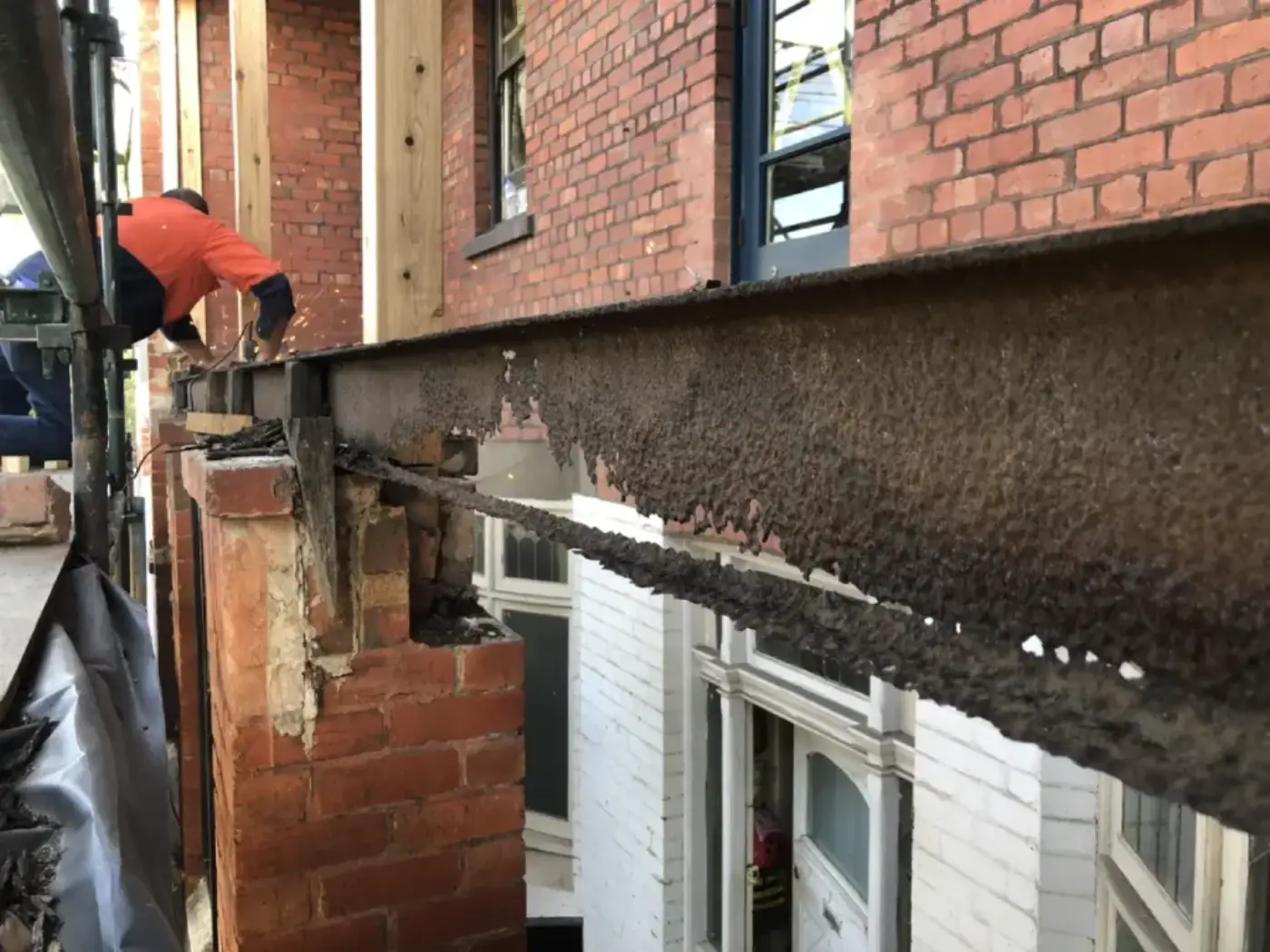
Construction Defect Inspection: Identify and Prevent Issues
Construction defect inspections systematically assess property structure, materials and workmanship to identify faults and ensure compliance with Australian Building Codes.
Book an Independent Construction Inspection
Protect your investment with a professional, unbiased assessment of your construction project. Our licensed inspectors provide detailed reports at every stage of the build.
For a complete overview, see our guide to construction stage inspections.
Need Construction Stage Inspections?
Our licensed inspectors cover Sydney, Melbourne, and all major Australian cities.