
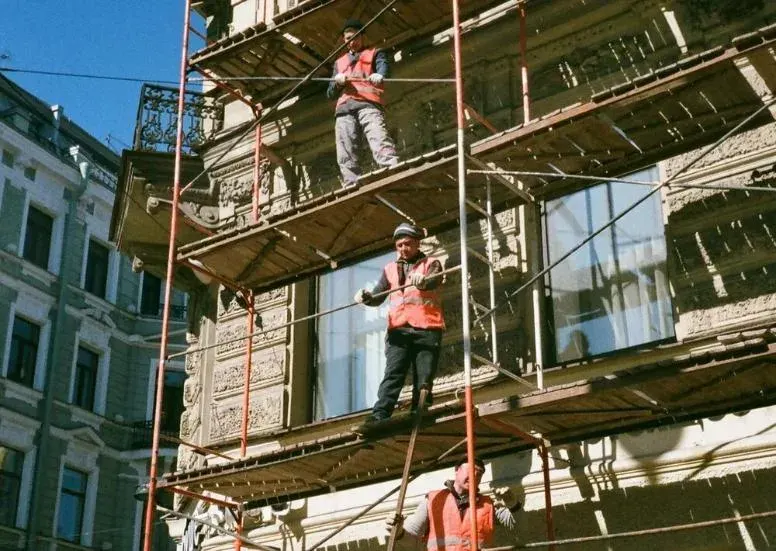
Building a new home in Brisbane is one of the largest financial commitments most people will make. Yet many owners rely solely on their builder's internal quality checks without realising they can engage an independent inspector at each construction stage. With Brisbane's subtropical climate putting extra pressure on materials and workmanship, independent oversight is a practical step that can prevent costly surprises down the track.
This guide explains what independent construction stage inspections involve, why they matter in Brisbane specifically, and how they protect your investment from start to finish.
What Are Independent Construction Stage Inspections?
Independent construction stage inspections are assessments performed by a licensed third-party professional at specific milestones during a building project. The inspector is not employed by, or affiliated with, the builder or contractor, which means the evaluation is free from conflicts of interest.
At each stage, the inspector checks whether construction work meets the approved plans, the building contract specifications, relevant Australian Standards, and the NCC. If defects or non-compliant work are found, the inspector documents them in a detailed report that the homeowner can use to request rectification before the next stage begins.
Under Queensland legislation, homeowners have the right to engage their own independent inspector at any construction stage. Your builder cannot legally refuse access to a licensed inspector acting on your behalf.
How Independent Inspections Differ from Builder Inspections
Builder inspections are typically internal quality checks performed by the construction team or their sub-contractors. While some builders do a thorough job, there is an inherent conflict of interest since the builder is effectively assessing their own work.
Independent inspections remove that conflict. A third-party inspector has no financial stake in the project and reports only to the homeowner, providing an honest picture of the construction quality.
Why Independent Inspections Matter in Brisbane
Brisbane's building environment presents challenges that make independent oversight especially worthwhile.
- The subtropical climate, with heavy rainfall, high humidity, and intense UV exposure, accelerates material degradation if workmanship is not up to standard
- Brisbane's expansive clay soils can cause significant ground movement, making slab and foundation work particularly important to verify
- The QBCC regulates building work in Queensland, and compliance with their standards is mandatory for all licensed builders
- Rapid residential growth across Brisbane's outer suburbs has increased demand on builders, sometimes stretching resources and quality control
An independent inspector with local Brisbane experience understands these conditions and knows what to look for at each stage.
Key Benefits of Independent Inspections
1. Objective and Unbiased Assessments
Because independent inspectors have no relationship with the builder, their reports reflect the true condition of the work. They approach each inspection without assumptions, examining everything from material quality to code compliance.
This objectivity means even minor issues, such as incorrectly spaced wall ties or inadequate concrete cover over reinforcement, get picked up before they become expensive problems.
2. Expert Monitoring at Every Stage
Licensed independent inspectors bring specialist knowledge across structural, plumbing, electrical, and weatherproofing elements. Their training covers all major construction stages, giving them the ability to identify problems that may not be obvious to an untrained eye.
- Structural integrity checks at the slab and frame stages
- Waterproofing compliance checks at wet areas before tiling
- Electrical and plumbing rough-in verification at lock-up
- Finish quality and defect identification at pre-handover
3. Quality Control and Early Defect Detection
One of the biggest advantages of stage inspections is catching defects early. A crack in a slab or a misaligned frame that goes undetected can lead to structural issues, water ingress, or costly rework later in the build.
According to the QBCC, defective residential building work is one of the most common sources of complaints from Queensland homeowners. Many of these defects could have been identified and rectified at earlier construction stages.
4. Thorough Documentation and Transparency
Every independent inspection generates a detailed report, typically with photographs, descriptions of defects, references to the relevant Australian Standard or NCC clause, and recommended actions. These reports create a paper trail that is valuable for:
- Requesting defect rectification from the builder in writing
- Supporting warranty claims or insurance disputes
- Future maintenance planning
- Resale, where prospective buyers can see the home was independently inspected during construction
5. Long-Term Cost Savings
While each inspection carries a fee (typically $250 to $500 per stage in Brisbane), the cost of not inspecting can be far higher. Rectifying a structural defect after the build is complete can run into tens of thousands of dollars.
6. Peace of Mind and Safety Assurance
Knowing that a qualified professional is independently verifying the quality and safety of your home throughout construction reduces stress and uncertainty. Independent inspectors also check that all safety regulations are met, covering structural integrity, fire safety, and electrical compliance.
When Should Inspections Be Conducted?
Independent inspections should be carried out at each major construction milestone. In Brisbane, the standard stages are:
| What Is Checked | Why It Matters | |
|---|---|---|
| Slab / Base Stage | Formwork, reinforcement placement, moisture barriers, concrete pour quality, site drainage | Foundation defects are the most expensive to fix after the build is complete |
| Frame Stage | Timber or steel frame alignment, bracing, tie-downs, window and door openings | Frame issues affect the structural integrity and squareness of the entire house |
| Lock-Up Stage | Roof installation, external cladding, windows, doors, rough-in plumbing and electrical | Once the building is enclosed, hidden defects become much harder and more costly to access |
| Fixing / Pre-Plaster Stage | Internal linings, wet area waterproofing, plaster, cabinetry, tiling, paint preparation | Waterproofing failures are among the most common and expensive defects in Australian homes |
| Pre-Handover / PCI | Overall finish quality, all fixtures and fittings, landscaping, driveway, compliance with plans | This is your last opportunity to have defects recorded and rectified before settlement |
Cost of Independent Inspections vs Cost of Defects
The table below shows how inspection costs compare to the typical cost of rectifying defects found at each stage.
| Inspection Cost (AUD) | Typical Rectification Cost If Missed | |
|---|---|---|
| Slab Inspection | $300 to $500 | $10,000 to $50,000+ |
| Frame Inspection | $300 to $450 | $5,000 to $25,000 |
| Lock-Up Inspection | $300 to $450 | $3,000 to $15,000 |
| Fixing Inspection | $250 to $400 | $2,000 to $20,000 |
| Pre-Handover Inspection | $300 to $500 | $1,000 to $10,000 |
Investing around $1,500 to $2,500 for a full set of stage inspections can save you tens of thousands of dollars in defect rectification and legal costs.
How to Choose the Right Inspector in Brisbane
Selecting the right inspector is just as important as deciding to get one. Here is what to look for:
Brisbane-Specific Challenges in Construction
Brisbane builders face conditions that are distinct from those in southern states. Independent inspectors with local experience understand these challenges and look for related issues during inspections.
- Moisture management: Brisbane's humidity and storm season make waterproofing, drainage, and ventilation particularly important
- Soil reactivity: Many Brisbane suburbs sit on highly reactive clay soils that expand and contract with moisture changes, putting stress on slabs and footings
- Termite risk: Brisbane is in a high termite activity zone, and construction must include compliant termite management systems as required under AS 3660
- Wind loads: Compliance with wind loading requirements under the NCC is particularly relevant for Brisbane properties exposed to storm and cyclone risk
Key Takeaways
- Independent construction stage inspections use a third-party licensed inspector who has no ties to the builder, ensuring unbiased assessments.
- Inspections should be conducted at the slab, frame, lock-up, fixing, and pre-handover stages for complete coverage.
- Early defect detection at each stage can save Brisbane homeowners tens of thousands of dollars in rectification costs.
- Brisbane's subtropical climate, reactive soils, and termite risk make independent oversight especially important.
- Detailed inspection reports create a documented record that supports warranty claims, insurance disputes, and future resale.
- The total cost of all stage inspections (around $1,500 to $2,500) is a fraction of the cost of fixing defects found after handover.
- Your builder cannot legally refuse access to a licensed independent inspector in Queensland.
- Choose an inspector who is QBCC-licensed, locally experienced, and provides clear photographic reports.
Frequently Asked Questions
What is the difference between an independent inspection and a builder's inspection?
An independent inspection is conducted by a third-party inspector who has no connection to the builder or contractor. This removes any conflict of interest and provides an unbiased assessment of the construction work. Builder inspections, by contrast, are internal checks carried out by the construction team or their sub-contractors. While some builders do a good job with internal quality control, they are effectively reviewing their own work.
How often should independent inspections be conducted during a Brisbane construction project?
Independent inspections should be conducted at each major construction milestone. For a standard residential build in Brisbane, this typically means five inspections: slab/base stage, frame stage, lock-up stage, fixing/pre-plaster stage, and pre-handover (also called practical completion inspection). Larger or more complex projects may require additional inspections.
What qualifications should an independent construction inspector in Brisbane have?
An independent inspector should hold a current licence recognised by the Queensland Building and Construction Commission (QBCC). They should have demonstrated experience in residential construction inspections, carry professional indemnity insurance, and be familiar with the NCC, relevant Australian Standards, and Brisbane-specific building conditions such as soil reactivity and termite management.
Are independent construction inspections required by law in Brisbane?
Independent inspections are not mandatory under Queensland law, but they are strongly recommended. Mandatory inspections at certain stages are required by local councils and the QBCC, but these are carried out by council-appointed or private certifiers. Engaging your own independent inspector provides an additional layer of protection beyond the minimum regulatory requirements.
How much do independent construction stage inspections cost in Brisbane?
Individual stage inspections in Brisbane typically cost between $250 and $500 per inspection, depending on the property size and the stage being inspected. A full package covering all five major stages usually ranges from $1,500 to $2,500. This is a small investment compared to the potential cost of rectifying defects found after handover, which can run into tens of thousands of dollars.
Can my builder refuse to allow an independent inspector on site?
No. Under Queensland legislation, homeowners have the right to engage their own licensed independent inspector to attend the construction site and inspect the work at any stage. If your builder attempts to refuse access, this is a red flag and should be documented. You can contact the QBCC for guidance if access is denied.
What happens if the independent inspector finds defects?
The inspector documents all identified defects in a detailed report, including photographs, descriptions, and references to the relevant Australian Standard or NCC clause that has not been met. You then provide this report to your builder and request rectification before the next stage of construction begins. This gives the builder a clear list of items to address and creates a written record.
What are the most common defects found during construction stage inspections in Brisbane?
Common defects found during Brisbane construction stage inspections include insufficient concrete cover over slab reinforcement, frame alignment and bracing errors, waterproofing failures in wet areas, incorrect installation of termite management systems, poor drainage around the building envelope, and finish quality issues such as uneven plaster, paint defects, and poorly fitted fixtures.
Do I need an independent inspection if my builder is QBCC-licensed?
Yes, it is still recommended. A QBCC licence confirms that the builder meets minimum licensing requirements, but it does not guarantee that every aspect of the work will be defect-free. Independent inspections provide an additional check that the work is being completed to the standard you are paying for. Many QBCC complaint cases involve licensed builders whose work did not meet the required standards.
How do Brisbane's soil conditions affect construction and inspections?
Many Brisbane suburbs are built on highly reactive clay soils that expand when wet and shrink when dry. This ground movement can place significant stress on concrete slabs and footings. Independent inspectors check that the slab design and construction are appropriate for the site's soil classification, that drainage is adequate, and that the builder has followed the geotechnical engineer's recommendations. Failure to address soil conditions properly can result in cracking, movement, and structural damage over time.
References and Resources
- Queensland Building and Construction Commission (QBCC) - Licensing, complaints, and building standards in Queensland
- National Construction Code (NCC) - Australian Building Codes Board
- Australian Standard AS 2870 - Residential Slabs and Footings - Standards Australia
- Queensland Government - Building and Plumbing - State government building resources
Related Articles
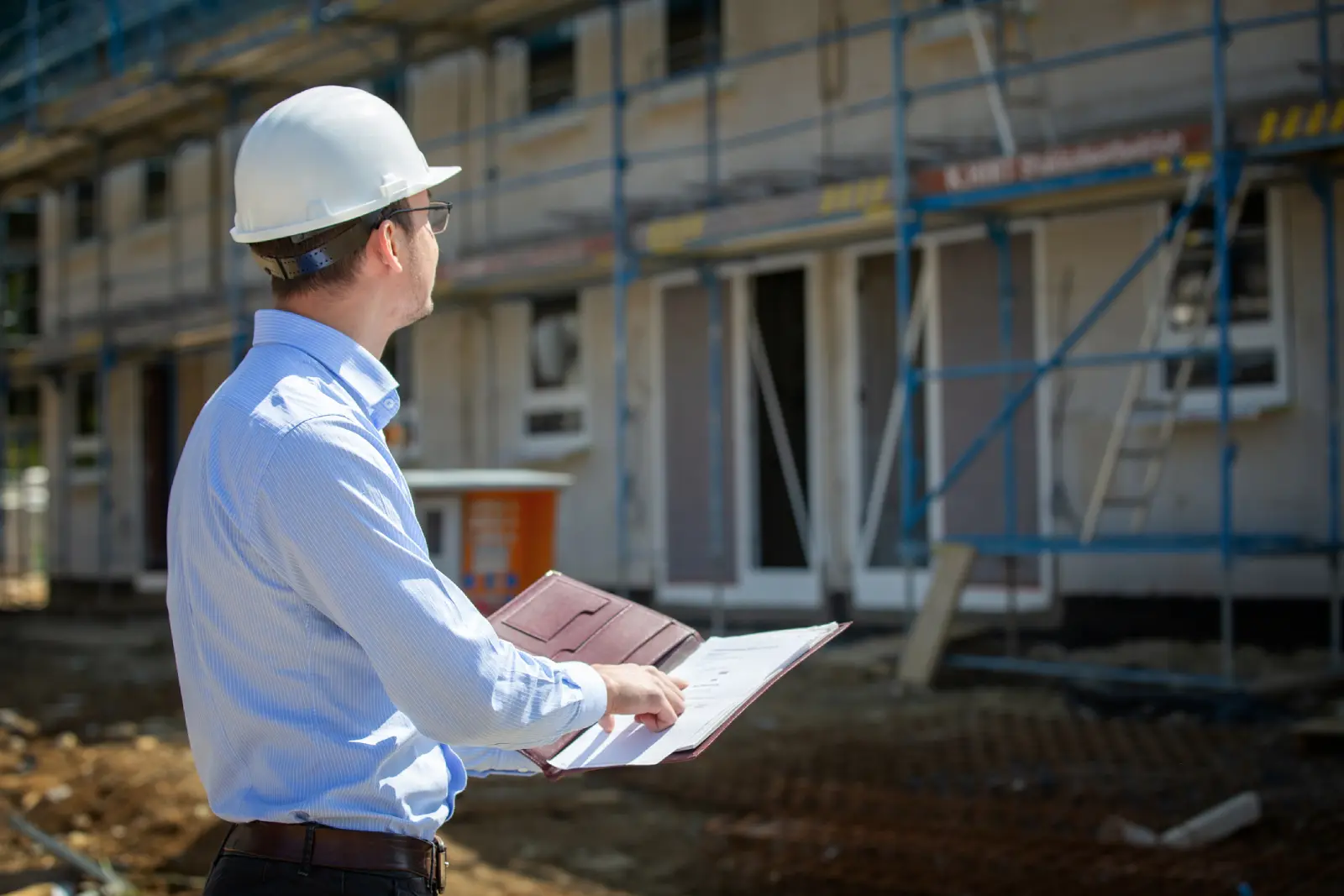
Quality in Construction Stage Inspections
Construction stage inspections provide independent assessments at each building phase to ensure compliance with Australian Standards and the National Construction Code. This guide covers all five key stages, who conducts them, and their benefits.
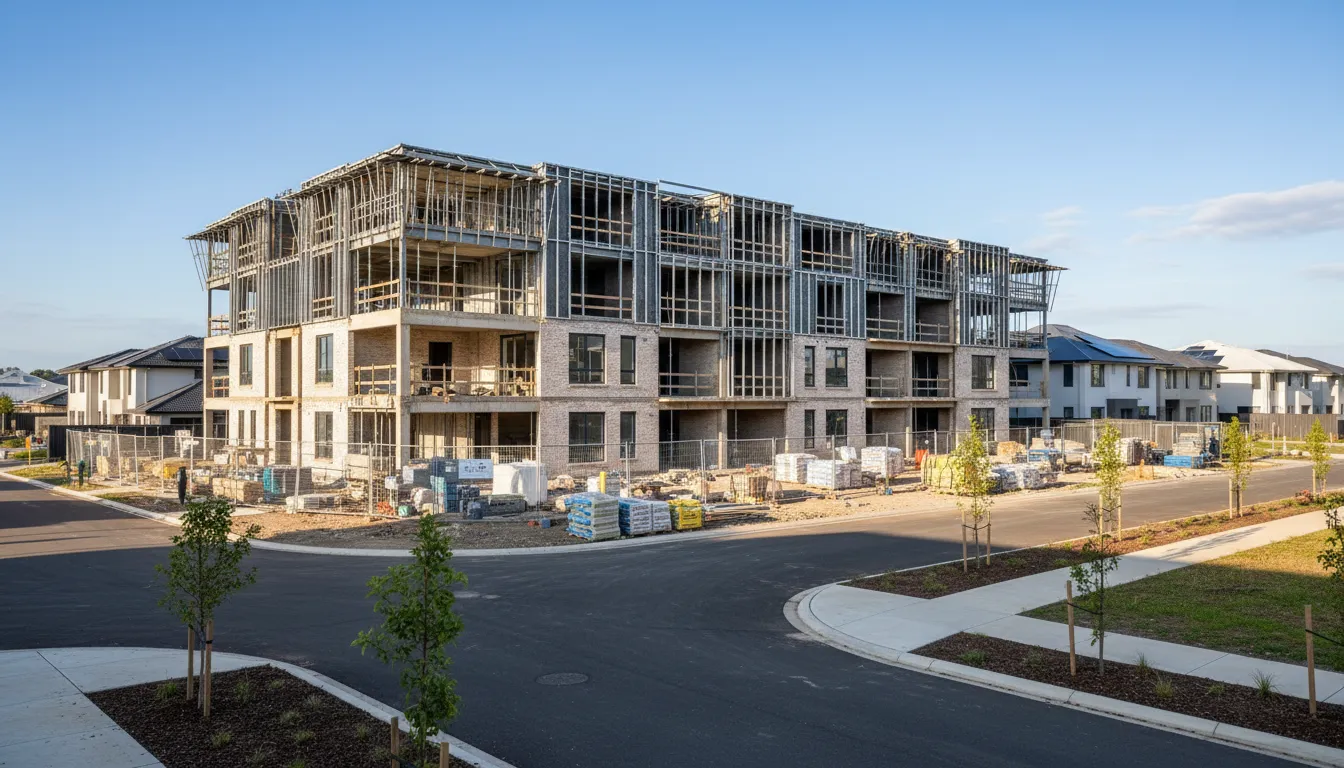
Builder Refuses Private Inspector at Construction Stages
When a builder or developer refuses to allow your private inspector on site during construction stages, you have legal rights that vary by state. This guide explains the legislation protecting homeowners in NSW, VIC, QLD, SA, and ACT, plus practical strategies when builders push back.
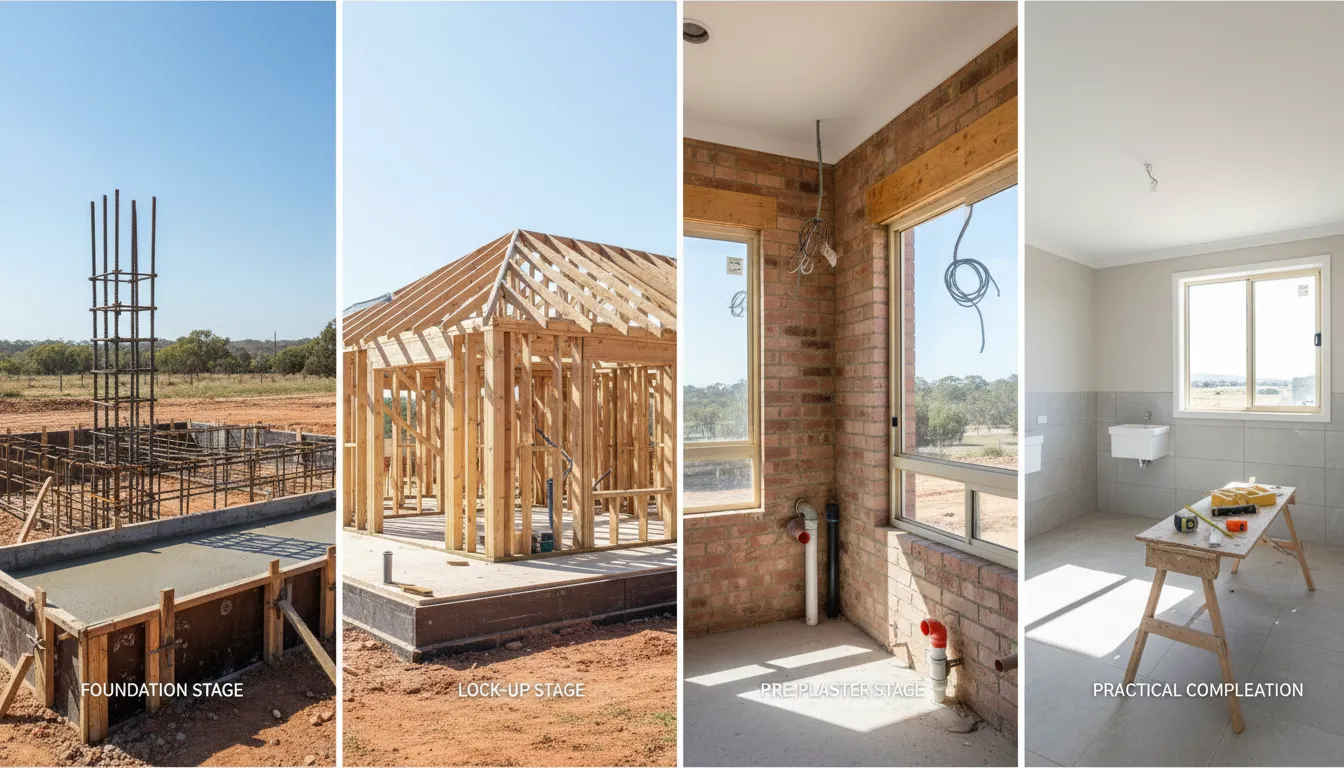
Construction Stage Defects: What to Check at Each Stage
Every construction stage hides the one before it, so the defects that matter are the ones that become invisible next week. This guide covers what to check at pre-pour, slab, frame, lock-up, waterproofing and practical completion, the mandatory inspections in NSW, Victoria and Queensland, and the tolerances that decide whether something counts as a defect at all.
Building a new home in Brisbane? Owner Inspections provides independent construction stage inspections across Brisbane and surrounding Queensland areas. Our licensed inspectors deliver detailed, photographic reports at every stage so you can be confident your build meets the highest standards. Get a quote today or call us on 1300 471 805.
For a complete overview, see our guide to construction stage inspections.
Need Construction Stage Inspections?
Our licensed inspectors cover Sydney, Melbourne, and all major Australian cities.