
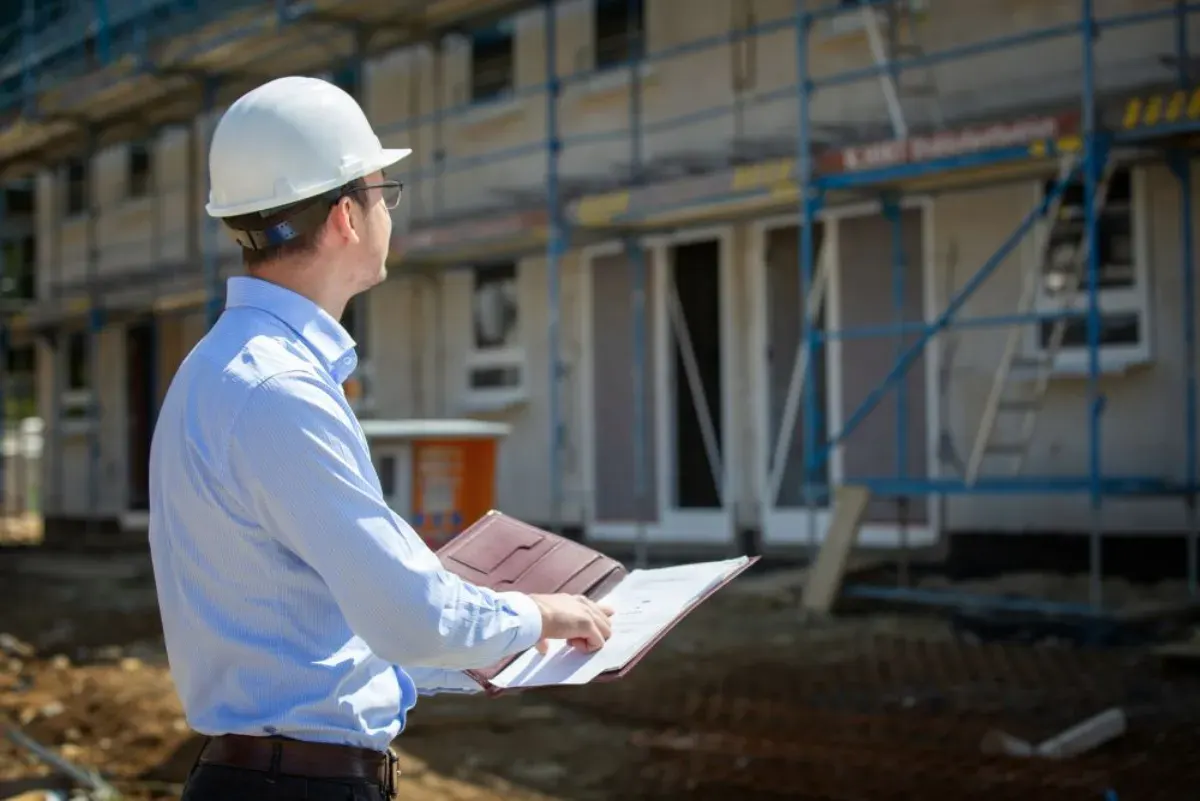
Melbourne's residential construction sector has grown rapidly over the past decade, with thousands of new dwellings approved each year across the metropolitan area. With this volume of building activity, quality control has become a significant concern. Research from the University of New South Wales found that approximately 85% of new Australian homes contain defects, many of which could have been identified and rectified if caught at the appropriate construction stage.
A defect that costs a few hundred dollars to fix at the frame stage can escalate to tens of thousands of dollars once walls are lined, tiles are laid, and the home is occupied. Independent stage inspections catch problems when they are still affordable to resolve.
What Are Construction Stage Inspections?
Construction stage inspections are systematic checks performed at key points during the building process. Each inspection corresponds to a milestone where specific structural elements, services, or finishes are visible and accessible before they are covered by subsequent work. The purpose is to verify that the builder's work complies with the approved plans, relevant Australian Standards, and the BCA (now part of the National Construction Code).
In Victoria, the building surveyor (formerly known as the building inspector) is required by law to inspect certain stages before issuing permits and occupancy certificates. However, these statutory inspections focus on regulatory compliance and do not assess overall build quality or workmanship to the same depth that a private third-party inspector would.
What Makes an Inspection 'Third-Party'?
A third-party inspection is conducted by a professional who is completely independent of the builder, developer, and certifying surveyor. This independence removes any potential conflict of interest and provides the homeowner with an unbiased assessment of the construction quality at each stage.
Key Construction Stages Inspected
The following table outlines the primary inspection stages for a typical residential build in Melbourne, along with what each inspection covers and the optimal timing.
| Stage | What Is Inspected | When It Occurs |
|---|---|---|
| Foundation / Pre-Slab | Excavation depth, soil preparation, reinforcement placement, formwork, plumbing rough-ins | After formwork and rebar are placed, before concrete pour |
| Frame | Wall frames, roof trusses, bracing, tie-downs, window and door openings, structural steel | After framing is complete, before cladding and lining |
| Lock-Up / Pre-Plaster | External cladding, windows, doors, insulation, electrical and plumbing rough-ins, sarking | After lock-up, before internal wall linings are installed |
| Waterproofing | Wet area membranes in bathrooms, laundries, and balconies; puddle flanges; shower recesses | After membrane application, before tiling |
| Final / Handover | All completed works including finishes, fixtures, fittings, site drainage, external works | Before practical completion and settlement |
Foundation and Pre-Slab Inspection
The foundation inspection is arguably the most important checkpoint because everything above depends on what lies beneath. A third-party inspector will confirm that the excavation matches the geotechnical report, that rebar spacing and cover comply with engineering drawings, and that all underground plumbing and electrical conduits are correctly positioned. Once the concrete slab is poured, these elements become permanently concealed.
Frame Stage Inspection
At the frame stage, the structural skeleton of the home is exposed. The inspector checks that wall studs, top and bottom plates, roof trusses, and bracing conform to the engineering specifications and AS 1684 (Residential Timber-Framed Construction). In Melbourne, wind classifications and bracing requirements are particularly important due to varying terrain categories across the metropolitan area.
Lock-Up and Pre-Plaster Inspection
The lock-up inspection occurs once the building is enclosed with external cladding, windows, and doors. At this point, internal services such as electrical wiring, plumbing pipes, and insulation batts are visible before plasterboard is installed. This stage represents the last practical opportunity to identify and correct issues with services and insulation.
Waterproofing Inspection
Waterproofing failures are among the most common and costly defects in Australian residential construction. The inspector verifies that membranes in wet areas are correctly installed in accordance with AS 3740 (Waterproofing of Domestic Wet Areas), including proper overlap at joints, correct height up walls, and adequate treatment around penetrations.
Final and Handover Inspection
The final inspection assesses the completed home against the approved plans and contract specifications. This includes checking all surfaces, fixtures, fittings, joinery, paint, tiling, site drainage, driveways, landscaping, and any other items specified in the building contract.
Important
Under the Domestic Building Contracts Act 1995, Victorian homeowners have specific rights regarding defective work. Having a professional inspection report at each stage creates a documented record that significantly strengthens your position if a dispute arises.
Third-Party Inspectors vs Municipal Building Surveyors
Many homeowners assume that the mandatory inspections performed by the building surveyor (either council-employed or private) provide a thorough quality check. In practice, these inspections serve a different purpose. The table below illustrates the differences.
| Aspect | Municipal / Private Surveyor | Third-Party Inspector |
|---|---|---|
| Primary purpose | Regulatory compliance and code adherence | Quality assurance for the homeowner |
| Appointed by | Often appointed by the builder | Appointed by the homeowner |
| Scope of inspection | Focused on BCA compliance at mandatory hold points | Comprehensive assessment of workmanship and compliance |
| Conflict of interest | Potential, as builder may be a repeat client | None; engaged solely by the homeowner |
| Reporting detail | Pass/fail with limited commentary | Detailed report with photos, references to standards, and recommendations |
| Time on site | Typically 15 to 30 minutes | Typically 1 to 3 hours depending on stage |
How Findings Are Communicated
After each stage inspection, the third-party inspector prepares a detailed written report that includes photographs of any defects or areas of concern, references to the applicable Australian Standard or BCA clause, a severity rating for each item, and recommendations for rectification. These reports are typically delivered within 24 to 48 hours and can be shared directly with the builder to facilitate prompt corrections.
Report Delivery
Most reputable inspection firms in Melbourne deliver digital reports with high-resolution photos, annotations, and direct references to the relevant code or standard. This format makes it straightforward for the builder to understand what needs to be corrected and why.
Do Third-Party Inspections Delay the Build?
One of the most common concerns among homeowners is whether engaging an independent inspector will slow down construction. In most cases, the answer is no. A well-organised inspector can attend the site within 24 to 48 hours of being notified that a stage is ready. The inspection itself typically takes one to three hours, and the builder can continue working on unrelated tasks during or immediately after the inspection. In fact, catching defects early often prevents delays later in the build that would result from having to strip back finished work to access concealed problems.
Choosing the Right Third-Party Inspector in Melbourne
Selecting a qualified and experienced inspector is a significant decision. The following criteria will help you make an informed choice.
Verify VBA Registration
Confirm that the inspector holds a current registration with the Victorian Building Authority (VBA). You can verify this through the VBA's online practitioner register. Registration ensures the inspector meets minimum qualification and insurance requirements.
Assess Experience with New Construction
Look for inspectors who specialise in construction stage inspections rather than pre-purchase inspections of existing homes. The skill set and knowledge base differ significantly. Ask how many stage inspection packages they have completed.
Review Sample Reports
Request a sample report before engaging an inspector. The report should include clear photographs, specific references to Australian Standards and BCA clauses, and practical recommendations. Avoid inspectors who provide only a generic checklist with tick boxes.
Check Insurance and Indemnity
Professional indemnity insurance protects you if the inspector fails to identify a significant defect. Confirm that the inspector carries adequate professional indemnity and public liability insurance.
Evaluate Communication and Availability
The inspector should be responsive, willing to explain findings in plain language, and available to attend site within a reasonable timeframe when a stage is ready for inspection. Good communication between your inspector and your builder helps maintain a productive working relationship.
Are Third-Party Inspections Legally Required?
Third-party inspections are not legally mandated for residential construction in Victoria. The mandatory inspections required under the Building Act 1993 are performed by the relevant building surveyor. However, Victorian homeowners have the right to engage their own independent inspector at any time during construction. Under section 37 of the Domestic Building Contracts Act 1995, the owner (or their representative) has a right of access to the building site at reasonable times to inspect work.
While not compulsory, third-party inspections are strongly recommended because they provide the independent documentation that supports warranty claims, dispute resolution through Domestic Building Dispute Resolution Victoria (DBDRV), and potential claims at VCAT.
Case Studies from Melbourne Homeowners
Lisa's Experience in Melbourne's Western Suburbs
Lisa engaged a third-party inspector for her new four-bedroom home in Tarneit. At the frame stage inspection, the inspector identified that several roof truss connections were missing required gang nail plates, and bracing was not installed in accordance with the engineer's specifications. Without this inspection, these defects would have been concealed by ceiling and wall linings. The builder rectified the issues at no cost, and Lisa's home was completed to the required standard. The total cost of her five-stage inspection package was approximately $2,500, a small fraction of her $480,000 build contract.
Julz's Story in Melbourne's South-East
Julz was building a townhouse in Berwick and opted for independent inspections after hearing about defect issues from neighbours in a nearby estate. At the waterproofing stage, the inspector found that the membrane in the ensuite had not been carried up the wall to the required 150mm height behind the shower, and the puddle flange was incorrectly seated. These issues were photographed and documented with reference to AS 3740. The builder's waterproofer returned and corrected the work before tiling commenced. Had these defects gone unnoticed, Julz could have faced water damage to the timber framing and adjoining rooms within a few years.
Costs of Third-Party Stage Inspections in Melbourne
Inspection costs vary depending on the size and complexity of the build, the number of stages inspected, and the inspector's experience. The table below provides a general guide for Melbourne.
| Service | Typical Cost (incl. GST) |
|---|---|
| Single stage inspection | $350 to $650 |
| Five-stage inspection package | $2,000 to $3,500 |
| Final / handover inspection only | $450 to $750 |
| Waterproofing inspection (standalone) | $250 to $450 |
| Reinspection after defect rectification | $150 to $300 |
These costs represent a small percentage of the overall build cost and are generally considered excellent value given the potential savings from early defect detection. A single waterproofing defect left undetected can cost $20,000 or more to rectify once tiling and fixtures are in place.
Frequently Asked Questions
What is a third-party construction stage inspection?
A third-party construction stage inspection is an independent assessment carried out by a licensed building inspector who has no relationship with the builder or developer. The inspector evaluates the construction at defined milestones to verify compliance with the BCA, Australian Standards, and approved building plans, providing the homeowner with an unbiased quality report.
How many inspection stages are there for a new home in Melbourne?
A standard new home build in Melbourne typically involves five key inspection stages: foundation/pre-slab, frame, lock-up/pre-plaster, waterproofing, and final/handover. Some inspection firms also offer a sixth maintenance inspection near the end of the defect liability period.
Are third-party inspections legally required in Victoria?
No, third-party inspections are not legally required. The mandatory inspections under the Building Act 1993 are performed by the appointed building surveyor. However, homeowners have the right under section 37 of the Domestic Building Contracts Act 1995 to access the site and engage their own inspector. While voluntary, independent inspections are strongly recommended.
How much do construction stage inspections cost in Melbourne?
Individual stage inspections in Melbourne typically cost between $350 and $650 including GST. A five-stage package generally ranges from $2,000 to $3,500. These costs vary based on the property size, build complexity, and the inspector's qualifications and experience.
Will a third-party inspection delay my build?
In most cases, no. A competent inspector can attend the site within 24 to 48 hours of notification and complete the inspection in one to three hours. The builder can continue with unrelated tasks during or immediately after the inspection. Catching defects early actually helps prevent more significant delays later.
What is the difference between a building surveyor inspection and a third-party inspection?
A building surveyor inspection focuses on regulatory compliance at mandatory hold points and is often arranged by the builder. A third-party inspection is engaged by the homeowner and provides a much more detailed assessment of workmanship quality, with comprehensive photo documentation and references to applicable standards.
What qualifications should a third-party inspector have?
In Victoria, a third-party inspector should hold current registration with the Victorian Building Authority (VBA). Look for inspectors with specific experience in construction stage inspections, professional indemnity insurance, and a demonstrated ability to produce detailed, standards-referenced reports.
What happens if the inspector finds defects?
The inspector documents all defects in a written report with photographs, severity ratings, and references to the relevant Australian Standard or BCA clause. This report is shared with the homeowner and can be provided to the builder to facilitate rectification. Most builders address identified issues promptly when presented with clear, professionally documented evidence.
Can I attend the inspection with the inspector?
Yes, most inspectors encourage homeowners to attend so they can see the issues firsthand and ask questions. Under the Domestic Building Contracts Act 1995, you have the right to access the building site at reasonable times. Attending the inspection also helps you better understand the construction process and the quality of work being delivered.
When should I book my first inspection?
Ideally, you should engage an inspector before construction begins so they can review the approved plans and specifications. The first on-site inspection is the pre-slab or foundation inspection, which must occur after formwork and reinforcement are in place but before the concrete is poured. Notify your inspector as soon as the builder advises the stage is ready.
Do third-party inspections help with VCAT or DBDRV disputes?
Yes, professional inspection reports are valuable evidence in dispute resolution. If you need to lodge a claim with Domestic Building Dispute Resolution Victoria (DBDRV) or proceed to VCAT, detailed inspection reports with photographs and standards references significantly strengthen your case. They provide an independent, contemporaneous record of the building work at each stage.
Key Takeaways
- Third-party construction stage inspections provide Melbourne homeowners with independent, unbiased quality assurance at each build milestone
- Approximately 85% of new Australian homes contain defects, many of which are concealed behind finished surfaces and become far more expensive to fix over time
- Five key inspection stages cover foundation, frame, lock-up, waterproofing, and final handover, with each stage targeting elements that will soon be concealed
- Municipal building surveyor inspections focus on regulatory compliance and do not substitute for a thorough, homeowner-focused quality assessment
- In Victoria, the Domestic Building Contracts Act 1995 gives homeowners the right to access the building site and engage independent inspectors
- A five-stage inspection package in Melbourne typically costs between $2,000 and $3,500, a small fraction of the total build cost
- Professional inspection reports with photographic evidence and standards references strengthen your position in any warranty claim or building dispute
References and Resources
Related Articles
Building Inspection Stages: A Comprehensive Guide
Independent Construction Inspections: Why They Matter
Independent construction inspections provide unbiased assessments of build quality and compliance. Learn why third-party inspections protect homeowners and investors.
Construction Defect Inspection: Identify and Prevent Issues
Construction defect inspections systematically assess property structure, materials, and workmanship to identify faults and ensure compliance with Australian Building Codes.
Book Your Construction Stage Inspections in Melbourne
Protect your new home investment with independent stage inspections from licensed building professionals. Our detailed reports give you confidence that your build meets the highest standards at every milestone.
For a complete overview, see our guide to construction stage inspections.
Need Construction Stage Inspections?
Our licensed inspectors cover Sydney, Melbourne, and all major Australian cities.