




What Does a Building Inspection in Victoria Cover?
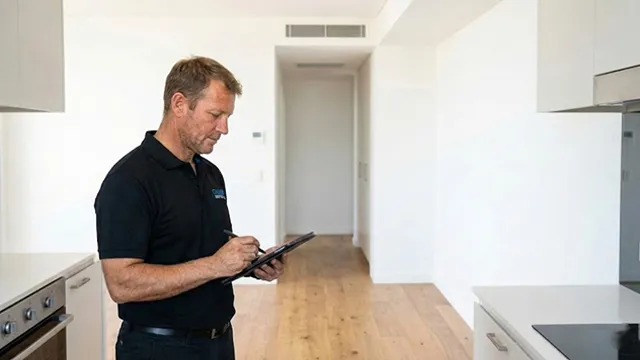
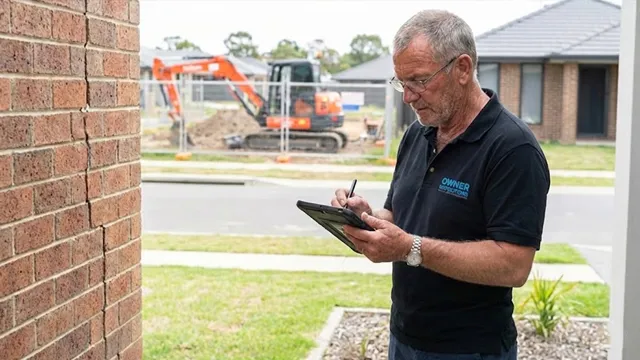
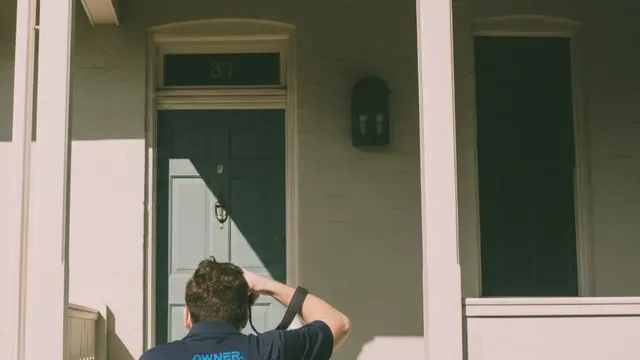
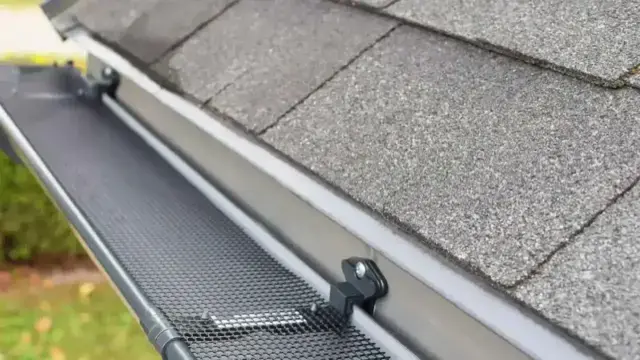
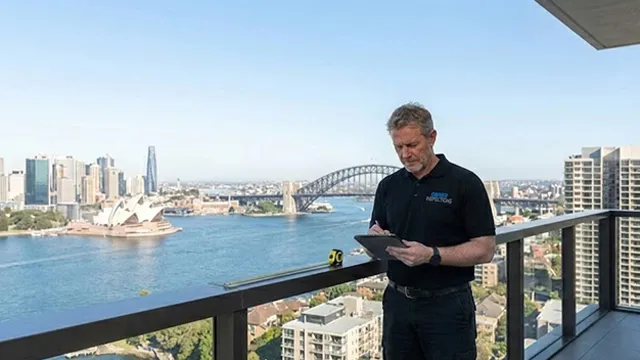
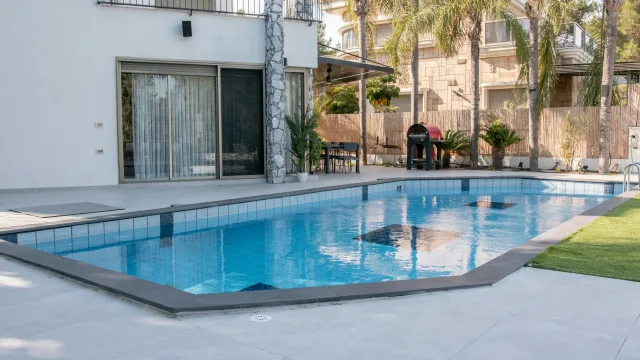
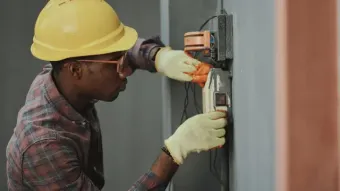
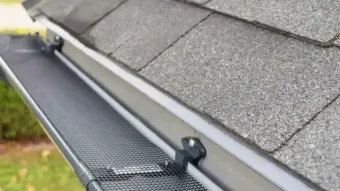
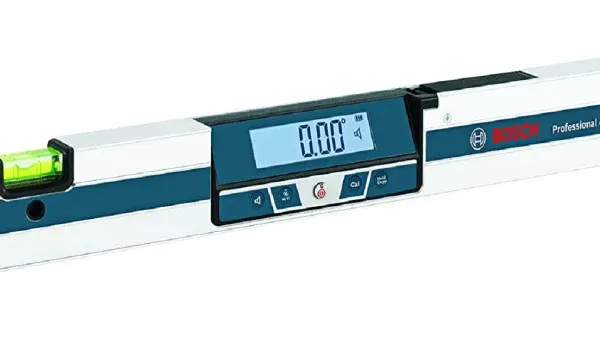
A pre-purchase building inspection in Victoria follows Australian Standard AS 4349.1. The inspector walks the exterior and site first, checking ground levels against weep holes and the damp proof course, surface drainage, cracking in brickwork and render, and the condition of eaves, fascias and external cladding. The roof covering, flashings and gutters are assessed from the ground or a ladder, then the roof space is entered where there is safe access to check framing, sarking, insulation and any sign of past leaks.
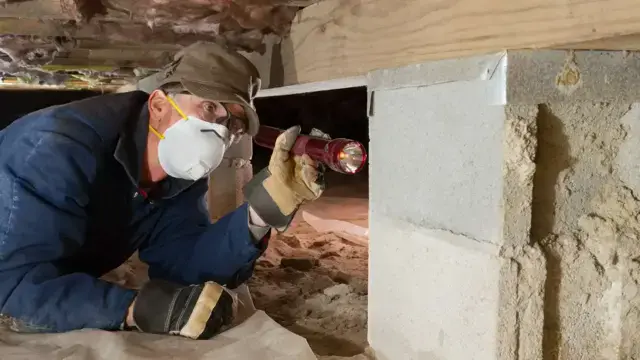
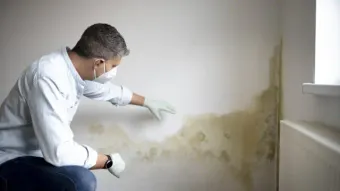
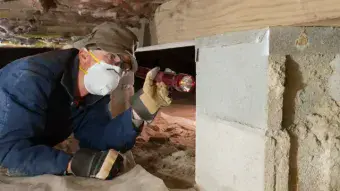
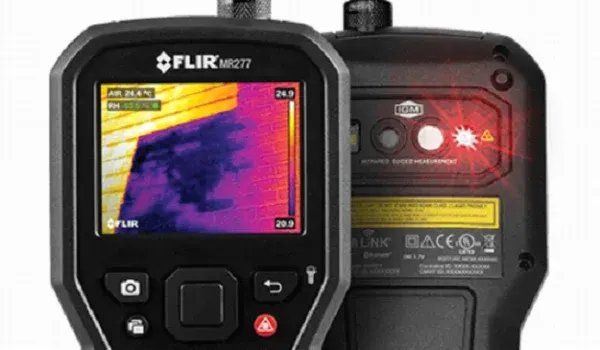
Inside, every room is checked for cracking and movement in walls and ceilings, floor level and springiness, and the operation of doors and windows. Wet areas get moisture readings around showers, baths and vanities, because failed waterproofing is the most expensive defect a Victorian home commonly hides. The subfloor is inspected where there is one, for stump condition, ventilation, drainage and timber decay.
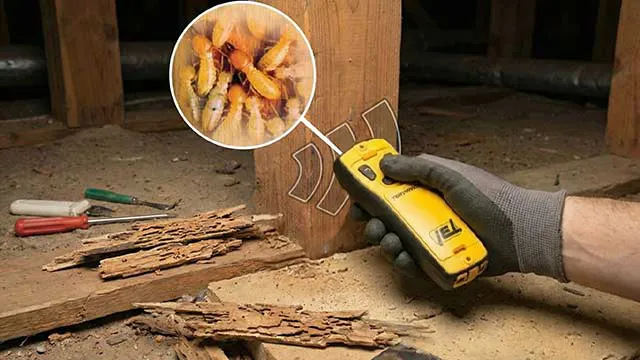
The report ranks each defect by severity rather than issuing a pass or fail, and is delivered within 24 hours. A timber pest inspection to AS 4349.3 can be carried out on the same visit.
Who Regulates Building Inspectors in Victoria?
The Victorian Building Authority registers building practitioners under the Building Act 1993, including the building inspector categories, and takes complaints about their conduct. Owner Inspections is registered with the VBA, and our inspectors carry professional indemnity insurance.
Building work itself is governed by the Building Act 1993, the Building Regulations 2018 and the National Construction Code. Domestic building contracts carry the warranties implied by the Domestic Building Contracts Act 1995, which apply whether or not the contract mentions them. A report that cites the specific regulation or standard a defect breaches is far more useful than one that describes what it looks like, both in negotiating with a builder or vendor and at VCAT.
Section 137B Reports for Owner-Builder Sales
Victoria is the one state that requires a defects report before an owner-builder can sell. Under section 137B of the Building Act 1993, an owner-builder who sells within six years and six months of completing the work must give the buyer a report on the condition of that work, prepared by a prescribed building practitioner.
The report obligation has no dollar threshold. The separate requirement to hold domestic building insurance applies to work over $16,000, but the 137B report is required regardless of the value of the work. Contracts of sale without a compliant report can be voidable by the purchaser.
Owner Inspections prepares 137B reports across Melbourne and regional Victoria. Buyers of an owner-built home should still commission their own pre-purchase inspection on top of the vendor's 137B report, because the two documents serve different parties.
New Home Stage Inspections in Victoria
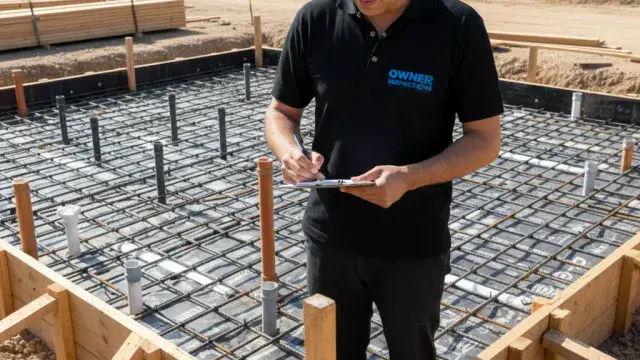
A new home in Victoria is inspected by the relevant building surveyor at mandatory notification stages, typically footings, frame, and final. Those are compliance checkpoints against the permit, not quality checks of the work, and the surveyor is engaged by the builder or the owner under the permit rather than acting as the owner's advocate.
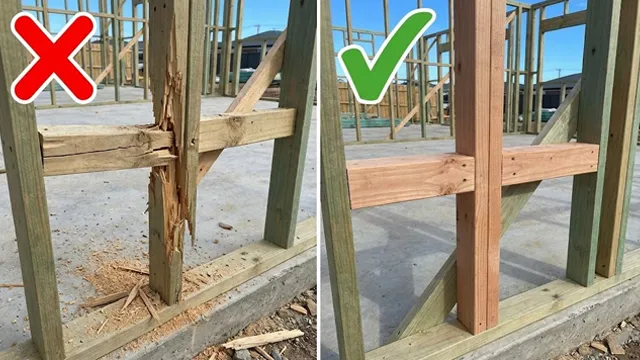
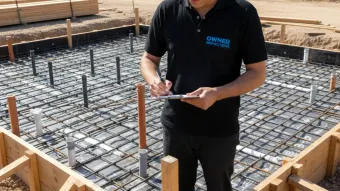
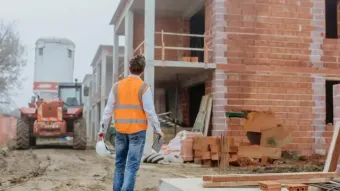
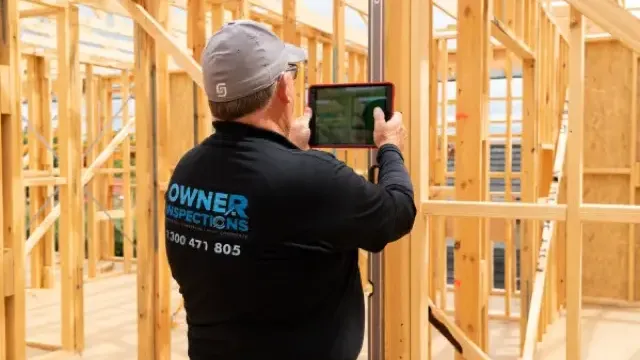
Independent stage inspections fill that gap. Slab pre-pour, frame, lock-up, fixing and practical completion inspections each catch defects at the point where they are cheapest to fix and before the next stage covers them. A frame defect found at frame stage is a carpentry job; the same defect found after plaster is a demolition job.
Owners have a right to engage their own inspector during construction, and most Victorian domestic building contracts provide for access. Where a builder resists, the contract and the Domestic Building Contracts Act are the starting point.
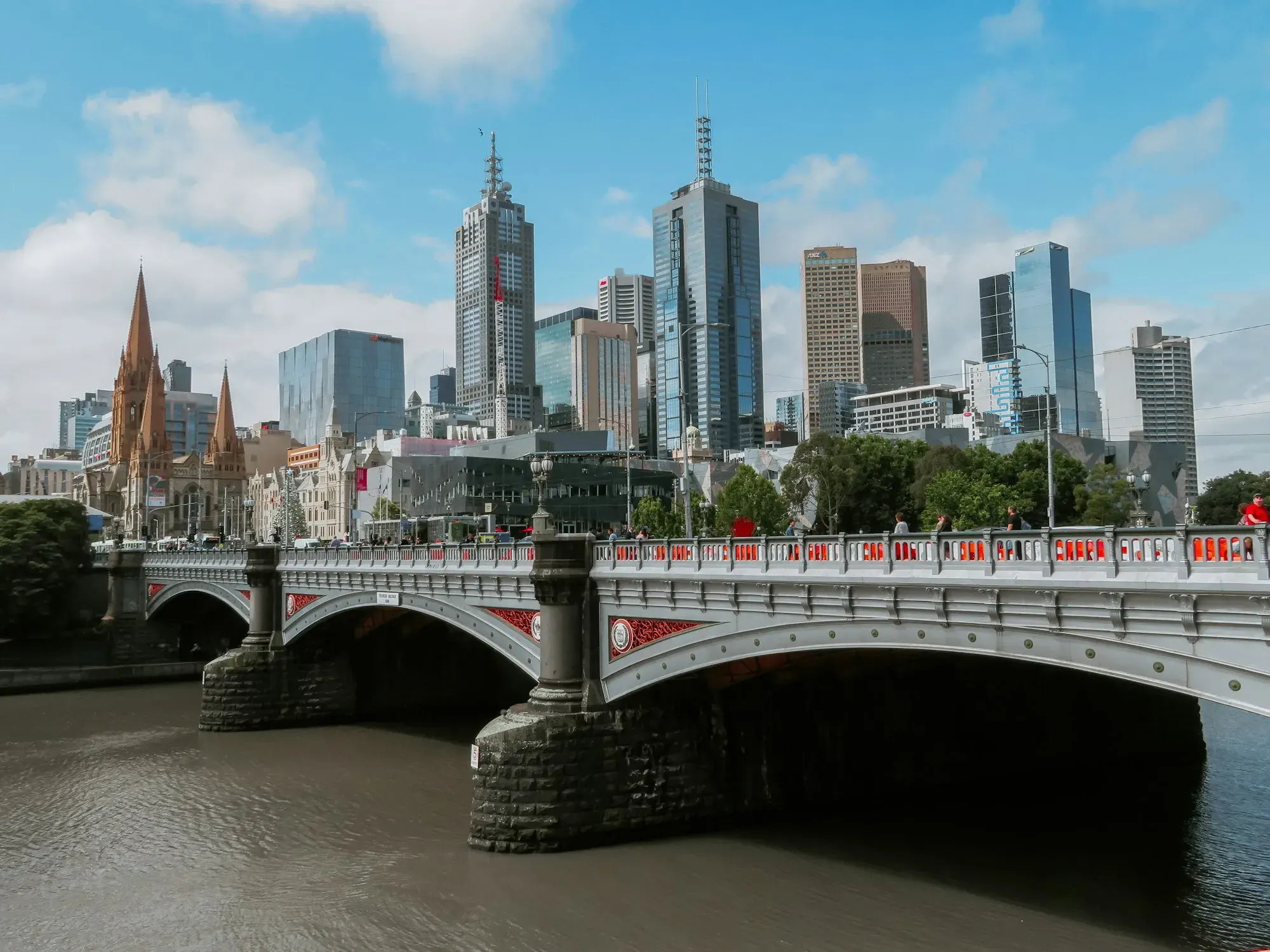
Melbourne and Regional Victoria
Melbourne's housing stock ranges from Victorian and Edwardian weatherboards on timber stumps in the inner suburbs, through post-war brick veneer in the middle ring, to volume-built homes on reactive clay in the growth corridors. Each has its own defect profile. Older homes turn on stumps, subfloor drainage and rising damp. Homes on the basalt plains to the west and north commonly show slab movement and cracking from reactive soils that swell and shrink with the seasons.
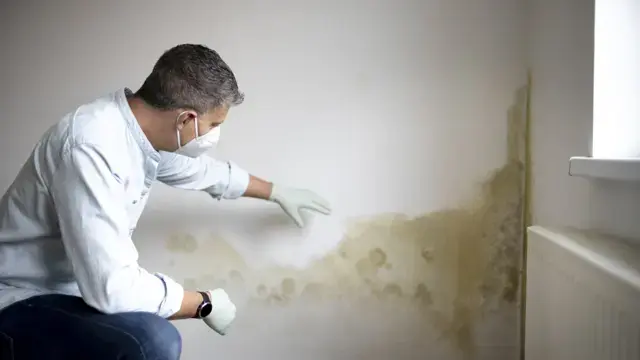
Melbourne's winters produce condensation and mould in homes with single glazing, uninsulated walls and poor ventilation, which is a moisture problem rather than a leak and is often missed by a visual-only inspection. Geelong, Ballarat and Bendigo add a large stock of heritage housing where restumping, roof replacement and rewiring are the usual big-ticket items.
Owner Inspections has local inspectors across metropolitan Melbourne, Geelong, Ballarat, Bendigo, the Mornington Peninsula and the regional centres, with no travel charges within the areas we service.
Building Disputes in Victoria
Domestic building disputes in Victoria go first to Domestic Building Dispute Resolution Victoria, which is a compulsory step before VCAT will hear most matters. DBDRV can issue a dispute resolution order, and where conciliation fails, the matter proceeds to the Building and Property List at VCAT.
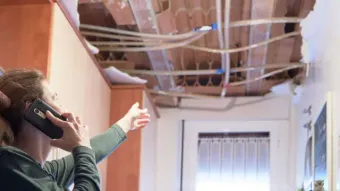
At each stage the question is evidence: what the defect is, what it breaches, what caused it and what it costs to fix. Owner Inspections prepares defect reports for the DBDRV stage and expert witness reports to the VCAT Practice Note on expert evidence, including Scott Schedules, and our senior inspectors appear at hearings.