





Owner Inspections - Building and Pest Inspections Australia

Pre-Purchase Building Inspection:
What's Checked and When

An independent report within 24 hours, with photos of every defect found, so you know before you commit.

Learn More
★★★★★4.8· 2,500+ reviews
Free & no obligation24-hour reportsFully licensed

Instant Quote

By submitting this quote you agree to our Terms and Conditions and Privacy Policy.

Reviewed by Maison Azdari, Co-Founder, Senior Building Consultant & Expert WitnessLast updated: 29 October 2026

What is a pre-purchase building inspection?

A pre-purchase building inspection is an independent visual assessment of a property carried out before you commit to buying it. A licensed inspector checks accessible areas for major and minor defects, structural movement, moisture and safety hazards, then reports the findings with photos so you can negotiate the price, plan repairs, or walk away.

Why Is a Pre-Purchase House Inspection Important?

A pre-purchase house inspection is essential for identifying defects and safety concerns before you commit to buying a property. Our thorough evaluations uncover structural issues, electrical problems, moisture damage, and pest concerns that may not be visible during a standard property viewing. This detailed information supports price negotiations, future maintenance planning, and confirms the true value of your potential investment.

How We Save You Money:

By identifying defects earlier, a pre-purchase house inspection can save property owners thousands of dollars on future repairs and pest treatments. Our detailed reports provide you with the information needed to negotiate the purchase price with vendors or real estate agents. We help you avoid costly surprises and make confident, informed decisions about your property purchase.

What Does a Pre-Purchase Inspection Cover?

A pre-purchase building inspection is a visual inspection carried out to Australian Standard AS 4349.1. It reports major defects, gives a general impression of minor defects, and identifies any urgent and serious safety hazard, to the extent each is visible and accessible on the day.

Inside, the inspector checks walls, ceilings and floors for cracking, staining and signs of movement, and windows, doors and joinery for alignment and operation. Outside, cladding, brickwork and render are checked for damage and deterioration. The roof covering, gutters and downpipes are assessed for leaks, rust, loose or missing tiles and blocked drainage, and the roof space for the condition of the frame, ventilation and insulation where it can be safely entered.

Under the floor, the inspector looks for footing movement, moisture, poor ventilation and the condition of the sub-floor framing. Garages, carports, sheds, fencing, retaining walls, driveways and site drainage are included too, because poor drainage around a house is a common source of the damp and movement found inside it.

What Is Not Covered?

The inspection is non-invasive. The inspector does not move furniture or stored goods, lift floor coverings or open up walls, and works from a ladder up to 3.6 metres. Anything locked, obstructed, concealed or unsafe to reach is recorded in the report as not inspected, so a fully furnished house or a roof space with no access hatch limits what can be seen.

Some subjects sit outside a building inspection unless they are booked separately: timber pests, asbestos, mould, lead paint and other hazardous materials, swimming pools, spas and pool fencing, and specialist systems such as electrical, plumbing, gas and air-conditioning. A visible safety hazard, such as exposed wiring, is still reported, but the inspector is not testing or certifying the system.

The inspection is also not a check against council approvals, planning requirements or title, it is not a survey, and it does not include estimates of the cost of repairs. Where a finding needs one of those, the report recommends further assessment by the right specialist.

Building Inspection or Building and Pest Inspection?

They are two different inspections under two different Standards. The building inspection follows AS 4349.1 and assesses the structure and condition of the property. A timber pest inspection follows AS 4349.3 and looks for termites, borers and wood decay fungi, evidence of their activity and damage, and the conditions that attract them, such as high moisture, poor ventilation and timber in contact with the ground.

A building-only inspection does not report on timber pests. That gap matters because termite damage is frequently hidden inside walls, sub-floors and roof spaces, and a structural inspection is not looking for it. A conducive condition in a pest report signals an elevated risk rather than the presence of pests, and the report will say whether a further invasive inspection is recommended.

For most buyers the combined building and pest inspection is the right booking. Both components are completed in one visit, so you have the full picture before you commit.

How to Read Your Inspection Report

Start with the summary, then read the whole report. The summary shows where the weight of the findings sits; the detail tells you what each finding is, where it is and why it matters.

Findings fall into three groups. Major defects are the ones that bear on the purchase decision, such as structural movement, significant water damage or a failing roof. Minor defects are the wear and workmanship issues found in almost every property, and an older home will have more of them. Safety hazards are called out on their own because they need attention whatever you decide.

Each finding carries a photograph, its location and a recommendation. Pay particular attention to any recommendation for further assessment by an engineer, electrician, plumber or other specialist, and to the list of areas not inspected: a roof space that could not be entered is an unknown, not a clean result.

The report does not price repairs. If a defect will feature in your negotiation, get a quote from a builder or the relevant trade. If anything is unclear, call the inspector before you act on it.

What to Do After the Report

Book early enough that the report arrives with time to act on it before exchange, before the end of the cooling-off period or before auction day. An auction purchase is typically unconditional, so the report has to be read before the bidding starts.

If the findings are minor, proceed. Cosmetic wear is normal and unlikely to affect the value or safety of the property.

If there are significant defects, use the report as evidence. You can ask for a lower price, ask the vendor to complete repairs before settlement, or negotiate a repair credit. Your solicitor or conveyancer can advise how any agreement should be written into the contract.

If the report recommends further assessment, arrange it before you are committed. A structural engineer or building surveyor can tell you how serious a crack or an uneven floor really is.

If the property carries structural or safety risks that outweigh its value to you, walking away is a legitimate outcome. Finding that out before you buy is the point of the inspection.

Why Choose Owner Inspections?

Thorough & Detailed Inspections
Fixed Price, No Extras
Qualified & Experienced Inspectors
Fully Licensed & Insured
Fast Turnaround & Online Booking
Free Consultation & Exceptional Service
Thermal Imaging & Drone Technology
Across NSW, VIC & QLD
Independent & Unbiased
Easy Online Booking & Payment

Reviewed across every major platform

Trusted by Thousands of Australians

Areas We Inspect

Our comprehensive inspections cover all accessible areas of the property

Report Inclusions

Our pre-purchase house inspection reports are comprehensive and designed to give you complete confidence in your buying decision. We thoroughly examine the property to uncover any potential issues, allowing you to plan your budget effectively for any necessary repairs or improvements.

  • Major defects identification
  • Minor defects documentation
  • Safety hazards assessment
  • Structural defects evaluation
  • User-friendly PDF reports
  • High-resolution zoomable photographs
  • Expert recommendations
  • Cloud-based report access

The Team at Owner Inspections are available at all hours to take your query. Click the Request Quote button below to get in touch with our Pre-Purchase Inspection Specialists today!

Pre-purchase house inspection in progress

Get Your Free Expert Quote Today

Need a pre-purchase inspection? Our qualified inspectors are ready to assess your property and provide a comprehensive, professional report.

Example Defects

Common defects found during pre-purchase house inspections

Benefits to Buyers

Know exactly what you are buying before you commit
Identify hidden defects and safety hazards
Negotiate a better purchase price
Plan your budget for future repairs
Avoid costly surprises after settlement
Peace of mind with your investment
Professional, unbiased assessment
Reports within 24 hours

Make your property purchase with confidence - get a professional inspection before you buy - so give the Owner Inspections Team a call today! 1300 471 805

Benefits to property buyers

Benefits to Investors

Protect your investment from day one
Make informed purchasing decisions
Understand the true property value
Identify maintenance requirements
Assess potential rental issues
Detailed reports for due diligence
Licensed and insured inspectors
Reports within 24 hours

Secure your investment with a thorough pre-purchase inspection - so give the Owner Inspections Team a call today! 1300 471 805

Benefits to property investors

Latest Tools and Technology

We use state-of-the-art equipment to deliver accurate and comprehensive inspections

Cloud-Based Reports

Cloud-Based Reports

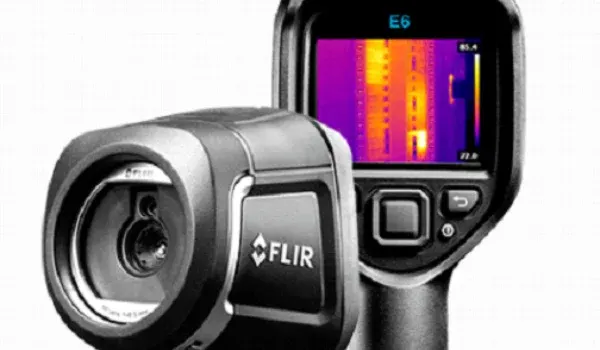
Thermal Imaging Camera

Thermal Imaging Camera

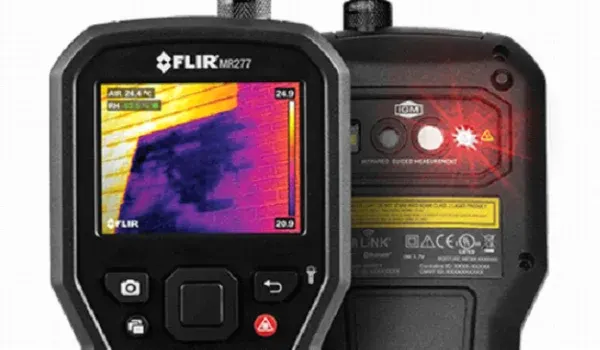
Moisture Hygrometer

Moisture Hygrometer

Termatrac T3i Radar

Termatrac T3i Radar

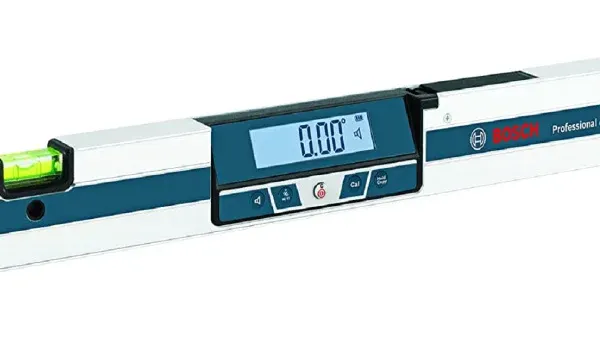
Digital Inclinometer

Digital Inclinometer

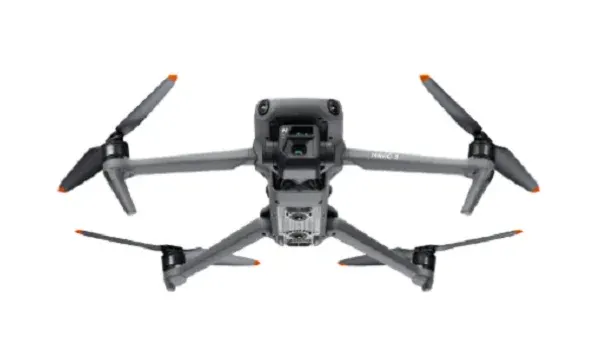
DJI Mavic 3 Drone

DJI Mavic 3 Drone

Explore our full toolkit→

Pre-Purchase House Inspection FAQs

Answers to common questions about our pre-purchase inspection services

Our inspection reports are comprehensive and cover a range of items including, but not limited to: major defects, minor defects, safety hazards, structural defects, PDF and cloud-based user-friendly reports, with high-resolution zoomable photos and expert recommendations.

The pricing depends on property size, location, and inspection scope. We provide an exact fixed-price quote on request, tailored to your specific property requirements.

Our pre-purchase inspection reports are typically completed within 24 hours after the inspection is conducted, and we will send it to you via email and text message link.

Yes, all our inspectors are fully licensed and insured. Our meticulous selection process ensures we only work with qualified inspectors who have extensive experience aligned with pre-purchase inspection requirements.

You are welcome to attend the inspection. However, we recommend allowing the inspector to work independently for thoroughness and efficiency. This ensures nothing is missed during the inspection process.

You have four options: negotiate a lower price that reflects the repairs, ask the vendor to fix the defects before settlement, negotiate a repair credit, or walk away. For serious structural or safety findings, get advice from a structural engineer or building surveyor before you decide.

Our inspectors remain available to discuss your concerns and provide clarification about findings. We are committed to ensuring you fully understand the condition of the property you are considering.

Yes, our reports can be used for negotiation with vendors or real estate agents to inform your purchasing decisions. Many buyers successfully use our findings to negotiate a fair price.

You can contact us directly via phone or complete our online booking form. We will respond promptly to arrange an inspection at a time that suits you.

Clients should arrange inspection dates directly with agents. However, we will liaise with the agent on your behalf if needed to coordinate access to the property.

No. A building inspection follows Australian Standard AS 4349.1 and covers the structure and condition of the property. A timber pest inspection follows AS 4349.3 and looks for termites, borers and wood decay fungi, and the conditions that attract them. We carry out both, and most buyers book them together as a combined building and pest inspection in one visit, because termite damage is often concealed and a building-only inspection is not looking for it.

Owner Inspections provides pre-purchase house inspections across New South Wales, Victoria and Queensland, including Greater Sydney, Greater Melbourne, Greater Brisbane, the Gold Coast, the Sunshine Coast and the major regional centres. Contact us to confirm availability in your area.

Older homes are more likely to have structural issues, ageing roofs, drainage and moisture problems, and pest damage. A pre-purchase inspection is especially valuable for older properties as it finds these risks before you commit. Older homes are also more likely to contain asbestos, which is outside the scope of a building inspection, so consider a separate asbestos assessment.

Thermal imaging is available as an add-on. Unless it is booked and listed on your quotation, the inspection is visual only. When it is booked, thermal imaging can help find moisture, insulation gaps and other issues that are not visible to the naked eye.

Yes, we recommend booking a pre-purchase inspection before the auction date. Since auction purchases are typically unconditional, it is critical to know the true condition of the property beforehand. Contact us as early as possible so we can arrange access with the agent before auction day.

Properties do not pass or fail. The report groups findings into major defects, minor defects and safety hazards, each with a photograph and a recommendation, and lists any areas that could not be inspected. What counts as a deal-breaker depends on the property and your plans for it, so the decision stays with you.

Yes, our reports are professionally prepared and widely accepted by solicitors, conveyancers, real estate agents, and financial institutions. They provide documented evidence that can support your legal and financial decision-making process.

The inspection is visual, so concealed or inaccessible areas are noted as not inspected. Timber pests, asbestos and other hazardous materials, pools, specialist systems such as electrical and plumbing, council compliance and repair cost estimates are outside scope unless booked separately. We can arrange soil testing or an engineering report if the findings call for one.

We recommend booking as soon as possible after your offer is accepted or before auction day. We can often accommodate same-day or next-day bookings depending on availability. Early booking ensures you have enough time to review the report and make informed decisions within your cooling-off period.

Yes. "Builders inspection", "building inspection" and "house inspection" all usually mean the same thing when you are buying: an independent check of the property by a licensed building inspector before you commit, reported to AS 4349.1. It is not a check by the builder who built the home. Add a timber pest inspection to cover termites.

Treat it as background, not as your inspection. A vendor-commissioned report was prepared for the seller, may be less thorough, and the inspector was not engaged to protect your interests. An independent inspector you engage works for you alone. For the same reason, avoid using an inspector recommended by the selling agent.

No. It is not generally a legal requirement when buying a home, but it is strongly recommended. The responsibility for finding defects usually falls on the buyer, so an independent inspection before you commit is the most practical way to protect yourself.

Payment Options

Flexible payment options to suit your needs

All Major Credit Cards
Apple Pay
Google Pay
Link
WeChat Pay
Afterpay
Klarna
Zip
PayID