





Owner Inspections - Building and Pest Inspections Australia

Termite Inspection
Cost & Timber Pest Detection

Termite radar and thermal imaging find activity inside timber that a surface check misses.

★★★★★4.8· 2,500+ reviews
Free & no obligation24-hour reportsFully licensed

What is a termite inspection?

A termite inspection, also called a timber pest inspection, checks a property for termites, borers and wood decay fungi, along with the conditions that attract them, such as poor subfloor ventilation and damp. Inspectors use termite radar and thermal imaging to find activity inside timber that is not visible on the surface. Reports start from $300.

Why Is a Timber Pest Inspection Important?

A timber pest inspection identifies damage and activity caused by subterranean termites, borers of seasoned timber and wood decay fungi, before that damage becomes structural or becomes your problem to pay for. CSIRO research puts the proportion of Australian homes affected by termites at around one in three, and standard home and contents policies almost always exclude termite damage, so the cost of rectification falls on the owner.

Found early, activity is usually confined to accessible timber and the fix is contained. Found late, the same colony can have worked through wall frames, bearers and joists behind intact plasterboard, with nothing visible until a wall flexes or a floor drops.

What Does a Termite Inspection Involve?

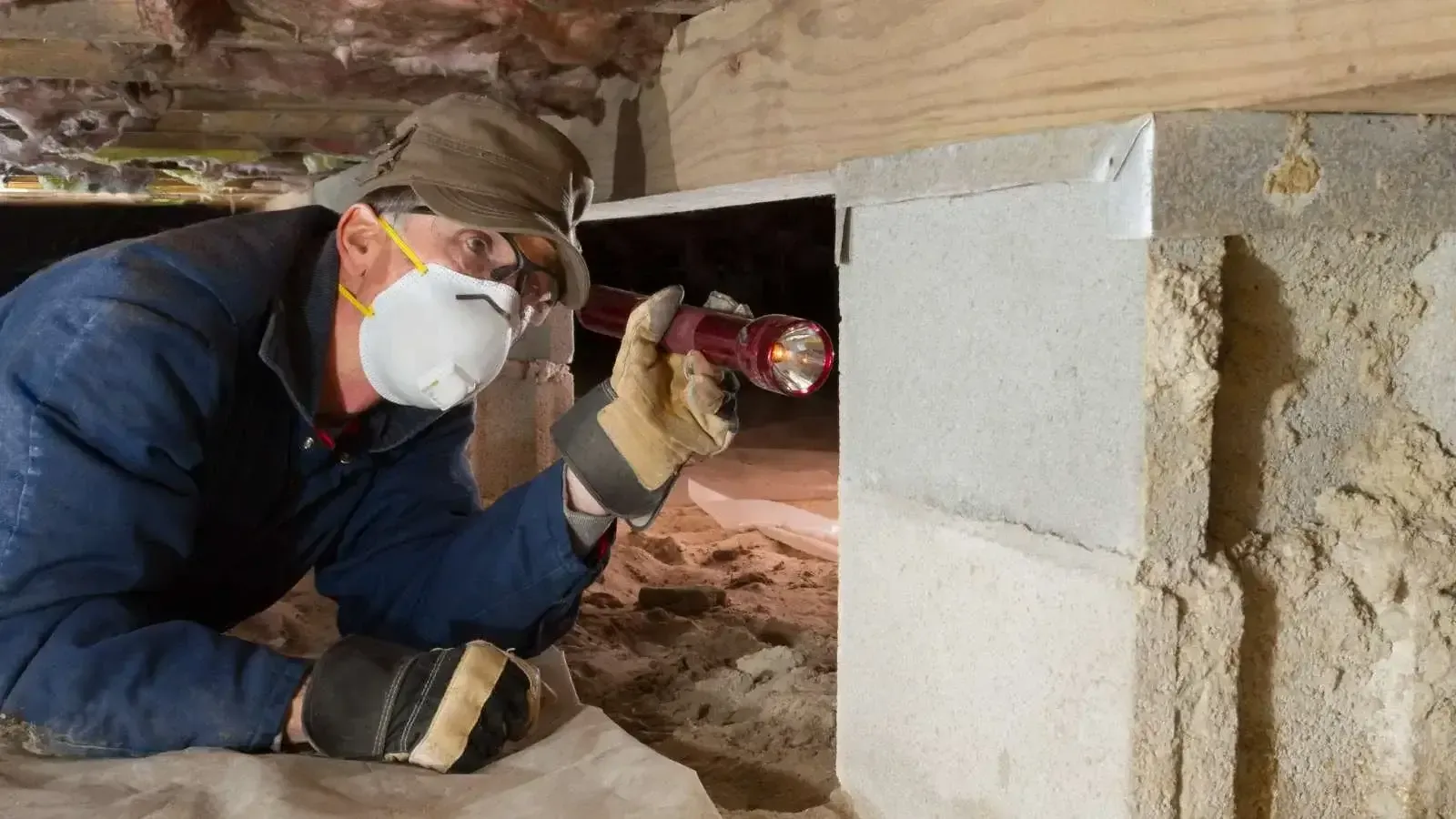
The inspection is a visual assessment of accessible areas: interior rooms, the roof void, the subfloor, the exterior of the building, fences and outbuildings, and the garden within roughly 30 metres of the building where the boundary allows. Inspectors look for live activity, workings and mud leads, damaged timber, and the conditions that attract termites in the first place.

Those conditions matter as much as the activity itself. Poor subfloor ventilation, garden beds and mulch stacked against walls, leaking taps and air conditioning condensate, timber in contact with soil, and blocked weep holes all create the moisture and concealed entry that colonies need.

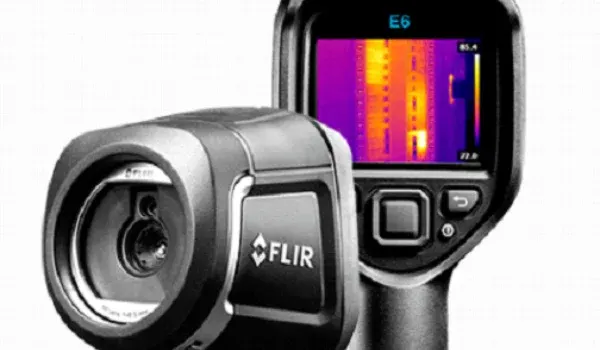
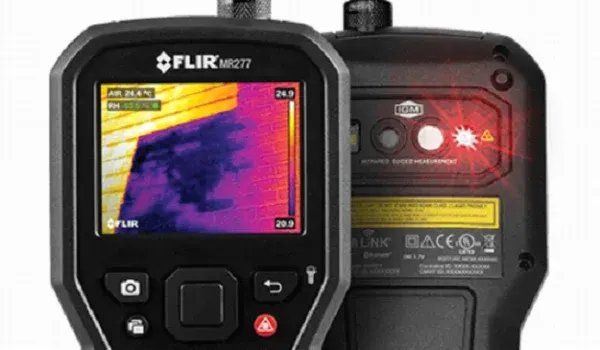
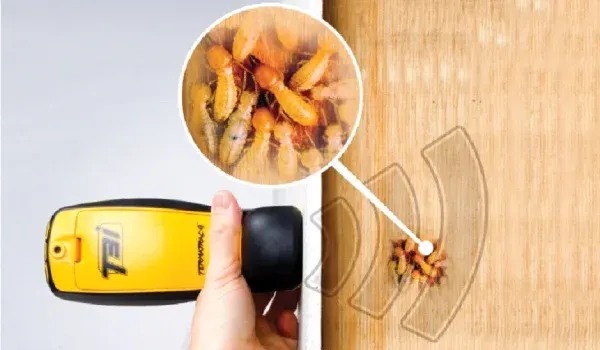
Moisture meters, thermal imaging and Termatrac radar are used to examine timber without cutting into it. Radar detects movement inside a wall or a bearer, and thermal imaging shows the heat signature an active nest produces, which is how activity is found behind finished surfaces.

Which Australian Standards Apply?

Two standards govern this work. AS 4349.3, Inspection of buildings, Part 3: Timber pest inspections, sets what the inspection and the report must cover. AS 3660.2, Termite management, Part 2: In and around existing buildings and structures, covers methodology and management for an existing home.

Both describe a non-invasive visual inspection. That means the inspector does not cut into walls, lift floor coverings, move heavy furniture or dismantle the building. Areas that cannot be safely or reasonably accessed are recorded as inaccessible rather than reported as clear.

This is the single most misunderstood part of a timber pest report. A report saying no activity was found is a statement about what was visible on the day, in the areas reached. It is not a guarantee that a property is free of termites, and any inspector offering that guarantee is describing something the standard does not support.

How Often Should You Get a Termite Inspection?

AS 3660 recommends a professional inspection at least once every 12 months. In areas of high termite pressure, or where a property has a history of activity, six-monthly is the usual recommendation.

Annual inspection matters because termite damage is cumulative and concealed. A colony that establishes shortly after one inspection has a full year to work before the next, and in warm, humid conditions that is enough time to cause significant structural damage. The interval is not about finding termites you already suspect. It is about shortening the window in which an unnoticed colony can operate.

A separate inspection is warranted before purchase, regardless of when the last one was done, because you are inheriting whatever the previous owner did or did not manage.

What Does a Termite Inspection Cost in Australia?

Timber pest inspections start from $300 including GST. Price varies with the size of the property, the number of structures on the site, and how accessible the subfloor and roof void are.

Booked together with a building inspection as a combined building and pest inspection, the pair costs less than two separate visits and produces a single report covering both. That is the usual arrangement before a purchase.

What an inspection does not include is treatment. This is an inspection and reporting service: the report establishes what is present, how far it extends and what conditions are contributing, which is what a treatment provider needs in order to quote accurately. Keeping inspection separate from treatment also removes the conflict of interest that exists when the party diagnosing the problem is the party selling the cure.

Can a Termite Inspection Be Done in the Rain?

Yes, and the interior, subfloor and roof void portions are unaffected. Rain limits two things: safe access to the roof exterior, and the reliability of moisture readings on external timber and masonry, because recent wetting raises readings that would otherwise indicate a defect.

A competent inspector notes weather conditions in the report and flags any reading affected by them, rather than reporting a rain-wet wall as a damp problem. Where the exterior could not be safely accessed, that is recorded as a limitation.

Heavy or prolonged rain is sometimes a reason to reschedule, but ordinary wet weather is not. Termite activity is often easier to detect after rain, because increased soil moisture prompts foraging.

Which Timber Pests Are Found in Australian Properties?

Subterranean termites cause the great majority of structural damage in Australia. They nest in soil or in a tree or stump, travel to timber through concealed mud leads, and consume timber from the inside, leaving a thin surface layer intact. This is why damage is so often invisible until it is extensive.

Borers of seasoned timber, including Lyctus and Anobium species, attack flooring, furniture timbers and structural members, and are identified by exit holes and frass. Wood decay fungi, commonly called rot, break down timber that has stayed persistently wet, and are found around leaking wet areas, poorly drained subfloors and failed flashings.

All three are covered by AS 4349.3. Drywood termites and mould are outside its scope and require separate specialist assessment.

What Happens if Termites Are Found?

The report records where activity or damage was found, how far it extends, which timbers are affected, and what site conditions are contributing. Photographs and moisture readings support each finding.

Finding termites during a pre-purchase inspection does not automatically end the purchase. It gives you a documented basis to renegotiate, to make the contract conditional on treatment and repair, or to walk away with a clear reason. What it removes is the situation where you discover the damage after settlement and have no recourse.

Where structural timbers are affected, a defect investigation or engineering assessment may be needed to establish whether load-bearing capacity has been compromised, which is a separate question from whether the colony is still active.

Timber Pest Inspection Report Inclusions

Our comprehensive timber pest inspection reports assess all accessible timber areas of your property, identifying pest activity, damage, and risk factors.

  • Evidence of timber pest presence
  • Severity of pest-caused damage
  • Building susceptibility to infestation
  • Required remedial measures
  • Required protective measures
  • Need for further investigations
  • Timber cladding, trim and fascia
  • Decks, patios and porches
  • Exterior doors and windows
  • Interior walls and ceilings
  • Subfloor and roof spaces
  • Floor joists, subfloors and foundations

The Team at Owner Inspections are available at all hours to take your query. Click the Request Quote button below to get in touch with our Timber Pest Inspection Specialists today!

Timber pest inspection in progress

Benefits for Property Buyers

Identify pest damage before purchase
Make informed buying decisions
Potential for price renegotiation
Save thousands in future repairs
Non-invasive inspection methods
Detailed photographic evidence
Licensed and insured inspectors
Reports delivered within 24 hours

Protect your investment with a timber pest inspection - give the Owner Inspections Team a call today! 1300 471 805

Benefits for property buyers

Cost Saving Benefits

Early detection saves repair costs
Identify issues before they escalate
Avoid costly pest control treatments
Protect property structural integrity
Prevent extensive timber damage
Support insurance claims if needed
Informed maintenance planning
Peace of mind for your investment

Save money with early pest detection - contact us today! 1300 471 805

Cost saving benefits

Get Your Free Expert Quote Today

Need a timber pest inspection? Our qualified inspectors are ready to assess your property and provide a comprehensive, professional report.

Latest Tools and Technology

We use state-of-the-art equipment to deliver accurate and comprehensive inspections

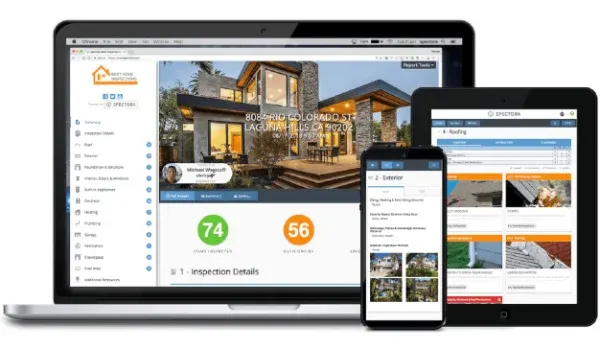
Cloud-Based Reports

Cloud-Based Reports

Thermal Imaging Camera

Thermal Imaging Camera

Moisture Hygrometer

Moisture Hygrometer

Termatrac T3i Radar

Termatrac T3i Radar

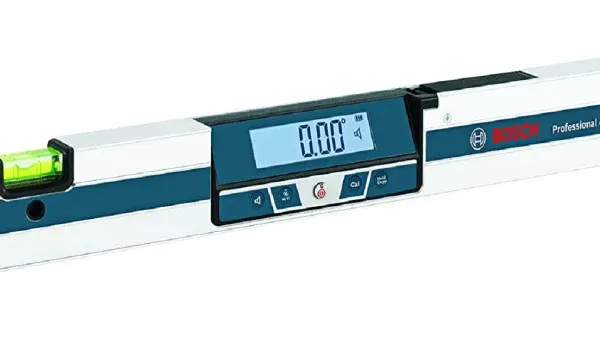
Digital Inclinometer

Digital Inclinometer

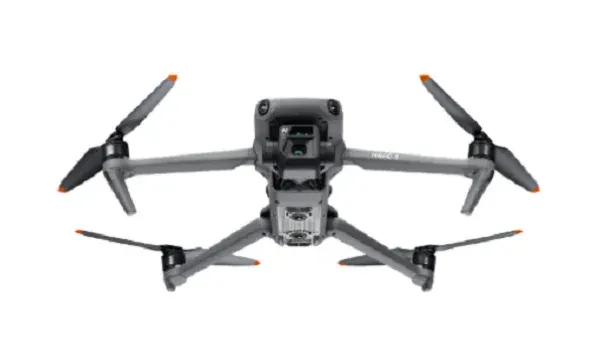
DJI Mavic 3 Drone

DJI Mavic 3 Drone

Explore our full toolkit

Timber Pest Inspection FAQs

Answers to common questions about our timber pest inspection services

Moisture meters, thermal imaging cameras, and Termatrac T3i.

No, our methods are non-invasive and non-destructive.

Typically 1-2 hours, depending on property size and structural complexity.

Within 24 hours of the inspection.

Yes, all inspectors are fully licensed, insured, and regularly trained.

We inspect for termites, borers, and wood-rotting fungi that can cause structural damage to your property.

Yes, a timber pest inspection before purchase enables informed decisions and can save thousands in future repairs and pest control costs. It may also allow for price renegotiation.

We inspect timber cladding, trim and fascia, decks, patios and porches, exterior doors and windows, interior walls and ceilings, subfloor and roof spaces, floor joists, subfloors and foundations.

Termite inspections start from $300. The final price depends on the size of the property, how accessible the subfloor and roof void are, and whether you combine it with a building inspection, which is usually cheaper than booking the two separately. You get a fixed quote before the inspection is booked, not an estimate that moves afterwards.

We provide timber pest inspection services across NSW, Queensland, and Victoria. Contact us to confirm service availability in your area.

Common signs include mud tubes on walls or foundations, hollow-sounding timber when tapped, bubbling or cracked paint, sagging floors or doors that stick, piles of frass (termite droppings), discarded wings near windows, and visible damage to timber structures. However, many infestations have no visible signs, which is why professional inspection is essential.

The Termatrac T3i uses radar technology to detect termite movement through walls, floors, and ceilings without causing any damage to the property. It also includes thermal and moisture sensors that help identify conditions conducive to termite activity, providing a comprehensive detection approach.

Yes. While termites do not eat brick or concrete, they can enter through cracks as small as 1mm and attack internal timber elements such as roof trusses, wall frames, door frames, skirting boards, and any other timber components within the building.

Australian Standards recommend annual timber pest inspections for all properties. Properties in high-risk areas, those with a history of termite activity, or those with conditions conducive to pests such as poor drainage or timber-to-ground contact should be inspected more frequently.

A timber pest inspection is a professional assessment that identifies the presence, type, and extent of timber pest activity and damage. Pest control treatment involves applying chemicals or barriers to eliminate pests. We provide inspection and reporting services but do not perform pest control treatments, ensuring our assessment remains independent and unbiased.

Yes, combining a timber pest inspection with a building inspection is the most popular option and provides the best value. Our combined building and pest inspection covers structural defects, safety hazards, and timber pest activity in a single visit, saving you time and money.

If active termites are found, our report documents the location, extent, and species if identifiable. We recommend engaging a licensed pest control company for treatment. It is important not to disturb the termites before treatment, as this can cause them to relocate and make eradication more difficult.

Yes, our inspection identifies conditions that may attract termites and other timber pests. These include poor drainage, timber stored against the building, garden beds against walls, leaking plumbing, inadequate ventilation in subfloor areas, and any direct timber-to-ground contact.

Most of Australia is at some level of risk for termite activity. Northern and coastal areas with warmer climates have higher risk, but termites are found in every state. The CSIRO estimates that one in three Australian homes will be affected by termites at some point, making regular inspections essential nationwide.

Yes, if termite activity or damage is found, the inspection report provides documented evidence that can be used to negotiate a reduction in the purchase price or request that the seller arrange treatment and repairs before settlement. Many buyers save thousands using our findings in negotiations.

They are the same inspection. Timber pest inspection is the industry term used in Australian Standard AS 4349.3, and it covers termites along with borers and wood decay fungi. Most people search for a termite inspection because termites cause the majority of the damage, so the two names are used interchangeably when you book.

A pre-purchase termite inspection is strongly recommended and is separate from a standard building inspection, which does not assess timber pests. Termite damage is frequently concealed behind plaster and inside wall cavities, so a property can look sound and still carry structural damage. Finding it before exchange is the difference between negotiating a reduction and paying for repairs yourself.

Australian Standard AS 3660 recommends a termite inspection at least every 12 months, and every six months for properties in high risk areas or with a history of activity. Annual inspections matter because a colony can cause significant structural damage within a year, and most home insurance policies exclude termite damage entirely.

No. Owner Inspections is an independent inspection company and does not sell termite treatments or pest control. That independence is the point: an inspector who also quotes for treatment has a commercial reason to find a problem. The report sets out what was found and what needs doing, and you engage a licensed pest controller separately if treatment is required.

Payment Options

Flexible payment options to suit your needs

All Major Credit Cards
Apple Pay
Google Pay
Link
WeChat Pay
Afterpay
Klarna
Zip
PayID