

Building Defect Investigations: How to Identify, Document, and Resolve Construction Defects
Found defects in your home? Learn how to identify, document, and resolve construction defects with an independent investigation.
Instant Quote
What Is a Building Defect Investigation?
A building defect investigation is a detailed, independent assessment of a property carried out by a qualified building inspector or engineer. Its purpose is to identify, document, and report on construction defects, poor workmanship, or non-compliant building work. Unlike a standard building inspection, which provides a broad overview of a property's condition, a defect investigation goes much deeper. It focuses specifically on faults and failures in the construction, and it produces a report that can be used to hold builders accountable or support a legal claim.
A standard pre-purchase building inspection is designed to give buyers a general picture of the property at a point in time. It identifies visible issues across all accessible areas but does not investigate the root cause of problems in detail. A defect investigation, on the other hand, is targeted. The inspector will examine specific areas of concern, trace the origin of a problem, and assess whether the work complies with the Building Code of Australia (BCA), relevant Australian Standards, and the approved plans and specifications for the build.
When would you need a defect investigation?
- You have noticed cracks, leaks, or other signs of poor construction in a new or recently built home
- Your builder has handed over the property but you suspect the work is incomplete or substandard
- You are within the statutory warranty period and want to document defects before time runs out
- You are in a dispute with your builder and need an independent, evidence-based report
- Your strata committee has identified issues in common property areas of a residential building
- You are preparing to lodge a complaint with NSW Fair Trading, the Building and Plumbing Commission (BPC, formerly the VBA), or the Queensland Building and Construction Commission (QBCC)
What does a defect investigation report include?
A thorough defect investigation report will typically include the following:
- A detailed description of each defect identified, with reference to the relevant Australian Standard or BCA clause
- Photographs and measurements documenting the location, extent, and severity of each issue
- An assessment of the likely cause of each defect
- A classification of each defect as major or minor
- Recommendations for rectification, including the type of work required to bring the construction up to standard
- Supporting data from testing equipment such as moisture meters and thermal imaging cameras, where applicable
At Owner Inspections, we have been providing defect investigation services across NSW, Victoria, and Queensland since 2014. Our inspectors are licensed in all three states and produce reports that are clear, well-documented, and suitable for use in negotiations, formal complaints, and tribunal proceedings.
Common Building Defects in Australian Homes
Building defects can appear in any type of property, from new builds and off-the-plan apartments to established homes that have undergone renovations. Some defects are immediately obvious, while others remain hidden for months or even years before they become apparent. Knowing what to look for can help you act early and avoid costly damage down the track.
Structural cracks
Cracks in walls, floors, and ceilings are among the most common defects reported in Australian homes. Not all cracks are cause for alarm. Hairline cracks from normal settling are generally cosmetic. However, cracks wider than 2mm, diagonal cracks near window and door frames, or cracks that grow over time may indicate structural movement, inadequate footings, or poor soil preparation. These require professional assessment.
Waterproofing failures
Failed or missing waterproofing membranes in wet areas such as bathrooms, showers, laundries, and balconies are a frequent source of complaints. Water can penetrate through floors and walls, damaging structural timber, causing mould growth, and staining ceilings in rooms below. Waterproofing defects are particularly common in apartment buildings and are often expensive to rectify because tiles and finishes must be removed to access the membrane.
Roof defects
Roof issues include cracked or displaced tiles, poorly installed or deteriorated flashing, blocked or incorrectly graded gutters, and inadequate roof ventilation. These defects can lead to water ingress, ceiling damage, and in severe cases, structural deterioration of roof framing. Metal roofing can develop issues with fastener corrosion and inadequate overlaps.
Poor workmanship
Poor workmanship covers a wide range of issues, including uneven tiling, poorly finished plasterwork, gaps in joinery, misaligned doors and windows, and substandard painting. While these may seem cosmetic, they often point to a broader pattern of rushed or careless construction that can hide more serious underlying problems.
Non-compliant work
Building work that does not meet the requirements of the Building Code of Australia, relevant Australian Standards, or the approved plans and specifications is classified as non-compliant. Common examples include balustrades that are too low or have climbable elements, insufficient bracing in wall frames, non-compliant staircase dimensions, and fire safety shortcomings in multi-unit buildings.
Plumbing and electrical issues
Defective plumbing can include leaking pipes, incorrectly graded drainage, cross-connected hot and cold water lines, and non-functional overflow systems. Electrical defects may involve missing safety switches, incorrectly wired circuits, or non-compliant cable routing. Both plumbing and electrical defects carry safety risks and should be assessed by licensed specialists as part of a comprehensive defect investigation.
Understanding Defect Severity: Major vs Minor
Not all building defects carry the same level of risk or urgency. Understanding how defects are classified helps you prioritise which issues need immediate attention and which can be addressed over time. It also affects your legal rights under statutory warranty laws.
Major defects (structural defects)
A major defect is generally defined as one that:
- Results from defective design, materials, or workmanship that causes (or is likely to cause) the inability to inhabit or use the building for its intended purpose
- Poses a risk to the health or safety of the occupants
- Causes the building or any part of the building to become uninhabitable
- Represents a significant departure from the approved plans, specifications, or applicable building codes
Under the NSW Home Building Act 1989, a major defect is defined as a defect in a major element of a building that is attributable to defective design, defective or faulty workmanship, or defective materials. Major elements include internal and external load-bearing components, fire safety systems, and waterproofing. Similar definitions apply under Victorian and Queensland legislation, though the specific wording varies by state.
Minor defects (non-structural defects)
Minor defects are issues that do not affect the structural integrity or safety of the building but still represent a departure from acceptable quality or compliance with the contract. Examples include:
- Cosmetic cracking in plasterboard walls or ceilings
- Minor paint defects such as runs, drips, or uneven coverage
- Small chips or scratches in benchtops, tiles, or fixtures
- Doors or windows that stick or do not close properly
- Grout inconsistencies or minor tiling imperfections
While minor defects may seem insignificant on their own, a large number of minor defects can indicate systemic problems with the quality of the build. They also have shorter statutory warranty periods, so it is important to document and report them promptly.
Australian Standards references
Defect investigations in Australia commonly reference the following standards:
- AS 4349.0 and AS 4349.1 for general inspection of residential buildings
- AS 3740 for waterproofing of domestic wet areas
- AS 1684 for residential timber-framed construction
- AS 2870 for residential slabs and footings
- The Building Code of Australia (BCA), which forms part of the National Construction Code (NCC)
A qualified inspector will reference these standards in your report to clearly explain why a particular element of the construction falls short of the required benchmark.
The Defect Investigation Process
Understanding the defect investigation process helps you know what to expect and how to prepare. At Owner Inspections, we follow a structured approach that ensures every issue is properly identified, documented, and reported.
Step 1: Initial consultation and scope
The process begins with an initial consultation where we discuss your concerns, the history of the build, and the specific issues you have noticed. We will ask you to provide any relevant documents, including the building contract, approved plans and specifications, previous inspection reports, and any correspondence with your builder. This helps us tailor the investigation to your situation and ensures we focus on the areas that matter most.
Step 2: On-site inspection
Our inspector visits the property to conduct a thorough examination. This includes a visual assessment of all accessible areas, both internally and externally. The inspector looks for signs of defective work, non-compliance with the approved plans and specifications, and deviations from the Building Code of Australia and relevant Australian Standards. Particular attention is paid to areas you have flagged as concerns.
Step 3: Testing and measurement
Beyond what is visible to the eye, our inspectors use specialised equipment to detect hidden issues:
- Moisture meters: Pinpoint elevated moisture levels in walls, floors, and ceilings that may indicate water ingress or waterproofing failure
- Thermal imaging cameras: Detect temperature variations behind surfaces that can reveal moisture, insulation gaps, and air leaks not visible during a standard visual inspection
- Laser levels and measuring tools: Identify out-of-level floors, walls, and benchtops, and measure crack widths to assess severity
- Drones: Access and photograph roof areas and other elevated sections that cannot be safely inspected from the ground or from within the roof space
Step 4: Reporting
Following the on-site inspection, we compile a comprehensive defect investigation report. Each defect is individually described, photographed, and referenced against the relevant building standard or code. Defects are categorised by severity (major or minor), and the report includes a clear description of the recommended rectification for each item. Our reports are written in plain language so that homeowners, builders, and legal professionals can all understand the findings.
Step 5: Post-report support
We provide a complimentary consultation after delivering your report to walk you through the findings and answer any questions. If you need to escalate the matter to a tribunal or pursue a formal complaint, we can advise on next steps and, where required, prepare an expert witness report based on the investigation.
Your Options After Receiving a Defect Report
Once you have a defect investigation report in hand, you have several options for resolving the issues. The right approach depends on the severity of the defects, whether your property is still under warranty, and how responsive your builder is to your concerns.
1. Negotiate directly with your builder
In many cases, presenting a professional defect report to your builder is enough to prompt action. A well-documented report with photographs, measurements, and references to Australian Standards gives your builder a clear list of items to address. Most reputable builders will want to resolve legitimate defects to protect their reputation and avoid regulatory action.
2. Send a formal rectification request
If informal discussions do not lead to results, you can issue a formal written notice requesting rectification of the defects within a specified timeframe. This notice should reference the specific defects identified in your report, the relevant warranty obligations, and a reasonable deadline for the work to be completed. Keep copies of all correspondence, as this creates a documented trail if the matter needs to be escalated.
3. Lodge a complaint with your state regulator
Each state has a regulatory body that oversees building work and handles complaints from homeowners:
- NSW: NSW Fair Trading handles complaints about residential building work and can issue rectification orders against licensed builders
- Victoria: The Building and Plumbing Commission (BPC) manages disputes. Since 1 July 2025 it has combined the VBA and Domestic Building Dispute Resolution Victoria (DBDRV), and its free dispute resolution service must be used before applying to VCAT for most domestic building disputes
- Queensland: The Queensland Building and Construction Commission (QBCC) investigates complaints about defective work and can direct builders to carry out rectification
4. Mediation
Mediation is a structured process where an independent mediator helps you and your builder reach an agreement. It is less formal and less expensive than tribunal proceedings. In Victoria, conciliation through DBDRV is a mandatory first step before most VCAT applications. In NSW and Queensland, mediation can be arranged privately or through the relevant regulatory body.
5. Tribunal or court proceedings
If other avenues fail, you can apply to your state tribunal to have the dispute resolved:
- NSW: NSW Civil and Administrative Tribunal (NCAT)
- Victoria: Victorian Civil and Administrative Tribunal (VCAT)
- Queensland: Queensland Civil and Administrative Tribunal (QCAT)
Tribunal proceedings are more affordable than court action and are designed to be accessible to homeowners without legal representation, though many people choose to engage a lawyer. Your defect investigation report will form a key piece of evidence. In some cases, an expert witness report may be required in addition to or in place of a standard defect report.
Builder Obligations and Warranty Periods
Builders in Australia have legal obligations to deliver work that is free from defects, complies with the Building Code of Australia, and meets the terms of the building contract. When defects are found, builders are required to carry out rectification at their own cost within the applicable warranty period.
Statutory warranty periods by state
Each state sets its own warranty periods for residential building work. These are minimum periods established by law, and they run from the date of practical completion (or the date the final payment is made, whichever is later in some states).
New South Wales
- Major defects (structural): 6 years
- Minor defects (non-structural): 2 years
- Governed by the Home Building Act 1989
Victoria
- Major defects (structural): 10 years
- Minor defects (non-structural): 6 years
- Governed by the Domestic Building Contracts Act 1995 and the Building Act 1993
Queensland
- Structural defects: 6 years and 6 months
- Non-structural defects: 6 months from the date of practical completion (for defects that should have been apparent at that time), though longer periods may apply if defects were not reasonably discoverable
- Governed by the Queensland Building and Construction Commission Act 1991
What are builders required to do?
Under statutory warranties, builders are required to:
- Carry out work with due care and skill, in accordance with the plans and specifications agreed upon in the contract
- Use good and suitable materials that are fit for the purpose for which they are intended
- Ensure the work complies with all applicable laws, including the Building Code of Australia and relevant Australian Standards
- Rectify any defective work at their own expense when properly notified within the warranty period
Home warranty insurance
In NSW and Victoria, builders are required to take out home warranty insurance (sometimes called home building compensation insurance) for residential work above a certain value. This insurance protects homeowners in the event that the builder dies, disappears, or becomes insolvent and is unable to complete the work or fix defects. In Queensland, the QBCC provides a similar scheme through its insurance fund. It is important to confirm that your builder holds valid home warranty insurance before construction begins, as it may be your only recourse if the builder is no longer trading.
Acting before time runs out
Warranty periods are strict deadlines. If you suspect defects in your home, it is important to have a defect investigation conducted and to formally notify your builder in writing before the warranty period expires. Even if negotiations or rectification work extend beyond the warranty date, having issued your notice within the required period preserves your rights.
How Much Does a Defect Investigation Cost?
The cost of a defect investigation varies depending on the size and complexity of the property, the number of defects to be assessed, and whether additional services such as an expert witness report are required. Understanding what drives the cost helps you budget appropriately and assess the value of the investigation against the potential cost of unresolved defects.
Typical cost ranges
As a general guide, defect investigation fees in Australia typically fall within the following ranges:
- Standard house or townhouse: $600 to $1,500 for a comprehensive defect investigation report
- Larger or more complex properties: $1,500 to $3,000+ depending on the scope of work required
- Apartment or unit: $500 to $1,200, depending on size and the number of issues identified
- Expert witness report: $2,000 to $5,000+ if the defect report needs to be prepared to expert witness standards for use in tribunal or court proceedings
Factors that affect the cost
- Property size: Larger properties require more time on site and more detailed reporting
- Number of defects: A property with a handful of specific concerns will cost less to investigate than one with widespread defects across multiple areas
- Type of testing required: Use of specialised equipment such as thermal imaging, moisture meters, or drones may be included in the fee or quoted as an additional service depending on the provider
- Report purpose: A report prepared for negotiation with your builder is typically less expensive than one prepared to expert witness standards for tribunal use. Expert witness reports require additional rigour, compliance with court directions, and may involve the inspector providing oral evidence at a hearing
- Access and location: Properties in regional areas or properties where access is restricted may incur additional fees
Is it worth the investment?
The cost of a defect investigation is almost always small compared to the cost of rectifying the defects themselves. Waterproofing failures alone can cost $10,000 to $50,000 or more to repair, depending on the extent of damage. Structural defects can run into the hundreds of thousands of dollars. A professional investigation report gives you the evidence you need to pursue rectification from your builder at their expense, lodge a successful insurance claim, or present a strong case at tribunal.
At Owner Inspections, we provide fixed-fee quotes with no hidden charges. Travel costs are included, and we offer a complimentary post-report consultation to ensure you understand your findings and your options. Contact us for a personalised quote based on your specific property and concerns.
Ready to Get Started?
Our licensed inspectors are ready to help across Sydney, Melbourne, and all major Australian cities.
Explore Our In-Depth Guides
Dive deeper into specific topics with our detailed articles.
Should I Get a Professional Mould Test?
A mould test confirms what is in the air or on a surface. It does not find the leak. This guide covers when a test is worth it and when an inspection is the better spend.
6 min read
How Much Does Asbestos Removal Cost in Australia?
Asbestos removal is quoted by the area of material and by the job, and friability and quantity move the number most. This guide explains what separates one quote from another and when leaving sound material in place is the better call.
6 min read
Who Is Responsible for Strata Building Defects in NSW?
In a NSW strata scheme, responsibility for a defect depends on where it is and where it came from. This guide sorts common property from lot property, and repairs from builder liability.
6 min read
How to Identify Asbestos in Your Home
You cannot identify asbestos by looking at it, only a NATA-accredited lab test can confirm it. This guide covers the age and material clues worth checking, where asbestos hides in an Australian home, and what a building and pest inspection does and doesn't cover.
6 min read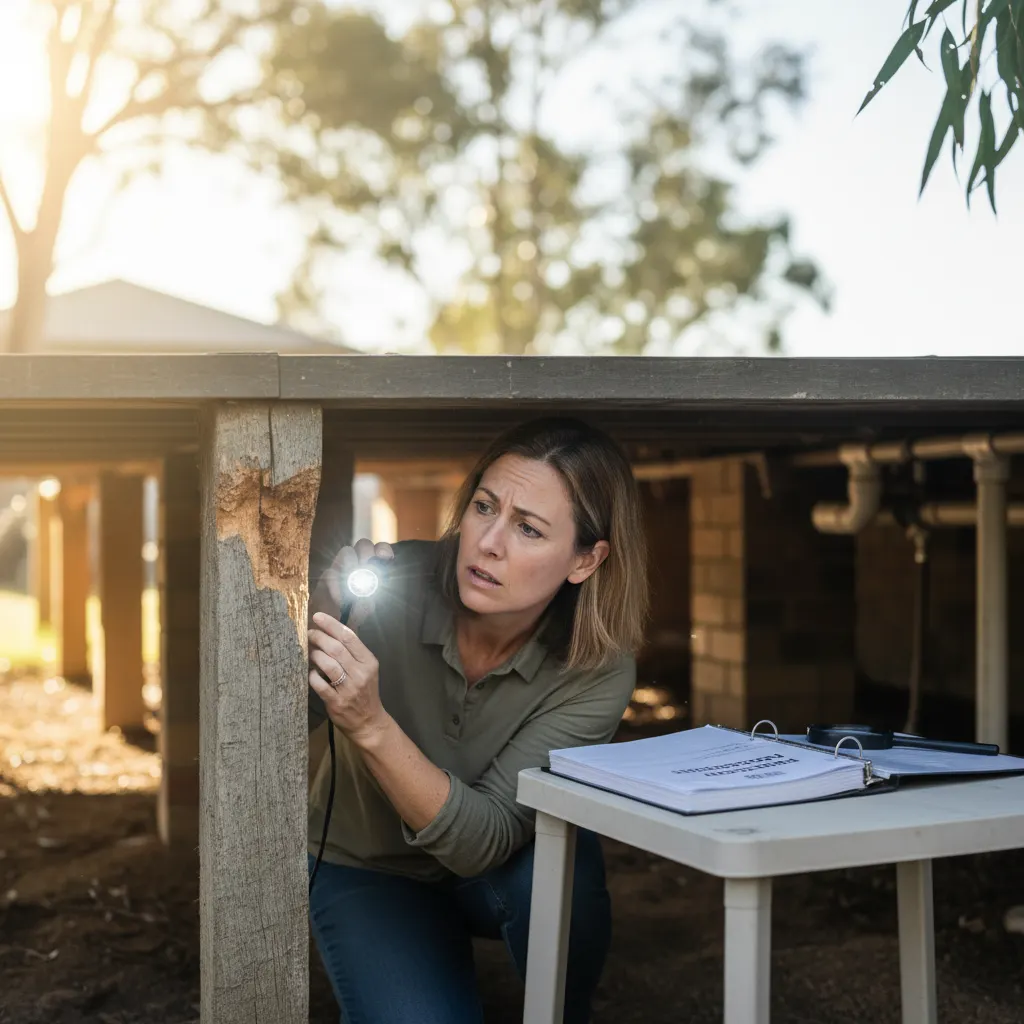
Pest Inspection Missed Termites: What Can I Do?
A clean pest report and live termite damage is a common and frightening combination. This explains the order to do things in, why the report's scope and limitations pages usually decide who is liable, and why you should not treat or repair anything yet.
6 min read
Can I Withhold Payment From My Builder if Work Is Incomplete?
You can usually withhold payment for genuinely incomplete or defective work, but only within your contract's terms and only with written notice. This guide covers what counts as incomplete versus defective, and how an independent inspection report turns a complaint into evidence.
6 min read
Guiding High-Net-Worth Clients Through Complex Commercial Real Estate Acquisitions
High-net-worth commercial buyers are analytical, time-poor and surrounded by advisers who check every claim. This guide covers how they decide, how to earn their trust, what due diligence an Australian commercial acquisition actually needs, and why deals fall over late.
8 min read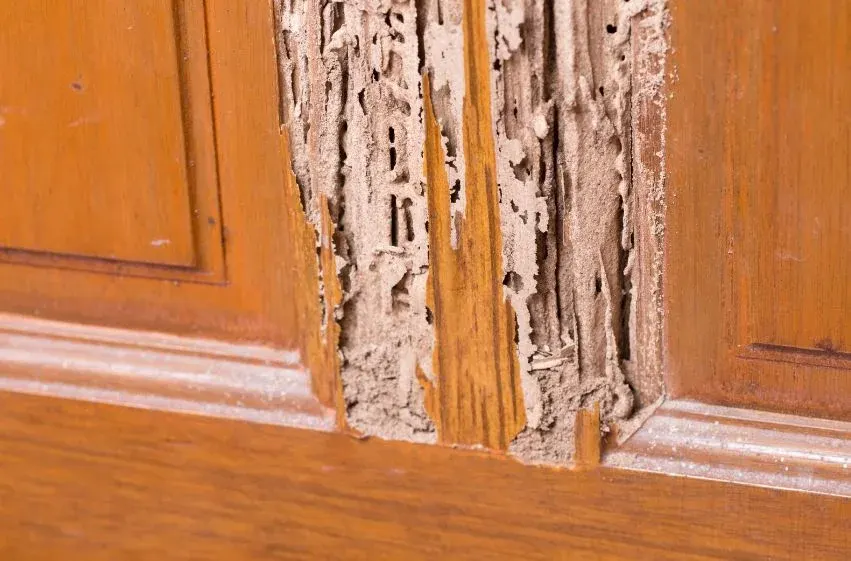
What does termite damage look like?
Termite damage is easy to miss because the surface usually survives while the inside of the timber is eaten away. This guide walks through what it actually looks like on doors, walls, subfloors and roof timbers, how to tell it apart from rot and borer damage, and what the species behind it look like.
11 min read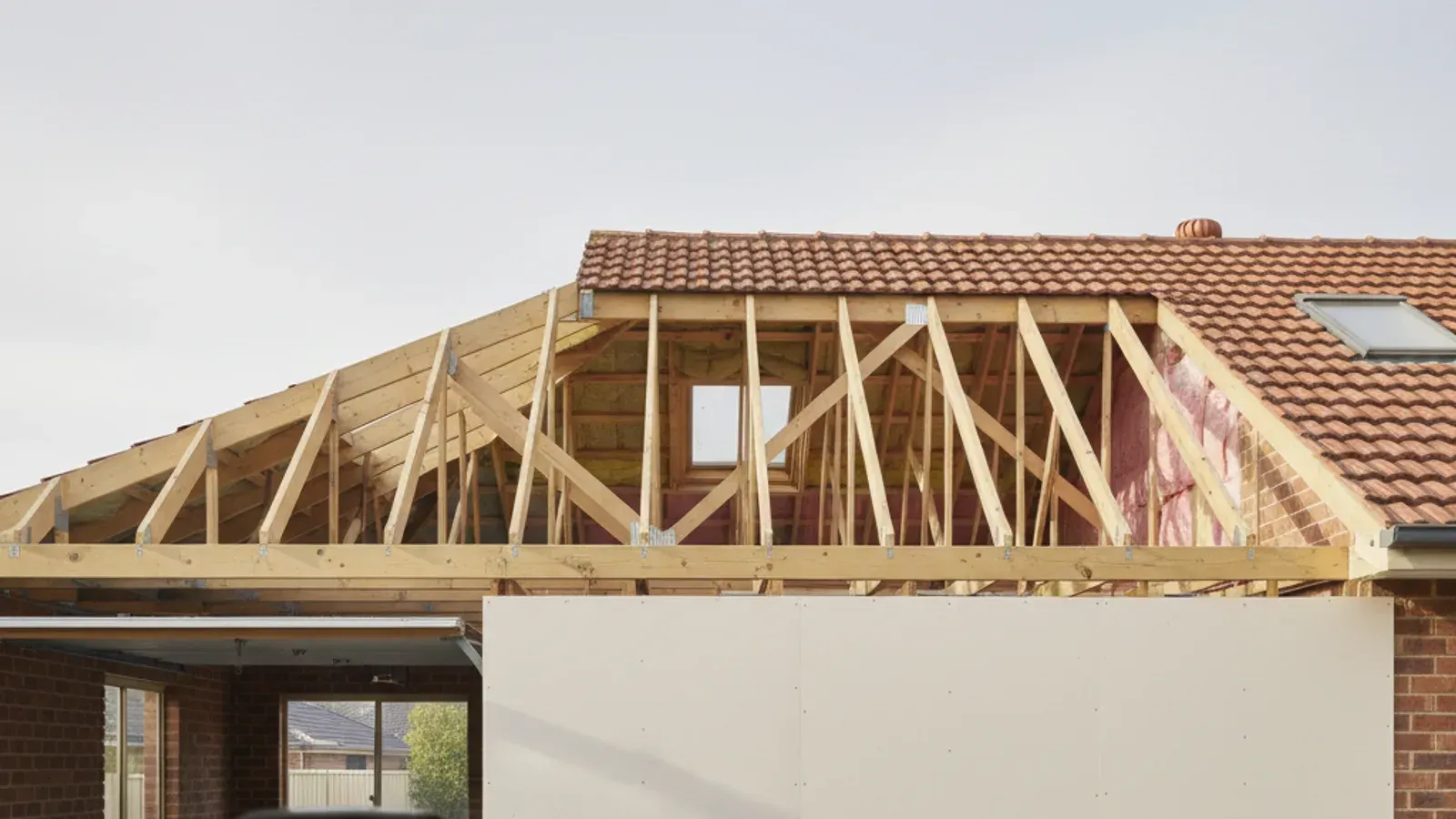
No fire separation between garage and roof space: is it a defect?
An open roof space above an attached garage looks alarming, and in a standalone house it is usually compliant. This guide explains the three situations where the NCC does require fire separation above a garage, what a compliant separating wall looks like in the roof space, and how to check yours.
7 min read
Renovation uncovered termite damage, what now?
Opening up a wall and finding eaten timber is alarming, but the wall being open is the best thing that could have happened to you. This explains the first steps, how to tell active infestation from old damage, and who pays for the repair.
8 min read
Builder won't fix defects: what are your options in NSW and Victoria?
When your builder ignores defect complaints or refuses to carry out repairs, you are not without options. This guide covers the steps available to homeowners in New South Wales and Victoria, from formal written notices through to NCAT and VCAT.
9 min read
Defect Investigation Report vs Building Inspection Report: What Is the Difference?
A building inspection report and a defect investigation report may sound similar, but they serve very different purposes. This guide explains the key differences in scope, depth, legal standing, and cost so Australian homeowners can choose the right report for their situation.
7 min read
What to Do When Your Builder Won't Fix Defects
If your builder will not fix defects, documentation is the first step: a written defect list with photos, locations and a deadline, backed by an independent report. This guide covers how to build that evidence, then the regulator and tribunal route in NSW, Victoria and Queensland.
10 min read
What Are the Common Defects in Sydney Apartment Buildings from the 2010s?
Sydney apartments built during the 2010s construction boom frequently contain significant defects including waterproofing failures, structural cracking, and non-compliant cladding. This guide explains what buyers and owners need to know about these common issues.
8 min read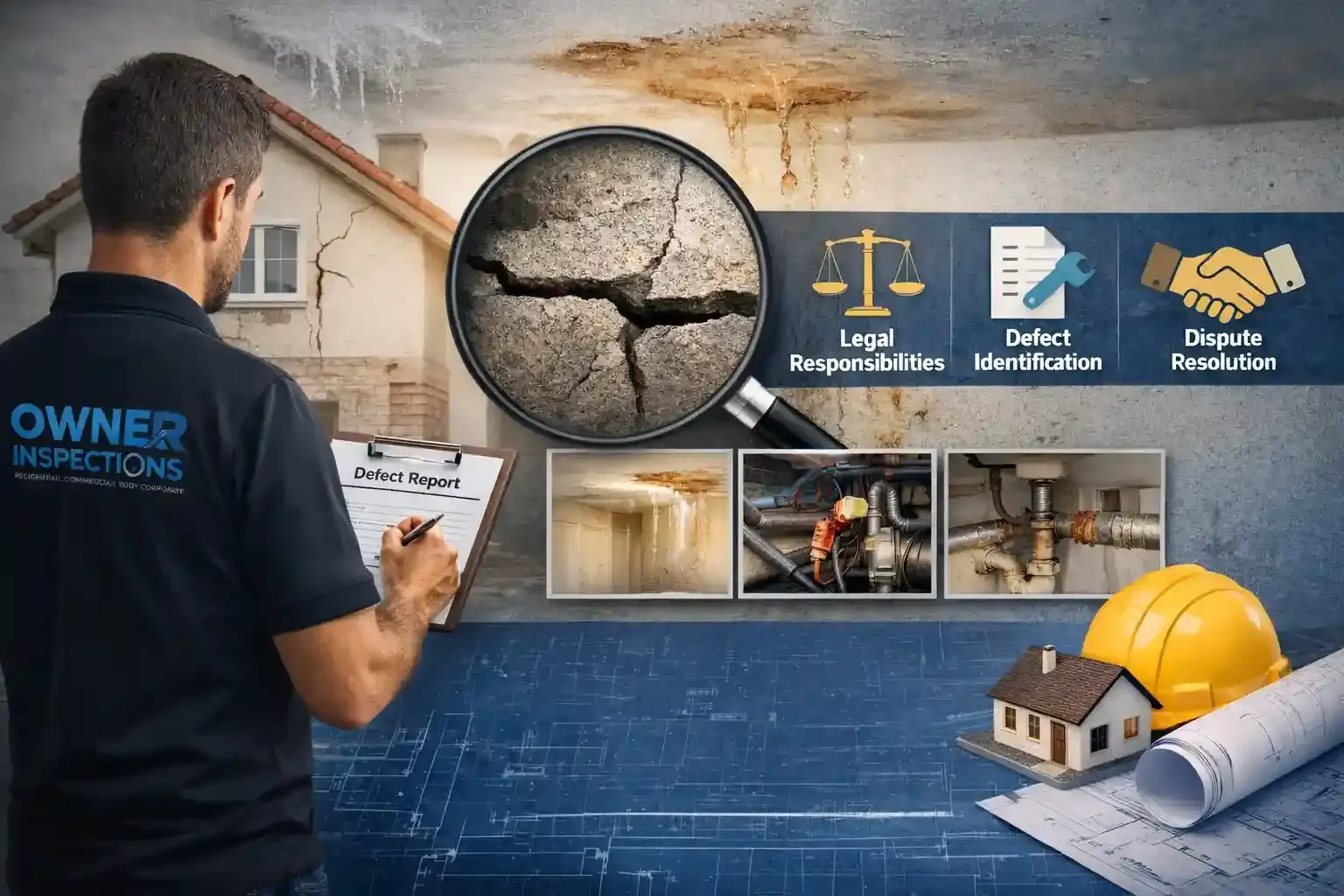
Effective Defect Rectification Strategies in Construction
Defect rectification in construction is a structured process of identifying, documenting, and repairing faults in a building to meet quality, safety, and compliance standards. This guide covers early detection, legal obligations, prioritisation methods, and preventive strategies for Australian property owners and developers.
12 min read
Plumbing Defect Inspection to Identify Hidden Water Issues
A plumbing defect inspection identifies hidden leaks, pipe corrosion, blocked drains, and faulty installations before they cause structural damage or high water bills. This guide explains the inspection process, what a plumbing report includes, common defects found in Australian homes, and how to prevent major plumbing failures.
10 min read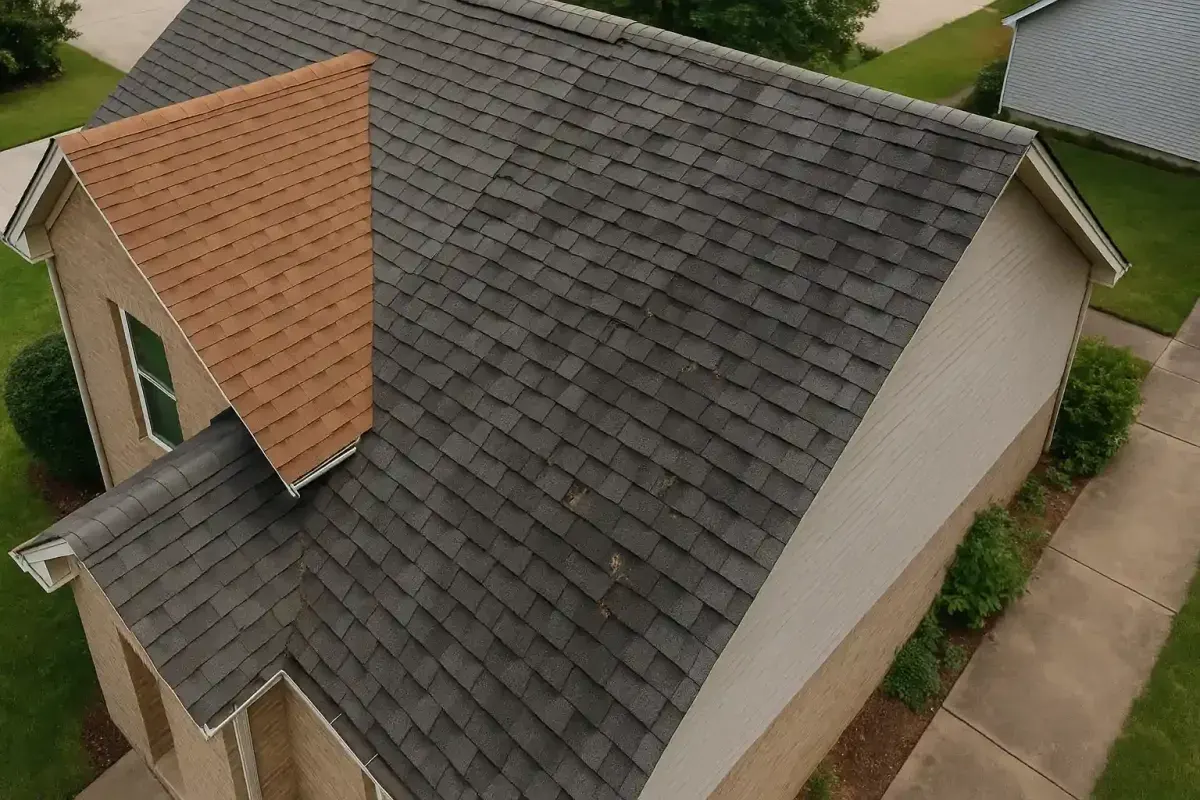
Hidden Building Defects: How to Identify Them and Protect Your Property
Hidden building defects cost Australian property owners billions of dollars each year. From concealed waterproofing failures and structural cracking to faulty plumbing and non-compliant electrical work, many defects remain invisible during a standard walkthrough. This guide explains how to identify hidden defects, your legal rights, and the steps you can take to protect your investment.
14 min read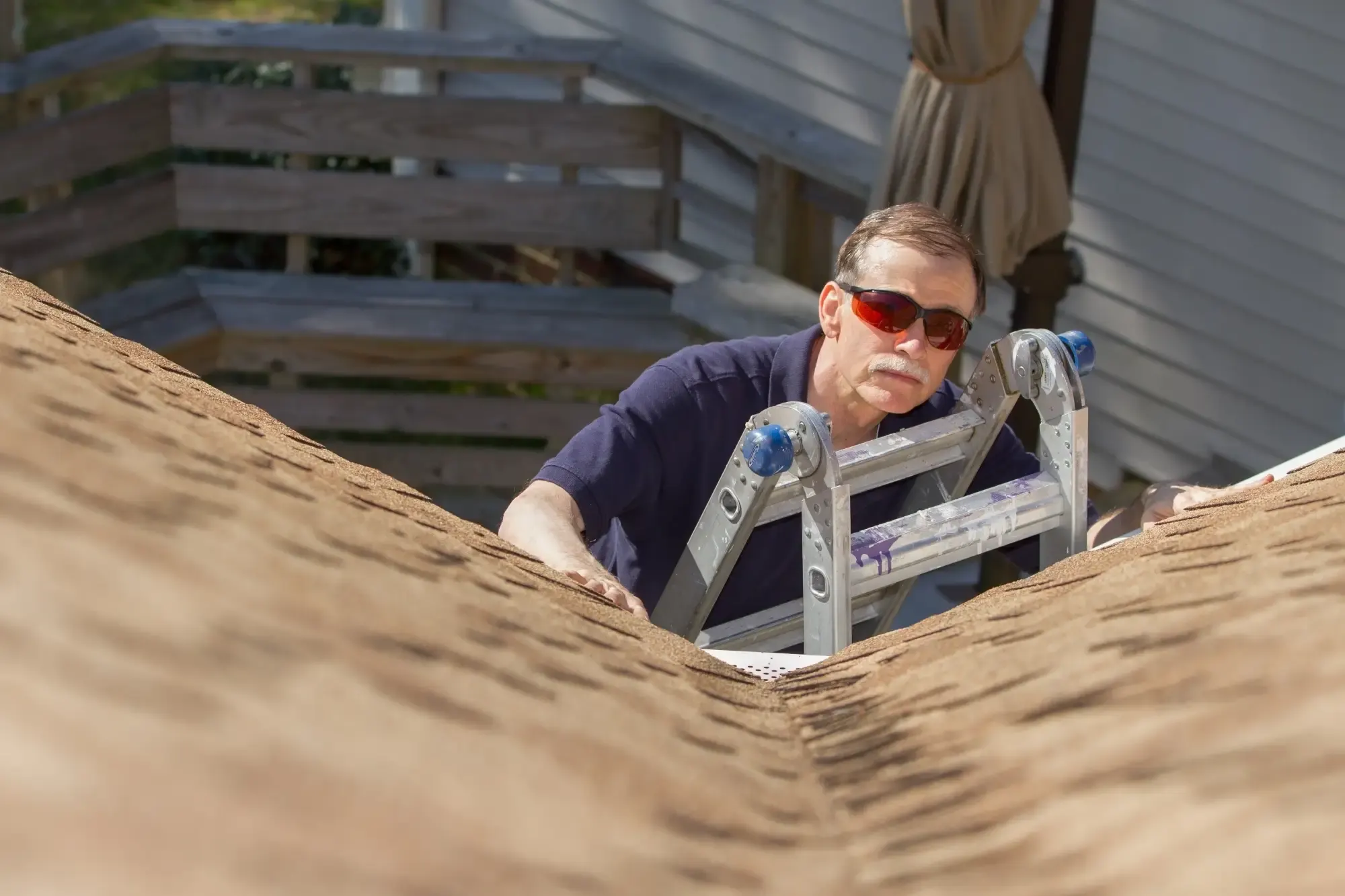
Roof Defect Inspection to Detect Leaks and Structural Issues
A roof defect inspection identifies leaks, structural weaknesses, drainage failures, and material deterioration before they become expensive repairs. This guide explains what inspectors look for, common roof defects found in Australian homes, and how often you should schedule inspections to protect your property.
11 min read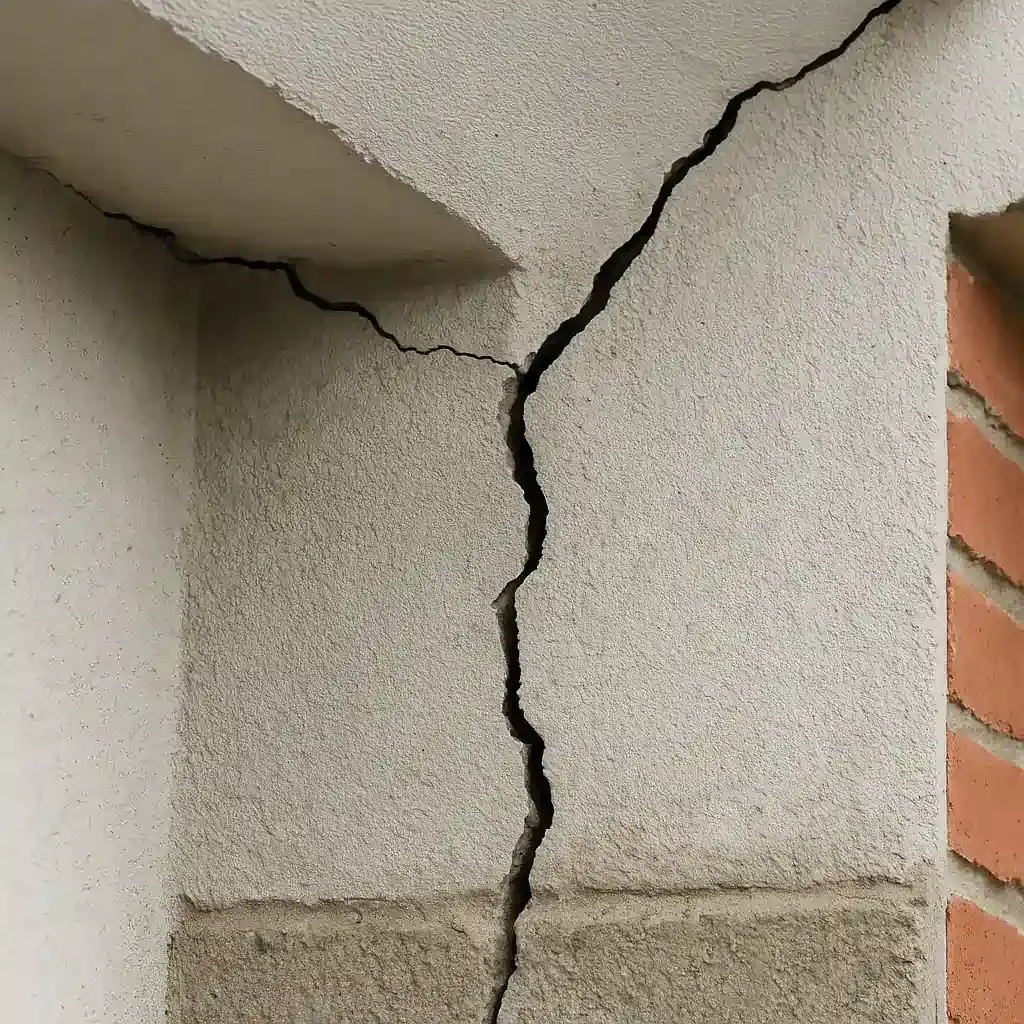
Top Warning Signs of Structural Defects in New Builds
Nearly 70% of newly built Australian homes show major defects. Learn the eight key warning signs of structural issues and how to protect your investment.
11 min read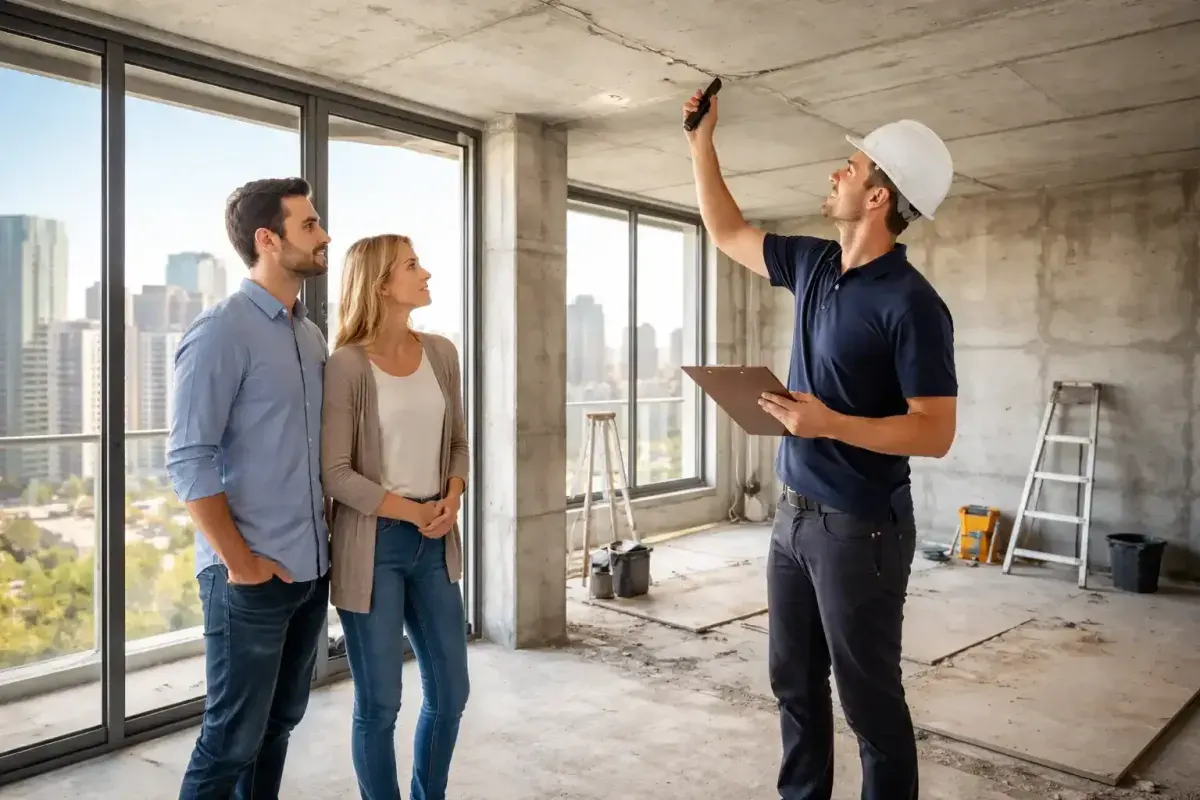
Common Defects in Off-the-Plan Apartments
Off-the-plan apartments frequently contain defects ranging from waterproofing failures and structural cracking to cosmetic issues and non-compliant finishes. This guide covers the most common defects, how to identify them, and your rights as a buyer in Australia.
10 min read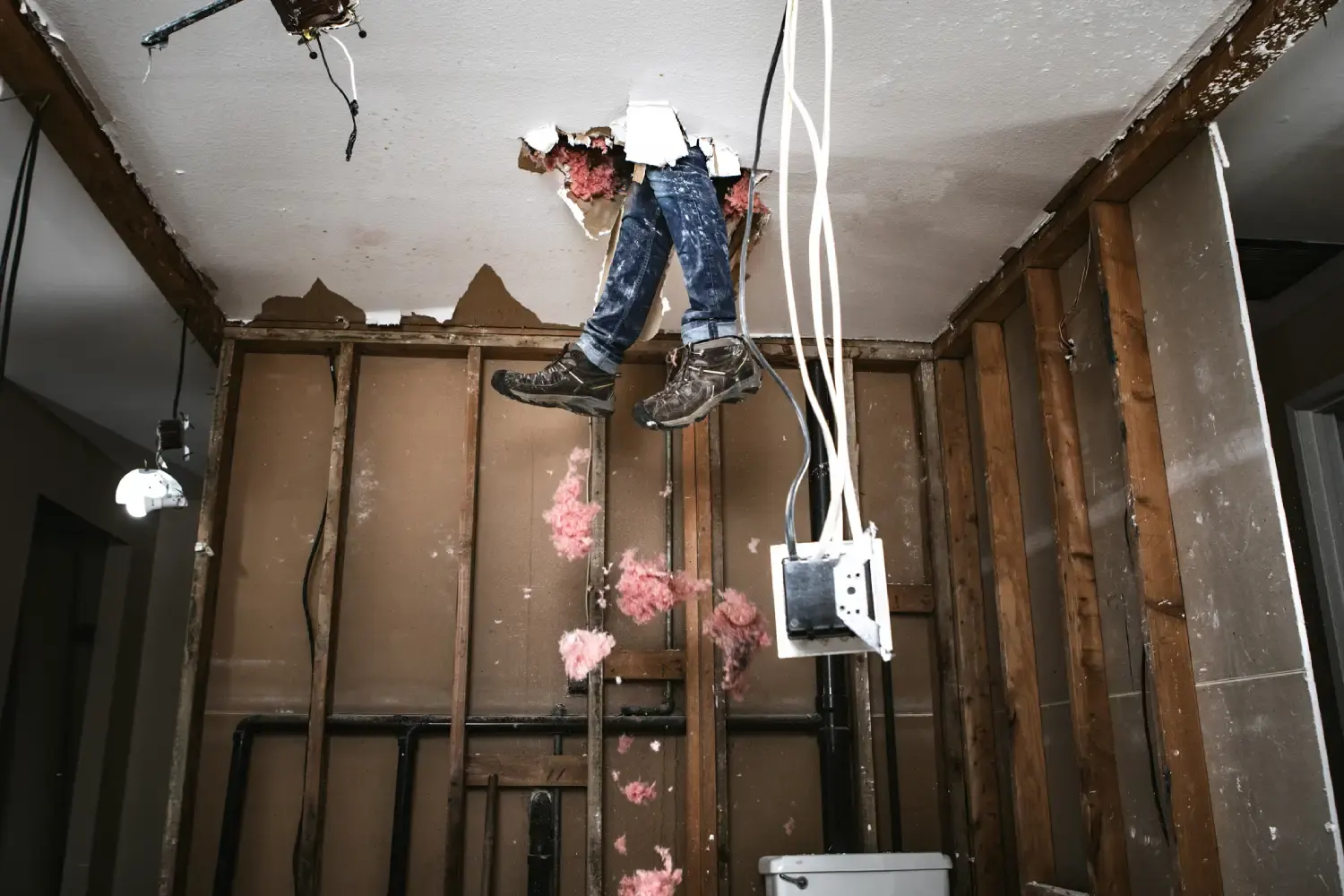
Building Defect Identification to Prevent Costly Repairs
Building defect identification helps property owners, buyers, and developers detect structural, plumbing, electrical, and waterproofing issues before they become expensive problems. This guide covers the most common defects found in Australian properties and how to address them.
12 min read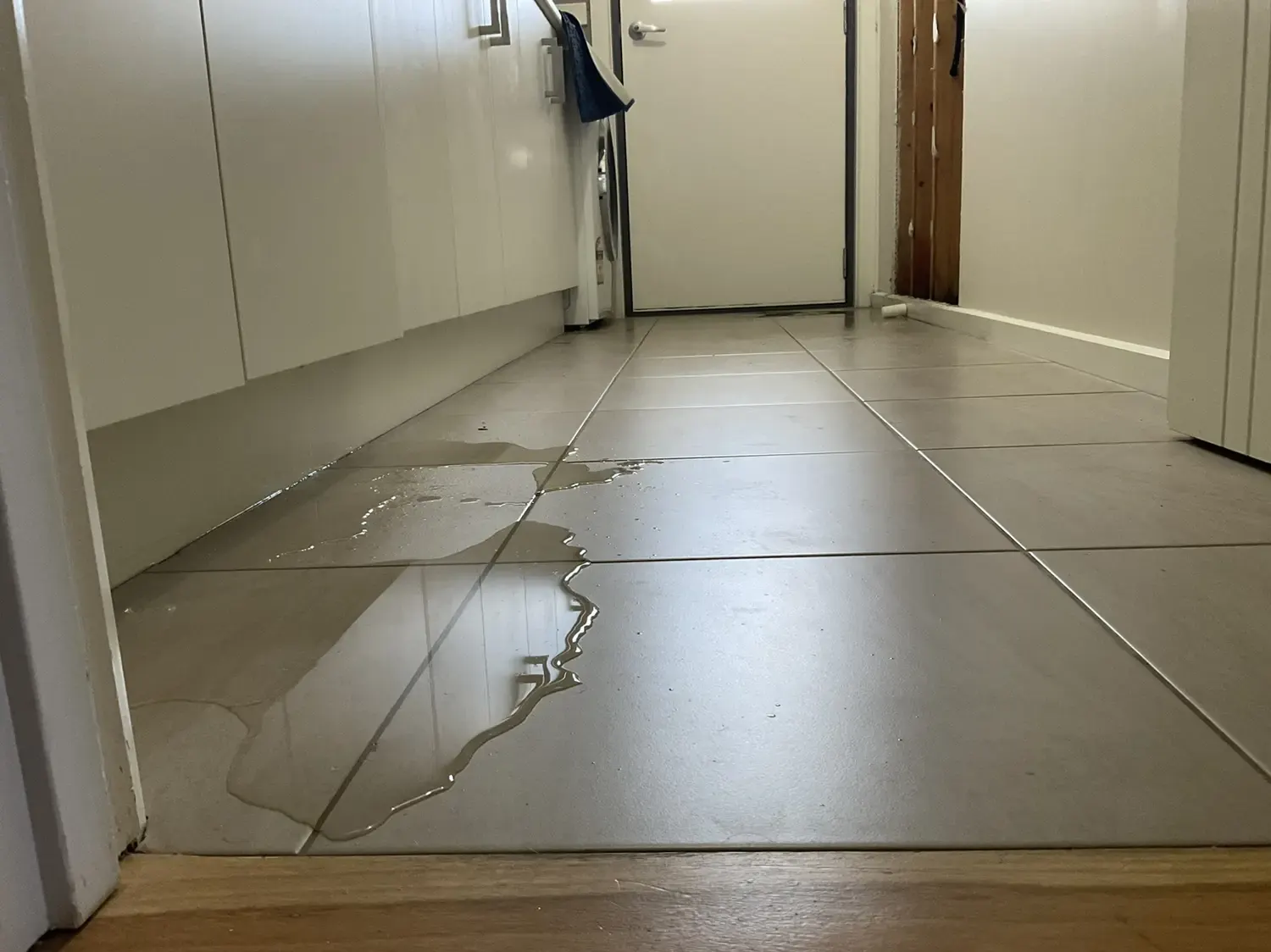
Property Defect Inspection and Why It
Property defect inspections examine structural integrity, safety hazards, and compliance issues. Learn why they are essential for Australian property buyers.
10 min read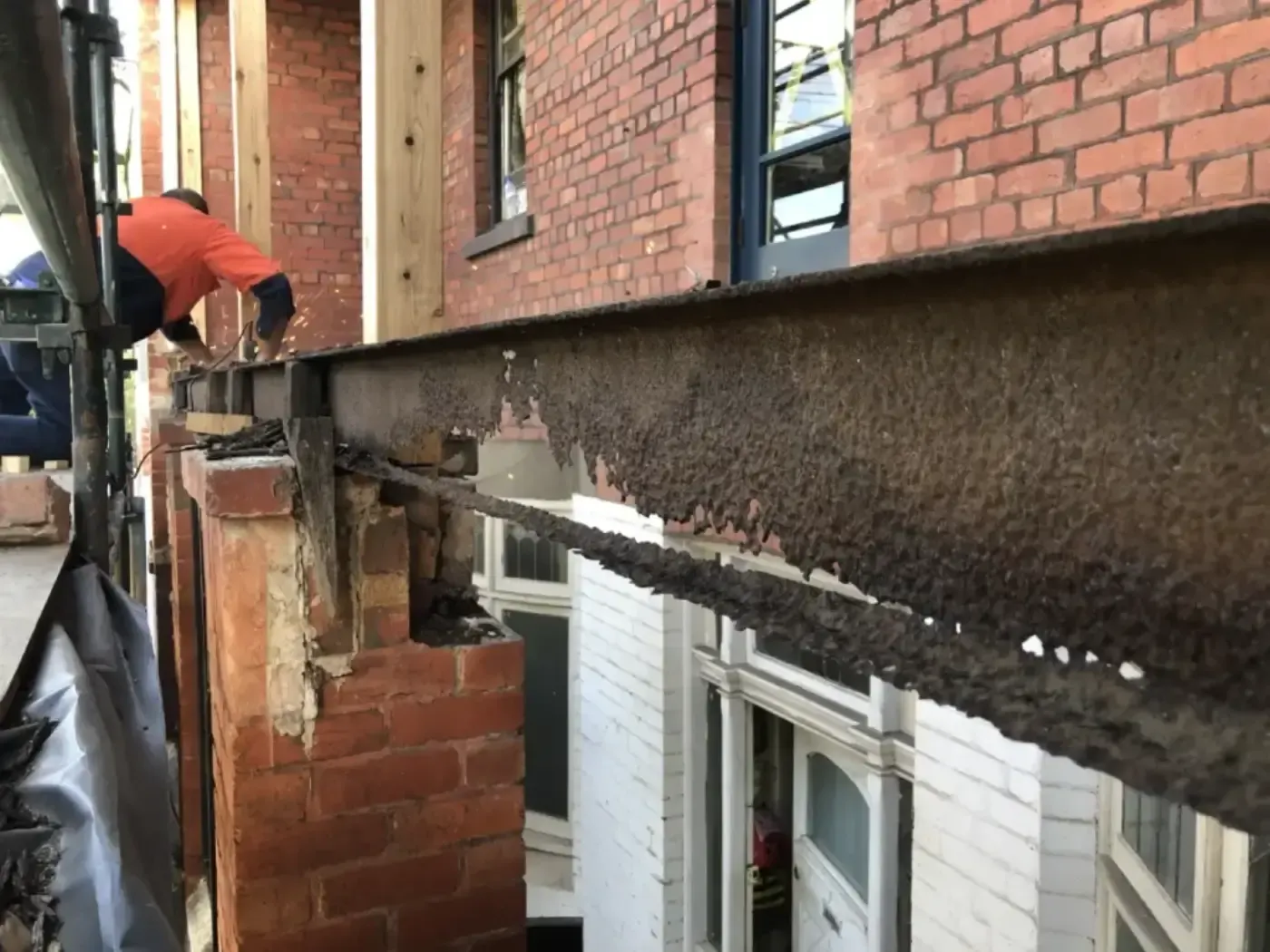
Construction Defect Inspection: Identify and Prevent Issues
Construction defect inspections systematically assess property structure, materials, and workmanship to identify faults and ensure compliance with Australian Building Codes.
10 min read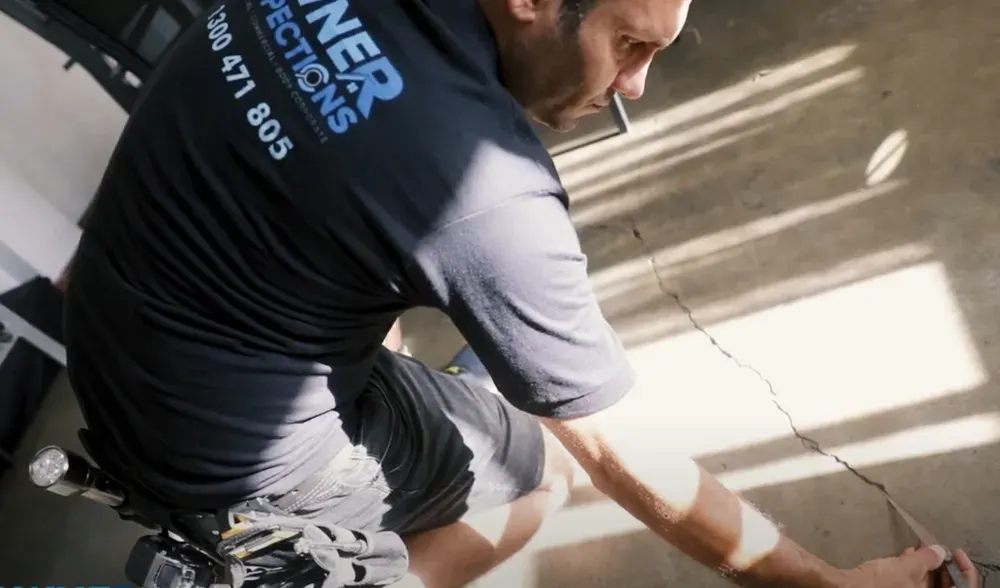
The Role of Building Codes in Defect Investigation in Melbourne
Building codes provide the benchmarks inspectors use to identify construction defects in Melbourne. This guide explains the NCC, BCA, compliance requirements, common code violations, and what happens when buildings fail to meet standards.
10 min read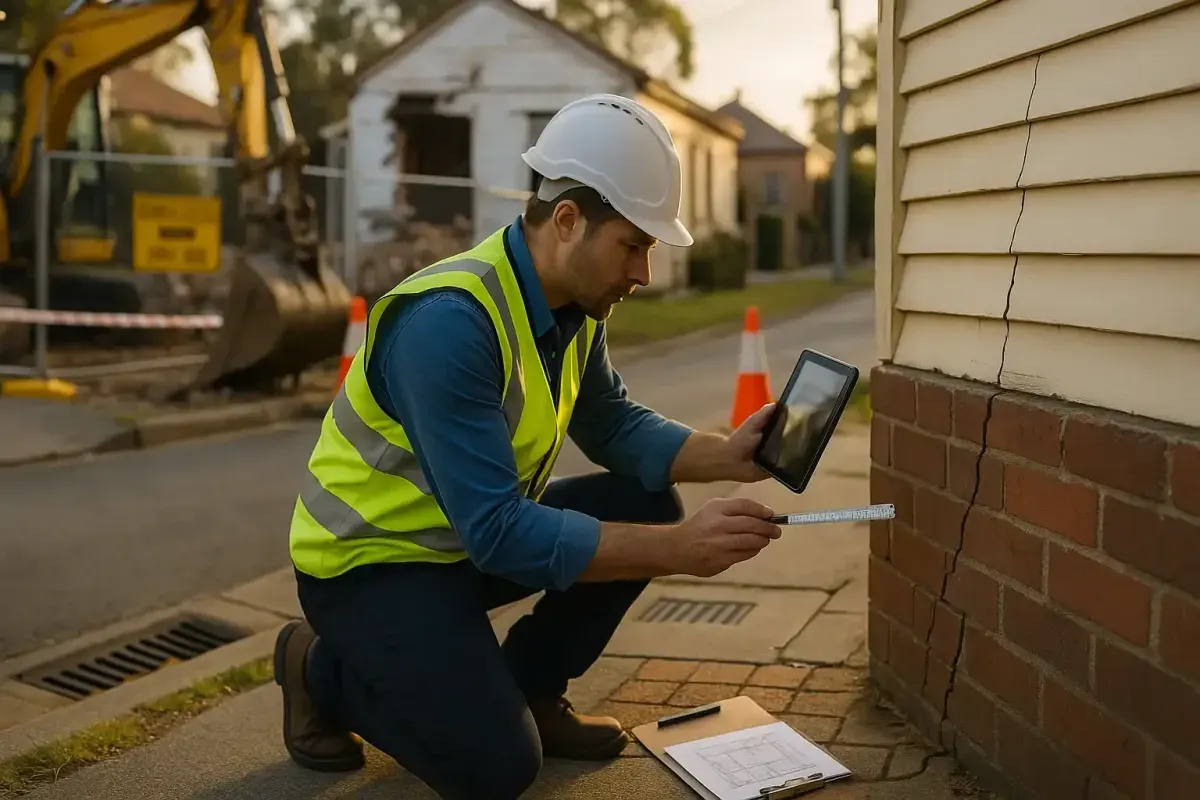
Common Building Defects in Geelong: Causes and Solutions
Geelong properties face specific defect risks due to coastal conditions and Victorian weather. This guide covers the most common building defects found in Geelong homes, what causes them, and the solutions available to property owners.
10 min read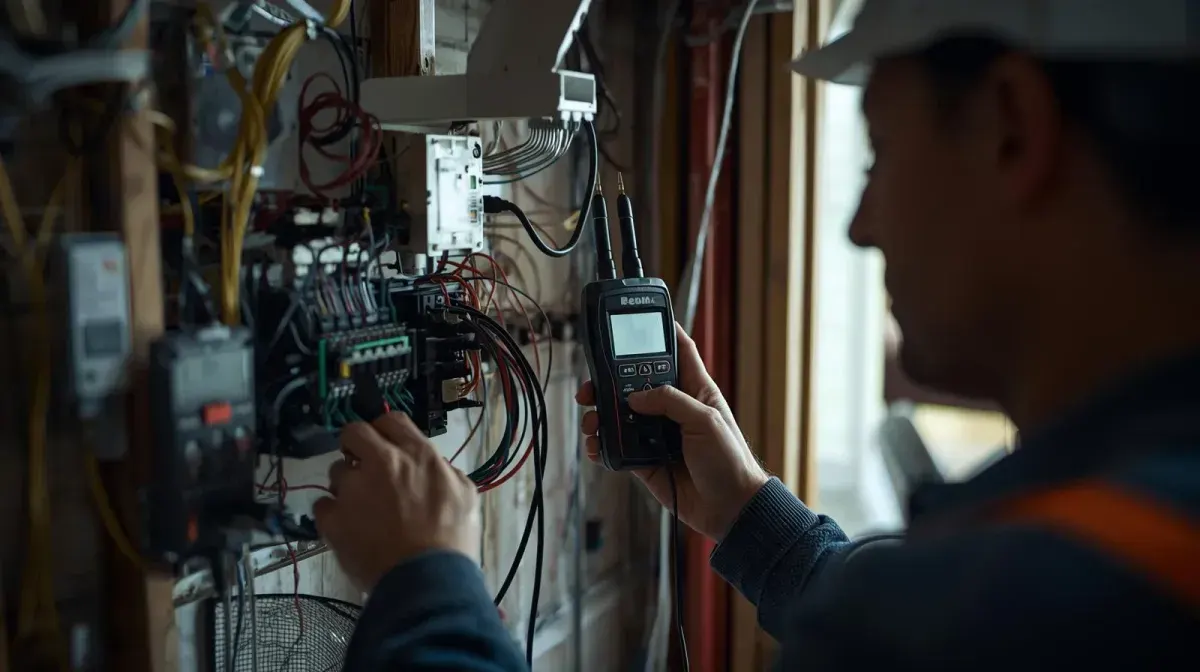
Electrical Defect Inspection to Ensure Safe Wiring Systems
Electrical defect inspections identify unsafe wiring, faulty installations, and non-compliant electrical work in Australian homes. This guide covers what inspectors look for, common defects found in new and older properties, relevant Australian standards, and why every homeowner and buyer should prioritise electrical safety.
11 min read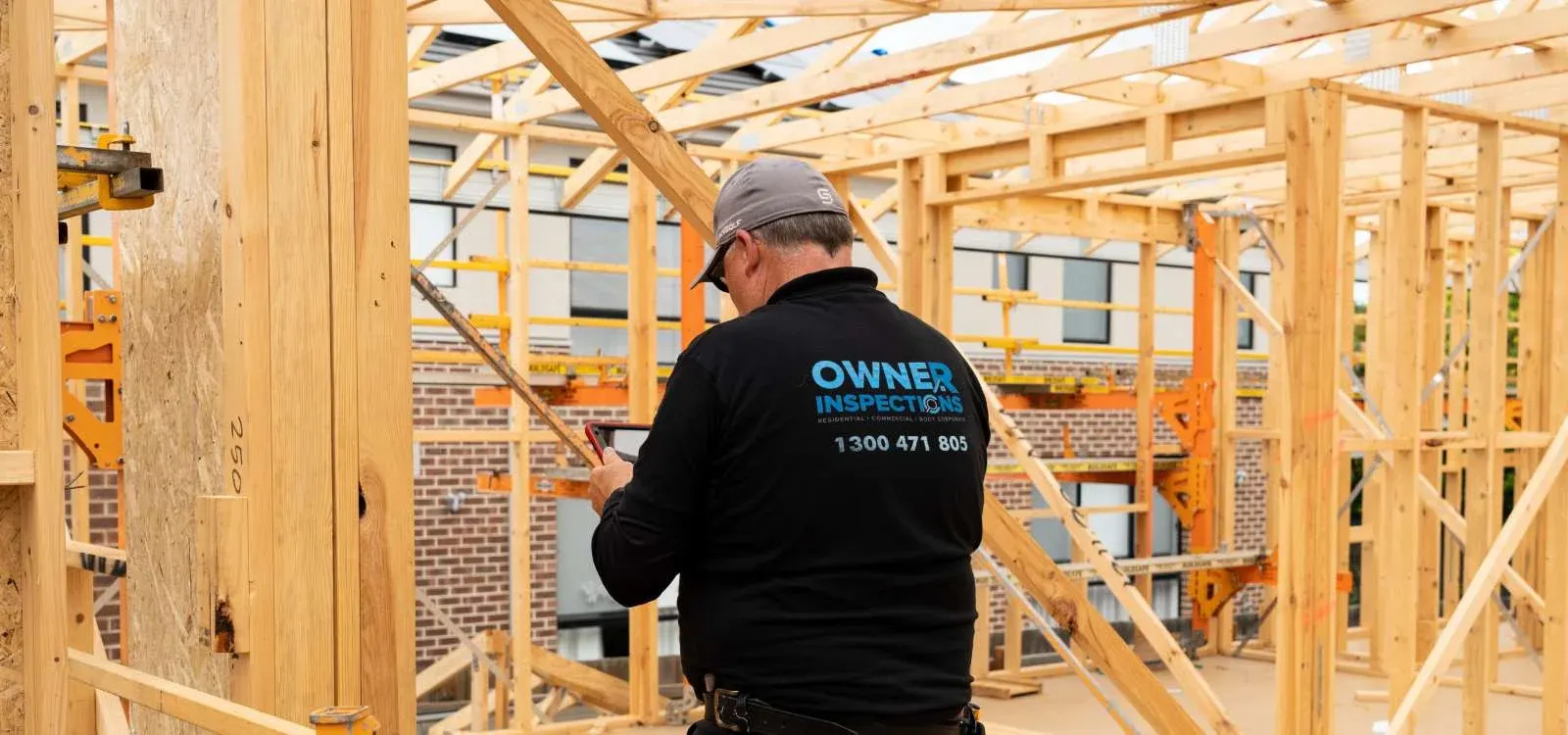
Common Frame Defects and How to Address Them
A home's framing system serves as its structural skeleton. This guide covers common frame defects in Australian homes, their causes, and how to identify and address them during construction inspections.
10 min read
The Most Common Building Defects in Sydney
Sydney's construction boom has exposed systemic problems in building quality. Research shows up to 85% of new apartments contain significant defects, with waterproofing failures and structural issues being most prevalent.
10 min read
Waterproofing Inspections: Prevent Water Damage and Save Costs
Waterproofing inspections are one of the most effective ways to protect your property from water damage. By identifying vulnerabilities early, you can avoid costly repairs, prevent mould growth, and maintain the structural integrity of your building. This guide covers the benefits, what to expect, and how to find a qualified inspector.
8 min read
Defect Investigations in Sydney's Construction
With the NSW Building Commissioner estimating that approximately 70% of buildings have defects, defect investigations have become a critical part of Sydney's construction landscape. From the Opal Tower evacuation to the Mascot Towers crisis, understanding how defect investigations work protects both builders and property owners.
13 min read
Typical Building Wall Defects and How to Prevent Them
Wall defects are among the most frequently encountered issues in Australian buildings. From hairline cracks and structural fractures to bowing, water seepage, and spalling, understanding these defects helps property owners take preventive action and protect their investment.
12 min read
A Closer Look at Defect Investigations in Brisbane
Defect investigations in Brisbane identify and assess building defects ranging from structural issues like foundation cracks to non-structural problems like plumbing faults. This guide covers the investigation process, defect types, costs, and what to expect from a professional report.
11 min readFrequently Asked Questions
A standard building inspection provides a broad overview of a property's condition at a point in time. It covers all accessible areas and identifies visible defects, maintenance issues, and safety concerns. A defect investigation is a more focused assessment that examines specific construction faults in detail. It traces the root cause of each defect, references the relevant Australian Standards and Building Code of Australia requirements, classifies the severity of each issue, and provides rectification recommendations. Defect investigation reports are specifically designed to support negotiations with builders, regulatory complaints, and tribunal proceedings.
The on-site inspection typically takes between 2 and 4 hours, depending on the size of the property and the number of defects to be assessed. Larger properties or those with extensive issues may require a longer visit. Following the inspection, the written report is usually delivered within 24 to 48 hours. If specialist testing is required, such as laboratory analysis of materials, the report may take slightly longer to finalise.
In many cases, yes. If the investigation identifies defects that are the builder's responsibility to rectify under their statutory warranty obligations, you may be able to recover the cost of the investigation as part of a rectification claim, insurance claim, or tribunal order. Tribunals such as NCAT, VCAT, and QCAT have the power to award costs including the expense of obtaining expert reports. Keep your invoice and receipt, as you will need to provide evidence of the cost incurred.
If your builder will not address defects voluntarily, you have several options. Start by sending a formal written notice detailing the defects and requesting rectification within a reasonable timeframe. If the builder still does not respond, lodge a complaint with your state regulator (NSW Fair Trading, the VBA in Victoria, or the QBCC in Queensland). These bodies can investigate and issue rectification orders. If the regulatory process does not resolve the matter, you can apply to your state tribunal (NCAT, VCAT, or QCAT) to have the dispute determined. Having a professional defect investigation report strengthens your position at every stage.
Warranty periods vary by state. In NSW, you have 6 years for major (structural) defects and 2 years for minor (non-structural) defects from the date of completion. In Victoria, the periods are 10 years for structural defects and 6 years for non-structural defects. In Queensland, structural defects are covered for 6 years and 6 months. These are strict deadlines, so it is important to have your defects professionally documented and to formally notify your builder in writing before the applicable period expires.
A well-prepared defect investigation report is a valuable piece of evidence in tribunal proceedings. However, tribunals such as NCAT, VCAT, and QCAT often require reports to comply with specific expert witness guidelines, including a declaration that the expert has read and understood their obligations under the tribunal's practice directions. At Owner Inspections, we can prepare reports to expert witness standards when we know the report will be used in proceedings. Our inspectors are experienced in providing evidence at hearings and have supported homeowners in numerous tribunal cases.
Yes. While defect investigations are most commonly requested by homeowners dealing with their own builder, they are also valuable for prospective buyers. If you are considering purchasing a newly built or recently constructed property, a defect investigation can identify issues that a standard pre-purchase inspection might not examine in the same depth. This is particularly useful for off-the-plan apartments, townhouses, and properties where construction was completed within the last few years, as you may be able to pursue the original builder for rectification under the remaining warranty period.
The more information you can provide, the more targeted and effective the investigation will be. Useful documents include your building contract and any variations, the approved plans and specifications, previous inspection reports (such as stage inspection reports during construction), photographs of defects as they appeared over time, and any correspondence with your builder about the issues. If you have a certificate of practical completion or an occupancy certificate, provide those as well. You do not need to have all of these documents for us to proceed, but they help our inspectors understand the full picture.
Reviewed across every major platform