
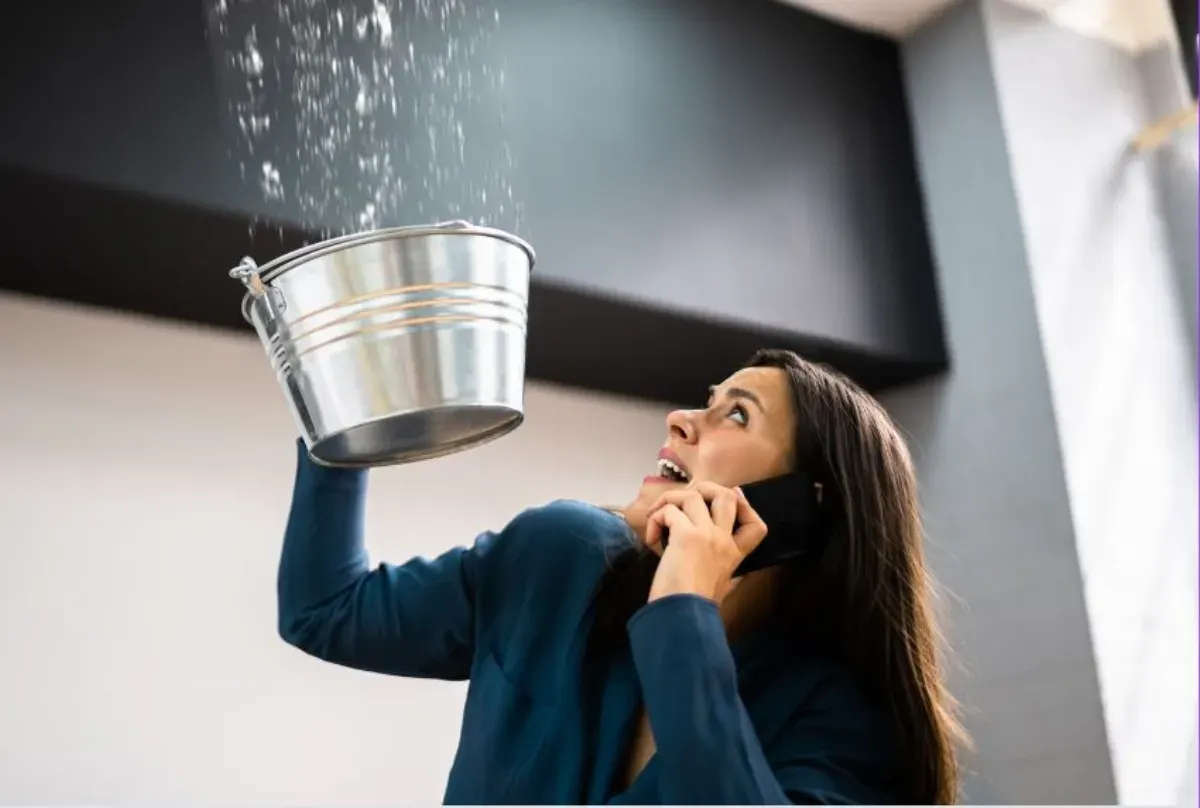
Whether you own a residential home, a commercial property, or an investment unit, understanding the importance of waterproofing inspections can save you thousands of dollars in repairs and protect the long-term value of your asset. For a complete overview, see our guide to building defect investigations.
Benefits of Waterproofing Inspections
A waterproofing inspection delivers several key benefits that make it an essential part of property ownership and maintenance.
Preventative Maintenance: Identifying potential water damage issues before they escalate allows you to address small problems early. Catching a hairline crack in a membrane or a minor roof leak before it causes structural damage can save significant time and money.
Save Money: The cost of a waterproofing inspection is minimal compared to the expense of repairing water damage. Structural repairs, mould remediation, and replacing damaged finishes can run into tens of thousands of dollars. Early detection through regular inspections helps you avoid these major expenses.
Protect Your Investment: Whether you are living in the property or renting it out, water damage can significantly reduce its market value. A well-maintained waterproofing system preserves the condition and value of your property over time.
Peace of Mind: Knowing that your property has been professionally assessed for waterproofing issues gives you confidence that your home or building is protected against water ingress and the damage it causes.
When to Get a Waterproofing Inspection
There are several situations where a waterproofing inspection is particularly important.
Before purchasing a property: A pre-purchase waterproofing inspection can reveal hidden water damage or waterproofing deficiencies that may not be visible during a standard building inspection. This information can influence your purchasing decision or help you negotiate the sale price.
Regularly every few years: Even if there are no visible signs of water damage, it is good practice to have your property inspected every three to five years. Waterproofing membranes degrade over time, and regular checks ensure any deterioration is caught early.
After major weather events: Severe storms, heavy rainfall, and flooding can overwhelm waterproofing systems and cause damage that is not immediately apparent. An inspection after such events can identify issues before they worsen.
Upon noticing damage signs: If you observe water stains on ceilings or walls, peeling paint, musty odours, or visible mould growth, you should arrange an inspection promptly. These are common indicators of waterproofing failure.
What a Waterproofing Inspection Entails
A comprehensive waterproofing inspection covers multiple areas of a property to identify current and potential sources of water ingress.
Visual inspection
The inspector examines the interior and exterior of the property for visible signs of water damage, including cracks, leaks, moisture stains, and mould growth. Wet areas such as bathrooms, laundries, and kitchens receive particular attention.
Roof inspection
The roof is assessed for damaged or missing tiles, deteriorated flashing, blocked gutters, and compromised roof membranes. The roof is often the primary entry point for water, making this a critical part of the inspection.
Foundation inspection
The foundation and subfloor areas are checked for signs of rising damp, water pooling, and inadequate drainage. Poor drainage around the foundation is a common cause of water ingress in Australian homes.
Walls and windows
External walls, window frames, and door frames are inspected for gaps, cracks, and failed sealants that may allow water to penetrate the building envelope.
Moisture testing
Specialised moisture detection equipment is used to measure moisture levels within walls, floors, and ceilings. This non-invasive testing can reveal hidden moisture problems that are not visible to the naked eye.
Finding a Qualified Inspector
Choosing the right inspector is essential to getting an accurate and thorough assessment of your property's waterproofing condition.
Certifications: Look for inspectors who hold relevant building inspection licences and qualifications. In Australia, building inspectors should be licensed under the relevant state or territory regulations.
Experience: Choose an inspector with specific experience in waterproofing assessments. General building inspectors may not have the specialised knowledge needed to identify all waterproofing issues.
References: Ask for references or reviews from previous clients. A reputable inspector will be happy to provide evidence of their track record.
Quotes: Obtain quotes from multiple inspectors to compare pricing and scope of services. Be cautious of quotes that seem unusually low, as they may indicate a less thorough inspection.
Frequently Asked Questions
What are the most common causes of waterproofing failure?
The most common causes include poor initial installation of waterproofing membranes, age-related deterioration, building movement and settlement, inadequate drainage systems, and damage from tree roots. In wet areas like bathrooms, failure often results from membranes that were not properly applied during construction or renovation.
How often should I get a waterproofing inspection?
It is recommended to have a waterproofing inspection every three to five years as a preventative measure. However, you should arrange an inspection sooner if you notice signs of water damage such as stains, mould, or musty odours, or after severe weather events.
Can waterproofing problems be detected without invasive methods?
Yes. Modern moisture detection equipment, including moisture meters and thermal imaging cameras, allows inspectors to identify hidden moisture and waterproofing failures without damaging walls, floors, or ceilings. These non-invasive methods are standard practice in professional waterproofing inspections.
What is the difference between a waterproofing inspection and a general building inspection?
A general building inspection covers the overall condition of a property, including structural elements, safety hazards, and maintenance issues. A waterproofing inspection is a specialised assessment that focuses specifically on the property's waterproofing systems, moisture levels, and vulnerability to water ingress. It uses specialised equipment and techniques that are not typically part of a general building inspection.
What should I do immediately if I discover water damage?
If you discover water damage, you should first identify and stop the source of water if possible. Remove any items that may be further damaged by water exposure. Ventilate the affected area to reduce moisture levels. Document the damage with photographs for insurance purposes, and contact a qualified waterproofing inspector to assess the extent of the problem and recommend repairs.
Do commercial properties also need waterproofing inspections?
Yes. Commercial properties are just as susceptible to water damage as residential properties, and in many cases more so due to their size and complexity. Regular waterproofing inspections are essential for commercial buildings to protect the investment, maintain safe conditions for occupants, and comply with relevant building codes and standards.
How disruptive is a waterproofing inspection?
A standard waterproofing inspection is minimally disruptive. Inspectors use non-invasive tools and techniques to assess the property, and most inspections can be conducted while the property is occupied. You may need to provide access to certain areas such as roof spaces, subfloors, and wet areas.
How long does a waterproofing inspection take?
A typical waterproofing inspection takes between one and two hours, depending on the size and complexity of the property. Larger properties or those with significant issues may require additional time.
How quickly should waterproofing repairs be carried out after an inspection?
The repair timeline depends on the severity of the issues identified. Minor repairs such as resealing joints or replacing damaged flashing should be addressed within a few weeks. More significant issues, such as replacing failed waterproofing membranes, should be scheduled as soon as possible to prevent further damage.
What preventative measures can I take to protect my property from water damage?
Regular maintenance is key. Keep gutters and downpipes clear of debris, ensure adequate drainage around the foundation, check and maintain seals around windows and doors, monitor wet areas for signs of membrane failure, and address any cracks in external walls promptly. Scheduling regular professional waterproofing inspections is the most effective preventative measure.
Key Takeaways
- Waterproofing inspections identify vulnerabilities before they become costly water damage repairs
- Regular inspections every three to five years are recommended as preventative maintenance
- Inspections should be prioritised before purchasing a property, after severe weather, or upon noticing signs of water damage
- A comprehensive inspection covers the roof, foundation, walls, windows, wet areas, and includes moisture testing with specialised equipment
- Non-invasive moisture detection technology allows inspectors to find hidden problems without damaging the property
- Choosing a qualified inspector with relevant certifications, experience, and references is essential for an accurate assessment
- Early detection and repair of waterproofing issues protects your property's value and provides peace of mind
References and Resources
Related Articles
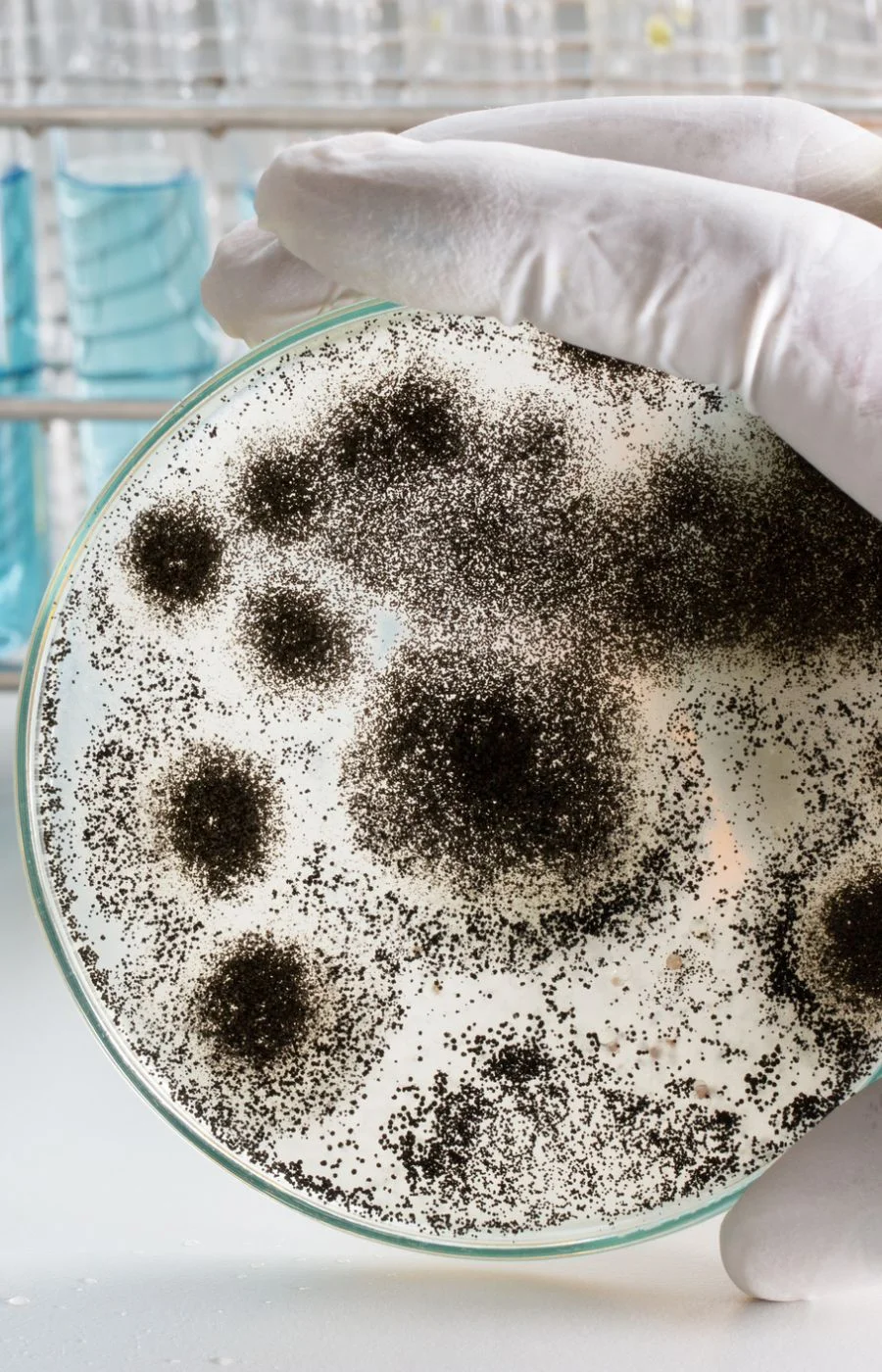
Mould Inspection Guide
Mould inspections identify growth locations and moisture sources within properties. Protect your property and health with comprehensive mould assessments.
What Does a Building Inspection Cover?
Building inspections serve as a critical investment safeguard, examining structural integrity, electrical systems, plumbing, and more before property purchase.
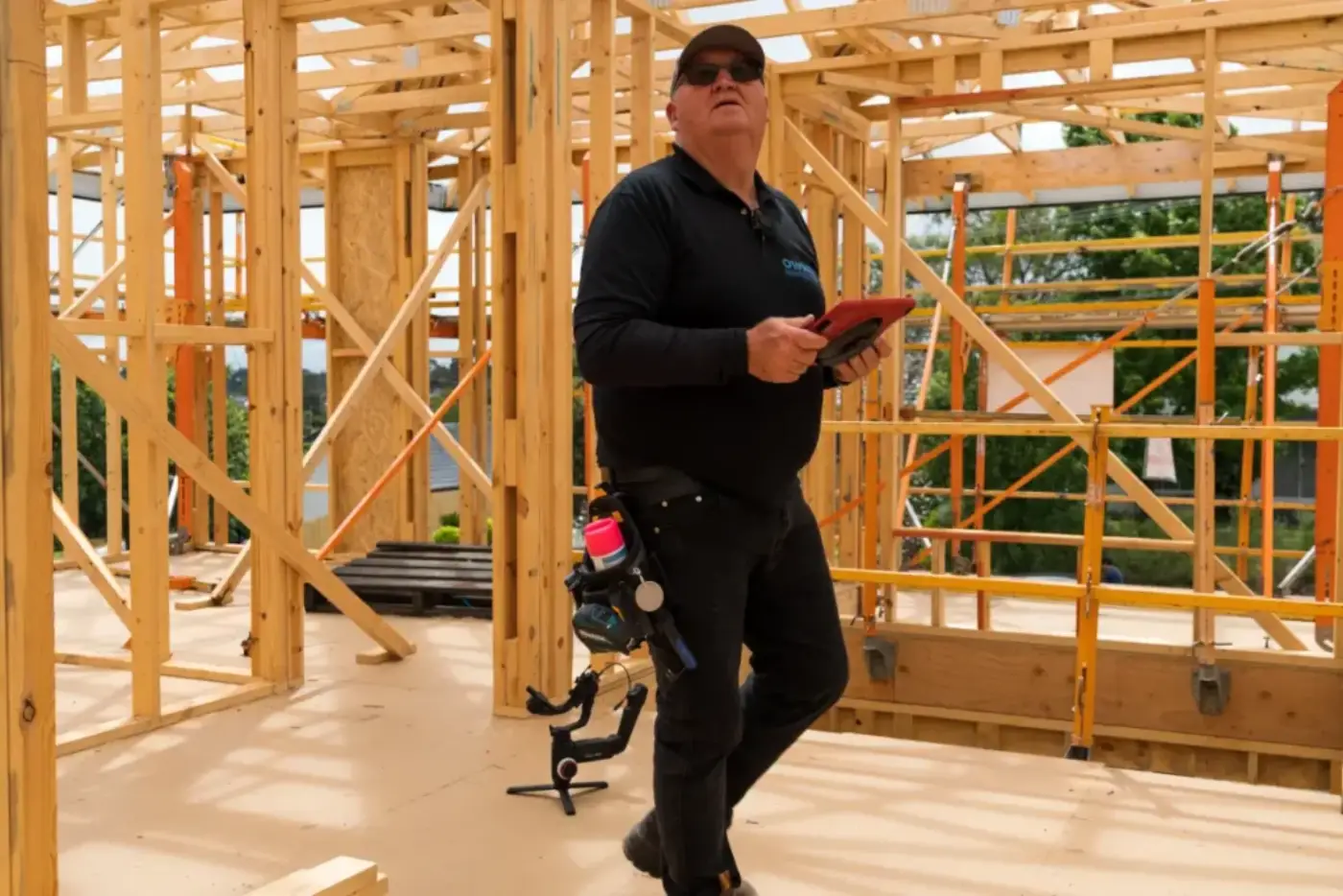
Structural Defect Inspections to Prevent Future Problems
Approximately one in five Australian homes experience structural issues. Learn how structural defect inspections can prevent expensive repairs and ensure safety.
Prevent Water Damage Before It Gets Costly
Book a waterproofing inspection with Owner Inspections to identify vulnerabilities in your property and protect against water ingress, mould growth, and structural damage.