
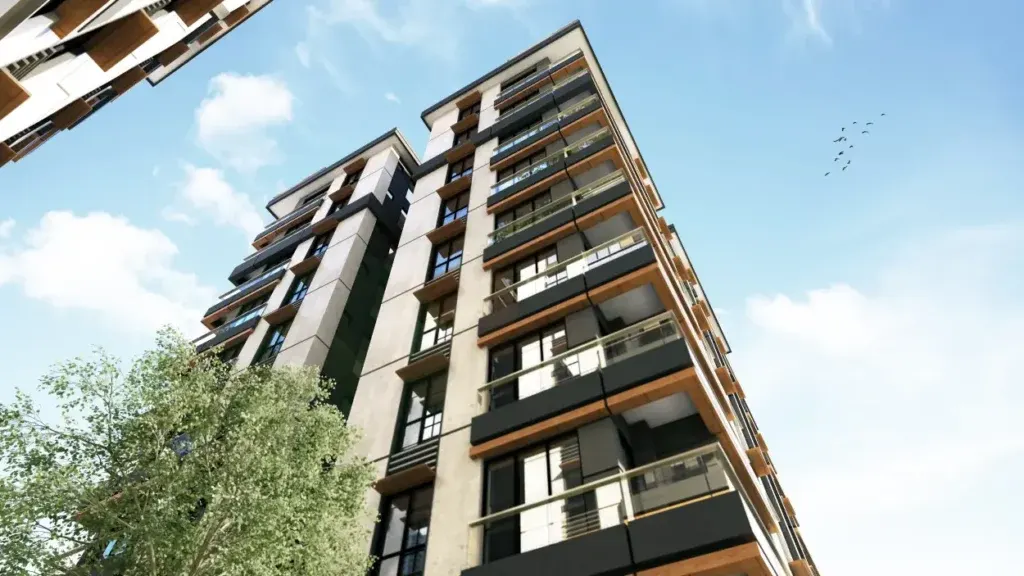
A structural integrity inspection checks whether a building’s main load-bearing elements are safe, stable, and performing as intended. It is different from a quick walkthrough because it focuses on the parts of the property that hold weight, resist movement, and protect occupants.
For Australian buyers, homeowners, strata committees, investors, and commercial property owners, this inspection can help answer one important question: is the building structurally sound enough for its current use?
In Australia, the importance of structural integrity inspections has been thrust into the spotlight following several high-profile building failures. The Opal Tower incident in Sydney on Christmas Eve 2018 forced the evacuation of approximately 3,000 residents when structural cracks appeared in the 36-storey residential building. Just months later, residents of Mascot Towers were evacuated after engineers discovered cracking in the primary support structure and facade. These incidents served as stark reminders that even modern buildings can harbour serious structural defects.
Structural integrity inspections are not merely a precaution. They are an essential component of responsible property ownership and building management. Whether you are purchasing a new home, managing a commercial property, or maintaining a strata complex, understanding the importance of structural inspections can protect your investment and ensure the safety of occupants. For a complete overview, see our guide to building defect investigations.
Seeing cracks, movement or defects?
Learn how to document building defects clearly before they become harder to prove. Photos, written records and independent reports can help protect your position.
Document Defects
What is a Structural Integrity Inspection?
A structural integrity inspection is a focused assessment of a building’s structural health. It looks at whether the foundations, footings, walls, beams, columns, floors, roof framing, connections, and other load-bearing elements are showing signs of movement, stress, deterioration, or failure.
In simple terms, structural integrity means the structure can carry expected loads and stay safe under normal use. The NCC structure provisions refer to structural reliability and require buildings to perform adequately under expected design actions and withstand extreme or repeated design actions.
A structural integrity inspection may be carried out as a specific structural inspection, a building structural inspection, a house structural inspection, or a broader structural integrity assessment, depending on the property type and the concerns being investigated.
Registered building inspectors also play a formal role in monitoring and enforcing building standards in Victoria by carrying out inspections of building work.
Visual Assessment
The inspection begins with a thorough visual examination of all accessible structural elements. Inspectors look for visible signs of distress, including cracks, deflection, corrosion, deterioration, and movement. This visual survey covers foundations, walls, beams, columns, floors, and roof structures. Experienced inspectors can identify patterns in cracking and other damage that indicate underlying structural issues.
Diagnostic Testing
Beyond visual assessment, structural inspections may employ various diagnostic techniques to evaluate hidden conditions. Common testing methods include:
- Concrete testing: Core sampling, rebound hammer tests, and carbonation depth testing assess concrete strength and condition.
- Steel assessment: Ultrasonic thickness testing, magnetic particle inspection, and visual examination for corrosion evaluate steel component integrity.
- Moisture detection: Electronic moisture meters and thermal imaging identify water infiltration that may be affecting structural elements.
- Level surveys: Precision instruments measure floor levels and wall alignment to detect settlement or movement.
- Crack monitoring: Gauges installed across cracks track movement over time to determine if cracking is active or stable.
Engineering Analysis
For complex structural concerns, engineers may perform detailed analysis using original building plans, load calculations, and computer modelling. This analysis determines whether identified issues affect the building's structural capacity and what remediation may be required.
Documentation and Reporting
A comprehensive structural inspection report documents all findings with photographs, diagrams, and detailed descriptions. The report identifies defects, assesses their severity, explains potential causes, and provides recommendations for repair or further investigation. This documentation becomes a crucial reference for property owners, builders, insurers, and regulatory authorities.
Structural Inspection vs Standard Building Inspection
A standard building inspection gives a broad condition overview. A structural inspection goes deeper into the building elements that affect stability, safety, and long-term performance.
| Inspection type | Main purpose | Best for | Output |
|---|---|---|---|
| Standard building inspection | General property condition | Pre-purchase buyers, sellers, owners | Building inspection report |
| Building and pest inspection | Building defects plus timber pest risk | Buyers and investors | Combined building and pest report |
| Structural integrity inspection | Load-bearing elements and structural safety | Cracking, movement, sagging, settlement, major defects | Structural integrity report |
| Structural audit of building | Wider review of structural condition and risk | Strata, commercial, industrial, aged buildings | Structural audit or structural condition report |
| Durability inspection | Material performance and deterioration | Coastal, concrete, steel, masonry, older buildings | Durability findings and repair priorities |
NSW Government guidance says inspectors should check accessible areas such as the interior, exterior, roof space, under-floor space, roof exterior, drainage, garages, carports, paths, driveways, and site elements.
A pest inspection may still be needed because a standard building inspection may identify visual termite damage, but it does not confirm whether termites or timber-destroying pests are still active.
Key Areas Assessed During a Structural Integrity Inspection
A thorough structural integrity inspection examines multiple building systems and components. Understanding what inspectors look for helps property owners recognise potential issues and appreciate the scope of a professional assessment.
Foundation Stability
The foundation is arguably the most critical structural element, as it transfers all building loads to the underlying soil. Foundation problems can affect every other part of the structure. During inspection, engineers assess:
- Cracking patterns: Horizontal cracks may indicate lateral soil pressure, while vertical or diagonal cracks often suggest settlement or movement. Stair-step cracking in masonry is a classic sign of differential settlement.
- Settlement and subsidence: Uneven settlement causes structural stress and can lead to cracking throughout the building. Inspectors check floor levels and look for evidence of past movement.
- Water damage: Moisture intrusion weakens foundations and can cause erosion of supporting soil. Signs include efflorescence, staining, and visible water ingress.
- Drainage adequacy: Poor drainage directs water towards foundations, increasing the risk of damage. Inspectors evaluate grading, drainage systems, and stormwater management.
- Soil conditions: Reactive clay soils common in many Australian regions expand and contract with moisture changes, placing stress on foundations designed without adequate allowance for soil movement.
Load-Bearing Structures
Load-bearing elements transfer weight from the roof and upper floors down to the foundation. These include beams, columns, load-bearing walls, and floor systems. The inspection evaluates:
- Beams and lintels: Inspectors check for sagging, cracking, corrosion in steel beams, and rot or termite damage in timber beams. Lintels over openings are particularly vulnerable to failure.
- Columns and posts: Vertical load-bearing elements are assessed for plumb alignment, connection integrity, base deterioration, and signs of overloading.
- Load-bearing walls: Cracking patterns, bulging, bowing, and separation from floor or ceiling indicate structural problems. Inspectors distinguish between structural and non-structural walls.
- Stress fractures: Concentrated stress points can develop cracks that propagate over time. Early identification allows intervention before failure occurs.
- Material fatigue: Repeated loading and environmental exposure can weaken materials over time. Inspectors look for signs of fatigue in concrete, steel, and timber elements.
- Connection integrity: The connections between structural elements are often the weakest points. Inspectors examine bolts, welds, brackets, and other fastening systems for adequacy and condition.
Roof and Ceiling Integrity
The roof structure must support its own weight, roofing materials, and imposed loads such as maintenance access, solar panels, and wind forces. Ceiling systems must remain securely attached and support any suspended loads. Assessment includes:
- Roof framing: Rafters, trusses, purlins, and ridge beams are examined for damage, deflection, splitting, and connection failures. Timber members are checked for rot and termite damage.
- Sagging and deflection: Visible sagging indicates overloading, member failure, or inadequate original design. Inspectors measure deflection and assess its significance.
- Water damage: Roof leaks cause progressive deterioration of roof framing. Staining, decay, and weakened timber are key indicators.
- Structural distress: Cracking in ceiling linings, separation from walls, and displaced fixings suggest roof movement or overloading.
- Ventilation adequacy: Poor roof space ventilation promotes condensation that damages timber members. Inspectors assess ventilation and moisture conditions.
- Tie-down systems: In cyclone and high-wind regions, roof tie-down systems must comply with wind loading requirements. Missing or inadequate tie-downs compromise safety.
Material Degradation
Building materials deteriorate over time due to environmental exposure, chemical reactions, and biological attack. The inspection assesses the condition of primary structural materials:
- Concrete deterioration: Spalling, cracking, carbonation, and alkali-silica reaction (concrete cancer) compromise concrete strength and durability. Inspectors assess the extent and progression of deterioration.
- Steel corrosion: Rust reduces steel cross-section and structural capacity. Surface rust may be superficial, but advanced corrosion requires immediate attention. Coastal environments accelerate corrosion rates.
- Timber condition: Rot, termite damage, borer attack, and fungal decay weaken timber structures. Inspectors probe timber members and look for evidence of pest activity.
- Masonry deterioration: Mortar erosion, brick spalling, and salt attack weaken masonry walls and facades. Repointing and repair requirements are assessed.
- Protective coatings: Paint, sealants, and other protective coatings prevent moisture ingress and material deterioration. Failed coatings expose underlying materials to damage.
Seismic and Environmental Resilience
Australia experiences earthquakes, severe storms, flooding, and bushfires. Buildings must be designed and constructed to resist these forces. Structural inspections evaluate:
- Earthquake resistance: While Australia is not on a major fault line, intraplate earthquakes do occur. Buildings in seismic zones must comply with AS 1170.4 for earthquake actions in structures. Older buildings may not meet current seismic requirements.
- Wind resistance: Cyclonic and high-wind regions require specific structural detailing. Inspectors verify tie-down systems, connection strength, and overall wind resistance capacity.
- Flood resilience: Buildings in flood-prone areas must withstand hydrostatic pressure, debris impact, and erosion. Foundation and lower level construction is particularly critical.
- Bushfire construction: Properties in bushfire-prone areas must comply with AS 3959 for construction in bushfire-prone areas. Structural assessments evaluate ember protection, radiant heat resistance, and construction materials.
- Climate adaptability: Temperature extremes, humidity variations, and changing weather patterns stress building structures. Inspectors assess how well buildings are adapting to local conditions.
Common Structural Issues Identified During Inspections
Understanding the most frequently encountered structural problems helps property owners recognise warning signs and appreciate the value of professional inspection. The following issues are commonly identified in Australian buildings:
| Structural Issue | Warning Signs | Typical Solutions | Urgency Level |
|---|---|---|---|
| Foundation Settlement | Diagonal wall cracks, sticking doors, uneven floors | Underpinning, resin injection, drainage improvement | High |
| Concrete Cancer | Rust staining, spalling concrete, exposed reinforcement | Concrete repair, reinforcement treatment, protective coatings | High |
| Termite Damage | Hollow-sounding timber, mud tubes, visible damage | Timber replacement, pest treatment, barrier installation | High |
| Timber Rot | Soft or crumbling timber, discolouration, fungal growth | Timber replacement, moisture source elimination, fungicide treatment | Medium to High |
| Steel Corrosion | Rust, flaking, section loss, staining | Rust treatment, protective coating, member replacement | Medium to High |
| Roof Sagging | Visible deflection, ceiling cracking, water pooling | Structural bracing, member replacement, load reduction | Medium to High |
| Wall Cracking | Cracks wider than 5mm, stair-step patterns, growing cracks | Crack repair, wall stabilisation, foundation remediation | Varies |
| Connection Failure | Loose joints, visible gaps, movement under load | Fastener replacement, connection reinforcement, structural ties | High |
| Inadequate Tie-Downs | Missing straps, disconnected fixings, uplift damage | Install compliant tie-down systems, cyclone strapping | High in wind-prone areas |
| Masonry Deterioration | Mortar erosion, brick spalling, salt efflorescence | Repointing, brick replacement, waterproofing | Medium |
Foundation Problems
Foundation issues are among the most serious and costly structural defects. In Australia, reactive clay soils are prevalent in many regions, including large parts of Melbourne, Adelaide, and western Sydney. These soils expand significantly when wet and shrink when dry, causing foundations to heave and settle.
Common foundation problems include:
- Differential settlement: Different parts of the foundation settle at different rates, causing cracking and structural distortion.
- Subsidence: Gradual sinking of the foundation due to soil consolidation, erosion, or changes in groundwater levels.
- Heave: Upward movement of foundations due to expanding clay soils or tree root activity.
- Lateral movement: Horizontal displacement of foundations due to soil pressure, particularly in sloping sites.
Signs of foundation problems include diagonal cracking in walls, sticking doors and windows, uneven floors, and gaps between walls and ceilings or floors. Early detection and intervention can prevent catastrophic failure and reduce repair costs.
Concrete Cancer (Spalling)
Concrete cancer, technically known as concrete spalling, is a significant problem in Australian buildings, particularly those located in coastal regions. The condition occurs when the steel reinforcement within concrete corrodes, expanding and causing the surrounding concrete to crack and break away.
The corrosion process begins when moisture and oxygen penetrate the concrete to reach the steel reinforcement. Contributing factors include:
- Inadequate concrete cover: Insufficient concrete thickness over reinforcement allows faster penetration of moisture and chlorides.
- Carbonation: Carbon dioxide from the atmosphere reacts with concrete, reducing its alkalinity and allowing steel corrosion.
- Chloride ingress: Coastal environments expose concrete to salt spray, which accelerates reinforcement corrosion.
- Poor quality concrete: Porous or poorly compacted concrete allows faster penetration of harmful agents.
- Cracking: Cracks provide direct pathways for moisture and chemicals to reach reinforcement.
Visible signs of concrete cancer include rust staining, cracking along reinforcement lines, spalled or detached concrete, and exposed reinforcement. Untreated concrete cancer progressively worsens and can lead to structural failure. Repair involves removing damaged concrete, treating or replacing corroded reinforcement, and applying new concrete or specialised repair mortars.
Timber Decay and Termite Damage
Timber is extensively used in Australian construction, making buildings vulnerable to biological attack. Termites cause more damage to Australian homes than fire, floods, and storms combined. In addition to termites, timber structures face threats from wood rot, borer beetles, and fungal decay.
Key timber issues include:
- Subterranean termite damage: Termites consume timber from the inside out, often leaving only a thin veneer. Structural members can be completely hollowed before damage becomes visible externally.
- Dry rot: Despite its name, dry rot requires moisture to develop. Fungal decay weakens timber progressively, turning solid timber into crumbly, weakened material.
- Wet rot: Persistent moisture exposure causes timber to soften and lose structural capacity. Common in areas with water leaks or poor drainage.
- Borer damage: Wood-boring beetles lay eggs in timber, and larvae tunnel through the wood, weakening structural members.
Structural inspections include timber assessment, and dedicated timber pest inspections provide detailed evaluation of termite risk and existing damage. Building regulations require termite management systems for new construction in most Australian regions.
Cracks in Walls and Ceilings
Cracking is one of the most visible signs of structural movement or distress. However, not all cracks are structurally significant. Experienced inspectors differentiate between cosmetic cracking and cracks that indicate serious structural issues.
Significant cracking types include:
- Stair-step cracking: Diagonal cracks following mortar joints in masonry typically indicate foundation settlement or movement.
- Horizontal cracking: May indicate lateral soil pressure against foundations or walls, or inadequate wall ties in cavity construction.
- Vertical cracking: Often occurs at building corners or changes in wall thickness, potentially indicating thermal movement or settlement.
- Cracking around openings: Stress concentrations at door and window corners often cause cracking that can indicate lintel failure or structural movement.
- Wide or growing cracks: Cracks wider than 5mm or those that are actively growing require urgent assessment.
Crack monitoring may be recommended to determine whether cracking is active or stable before deciding on repair strategies. Monitoring involves installing gauges across cracks and taking regular measurements over weeks or months.
Corrosion of Steel Components
Steel corrosion affects various building components, from structural frames to connectors, lintels, and facade fixings. Corrosion is particularly problematic in:
- Coastal areas: Salt-laden air accelerates corrosion of exposed and inadequately protected steel.
- Industrial environments: Chemical pollutants can create corrosive conditions that attack steel.
- Areas with moisture intrusion: Water leaks and condensation promote corrosion of otherwise protected steel.
- Buried elements: Steel in contact with soil or inadequately protected from soil moisture corrodes over time.
Corrosion reduces the effective cross-section of steel members, decreasing their load-carrying capacity. Severely corroded steel can fail suddenly, making inspection and maintenance critical. Protective measures include galvanising, painting, and cathodic protection for buried elements.
Roof Structural Weaknesses
Roof structures experience significant stresses from their own weight, roofing materials, wind loads, and maintenance access. Common roof structural issues include:
- Truss or rafter failures: Overstressed, damaged, or deteriorated roof members can fail, potentially causing roof collapse.
- Connection failures: Nail plates, bolts, and other connectors can work loose, corrode, or fail, compromising structural integrity.
- Inadequate bracing: Roof structures require proper bracing to prevent racking and maintain stability. Missing or inadequate bracing is a common defect.
- Overloading: Addition of heavy roofing materials, solar panels, or air conditioning equipment can overload roof structures not designed for additional weight.
- Water damage: Roof leaks cause progressive deterioration of timber roof members, potentially leading to failure.
Roof inspections are essential after severe weather events, when adding rooftop equipment, and as part of regular maintenance programmes.
Infrastructure Ageing
Australia's building stock includes many older structures that may not meet current standards or have deteriorated over time. Research indicates that over 60 per cent of new apartment buildings have some form of defect, highlighting that age alone is not the only factor. Both new and old buildings require vigilant inspection.
Age-related structural concerns include:
- Material deterioration: All building materials have finite service lives and deteriorate over time.
- Outdated construction methods: Older buildings may have been constructed using methods now known to be inadequate.
- Code compliance: Buildings constructed before current codes may not meet modern safety requirements.
- Accumulated damage: Years of minor damage events can compound into significant structural issues.
- Deferred maintenance: Maintenance neglect allows minor problems to develop into major structural issues.
How to Check Structural Integrity of a Building
Many readers search how to check structural integrity of a building because they want a practical checklist before buying, selling, renovating, or calling an inspector.
A professional inspection is still the safest option, but these checks can help buyers and owners spot warning signs early:
| Area to check | What to look for | Why it matters |
|---|---|---|
| External walls | Step cracks, horizontal cracks, bulging, separation | May point to settlement, wall movement, or load issues |
| Internal walls and ceilings | New cracks, widening cracks, sagging, stains | May show structural movement, moisture, or roof stress |
| Floors | Uneven surfaces, bouncing, slopes, gaps | May suggest subfloor movement or framing weakness |
| Doors and windows | Sticking, jamming, uneven gaps | Can indicate wall or foundation movement |
| Roof frame | Sagging, cracked timbers, loose connections | Roof loads need secure transfer to walls and supports |
| Subfloor and foundations | Dampness, poor drainage, timber decay, pier movement | Foundation and subfloor issues can affect the whole building |
| Concrete and steel | Spalling, rust staining, exposed reinforcement | May reduce durability and structural capacity |
| Drainage | Water pooling near footings, failed stormwater paths | Moisture changes can worsen soil and foundation movement |
NSW Government recommends checking for structural problem signs during personal inspections, including sagging ceilings, buckling walls, exterior cracks, doors and windows that catch in their frames, damp, mould, roof condition, guttering, and drainage.
Need a clearer answer on structural defects?
A defect investigation report can help identify what went wrong, why it happened and what repair steps may be needed for cracks, movement, leaks or poor workmanship.
Investigation
What a Structural Integrity Report Should Include
A structural integrity report should do more than list cracks. It should explain what was inspected, what was found, how serious the issue appears, and what action is recommended.
NSW Government says an inspection report should include the inspection reason, date, scope, inaccessible areas, overall condition, major faults, significant problems, and recommendations for further investigation where needed.
| Report section | What it should explain | Keywords covered |
|---|---|---|
| Property and inspection scope | Address, date, reason, inspected areas, access limits | structural inspection report |
| Structural observations | Foundations, walls, floors, roof, beams, columns, connections | building structural inspection report |
| Defect description | Cracks, movement, corrosion, rot, moisture, settlement | structural condition report |
| Severity rating | Minor, moderate, significant, urgent, or requires further testing | structural report |
| Likely cause | Soil movement, moisture, poor drainage, overloading, material decay | structural integrity assessment |
| Recommendations | Monitor, repair, get engineering advice, arrange testing | structural integrity report |
| Photos and diagrams | Clear visual evidence for buyers, owners, insurers, or contractors | structural reports |
| Next steps | Who to contact and how quickly action is needed | structural safety check |
A good structural inspection report should be easy to read. It should not leave the owner guessing whether a defect is urgent, cosmetic, or suitable for monitoring.
When Do You Need a Building Structural Inspection?
A building structural inspection is worth booking when there are signs that the building may be moving, deteriorating, overloaded, or exposed to conditions that could weaken the structure.
| Situation | Recommended inspection | Why it matters |
|---|---|---|
| Buying an older home | House structural inspection | Older buildings may have movement, timber decay, drainage problems, or outdated construction details |
| Buying a unit or apartment | Structural inspection plus strata document review | Common property and shared structural elements can affect risk and cost |
| Visible cracking or movement | Specific structural inspection | The cause and severity need to be understood before repair |
| Removing a wall | Building structural assessment | Wall removal can affect load paths and may need engineering input |
| Sagging roof or ceiling | Structural integrity inspection | Roof framing may be overloaded, damaged, or poorly supported |
| Coastal property | Durability inspection | Salt exposure can speed up corrosion in steel and concrete |
| Commercial property | Structural audit of building | Owners and managers need records for safety, maintenance, leasing, and insurance |
| After storms, floods, impact, or fire | Structural safety check | Sudden events can affect elements that looked sound before |
| Ongoing asset planning | Periodic structural inspection | Regular records help track changes over time |
QBCC defines structural defective building work as defective work that can adversely affect structural performance, health or safety, functional use, or allow water penetration into a building.
Structural Integrity Assessment: Main Areas Inspected
A structural integrity assessment looks at the building as a connected system. A crack in one wall may not be the real problem. The cause may come from foundations, drainage, roof loads, poor construction, nearby trees, or long-term moisture.
Foundations and footings
Foundations transfer building loads into the ground. Inspectors look for settlement, heave, cracking, erosion, dampness, poor drainage, and signs that the building has moved unevenly.
Walls, beams, columns, and load-bearing elements
A building structure inspection checks whether walls, beams, columns, lintels, and other supports are carrying loads properly. The assessment may look for deflection, bowing, corrosion, timber decay, poor connections, or signs of overloading.
Floors, subfloor, and framing
Uneven floors, bouncing floors, timber decay, termite damage, failed piers, and damp subfloor spaces can affect comfort and safety. These findings may also appear in a residential structural inspection or home structural assessment.
Roof and ceiling structure
Roof framing, trusses, rafters, purlins, tie-downs, and ceiling fixings are checked for sagging, damage, water staining, poor support, or changes caused by added loads such as solar panels or air-conditioning units.
Materials and durability
Concrete spalling, steel corrosion, timber decay, brick fretting, failed coatings, moisture staining, and salt attack can all reduce durability. This is where a durability inspection supports the wider structural integrity check.
Structural Integrity Test Methods
A structural integrity test is not always one single test. It may include several checks depending on the building, risk, and visible signs.
| Test or method | What it can show | Common use |
|---|---|---|
| Visual inspection | Cracks, movement, sagging, corrosion, water damage | All structural inspections |
| Moisture testing | Hidden dampness that may affect timber, masonry, or concrete | Wet areas, subfloors, walls |
| Level survey | Floor slope, settlement, uneven movement | Foundation and slab concerns |
| Crack monitoring | Whether cracking is stable or still moving | Walls, slabs, masonry |
| Timber probing | Softness, decay, borer or termite damage | Roof and subfloor framing |
| Concrete assessment | Spalling, exposed reinforcement, carbonation risk | Apartments, balconies, car parks |
| Steel inspection | Rust, section loss, failed coatings | Beams, posts, lintels, coastal buildings |
| Engineering review | Load paths, design capacity, repair strategy | Complex or high-risk findings |
A QBCC fact sheet explains that its building inspectors usually carry out visual inspections for listed complaint items and do not undertake invasive investigations such as cutting holes in walls to inspect concealed damage.
This matters because some building structural assessments need follow-up testing, engineering calculations, or invasive investigation before final repair decisions are made.
Benefits of Regular Structural Integrity Inspections
Regular structural inspections provide numerous benefits for property owners, managers, and occupants. Investing in professional assessment delivers both immediate and long-term value.
Safety Assurance
The primary benefit of structural inspections is ensuring the safety of building occupants and visitors. Structural failures can cause serious injury or death, and regular inspections identify potential hazards before they become dangerous. Property owners have a duty of care to ensure their buildings are safe, and inspections provide documented evidence that this duty is being met.
For commercial property owners and strata managers, structural inspections are an essential component of risk management. Identifying and addressing structural issues protects against liability claims and demonstrates responsible building management.
Legal Compliance
The National Construction Code 2022 (NCC 2022) establishes minimum requirements for structural reliability, serviceability, and durability. Buildings must be designed and constructed to comply with these requirements, and ongoing maintenance must preserve structural integrity.
Specific compliance requirements include:
- Work Health and Safety Act: Building owners must ensure structures are safe for workers and visitors.
- Strata legislation: Owners corporations must maintain common property, including structural elements.
- Local council requirements: Some councils require periodic structural assessments for certain building types.
- Insurance requirements: Policies often require buildings to be properly maintained, including structural elements.
Regular inspections help ensure ongoing compliance and provide documentation if compliance is questioned.
Cost Savings
Early detection of structural issues typically results in significantly lower repair costs compared to addressing problems after they have progressed. Minor foundation cracks addressed early may cost a few thousand dollars to repair, while major foundation failure can cost hundreds of thousands of dollars.
Structural inspections also help avoid:
- Emergency repairs: Urgent structural work commands premium pricing and may require temporary evacuation.
- Consequential damage: Unaddressed structural issues often cause secondary damage to finishes, services, and contents.
- Business interruption: Commercial properties may lose rental income or business revenue during major structural repairs.
- Legal costs: Structural failures can result in expensive litigation and compensation claims.
Property Value Preservation
Structural integrity directly affects property value. Buildings with known structural issues sell for less than comparable properties without such problems. In some cases, serious structural defects can make properties virtually unsaleable.
Regular inspections and maintenance preserve property value by:
- Documenting structural condition: Inspection reports provide evidence of structural health for prospective purchasers.
- Identifying issues early: Addressing problems promptly prevents deterioration that would reduce value.
- Demonstrating responsible ownership: A documented maintenance history reassures purchasers about building quality.
- Supporting insurance claims: Documentation of pre-existing condition helps with claims for subsequent damage.
Environmental Sustainability
Maintaining existing buildings rather than demolishing and rebuilding is more environmentally sustainable. The embodied energy in existing structures represents a significant environmental investment. Structural inspections and maintenance extend building service life, reducing the environmental impact of new construction.
Sustainable building management through regular inspection:
- Preserves embodied energy: Existing materials and construction energy are retained rather than wasted through demolition.
- Reduces construction waste: Major repairs and rebuilding generate significant waste destined for landfill.
- Minimises resource consumption: Maintenance uses fewer materials than reconstruction.
- Supports heritage preservation: Many older buildings have heritage value worth preserving through proper maintenance.
Recommended Inspection Frequency
| Building Type | Routine Inspection | Comprehensive Assessment | Special Circumstances |
|---|---|---|---|
| Residential (houses) | Every 3 to 5 years | Every 10 years | Before purchase, after severe weather |
| Multi-storey Apartments | Annual facade checks | Every 5 years | After defects identified, insurance renewal |
| Commercial Buildings | Annual or biannual | Every 5 years | Change of use, lease renewal |
| Industrial Facilities | Annual | Every 3 to 5 years | Equipment changes, vibration exposure |
| Heritage Buildings | Annual | Every 3 to 5 years | Before works, heritage compliance |
| Coastal Properties | Every 2 to 3 years | Every 5 years | After storms, salt damage concerns |
| Buildings on Reactive Soils | Every 2 to 3 years | Every 5 to 7 years | After drought, tree removal |
Structural Integrity Examples: What Inspectors Often Record
These structural integrity examples help readers understand what may appear in a structural report.
| Finding | Possible concern | Typical next step |
|---|---|---|
| Step cracking in brickwork | Differential settlement or footing movement | Monitor or arrange engineering assessment |
| Horizontal wall crack | Lateral pressure or wall restraint issue | Specific structural inspection |
| Sagging roof line | Overloaded or damaged roof framing | Roof framing assessment |
| Rust staining on concrete | Reinforcement corrosion or concrete spalling | Durability inspection |
| Sticking doors and windows | Building movement or frame distortion | Check walls, floors, and foundations |
| Uneven floors | Settlement, subfloor movement, timber decay | Level survey and subfloor inspection |
| Damp subfloor | Drainage or ventilation problem | Drainage correction and timber check |
| Exposed reinforcement | Concrete durability issue | Concrete repair assessment |
| Bulging wall | Structural movement or restraint failure | Urgent structural safety check |
Avoid treating a visible crack as the whole story. The better question is whether the defect affects the integrity of the building, whether it is moving, and whether it changes the property’s safety or value.
Who Should Carry Out a Structural Inspection?
Choose a suitably qualified person with the right experience, insurance, and building knowledge.
NSW Government advises buyers to use a suitably qualified person such as a licensed builder, surveyor, or architect for a professional building inspection report, and to check that the person has adequate insurance, especially professional indemnity cover.
For complex structural concerns, multi-storey buildings, class 2 buildings, commercial properties, or major movement, a registered professional engineer may be needed. Service NSW says professional engineer registration is required to undertake structural engineering work on class 2 buildings.
Engineers Australia also states that engineer registration helps confirm benchmarked education, training, professional conduct, and competency standards
How Often Should You Book a Periodic Structural Inspection?
A periodic structural inspection is useful for properties exposed to movement, weather, moisture, salt, heavy use, age, or repeated repairs.
| Property type | Suggested timing |
|---|---|
| Standard residential home | Every 5 to 10 years, or sooner if warning signs appear |
| Older home | Every 3 to 5 years |
| Coastal property | Every 2 to 3 years |
| Apartment or strata building | As part of regular maintenance planning |
| Commercial property | Every 1 to 5 years depending on use and risk |
| Property with known movement | As directed by the inspector or engineer |
| After flood, fire, storm, impact, or nearby excavation | As soon as practical after the event |
Getting the Most Value from Your Home and Building Investment
A structural integrity inspection gives buyers and owners a clearer view of the building’s real condition. It can confirm whether visible damage is cosmetic, whether movement needs monitoring, or whether further engineering advice is needed.
For buyers, the report can support price discussions and help avoid unexpected repair costs. NSW Government lists one benefit of a building inspection report as knowing problems in advance and using that information when negotiating a lower purchase price.
For homeowners, strata committees, and commercial property owners, a structural integrity report can support maintenance planning, insurance discussions, repair decisions, and long-term asset care.
If you are buying, selling, renovating, or worried about cracks, movement, sagging, corrosion, or water damage, book a professional structural integrity inspection with Owner Inspections.
Worried about structural issues in your property?
Speak with Owner Inspections about your concerns and get clear guidance on the right inspection for your home, investment property, strata building or commercial site.
Key Takeaways
- Structural integrity inspections assess load-bearing components including foundations, beams, columns, walls, and roof structures to ensure buildings remain safe and stable.
- High-profile failures like Sydney's Opal Tower and Mascot Towers demonstrate that even relatively new buildings can have serious structural defects requiring professional assessment.
- Common structural issues in Australian buildings include foundation problems from reactive soils, concrete cancer in coastal areas, termite damage, and steel corrosion.
- Regular inspections are recommended every 5 to 10 years for residential properties, with more frequent assessments for commercial buildings, multi-storey apartments, and properties in challenging environments.
- Early detection of structural issues typically results in significantly lower repair costs compared to addressing problems after they have progressed to critical levels.
- Structural inspections support legal compliance with the National Construction Code, Work Health and Safety requirements, and strata legislation obligations.
- Property value is directly linked to structural integrity, with documented inspections and maintenance history reassuring prospective purchasers.
- Qualified structural engineers or experienced building inspectors should conduct assessments using visual examination, diagnostic testing, and engineering analysis.
Frequently Asked Questions
What is structural integrity?
What is a structural integrity inspection?
How do you check structural integrity of a building?
What is included in a structural integrity report?
Is a structural inspection different from a building inspection?
When should I book a house structural inspection?
What is a structural integrity test?
Can a pest inspection affect the structural integrity report?
Who is qualified to inspect structural integrity?
Do structural reports help with property negotiations?
Related Articles
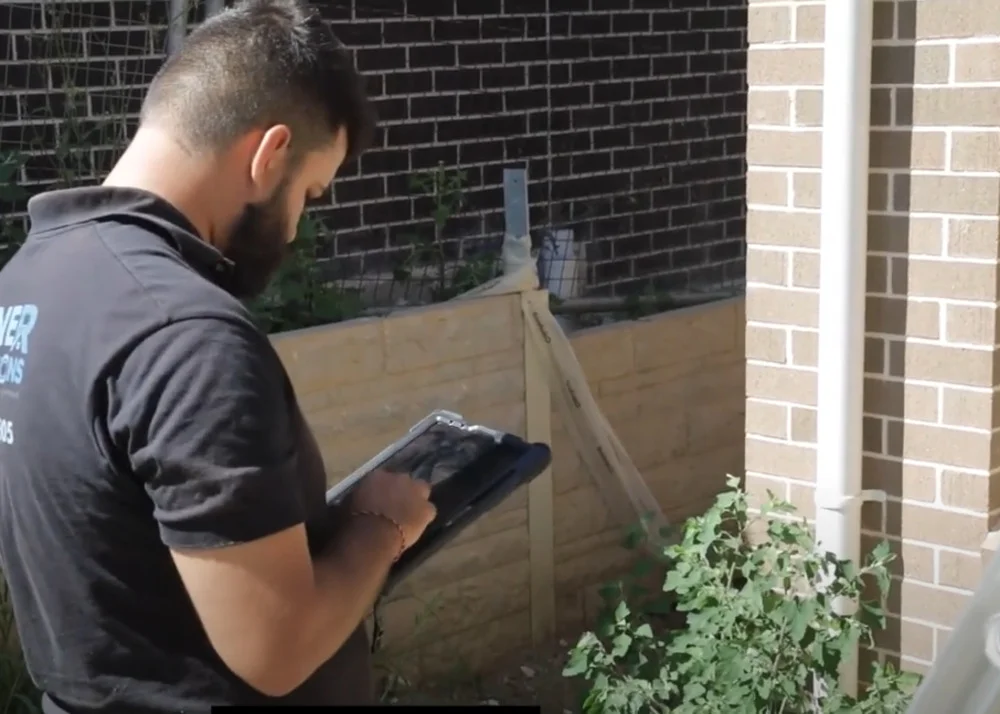
A Comprehensive Guide to House Inspections
House inspections are detailed professional assessments evaluating structural integrity, safety systems, and component functionality. Learn everything you need to know.
Common Mistakes to Avoid at Your Apartment Pre-Settlement Inspection
Pre-settlement inspections are your last chance to verify your new apartment meets contractual standards. Avoid these common mistakes that could cost you thousands after settlement.

Black Mould Myths: Separating Fact from Fiction in Mould Inspections
Black mould generates fear among property owners, but much of that fear is based on myths. This guide debunks common misconceptions and explains why professional mould inspections are essential for accurate assessment.
Concerned About Building Defects?
Our licensed inspectors cover Sydney, Melbourne, and all major Australian cities.