

Common building defects in Australia are not limited to older homes. They can appear in new builds, apartments, renovated homes and long-held family properties. NSW Government guidance says a building inspection report can identify significant building defects or problems such as rising damp, wall movement, safety hazards and a faulty roof.
Whether you are purchasing a property, building a new home, or maintaining an existing one, awareness of these defects is essential. The following ten defects are the ones most frequently identified during professional building inspections across Australia. For a complete overview, see our guide to building defect investigations.
Found a Defect and Need to Keep Records?
Learn how to document building defects with photos, written notes, reports and timelines before the issue becomes harder to prove.
Legal Claim Guide
What Is a Building Defect?
A building defect is a fault, failure or condition that affects how a building performs, looks, drains, resists moisture or remains safe for normal use.
In a pre-purchase context, the inspection report is a written account of the property’s condition and may include major faults, significant problems and recommendations for further assessment by specialists such as pest inspectors, electricians, structural engineers or geotechnical engineers.
Building defects can be caused by poor workmanship, ageing materials, movement, poor drainage, incorrect installation, weather exposure, termite activity or lack of maintenance.
Types of Building Defects Buyers Should Know
| Type of building defect | Common examples | Why it matters | Best next step |
|---|---|---|---|
| Major defect | Serious structural failure, waterproofing failure, fire safety issue | Can affect safety, use or habitability | Building inspection, then specialist review |
| Structural defect | Foundation movement, load-bearing wall cracks, roof frame movement | May affect building stability | Structural engineer assessment |
| Safety defect | Electrical hazards, missing smoke alarms, unsafe stairs | Can put occupants at risk | Licensed trade or safety specialist |
| Moisture defect | Leaks, rising damp, mould, failed waterproofing | Can damage framing, finishes and indoor air quality | Moisture inspection and repair plan |
| Maintenance defect | Blocked gutters, cracked roof tiles, worn sealants | Can become expensive if ignored | Maintenance and follow-up inspection |
| Hidden defect | Concealed damp, subfloor issues, termite damage | Often missed during open homes | Building and pest inspection |
Under the NSW Home Building Act, a major defect can include a defect in a major building element caused by defective design, faulty workmanship, defective materials or failure to comply with structural performance requirements where it causes or is likely to cause inability to use the building, destruction of the building, or threat of collapse.
1. Water Leaks and Waterproofing Issues
Water leaks and waterproofing failures are consistently the most reported building defect in Australia. They affect bathrooms, laundries, balconies, roofs, and basements, and the damage they cause can be extensive if left undetected.
Causes:
- Poor application or failure of waterproofing membranes
- Deterioration of sealants around wet areas
- Substandard workmanship during construction
- Movement in the building causing membrane cracking
- Ageing of waterproofing materials over time
Warning signs:
Risks: Prolonged water exposure leads to structural timber decay, mould growth posing health risks, and damage to finishes and fixtures. Rectification of waterproofing defects can be costly, particularly where tiling and finishes must be removed to access the membrane.
2. Cracking in Walls and Foundations
Cracking is one of the most visible building defects and one of the most common findings during inspections. Cracks range from minor cosmetic hairline cracks to serious structural fractures.
Causes:
- Foundation settlement on reactive soils
- Thermal expansion and contraction
- Moisture changes in surrounding soils
- Poor construction practices or inadequate footings
- Tree root activity affecting foundations
Warning signs:
Risks: Structural cracking can compromise the integrity of load-bearing walls and foundations. It allows water penetration, which accelerates deterioration. Crack monitoring over time helps determine whether movement is active or has stabilised.
3. Exterior Water Penetration
Exterior water penetration differs from internal waterproofing failures in that moisture enters the building envelope from outside. This is a particular concern in areas with high rainfall or exposure to driving rain.
Causes:
- Failed or missing flashing around windows and doors
- Cracks in exterior render or cladding
- Deteriorated mortar joints in brickwork
- Blocked or missing weep holes
Poor detailing at junctions between different materials
Warning signs:
Risks: Persistent moisture ingress damages wall framing, insulation, and internal linings. It promotes mould growth and can lead to corrosion of steel elements within the wall cavity.
4. Guttering Problems
Guttering and downpipe systems are essential for directing rainwater away from the building. When they fail, water can pool around foundations and penetrate the building envelope.
Causes:
- Blocked gutters from leaf litter and debris
- Incorrect fall or alignment causing pooling
- Corrosion and deterioration of metal guttering
- Insufficient gutter capacity for the roof area
- Disconnected or damaged downpipes
Warning signs:
Risks: Overflowing gutters direct water onto walls and around foundations, contributing to rising damp, foundation erosion, and external water penetration. Regular cleaning and maintenance significantly reduce these risks.
Need a Clear Defect Report?
If cracks, leaks, movement or safety issues are already visible, a defect investigation report can help record the issue, likely cause and next steps.
Investigation Report
5. Defective Roof Coverings
The roof is the first line of defence against the elements, and defective roof coverings are a common finding in Australian inspections. Issues vary depending on the roofing material.
Causes:
- Cracked, broken, or displaced tiles
- Corroded or punctured metal sheeting
- Deteriorated ridge capping and pointing
- Failed or missing sarking
- Storm damage and impact from falling branches
Warning signs:
Risks: Roof defects allow water entry to the roof space, damaging ceiling linings, insulation, and structural timbers. In severe cases, compromised roof structures can pose a collapse risk during storms or heavy snowfall in alpine areas.
6. Plumbing Faults
Plumbing defects encompass a broad range of issues from leaking pipes and fixtures to non-compliant installations. They are frequently found in both new and older buildings.
Causes:
- Corroded or deteriorated pipes, particularly in older copper and galvanised systems
- Poor connections and joints
- Non-compliant installations that do not meet the Plumbing Code of Australia
- High water pressure causing stress on fittings
- Tree root intrusion into sewer and stormwater lines
Warning signs:
Risks: Plumbing faults can lead to water damage, mould growth, and health risks from contaminated water. Sewer line failures can cause significant property damage and pose serious hygiene concerns.
7. Tiling Related Defects
Tiling defects are among the most frequently reported issues in Australian residential properties, particularly in wet areas such as bathrooms, ensuites, and laundries.
Causes:
- Insufficient adhesive coverage (lippage)
- Failure to use flexible sealant at junctions and movement joints
- Tiling over substrates that were not properly prepared
- Grout cracking due to building movement
- Incorrect waterproofing beneath tiles
Warning signs:
Risks: Failed tiling in wet areas compromises the waterproofing system underneath, leading to water damage to the substrate and structure below. Loose tiles also present a trip hazard.
8. Inadequate Fire Safety Measures
Fire safety defects are a serious concern, particularly in multi-storey residential buildings and older homes that may not meet current standards.
Causes:
- Missing or non-functional smoke alarms
- Incomplete or breached fire-rated construction
- Combustible cladding on external walls
- Blocked or inadequate fire exits
- Non-compliant fire doors and seals
Warning signs:
Risks: Fire safety deficiencies place occupants at direct risk of injury or death in the event of a fire. Non-compliance with fire safety regulations also creates legal liability for building owners and strata managers. The use of combustible cladding on Australian buildings has been the subject of national audit programmemes since the Grenfell Tower fire in 2017.
9. Electrical Issues
Electrical defects range from minor non-compliances to serious safety hazards. They are particularly common in older properties where wiring systems have not been updated.
Causes:
- Ageing wiring systems, including old rubber-insulated or cloth-insulated cables
- DIY electrical work performed without a licensed electrician
- Overloaded circuits from modern appliance loads on older systems
- Missing or non-functional safety switches (RCDs)
- Exposed or damaged wiring
Warning signs:
Risks: Electrical defects are a leading cause of house fires in Australia. They also present a direct electrocution risk. All electrical work must be performed by a licensed electrician in compliance with AS/NZS 3000 (the Wiring Rules).
10. Building Movement (Subsidence and Heave)
Building movement, whether subsidence (downward movement) or heave (upward movement), is a significant concern across large parts of Australia, particularly in areas with reactive clay soils.
Causes:
- Reactive clay soils that shrink and swell with moisture changes
- Inadequate footing design for the soil conditions
- Changes to drainage patterns around the building
- Large trees drawing moisture from the soil near foundations
- Plumbing leaks saturating the ground beneath footings
Warning signs:
Risks: Ongoing building movement can render a property structurally unsound. Rectification often requires underpinning or other foundation remediation work, which is among the most expensive building repairs. Areas of Melbourne, Adelaide, and Western Sydney are particularly affected by reactive soils.
Common Defects in New Australian Homes
New homes can still have defects. Fresh finishes do not always mean the structure, drainage, waterproofing and fire safety systems are sound.
Research from UNSW City Futures found that 85% of buildings in its apartment defect report sample had at least one defect, with building fabric and cladding, fire protection, waterproofing, roof and rainwater disposal, and structural systems among the defect categories identified.
For new detached homes, common defects can include poor drainage, incomplete sealing, roof flashing faults, slab cracking, tiling defects, plumbing leaks, missing certificates and poor finishing.
Major Defects vs Minor Defects in a Building Inspection
A minor defect may affect appearance, finish or maintenance. Examples include small paint issues, minor corrosion, weathering or small surface cracks.
A major defect is more serious. In NSW, the statutory warranty period is 6 years for a breach that results in a major defect in residential building work and 2 years in other cases.
Major elements under the NSW Home Building Act include load-bearing components such as foundations, footings, floors, walls, roofs, columns and beams, as well as fire safety systems and waterproofing.
How a Building Inspection Helps Identify Defects
A building inspection helps buyers understand the property before they commit to the purchase.
The benefits of a building inspection report include knowing problems in advance, using the information to negotiate, and gaining specialist advice about major problems and how they may affect the property over time.
The inspector should check accessible parts of the property, including the interior, exterior, roof space, under-floor space, roof exterior, garage, drainage, paths and driveways.
Quick Defect Checklist for Buyers
| Area to check | Warning signs | Possible defect |
|---|---|---|
| Bathroom and laundry | Damp smell, cracked grout, loose tiles | Waterproofing failure |
| Ceiling | Stains, sagging, bubbling paint | Roof leak or plumbing leak |
| Walls | Diagonal cracks, damp patches, mould | Movement or moisture entry |
| Roof | Broken tiles, rust, daylight in roof space | Defective roof covering |
| Gutters | Overflow, rust, sagging | Drainage defect |
| Floors | Uneven surface, soft spots, bounce | Subfloor or structural issue |
| Switchboard | Old fuses, no safety switch | Electrical safety risk |
| Doors and windows | Sticking, gaps, jamming | Building movement |
| Subfloor | Damp, poor airflow, timber damage | Moisture or pest risk |
Why Pre-Purchase Inspections Matter
Many of these defects are not visible to the untrained eye or are hidden within wall cavities, roof spaces, and subfloor areas. A professional pre-purchase building inspection is the most effective way to identify existing and potential defects before committing to a property purchase. A qualified inspector will assess the property systematically, document findings in a detailed report, and provide guidance on the severity and likely cost of rectification.
Pre-purchase inspections are particularly valuable when buying older properties, apartments in large developments, or homes in areas known for reactive soils or high moisture exposure. Investing in a thorough inspection can save buyers from unexpected repair bills running into tens of thousands of dollars.
Getting the Most Value from Your Home and Building Investment
Building defects are easier to manage when they are found early. Water leaks, structural cracking, roof defects, faulty gutters, plumbing problems and electrical hazards can all grow from small warning signs into costly repairs.
The best step is to match the defect to the right response. A general building inspection is useful before purchase. A building and pest inspection gives broader protection. A defect investigation report is better when a known issue needs deeper review, photos, likely causes and repair direction.
Owner Inspections helps Australian buyers, owners and investors identify building defects before they become bigger problems. Book a building and pest inspection or request a defect investigation report before making your next property decision.
Worried About Building Defects?
Speak with Owner Inspections about the right inspection for your property, whether you are buying, selling, building or dealing with known defects.
Frequently Asked Questions
What are common building defects in Australia?
What is a building defect?
What are major defects in a building inspection?
What are the main types of building defects?
What causes building defects?
Is water ingress a major defect?
Can building defects be fixed?
Are structural defects different from major defects?
What defects are common in new Australian homes?
Should I get a building and pest inspection?
Key Takeaways
- Water leaks and waterproofing failures are the most common building defect in Australia
- Cracking in walls and foundations can indicate structural movement that requires professional assessment
- Exterior water penetration through failed flashing and cladding causes hidden damage to wall framing and insulation
- Guttering and roof defects allow water into the building, leading to costly damage over time
- Plumbing faults, tiling defects, and electrical issues are frequently found in both new and older properties
- Fire safety deficiencies pose direct risks to life and carry significant legal liability
- Building movement from reactive soils affects large areas of Melbourne, Adelaide, and Western Sydney
- Pre-purchase building inspections are the most effective way to identify hidden defects before buying
Related Articles
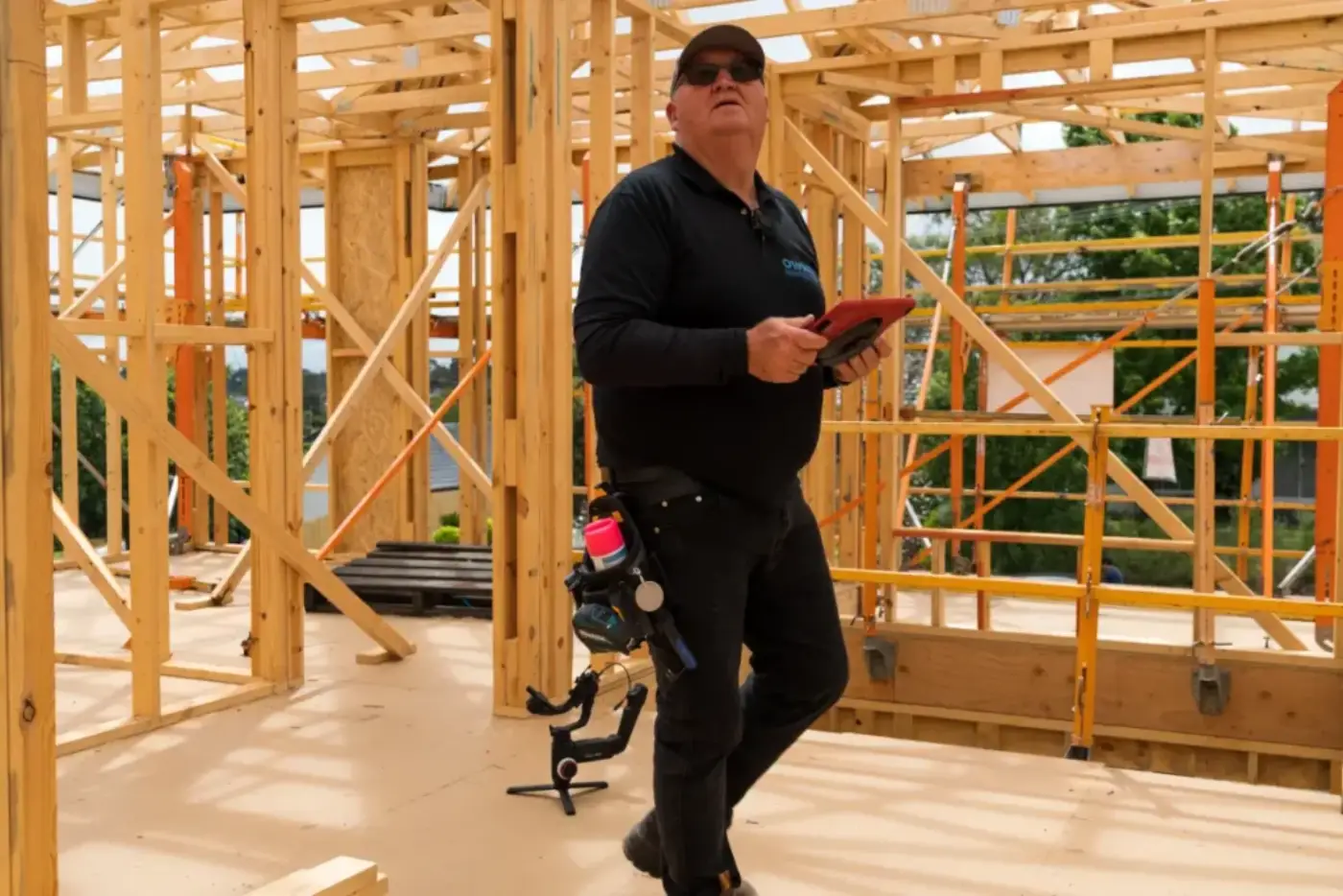
Structural Defect Inspections to Prevent Future Problems
Approximately one in five Australian homes experience structural issues. Learn how structural defect inspections can prevent expensive repairs and ensure safety.
What Does a Building Inspection Cover?
Building inspections serve as a critical investment safeguard, examining structural integrity, electrical systems, plumbing, and more before property purchase.
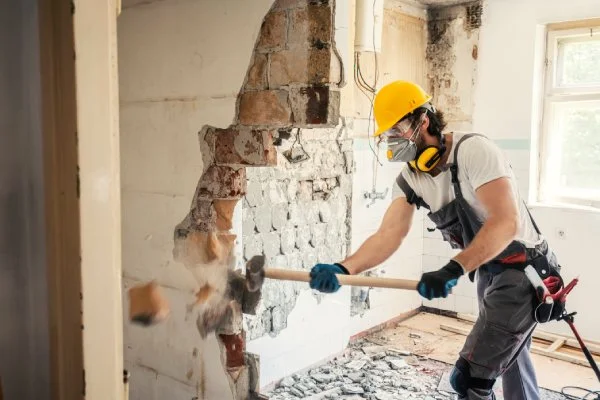
The Most Common Building Defects in Sydney
Sydney's construction boom has exposed systemic problems in building quality. Research shows up to 85% of new apartments contain significant defects, with waterproofing failures and structural issues being most prevalent.
Concerned About Building Defects?
Our licensed building inspectors identify defects across all property types throughout Australia. Book a comprehensive inspection today.