
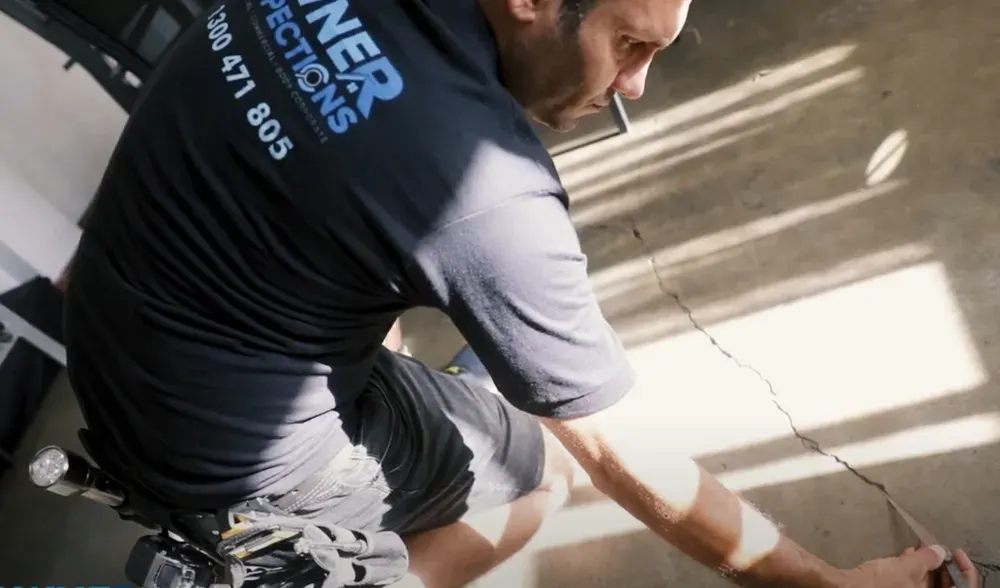
Melbourne's mix of modern high-rises and heritage buildings creates a unique set of challenges for defect investigation. The city's variable climate, strict heritage overlays, and rapid growth mean that building codes play an even larger role in protecting property owners and occupants. Understanding how these codes work helps homeowners, investors, and strata managers know what to expect from an inspection and why compliance matters. For a complete overview, see our guide to building defect investigations.
What Are Building Codes?
Building codes are carefully developed standards that set the minimum requirements for the design, construction, and maintenance of buildings. They cover areas including structural integrity, fire safety, health and amenity, waterproofing, energy efficiency, and accessibility. Their primary purpose is to protect the safety and wellbeing of building occupants and the general public.
In Australia, building codes are not optional guidelines. They are legally enforceable requirements that builders, developers, and property owners must follow. Non-compliance can lead to fines, legal action, rectification orders, and in severe cases, demolition.
The NCC and BCA Explained
Two key frameworks govern construction standards across Melbourne and the rest of Australia:
| Scope | Covers | Administered By | |
|---|---|---|---|
| National Construction Code (NCC) | All building types across Australia | Fire safety, structural adequacy, health and amenity, energy efficiency, accessibility | Australian Building Codes Board (ABCB) |
| BCA Volume One | Large commercial buildings and public structures | Multi-storey buildings, offices, retail, hospitals, schools | ABCB, enforced by state and local authorities |
| BCA Volume Two | Residential properties | Single dwellings, townhouses, low-rise apartments | ABCB, enforced by state and local authorities |
The BCA forms part of the NCC and is the section most relevant to residential building defect investigations. In Victoria, the Victorian Building Authority (VBA) and local councils are responsible for enforcing these standards.
Why Building Codes Matter for Defect Investigations
Building inspectors rely on codes as objective, measurable benchmarks when conducting defect investigations. Without these standards, assessments would be subjective and inconsistent. Here is how codes support the investigation process:
- Standardised inspection criteria: Codes provide measurable benchmarks, making assessments structured and objective rather than based on personal opinion.
- Structural safety assessment: Codes define safety thresholds such as acceptable levels of foundation settlement, load-bearing capacities, and minimum material strengths.
- Identifying non-compliance: Any deviation from code specifications signals a potential construction flaw, allowing inspectors to pinpoint areas of concern with supporting evidence.
- Supporting repairs and maintenance: Code compliance provides clear standards for how defects should be rectified, reducing disputes about the scope and quality of repair work.
- Legal and dispute evidence: A defect investigation report that references specific code breaches carries significant weight in tribunals, courts, and insurance claims.
For more on defect investigation processes, see our guide to construction defect inspections.
Common Code Violations Found in Melbourne
| Code Reference | Common Issue | Risk Level | |
|---|---|---|---|
| Waterproofing Failures | NCC / AS 3740 | Incomplete or failed membrane in wet areas and balconies | High, can cause structural damage and mould |
| Fire Safety Non-Compliance | NCC Volume One | Insufficient fire escape routes, missing fire-rated walls or doors | Critical, life safety risk |
| Electrical Defects | AS/NZS 3000 | Improper wiring, missing safety switches, non-compliant installations | Critical, fire and electrocution risk |
| Structural Inadequacy | NCC / AS 1170 | Undersized footings, inadequate bracing, cracking in load-bearing elements | High, risk of structural failure |
| Insulation and Energy | NCC Section J | Missing or insufficient insulation, poor building envelope performance | Moderate, affects comfort and energy costs |
Melbourne's Unique Challenges
Unpredictable Weather
Melbourne is well known for its variable climate. Structures in the city must withstand hot summers, cold winters, heavy rain, and strong winds, sometimes all in the same week. Building codes set clear standards for weatherproofing, insulation, and ventilation to address these conditions. During defect investigations, inspectors pay close attention to issues like leaks, condensation, poor insulation, and inadequate drainage, which often result from failing to meet weather-related code provisions.
Heritage Building Preservation
Melbourne has a large number of heritage-listed buildings. Maintaining and restoring these properties while meeting modern safety standards requires careful balancing. The building codes include provisions for heritage buildings, allowing certain modifications while making sure safety and performance standards are not compromised. Inspectors working on heritage properties must understand both the heritage overlay requirements and the applicable code standards.
Rapid Growth and High-Density Development
Melbourne's population growth has driven a boom in apartment and high-rise construction. This rapid development has, in some cases, led to quality issues as builders work to meet tight deadlines. Defect investigation in these buildings often reveals code violations related to fire safety, waterproofing, and structural adequacy that could have been prevented with better quality control during construction.
Consequences of Non-Compliance
Failing to meet building code standards has serious consequences for property owners and builders in Melbourne:
- Legal penalties: Property owners and builders may face fines or legal action for code violations. The VBA and local councils conduct audits and can issue rectification notices.
- Safety risks: Ignoring code defects can lead to property damage, injuries, or fatalities. Inadequate fireproofing, substandard electrical work, and failed waterproofing are examples of defects with serious safety implications.
- Decreased property value: Buildings that fail to meet code standards often have lower market value. Buyers commonly request inspection reports and may walk away from non-compliant properties.
- Higher repair costs: Addressing code violations early is far cheaper than dealing with the structural deterioration that results from leaving defects unresolved.
In Victoria, the Domestic Building Contracts Act 1995 provides homeowners with protections including statutory warranties. Builders are required to carry out work in accordance with all relevant building codes and regulations, and homeowners can pursue claims through VCAT if these obligations are not met.
How Inspectors Use Codes During Investigations
A typical defect investigation in Melbourne follows a structured process anchored by building code references:
Review documentation
The inspector reviews building plans, permits, certificates of compliance, and any prior inspection reports. These documents show what the building was approved to be and provide the baseline for comparison.
On-site inspection
The inspector conducts a thorough physical examination of the property, checking structural elements, finishes, services, and safety systems against the relevant NCC and BCA provisions.
Identify code deviations
Any area where the built work does not match the code requirements is documented as a defect or non-compliance issue, with reference to the specific code clause.
Assess severity and risk
Each defect is classified by severity, from minor cosmetic issues to critical structural or safety concerns, based on the code requirements and the risk to occupants.
Produce the investigation report
A detailed report is prepared listing all defects, their code references, photographic evidence, severity ratings, and recommended rectification actions. This report can be used for builder negotiations, tribunal proceedings, or insurance claims.
Key Takeaways
- Building codes, specifically the NCC and BCA, are the benchmarks inspectors use to identify construction defects in Melbourne.
- The Victorian Building Authority (VBA) and local councils enforce building code compliance in Victoria.
- Common code violations in Melbourne include waterproofing failures, fire safety non-compliance, electrical defects, and structural inadequacy.
- Melbourne's variable climate, heritage buildings, and rapid high-density development create unique defect investigation challenges.
- Non-compliance can result in legal penalties, safety risks, decreased property value, and higher long-term repair costs.
- A defect investigation report that references specific code breaches carries significant weight in disputes and legal proceedings.
- Regular inspections every three to five years help catch code violations before they become expensive problems.
Frequently Asked Questions
What happens if a building is found to be non-compliant with building codes in Melbourne?
Non-compliant buildings may receive rectification notices from the VBA or local council, requiring the owner or builder to carry out corrective work within a set timeframe. In serious cases, penalties can include fines, legal action, or orders to partially or fully demolish non-compliant structures. Property owners should address code violations as early as possible to minimise costs and legal exposure.
How often should buildings be inspected for defects in Melbourne?
Regular inspections are recommended every three to five years for residential properties. Commercial buildings and high-risk structures may require more frequent evaluations. Properties should also be inspected before purchase, after severe weather events, and whenever visible signs of defects appear such as cracking, water stains, or uneven floors.
Can older buildings be retrofitted to comply with current building codes?
Yes. Many older and heritage buildings in Melbourne undergo renovations to meet modern safety and efficiency standards. Common retrofit measures include upgrading fire-resistant materials, reinforcing structural elements, improving insulation, and updating electrical and plumbing systems. Heritage buildings may have specific overlay requirements that must be considered alongside current code provisions.
Who enforces building codes in Melbourne?
The Victorian Building Authority (VBA) is the primary regulatory body for building standards in Victoria. Local councils also play a role in enforcement by issuing building permits, conducting inspections, and responding to complaints about non-compliant work. Both entities have the authority to issue notices and penalties for code violations.
How can I make sure my new build is fully compliant with building codes?
Hiring an independent building inspector at each construction stage is the most effective way to confirm compliance. Independent inspectors check the work against the NCC and BCA requirements at stages including slab, frame, lock-up, fixing, and practical completion. This approach catches defects and code violations before they are covered up by subsequent building work.
What is the difference between the NCC and the BCA?
The National Construction Code (NCC) is the overarching framework that covers all building types across Australia. The Building Code of Australia (BCA) is a component of the NCC, divided into Volume One for commercial buildings and Volume Two for residential properties. In practice, the BCA contains the specific technical requirements that inspectors reference during defect investigations.
What are the most common building code violations in Melbourne apartments?
The most common violations in Melbourne apartments include waterproofing failures in bathrooms and balconies, fire safety non-compliance such as missing fire-rated walls or doors, electrical defects including improper wiring, and structural issues like inadequate bracing or undersized footings. These problems are often linked to the rapid pace of apartment construction in the city.
Does a defect investigation report reference specific building code clauses?
Yes. A thorough defect investigation report identifies each defect, references the specific NCC or BCA clause that has been breached, includes photographic evidence, and provides a severity rating with recommended rectification actions. This level of detail makes the report a strong piece of evidence in builder negotiations, VCAT proceedings, and insurance claims.
How does Melbourne's weather affect building defects?
Melbourne's variable climate, with hot summers, cold winters, and frequent rain, places significant stress on buildings. Common weather-related defects include water ingress through roofs and walls, condensation damage, cracking caused by thermal movement, and poor drainage leading to foundation issues. Building codes include specific provisions for weatherproofing and insulation to address these risks.
Can I use a defect investigation report at VCAT?
Yes. Defect investigation reports are commonly used as evidence in VCAT (Victorian Civil and Administrative Tribunal) proceedings for building disputes. Reports that reference specific code breaches and include detailed photographic evidence carry significant weight. In some cases, the inspector who prepared the report may also provide expert witness testimony to support the findings.
References and Resources
- Victorian Building Authority (VBA) - Building regulation and enforcement in Victoria
- Australian Building Codes Board (ABCB) - National Construction Code and building standards
- Domestic Building Contracts Act 1995 (VIC) - Statutory warranties and homeowner protections in Victoria
- VCAT - Building and Property - Dispute resolution for building defects in Victoria
Related Articles
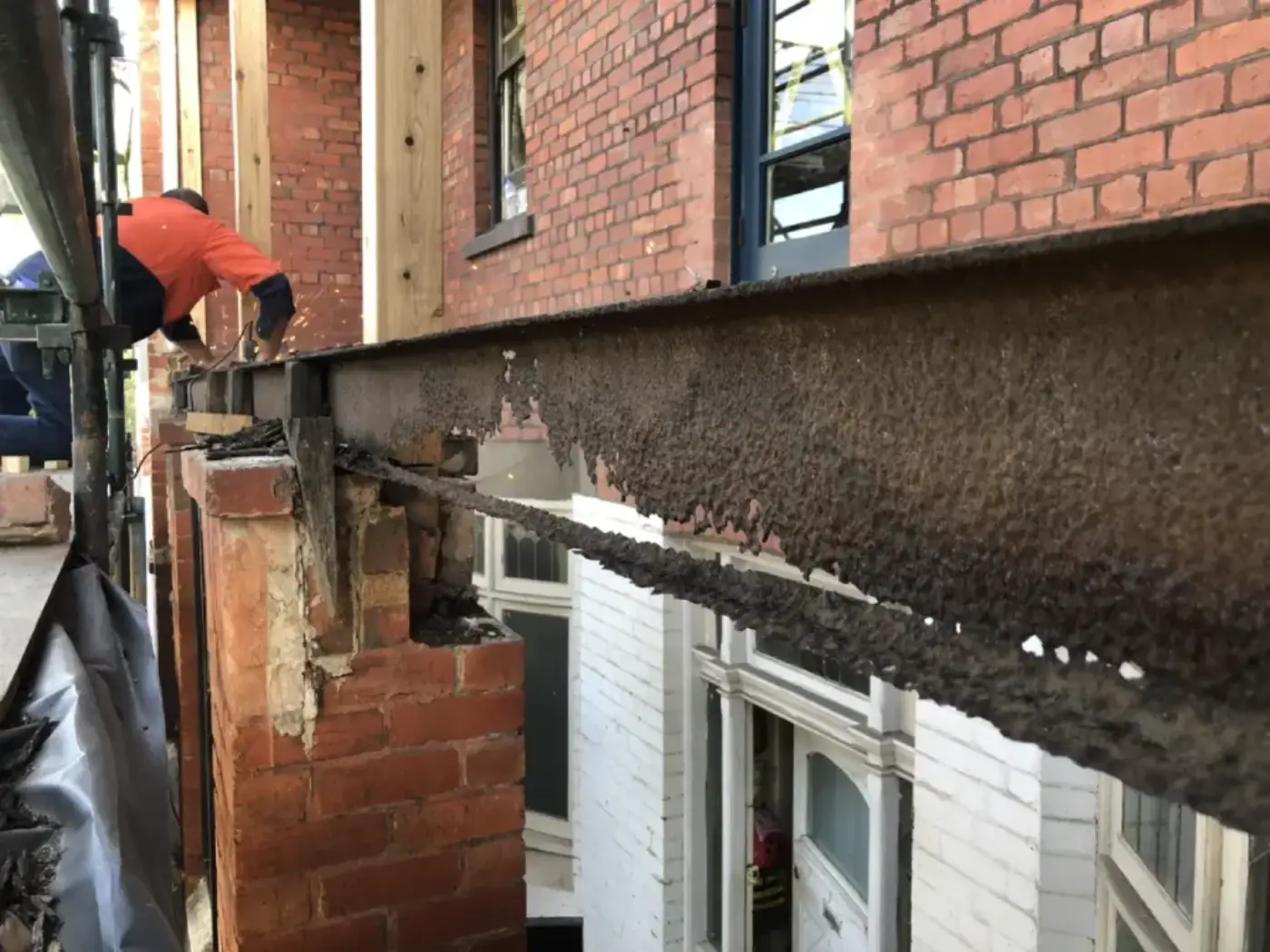
Construction Defect Inspection: Identify and Prevent Issues
Construction defect inspections systematically assess property structure, materials, and workmanship to identify faults and ensure compliance with Australian Building Codes.
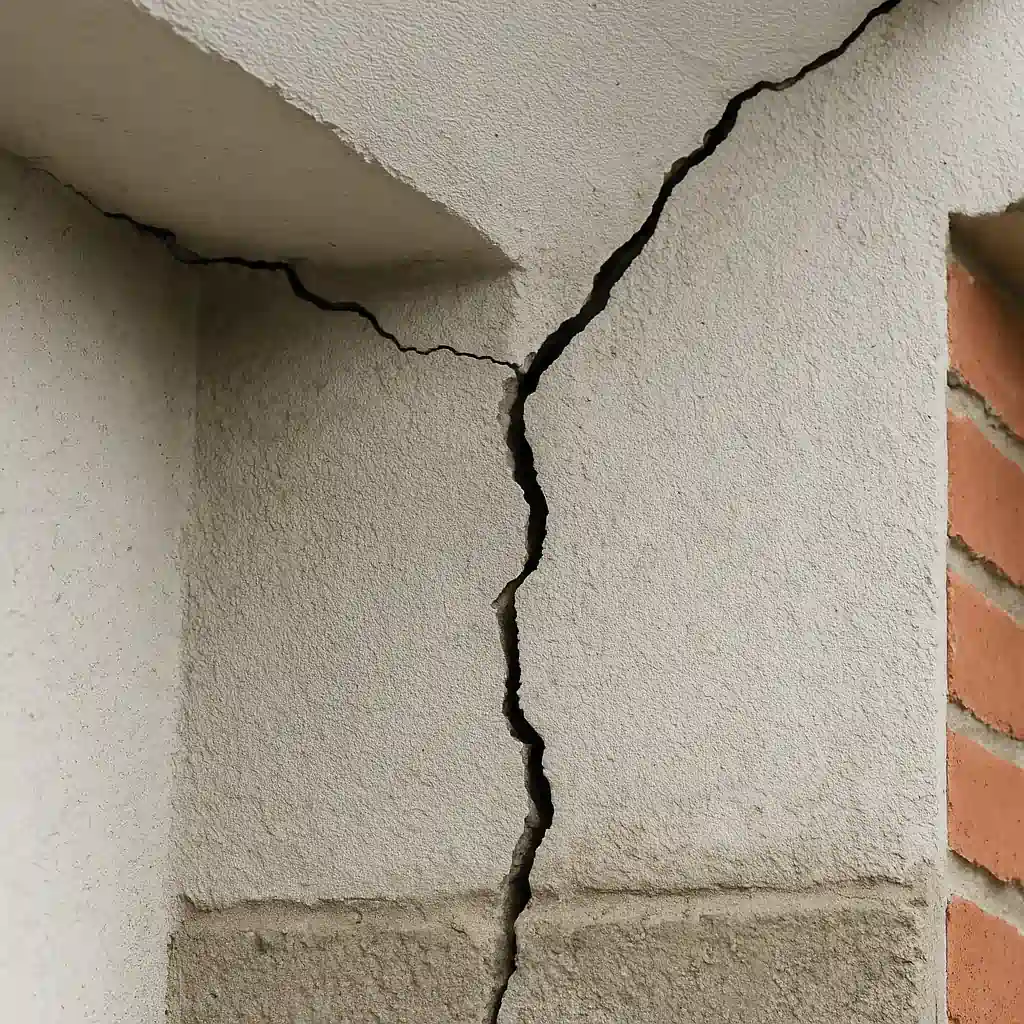
Top Warning Signs of Structural Defects in New Builds
Nearly 70% of newly built Australian homes show major defects. Learn the eight key warning signs of structural issues and how to protect your investment.
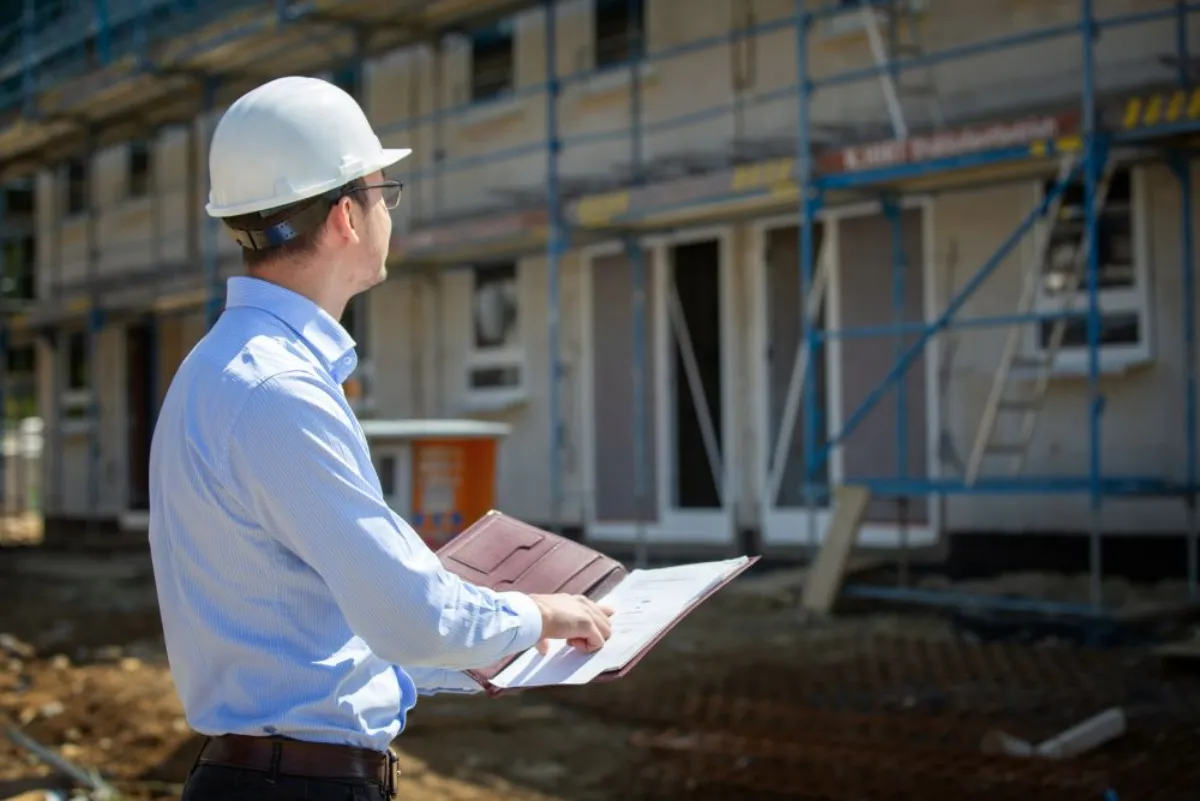
Third-Party Construction Stage Inspections in Melbourne
Third-party construction stage inspections in Melbourne provide independent quality assurance at every build milestone. Learn about key stages, costs, and how to choose an inspector.
Concerned about building defects or code compliance in Melbourne? Owner Inspections provides independent defect investigation reports across Melbourne and greater Victoria. Our licensed inspectors reference specific building code requirements to deliver detailed, evidence-based reports. Get a quote today or call us on 1300 471 805.