
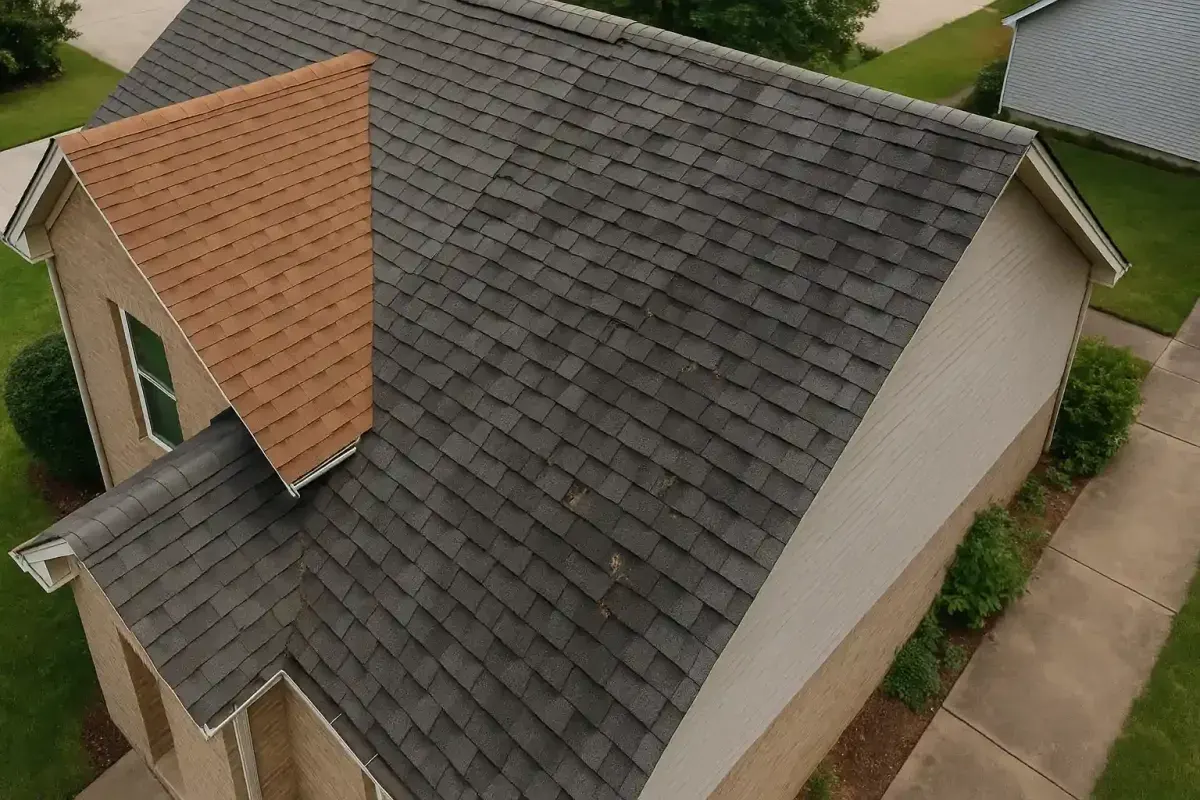
Research by the University of New South Wales found that around 85% of newly built homes in Australia contain at least one defect, and a significant number of those defects are not immediately visible. For property buyers, owners, and investors, the risk of purchasing or living in a building with hidden problems is real and potentially expensive. Repair costs for concealed defects can range from a few thousand dollars for minor waterproofing failures to well over $100,000 for major structural remediation.
This guide breaks down the most common types of hidden building defects in Australian properties, explains how professionals detect them, outlines your legal rights under state and federal legislation, and provides a clear set of steps to protect yourself whether you are buying, building, or maintaining a property. For a complete overview, see our guide to building defect investigations.
What Are Hidden Building Defects?
A hidden building defect is any fault in a property that cannot be seen during a standard visual walkthrough. These defects are concealed behind wall linings, under floor coverings, within roof spaces, behind tiles, or beneath the ground. Unlike visible defects such as cracked plaster or peeling paint, hidden defects require specialist equipment, professional knowledge, or invasive testing to identify.
Hidden defects can exist in both new and older properties. In new builds, they often result from poor workmanship, cost-cutting during construction, or failure to follow the National Construction Code (NCC). In older properties, they develop over time through weathering, ground movement, pest activity, or deterioration of building materials.
Why Visual Inspections Alone Are Not Enough
A standard open home inspection or even a basic building check only covers what is visible and accessible. Waterproofing failures behind shower walls, termite damage inside framing, and corroded pipes inside wall cavities all remain hidden without the right tools and expertise.
The distinction between a hidden defect and a visible defect matters legally. In most Australian states, builders and developers carry liability for hidden defects for longer periods than for visible ones, because the property owner could not reasonably have known about them at the time of purchase or handover.
Most Common Hidden Defects in Australian Properties
Based on inspection data and industry reports, the following defects are among the most frequently found concealed issues in Australian homes and buildings.
Waterproofing Failures
Failed or poorly applied waterproofing membranes are one of the most common hidden defects. They typically occur in wet areas such as bathrooms, laundries, and balconies. Water can seep through failed membranes into the subfloor, wall cavities, and structural timber for months or years before any visible signs appear.
Australian Standard AS 3740 sets out the requirements for waterproofing of domestic wet areas. Non-compliance with this standard is a frequent finding in defect investigations.
Structural Cracking Behind Render or Paint
Structural cracks in brickwork, block walls, or concrete can be concealed by thick render coats, textured paint, or decorative finishes. These cracks may indicate foundation movement, inadequate footings, reactive soil issues, or poor construction practices. Without removal of the surface finish, the true severity of the cracking remains unknown.
Concealed Termite Damage
Termites are active across most of Australia, with Queensland, NSW, and parts of Victoria classified as high-risk zones. Termites feed on timber framing inside wall cavities, roof trusses, and subfloor structures, often causing severe damage before any external signs are visible. Australian Standard AS 4349.3 covers timber pest inspections.
Defective Plumbing and Drainage
Leaking pipes, poorly joined connections, and blocked or broken drains inside walls and under slabs are common hidden defects. These can cause water damage, mould growth, and even structural deterioration over time. Plumbing faults are frequently found during pre-purchase inspections using moisture detection equipment.
Non-Compliant Electrical Work
Wiring that does not meet current Australian standards, unlicensed electrical work, or degraded cabling inside wall cavities creates serious safety hazards. These defects are not visible without opening walls or using thermal imaging to detect hot spots.
Roof Membrane and Sarking Failures
Damaged or missing sarking (the waterproof membrane under roof tiles or sheeting) allows water to enter the roof cavity. Over time, this causes timber rot, mould growth, and insulation damage, all hidden from view unless the roof space is physically inspected.
Inadequate Insulation and Ventilation
Missing or incorrectly installed insulation in wall cavities and roof spaces contributes to moisture buildup, condensation, and mould growth. Poor subfloor ventilation can also lead to rising damp and timber decay. These issues are hidden within enclosed spaces.
| Defect Type | Where Found | Typical Repair Cost |
|---|---|---|
| Waterproofing Failures | Bathrooms, laundries, balconies, flat roofs | $5,000 to $50,000+ |
| Structural Cracking | Foundations, load-bearing walls, concrete slabs | $10,000 to $150,000+ |
| Termite Damage | Wall framing, roof trusses, subfloor bearers | $7,000 to $100,000+ |
| Defective Plumbing | Inside walls, under slabs, within ceiling cavities | $3,000 to $30,000+ |
| Electrical Non-Compliance | Wall cavities, ceiling spaces, switchboards | $2,000 to $20,000+ |
| Roof Membrane Damage | Roof cavity, under tiles or metal sheeting | $4,000 to $25,000+ |
Why Hidden Defects Go Undetected
There are several reasons why hidden defects remain concealed, sometimes for years, before they cause noticeable problems.
- Defects exist behind finished surfaces such as tiles, plasterboard, render, and paint that conceal the underlying structure
- Sellers and developers may apply cosmetic fixes to mask defects before selling a property
- Standard property walkthroughs do not involve specialist equipment or invasive testing
- Some defects, such as slow waterproofing failures, take months or years to produce visible symptoms
- Inadequate supervision during construction allows defects to be covered over before being identified
- DIY renovations by previous owners may conceal substandard work behind new finishes
Important
Cosmetic renovations before a property sale can mask serious underlying defects. Fresh paint over cracked walls, new tiles over failed waterproofing, and carpet over damaged flooring are common examples. Always treat recently renovated wet areas and freshly painted surfaces with extra caution.
How Professionals Detect Hidden Defects
Licensed building inspectors use a combination of visual assessment, specialist equipment, and professional experience to detect defects that are not visible to the untrained eye.
Diagnostic Tools and Methods
Moisture Meters and Sensors
Electronic moisture meters detect elevated moisture levels in walls, floors, and ceilings. High readings behind tiles or near wet areas can indicate waterproofing failure or a leaking pipe, even when no visible damage is present.
Thermal Imaging Cameras
Infrared thermal cameras identify temperature variations in building surfaces. Cold spots can indicate moisture ingress or missing insulation, while hot spots may reveal electrical faults or heating pipe locations.
Timber Pest Detection Equipment
Termite detection devices such as Termatrac use radar and thermal technology to identify termite activity inside wall cavities without needing to open the wall. Sounding (tapping) of timbers also helps identify internal damage.
Roof and Subfloor Access Inspection
Inspectors physically enter roof spaces and subfloor areas where accessible to examine framing, insulation, ventilation, and plumbing. Many defects are only visible from these vantage points.
Drainage and Plumbing Tests
Hydrostatic testing, CCTV drain cameras, and pressure tests can identify blocked, broken, or leaking drainage and plumbing systems concealed within the building.
A comprehensive building inspection following AS 4349.1 includes examination of all accessible areas of the property. However, areas concealed by furniture, stored goods, floor coverings, or locked rooms may limit the scope. The inspection report will clearly document any areas that could not be accessed.
Your Legal Rights and Warranty Periods
Australian law provides property owners with protections against hidden building defects. The specifics vary by state, but all jurisdictions impose minimum warranty and defect liability periods on builders and developers.
Statutory Warranty Periods by State
| State | Major Defects | Minor Defects |
|---|---|---|
| NSW | 6 years from completion | 2 years from completion |
| VIC | 10 years (structural) from occupancy permit | 6 years from occupancy permit |
| QLD | 6 years and 6 months from completion | 6 months to 1 year from completion (depending on defect type) |
| SA | 5 years from completion | 5 years from completion |
| ACT | 6 years from completion | 2 years from completion |
Key Legislation
- Home Building Act 1989 (NSW) sets out warranty requirements, licensing rules, and the Home Building Compensation Fund for residential building work
- Domestic Building Contracts Act 1995 (VIC) provides implied warranties covering structural soundness, suitability for purpose, and compliance with building standards
- Queensland Building and Construction Commission Act 1991 (QLD) requires builders to hold insurance and meet defect rectification obligations through the QBCC
- Building Work Contractors Act 1995 (SA) establishes builder obligations and consumer protections for residential building work in South Australia
- Building Act 2004 (ACT) governs building standards, approvals, and builder accountability in the Australian Capital Territory
Tip
If you discover a hidden defect in a property that is still within the statutory warranty period, document it thoroughly with photos and written descriptions, then notify the builder in writing. Keep records of all correspondence. If the builder does not respond or refuses to rectify the defect, contact your state's building regulator or fair trading body.
Consumer Rights for Existing Property Purchases
When purchasing an existing property, the statutory builder warranties may have expired. However, buyers still have some protections:
- Under Australian Consumer Law, sellers must not engage in misleading or deceptive conduct, such as actively concealing defects
- In some states, vendors must disclose known material defects on the vendor disclosure statement
- A pre-purchase building inspection gives buyers the evidence needed to negotiate on price or withdraw from the purchase
- Strata reports for apartments and units can reveal building-wide defect issues and planned remediation works
Steps to Protect Yourself from Hidden Defects
Whether you are buying, building, or maintaining a property, there are practical steps you can take to reduce the risk of hidden defects causing financial loss.
Before Buying a Property
During New Home Construction
For Current Property Owners
Hidden Defects in New Builds vs Older Properties
The types of hidden defects and their causes differ between newly constructed properties and older homes.
Pros
- Waterproofing not installed to AS 3740 standards
- Insufficient or missing structural steel connections
- Poor-quality framing concealed behind plasterboard
- Non-compliant fire separation in multi-unit buildings
- Inadequate site drainage causing future water ingress
Cons
- Termite damage accumulated over years inside wall cavities
- Asbestos-containing materials concealed behind later renovations
- Corroded galvanised plumbing and degraded electrical wiring
- Foundation movement from reactive clay soils over decades
- Rising damp from failed or non-existent damp-proof courses
In new builds, hidden defects are often the result of construction shortcuts, inadequate site supervision, or pressure to meet tight project timelines. The rapid pace of residential construction during boom periods has been linked to higher defect rates across multiple Australian studies.
In older properties, defects develop gradually through weathering, soil movement, material degradation, and the cumulative effects of poor or deferred maintenance. Properties built before 1990 may also contain hazardous materials such as asbestos, which are concealed within wall cavities, eaves, and floor sheeting.
Cost of Ignoring Hidden Defects
Failing to identify and address hidden defects early leads to higher repair costs, lower property values, and in some cases, safety hazards for occupants.
$100,000+
Average cost to remediate major structural defects in Australian homes
85%
Percentage of new Australian homes found to have at least one defect
$1.5B+
Annual cost of waterproofing failures in Australian residential buildings
6 to 10 years
Statutory warranty period for major structural defects (varies by state)
Early detection through professional inspections is far less expensive than the cost of remediation once a defect has progressed. A pre-purchase inspection typically costs between $400 and $800, while a comprehensive defect investigation for an existing property ranges from $500 to $2,000 depending on the scope and property size. Compare this to the tens of thousands of dollars required to repair structural cracking, replace failed waterproofing, or treat extensive termite damage.
Real-World Example
In a documented case in Sydney, a buyer purchased an apartment where the bathroom had been recently retiled. Within 18 months, water damage appeared in the unit below. Investigation revealed that the waterproofing membrane had failed years earlier and was never replaced during the renovation. The remediation cost exceeded $45,000 and involved removing all tiles, replacing the membrane, and repairing water-damaged framing and plasterboard in both units.
When to Book a Building Inspection
Knowing when to arrange a professional inspection is just as important as knowing what to look for.
- Before purchasing any residential or commercial property, arrange a pre-purchase building and pest inspection
- During new home construction, book independent stage inspections at each construction milestone
- Before the warranty period expires on a new home, commission a defect inspection to document any issues while the builder is still liable
- After severe weather events such as storms, floods, or prolonged heavy rain that may have caused concealed damage
- If you notice warning signs such as musty smells, unexplained moisture, new cracks, or doors and windows that stick
- Every 3 to 5 years as a routine property health check for existing homeowners
- Before renovating, to identify existing hidden defects that could affect the scope and cost of renovation work
Caution
Do not rely solely on a seller's assurance that a property is in good condition. Even honest sellers may be unaware of hidden defects. An independent inspection by a licensed professional provides objective evidence of the property's true condition.
Key Takeaways
- Hidden building defects are concealed faults that cannot be seen during a standard visual walkthrough and require professional inspection to detect.
- The most common hidden defects include waterproofing failures, structural cracking behind render, concealed termite damage, defective plumbing, and non-compliant electrical work.
- Licensed building inspectors use moisture meters, thermal imaging, pest detection devices, and physical access inspections to identify concealed problems.
- Australian statutory warranty periods for major structural defects range from 5 to 10 years depending on the state, giving owners legal recourse against builders.
- A pre-purchase building inspection costing $400 to $800 can prevent tens of thousands of dollars in unexpected repair costs after settlement.
- New builds and older properties both carry risk of hidden defects, though the causes and types of defects differ.
- Regular maintenance inspections every 3 to 5 years and annual pest inspections are the most effective long-term protection strategies.
- Always document hidden defects with photos and written reports, and notify builders in writing while the property is still within the warranty period.
Frequently Asked Questions
What is a hidden building defect?
A hidden building defect is a fault in a property's construction or condition that cannot be seen during a normal visual inspection. These defects are concealed behind walls, under floors, inside roof spaces, or within structural elements.
Common examples include failed waterproofing membranes behind tiles, termite damage inside wall framing, cracked foundations hidden by render, and leaking pipes inside wall cavities. Because they are not visible, hidden defects often go undetected until they cause noticeable damage such as water staining, mould growth, or structural movement. Professional building inspectors use specialist equipment including moisture meters, thermal imaging cameras, and pest detection devices to identify these defects before they become major problems.
How can I detect hidden defects before buying a property in Australia?
The most effective way to detect hidden defects before buying a property is to commission a pre-purchase building inspection from a licensed building inspector.
The inspection follows Australian Standard AS 4349.1 and covers all accessible areas of the property including the roof space, subfloor, wet areas, exterior cladding, and structural elements. Inspectors use moisture meters to check for concealed water damage, thermal cameras to identify insulation gaps and moisture behind walls, and pest detection equipment to check for termite activity. You should also request a combined building and timber pest inspection, review the strata report for apartments, and check council records for any unapproved building work.
What are the most common hidden defects in Australian homes?
The most frequently found hidden defects in Australian homes include waterproofing failures in bathrooms and balconies, structural cracking concealed by render or paint, termite damage inside wall cavities, defective plumbing within wall linings, non-compliant electrical wiring, and damaged or missing roof sarking.
Waterproofing failures are particularly common and can remain undetected for years before causing visible water damage. Termite damage is a major concern in Queensland, NSW, and parts of Victoria where termite activity is highest. Structural cracking caused by reactive soils or poor foundations is another widespread issue, especially in areas with expansive clay soils.
How much does it cost to fix hidden building defects?
Repair costs for hidden building defects vary widely depending on the type and severity of the defect.
Waterproofing remediation in a bathroom typically costs between $5,000 and $50,000 depending on the extent of damage and the number of areas affected. Structural cracking repairs can range from $10,000 to over $150,000 for severe foundation problems. Termite damage repair costs between $7,000 and $100,000 depending on the extent of timber replacement required. Defective plumbing repairs generally fall between $3,000 and $30,000. In contrast, a pre-purchase building inspection costs $400 to $800 and can identify these issues before they become your financial responsibility.
What is the warranty period for hidden defects on a new home in NSW?
In NSW, the Home Building Act 1989 provides a statutory warranty period of 6 years for major defects and 2 years for minor defects from the date of completion of the building work.
A major defect is defined as a defect in a major element of a building that is attributable to defective design, defective or faulty workmanship, or defective materials. Major elements include internal or external load-bearing components, fire safety systems, and waterproofing. If you discover a hidden major defect within the 6-year period, the builder is legally obligated to rectify it. Claims can be lodged through NSW Fair Trading if the builder fails to respond.
Can a seller be held liable for hiding building defects?
Yes. Under Australian Consumer Law, a seller must not engage in misleading or deceptive conduct. If a seller actively conceals or disguises known defects to mislead a buyer, they may be held liable.
However, proving that a seller knew about a defect and deliberately concealed it can be difficult. This is why a pre-purchase building inspection is so important. It provides independent evidence of the property's condition at the time of purchase. In some states, vendor disclosure requirements also apply, meaning sellers must declare known material defects. If a seller provided a false or incomplete disclosure, the buyer may have grounds for legal action.
Do building inspectors check inside walls for hidden defects?
Standard building inspections under AS 4349.1 are visual and non-invasive, meaning inspectors do not open walls, remove linings, or carry out destructive testing.
However, licensed inspectors use non-invasive diagnostic tools to detect issues behind surfaces. Moisture meters measure dampness levels inside walls without cutting them open. Thermal imaging cameras reveal temperature differences that indicate moisture, missing insulation, or electrical faults behind plasterboard. Termite detection devices can identify pest activity inside wall cavities using radar and thermal sensing technology. If these tools indicate a potential hidden defect, the inspector will recommend further invasive investigation by a specialist.
Should I get a building inspection for a new home before the warranty expires?
Yes, this is strongly recommended. Booking a comprehensive defect inspection before your statutory warranty period expires gives you the opportunity to identify and document any hidden defects while the builder is still legally responsible for rectification.
Many defects, particularly waterproofing failures and foundation movement, develop gradually and may not become apparent until several years after construction. Scheduling an inspection at the 12-month mark and again before the warranty expiry date ensures that defects are caught and reported in time. The inspection report serves as formal evidence if you need to lodge a defect claim with the builder or your state's building regulator.
What tools do building inspectors use to find hidden defects?
Licensed building inspectors use a range of specialist diagnostic tools to detect hidden defects without needing to open or damage building surfaces.
The most common tools include electronic moisture meters that measure dampness levels in walls, floors, and ceilings; infrared thermal imaging cameras that detect temperature differences caused by moisture, insulation gaps, or electrical faults; Termatrac and similar radar-based devices that identify termite activity inside wall cavities; and borescopes (small cameras) that can be inserted through small openings to view concealed areas. For drainage investigations, CCTV cameras are used to inspect pipes and drains below ground. These tools allow inspectors to identify problems that would otherwise remain hidden until visible damage occurs.
How often should I have my property inspected for hidden defects?
For existing homeowners, a professional building inspection every 3 to 5 years is recommended as a general property health check. Annual timber pest inspections are advised in areas with high termite risk, including most of Queensland, NSW, and parts of Victoria and South Australia.
You should also arrange an inspection after any severe weather event such as a storm, flood, or prolonged heavy rain; if you notice warning signs like musty smells, new cracks, sticking doors, or unexplained moisture; before undertaking major renovations; and before the statutory warranty period on a new build expires. Regular inspections catch developing defects at an early stage when repair costs are lower and before they affect the structural integrity or safety of the property.
Are hidden defects covered by home insurance in Australia?
Standard home insurance in Australia typically does not cover the cost of repairing hidden building defects that result from poor workmanship, gradual deterioration, wear and tear, or lack of maintenance.
Insurance generally covers sudden and accidental damage from events such as storms, fire, or burst pipes, but not defects that develop over time. For example, if a pipe bursts suddenly and causes water damage, your insurer may cover the water damage repair, but not the replacement of the defective pipe itself if it failed due to age or corrosion. Builder warranty insurance and statutory warranties are the primary protections for construction-related hidden defects. Always review your insurance policy's Product Disclosure Statement for specific inclusions and exclusions.
What should I do if I find a hidden defect after buying a property?
If you discover a hidden defect after purchasing a property, take the following steps: document the defect thoroughly with photos and video, engage a licensed building inspector to assess and report on the defect, determine whether the property is still within the statutory warranty period, and if so, notify the builder in writing with a copy of the inspection report.
If the builder does not respond or refuses to rectify the defect, lodge a complaint with your state's building regulator such as NSW Fair Trading, VBA (Victoria), or QBCC (Queensland). If the defect was deliberately concealed by the seller, you may have grounds for legal action under Australian Consumer Law. Keep all records of communication, reports, and receipts as evidence.
References and Resources
- NSW Fair Trading - Home Building Compensation Fund - NSW Government guidance on building warranties and defect claims
- Victorian Building Authority (VBA) - Regulatory body for building practitioners and standards in Victoria
- Queensland Building and Construction Commission (QBCC) - Queensland regulator for building defect complaints and builder licensing
- Australian Standard AS 4349.1 - Standards Australia reference for pre-purchase building inspections
- National Construction Code (NCC) - Australian Building Codes Board standards for construction compliance
- CSIRO - Termite Management - Scientific research on termite species and building protection methods in Australia
Related Articles

Pre-Purchase Inspection Checklist for Buyers
A pre-purchase inspection checklist helps buyers assess property condition before committing. Covers structural, electrical, plumbing, roofing, and pest checks.

Australia's Top 10 Most Common Building Defects
Building defects remain one of the biggest concerns for Australian property owners and buyers. From water leaks and waterproofing failures to building movement and subsidence, these are the ten most common defects found during professional building inspections across the country.

Waterproofing Inspections: Prevent Water Damage and Save Costs
Waterproofing inspections are one of the most effective ways to protect your property from water damage. By identifying vulnerabilities early, you can avoid costly repairs, prevent mould growth, and maintain the structural integrity of your building. This guide covers the benefits, what to expect, and how to find a qualified inspector.
Concerned about hidden defects in a property you are buying or own? Owner Inspections provides comprehensive building inspections using advanced diagnostic tools including moisture meters, thermal imaging, and pest detection equipment. Our licensed inspectors deliver detailed reports that identify concealed defects and give you the evidence you need to make informed decisions. Get a quote today or call us on 1300 471 805.