
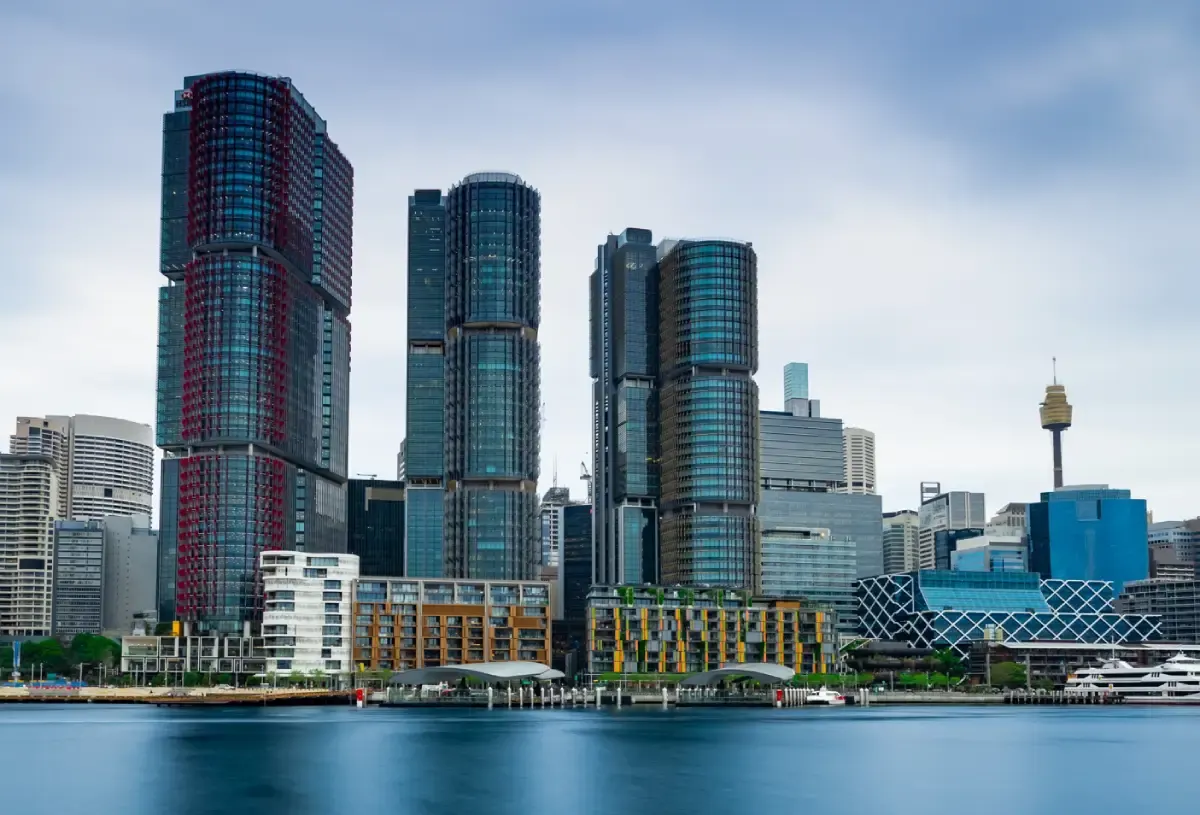
Plumbing defects are among the most common issues found in Australian homes, both new builds and older properties. A single undetected leak behind a wall or under a slab can cause mould growth within 48 hours, rot structural timber, and drive water bills up by hundreds of dollars per quarter. For homebuyers, investors, and property managers, a plumbing defect inspection provides the evidence needed to make informed decisions, request repairs, or negotiate on price before settlement. For a complete overview, see our guide to building defect investigations.
Common Plumbing Defects Found in Australian Properties
Plumbing issues range from minor drips to serious structural threats. Understanding the most frequent defects helps homeowners and buyers know what to look for and when to call in a professional.
Leaks in Water Supply Pipes
Leaks in supply pipes are often caused by poor installation, corroded joints, shifting foundations, or high water pressure. Even a small, slow leak behind a wall can weaken timber framing, cause plasterboard to deteriorate, and create the perfect conditions for mould. The warning signs include water stains on ceilings or walls, musty odours, and a sudden increase in water bills.
Inspectors use thermal imageing cameras to detect temperature differences caused by moisture behind walls, acoustic leak detectors to pinpoint leaks by sound, and moisture meters to measure dampness levels in building materials.
Pipe Corrosion and Rust
Older Australian homes fitted with galvanised steel or cast iron pipes are particularly vulnerable to internal corrosion. As pipes corrode from the inside, they release rust particles into the water supply, reduce water flow, and eventually develop pinhole leaks or full ruptures. Discoloured water from taps, a metallic taste, or persistent leaks at pipe joints are common indicators.
During inspections, the assessor evaluates pipe material, age, and remaining service life. In many cases, corroded galvanised pipes need to be replaced with modern copper or PEX (cross-linked polyethylene) piping to meet current standards.
Clogged or Slow Drains
Recurring drainage problems often signal deeper issues within the plumbing system. Grease buildup, hair, foreign objects, and tree root intrusion into sewer lines are the most common causes. While a slow drain may seem like a minor annoyance, it can lead to complete blockages, wastewater backups, and serious health hazards.
CCTV drain cameras allow inspectors to visually examine the interior condition of drain lines without any need for excavation. This technology identifies cracks, root penetration, bellied pipe sections, and material buildup that restrict flow.
Faulty Installations and Non-Compliant Work
Plumbing work that does not meet the Plumbing Code of Australia or AS/NZS 3500 creates ongoing risks. Common installation faults include incorrect pipe gradients that prevent proper drainage, missing or damaged backflow prevention devices, cross-connections between potable and non-potable water supplies, and inadequate joint sealing.
DIY plumbing repairs are a frequent source of non-compliant work, particularly in older homes. In Australia, all plumbing work beyond basic maintenance must be carried out by a licensed plumber.
Unlicensed plumbing work is illegal in every Australian state and territory. If non-compliant work is found during an inspection, the property owner may be liable for rectification costs and potential fines.
Waterproofing Failures in Wet Areas
Bathrooms, laundries, and shower recesses require waterproofing membranes that comply with AS 3740. When these membranes fail or were never installed correctly, water seeps into the substrate, wall cavities, and adjoining rooms. Signs of waterproofing failure include lifting tiles, grout deterioration, bubbling paint on adjacent walls, and musty smells near wet areas.
How Hidden Water Issues Affect Different Stakeholders
Plumbing defects affect everyone involved in property ownership and transactions, but the consequences vary depending on your role.
| Primary Risk | How an Inspection Helps | |
|---|---|---|
| Homebuyers | Purchasing a property with undetected plumbing faults that require expensive post-settlement repairs | Identifies defects before purchase, providing leverage to negotiate price reductions or require repairs as a condition of sale |
| Homeowners | Gradual water damage to structural elements, rising water bills, and mould-related health concerns | Detects problems early, allowing targeted repairs before minor issues become major failures |
| Property Investors | Reduced rental returns, tenant complaints, and liability for water damage to tenants' belongings | Supports proactive maintenance planning and protects the long-term value of the asset |
| Builders and Developers | Compliance penalties, defect liability claims during the warranty period, and reputational damage | Confirms plumbing work meets PCA and AS/NZS 3500 requirements before handover |
| Strata Managers | Water damage affecting common property and multiple lots, leading to large-scale repair costs | Identifies shared plumbing issues early, allowing the owners corporation to budget and plan repairs |
The Plumbing Inspection Process
A professional plumbing defect inspection follows a structured approach to evaluate every part of the property's plumbing system. Here is what the process typically involves.
Visual assessment of all accessible plumbing
The inspector examines all visible pipes, joints, valves, fixtures, and appliances throughout the property. This includes checking under sinks, behind toilets, around water heaters, and in accessible roof and subfloor spaces.
Water pressure and flow testing
Pressure gauges are used to measure supply pressure at multiple points. Consistent pressure is needed for appliances and fixtures to work properly. Abnormal readings can indicate blockages, leaks, or issues with the mains connection.
Leak detection using specialist equipment
Thermal imageing cameras reveal moisture hidden behind walls and under floors. Acoustic leak detectors pick up the sound of water escaping from pressurised pipes. Moisture meters measure dampness levels in building materials surrounding plumbing.
CCTV drain camera inspection
A small, waterproof camera is fed through the drainage system to inspect the internal condition of sewer lines and stormwater pipes. This identifies root intrusion, cracks, collapsed sections, and buildup without excavation.
Water heater assessment
The inspector evaluates the hot water system for corrosion, leaks, faulty thermostats, sediment buildup, and remaining service life. Both storage and instantaneous systems are checked for safety and efficiency.
Compliance and code verification
All plumbing work is assessed against the Plumbing Code of Australia and AS/NZS 3500. This includes checking backflow prevention devices, correct pipe materials, adequate ventilation, and proper fixture connections.
The inspection is non-invasive. Inspectors do not open walls or floors. They rely on specialist detection equipment to identify problems without causing damage to the property.
What a Plumbing Defect Report Includes
After the inspection, you receive a detailed written report. This document is your record of the property's plumbing condition and serves as evidence for negotiations, insurance claims, or warranty disputes.
- A summary of all identified defects, with each issue categorised by severity (minor, moderate, major, or safety hazard)
- Photographic and video evidence showing the location and extent of each problem
- CCTV footage and screenshots from drain camera inspections
- Thermal imageing captures highlighting areas of hidden moisture
- Compliance assessment against the Plumbing Code of Australia and AS/NZS 3500
- Repair recommendations with estimated costs and urgency ratings
- Maintenance advice to extend the life of the plumbing system
A well-prepared report gives homebuyers the information they need to make an informed purchase decision, provides builders with evidence of code compliance, and gives property managers a clear maintenance roadmap.
Plumbing Defect Severity Levels
Not all plumbing defects carry the same level of risk. Inspectors classify issues by severity to help property owners prioritise repairs.
| Description | Examples | Action Required | |
|---|---|---|---|
| Minor | Cosmetic or low-impact issues that do not affect function or safety | Dripping tap washers, minor discolouration of fixtures, small grout cracks around basin connections | Schedule repairs during routine maintenance |
| Moderate | Functional issues that could worsen if left unaddressed | Slow drains, reduced water pressure in specific fixtures, early-stage corrosion in accessible pipes | Repair within 1 to 3 months |
| Major | Significant defects that affect the plumbing system's performance or the building's structure | Active leaks behind walls, root intrusion in sewer lines, failed waterproofing membranes, non-compliant backflow devices | Repair as soon as possible, within days to weeks |
| Safety Hazard | Defects posing an immediate risk to occupants' health or safety | Cross-connections contaminating drinking water, sewage backflow into habitable areas, gas water heater venting failures | Immediate action required, engage a licensed plumber without delay |
How to Prevent Major Plumbing Failures
Proactive maintenance reduces repair costs and extends the life of your plumbing system. These practices apply to all property types across Australia.
Under the Home Building Act 1989 (NSW), the statutory warranty period for plumbing defects in new residential construction is six years for major defects and two years for minor defects. Similar warranty periods apply in Victoria under the Domestic Building Contracts Act 1995 and in Queensland under the Queensland Building and Construction Commission Act 1991.
Choosing a Qualified Plumbing Inspector
The quality of your inspection depends on the qualifications and experience of the person conducting it. Here is what to look for.
- Confirm the inspector holds a current building inspection licence in the relevant state or territory
- Check that they carry professional indemnity insurance and public liability insurance
- Ask about the detection equipment they use, including thermal imageing cameras, acoustic leak detectors, moisture meters, and CCTV drain cameras
- Request a sample report to verify it includes photographs, compliance assessments, and clear repair recommendations
- Look for inspectors with specific experience in the type of property being assessed, whether residential, commercial, or strata
- Confirm the report will reference the Plumbing Code of Australia and AS/NZS 3500 where applicable
Key Takeaways
- A plumbing defect inspection detects hidden leaks, pipe corrosion, drainage faults, and non-compliant installations using specialist equipment.
- All plumbing work in Australia must comply with the Plumbing Code of Australia and AS/NZS 3500, and inspections verify this compliance.
- Common defects include leaking supply pipes, corroded galvanised or cast iron pipes, blocked drains from tree root intrusion, faulty installations, and waterproofing failures.
- Inspectors use thermal imageing, acoustic detectors, moisture meters, and CCTV drain cameras to find problems that are not visible to the eye.
- A detailed plumbing report provides photographic evidence, severity ratings, compliance assessments, and costed repair recommendations.
- Annual plumbing inspections help prevent minor issues from becoming costly structural damage or health hazards.
- For homebuyers, a plumbing inspection before purchase provides evidence to negotiate repairs or a price reduction.
- Statutory warranty periods for plumbing defects in new builds range from two to six years depending on severity and state legislation.
Frequently Asked Questions
What is a plumbing defect inspection?
A plumbing defect inspection is a professional assessment of a property's water supply, drainage, and waste systems. The inspector examines all accessible plumbing components, uses specialist detection equipment to find hidden issues, and produces a report detailing any defects found, their severity, and recommended repairs. The inspection covers pipes, joints, valves, fixtures, water heaters, drainage lines, and waterproofing in wet areas.
How much does a plumbing defect inspection cost in Australia?
The cost of a plumbing defect inspection in Australia typically ranges from $300 to $800, depending on the property's size, age, and the scope of work required. CCTV drain camera inspections may be quoted separately or included as part of a comprehensive package. Properties with complex plumbing systems, such as multi-storey homes or commercial buildings, may cost more. Always request a written quote before booking.
How can I tell if my home has hidden plumbing problems?
Several warning signs suggest hidden plumbing issues. These include unexplained increases in water bills, water stains or damp patches on walls and ceilings, musty odours indicating mould growth, slow or gurgling drains, low water pressure, discoloured water from taps, and cracking or bubbling paint near wet areas. If you notice any of these signs, booking a professional plumbing inspection is the best next step.
How often should a plumbing inspection be carried out?
For residential properties, a plumbing inspection should be carried out at least once every 12 months. Older homes, properties with known plumbing issues, and buildings with mature trees near sewer lines may benefit from inspections every 6 to 12 months. Commercial properties should be inspected more frequently, often every 6 months, depending on usage and the complexity of the plumbing system.
Can plumbing defects affect my property's resale value?
Yes. Unresolved plumbing defects can significantly reduce a property's market value. Buyers who discover issues through their own pre-purchase inspection will likely negotiate a lower price or request that defects be fixed before settlement. In some cases, serious plumbing problems can prevent a sale entirely. Having a recent plumbing inspection report showing a well-maintained system gives buyers confidence and supports your asking price.
What equipment do plumbing inspectors use to find hidden leaks?
Professional plumbing inspectors use a range of specialist tools. Thermal imageing cameras detect temperature variations caused by moisture behind walls and under floors. Acoustic leak detectors amplify the sound of water escaping from pressurised pipes. Moisture meters measure dampness levels in building materials. CCTV drain cameras are fed into pipes to visually inspect the internal condition of drainage and sewer lines without excavation.
What is included in a plumbing defect report?
A plumbing defect report includes a detailed description of every defect found, categorised by severity. It contains photographic and video evidence, thermal imageing captures, CCTV drain footage, a compliance assessment against the Plumbing Code of Australia and AS/NZS 3500, repair recommendations with estimated costs, and maintenance advice. The report serves as a record for negotiations, warranty claims, and future maintenance planning.
Are plumbing inspection reports required when buying a home in Australia?
Plumbing inspection reports are not legally required for property sales in most Australian states and territories. However, they are strongly recommended for buyers. A plumbing report gives you a clear picture of the property's plumbing condition before you commit. It can reveal defects that a standard building inspection may not cover in depth, helping you avoid unexpected repair costs after settlement.
What Australian standards apply to plumbing inspections?
Plumbing work in Australia is governed by the Plumbing Code of Australia (PCA), which forms Volume Three of the National Construction Code (NCC). The primary technical standard is AS/NZS 3500, which covers water supply, sanitary plumbing, drainage, stormwater, and heated water services. Waterproofing in wet areas must comply with AS 3740. Each state and territory also has its own plumbing regulations administered by bodies such as NSW Fair Trading, the Victorian Building Authority (VBA), and the Queensland Building and Construction Commission (QBCC).
What should I do if a plumbing defect is found during an inspection?
The action depends on the severity. Minor defects such as dripping taps can be scheduled into routine maintenance. Moderate issues like slow drains or early-stage corrosion should be repaired within one to three months. Major defects, including active leaks or non-compliant installations, require prompt attention from a licensed plumber. Safety hazards such as cross-contamination of drinking water or sewage backflow need immediate professional repair.
Can a plumbing inspection detect tree root intrusion in sewer pipes?
Yes. CCTV drain camera inspections are specifically designed to detect tree root intrusion, which is one of the most common causes of sewer line blockages in Australian properties. The camera is inserted into the pipe and provides real-time video footage showing root penetration, pipe cracks, and structural damage. This information allows the inspector to recommend targeted repair methods such as root cutting, pipe relining, or section replacement.
How long does a plumbing defect inspection take?
A standard residential plumbing defect inspection typically takes between two and four hours, depending on the property size, the number of bathrooms and wet areas, and whether a CCTV drain inspection is included. Larger properties, multi-level homes, and commercial buildings may require additional time. The written report is usually delivered within two to five business days after the inspection.
References and Resources
- Plumbing Code of Australia (PCA), National Construction Code Volume Three - Australian Building Codes Board
- AS/NZS 3500 Plumbing and Drainage Standards - Standards Australia
- NSW Fair Trading, Home Building Compensation Fund - NSW Government
- Victorian Building Authority (VBA), Plumbing Regulations - Victorian Government
- Queensland Building and Construction Commission (QBCC) - Queensland Government
- AS 3740 Waterproofing of Domestic Wet Areas - Standards Australia
Related Articles
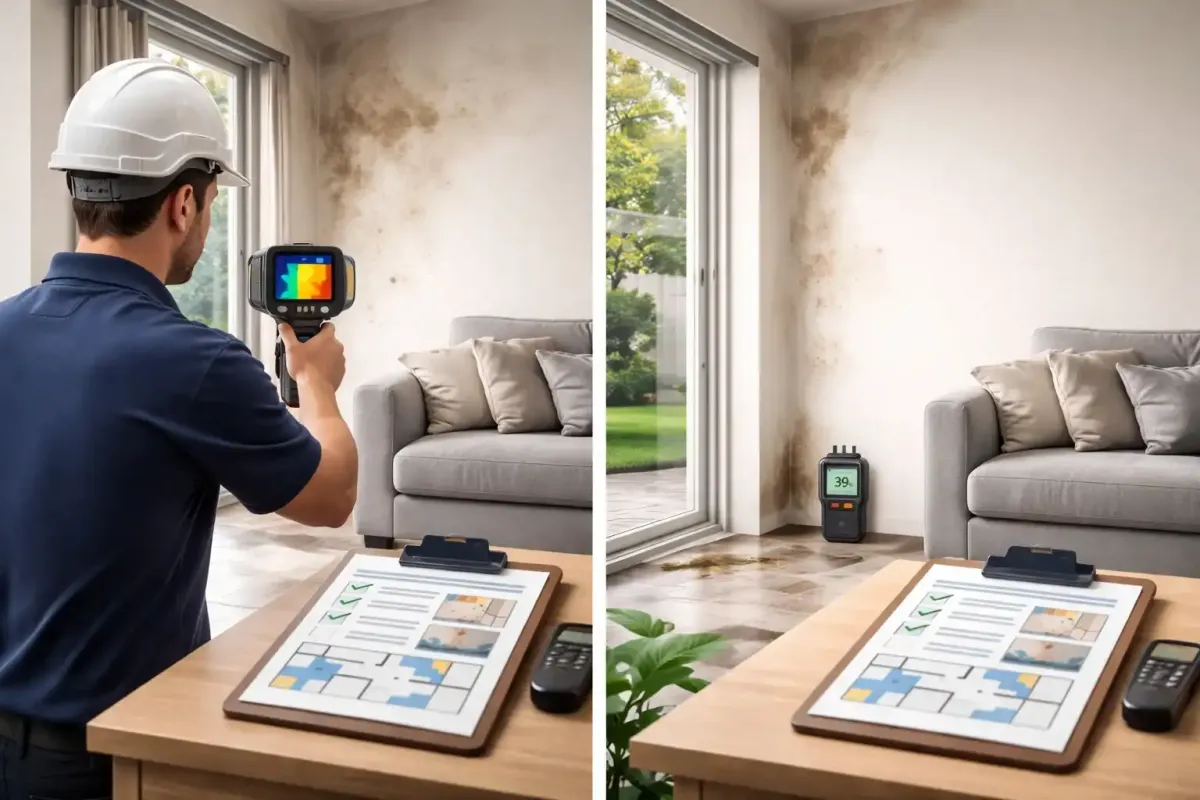
Water Damage Inspection Report to Protect Your Property
A water damage inspection report identifies the source, extent, and severity of water damage in a property. This guide covers what the report includes, common causes of water damage in Australian homes, inspection methods, and steps to prevent future damage.
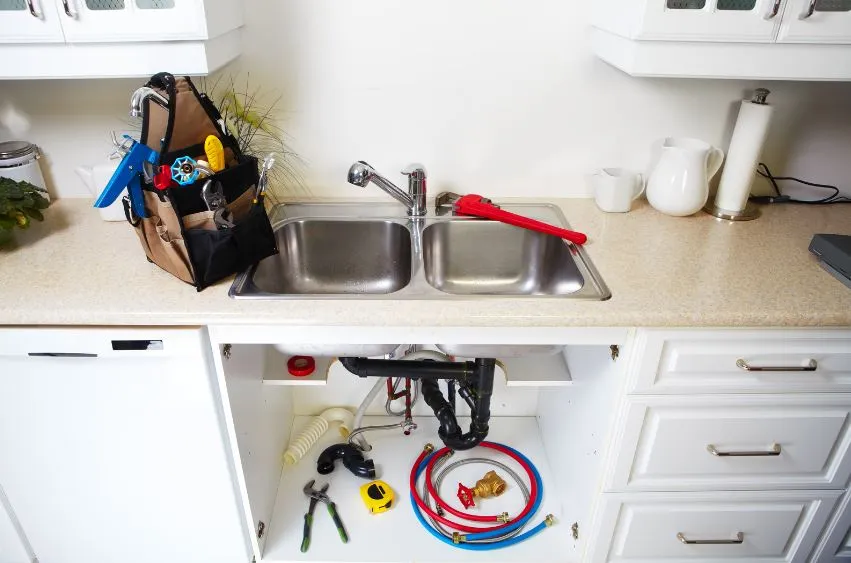
Understanding the Basics of Home Plumbing: Tips and Tricks
A working knowledge of your home plumbing system can save you thousands of dollars in emergency repairs. This guide covers how Australian residential plumbing works, how to spot problems early, and when a job needs a licensed plumber rather than a DIY fix.
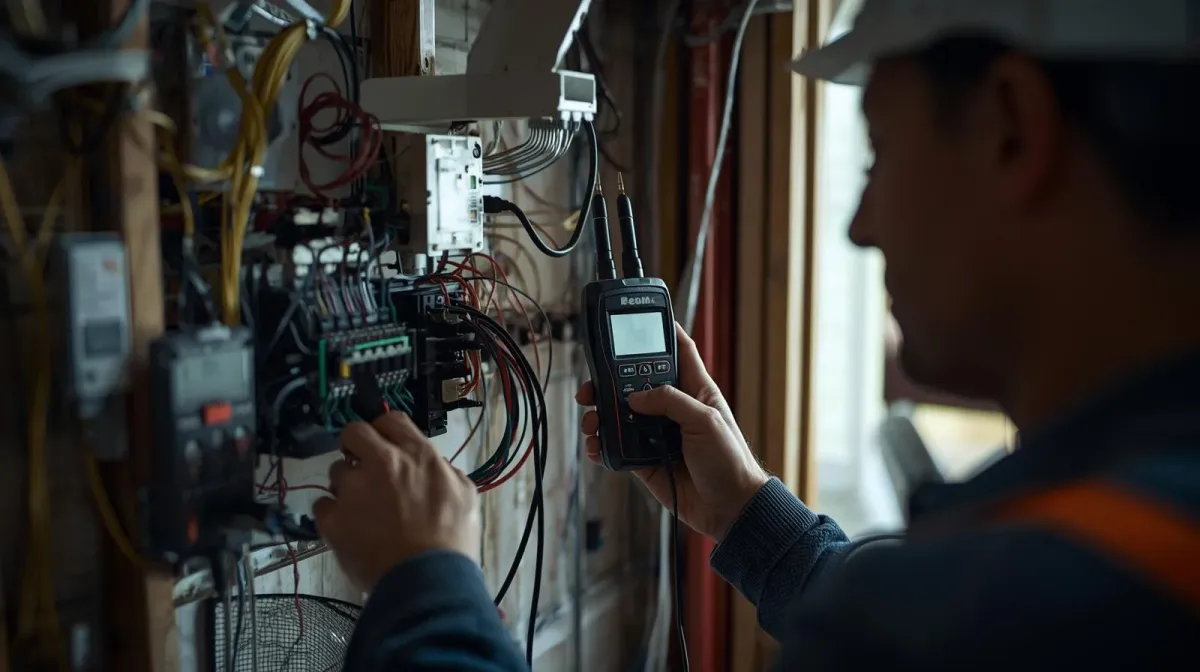
Electrical Defect Inspection to Ensure Safe Wiring Systems
Electrical defect inspections identify unsafe wiring, faulty installations, and non-compliant electrical work in Australian homes. This guide covers what inspectors look for, common defects found in new and older properties, relevant Australian standards, and why every homeowner and buyer should prioritise electrical safety.
Concerned about hidden plumbing defects in your property? Owner Inspections provides independent plumbing defect inspections with detailed reports covering leak detection, pipe condition, drainage assessments, and compliance checks. Our licensed inspectors use thermal imageing, moisture meters, and CCTV drain cameras to find problems before they become expensive. Get a quote today or call us on 1300 471 805.