
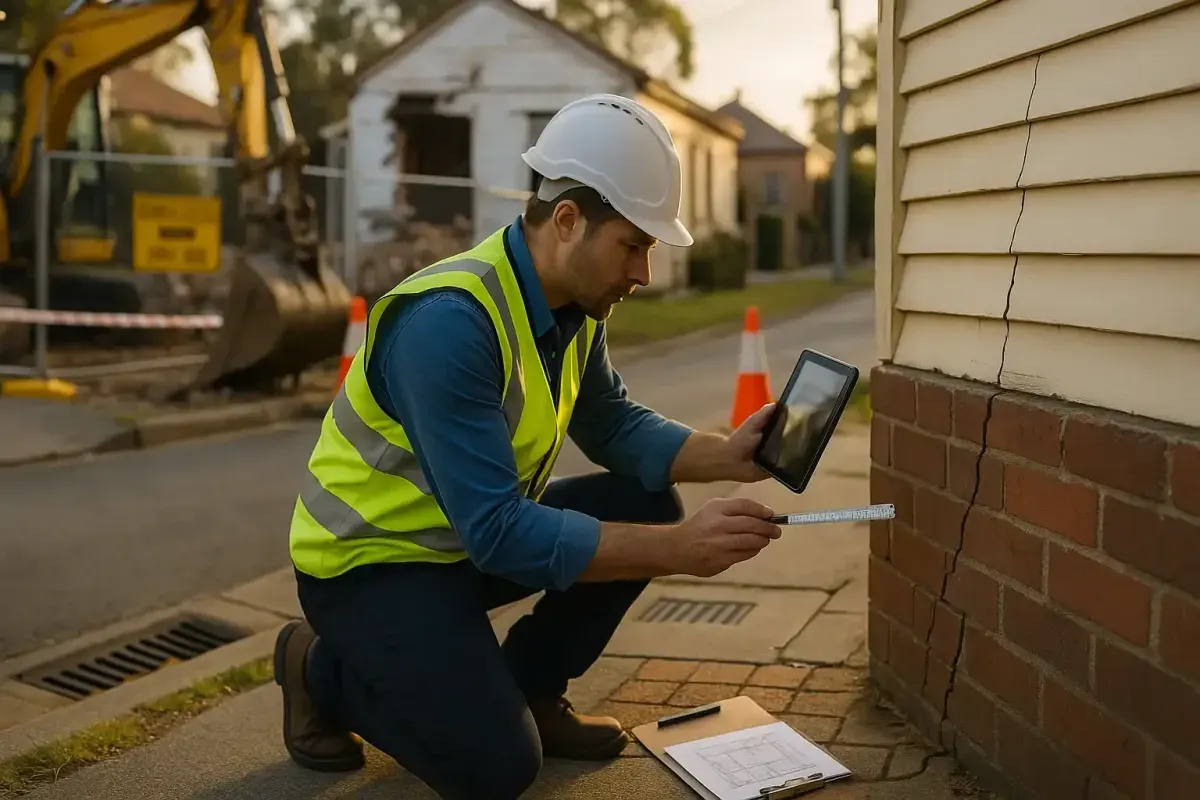
Geelong is one of Victoria's fastest-growing cities, attracting homeowners and investors with its coastal lifestyle and strong property market. However, the same environmental conditions that make the region appealing also create challenges for buildings. Salty sea air, high humidity, reactive soils, and temperature swings all contribute to building deterioration. Whether you are buying, building, or maintaining a property in Geelong, understanding the common defects and their causes helps you protect your investment. For a complete overview, see our guide to building defect investigations.
What Is a Building Defect?
A building defect is any fault in a structure that deviates from the intended design, functionality, or building code requirements. Defects can range from minor cosmetic issues, like a poorly finished paint job, to significant structural problems such as cracking foundations or failed waterproofing. Some defects are visible to the naked eye, while others are hidden behind walls, under floors, or in roof spaces, requiring professional inspection to detect.
Why Geelong Properties Face Specific Risks
Geelong's environment creates a unique combination of factors that increase the risk of building defects:
- Coastal conditions: Salt-laden air accelerates corrosion of metal fixings, gutters, and roofing materials. Properties close to the water are at higher risk.
- Reactive clay soils: Much of the Geelong region sits on reactive clay, which expands when wet and contracts when dry. This movement puts stress on foundations and can cause significant cracking.
- Variable climate: Victoria's changeable weather, with hot summers, cold winters, and periods of heavy rain, subjects buildings to constant thermal and moisture cycles that accelerate wear.
- Rapid development: Geelong's growth has driven significant new construction activity. When building demand is high, there is a greater risk of quality shortcuts and rushed workmanship.
Common Building Defects in Geelong
Structural Cracking
Structural cracking is one of the most frequently reported defects in Geelong properties. These cracks appear in walls, foundations, and slabs, and can range from minor cosmetic lines to large gaps indicating serious structural movement.
Common causes:
- Reactive soil movement causing foundation heave or subsidence
- Inadequate or poorly constructed foundations that are not deep enough for the soil conditions
- Use of substandard building materials that degrade over time
- Tree root interference with foundations and drainage
Solutions:
- Engage a structural engineer for a thorough assessment of the cracking pattern and cause
- Underpinning to strengthen and stabilise foundations where soil movement is the cause
- Masonry stitching or epoxy injection to repair cracks and restore wall integrity
- Improved site drainage to manage soil moisture levels around the foundation
Dampness and Mould
Dampness and mould are common in Geelong homes, particularly in older properties with limited ventilation and in newer builds where waterproofing may have been inadequately applied.
Common causes:
- Inadequate ventilation trapping moisture inside the building
- Plumbing leaks slowly dampening walls, floors, and ceilings
- Poor or failed waterproofing in wet areas such as bathrooms and laundries
- Rising damp from lack of a damp-proof course in older buildings
Solutions:
- Improve ventilation with exhaust fans in bathrooms, kitchens, and laundries
- Fix plumbing leaks promptly, no matter how minor they appear
- Repair or replace failed waterproofing membranes in wet areas
- Use dehumidifiers in persistently damp areas and monitor moisture levels
For more information, see our guide to mould inspections.
Faulty Roofing
Roofing defects are widespread in Geelong due to constant exposure to sun, wind, rain, and salt air. Damaged or deteriorating roofing can lead to water ingress, insulation failure, and structural damage.
Common causes:
- Poor-quality roofing materials that degrade under UV and weather exposure
- Rushed or flawed installation leaving gaps and poorly sealed joints
- Natural wear and tear from years of weather exposure
- Blocked or damaged gutters preventing proper water drainage
Solutions:
- Schedule regular roof inspections, ideally annually or after severe weather events
- Replace damaged tiles, shingles, or metal sheeting without delay
- Maintain gutters and downpipes to prevent blockages and overflow
- Upgrade insulation and sarking to improve weather resistance
Plumbing Defects
Plumbing problems including leaking pipes, poor drainage, and low water pressure are common in both older and newer Geelong homes.
Common causes:
- Ageing pipe materials (galvanised steel, copper) that corrode over time
- Poor installation or non-compliant plumbing work
- Tree root intrusion into underground drainage pipes
- Ground movement cracking or displacing underground pipes
Solutions:
- Engage a licensed plumber for a full plumbing inspection
- Replace ageing or corroded pipes with modern materials
- Clear tree roots from drainage lines and install root barriers where needed
- Address drainage issues with proper grading and stormwater management
Electrical Issues
Outdated or non-compliant electrical wiring is a safety concern in many older Geelong properties. Even some newer builds can have electrical defects if the work was not properly inspected.
Common causes:
- Old wiring that does not meet current Australian safety standards
- Missing or faulty safety switches (RCDs)
- Overloaded circuits from modern appliance demands on older systems
- DIY electrical work that was never certified or inspected
Solutions:
- Have a licensed electrician inspect the wiring and switchboard
- Upgrade the switchboard and install safety switches on all circuits
- Rewire sections or the entire property if the wiring is outdated or unsafe
- Make sure all electrical work is inspected and certified by a licensed professional
Defect Severity Guide
| Examples | Risk Level | Action Required | |
|---|---|---|---|
| Minor (Cosmetic) | Small paint cracks, minor tile chips, scratched surfaces | Low, affects appearance but not safety or structure | Repair at convenience, monitor for changes |
| Moderate | Leaking taps, blocked gutters, small areas of mould, minor cracking | Medium, may worsen if not addressed within months | Schedule repairs within a reasonable timeframe |
| Major (Structural/Safety) | Large structural cracks, failed waterproofing, faulty electrical, severe roof damage | High, poses safety risk or threatens structural integrity | Address immediately with professional help |
Preventative Measures
Key Takeaways
- The most common building defects in Geelong include structural cracking, dampness and mould, faulty roofing, plumbing defects, and electrical issues.
- Geelong's reactive clay soils, coastal conditions, and variable Victorian climate increase the risk of building deterioration.
- Structural cracking is often caused by soil movement and can be addressed with underpinning, masonry stitching, and improved drainage.
- Dampness and mould result from poor ventilation, plumbing leaks, and failed waterproofing, and should be addressed quickly to prevent health risks.
- Regular building inspections every 3 to 5 years are the most effective way to catch defects early and prevent costly repairs.
- Choosing quality materials and experienced local tradespeople reduces the likelihood of defects in new builds.
- Major defects affecting safety or structural integrity should be addressed immediately with professional help.
Frequently Asked Questions
What are the most common building defects in Geelong?
The most common building defects in Geelong are structural cracking from reactive soil movement, dampness and mould from poor ventilation and waterproofing, faulty roofing from weather exposure, plumbing defects from ageing or poorly installed pipes, and electrical issues from outdated wiring. The region's coastal conditions and reactive clay soils make these problems more prevalent than in many other parts of Victoria.
Why do Geelong homes get structural cracks?
Structural cracking in Geelong homes is most commonly caused by reactive clay soils that expand when wet and contract when dry. This ground movement puts stress on foundations, causing them to shift and crack. Other contributing factors include inadequate foundation design, tree root interference, and the use of poor-quality building materials.
How often should I have my Geelong property inspected?
Regular building inspections are recommended every 3 to 5 years for residential properties in Geelong. Properties should also be inspected before purchase, after severe weather events, and whenever visible signs of defects appear such as new cracking, water stains, or musty odours. Older properties and those in high-risk areas may benefit from more frequent inspections.
What causes mould in Geelong homes?
Mould in Geelong homes is typically caused by excess moisture from inadequate ventilation, plumbing leaks, failed waterproofing in wet areas, or rising damp in older buildings. The region's humidity and temperature variations create conditions where mould can develop quickly if moisture is not properly managed. Improving ventilation, fixing leaks, and repairing waterproofing are the primary solutions.
How do I know if a crack in my wall is structural?
Structural cracks are typically wider than 5mm, follow a staircase pattern through brickwork mortar joints, appear at the corners of doors and windows, or widen over time. Horizontal cracks in walls and cracks that go through both sides of a wall are also warning signs. If you notice any of these patterns, have the crack assessed by a structural engineer or qualified building inspector.
Can building defects affect my property value in Geelong?
Yes. Unresolved building defects can significantly reduce property value, particularly structural defects, water damage, and non-compliant electrical or plumbing work. Buyers in Geelong commonly request pre-purchase inspections, and identified defects will either lead to price negotiations or cause potential buyers to walk away. Addressing defects before selling improves marketability and sale price.
What should I do if I find defects in a newly built Geelong home?
If you find defects in a new home, document them with photographs and written descriptions. Notify the builder in writing, referencing the specific defects and your contract terms. Under the Domestic Building Contracts Act 1995 (VIC), new homes carry statutory warranties covering structural defects for 6 years and non-structural defects for 2 years. If the builder does not rectify the issues, you can lodge a complaint with the VBA or pursue the matter through VCAT.
Are older homes in Geelong more likely to have defects?
Older homes are more likely to have defects related to ageing materials, outdated building methods, and years of wear. Common issues in older Geelong homes include deteriorated roofing, outdated electrical wiring, corroded plumbing, rising damp, and foundation movement. However, newer homes can also have defects due to construction quality issues, so properties of all ages benefit from regular inspections.
How much does it cost to fix common building defects in Geelong?
Repair costs vary widely depending on the defect type and severity. Minor cosmetic repairs may cost a few hundred dollars, while structural underpinning can range from $5,000 to $30,000 or more. Roof repairs typically cost $500 to $5,000 depending on the extent of damage. Waterproofing remediation in a bathroom can cost $3,000 to $8,000. Getting a professional inspection and accurate quotes is the best way to budget for repairs.
Does salt air damage buildings in Geelong?
Yes. Salt-laden coastal air accelerates corrosion of metal components including gutters, downpipes, roof fixings, and structural connectors. It can also degrade paint finishes and mortar over time. Properties close to the water in Geelong should use marine-grade or corrosion-resistant materials and schedule more frequent maintenance to counteract the effects of salt exposure.
References and Resources
- Victorian Building Authority (VBA) - Building regulation, defect complaints, and consumer protections in Victoria
- Domestic Building Contracts Act 1995 (VIC) - Statutory warranties and homeowner protections
- VCAT - Building and Property - Dispute resolution for building defects in Victoria
- CSIRO - Reactive Soils and Foundation Design - Research on Australian soil conditions and building performance
Related Articles

Australia's Top 10 Most Common Building Defects
Building defects remain one of the biggest concerns for Australian property owners and buyers. From water leaks and waterproofing failures to building movement and subsidence, these are the ten most common defects found during professional building inspections across the country.
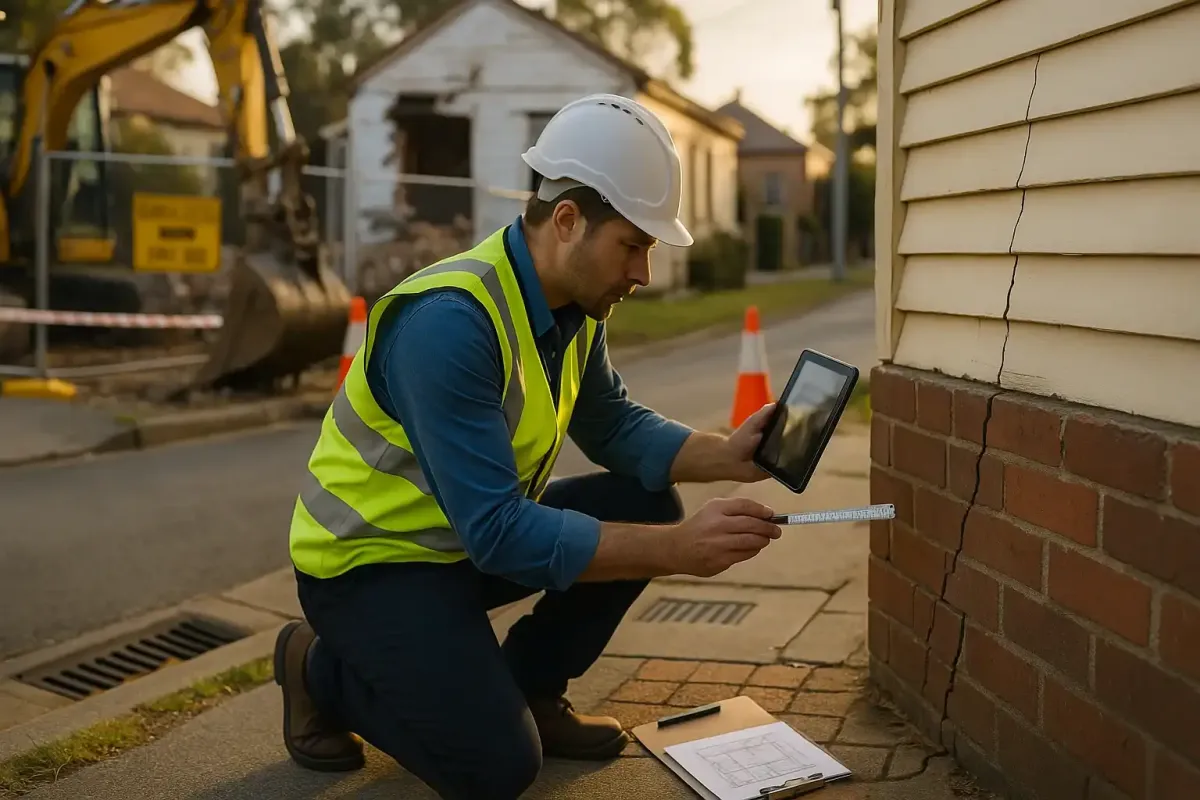
Construction Stage Inspections in Geelong
Geelong's residential market is growing rapidly, attracting new construction projects across the region. Construction stage inspections serve as health assessments for your build, ensuring quality and compliance at every phase from pre-construction through to final handover.
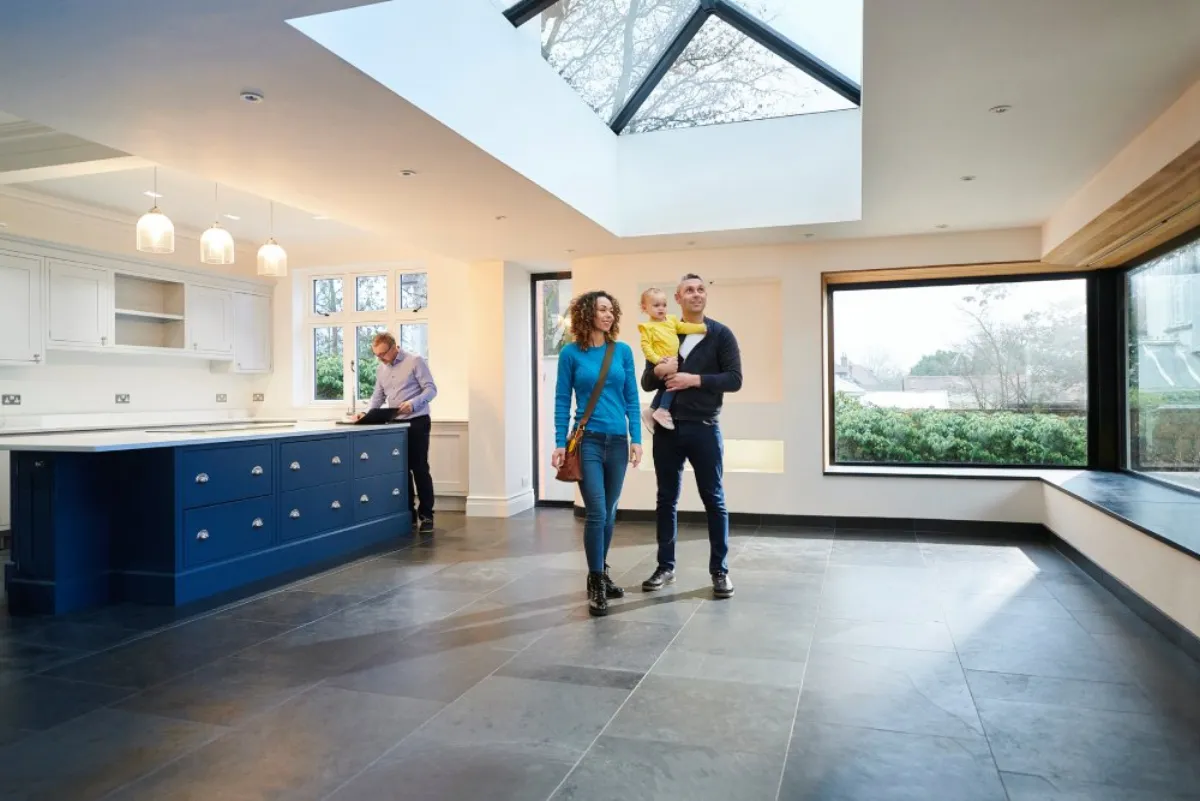
Pre-Purchase Inspections vs DIY for Geelong Buyers
Geelong's growing property market presents both opportunities and risks for buyers. This guide compares professional pre-purchase building inspections with DIY assessments, covering the advantages and limitations of each approach to help Geelong buyers make informed decisions.
Concerned about building defects in your Geelong property? Owner Inspections provides independent building inspections and defect investigation reports across Geelong and greater Victoria. Our licensed inspectors identify issues early and deliver detailed reports with clear recommendations. Get a quote today or call us on 1300 471 805.