
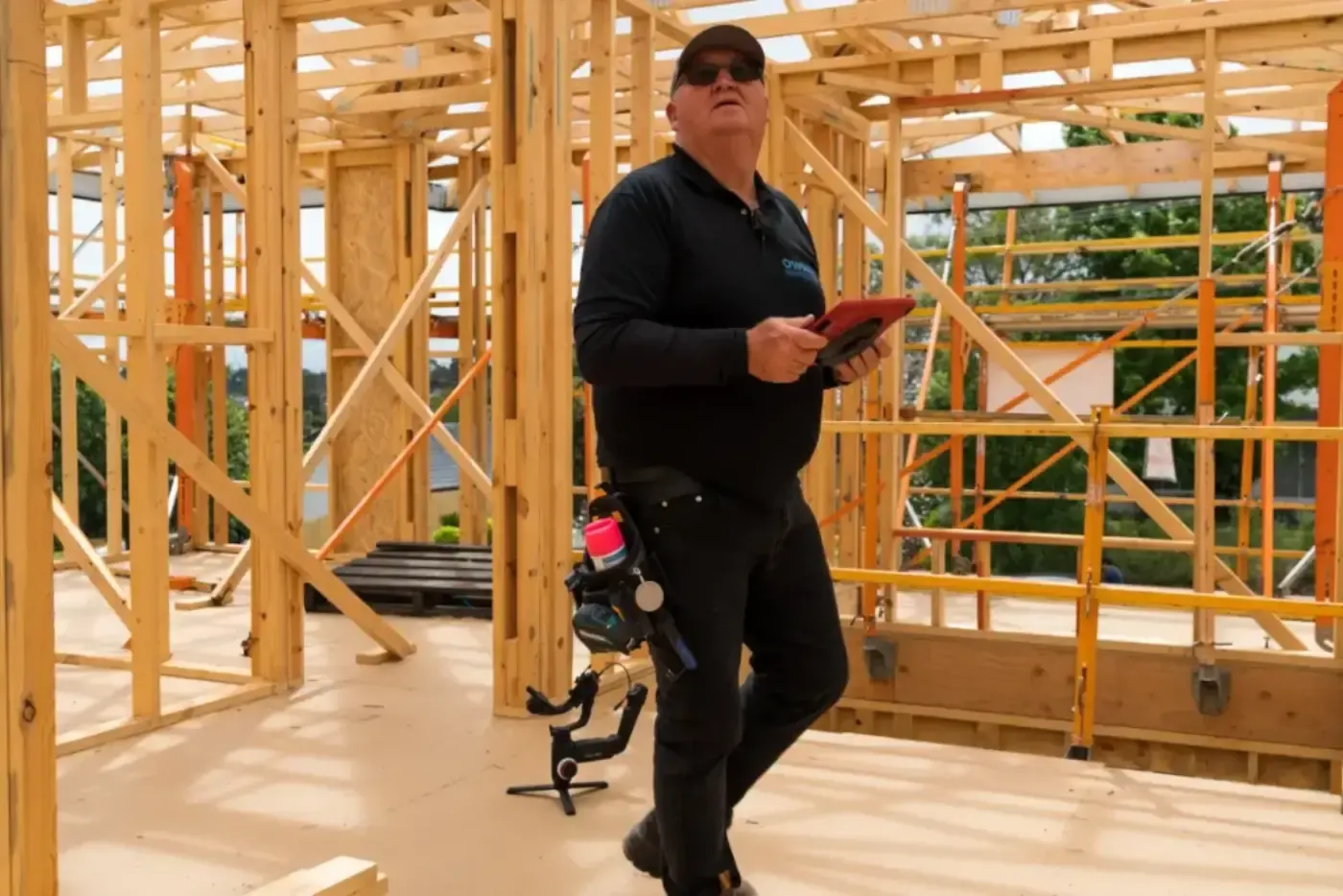
These signs can be easy to dismiss during a busy property purchase or renovation. Yet they can point to structural movement, foundation issues, water damage, poor workmanship or a load-bearing problem that needs a closer look.
A structural defect inspection checks the visible and accessible parts of a property for defects that may affect the building’s strength, safety, function or long-term condition. If the concern is already visible, a defect investigation report can help record what has gone wrong and what should happen next.
For buyers, owners, investors and real estate professionals, structural defect inspections help answer three practical questions:
- Is the property structurally sound?
- Are there defects that need urgent action?
- Do you need a structural engineer, builder or further specialist report?
This guide explains when to book a specific structural inspection, what inspectors look for, how to read a defect report, and what to do if your inspection report reveals structural issues.
The cost of identifying a structural defect early is minimal compared to the expense of repairing damage that has been allowed to progress unchecked. Prevention through professional inspection is always more economical than cure.
Need Building Defects Properly Documented?
Get an independent defect investigation report with photos, findings and practical next steps before your claim moves further.
Report
What Is a Structural Defect Inspection?
A structural defect inspection is a focused assessment of building elements that help carry, transfer or resist loads. These can include foundations, footings, floors, walls, beams, columns, roof framing and load-bearing components.
Unlike a general open-home walk-through, a professional inspection gives buyers and owners a written record of the property’s condition. NSW Government guidance says a building inspection report is a written account of a property’s condition and can help identify problems before exchange of contracts.
A structural defect inspection may be needed when there are signs of:
- Structural movement
- Major wall cracks
- Uneven or bouncy floors
- Sagging roof lines
- Load-bearing wall alterations
- Water penetration
- Poor building work
- Foundation movement
- Storm, flood or impact damage
In Queensland, structural defective building work can include work that affects structural performance, health and safety, functional use, or allows water penetration into a building.
Structural Defect Inspection vs General Building Inspection
A standard building inspection and a structural defect inspection are related, but they are not always the same service.
| Inspection type | Main purpose | Best suited for | Typical outcome |
|---|---|---|---|
| General building inspection | Reviews the overall visible condition of the property | Pre-purchase checks, pre-sale checks and general property condition reviews | Identifies major visible defects, safety hazards and areas that may need further assessment |
| Structural defect inspection | Focuses on structural elements and signs of movement or failure | Wall cracks, sloping floors, foundation concerns, load-bearing wall changes and serious defects | Provides findings on structural concerns, likely causes and recommended next steps |
| Specific structural inspection | Targets one known issue or area | A cracked wall, sagging roof, affected slab, retaining wall or foundation issue | Gives a focused opinion on one defect or location |
| Structural adequacy report | Reviews whether a structure or element appears fit for its intended purpose | Alterations, wall removals, compliance concerns and serious structural matters | Often recommends engineering review, repairs or further testing |
NSW Government notes that a building inspection report usually identifies major visible problems, but it does not deal with every aspect of a property. It may recommend further inspection by a structural engineer, geotechnical engineer, surveyor or other specialist where needed.
Why Structural Inspections Matter
Structural inspections serve as a critical safeguard for property owners, providing detailed assessments of a building's condition and identifying potential problems before they become catastrophic. There are four fundamental reasons why these inspections are essential for every Australian property.
Preventing Expensive Repairs
Early detection of structural defects can save property owners tens of thousands of dollars in repair costs. When structural issues are identified in their initial stages, remediation is typically straightforward and affordable. A hairline crack in a foundation, for example, might cost a few hundred dollars to address when caught early. Left undetected for several years, that same crack can develop into a major foundation failure requiring extensive underpinning work costing $50,000 or more.
Professional structural inspections identify problems at their source, allowing targeted repairs that address root causes rather than symptoms. This approach prevents the cycle of repeated repairs that occurs when superficial fixes are applied to deeper structural issues.
Ensuring Occupant Safety
The primary purpose of structural elements is to support loads and protect occupants. When these components fail, the consequences can be severe. Collapsed ceilings, falling masonry, and structural failures have caused injuries and fatalities in Australian properties.
Regular structural inspections identify safety hazards before they pose immediate danger. This is particularly important for older properties where materials may have degraded over time, or for buildings that have been modified without proper engineering oversight. Families living in properties with undetected structural defects are unknowingly exposed to risks that professional assessment could eliminate.
Extending Property Longevity
Buildings are designed to last for decades, but only when properly maintained. Structural defects that go unaddressed accelerate deterioration throughout the property. Water ingress through foundation cracks, for instance, can lead to timber rot in floor framing, corrosion of steel reinforcement, and mould growth in wall cavities.
By identifying and addressing structural issues promptly, property owners protect their investment for the long term. A well-maintained structure with no significant defects can easily outlast a building where problems have been allowed to compound over years of neglect.
Maintaining Resale Value
Property buyers are increasingly aware of structural issues and their implications. Pre-purchase inspections have become standard practice in Australian real estate transactions, and any identified structural defects can significantly impact sale prices or cause deals to collapse entirely.
Sellers who maintain accurate records of structural inspections and remediation work demonstrate responsible property ownership. This documentation provides confidence to potential buyers and can justify premium pricing in competitive markets. Conversely, properties with known or suspected structural issues often sell well below market value, if they sell at all.
When Do You Need a Specific Structural Inspection?
A specific structural inspection is useful when one part of the property is causing concern.
For example, a buyer may not need a full structural assessment of every building element if the main issue is a wide diagonal crack beside a window. In that case, the inspection can focus on the affected wall, nearby footings, floor levels, drainage, roof load path and any signs of movement around that area.
Book a specific structural inspection when you notice:
- A crack that is widening or spreading
- A stair-step crack through brickwork
- A floor that slopes across a room
- Doors or windows that bind after dry or wet weather
- A sagging ceiling, roof ridge or balcony
- Water ingress near structural elements
- A retaining wall that is leaning or bowing
- A wall removed without clear engineering records
- Building work that may not match approved plans
Consumer Affairs Victoria advises buyers to seek advice from a structural engineer if there are large cracks, and notes that cracked walls may point to issues such as the house sinking.
Structural Damage Inspection: Warning Signs to Watch
A structural damage inspection looks for visible signs that a building element may be weakened, moving, overloaded or affected by water, soil or poor workmanship.
Some defects are minor. Others need fast action. The table below can help property owners decide when to seek advice.
| Warning sign | What it may indicate | Recommended action |
|---|---|---|
| Hairline plaster cracks | Normal shrinkage, minor movement or age-related wear | Monitor and photograph |
| Wide wall cracks | Structural movement, settlement or stress | Book a structural defect inspection |
| Stair-step brick cracks | Differential settlement or footing movement | Seek building or engineering advice |
| Sloping or bouncy floors | Subfloor movement, damaged stumps, joist issues or settlement | Inspect subfloor where accessible |
| Sticky doors and windows | Frame distortion, seasonal movement or structural movement | Check if issue is ongoing or worsening |
| Sagging roof line | Roof framing movement, water damage or overloaded members | Inspect roof space if safe and accessible |
| Bulging walls | Moisture damage, poor wall ties, lateral pressure or movement | Arrange urgent assessment |
| Retaining wall cracking | Soil pressure, drainage failure or wall movement | Arrange specialist inspection |
Consumer Affairs Victoria lists several warning signs buyers should check for, including sloping or bouncy floors, cracked walls, fretting brick mortar, sagging roofs, damp walls and signs of moisture.
Common Structural Problems in Australian Properties
Australian buildings face unique challenges due to the country's diverse climate zones, soil conditions, and construction methods. Understanding the most common structural problems helps property owners recognise warning signs and appreciate the importance of professional assessment.
Wall and Beam Cracking
Wall cracks are one of the most common reasons owners book a defect inspection. Not every crack is serious. The pattern, width, location and movement history matter.
| Crack type | Possible meaning | Risk level |
|---|---|---|
| Hairline vertical crack | Shrinkage, minor settlement or surface movement | Low if stable |
| Diagonal crack | Differential movement or stress around openings | Moderate to high |
| Stair-step brick crack | Footing movement or settlement | Moderate to high |
| Horizontal crack | Lateral pressure or wall movement | High |
| Crack with bulging wall | Structural distress or wall tie failure | High |
Large cracks should not be ignored. Consumer Affairs Victoria recommends seeking structural engineering advice where large cracks are present.
Vertical Cracking Patterns
Vertical cracks typically occur due to shrinkage as building materials cure and age. In many cases, these cracks are cosmetic and do not indicate structural distress. However, wide vertical cracks, particularly those that extend through multiple courses of masonry or appear near corners, may indicate differential settlement or inadequate reinforcement.
Vertical cracks wider than 5 millimetres warrant professional investigation. These may indicate that one section of the building is settling at a different rate than adjacent areas, creating stress in the masonry or concrete.
Horizontal Cracking Patterns
Horizontal cracks are generally more concerning than vertical cracks. These often indicate lateral pressure against walls, which may result from soil movement, inadequate drainage, or structural overloading. Horizontal cracks in retaining walls are particularly serious as they suggest the wall may be failing to contain the soil behind it.
In masonry walls, horizontal cracking along mortar joints can indicate that the wall is being pushed inward or outward. This type of cracking requires immediate professional assessment to determine the cause and appropriate remediation.
Diagonal and Stair-Step Cracking
Diagonal cracks, often appearing in a stair-step pattern through masonry, are classic indicators of differential settlement. These cracks typically start narrow at one end and widen progressively, pointing towards the section of the building that is settling more rapidly.
Stair-step cracking through brick courses follows the mortar joints, which are the weakest points in masonry construction. The direction and severity of these cracks provide valuable diagnostic information for structural engineers assessing foundation movement.
Uneven or Sagging Floors
Floor levelness issues affect both comfort and structural integrity. Uneven floors can result from multiple causes, each requiring different remediation approaches.
Common causes of floor problems include:
- Foundation settlement: Uneven settlement beneath the building causes sections of the floor to drop relative to others
- Undersized floor joists: Joists that are too small for the span they support will sag over time under normal loading
- Timber deterioration: Rot, termite damage, or borer activity weakens floor framing members, causing deflection
- Inadequate stumps or supports: Stumps that have settled, rotted, or were improperly installed fail to provide adequate support
- Concrete slab problems: Cracked or heaved slabs create uneven floor surfaces and may indicate underlying soil issues
Floor levelness is typically measured using laser levels, with variations exceeding 10 millimetres over 3 metres considered significant. Severe cases may see floor slopes of 50 millimetres or more across a room, creating obvious visual and functional problems.
Foundation Instability and Structural Movement
The foundation is the most critical structural element of any building. Foundation problems affect everything above them and are among the most expensive defects to remediate.
Foundation movement can affect walls, floors, doors, windows and roof lines.
Warning signs include:
- Gaps between walls and ceilings
- Cracks near doors and windows
- Uneven floors
- Separation at wall junctions
- Cracks in external brickwork
- Doors that no longer latch
- Repeated patching of the same cracks
Significant building defects or problems in a building inspection report may include movement in walls, cracking, rising damp, safety hazards or a faulty roof.
Compromised Load-Bearing Walls
Load-bearing walls help transfer weight from the roof, upper floors and framing down to the foundations. If a load-bearing wall has been removed or altered, a structural adequacy review may be needed to check whether beams, posts, lintels or other supports are doing the right job.
Common issues affecting load-bearing walls include:
- Unauthorised modifications: Removal of load-bearing walls without proper engineering and support installation
- Inadequate lintels: Undersized or deteriorated lintels above openings failing to transfer loads properly
- Moisture damage: Water ingress causing deterioration of wall materials and embedded reinforcement
- Cracking and displacement: Structural cracks indicating overloading or differential movement
- Bulging or leaning: Walls moving out of plumb due to inadequate bracing or lateral support
Identifying load-bearing walls requires understanding the building's structural system. Professional engineers assess wall construction, position, and connections to determine which walls are structural and which are simply partitions.
Water Penetration and Structural Defects
Water can damage timber framing, corrode steel reinforcement, weaken masonry, contribute to rot and lead to mould or damp issues.
QBCC includes water penetration as one of the ways structural defective building work may affect a building.
Structural Defect Classification
Structural defects are classified according to their severity and potential impact on building safety and functionality. Understanding these classifications helps property owners prioritise remediation and allocate resources appropriately.
| Defect Type | Severity Level | Typical Indicators | Recommended Action |
|---|---|---|---|
| Hairline cracks | Minor | Cracks less than 1mm wide, stable over time | Monitor annually, cosmetic repair if desired |
| Moderate wall cracking | Moderate | Cracks 1mm to 5mm wide, may show progression | Engineering assessment, crack monitoring, targeted repairs |
| Severe cracking | Significant | Cracks exceeding 5mm, multiple locations, active movement | Urgent engineering assessment, structural repairs required |
| Floor deflection | Moderate to Significant | Noticeable bounce, visible sag, slopes exceeding 10mm over 3m | Subfloor inspection, joist assessment, support reinforcement |
| Foundation movement | Significant to Critical | Multiple crack patterns, door and window binding, floor slopes | Geotechnical investigation, underpinning assessment, drainage review |
| Structural failure | Critical | Visible structural distress, imminent collapse risk, major displacement | Immediate evacuation, emergency shoring, major reconstruction |
| Load-bearing wall damage | Significant to Critical | Bulging walls, separation at junctions, cracking around openings | Structural engineering assessment, temporary propping, permanent repairs |
| Roof structure defects | Moderate to Critical | Sagging ridge, spreading rafters, damaged trusses | Roof void inspection, truss assessment, reinforcement or replacement |
| Concrete deterioration | Moderate to Significant | Spalling, exposed reinforcement, rust staining, cracking | Concrete testing, reinforcement assessment, patch repairs or replacement |
| Retaining wall failure | Significant to Critical | Leaning, horizontal cracking, bulging, drainage issues | Immediate assessment, temporary support, reconstruction if necessary |
Early Warning Signs of Structural Problems
Recognising the early warning signs of structural defects allows property owners to seek professional assessment before problems escalate. While some indicators are obvious, others require careful observation to detect.
Visible Wall Cracks
Wall cracks are the most commonly noticed indicator of structural movement. However, interpreting crack patterns requires understanding their significance:
- Location matters: Cracks near corners, around openings, and at wall junctions are more concerning than those in the middle of walls
- Pattern is significant: Diagonal stair-step cracks typically indicate settlement, while horizontal cracks suggest lateral pressure
- Width indicates severity: Cracks exceeding 5mm warrant immediate professional assessment
- Progression is critical: Cracks that are widening or extending over time indicate ongoing movement
Property owners can monitor crack progression by placing dated marks at crack ends and measuring width at regular intervals. This information is valuable for engineers assessing structural behaviour.
Sloped or Uneven Flooring
Floor slopes that develop over time indicate structural movement or framing problems. While slight variations are normal, noticeable slopes warrant investigation:
- Furniture that rolls or tips on its own
- Doors that swing open or closed without touch
- Visible gaps between floor surfaces and skirting boards
- Bouncy or springy floor sections indicating inadequate support
- Creaking or groaning sounds when walking across floors
Sticky Doors and Windows
Doors and windows that suddenly become difficult to open or close often indicate structural movement. As buildings shift, door frames and window openings distort, preventing proper operation:
- Doors that stick at the top or bottom but not throughout the year
- Windows that no longer lock properly or have gaps when closed
- Visible gaps between frames and surrounding walls
- Cracking in plasterwork around door and window openings
Seasonal variations in door and window operation are normal and relate to timber expansion and contraction with humidity changes. However, persistent or worsening problems suggest structural causes requiring investigation.
Bulging or Bowing Surfaces
Walls, floors, or ceilings that bulge outward or bow inward indicate structural distress:
- Bulging brick walls: May indicate moisture damage, inadequate ties, or foundation movement
- Bowing retaining walls: Suggest soil pressure exceeding design capacity
- Sagging ceilings: Can indicate roof structure problems or water damage to ceiling framing
- Buckling floors: May result from moisture problems, inadequate expansion allowances, or subfloor issues
Other Warning Indicators
Additional signs that may indicate structural problems include:
- Gaps appearing between walls and ceilings or floors
- Nails or screws popping out of walls or ceilings
- Cracks appearing in tiles or concrete floors
- Separation at internal wall junctions
- Water pooling in unusual locations
- Musty odours suggesting hidden moisture problems
What Is Included in a Structural Defect Inspection?
The scope depends on the property, access and reason for inspection. Most structural defect inspections include a visual assessment of accessible areas and a written report.
A report may cover:
- Property details and inspection date
- Reason for inspection
- Scope and limitations
- Areas inspected and areas not inspected
- Photos of defects
- Crack locations and patterns
- Signs of structural movement
- Visible damage to walls, floors, roof framing or foundations
- Safety risks
- Severity of each defect
- Recommended next steps
- Advice on further specialist assessment where needed
NSW Government states that a building inspection report should include details such as the reason for inspection, date, scope, areas not inspected, major faults, significant problems that need fixing and any recommendation for further specialist assessment.
Preparing Evidence for a Building Dispute?
An expert witness report can help explain defects, incomplete works and construction issues in a clear format for dispute or tribunal use.
Support
Professional Inspection Methodology
Structural defect inspections follow a systematic methodology designed to thoroughly assess a property's condition and identify all significant issues. Understanding this process helps property owners know what to expect and appreciate the value of professional assessment.
Stage 1: Appointment Scheduling and Preparation
The inspection process begins with scheduling and preparation. During this phase:
- The property owner provides relevant documentation including building plans, previous inspection reports, and details of any known issues or concerns
- Access arrangements are confirmed for all areas of the property including roof voids, subfloors, and any locked or restricted spaces
- The inspector reviews available information about the property's construction type, age, and history
- Weather conditions are considered as some inspections are best conducted in specific conditions
Property owners can assist by clearing access points, removing stored items that block inspection areas, and compiling any relevant documentation about the property's history.
Stage 2: Site Evaluation by Certified Engineers
The on-site inspection is conducted by qualified structural engineers or experienced building inspectors with structural expertise. The evaluation encompasses:
- External assessment: Examination of all external surfaces including walls, foundations, roofing, and site drainage
- Internal assessment: Inspection of all accessible internal areas including rooms, cupboards, and service spaces
- Roof void inspection: Examination of roof structure, framing connections, and any visible issues from above
- Subfloor inspection: Assessment of stumps, bearers, joists, and underfloor conditions where accessible
- Site assessment: Evaluation of drainage patterns, vegetation, and external factors affecting the building
Stage 3: Critical Component Assessment
Particular attention is given to critical structural components that have the greatest impact on building safety and stability:
- Foundation systems: Assessment of foundation type, condition, and any signs of movement or deterioration
- Load-bearing elements: Inspection of walls, columns, beams, and other structural members
- Connections and fixings: Examination of how structural elements are connected and whether fixings are adequate
- Roof structure: Assessment of rafters, trusses, ridge beams, and roof framing
- Floor framing: Inspection of bearers, joists, flooring materials, and support systems
Stage 4: Detailed Reporting with Photographic Documentation
Following the on-site inspection, a comprehensive report is prepared documenting all findings. Professional inspection reports include:
- Executive summary outlining major findings and recommendations
- Detailed description of each identified defect with location information
- Photographic evidence of all significant issues
- Assessment of severity and priority for each defect
- Recommendations for remediation or further investigation
- Estimated timeframes for addressing identified issues
Quality inspection reports provide sufficient detail for property owners to understand issues and for contractors to scope remediation work. Reports should be clear, well organised, and supported by appropriate photographs.
Stage 5: Follow-Up Consultation
The inspection process typically includes a follow-up consultation where:
- The inspector explains findings and answers questions
- Priority issues are discussed and remediation options outlined
- Recommendations for specialist input are provided where required
- Monitoring requirements for ongoing issues are established
- Future inspection schedules are suggested based on property condition
Specialised Inspection Equipment
Modern structural inspections utilise sophisticated equipment that enables detection of problems invisible to the naked eye. This technology significantly improves inspection accuracy and enables early identification of developing issues.
Crack Monitors
Crack monitors are precision instruments installed across existing cracks to measure movement over time. These devices provide objective data about whether cracks are stable or progressing:
- Tell-tale monitors: Simple two-part devices that show movement direction and magnitude
- Vernier crack monitors: Precision instruments providing accurate measurements to fractions of a millimetre
- Electronic monitors: Digital sensors that record movement continuously and can transmit data remotely
Data from crack monitors helps engineers distinguish between active structural movement and stable historic cracking. This information is essential for determining appropriate remediation strategies.
Laser Levels
Laser levelling equipment enables precise measurement of floor levels, wall verticality, and structural alignment:
- Rotating laser levels project horizontal planes allowing floor level measurement across entire rooms or buildings
- Self-levelling point lasers provide accurate vertical and horizontal reference lines
- Distance measuring lasers enable precise dimension recording without physical contact
These instruments detect floor slopes and wall deviations that would be impossible to measure accurately by eye. The data they provide forms the basis for quantifying structural movement and assessing severity.
Thermal Imaging Cameras
Thermal imaging technology detects temperature variations that may indicate structural problems or their causes:
- Moisture detection: Wet areas appear cooler than surrounding dry materials, revealing water ingress or plumbing leaks
- Insulation defects: Missing or displaced insulation shows as temperature variations
- Air leakage: Gaps in building envelope appear as thermal bridges
- Electrical issues: Overheating electrical components appear as hot spots
While thermal imaging does not directly detect structural defects, it identifies moisture problems that often cause or accompany structural deterioration. Early detection of water ingress prevents the timber rot, concrete damage, and reinforcement corrosion that lead to structural failure.
Drones for Elevated Structures
Unmanned aerial vehicles (drones) equipped with high-resolution cameras enable detailed inspection of areas that are difficult or dangerous to access:
- Roof inspections: Close-up examination of roofing materials, flashings, and accessories without ladder access
- High facades: Inspection of upper-level walls, cornices, and decorative elements
- Chimneys and parapets: Assessment of elevated masonry structures
- Site overview: Aerial perspectives showing drainage patterns, site levels, and overall building condition
Drone inspections reduce safety risks associated with working at heights while providing detailed imagery for assessment and documentation. Modern drones can capture high-resolution photographs and video suitable for professional analysis.
Additional Inspection Tools
Professional inspectors employ various other specialised tools including:
- Moisture meters: Measure moisture content in timber and other materials
- Borescopes: Flexible cameras for viewing inside wall cavities and confined spaces
- Metal detectors: Locate reinforcement in concrete and steel framing behind linings
- Concrete cover meters: Measure depth of reinforcement cover in concrete elements
- Spirit levels and plumb bobs: Traditional tools for checking level and vertical alignment
Structural Adequacy Reports and Defect Reports
A structural adequacy report is usually needed when there is a question about whether a building element is fit for purpose. This may come up after wall removal, foundation movement, major cracking, roof sagging or visible structural damage.
A defect report may focus on the defect itself. A structural adequacy report may go further by commenting on whether a structural element appears adequate, whether more engineering input is required, and what should happen next.
| Report type | When it is useful | What it helps answer |
|---|---|---|
| Building defect report | Visible defects, workmanship concerns or buyer due diligence | What defects are present? |
| Structural defect report | Cracks, movement, sagging, unsafe elements or load-bearing concerns | Are there structural issues? |
| Structural adequacy report | Alterations, wall removals, major defects or safety concerns | Is the structure fit for purpose? |
| Crack mapping and defect report | Multiple cracks, movement tracking or legal documentation | Where are cracks located and are they changing? |
Reports can help buyers know problems in advance, negotiate on price and gain specialist advice about major problems and how they may affect the property over time.
How to Use the Report After the Inspection
A structural defect report is most useful when it leads to the right next step.
For buyers, the report can support negotiation, further specialist advice or a decision to walk away from a high-risk purchase.
For owners, it can guide repairs, maintenance planning, warranty discussions or dispute resolution.
For agents and property managers, it can provide clearer documentation for vendors, landlords, owners corporations and contractors.
A building inspection report can help buyers identify problems before the exchange of contracts and may help with negotiation.
Crack Mapping and Defect Report Sydney
Crack mapping records the location, direction, width and pattern of cracks across a property. This can help inspectors, engineers, builders, owners and buyers understand whether cracks are isolated, repeated or linked to wider structural movement.
A crack mapping and defect report in Sydney may be useful when:
- Cracks appear in several rooms
- Cracks are wider near doors or windows
- Brickwork has stair-step cracking
- Cracks reopen after repairs
- A property is part of a dispute
- A buyer wants written evidence before settlement
- An owners corporation needs a clear record of common property defects
For residential apartment buildings in NSW, Building Commission NSW deals with serious defects that can include structural matters, waterproofing, fire safety, enclosures, cladding and services.
Advantages of Professional Structural Assessment
While property owners can observe obvious signs of structural problems, professional assessment provides significant advantages that justify the investment in expert services.
Expertise in Defect Identification
Certified structural engineers and experienced building inspectors bring knowledge that enables them to identify problems general inspectors might overlook:
- Understanding of structural behaviour allows correct interpretation of observed symptoms
- Knowledge of construction methods helps identify defects specific to particular building types
- Experience with similar properties provides context for assessing severity and urgency
- Awareness of common failure modes directs attention to critical areas
General building inspectors provide valuable property condition assessments, but structural specialists offer deeper expertise for complex or concerning structural issues. For properties with significant structural concerns, specialist engineering assessment is recommended.
Understanding of Building Codes and Standards
Professional inspectors understand the regulatory framework governing building construction and safety:
- National Construction Code (NCC) requirements for structural adequacy
- Australian Standards specifying materials, workmanship, and performance criteria
- State and local planning requirements affecting building work
- Work Health and Safety obligations for property owners and occupiers
This knowledge ensures inspections address compliance issues and that recommendations align with regulatory requirements.
Access to Specialist Equipment
Professional inspectors have access to equipment that enables detection of hidden defects:
- Thermal imaging reveals moisture problems invisible to the naked eye
- Precision levelling equipment quantifies floor slopes and structural movement
- Borescopes allow inspection inside wall cavities without destructive investigation
- Moisture meters detect elevated moisture content before visible damage appears
Objective Assessment and Documentation
Professional inspection reports provide objective documentation that serves multiple purposes:
- Evidence for warranty claims and insurance matters
- Documentation for property transactions
- Baseline records for monitoring structural movement over time
- Specifications for remediation contractors
- Records for future property owners demonstrating maintenance history
What Happens If My Inspection Report Reveals Structural Issues?
If your inspection report reveals structural issues, the next step depends on the severity of the defect.
| Finding in report | What it means | Next step |
|---|---|---|
| Minor defect | Low safety risk and no clear active movement | Monitor, photograph and repair when suitable |
| Moderate defect | Needs repair or further checking | Get a quote or arrange targeted assessment |
| Major structural defect | May affect stability, safety or use | Seek structural engineering advice |
| Active movement | Defect may be worsening | Start crack monitoring or specialist review |
| Safety risk | Occupants or visitors may be at risk | Restrict access and seek urgent advice |
| Hidden cause suspected | Visible defect may be a symptom | Inspect drainage, subfloor, roof space or foundations |
Major defects can include a defect in a major element due to defective design, workmanship or materials, or failure to comply with National Construction Code structural performance requirements. Major elements may include load-bearing parts such as foundations, footings, floors, walls, roofs, columns and beams.
Legal and Transactional Significance
Structural inspections have important implications for property transactions, insurance coverage, and warranty considerations. Understanding these aspects helps property owners make informed decisions.
Real Estate Negotiations
Structural inspection reports significantly influence property transactions in Australia:
- Pre-purchase inspections: Buyers use inspection findings to negotiate purchase prices or request vendor repairs before settlement
- Cooling-off period: Inspection findings during cooling-off periods may provide grounds for contract termination
- Price adjustments: Identified structural defects typically result in price reductions reflecting estimated repair costs
- Deal termination: Severe structural issues may cause buyers to withdraw from transactions entirely
For sellers, obtaining structural inspections before listing enables proactive addressing of issues and more accurate pricing. Disclosure of known defects is required, and professional documentation demonstrates responsible ownership.
Insurance Coverage Considerations
Structural defects have complex relationships with insurance coverage:
- Home building insurance: Does not typically cover gradual deterioration or maintenance-related issues
- Sudden damage: Structural damage from covered events such as storms or impact may be claimable
- Defective workmanship: Original construction defects may be covered under home warranty insurance or statutory warranties
- Policy exclusions: Pre-existing defects known at policy inception are typically excluded from coverage
Professional inspection reports provide documentation for insurance claims where damage results from covered events. They also establish property condition at specific points in time, which can be valuable if disputes arise about when damage occurred.
Warranty Considerations
Australian consumer protection laws provide warranties for residential building work:
- Statutory warranties: Most states provide statutory warranty periods for new construction, typically 6 years for major defects and 2 years for other defects
- Builder obligations: Builders are required to rectify defective work within warranty periods
- Documentation requirements: Professional inspection reports support warranty claims by documenting defects and their timing
- Home warranty insurance: Provides coverage if builders become insolvent or fail to honour warranty obligations
Regular structural inspections during warranty periods ensure defects are identified and documented while warranty coverage remains available. Claims made after warranty expiry are typically unsuccessful even for defects that existed during the warranty period.
Legal Liability
Property owners have legal obligations regarding structural safety:
- Duty of care to ensure properties are safe for occupants and visitors
- Disclosure obligations when selling properties with known defects
- Potential liability for injuries resulting from structural failures
- Compliance obligations under building codes and safety regulations
Regular professional inspections demonstrate responsible property ownership and help identify issues before they create liability exposure.
Structural Safety Check Before Buying
A structural safety check is useful before buying, especially when the property shows signs of cracking, movement, water damage, poor renovation work or visible defects.
For auction purchases, timing matters. Consumer Affairs Victoria advises buyers to get inspection reports before auction because auction contracts usually cannot be made subject to building or pest inspection conditions without the vendor’s agreement.
For private sales, buyers may be able to make the contract subject to a building inspection. Consumer Affairs Victoria lists this as a point buyers should consider before purchasing.
A pre-purchase structural safety check can help buyers:
- Understand the risk before committing
- Negotiate based on documented defects
- Request further specialist advice
- Avoid taking on unknown repair costs
- Plan repairs and maintenance after settlement
The benefits of a building inspection report include knowing problems in advance, using the information to negotiate a lower price and gaining specialist advice about major problems.
House Structural Inspection for Owners and Buyers
A house structural inspection or home structural inspection is not only for buyers. Current owners may need one when cracks appear, floors move, moisture enters the home or renovation work raises concern.
Owners should consider a structural defect inspection after:
- Major storms or flooding
- Nearby excavation or construction
- Tree removal or soil changes
- Renovations involving walls, beams or openings
- Persistent leaks around roofs, balconies or bathrooms
- Termite damage
- Cracks that return after patching
- Doors or windows that change alignment
Consumer Affairs Victoria warns buyers to check whether renovations or extensions had relevant planning or building permits, and notes that illegal alterations may become the buyer’s responsibility once the contract is signed.
Getting the Most Value from Your Home and Building Investment
Structural defects are easier to manage when they are found early, recorded clearly and assessed by the right person.
A strong structural defect inspection can help buyers avoid unknown risks, help owners plan repairs, and help sellers address defects before listing. It can also support negotiations, maintenance plans, warranty claims and further specialist advice.
If you have wall cracks, sloping floors, foundation concerns, water damage or signs of structural movement, book a structural defect inspection before the issue becomes harder to understand.
Not Sure What Evidence You Need?
Speak with Owner Inspections about your building defect concerns and the right inspection or report for your situation.
Frequently Asked Questions
What is a structural defect inspection?
When do I need a specific structural inspection?
What happens if my inspection report reveals structural issues?
What is included in structural adequacy reports?
Do I need a structural damage inspection for wall cracks?
Is a house structural inspection different from a standard building inspection?
Can a structural safety check find foundation movement?
Do I need a crack mapping and defect report in Sydney?
Key Takeaways
- Approximately one in five Australian homes experience structural issues during their lifespan, making regular inspections essential for protecting property investments.
- Early detection of structural defects can save tens of thousands of dollars compared to addressing problems after they have progressed significantly.
- Common structural problems include wall and beam cracking, uneven floors, foundation instability, and compromised load-bearing walls.
- Warning signs include visible cracks, sloping floors, sticky doors and windows, and bulging surfaces that warrant professional assessment.
- Professional inspections follow a five-stage methodology: scheduling, site evaluation, critical component assessment, detailed reporting, and follow-up consultation.
- Specialised equipment including crack monitors, laser levels, thermal imaging cameras, and drones enables detection of hidden defects.
- Certified structural engineers identify problems that general inspectors might overlook, providing expertise in structural behaviour and building codes.
- Structural inspection reports have significant implications for property transactions, insurance claims, warranty considerations, and legal liability.
Related Articles
Construction Defect Inspection: Identify and Prevent Issues
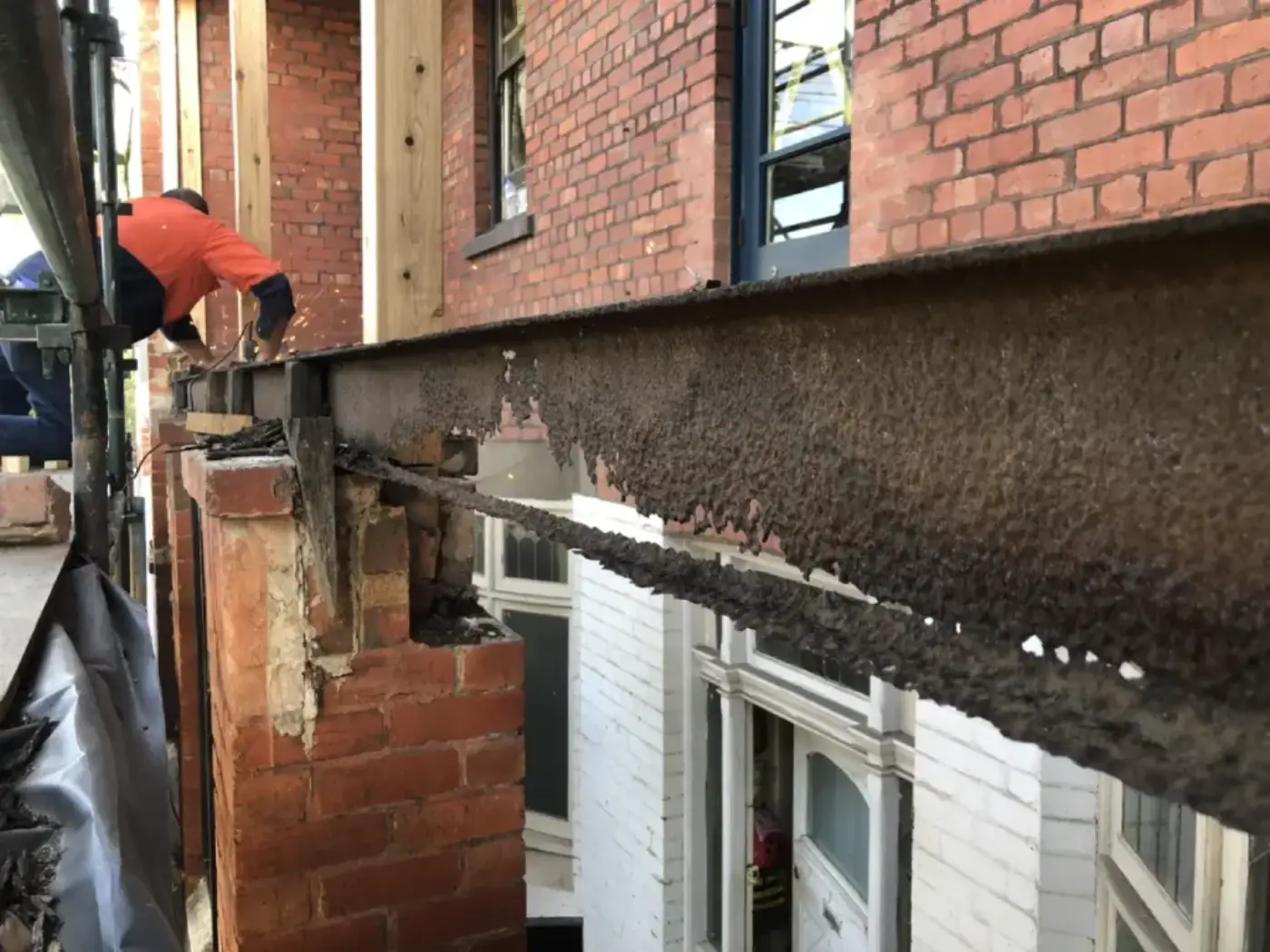
Construction defect inspections systematically assess property structure, materials, and workmanship to identify faults and ensure compliance with Australian Building Codes.
Top Warning Signs of Structural Defects in New Builds
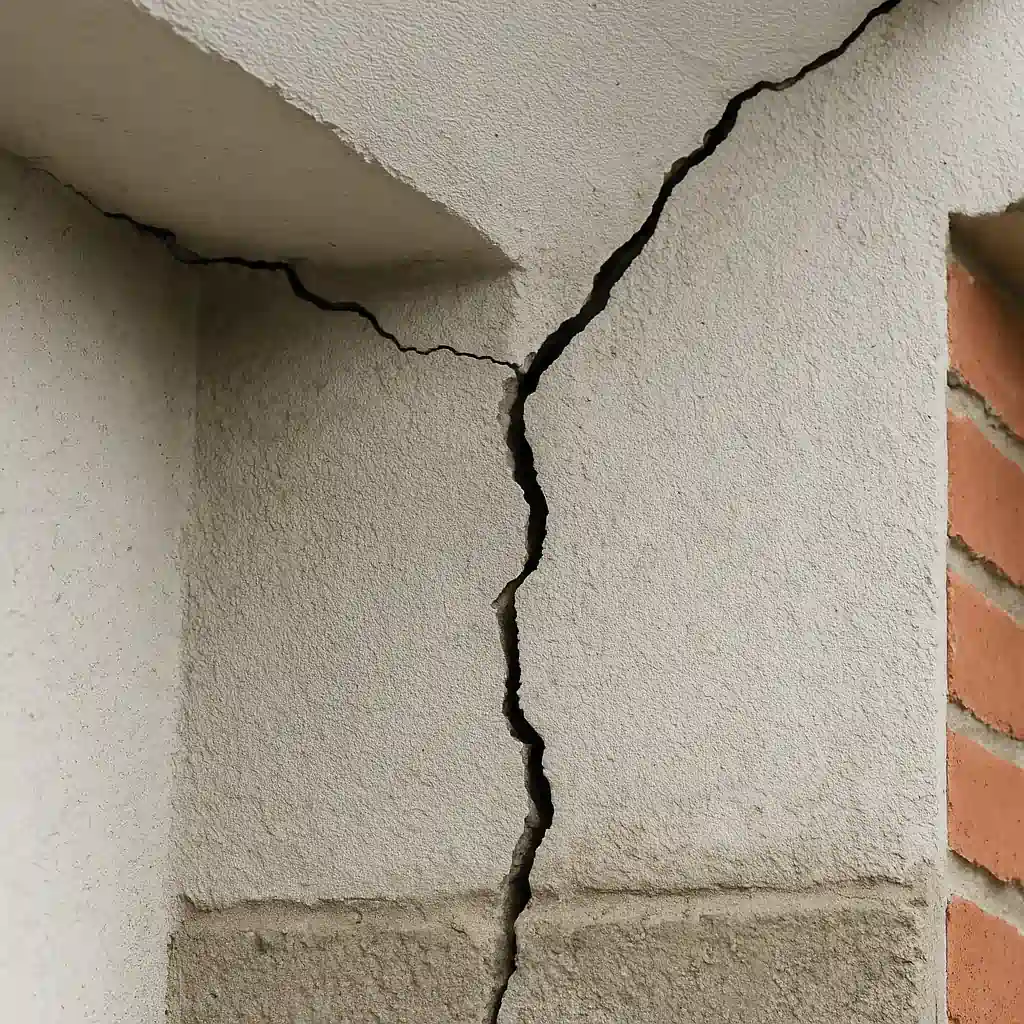
Nearly 70% of newly built Australian homes show major defects. Learn the eight key warning signs of structural issues and how to protect your investment.

Construction Stage Defect Assessment for Early Fixes
Construction stage defect assessments are vital for protecting structural integrity. Defects caught early prevent escalation into costly issues that can increase project costs by up to 20%.
Concerned About Building Defects?
Our licensed inspectors cover Sydney, Melbourne, and all major Australian cities.