
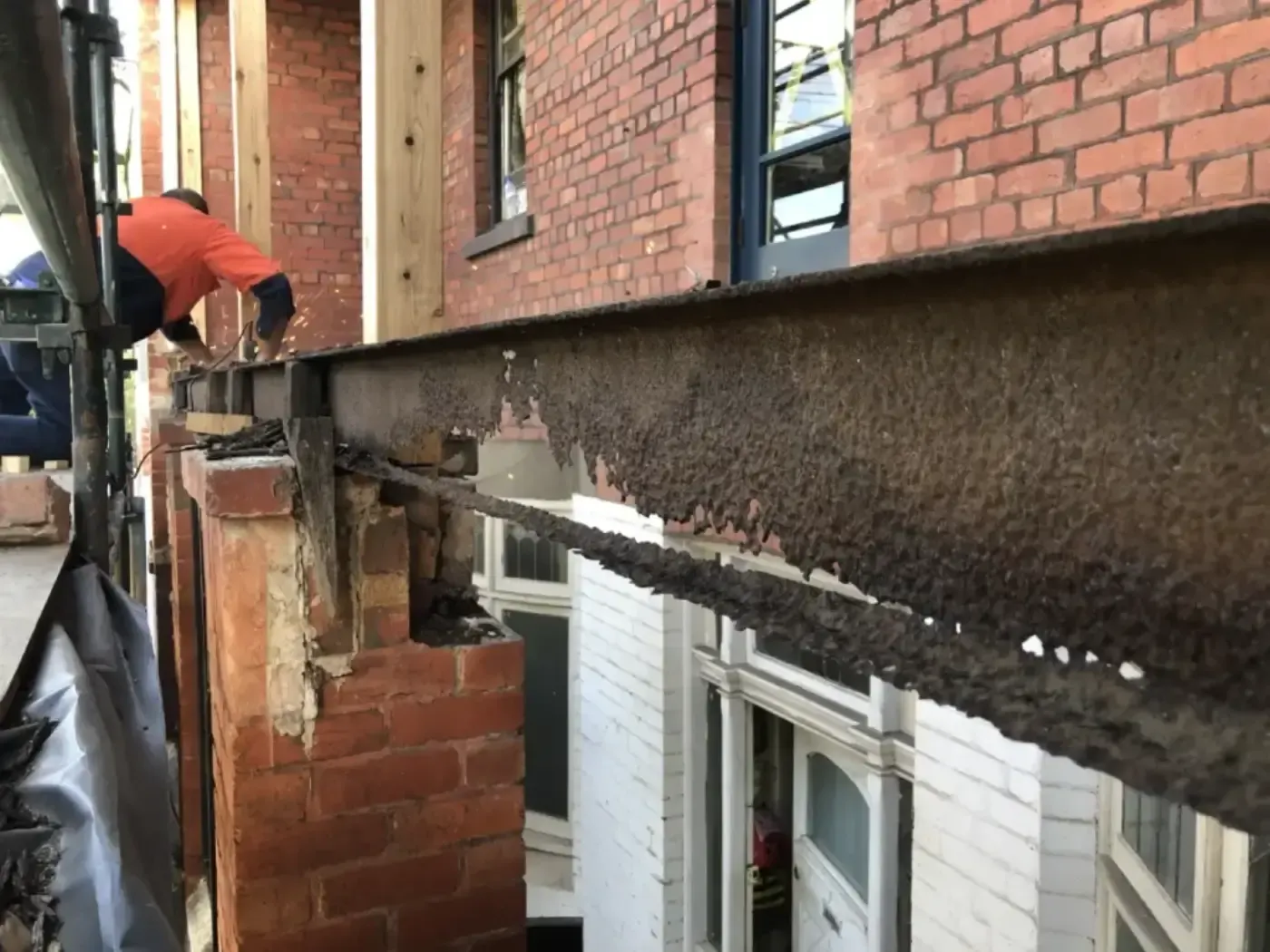
The Australian building industry has experienced significant scrutiny in recent years following high-profile cases of building failures, including the Opal Tower and Mascot Towers incidents in Sydney. These events highlighted systemic issues in construction quality assurance and led to substantial reforms in building certification and inspection requirements across all states and territories.
Understanding construction defects, their causes, and your rights as a property owner is essential for protecting what is likely your most significant financial investment. Professional construction defect inspections provide the independent assessment and documentation necessary to identify problems early, while statutory warranty periods still apply, and before minor issues develop into major structural failures. For a complete overview, see our guide to building defect investigations.
The true cost of a construction defect is rarely the repair itself. It encompasses the disruption to daily life, the stress of disputes with builders, potential temporary accommodation costs, and the long-term impact on property value. Early detection through professional inspection is the most effective strategy for minimising these impacts.
Australian Legal Framework for Construction Defects
Australia has a comprehensive legal framework governing residential construction, with building standards set nationally and consumer protections administered at the state and territory level. Understanding this framework is essential for property owners seeking to enforce their rights when defects are identified.
National Construction Code (NCC)
The National Construction Code is Australia's primary regulatory document for building standards. It comprises three volumes covering residential buildings (Volume Two), commercial buildings (Volume One), and plumbing and drainage (Volume Three). The NCC establishes performance requirements that all buildings must meet, including:
- Structural provisions: Requirements for buildings to withstand loads, resist collapse, and maintain structural integrity throughout their design life
- Fire safety: Standards for fire resistance, egress routes, and detection systems appropriate to building classification
- Health and amenity: Requirements for ventilation, waterproofing, sanitation, and protection from dampness
- Energy efficiency: Thermal performance standards to reduce energy consumption for heating and cooling
- Accessibility: Requirements for access and mobility provisions in applicable building classes
Construction that fails to comply with NCC requirements constitutes a defect regardless of whether visible damage has occurred. Professional inspectors assess compliance against NCC performance requirements as part of a comprehensive defect inspection.
Australian Standards
The NCC references numerous Australian Standards that provide detailed technical requirements for specific aspects of construction. Key standards relevant to construction defect assessment include:
- AS 4349.1: Inspection of Buildings, Part 1: Pre-purchase inspections of residential buildings, which establishes the scope and methodology for property inspections
- AS 2870: Residential Slabs and Footings, which specifies requirements for foundation design and construction based on site classification
- AS 1684: Residential Timber-Framed Construction, which provides specifications for timber framing, connections, and bracing
- AS 3740: Waterproofing of Domestic Wet Areas, which establishes requirements for waterproofing membranes, falls, and detailing in bathrooms and wet areas
- AS 4654: Waterproofing Membranes for External Above-Ground Use, which covers balconies, terraces, and other external waterproofing applications
- AS 3500: Plumbing and Drainage, which provides standards for water supply, sanitary plumbing, stormwater drainage, and heated water services
- AS/NZS 3000: Electrical Installations (Wiring Rules), which establishes requirements for electrical safety and installation practices
State-Based Consumer Protections
Each Australian state and territory has legislation providing consumer protections for residential building work. These laws establish builder obligations, warranty periods, and dispute resolution mechanisms.
New South Wales: Home Building Act 1989
The Home Building Act 1989 is one of Australia's most comprehensive pieces of building consumer protection legislation. It provides:
- Statutory warranties that work will be performed with due care and skill, in accordance with plans and specifications, and compliant with all applicable laws and standards
- A six-year warranty period for major defects and a two-year period for all other defects
- Mandatory home building compensation insurance for residential work over $20,000
- Builder licensing requirements administered by NSW Fair Trading
- Access to the NSW Civil and Administrative Tribunal (NCAT) for dispute resolution
Victoria: Domestic Building Contracts Act 1995
Victoria's Domestic Building Contracts Act provides similar protections including:
- Statutory warranties for domestic building work including that work will be carried out in a proper and workmanlike manner
- A ten-year warranty period for structural defects and six years for non-structural defects (extended from previous shorter periods)
- Domestic building insurance requirements administered by the Victorian Managed Insurance Authority
- Builder registration through the Victorian Building Authority (VBA)
- Dispute resolution through Domestic Building Dispute Resolution Victoria (DBDRV) and the Victorian Civil and Administrative Tribunal (VCAT)
Queensland: Queensland Building and Construction Commission Act 1991
The QBCC Act establishes Queensland's building industry regulator and provides:
- Statutory warranties that building work will be carried out in a proper and workmanlike way and in accordance with relevant standards
- A 6-year and 6-month warranty period for structural defects and a 6-month period for non-structural defects (from practical completion)
- Queensland Home Warranty Scheme insurance for residential construction
- Contractor licensing through the QBCC
- Dispute resolution services through the QBCC and Queensland Civil and Administrative Tribunal (QCAT)
South Australia: Building Work Contractors Act 1995
South Australia's legislation provides:
- Statutory warranties including that work will be performed in a proper manner to accepted trade standards
- A five-year warranty period for structural defects and one year for non-structural defects
- Builder licensing through Consumer and Business Services
- Dispute resolution through the South Australian Civil and Administrative Tribunal (SACAT)
Western Australia: Home Building Contracts Act 1991
Western Australia's framework includes:
- Statutory warranties that work will comply with the contract, relevant standards, and applicable laws
- A six-year warranty period for structural defects and a two-year period for non-structural defects
- Home indemnity insurance requirements administered by the Building Commission
- Builder registration through the Building Commission
- Dispute resolution through the State Administrative Tribunal
Statutory Warranty Periods by State
Understanding the applicable warranty periods in your state is critical for ensuring defects are identified and claims lodged before coverage expires. The following table summarises warranty periods across Australian jurisdictions.
| State/Territory | Structural Defects | Non-Structural Defects | Regulating Authority |
|---|---|---|---|
| New South Wales | 6 years | 2 years | NSW Fair Trading |
| Victoria | 10 years | 6 years | Victorian Building Authority |
| Queensland | 6 years 6 months | 6 months | QBCC |
| South Australia | 5 years | 1 year | Consumer and Business Services |
| Western Australia | 6 years | 2 years | Building Commission WA |
| Tasmania | 6 years | 2 years | Consumer, Building and Occupational Services |
| ACT | 6 years | 2 years | Access Canberra |
| Northern Territory | 6 years | 2 years | NT Building Advisory Services |
Warranty periods typically commence from the date of practical completion or occupation, whichever occurs first. It is essential to conduct inspections well before warranty expiry to allow time for documentation, negotiation, and remediation.
Key Inspection Components
A comprehensive construction defect inspection covers multiple aspects of building quality and compliance. Professional inspectors systematically assess each element against applicable standards, documenting any departures from acceptable practice.
Structural Evaluation
Structural assessment forms the foundation of any defect inspection, as structural defects pose the greatest risk to occupant safety and property value. Inspectors evaluate:
- Foundation systems: Assessment of concrete slabs, strip footings, or pier and beam foundations for cracking, movement, or non-compliance with AS 2870
- Load-bearing walls: Examination of masonry, timber, or steel framing for adequacy, damage, or structural compromise
- Roof structure: Inspection of trusses, rafters, ridge beams, and connections for compliance with AS 1684 and engineering specifications
- Floor framing: Assessment of bearers, joists, and floor systems for deflection, damage, or inadequate specification
- Retaining structures: Evaluation of retaining walls for movement, drainage provision, and structural adequacy
Waterproofing and Drainage Assessment
Waterproofing failures represent one of the most common and costly categories of construction defects in Australian buildings. Research indicates that waterproofing defects account for approximately 30% of all building defect claims. Inspectors assess:
- Wet area waterproofing: Compliance with AS 3740 requirements for bathrooms, laundries, and other wet areas including membrane application, floor falls, and junction detailing
- External waterproofing: Assessment of balcony, terrace, and podium waterproofing against AS 4654 requirements
- Roof weatherproofing: Examination of roofing materials, flashings, penetrations, and drainage for weathertightness
- Window and door sealing: Verification of proper flashing, sealing, and drainage provision around openings
- Site drainage: Assessment of surface drainage, subsoil drainage systems, and stormwater management to prevent moisture effects on the building
Electrical and Plumbing Inspection
Services installations must comply with safety requirements and applicable standards. Defects in these systems can pose immediate safety hazards and cause significant property damage.
- Electrical systems: Assessment of compliance with AS/NZS 3000 requirements for wiring, protection devices, earthing, and safety switches
- Plumbing installations: Verification of compliance with AS 3500 for water supply, sanitary drainage, and stormwater systems
- Gas installations: Where applicable, assessment of gas fitting compliance with AS/NZS 5601
- Hot water systems: Verification of tempering valve installation, pressure relief provisions, and energy efficiency compliance
- Smoke alarms: Confirmation of compliant smoke alarm installation as required by NCC and state regulations
Finishing and Workmanship Review
While finishing defects may appear cosmetic, they often indicate broader issues with construction quality control and may affect property value and liveability.
- Internal linings: Assessment of plasterboard installation, jointing, and finishing for compliance with manufacturer specifications
- Floor coverings: Examination of tiles, timber, carpet, and other flooring for installation quality and defects
- Paintwork: Evaluation of surface preparation, application, and finish quality
- Joinery: Inspection of doors, windows, built-in cabinetry, and trim for fit, function, and finish
- External cladding: Assessment of brick, render, weatherboards, or other cladding for installation quality and weathertightness
Compliance Audit
Beyond individual defect identification, professional inspections assess overall compliance with the approved building plans and permit conditions.
- Verification that construction matches approved plans and specifications
- Assessment of compliance with development consent conditions
- Review of certifications and compliance certificates issued during construction
- Identification of any unauthorised variations or additions
Common Construction Defects in Australian Buildings
Understanding the most frequently encountered defect types helps property owners recognise potential issues and appreciate the value of professional assessment. The following categories represent the majority of defects identified in Australian residential construction.
Structural Defects
Structural defects compromise the integrity and safety of the building. These issues require prompt professional assessment and remediation to prevent escalation.
- Foundation cracking: Cracks in concrete slabs or footings may indicate inadequate design for site conditions, poor concrete placement, or reactive soil movement
- Framing deficiencies: Undersized members, inadequate connections, or missing bracing can compromise structural performance
- Masonry cracking: Cracking in brick or block walls may indicate foundation movement, inadequate articulation, or structural overloading
- Roof structure problems: Damaged or incorrectly installed trusses, inadequate connections, or missing bracing
- Floor deflection: Excessive bounce or sag in floors indicating undersized joists or inadequate support
Waterproofing Failures
Waterproofing defects are the leading cause of building disputes in Australia. The consequences of water ingress extend far beyond the initial leak, causing structural damage, mould growth, and degradation of finishes.
- Wet area membrane failures: Inadequate membrane application, poor detailing at junctions, or insufficient falls allowing water penetration through floors and walls
- Balcony waterproofing defects: Failed membranes, inadequate falls, or poor drainage causing water ingress to interior spaces below
- Roof leaks: Failed flashings, inadequate underlays, or poor installation of roof coverings
- Window and door leaks: Missing or failed flashings, inadequate sealing, or poor drainage provision
- Rising damp: Absent or failed damp proof courses allowing moisture to rise through masonry walls
Electrical and Plumbing Defects
Services defects can pose immediate safety risks and may result in significant property damage if not promptly addressed.
- Electrical safety issues: Missing or inadequate safety switches, faulty wiring, improper earthing, or non-compliant installations
- Plumbing leaks: Poorly connected joints, inadequate support, or defective fittings causing water damage
- Drainage problems: Incorrect falls, inadequate venting, or poor connections resulting in slow drainage or blockages
- Hot water system defects: Missing tempering valves, inadequate pressure relief, or improper installation
- Gas installation faults: Inadequate ventilation, improper connections, or non-compliant appliance installations
Finishing and Cosmetic Defects
While less critical than structural or waterproofing issues, finishing defects affect property presentation, functionality, and value.
- Plasterboard defects: Poor jointing, visible imperfections, cracking, or damage
- Tile installation problems: Uneven surfaces, lippage, hollow tiles, inadequate grouting, or cracked tiles
- Paint defects: Inadequate coverage, runs, brush marks, or poor surface preparation
- Joinery issues: Poorly fitted doors and windows, binding, inadequate clearances, or damaged components
- Floor covering defects: Uneven surfaces, lifting edges, inadequate adhesion, or damage
Construction Defect Classification
Professional inspectors classify defects according to their severity and impact on building safety, functionality, and compliance. This classification guides remediation priorities and informs warranty claims.
| Defect Category | Severity | Examples | Typical Remediation Cost |
|---|---|---|---|
| Major Structural | Critical | Foundation failure, major cracking, structural member failure | $50,000 to $500,000+ |
| Waterproofing Failure | Significant | Wet area leaks, balcony membrane failure, roof leaks | $5,000 to $100,000+ |
| Fire Safety | Critical | Missing fire collars, inadequate separation, non-compliant cladding | $10,000 to $200,000+ |
| Electrical Safety | Significant | Missing safety switches, faulty wiring, inadequate earthing | $500 to $10,000 |
| Plumbing Defects | Moderate | Leaking joints, incorrect falls, missing tempering valves | $500 to $15,000 |
| Minor Structural | Moderate | Minor cracking, floor deflection, settlement within limits | $2,000 to $30,000 |
| Finishing Defects | Minor | Paint imperfections, tile lippage, joinery adjustments | $200 to $5,000 |
| Cosmetic Issues | Minor | Surface scratches, minor chips, touch-up repairs | $100 to $1,000 |
Detection Methods and Inspection Technology
Professional construction defect inspections employ a combination of visual assessment, technical testing, and advanced technology to identify defects that may not be immediately apparent. Understanding these methods helps property owners appreciate the value of professional assessment.
Visual Inspection Techniques
Experienced inspectors identify defects through systematic visual examination, recognising patterns and indicators that may escape untrained observers.
- Crack pattern analysis: Interpretation of crack location, orientation, width, and pattern to identify underlying causes and severity
- Surface assessment: Examination of finishes for defects, damage, and workmanship issues
- Level and plumb checks: Visual and instrument-assisted assessment of floor levels, wall verticality, and structural alignment
- Water staining identification: Recognition of moisture damage patterns indicating past or ongoing water ingress
- Construction methodology assessment: Evaluation of visible construction practices against industry standards
Thermal Imaging
Thermal imaging cameras detect temperature variations that indicate hidden defects invisible to the naked eye.
- Moisture detection: Evaporative cooling of wet materials creates temperature differentials revealing water ingress or plumbing leaks behind finished surfaces
- Insulation deficiencies: Missing or displaced insulation appears as temperature variations on internal surfaces
- Air leakage: Thermal bridges and air infiltration paths are visible as temperature anomalies
- Electrical hotspots: Overloaded circuits or faulty connections generate heat detectable through thermal imaging
Moisture Measurement
Moisture meters and sensors provide quantitative data about moisture levels in building materials, enabling early detection of water-related problems.
- Pin-type meters: Measure electrical resistance between probes inserted into materials, providing accurate moisture readings for timber and other porous materials
- Non-invasive meters: Use electrical impedance or capacitance to detect moisture without penetrating surfaces
- Relative humidity sensors: Measure moisture content in air and enclosed spaces to identify condensation risk
- Concrete moisture testing: Specialised tests for moisture in concrete slabs affecting floor covering adhesion
Precision Measurement Equipment
Professional inspection equipment enables accurate measurement of construction tolerances and structural movement.
- Laser levels: Rotating and line laser levels provide accurate reference planes for assessing floor levelness and wall alignment
- Digital inclinometers: Measure slopes and angles with high precision for floor falls and structural assessment
- Crack width gauges: Calibrated gauges for accurate measurement of crack widths and monitoring crack progression
- Distance measuring devices: Laser distance meters enable accurate dimensional verification
Specialist Investigation
Some defects require specialist investigation beyond standard inspection techniques.
- Borescope inspection: Flexible cameras inspect concealed spaces including wall cavities, ceiling voids, and subfloor areas
- Concrete testing: Core sampling, cover meters, and carbonation testing assess concrete quality and reinforcement condition
- Flood testing: Controlled water testing verifies waterproofing integrity in wet areas and balconies
- Structural engineering assessment: Detailed analysis by qualified engineers for complex structural issues
Comprehensive Inspection Process
Professional construction defect inspections follow a systematic methodology ensuring thorough assessment and reliable documentation. Understanding this process helps property owners prepare for inspections and maximise their value.
Stage 1: Pre-Inspection Planning and Documentation Review
Effective inspection begins before the site visit with review of available documentation and planning.
- Review of building plans, specifications, and contract documents to understand design intent and construction requirements
- Examination of any previous inspection reports, defect notices, or correspondence with the builder
- Assessment of available certifications, compliance certificates, and warranty documents
- Discussion with the property owner to understand specific concerns and areas requiring particular attention
- Confirmation of access arrangements for all areas including roof voids, subfloor spaces, and external areas
Stage 2: Systematic On-Site Examination
The on-site inspection follows a methodical approach ensuring all areas and elements are assessed.
- Site and external assessment: Examination of drainage, landscaping, external structures, and site conditions affecting the building
- External building inspection: Assessment of cladding, windows, doors, roofing, and external waterproofing
- Internal room-by-room inspection: Systematic examination of every accessible room including walls, floors, ceilings, and fittings
- Wet area assessment: Detailed inspection of bathrooms, laundries, and kitchens with particular attention to waterproofing and drainage
- Roof void inspection: Where accessible, examination of roof structure, insulation, and services
- Subfloor inspection: Where accessible, assessment of stumps, bearers, joists, and underfloor conditions
Stage 3: Technical Testing and Measurement
Beyond visual assessment, professional inspections incorporate technical testing to identify hidden defects and quantify observations.
- Moisture testing of materials showing signs of water exposure or in high-risk areas
- Thermal imaging survey to identify moisture, insulation deficiencies, and thermal anomalies
- Level and plumb measurements documenting floor slopes and wall alignment
- Crack width measurement and documentation for monitoring purposes
- Functional testing of services including taps, drains, doors, windows, and fixtures
Stage 4: Comprehensive Photographic Documentation
Thorough photographic documentation provides essential evidence supporting defect claims and remediation planning.
- Overview photographs establishing context and location of defects within the property
- Detailed close-up photographs clearly showing defect characteristics
- Reference photographs with measurement scales demonstrating defect severity
- Comparison photographs showing defects relative to acceptable standards
- Thermal images with corresponding visual photographs for moisture and thermal anomalies
Stage 5: Detailed Report Preparation
The inspection report documents all findings and provides the foundation for warranty claims and remediation.
- Executive summary: Overview of major findings and overall property condition assessment
- Defect schedule: Itemised list of all identified defects with locations, descriptions, and photographic references
- Severity classification: Categorisation of defects by type and priority for remediation
- Standards references: Identification of relevant codes and standards contravened by each defect
- Remediation recommendations: Suggested approaches for addressing identified defects
- Supporting documentation: Photographs, measurements, and test results supporting findings
Stage 6: Post-Inspection Consultation
Professional inspection services include consultation to ensure property owners understand findings and next steps.
- Explanation of findings and their significance for property safety and value
- Discussion of remediation options and priority sequence
- Guidance on warranty claim processes and documentation requirements
- Recommendations for specialist assessment where required
- Advice on monitoring requirements for any defects requiring ongoing observation
A professional inspection report is only as valuable as its ability to support action. The best reports clearly document defects in a manner that enables effective communication with builders, supports warranty claims, and provides specifications for remediation contractors.
Construction Defect Inspection Costs
Inspection costs vary based on property type, size, and the scope of assessment required. The following table provides indicative pricing for different inspection types.
| Inspection Type | Typical Cost Range | Scope | Best Suited For |
|---|---|---|---|
| Standard Defect Inspection | $400 to $800 | Visual inspection, standard testing, basic report | Pre-settlement, maintenance inspections |
| Comprehensive Defect Assessment | $800 to $1,500 | Detailed inspection, thermal imaging, comprehensive report | End of warranty, dispute support |
| Expert Witness Report | $2,000 to $5,000+ | Detailed investigation, standards analysis, tribunal-ready report | Legal proceedings, major disputes |
| Structural Engineering Assessment | $1,000 to $3,000 | Engineering assessment, structural analysis, recommendations | Foundation issues, structural concerns |
| Waterproofing Investigation | $500 to $2,000 | Moisture testing, thermal imaging, leak detection | Water ingress issues, wet area failures |
| Stage Inspection (New Construction) | $300 to $600 per stage | Inspection at key construction milestones | New builds, progress payments |
Dispute Resolution Pathways
When construction defects are identified, various mechanisms exist for seeking remediation from builders. Understanding these pathways helps property owners pursue the most appropriate resolution strategy.
Direct Negotiation with Builder
The first step in resolving construction defects is typically direct communication with the builder. A professional inspection report supports this process by providing clear documentation of defects and their severity.
- Written defect notification citing specific contract terms and statutory warranty provisions
- Reasonable timeframe for builder response and proposed remediation
- Clear documentation of all communications for potential escalation
- Agreement on inspection and supervision of remediation work
Regulatory Complaints
State building regulators accept complaints about licensed builders and can require remediation of defective work.
- NSW Fair Trading: Accepts complaints about residential building work and can issue rectification orders
- QBCC: Provides direction to rectify orders requiring builders to address defects within specified timeframes
- VBA: Accepts complaints about registered building practitioners and can take disciplinary action
- Building Commission WA: Investigates complaints and can require remediation of defective work
Mediation and Alternative Dispute Resolution
Mediation offers a cost-effective pathway to resolution without the expense and delay of tribunal or court proceedings.
- Industry mediation services provided through building authorities
- Private mediation through accredited mediators
- Expert determination where technical issues require specialist assessment
- Arbitration providing binding resolution outside court systems
Tribunal and Court Proceedings
Where other resolution pathways fail, property owners can pursue remedies through tribunals or courts.
- NCAT (NSW): Handles residential building disputes with claims up to $500,000
- VCAT (Victoria): Domestic building list handles building disputes
- QCAT (Queensland): Resolves building disputes following QBCC processes
- Local and District Courts: Handle claims exceeding tribunal limits or requiring legal remedies
The most successful defect claims are those supported by clear documentation and professional inspection reports. Investing in quality inspection services early in the dispute process typically results in faster resolution and better outcomes.
Case Examples: Construction Defects in Practice
Understanding how construction defects manifest in real properties helps illustrate the importance of professional inspection. The following examples represent common scenarios encountered by Australian property owners.
Case 1: Waterproofing Failure in Apartment Bathroom
A property owner in a three-year-old Sydney apartment noticed moisture stains appearing on the ceiling of the unit below their bathroom. Initial investigation revealed:
- Shower waterproofing membrane had failed at the hob junction due to inadequate overlap and lack of bond breaker installation
- Water was tracking through the concrete slab and affecting multiple levels below
- Consequential damage included degraded plasterboard, mould growth in wall cavities, and damaged floor finishes in affected units
Professional inspection documented the defect with reference to AS 3740 requirements. Total remediation cost exceeded $85,000 including bathroom demolition, re-waterproofing, reinstatement of finishes, and repairs to affected units below. The claim was successfully pursued under the six-year structural warranty period as waterproofing constitutes a major element under NSW legislation.
Case 2: Foundation Movement in New Home
Owners of a new home in Melbourne observed cracking in internal walls and external brickwork within two years of construction. Investigation revealed:
- The site had highly reactive clay soils (Class H2) requiring a specific foundation design
- The as-built foundation did not comply with the approved engineering design, with reduced slab thickness and missing reinforcement
- Differential settlement had caused cracking throughout the building with maximum movement of 35mm across the property
Structural engineering assessment documented non-compliance with AS 2870 and the approved engineering drawings. Remediation required extensive underpinning at a cost of $180,000. The matter proceeded to VCAT, resulting in an order for the builder to fund full remediation plus associated costs.
Case 3: Fire Safety Defects in Multi-Unit Development
A strata committee in Brisbane commissioned an inspection following concerns about general construction quality. The inspection identified:
- Missing fire collars at service penetrations through fire-rated walls
- Inadequate fire separation between units with gaps allowing potential fire and smoke spread
- Non-compliant combustible cladding requiring replacement
These defects constituted serious safety hazards requiring immediate attention. The building was assessed as non-compliant with NCC fire safety provisions. Total remediation cost was estimated at $2.4 million for the 48-unit development. The matter was referred to the QBCC, and proceedings were commenced against the builder and certifier.
Frequently Asked Questions
What is a construction defect inspection and when should I get one?
Short answer: A construction defect inspection is a professional assessment identifying faults in construction quality, materials, or workmanship. You should get one before settlement on new property, before warranty expiry, or when you notice signs of defects.
Construction defect inspections systematically evaluate all aspects of building construction against applicable standards including the National Construction Code and relevant Australian Standards. The inspection identifies defects ranging from minor cosmetic issues to major structural failures, providing documentation suitable for warranty claims and dispute resolution. Key timing for inspections includes pre-settlement for new builds (where defects can be addressed before you take ownership), during the defect liability period (typically 90 days after completion), before the expiry of non-structural warranty periods (usually 2 years), and before structural warranty expiry (typically 6 years). Additional inspections are warranted when you observe cracking, water stains, floor slopes, or other indicators of potential defects.
What qualifications should a construction defect inspector have?
Short answer: Look for registered building inspectors or licensed builders with specific defect inspection experience, relevant trade or tertiary qualifications, professional indemnity insurance, and membership in recognised industry associations.
Qualified construction defect inspectors typically hold builder or building inspection licences issued by their state regulator. Many have backgrounds in building, carpentry, or engineering with additional qualifications in building inspection. For complex structural issues, engagement of a registered structural engineer provides additional expertise and the ability to certify structural adequacy. Professional indemnity insurance protects property owners if defects are missed during inspection. Membership in professional bodies such as the Australian Institute of Building Surveyors (AIBS) or Master Builders Association indicates commitment to professional standards. When selecting an inspector, request evidence of qualifications, insurance, and examples of previous inspection reports.
How much does a construction defect inspection cost?
Short answer: Standard construction defect inspections typically cost between $400 and $1,500 for residential properties, with comprehensive assessments and expert reports ranging from $2,000 to $5,000 or more.
Inspection costs vary based on property type, size, age, and the scope of assessment required. Basic pre-settlement inspections for apartments typically cost $400 to $600, while comprehensive house inspections range from $600 to $1,000. More detailed assessments incorporating thermal imaging, extensive moisture testing, and comprehensive reporting may cost $1,000 to $1,500. Expert witness reports suitable for tribunal proceedings require additional analysis and documentation, typically costing $2,000 to $5,000 depending on complexity. Specialist assessments such as structural engineering reports or detailed waterproofing investigations attract additional costs. When compared to potential repair costs of tens of thousands of dollars, inspection fees represent sound investment in early defect detection.
What are the most common construction defects in Australian homes?
Short answer: Waterproofing failures, structural cracking, finishing defects, and services installation issues are the most commonly identified defects in Australian residential construction.
Research indicates that waterproofing defects account for approximately 30% of all building defect claims, making them the most prevalent category. These typically manifest in bathrooms, laundries, and balconies where inadequate membrane application or poor detailing allows water penetration. Structural defects including foundation cracking, wall cracking, and framing issues represent another significant category, often related to inadequate site classification or design. Finishing defects such as poor paintwork, tile installation issues, and joinery problems are extremely common but generally less serious. Services defects including plumbing leaks, electrical safety issues, and inadequate drainage occur frequently and can have significant consequences if not addressed promptly.
What warranty periods apply to construction defects?
Short answer: Statutory warranty periods vary by state but typically provide 6 years coverage for structural/major defects and 2 years for non-structural defects, with Victoria offering the longest periods at 10 years and 6 years respectively.
Australian consumer protection legislation provides statutory warranties for residential building work that cannot be excluded by contract. These warranties commence from the date of practical completion or occupation. In New South Wales, the Home Building Act provides 6 years for major defects and 2 years for other defects. Victoria recently extended warranty periods to 10 years for structural defects and 6 years for non-structural defects under amendments to the Domestic Building Contracts Act. Queensland provides 6 years and 6 months for structural defects but only 6 months for non-structural defects under the QBCC Act. It is essential to conduct inspections well before warranty expiry to allow time for documentation, negotiation, and remediation before coverage lapses.
How do I make a warranty claim for construction defects?
Short answer: Document the defects with professional inspection, notify the builder in writing citing statutory warranty provisions, allow reasonable time for response, and escalate to your state regulator or tribunal if the builder fails to remediate.
Successful warranty claims require clear documentation and proper process. Begin by obtaining a professional inspection report documenting defects with reference to applicable standards. Notify the builder in writing, clearly describing each defect, referencing the inspection report, and citing the relevant statutory warranty provisions. Set a reasonable timeframe for response, typically 14 to 28 days. If the builder disputes the claim or fails to respond, escalate to your state building authority who can assess the claim and issue rectification orders. Where the builder remains non-compliant, you may proceed to the relevant tribunal or court. Throughout this process, maintain copies of all correspondence and documentation. Professional inspection reports with clear defect descriptions and standards references significantly strengthen warranty claims.
What is the difference between a building inspection and a defect inspection?
Short answer: Building inspections assess general property condition for purchase decisions, while defect inspections specifically identify construction faults against standards and provide documentation for warranty claims.
Pre-purchase building inspections assess overall property condition, identifying maintenance issues, safety hazards, and significant defects to inform buying decisions. They cover broad aspects including structural condition, pest damage, and maintenance requirements, providing a snapshot of current condition. Construction defect inspections are more specialised, focusing specifically on identifying departures from construction standards, building codes, and acceptable workmanship. They document defects with reference to specific standards such as the NCC and relevant Australian Standards, providing evidence suitable for warranty claims and dispute resolution. Defect inspections are particularly relevant for new or recently constructed properties where statutory warranty periods apply. For existing properties being purchased, a comprehensive building inspection that includes defect identification provides appropriate coverage.
Can I conduct a construction defect inspection myself?
Short answer: While you can observe obvious defects, professional inspection is essential for identifying hidden issues, documenting defects to appropriate standards, and providing reports suitable for warranty claims.
Property owners can certainly identify obvious defects such as cracking, water stains, uneven surfaces, and finishing issues. However, professional inspection provides significant advantages. Experienced inspectors recognise subtle indicators of serious underlying problems that untrained observers miss. Technical equipment including thermal imaging cameras and moisture meters detects hidden defects invisible to visual inspection. Professional reports document defects with reference to applicable standards and provide evidence meeting the requirements for warranty claims and tribunal proceedings. Inspector expertise enables accurate assessment of defect severity and appropriate remediation approaches. For properties still within warranty periods or where significant defects are suspected, professional inspection provides essential documentation and expertise that self-inspection cannot replicate.
What happens if my builder refuses to fix defects?
Short answer: You can lodge complaints with your state building authority, pursue mediation, or apply to the relevant tribunal for orders requiring remediation or compensation.
Where builders refuse to address legitimate defect claims, several escalation pathways exist. State building authorities including NSW Fair Trading, QBCC, VBA, and Building Commission WA accept complaints about licensed builders and can issue rectification orders requiring remediation within specified timeframes. Mediation services offer cost-effective dispute resolution without formal proceedings. If these approaches fail, tribunals including NCAT (NSW), VCAT (Victoria), and QCAT (Queensland) handle building disputes and can order remediation, compensation, or both. For larger claims exceeding tribunal limits, court proceedings may be necessary. Throughout this process, professional inspection reports and comprehensive documentation of defects and communications significantly strengthen your position. Home warranty insurance may provide coverage if the builder becomes insolvent or cannot complete remediation.
Should I get a defect inspection before buying an off-the-plan property?
Short answer: Yes, a pre-settlement defect inspection is essential for off-the-plan purchases. This identifies defects before you take ownership, enabling you to require remediation before settlement or negotiate compensation.
Off-the-plan purchases present unique challenges as you are purchasing a property based on plans and display units rather than the actual finished product. Pre-settlement inspection provides your opportunity to assess the completed property against the contract specifications and identify defects before taking ownership. Defects identified at this stage can be required to be rectified before settlement, or you may negotiate retention of funds pending remediation. This is significantly more effective than attempting to pursue defect claims after settlement when the builder's motivation to resolve issues quickly diminishes. Inspection at this stage typically reveals finishing defects, minor workmanship issues, and sometimes more significant problems that can be addressed while the builder is still on site and motivated to achieve settlement.
Key Takeaways
- Construction defects affect approximately 85% of new Australian homes, making professional inspection essential for protecting your property investment.
- Australian law provides comprehensive consumer protections including statutory warranty periods of up to 10 years for structural defects (Victoria) and 6 years in most other states.
- Key inspection components include structural evaluation, waterproofing assessment, electrical and plumbing inspection, finishing review, and compliance audit against the National Construction Code and Australian Standards.
- Waterproofing failures are the most common construction defect category, accounting for approximately 30% of building defect claims and often resulting in significant consequential damage.
- Professional inspection using thermal imaging, moisture meters, and precision measurement equipment identifies hidden defects invisible to visual assessment.
- Inspection reports documenting defects with reference to applicable standards provide essential evidence for warranty claims and dispute resolution.
- Dispute resolution pathways include direct negotiation, regulatory complaints, mediation, and tribunal proceedings, with professional documentation improving outcomes at every stage.
- Pre-settlement inspections for new properties enable defects to be addressed before you take ownership, while end-of-warranty inspections ensure issues are documented before coverage expires.
- Inspection costs of $400 to $1,500 represent minimal investment compared to potential repair costs of tens of thousands of dollars for undetected defects.
References and Resources
- National Construction Code (NCC)
- Standards Australia
- Victorian Building Authority (VBA)
- Queensland Building and Construction Commission (QBCC)
- Building Commission Western Australia
- Australian Institute of Building Surveyors (AIBS)
- Engineers Australia
Related Articles
Structural Defect Inspections to Prevent Future Problems
Approximately one in five Australian homes experience structural issues. Learn how structural defect inspections can prevent expensive repairs and ensure safety.
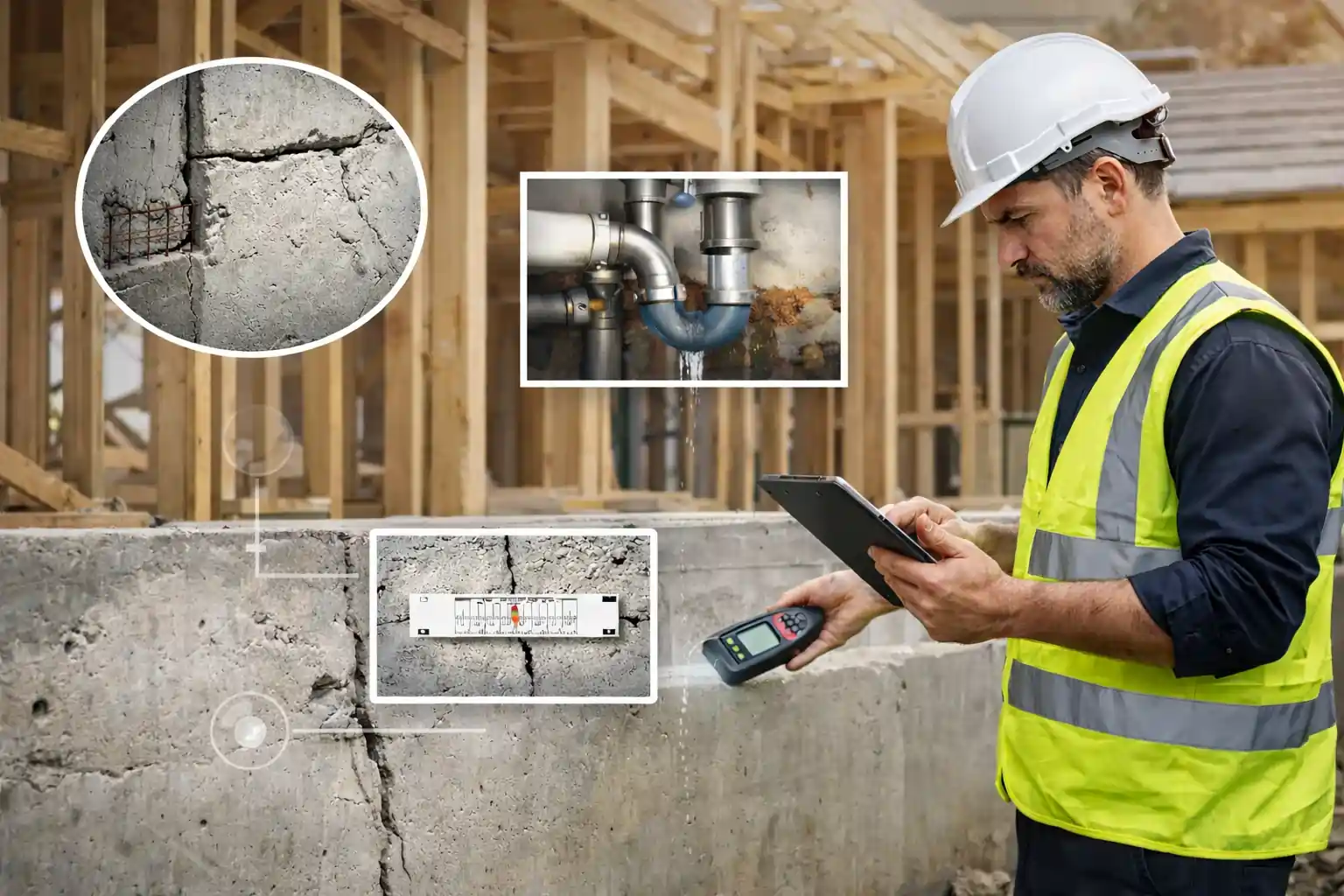
Construction Stage Defect Assessment for Early Fixes
Construction stage defect assessments are vital for protecting structural integrity. Defects caught early prevent escalation into costly issues that can increase project costs by up to 20%.
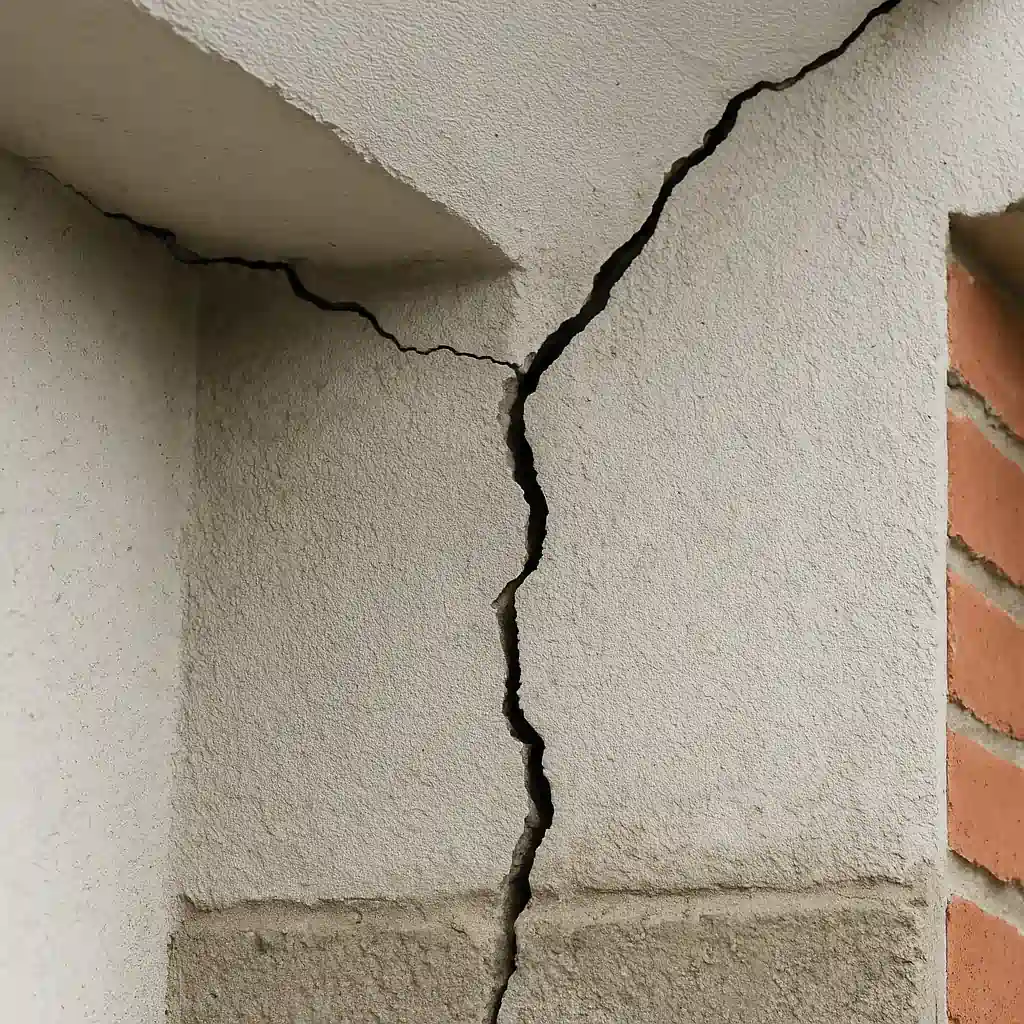
Top Warning Signs of Structural Defects in New Builds
Nearly 70% of newly built Australian homes show major defects. Learn the eight key warning signs of structural issues and how to protect your investment.
Concerned About Building Defects?
Our licensed inspectors cover Sydney, Melbourne, and all major Australian cities.