
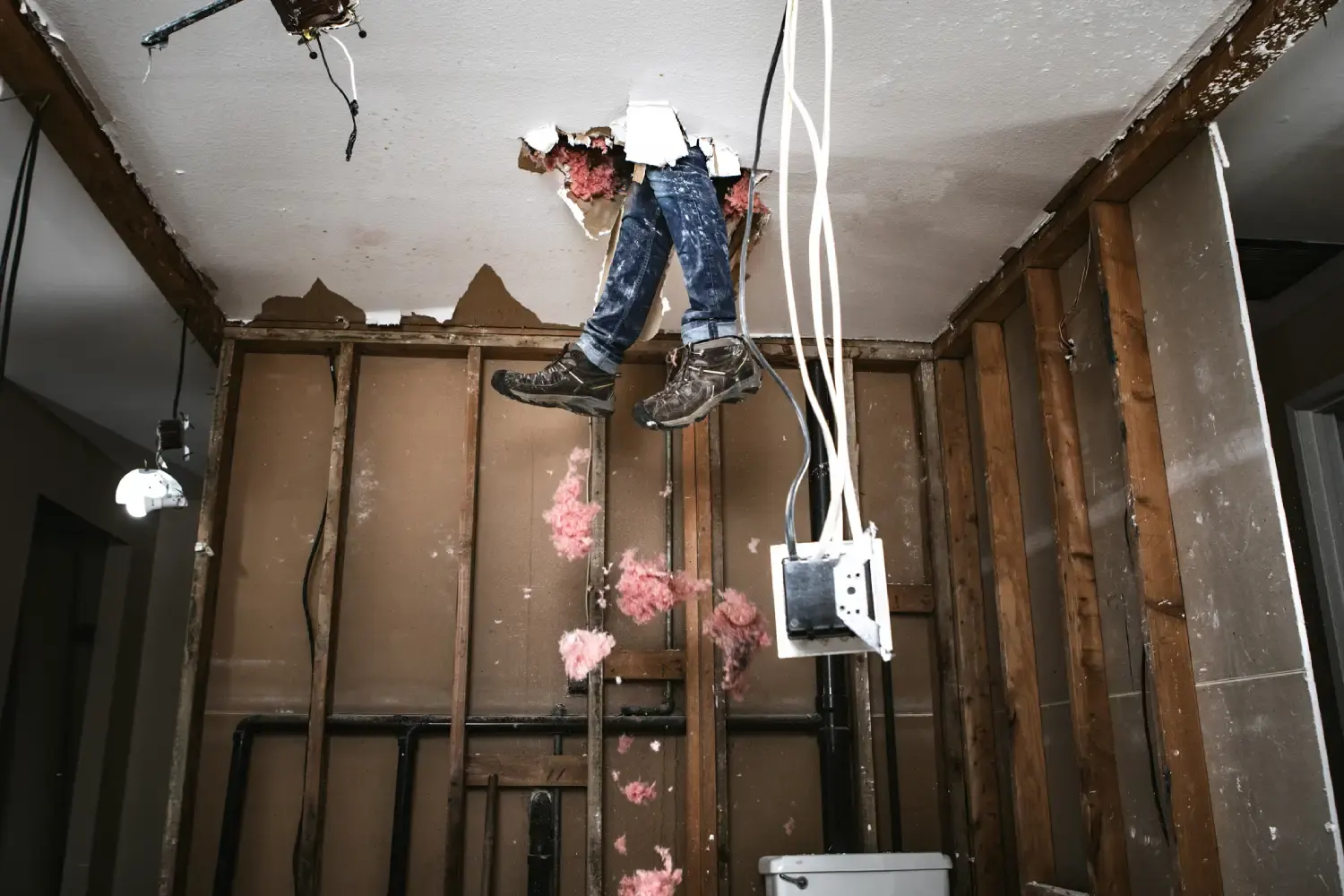
High-profile cases like the Opal Tower and Mascot Towers incidents in Sydney highlighted how widespread building defects can be and how costly the consequences are when they go undetected. Property owners, buyers, and developers all benefit from understanding what defects look like, what causes them, and how to address them before they escalate. For a complete overview, see our guide to building defect investigations.
What Is a Building Defect?
A building defect is any issue with the structure, materials, or workmanship that affects a building's safety, function, or appearance. Defects range from minor cosmetic issues to severe structural failures. Some are visible immediately, while others take years to appear, which is why periodic professional inspections are so important.
Types of Building Defects
| Description | Examples | Impact | |
|---|---|---|---|
| Major Defects | Significant structural faults that compromise building stability | Foundation movement, waterproofing failures, faulty plumbing causing structural damage | Can lead to severe damage, safety risks, or complete structural failure |
| Minor Defects | Aesthetic or functional imperfections that do not immediately affect structural integrity | Small plaster cracks, uneven paintwork, ill-fitted doors and windows | Can worsen over time if neglected, potentially becoming major issues |
Common Causes of Building Defects
- Poor workmanship: Improper construction methods, lack of skilled labour, and inadequate supervision
- Inferior materials: Substandard or unsuitable building products that deteriorate early
- Design flaws: Miscalculations in architectural and engineering plans that create structural weaknesses
- Environmental factors: Soil movement, moisture infiltration, extreme weather, and tree root interference
Common Building Defects in Australia
Water Leaks and Waterproofing Issues
Water infiltration is one of the most common and damaging defects in Australian properties.
- Causes: Faulty waterproof membranes, improper roof flashing, inadequate drainage, and ageing plumbing
- Signs: Water stains, peeling paint, mould growth, persistent dampness, and musty odours
- Risks: Weakened building structure, mould-related health hazards, and expensive repairs
- Prevention: Regular plumbing and roofing inspections, proper waterproofing application, and quality sealants
Cracking in Walls and Foundations
Cracks can indicate anything from minor settling to serious structural problems.
Types of Cracks
- Hairline cracks: Typically cosmetic but should be monitored over time
- Structural cracks: Wider cracks, particularly in load-bearing walls, that indicate deeper foundational issues
Causes
- Soil expansion and contraction due to moisture variations
- Weak foundation design or improper compaction before construction
- Water damage and invasive tree roots compromising structural integrity
Roofing Defects
Roofing issues are a leading cause of water damage and insulation problems.
- Broken or missing roof tiles exposing the building to water ingress
- Inadequate ventilation causing moisture buildup, leading to mould and decay
- Blocked gutters and downpipes leading to water pooling and leaks
Annual roof inspections, especially after severe weather, can catch roofing defects before they cause interior water damage. Using high-quality, weather-resistant roofing materials also reduces long-term risk.
Faulty Plumbing and Drainage
- Signs: Low water pressure, unexplained damp patches, visible pipe leaks, water accumulation around foundations
- Causes: Poor installation, ageing or corroded pipes, substandard materials, clogged drainage
- Impact: Mould growth, structural decay, and significantly higher water bills
- Solutions: Regular plumbing inspections, replacing outdated pipes, and hiring licensed plumbers for repairs
Electrical Defects and Safety Concerns
- Common issues: Exposed wiring, overloaded circuits, poorly connected systems, non-compliant installations
- Hazards: Electrical fires, electrocution risks, and unexpected outages
- Prevention: Compliance with Australian electrical safety regulations, routine inspections by qualified electricians, and proper installation of safety switches
Importance of Professional Inspections
Why Professional Inspections Are Needed
Hiring a certified building inspector is the most reliable way to detect defects before they escalate. Pre-purchase inspections help buyers avoid properties with hidden issues, while routine assessments allow owners to address problems early.
What a Building Defect Inspection Covers
How to Prevent and Address Defects
Working with Reputable Builders
Routine Maintenance and Repairs
Reporting and Resolving Defects
Builders must rectify defects under statutory defect liability periods, which vary by state. In NSW, the major defect period is 6 years and the minor defect period is 2 years under the Home Building Act 1989. NSW Fair Trading and the Queensland Building and Construction Commission (QBCC) handle dispute resolution if builders fail to act.
- Maintain comprehensive records of defects and all communications with contractors
- Lodge formal complaints with your state's consumer protection body if the builder refuses to fix defects
- Consider engaging an independent building inspector to document the defects as evidence for disputes
Regulatory Compliance
All properties in Australia must meet the National Construction Code (NCC) and state-specific building regulations. Failure to comply can result in legal action, property devaluation, and financial losses.
| Key Legislation | Regulatory Body | Major Defect Period | |
|---|---|---|---|
| NSW | Home Building Act 1989 | NSW Fair Trading | 6 years |
| VIC | Domestic Building Contracts Act 1995 | Victorian Building Authority (VBA) | 10 years |
| QLD | Queensland Building and Construction Commission Act 1991 | QBCC | 6 years 6 months |
Key Takeaways
- Building defects include structural, material, and workmanship issues that affect property safety, function, and value.
- The most common defects in Australian properties are waterproofing failures, wall and foundation cracks, roofing problems, faulty plumbing, and electrical faults.
- Professional inspections are the most reliable way to detect defects early and prevent costly repairs.
- Defect liability periods give homeowners legal protection, with major defect periods ranging from 6 to 10 years depending on the state.
- Regular maintenance and prompt repair of minor issues prevent them from escalating into major structural problems.
- High-profile cases like Opal Tower and Mascot Towers show the financial and safety consequences of undetected building defects.
- Builders must rectify defects under statutory warranty periods, and disputes can be escalated to state consumer protection bodies.
Frequently Asked Questions
What are the most common building defects in Australian homes?
The most common defects are waterproofing failures, cracking in walls and foundations, poor drainage, electrical faults, and roofing problems. These issues can be caused by poor workmanship, inferior materials, design flaws, or environmental factors such as soil movement and moisture infiltration.
How can I tell if a crack in my wall is serious?
Structural cracks that are wide (more than 2mm), diagonal, or located in load-bearing walls require immediate professional attention. Hairline cracks are usually cosmetic but should be monitored. If cracks are growing, recurring, or accompanied by other symptoms like sticking doors or uneven floors, a structural assessment is recommended.
Is waterproofing failure covered under warranty?
Most statutory warranties cover waterproofing issues if reported within the defect liability period. In NSW, major defects including waterproofing failures must be reported within 6 years of completion. In Victoria, the period is 10 years for structural defects. Check your state's legislation for specific timeframes.
How often should a building inspection be done?
Before purchasing a property, annually for general maintenance, and before major renovations. Properties in areas prone to termites, flooding, or extreme weather should be inspected more frequently. Regular inspections catch developing issues before they become expensive problems.
What should I do if I discover a defect after purchasing a property?
Contact the builder or property developer and raise the issue in writing. If the property is within the defect liability period, the builder is legally required to rectify the defect. If they refuse, you can lodge a complaint with your state's consumer protection agency, such as NSW Fair Trading or the QBCC.
Are builders responsible for fixing defects?
Yes. Under Australian consumer protection laws, builders must rectify defects within the statutory defect liability period. This period varies by state but is typically 2 years for minor defects and 6 to 10 years for major defects. If a builder refuses, the matter can be escalated to a tribunal or consumer protection body.
What are my legal rights if a builder refuses to fix defects?
You can escalate the issue to your state's consumer protection agency. In NSW, this is Fair Trading. In Queensland, it is the QBCC. In Victoria, the VBA or VCAT can assist. These bodies can order builders to carry out rectification work and, in some cases, impose penalties for non-compliance.
How do I choose a reliable building inspector?
Look for a licensed inspector with experience in the property type you need assessed. Check their certifications, read client reviews, and ask for a sample report. An inspector who carries professional indemnity insurance and follows Australian Standard AS 4349.1 provides the most credible and thorough assessment.
What are the risks of ignoring minor defects?
Small issues can escalate into major structural failures over time. A minor crack can grow into a serious foundation problem. A small plumbing leak can cause hidden water damage and mould growth. Addressing defects early is always more cost-effective than waiting for them to worsen.
Can poor ventilation lead to structural damage?
Yes. Inadequate ventilation can cause moisture buildup inside walls, roof cavities, and subfloor areas. Over time, this leads to mould growth, timber deterioration, and material decay that weakens the building's structure. Proper ventilation is a basic requirement under the National Construction Code.
References and Resources
- National Construction Code (NCC) - Australian Building Codes Board
- NSW Fair Trading - Building Defects - Defect reporting and dispute resolution in NSW
- Queensland Building and Construction Commission (QBCC) - Builder licensing and defect complaint handling
- Victorian Building Authority (VBA) - Building regulations and inspections in Victoria
Related Articles
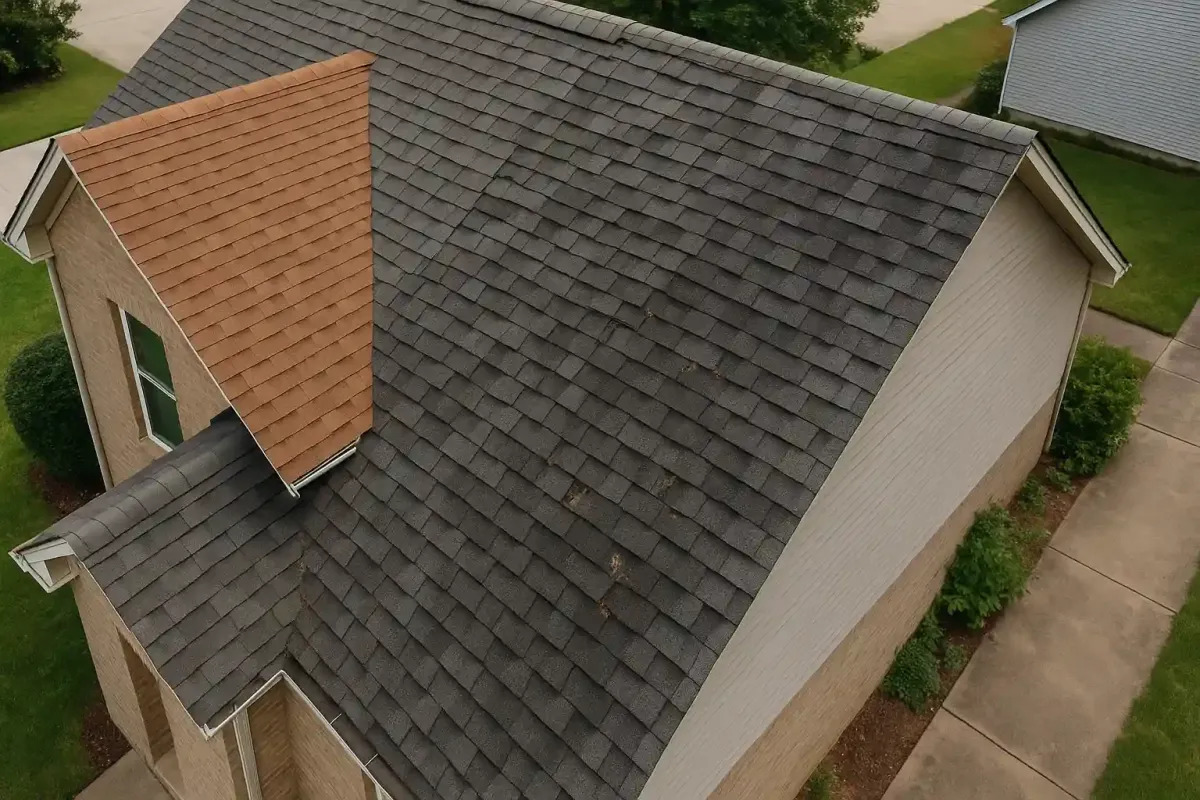
Steps to Protect from Hidden Building Defects When Buying
Hidden building defects cost Australian property owners billions of dollars each year. From concealed waterproofing failures and structural cracking to faulty plumbing and non-compliant electrical work, many defects remain invisible during a standard walkthrough. This guide explains how to identify hidden defects, your legal rights, and the steps you can take to protect your investment.
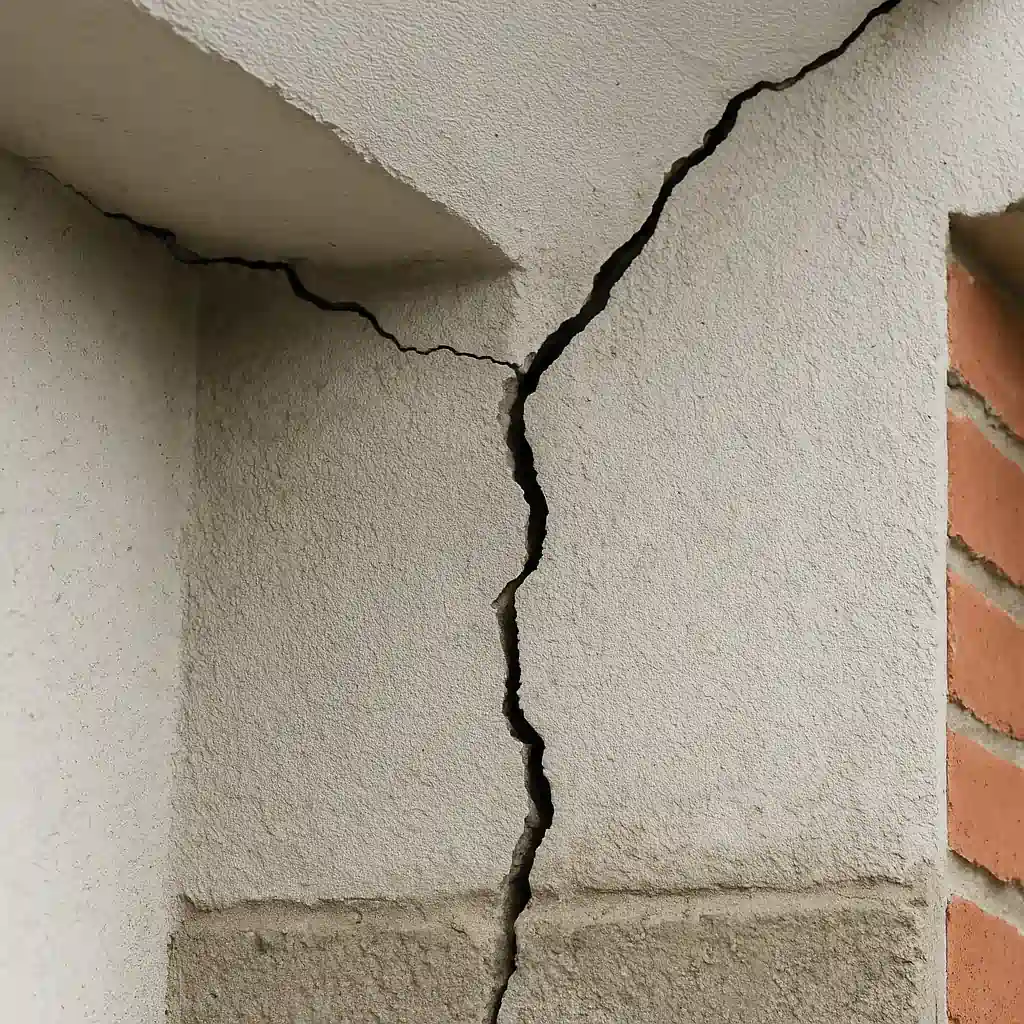
Top Warning Signs of Structural Defects in New Builds
Nearly 70% of newly built Australian homes show major defects. Learn the eight key warning signs of structural issues and how to protect your investment.

Australia's Top 10 Most Common Building Defects
Building defects remain one of the biggest concerns for Australian property owners and buyers. From water leaks and waterproofing failures to building movement and subsidence, these are the ten most common defects found during professional building inspections across the country.
Suspect defects in your property? Owner Inspections provides independent building defect inspections across NSW, Victoria, and Queensland. Our licensed inspectors identify structural, plumbing, electrical, and waterproofing issues with detailed photographic reports. Book a defect inspection or call us on 1300 471 805.