
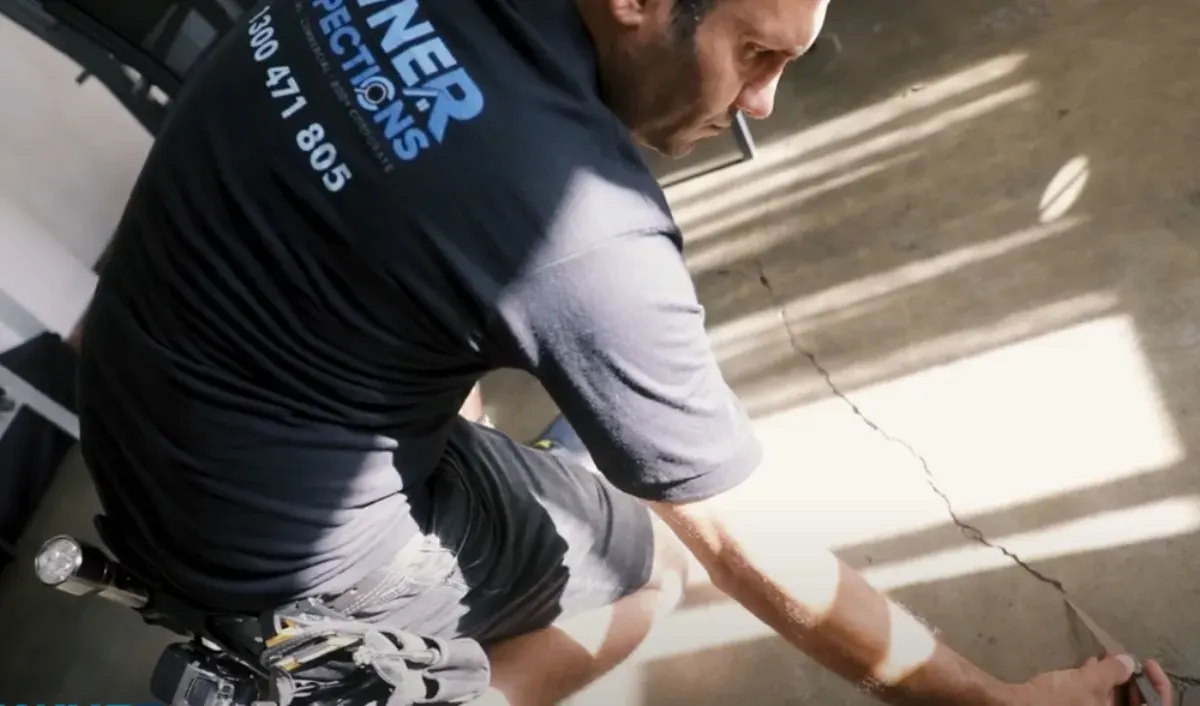
High-profile incidents such as the Opal Tower evacuation on Christmas Eve 2018 and the Mascot Towers crisis in June 2019 brought national attention to the state of construction quality in Sydney. These events displaced hundreds of residents, cost millions in remediation, and prompted a wave of regulatory reform aimed at lifting standards across the industry. For a complete overview, see our guide to building defect investigations.
The Scale of the Problem
The scale of building defects in Sydney is significant. Research from the University of New South Wales has indicated that up to 85% of new apartment buildings in the city contain at least one notable defect. The cost of rectifying building defects in NSW residential construction has been estimated at over $1 billion annually.
Several factors contribute to the prevalence of defects in Sydney:
- Rapid construction timelines driven by demand and development pressures
- Skills shortages leading to reliance on less experienced workers
- Complex multi-storey designs that require high levels of coordination
- Sydney's variable climate, with intense storms, coastal salt air, and reactive soils
- Historical gaps in regulatory oversight and enforcement
High-Profile Cases
Opal Tower
The Opal Tower in Sydney Olympic Park was evacuated on Christmas Eve 2018 after residents reported loud cracking sounds and visible structural damage. Approximately 3,000 residents were displaced. The subsequent investigation identified defects in pre-cast concrete panels and the structural connections between them. The remediation cost exceeded $30 million.
Mascot Towers
In June 2019, residents of Mascot Towers in the Sydney suburb of Mascot were evacuated after engineers identified cracking in the primary support structure and the transfer slab. The building remained unoccupied for an extended period, and the strata corporation faced remediation costs estimated at over $30 million. This case highlighted the financial vulnerability of strata owners when major structural defects are discovered.
These high-profile cases represented the most visible examples of a broader systemic issue. Many more buildings across Sydney have defects that, while less dramatic, still require investigation and rectification to protect occupant safety and property values.
The Defect Investigation Process
A professional defect investigation follows a structured process designed to identify, document, and assess building defects systematically.
Inspection
The investigation begins with a thorough physical inspection of the property. Inspectors examine accessible areas of the building, including internal spaces, roof voids, subfloor areas, external facades, and common areas. They use tools such as moisture meters, thermal imaging cameras, and borescopes to detect defects that are not visible to the naked eye. The inspection is guided by the building plans, specifications, and any relevant Australian Standards.
Analysis
Following the physical inspection, the findings are analysed to determine the nature, cause, and severity of each defect. This may involve consultation with structural engineers, waterproofing specialists, or other experts. The analysis considers whether defects are related to design, workmanship, materials, or environmental factors. The likely progression of each defect and its impact on the building's structural integrity and habitability are assessed.
Reporting
A detailed report is prepared documenting all findings. The report includes photographs, descriptions of each defect, the assessed cause, the severity rating, and recommended rectification methods. The report may also include cost estimates for rectification and a priority ranking to help owners address the most critical issues first. This report serves as an important document for warranty claims, insurance applications, and legal proceedings.
Legal Framework
The legal framework governing building defects in New South Wales is extensive and provides multiple avenues for property owners to seek rectification.
Home Building Act 1989 (NSW)
The Home Building Act 1989 is the primary legislation governing residential building work in NSW. It establishes statutory warranties that apply automatically to residential building work:
| Warranty Type | Coverage Period | Scope |
|---|---|---|
| Major Defects | 6 years from completion | Defects causing inability to inhabit, destruction, or collapse risk |
| General Defects | 2 years from completion | All other defects and non-completion of work |
| Workmanship | 6 years (major) / 2 years (general) | Work must be done with due care and skill |
Design and Building Practitioners Act 2020 (NSW)
Introduced in response to the Opal Tower and Mascot Towers incidents, this legislation brought significant reforms:
- Mandatory registration of building designers, engineers, and practitioners
- Declaration requirements that work complies with the Building Code of Australia
- A statutory duty of care owed by practitioners to current and future owners
- Enhanced record-keeping and documentation requirements
Strata Schemes Management Act 2015 (NSW)
For apartment buildings, this legislation governs how owners corporations manage defect claims:
- Owners corporations must maintain common property in good condition
- Capital works funds must be established for anticipated repairs
- Building bond provisions require developers to lodge a bond equal to 2% of the contract price for buildings over three storeys
Residential Apartment Buildings (Compliance and Enforcement Powers) Act 2020 (NSW)
This legislation gives the NSW Building Commissioner powers to:
- Issue stop work orders on construction sites
- Prohibit the issue of occupation certificates
- Require rectification of defective work before completion
- Enter and inspect building sites and completed buildings
Common Defects in Sydney Buildings
The most frequently identified defects during investigations in Sydney include:
- Waterproofing failures in bathrooms, balconies, and rooftops
- Structural cracking in concrete elements and masonry walls
- Fire safety non-compliance, including breached fire-rated construction
- Defective cladding and facade systems
- Plumbing and drainage defects
- Electrical non-compliance and safety hazards
- Water penetration through building envelopes
- Concrete cancer (carbonation and reinforcement corrosion)
Prevention Strategies
For Builders and Developers
For Property Owners and Buyers
Frequently Asked Questions
What percentage of Sydney buildings have defects?
The NSW Building Commissioner has estimated that approximately 70% of buildings inspected contain defects. UNSW research has indicated that up to 85% of new apartment buildings in Sydney contain at least one significant defect.
What is the most common building defect in Sydney?
Waterproofing failures are the most commonly reported defect, accounting for approximately 40% of all reported defects in new apartment buildings. These include failures in bathrooms, balconies, rooftops, and below-ground areas.
How long do I have to make a defect claim in NSW?
Under the Home Building Act 1989, you have six years from completion to claim for major defects and two years for general defects. It is important to lodge claims as early as possible once defects are identified to preserve your rights.
What is the role of the NSW Building Commissioner?
The NSW Building Commissioner oversees building compliance, conducts proactive inspections of construction sites and completed buildings, issues stop work orders where necessary, and works to improve building standards across the state. The role was created in response to the building quality crisis highlighted by the Opal Tower and Mascot Towers incidents.
How much does a defect investigation cost in Sydney?
The cost varies depending on the size and complexity of the property. A basic defect inspection for a single dwelling typically ranges from $500 to $1,500. Comprehensive investigations of apartment buildings, particularly those requiring specialist engineering input, can cost significantly more.
Can I claim against a builder who has gone into liquidation?
If the builder has home warranty insurance, you may be able to claim against the insurance policy even if the builder has become insolvent. Home warranty insurance is mandatory for residential building work over $20,000 in NSW and covers defects where the builder cannot complete rectification.
What is the building bond scheme in NSW?
Under the Strata Schemes Management Act 2015, developers of residential apartment buildings over three storeys must lodge a building bond equal to 2% of the contract price with NSW Fair Trading. This bond is held for two years and can be used to fund defect rectification if the developer fails to address reported defects.
Should I get an independent inspection during construction?
Yes. Independent inspections at key construction stages (slab, frame, lock-up, fixing, and pre-handover) are one of the most effective ways to identify and rectify defects before they are concealed by subsequent work. This approach is far less costly than addressing defects after completion.
What happens after a defect investigation report is issued?
The report is used to negotiate rectification with the builder or developer, support warranty claims, inform insurance claims, or serve as evidence in legal proceedings. Owners should prioritise defects based on severity and begin the rectification process promptly.
Can defects reduce the value of my property?
Yes. Unresolved building defects can significantly reduce property value. Structural defects, waterproofing failures, and fire safety non-compliance are particularly impactful. Conversely, having defects professionally documented and rectified can protect and restore property value.
Key Takeaways
- Approximately 70% of Sydney buildings inspected contain defects, according to the NSW Building Commissioner
- Waterproofing failures are the most common defect category, accounting for roughly 40% of reported defects
- The Opal Tower and Mascot Towers incidents prompted significant regulatory reform in NSW
- Defect investigations follow a structured process of inspection, analysis, and reporting
- The Home Building Act 1989 provides statutory warranties of six years for major defects and two years for general defects
- Independent inspections during construction are one of the most effective prevention strategies
- Property owners should act promptly on any signs of defects to preserve their legal rights
References and Resources
Related Articles
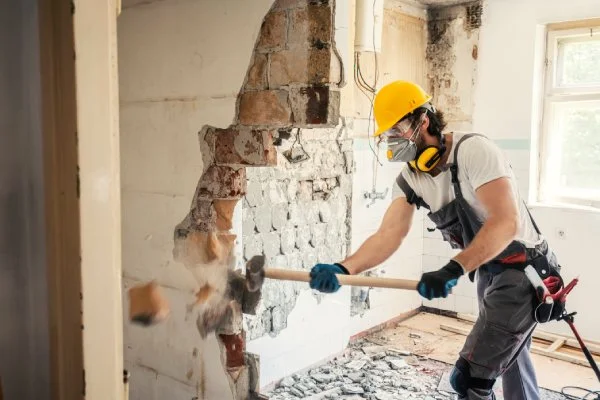
The Most Common Building Defects in Sydney
Sydney's construction boom has exposed systemic problems in building quality. Research shows up to 85% of new apartments contain significant defects, with waterproofing failures and structural issues being most prevalent.
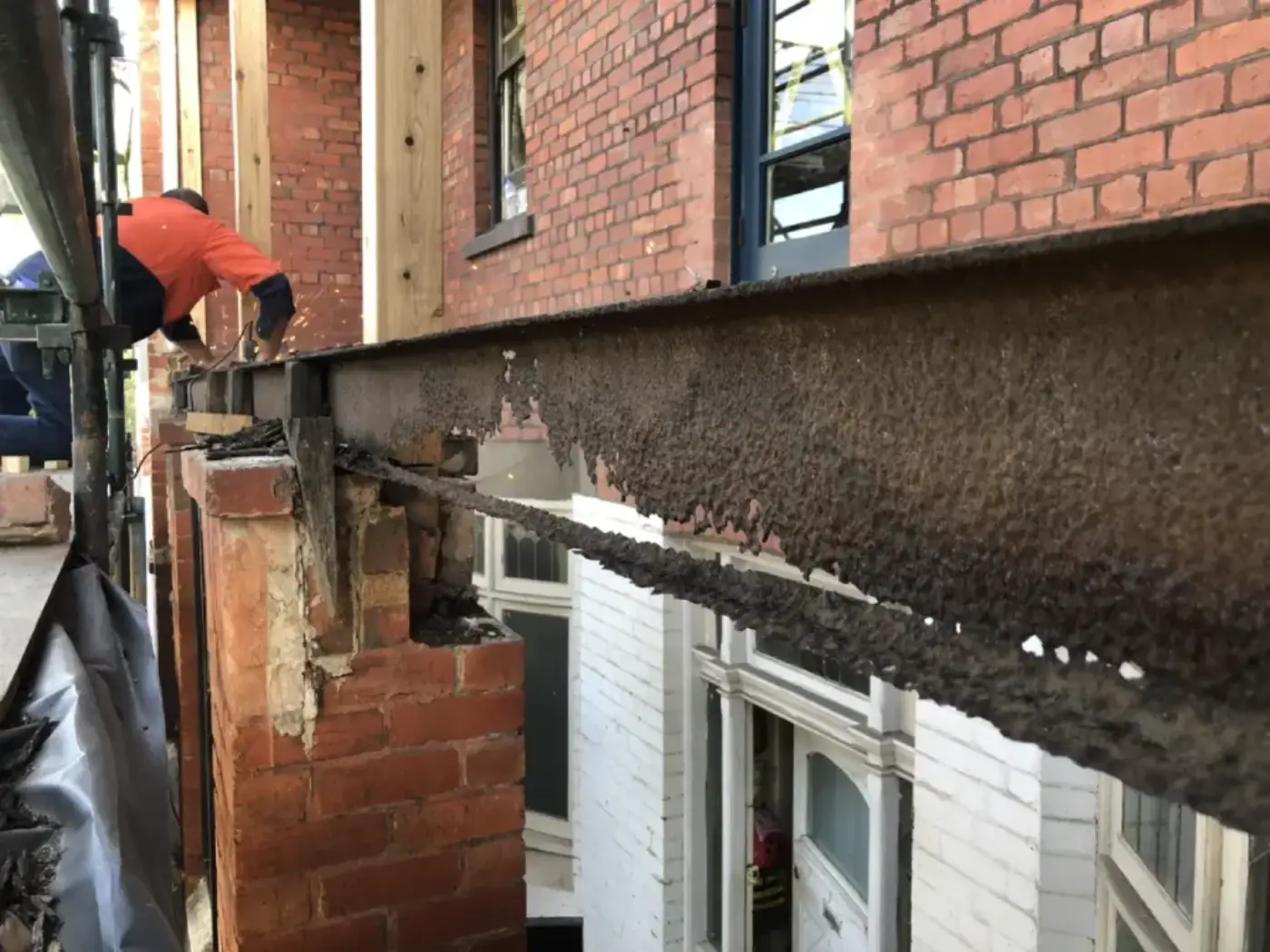
Construction Defect Inspection
Construction defect inspections systematically assess property structure, materials, and workmanship to identify faults and ensure compliance with Australian Building Codes.
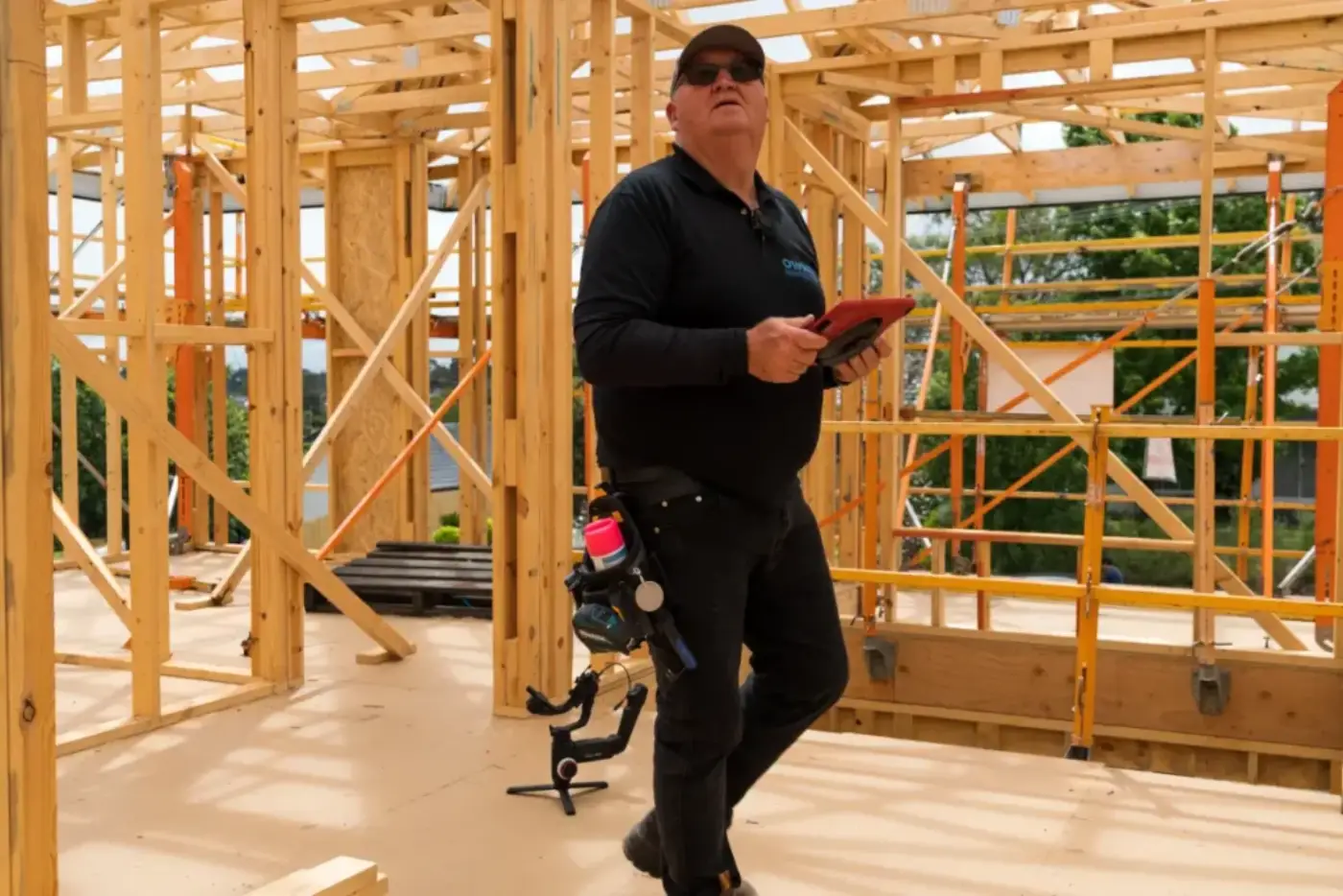
Structural Defect Inspections to Prevent Future Problems
Approximately one in five Australian homes experience structural issues. Learn how structural defect inspections can prevent expensive repairs and ensure safety.
Need a Defect Investigation in Sydney?
Our licensed building inspectors conduct thorough defect investigations across Sydney. Protect your property with a professional assessment.