
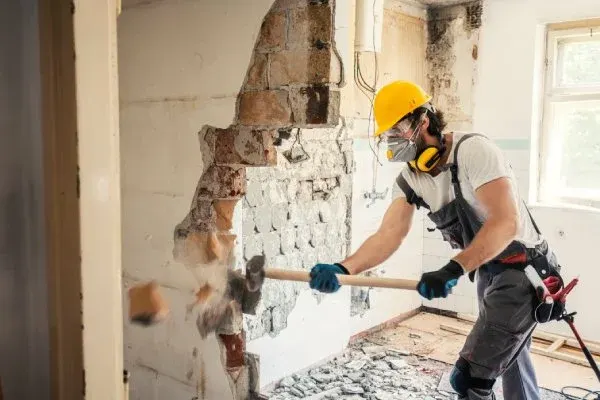
Sydney's construction boom over the past two decades has transformed the city's skyline, but it has also exposed systemic problems in building quality. Research from the University of New South Wales indicates that up to 85% of new apartment buildings in Sydney contain at least one significant defect, with waterproofing failures and structural issues being the most prevalent. Understanding these common defects is essential for property buyers, owners, and strata committees seeking to protect their investments. For a complete overview, see our guide to building defect investigations.
The high-profile evacuations of Opal Tower in 2018 and Mascot Towers in 2019 brought national attention to building defects in Sydney, prompting significant regulatory reforms. These incidents, which displaced hundreds of residents and resulted in remediation costs exceeding $100 million, demonstrated the real consequences of construction failures and inadequate oversight.
Sydney's unique combination of coastal climate, reactive clay soils, and rapid construction has created conditions where building defects are particularly common. The city receives an average of 1,213 millimetres of rainfall annually, much of it in intense summer storms that stress waterproofing systems. Salt-laden coastal air accelerates concrete deterioration in many suburbs, while the clay soils of Western Sydney cause significant foundation movement.
The cost of rectifying building defects in NSW residential construction has been estimated at over $1 billion annually. Early identification through professional inspection remains the most cost-effective approach to managing these risks.
Australian Regulatory Framework for Building Defects
Understanding the legal framework governing building construction in New South Wales helps property owners recognise their rights and the obligations of builders and developers. Several key pieces of legislation establish standards and provide remedies for building defects.
Home Building Act 1989 (NSW)
The Home Building Act 1989 (NSW) is the primary legislation governing residential building work in New South Wales. It establishes statutory warranties that apply automatically to residential building work, providing property owners with legal recourse when defects are discovered:
- Major defects warranty: Six years from completion for defects that cause or are likely to cause the inability to inhabit or use the building, the destruction of the building, or a threat of collapse
- General defects warranty: Two years from completion for all other defects and non-completion of work
- Workmanship warranty: Work must be done with due care and skill and in accordance with plans and specifications
- Materials warranty: Materials must be suitable and new unless otherwise agreed
These warranties apply to all residential building work over $5,000 and cannot be contracted out of. Home warranty insurance, obtained by the builder before work commences, provides coverage if the builder dies, disappears, or becomes insolvent.
Strata Schemes Management Act 2015 (NSW)
For apartment buildings and townhouse complexes, the Strata Schemes Management Act 2015 (NSW) governs the obligations of owners corporations regarding building maintenance and defect rectification:
- Owners corporations must maintain and repair common property in good condition
- A capital works fund must be established to cover anticipated major repairs and maintenance
- Strata committees have duties to manage defect claims against developers and builders
- Special levies may be raised to fund defect rectification work
The interaction between the Home Building Act and Strata Schemes Management Act creates a complex regulatory environment for apartment defects, often requiring specialist legal advice.
Design and Building Practitioners Act 2020 (NSW)
Following the Opal Tower and Mascot Towers incidents, the Design and Building Practitioners Act 2020 (NSW) introduced significant reforms to improve building quality:
- Practitioner registration: Designers, engineers, and builders must be registered and demonstrate competency
- Declaration requirements: Practitioners must declare that building work complies with the Building Code of Australia
- Design documentation: Detailed design documents must be provided and maintained
- Duty of care: Building practitioners owe a statutory duty of care to current and future owners
This legislation represents a significant shift towards accountability in the construction industry, with potential personal liability for practitioners who fail to meet their obligations.
Relevant Australian Standards
Australian Standards establish the technical requirements for building work. Key standards relevant to common Sydney building defects include:
- AS 3740 Waterproofing of domestic wet areas: Specifies requirements for waterproofing in bathrooms, laundries, and other wet areas
- AS 4349.1 Inspection of buildings Part 1: Pre-purchase inspections: Provides guidance for building inspection methodology and reporting
- AS 4349.3 Inspection of buildings Part 3: Timber pest inspections: Covers inspection for termites and other timber pests
- AS 2870 Residential slabs and footings: Governs foundation design for different soil conditions
- AS 3600 Concrete structures: Specifies requirements for concrete construction including reinforcement cover
The National Construction Code (NCC), adopted in New South Wales as the Building Code of Australia, references these standards and establishes minimum performance requirements for all building work.
Major Building Defects in Sydney Properties
Building defects in Sydney range from minor cosmetic issues to serious structural failures requiring urgent intervention. Understanding the nature, causes, and implications of these defects helps property owners and buyers make informed decisions.
Water Leaks and Waterproofing Failures
Waterproofing defects are the most common building defect category in Sydney, accounting for approximately 40% of all reported defects in new apartment buildings. Sydney's significant rainfall, humidity, and driving rain during storms create continuous stress on waterproofing systems.
Common waterproofing failure locations include:
- Balconies and terraces: Exposed to weather, these areas require robust waterproofing membranes and proper drainage. Failures cause water ingress to apartments below and can lead to concrete deterioration
- Bathrooms and wet areas: Non-compliant waterproofing under tiles allows water penetration into floor and wall structures, causing timber rot and mould growth
- Window and door openings: Inadequate flashing and sealing around openings permits water entry during rain events
- Roof junctions and penetrations: Complex roof geometries and service penetrations are common failure points
- Basement and below-ground areas: Hydrostatic pressure from groundwater requires tanking systems that are frequently defective
A study by the City Futures Research Centre found that 72% of surveyed strata buildings had experienced waterproofing defects, with remediation costs averaging $200,000 per building.
The consequences of waterproofing failures extend beyond water damage. Moisture promotes mould growth, which affects indoor air quality and poses health risks. Ongoing dampness causes timber framing to rot, reducing structural capacity. Water penetrating concrete accelerates reinforcement corrosion, leading to concrete cancer.
Concrete Cancer (Concrete Spalling)
Concrete cancer, technically known as concrete spalling, occurs when steel reinforcement within concrete rusts and expands. The expansion cracks the surrounding concrete, which then flakes away exposing more steel to corrosion. This creates a self-perpetuating cycle of deterioration that accelerates without intervention.
Sydney's coastal environment significantly increases concrete cancer risk. Salt-laden air penetrates concrete and attacks reinforcement, particularly where concrete cover is inadequate. AS 3600 specifies minimum cover requirements based on exposure conditions, but many older buildings and even some new constructions fail to meet these standards.
High-risk areas for concrete cancer include:
- Balcony slabs and balustrade walls
- Carpark structures, particularly in coastal suburbs
- Exposed concrete facades and feature elements
- Basement walls subject to water ingress
- Pool surrounds and water features
Remediation typically involves removing deteriorated concrete, treating or replacing corroded reinforcement, and applying protective coatings. Costs for extensive concrete cancer repair in apartment buildings routinely exceed $500,000 and can reach several million dollars for severe cases.
Structural Cracking and Movement
Cracking in building structures ranges from harmless hairline cracks caused by material shrinkage to serious structural failures requiring urgent engineering intervention. Distinguishing between cosmetic and structural cracking requires professional assessment.
Causes of structural cracking in Sydney buildings include:
- Foundation movement: Sydney's clay soils, particularly in Western Sydney suburbs, expand when wet and shrink when dry. This cyclical movement stresses foundations not designed for reactive soil conditions
- Inadequate structural design: Under-designed elements may crack under normal service loads
- Poor construction practices: Premature loading of concrete before adequate curing, inadequate reinforcement placement, and other construction errors cause cracking
- Differential settlement: Buildings founded on variable ground conditions settle unevenly, causing diagonal cracking patterns
The Opal Tower evacuation in December 2018 resulted from cracking in pre-cast concrete panels, later attributed to design and construction issues. The incident affected 51 apartments directly and caused temporary evacuation of the entire 36-storey building. Remediation costs exceeded $30 million.
Fire Safety Deficiencies
Fire safety defects pose life-threatening risks and are common in both new and older Sydney buildings. The Grenfell Tower fire in London in 2017 prompted widespread audits of Australian buildings, revealing extensive use of non-compliant cladding and other fire safety deficiencies.
Common fire safety defects include:
- Combustible cladding: Aluminium composite panels with polyethylene cores, banned following Grenfell, remain on many Sydney buildings
- Inadequate fire separation: Gaps in fire-rated walls and penetrations not properly sealed compromise compartmentation
- Non-compliant fire doors: Fire doors that fail to seal properly or have been modified reduce their effectiveness
- Defective fire services: Non-functional sprinklers, smoke detectors, and emergency warning systems
The NSW Cladding Taskforce identified over 1,000 buildings in Greater Sydney with potentially combustible cladding requiring assessment or remediation.
Electrical Deficiencies
Electrical defects present fire and electrocution hazards. Common issues in Sydney properties include:
- Outdated wiring: Properties built before 1970 may have rubber-insulated or lead-sheathed wiring that has deteriorated
- Overloaded circuits: Modern appliance loads exceeding original circuit capacity cause overheating
- Inadequate earthing: Older installations may lack effective earthing and safety switches
- Non-compliant modifications: DIY electrical work frequently fails to meet Australian Standards
- Water ingress: Moisture in electrical enclosures creates short-circuit and shock hazards
NSW legislation requires residual current devices (safety switches) on all power and lighting circuits in new construction. Properties without these devices have elevated electrocution risk. Professional electrical inspection is recommended for any property more than 25 years old.
Plumbing and Drainage Defects
Plumbing defects cause water damage, affect amenity, and create health hazards through sewer gas exposure or contaminated water supply. Common plumbing issues include:
- Leaking pipes: Corrosion in copper pipes, failed joints, and movement damage cause leaks that may go undetected in wall cavities
- Polybutylene pipes: Used in 1980s and 1990s construction, these pipes are prone to failure and often require complete replacement
- Blocked drains: Tree root intrusion, incorrect falls, and accumulated debris cause drainage blockages
- Defective hot water systems: Corroded tanks, failed pressure relief valves, and inadequate tempering create safety risks
- Cross-connections: Improper connections between potable and non-potable water supplies contaminate drinking water
In strata buildings, plumbing defects affecting common property can result in water damage to multiple lots, complicating responsibility and insurance claims.
Roof and External Envelope Defects
The building envelope protects against weather and comprises the roof, walls, windows, and doors. Envelope defects permit water ingress and thermal transfer, affecting comfort and causing damage.
Common roof defects in Sydney include:
- Displaced, cracked, or missing tiles and metal sheeting
- Deteriorated or incorrectly installed flashings
- Blocked or leaking gutters and downpipes
- Failed ridge capping and valley flashings
- Deteriorated sarking and underlayment
Facade defects include:
- Cracked or hollow rendered finishes
- Failed expansion joints allowing water penetration
- Deteriorated sealants around openings
- Damaged or loose cladding elements
Building Defect Classification
Building defects are classified according to their severity, impact on building function, and urgency of required remediation. Understanding these classifications helps property owners prioritise repairs and allocate budgets appropriately.
| Defect Type | Severity Level | Typical Cost Range | Affected Building Ages |
|---|---|---|---|
| Waterproofing failures (bathroom) | Moderate to Significant | $5,000 to $30,000 per bathroom | All ages, peak in 10 to 25 year old buildings |
| Balcony waterproofing failures | Significant | $15,000 to $60,000 per balcony | Buildings 5 to 20 years old |
| Concrete cancer (minor) | Moderate | $10,000 to $50,000 | Buildings over 15 years, coastal areas |
| Concrete cancer (extensive) | Significant to Critical | $200,000 to $2,000,000+ | Buildings over 25 years, coastal areas |
| Structural cracking (moderate) | Significant | $20,000 to $100,000 | All ages, especially on reactive soils |
| Structural failure (major) | Critical | $500,000 to $10,000,000+ | Variable, including new construction |
| Combustible cladding remediation | Critical (fire safety) | $500,000 to $5,000,000+ | Buildings from 1990s to 2010s |
| Fire safety deficiencies | Significant to Critical | $50,000 to $500,000 | All ages |
| Electrical rewiring | Moderate to Significant | $10,000 to $30,000 (house) | Buildings over 40 years |
| Complete roof replacement | Moderate to Significant | $15,000 to $50,000 (house) | Buildings over 30 years |
| Foundation underpinning | Significant to Critical | $30,000 to $150,000 | Buildings on reactive soils, all ages |
Notable Sydney Building Defect Cases
Several high-profile building defect cases in Sydney have shaped public awareness and driven regulatory reform. These cases illustrate the potential consequences of construction failures and the importance of thorough inspection.
Opal Tower (2018)
On Christmas Eve 2018, residents of Opal Tower in Sydney Olympic Park heard loud cracking sounds and observed significant cracking in a pre-cast concrete panel. The 36-storey building was evacuated, displacing 3,000 residents from 392 apartments.
Subsequent investigations identified multiple causes including inadequate design of pre-cast panels, installation issues, and construction defects. The incident prompted a state government review that led to the Design and Building Practitioners Act 2020. Remediation costs exceeded $30 million.
Mascot Towers (2019)
In June 2019, 132 apartments in Mascot Towers were evacuated after cracks appeared in the building's primary support structure. Unlike Opal Tower, the building remains unoccupied years later, with remediation costs estimated to exceed $100 million.
The owners corporation and individual owners face ongoing financial hardship, with many unable to sell their properties and continuing to pay mortgages and levies on uninhabitable apartments. The case demonstrates the devastating financial impact building defects can have on individual owners.
Lessons from Major Incidents
These cases highlight several important lessons:
- Even new buildings can have serious structural defects requiring immediate evacuation
- Defect rectification costs can exceed the original construction value
- Individual owners may bear significant financial burden when builders and developers cannot or will not pay for rectification
- Pre-purchase building inspections are essential, even for new or near-new apartments
- Strata committees should commission independent building assessments during defect warranty periods
Sydney Climate and Environmental Factors
Sydney's climate and environment create specific challenges for building durability and contribute to particular defect patterns.
Coastal Exposure
Approximately 70% of Sydney's population lives within 20 kilometres of the coast. Salt-laden air from the ocean accelerates corrosion of metal elements and penetrates concrete to attack steel reinforcement. Buildings within 1 kilometre of the coast are particularly vulnerable and require enhanced protective measures specified in AS 3600.
Coastal suburbs experiencing elevated defect rates include:
- Eastern Suburbs: Bondi, Coogee, Maroubra, Randwick
- Northern Beaches: Manly, Dee Why, Narrabeen
- Inner West: Pyrmont, Glebe, Balmain
- Sutherland: Cronulla, Caringbah
Rainfall and Humidity
Sydney receives over 1,200 millimetres of rainfall annually, with intense storms common in summer months. The combination of rainfall and humidity creates ideal conditions for:
- Mould growth in poorly ventilated spaces
- Timber rot in moisture-affected framing
- Waterproofing failures under sustained water exposure
- Stormwater system overloading and subsequent flooding
Reactive Clay Soils
Much of Western Sydney is built on highly reactive clay soils that expand significantly when wet and shrink when dry. This seasonal movement causes foundation distress in buildings not designed for reactive conditions. Affected areas include:
- Penrith and surrounding suburbs
- Liverpool and Fairfield
- Blacktown and Hills District
- Campbelltown and Camden
Buildings on these soils require foundations designed to Australian Standard AS 2870 for the specific site classification. Inadequate foundation design is a common defect in project home construction.
Strata and Apartment Building Defects
Strata-titled apartment buildings present unique challenges for defect identification, responsibility allocation, and rectification. The shared ownership structure complicates decision-making and funding, while the interaction between lot property and common property creates jurisdictional questions.
Common Property vs Lot Property
Understanding the distinction between common property (owned collectively by all lot owners) and lot property (owned individually) is essential for determining responsibility for defect rectification:
- Common property: Structural elements, building envelope, shared services, common areas. The owners corporation is responsible for maintenance and repair
- Lot property: Internal finishes, fixtures within the lot. Individual owners are responsible
- Boundary issues: Waterproofing membranes, pipes within walls, and windows may have unclear ownership requiring strata plan interpretation
Defect Claims Process for Strata
Pursuing defect claims in strata buildings requires coordinated action by the owners corporation:
- Commission independent building inspection by a qualified building consultant
- Obtain legal advice on claim viability and strategy
- Issue defect notices to the builder and developer within warranty periods
- Pursue claims through NSW Civil and Administrative Tribunal or courts if necessary
- Coordinate remediation work affecting both common and lot property
The Strata Building Bond and Inspections Scheme, introduced in 2018 for new buildings, requires developers to lodge a bond of 2% of contract price and mandates independent inspections during the first two years.
Defect Detection and Professional Inspection
Early identification of building defects minimises damage progression and reduces remediation costs. Professional inspection using appropriate methodology and equipment provides the best chance of detecting defects before they cause extensive damage.
When to Commission Inspections
Building inspections should be commissioned:
- Before purchasing any property, including new apartments
- Before expiry of statutory warranty periods (2 years for general defects, 6 years for major defects)
- Following weather events that may have caused damage
- When visible signs of defects appear
- Periodically (every 3 to 5 years) for proactive maintenance planning
- Before selling, to identify issues that may affect sale
Inspection Methodology
Comprehensive building inspections in accordance with AS 4349.1 include:
- Visual assessment: Systematic examination of all accessible areas including interior rooms, roof void, subfloor, and exterior
- Moisture testing: Use of moisture meters to detect elevated moisture in walls, floors, and ceilings
- Thermal imaging: Infrared cameras detect moisture, insulation defects, and electrical hotspots
- Level surveys: Laser levels measure floor slopes indicating structural movement
- Documentation: Comprehensive reporting with photographs and recommendations
Specialist Assessments
Some defects require specialist assessment beyond general building inspection:
- Structural engineering: For cracking, foundation issues, and load-bearing element assessment
- Facade engineering: For cladding, glazing, and external envelope systems
- Hydraulic engineering: For complex plumbing and drainage issues
- Fire safety: For fire service compliance and cladding assessment
- Geotechnical: For foundation and ground condition assessment
Frequently Asked Questions
What is the statutory warranty period for building defects in NSW?
Short answer: Six years for major defects and two years for all other defects from completion of work under the Home Building Act 1989 (NSW).
The Home Building Act 1989 (NSW) provides statutory warranties that apply automatically to all residential building work over $5,000. Major defects that cause or are likely to cause inability to inhabit the building, destruction, or threat of collapse are covered for six years. All other defects, including incomplete work and workmanship issues, are covered for two years. These periods commence from completion of the work, not from occupation or settlement. Warranty claims must be made within these periods, so property owners should commission building inspections before warranty expiry to identify any defects requiring rectification.
Who is responsible for building defects in a strata apartment?
Short answer: The developer and builder are liable during warranty periods. After warranty expiry, the owners corporation is responsible for common property defects, and individual owners for lot property defects.
During statutory warranty periods, the developer and builder remain liable for defects in their work. The owners corporation should pursue claims for common property defects (structural elements, facade, shared services) while individual owners may claim for lot-specific issues. After warranty expiry, the owners corporation must fund repairs to common property through the capital works fund or special levies. The Strata Schemes Management Act 2015 requires owners corporations to maintain common property in good repair. Determining whether a defect affects common property or lot property often requires interpretation of the strata plan and may involve legal advice.
Can I claim on home warranty insurance for building defects?
Short answer: Only if the builder has died, disappeared, or become insolvent. Home warranty insurance is a last resort, not first line of compensation.
Home warranty insurance in NSW, required for residential work over $20,000, covers homeowners when builders cannot fulfil their warranty obligations due to death, disappearance, or insolvency. It does not provide direct compensation for defects while the builder remains in business. The first recourse is always to require the builder to rectify defective work under their statutory warranty obligations. If the builder refuses, homeowners can apply to NSW Civil and Administrative Tribunal for orders requiring rectification. Only when these remedies are exhausted due to builder unavailability does home warranty insurance apply. Coverage is capped at $340,000 per dwelling for structural defects.
How do I know if cracking in my property is serious?
Short answer: Cracks wider than 5 millimetres, diagonal or stair-step patterns, accompanied by other signs like sticking doors, or actively widening require professional assessment.
Hairline cracks under 1 millimetre are common and typically result from normal material shrinkage or minor settlement. However, certain characteristics indicate potentially serious structural issues. Concerning signs include cracks wider than 5 millimetres, diagonal or stair-step patterns through masonry, cracks that extend through the full wall thickness, cracks accompanied by doors and windows sticking, and cracks that are widening over time. In Sydney, cracking is particularly common in Western Sydney suburbs with reactive clay soils, where seasonal soil movement stresses foundations. Professional building inspection can distinguish cosmetic cracking from structural issues requiring engineering assessment and remediation.
Should I get a building inspection on a new apartment?
Short answer: Yes. Research indicates up to 85% of new Sydney apartments have defects. Pre-purchase inspection identifies issues for negotiation or decision-making.
New apartments commonly contain defects despite being recently constructed. Studies by the University of NSW City Futures Research Centre found that the majority of new apartment buildings in Sydney have significant defects. High-profile failures at Opal Tower and Mascot Towers demonstrate that even new buildings can have serious structural issues. Pre-purchase inspection of new apartments identifies visible defects that should be rectified by the developer before settlement, provides documentation for warranty claims if issues emerge later, and informs your purchase decision. For off-the-plan purchases, a pre-settlement inspection before handover is essential to identify defects while the developer is still obligated to rectify them.
What is the Strata Building Bond and Inspections Scheme?
Short answer: A scheme requiring developers to lodge a 2% bond and mandating independent building inspections at 15 to 18 months after occupation for buildings with construction certificates issued after 2018.
The Strata Building Bond and Inspections Scheme was introduced following concerns about building quality in new apartments. Developers must lodge a bond equal to 2% of the contract price for building work. A mandatory interim inspection by a qualified building inspector must occur between 15 and 18 months after the occupation certificate is issued. If defects are identified, the developer must rectify them or the bond may be used to fund rectification. A final inspection occurs between 18 and 24 months, after which the bond is released if defects have been addressed. The scheme applies to buildings with construction certificates issued on or after 1 July 2018 with at least two lots.
How much does building defect rectification typically cost in Sydney?
Short answer: Costs range from a few thousand dollars for minor defects to tens of millions for major structural issues in large buildings.
Rectification costs vary enormously depending on defect type, extent, and building complexity. Minor waterproofing repairs may cost $5,000 to $10,000, while complete bathroom waterproofing replacement can exceed $30,000. Concrete cancer remediation ranges from $20,000 for minor repairs to several million dollars for extensive deterioration in large buildings. Structural repairs requiring underpinning or reinforcement typically start at $30,000 for houses and can reach tens of millions for apartment buildings. Mascot Towers remediation estimates exceed $100 million. Combustible cladding replacement commonly costs $1 million to $5 million for affected buildings. Early detection through regular inspection significantly reduces costs by enabling intervention before damage progresses.
What is concrete cancer and how is it treated?
Short answer: Concrete cancer is spalling caused by rusting reinforcement. Treatment involves removing damaged concrete, treating or replacing steel, and applying protective coatings.
Concrete cancer, technically called spalling, occurs when steel reinforcement within concrete rusts. Rust expands to approximately four times the volume of the original steel, creating internal pressure that cracks and detaches the surrounding concrete. The process is accelerated by inadequate concrete cover, carbonation of concrete, and chloride penetration from salt air or de-icing salts. Treatment involves breaking out all deteriorated and contaminated concrete to expose the reinforcement, treating corroded steel with rust inhibitor or replacing severely affected bars, applying bonding agents and patch repair mortars, and protecting the finished repair with coatings that prevent future water and chloride ingress. In Sydney's coastal environment, buildings should be assessed for concrete cancer indicators from approximately 15 years of age.
Where can I lodge a complaint about building defects in NSW?
Short answer: NSW Fair Trading for builder complaints and NSW Civil and Administrative Tribunal for disputes and orders requiring rectification.
For initial complaints about residential building work, contact NSW Fair Trading, which administers the Home Building Act 1989. Fair Trading can mediate disputes and issue compliance notices to builders. If mediation fails, applications can be made to NSW Civil and Administrative Tribunal (NCAT) for orders requiring defect rectification, compensation, or contract termination. NCAT handles residential building disputes valued up to $500,000 (or higher by consent). For larger claims or complex matters, proceedings in the Supreme Court may be appropriate. The NSW Building Commissioner also has powers to investigate and take action against practitioners under the Design and Building Practitioners Act 2020. Strata disputes may involve the Office of the NSW Civil and Administrative Tribunal (Fair Trading line).
Does my building have combustible cladding?
Short answer: Buildings constructed between 1990 and 2018 may have combustible cladding. The NSW Cladding Taskforce has assessed many buildings, and your owners corporation should have documentation.
Aluminium composite panels with polyethylene cores were widely used in Australian construction from the 1990s until their risks became apparent following the Grenfell Tower fire in 2017. The NSW Government established a Cladding Taskforce that has registered and assessed buildings with potentially combustible cladding. Building owners were required to register buildings over two storeys with any aluminium composite cladding. If your building was constructed between 1990 and 2018 and has external cladding, you should contact your owners corporation or building manager to determine if the building has been assessed and what, if any, remediation is required. The NSW Building Commissioner maintains a register of buildings with assessed risk and required actions.
Key Takeaways
- Up to 85% of new Sydney apartment buildings contain at least one significant defect, with waterproofing failures being the most common issue.
- The Home Building Act 1989 (NSW) provides statutory warranties of six years for major defects and two years for general defects from completion of work.
- High-profile incidents at Opal Tower and Mascot Towers demonstrated that even new buildings can have serious structural defects requiring evacuation.
- Sydney's coastal climate, rainfall, and reactive clay soils create specific challenges for building durability and contribute to defect patterns.
- The Design and Building Practitioners Act 2020 (NSW) introduced practitioner registration and a statutory duty of care following major building failures.
- Professional building inspections should be commissioned before purchase, before warranty expiry, and periodically for proactive maintenance planning.
- Defect rectification costs range from thousands of dollars for minor issues to tens of millions for major structural failures in apartment buildings.
- The Strata Building Bond and Inspections Scheme requires developers to lodge a 2% bond and mandates independent inspections for new strata buildings.
- NSW Fair Trading and the NSW Civil and Administrative Tribunal provide avenues for building defect complaints and dispute resolution.
- Early detection through professional inspection significantly reduces remediation costs and protects property investment value.
References and Resources
- NSW Building Commissioner
- National Construction Code (NCC)
- Home Building Act 1989 (NSW)
- Strata Schemes Management Act 2015 (NSW)
- Design and Building Practitioners Act 2020 (NSW)
- Standards Australia
- NSW Civil and Administrative Tribunal (NCAT)
Related Articles
Ensuring Strata Building Bond Compliance: The Role of SBBIS
The Strata Building Bond and Inspection Scheme protects apartment owners in NSW by requiring developers to lodge a 2% security bond. Learn about compliance requirements, penalties, and how inspections work.
A Comprehensive Guide to House Inspections
House inspections are detailed professional assessments evaluating structural integrity, safety systems, and component functionality. Learn everything you need to know.
Building Inspection Stages: A Comprehensive Guide
With new home starts projected to exceed 190,000 annually by 2025, quality assurance at each construction phase is increasingly important. Learn the six key stages.
Concerned About Building Defects?
Our licensed inspectors cover Sydney, Melbourne, and all major Australian cities.