
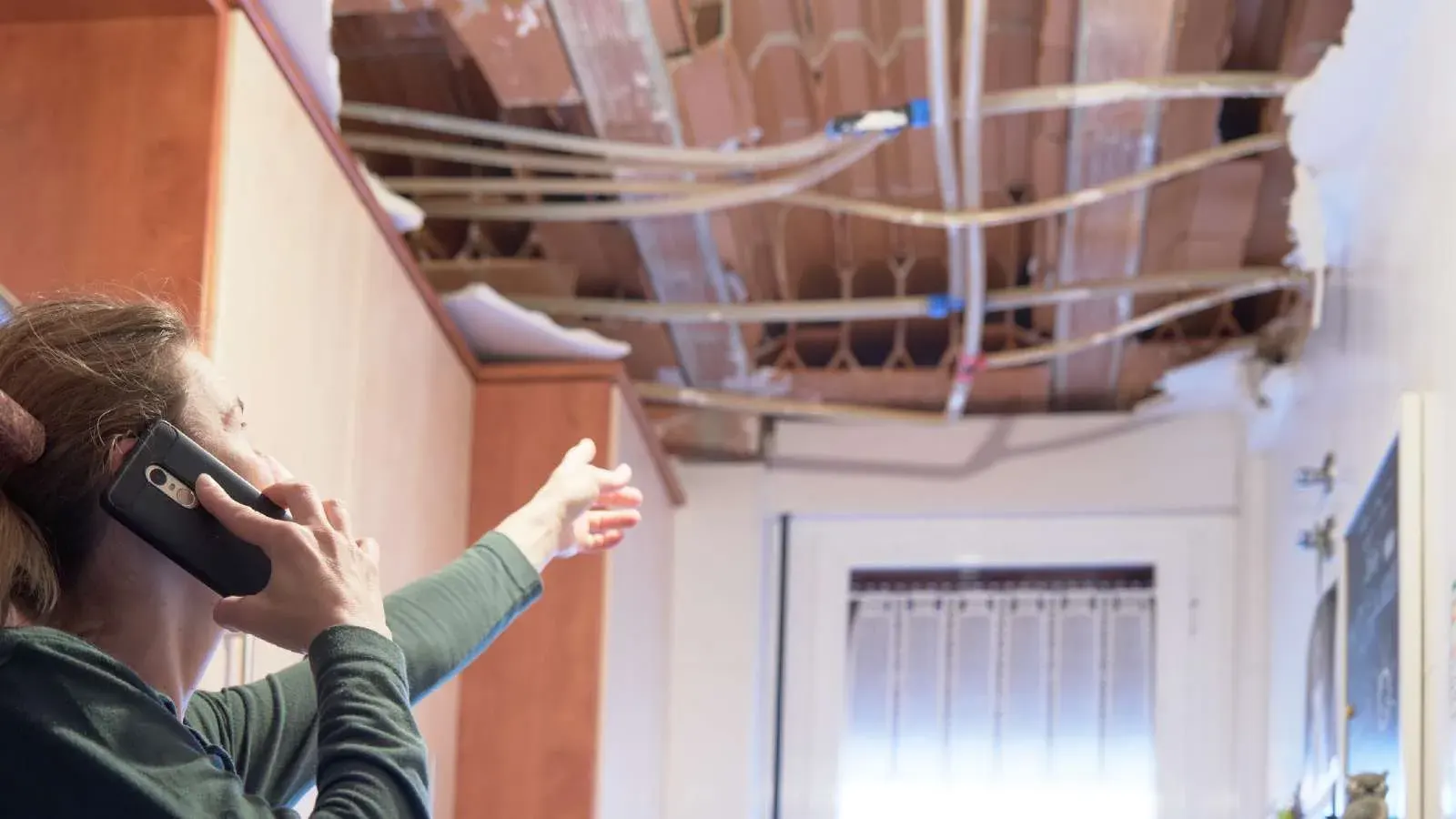
Brisbane's property market has seen significant growth, with new developments stretching from the inner suburbs to the outer corridors. With that growth comes the reality that not every building meets the standards it should. Whether you are a homeowner dealing with cracking walls, a buyer assessing a property before purchase, or a developer addressing warranty claims, a professional defect investigation gives you the evidence needed to understand the problem and take informed action. For a complete overview, see our guide to building defect investigations.
What Is a Building Defect?
In property terms, a defect is any imperfection in materials, workmanship, or design that reduces a building's functionality, safety, or value. Defects can be immediately visible or hidden beneath surfaces, only becoming apparent months or years after construction.
Common Causes of Defects
- Poor workmanship: Errors during construction due to lack of skill, negligence, or rushed timelines
- Substandard materials: Use of low-quality or faulty materials that degrade faster than expected
- Design flaws: Inadequate design that leads to problems such as poor drainage, insufficient ventilation, or structural weakness
- Environmental factors: Brisbane's subtropical climate, with heavy rain and high humidity, can accelerate the appearance of defects, particularly in waterproofing and external cladding
Visible vs Hidden Defects
| Description | Risk Level | |
|---|---|---|
| Visible (Overt) Defects | Immediately apparent issues such as cracked tiles, chipped paint, broken windows, or uneven surfaces | Usually lower, but can indicate deeper underlying problems |
| Hidden (Latent) Defects | Concealed issues such as waterproofing failures, foundation movement, mould behind walls, or defective plumbing within wall cavities | Often higher, as these defects can cause significant damage before they become visible |
Types of Building Defects
Building defects generally fall into two categories: structural and non-structural. Understanding the difference helps property owners prioritise rectification.
Structural Defects
Structural defects affect the building's load-bearing capacity and overall stability. They typically require immediate professional attention.
- Foundation issues: Subsidence, heave, and settlement that can compromise the building's stability and often require underpinning
- Wall cracks: Wider, horizontal, or stair-step cracks that may indicate shifting foundations or excessive wall pressure
- Roof defects: Structural problems with roof framing, trusses, or load-bearing elements that affect safety and weather protection
- Flooring defects: Uneven floors or material failure that may point to foundational problems beneath the surface
Non-Structural Defects
Non-structural defects do not directly affect the building's stability but can still cause significant inconvenience, safety risks, and financial loss if ignored.
- Paint issues: Peeling or bubbling paint that often indicates moisture problems or poor surface preparation
- Plumbing faults: Leaks, poor water pressure, or incorrectly installed fixtures that can cause water damage over time
- Electrical issues: Wiring problems, faulty switches, or non-compliant installations that pose safety risks
- Ventilation problems: Poor airflow leading to moisture buildup, condensation, and indoor air quality issues
The Defect Investigation Process
A professional defect investigation follows a structured process to ensure thorough and accurate results.
Preliminary inspection
The inspector visually scans the property to identify any obvious defects such as cracks, water damage, or material deterioration. They also review existing documentation including building plans, permits, and any previous inspection reports. This stage sets the direction for the more detailed assessment that follows.
Detailed inspection
Using specialised equipment such as thermal imaging cameras, moisture meters, and ultrasound devices, the inspector examines the property in greater depth. Non-destructive testing methods allow a thorough assessment without damaging the building. In some cases, material samples of concrete, timber, or other substances are collected for laboratory analysis.
Analysis and reporting
All observations, measurements, and findings are compiled into a structured report. The report includes photographs, diagrams, defect severity classifications, likely causes, and recommended rectification measures.
Follow-up actions
The report undergoes review, often involving the property owner, builder or developer, and sometimes legal advisors. Remedial measures are then planned and executed based on the report's findings, ranging from minor repairs to major renovation work.
Why Brisbane Property Owners Need Defect Investigations
Brisbane's rapid property development brings both opportunity and risk. Defect investigations serve several purposes for property owners in the Brisbane market.
Pros
- Early identification of defects prevents hazards and protects occupants
- Maintains or increases the property's market value
- Early detection usually means cheaper repairs
- Provides documented evidence for warranty claims or legal disputes
- Gives homeowners confidence that their property is sound
Cons
- Hidden defects can worsen and lead to costly emergency repairs
- Structural issues may go undetected until they become dangerous
- Disputes with builders or developers become harder to resolve without documentation
- Property value may decrease if defects are discovered during a buyer's inspection
Choosing the Right Defect Investigator
Selecting a qualified defect investigator is one of the most important decisions you can make when dealing with building defects.
Costs of Defect Investigations in Brisbane
- Starting price: From $990 AUD
- Factors affecting cost: Property size, number and complexity of defects, access requirements, and whether specialist testing (thermal imaging, material sampling) is needed
- Value for money: The cost of an investigation is typically a fraction of what undetected defects can cost to repair later
For an exact quotation based on your property, contact us directly.
Key Takeaways
- Defect investigation reports identify, document, and classify building defects by severity in Brisbane properties.
- Defects can be structural (foundation issues, wall cracks, roof problems) or non-structural (plumbing faults, paint issues, ventilation problems).
- The investigation process includes preliminary inspection, detailed assessment with specialist equipment, analysis and reporting, and follow-up actions.
- Early defect detection saves money, maintains property value, and prevents safety hazards.
- Brisbane's subtropical climate can accelerate defect development, particularly in waterproofing and external cladding.
- Costs start from $990 AUD and vary based on property size and complexity.
- Choose an investigator licensed by the QBCC with demonstrated experience in defect analysis.
Frequently Asked Questions
What is a defect investigation report?
A defect investigation report identifies, assesses, and documents building defects in a property. It classifies each defect by severity, explains its likely cause, and recommends rectification options. The report serves as evidence for warranty claims, dispute resolution, and informed property decisions.
What types of defects are covered in a defect investigation?
The investigation covers both visible defects like cracked tiles and peeling paint, and hidden defects such as waterproofing failures, foundation movement, and concealed plumbing issues. Defects are classified as either structural or non-structural based on their impact on the building.
Who should conduct a defect investigation in Brisbane?
A qualified building inspector licensed by the Queensland Building and Construction Commission (QBCC) should conduct the investigation. Look for inspectors with specific experience in defect analysis and a thorough understanding of Brisbane's building conditions and regulations.
What tools are used during a defect investigation?
Inspectors use specialised equipment including thermal imaging cameras to detect moisture and insulation gaps, moisture meters to measure dampness levels, and ultrasound devices for non-destructive structural assessment. Material sampling may also be carried out for laboratory analysis when needed.
What does the final defect investigation report include?
The report includes detailed findings with photographs and diagrams, a severity scale for each defect, analysis of the likely cause of each issue, recommended rectification measures, and in many cases, estimated repair costs.
How are structural and non-structural defects different?
Structural defects affect the building's load-bearing capacity and overall stability, such as foundation movement or roof framing failure. Non-structural defects, such as plumbing faults or paint issues, do not directly threaten the building's structure but can still cause significant inconvenience, safety risks, and financial loss.
What are the steps in the defect investigation process?
The process follows four stages: preliminary inspection (visual assessment and document review), detailed inspection (specialist equipment and testing), analysis and reporting (compiling findings into a structured report), and follow-up actions (remedial measures based on the report).
Why are defect investigations important for Brisbane property owners?
Brisbane's rapid development and subtropical climate create conditions where building defects can develop and worsen quickly. Early identification prevents safety hazards, maintains property value, reduces repair costs, and provides documented evidence for warranty claims or legal proceedings.
How much does a defect investigation cost in Brisbane?
Defect investigations in Brisbane start from approximately $990 AUD. The final cost depends on the property's size, complexity, the number of defects, and whether specialist testing is required. Contact a qualified inspector for an exact quotation based on your property.
How do I choose the right defect investigator?
Look for an investigator with current QBCC licensing, relevant qualifications, proven experience in Brisbane, and membership in professional organisations. Get multiple quotes, check references and reviews, and ask to see a sample report to assess the quality of their work.
References and Resources
- Queensland Building and Construction Commission (QBCC) - Licensing, standards, and consumer protection for building work in Queensland
- National Construction Code (NCC) - Building standards applicable to residential and commercial construction
- Queensland Building and Construction Commission Act 1991 - Legislation governing building standards and dispute resolution in QLD
- Australian Institute of Building Surveyors - Professional standards for building surveyors and inspectors
Related Articles
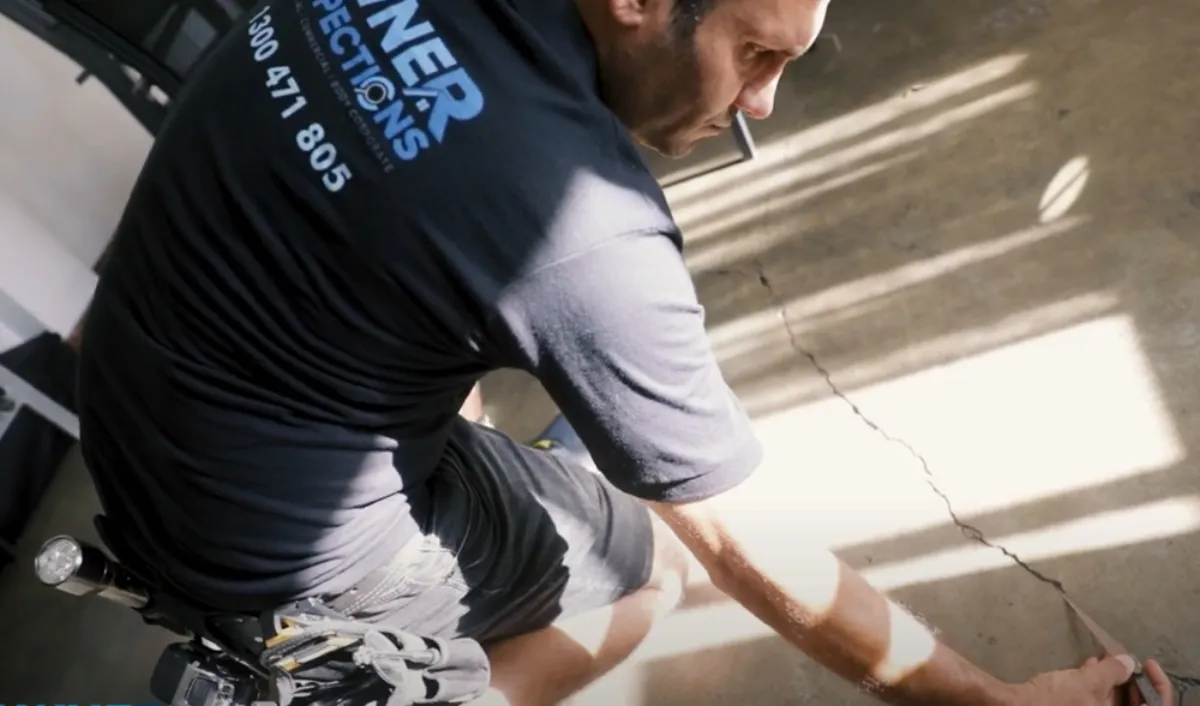
Defect Investigations in Sydney's Construction
With the NSW Building Commissioner estimating that approximately 70% of buildings have defects, defect investigations have become a critical part of Sydney's construction landscape. From the Opal Tower evacuation to the Mascot Towers crisis, understanding how defect investigations work protects both builders and property owners.
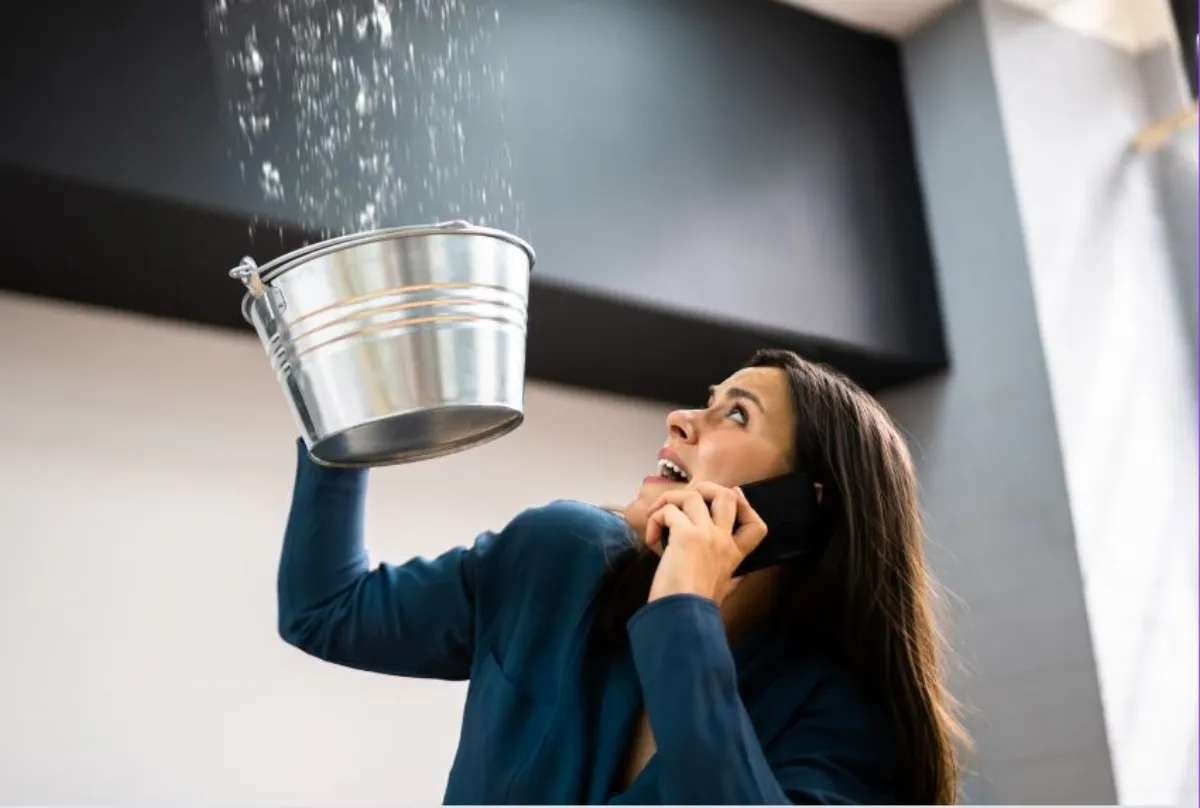
Australia's Top 10 Most Common Building Defects
Building defects remain one of the biggest concerns for Australian property owners and buyers. From water leaks and waterproofing failures to building movement and subsidence, these are the ten most common defects found during professional building inspections across the country.
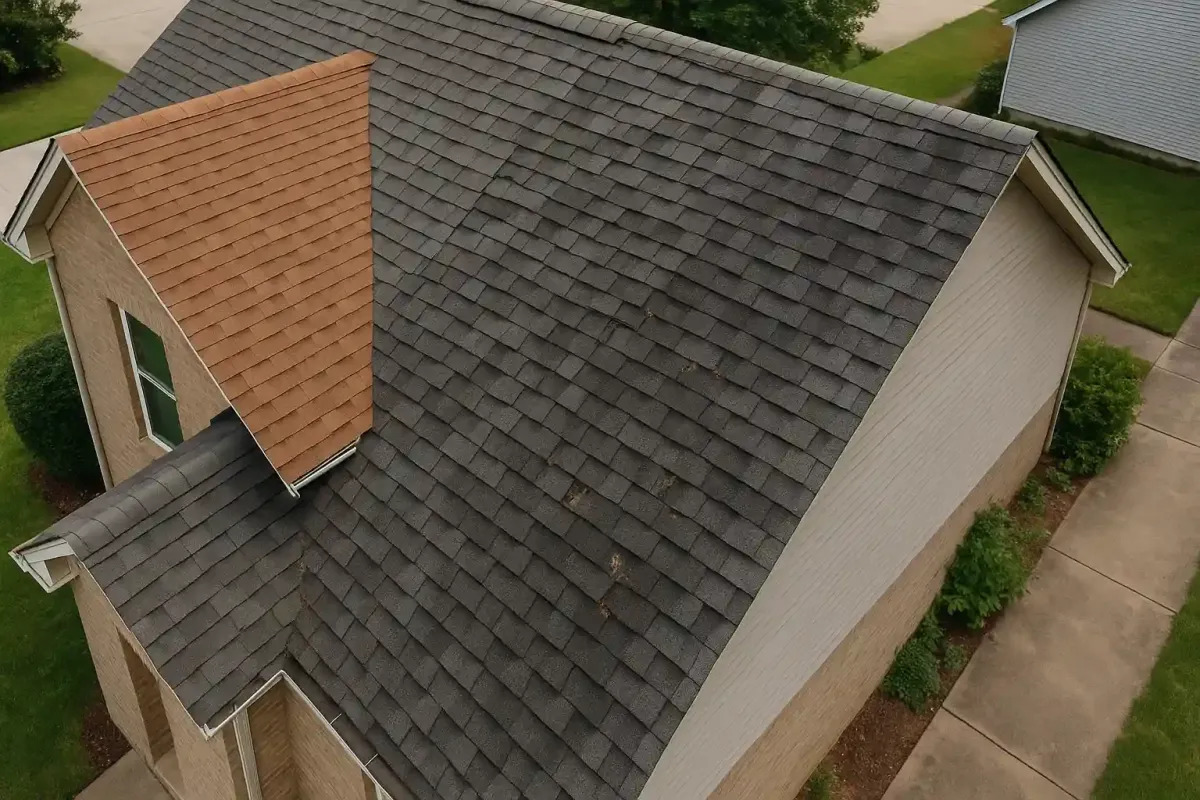
Hidden Building Defects: Protection Steps
Hidden building defects cost Australian property owners billions of dollars each year. From concealed waterproofing failures and structural cracking to faulty plumbing and non-compliant electrical work, many defects remain invisible during a standard walkthrough. This guide explains how to identify hidden defects, your legal rights, and the steps you can take to protect your investment.
Dealing with building defects in Brisbane? Owner Inspections provides comprehensive defect investigation reports prepared by QBCC-licensed building inspectors. We cover Brisbane, the Gold Coast, Sunshine Coast, and all of South East Queensland. Get a quote today or call us on 1300 471 805.