
Structural defects in new builds are not merely cosmetic concerns. They represent fundamental flaws in a building's construction that can compromise safety, create health hazards, and lead to significant financial losses if left unaddressed. For new homebuyers, recognising the warning signs early can mean the difference between a straightforward warranty claim and years of costly legal disputes.
The Australian building industry has seen significant growth, but this expansion has not always been accompanied by consistent quality control. Research indicates that structural defects account for a substantial portion of building disputes, with remediation costs frequently exceeding initial construction budgets. Understanding the warning signs enables buyers to take proactive action during warranty periods. For a complete overview, see our guide to building defect investigations.
Structural problems in new builds rarely exist in isolation. Where one defect appears, others often follow. Regular inspection during the warranty period is critical for protecting your investment.
Why Structural Defects Matter
Structural defects extend far beyond aesthetic concerns. They can create genuine safety risks for occupants and pose significant health hazards, particularly those related to moisture intrusion and mould growth.
The Oakmont apartment complex in Sydney serves as a cautionary example of how structural defects can emerge in relatively new buildings. Within years of occupancy, residents discovered significant issues including subsidence and waterproofing failures. Such cases highlight how defects that appear minor at first can develop into major problems requiring extensive and expensive remediation.
When structural defects go unaddressed, they typically worsen over time. Foundation movement that begins as hairline cracking can progress to significant settlement affecting the entire building. Water intrusion through small gaps can lead to widespread timber rot, mould contamination, and corrosion of structural elements. Early detection and intervention prevent this escalation.
Eight Warning Signs of Structural Defects
Understanding the key indicators of structural problems empowers new homebuyers to identify issues before they become severe. The following eight warning signs warrant immediate attention and professional assessment.
1. Foundation Cracks
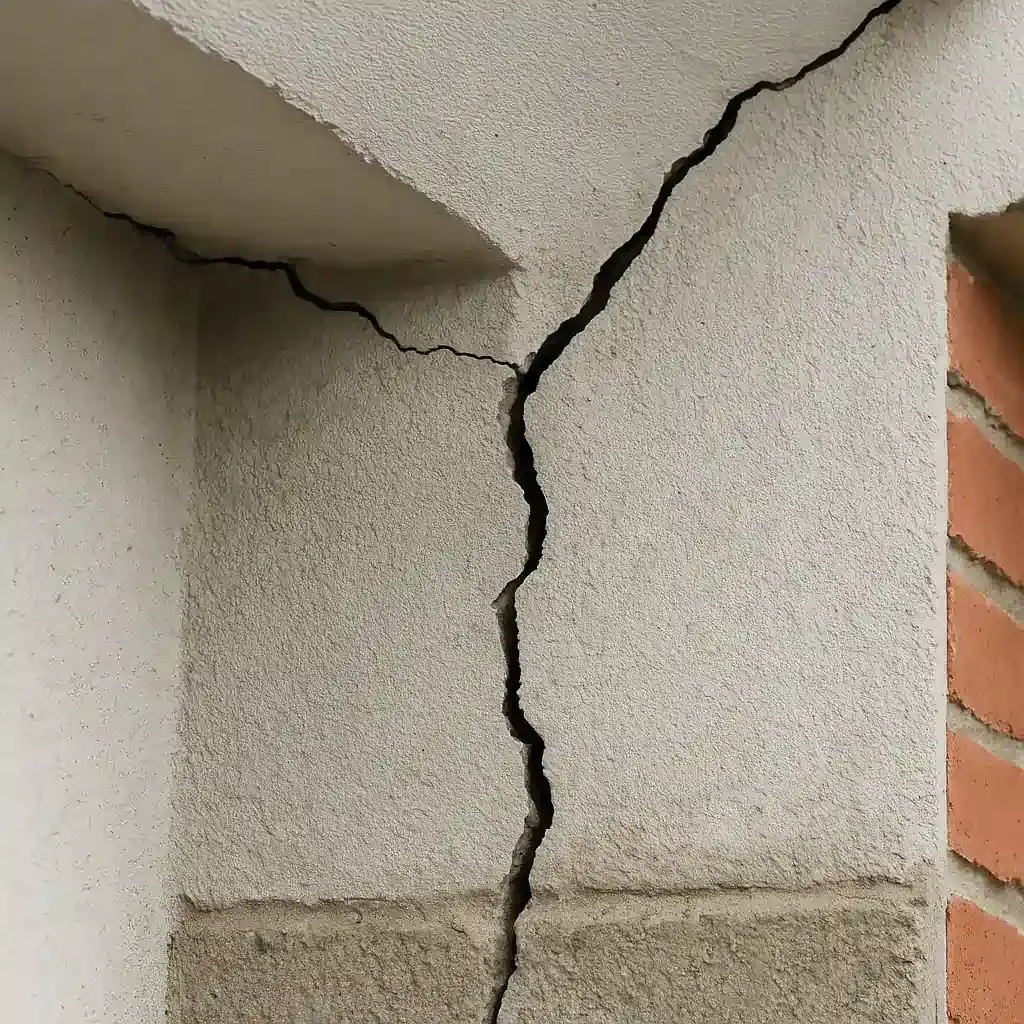
Foundation cracks are among the most telling indicators of structural problems in new builds. While some minor cracking can occur during the normal curing and settling process, certain crack patterns signal more serious concerns.
Key indicators to watch for include:
- Hairline cracks: Very fine cracks that appear during initial settling may be cosmetic, but should be monitored for progression
- Horizontal cracks: These often indicate lateral pressure against the foundation and are more concerning than vertical cracks
- Widening cracks: Any crack that appears to be getting wider over time suggests ongoing structural movement
- Cracks exceeding 2.5mm: Cracks wider than 2.5mm warrant immediate professional evaluation as they indicate significant movement
In new builds, foundation cracks often result from inadequate site preparation, poor concrete mixing, insufficient curing time, or reactive soil conditions that were not properly addressed in the foundation design.
2. Uneven Flooring
Floors in a new build should be level and solid underfoot. Any deviation from this indicates potential structural issues that require investigation.
Warning signs include:
- Noticeable slopes: If you can feel the floor sloping when walking, or if round objects roll on their own, the floor is not level
- Soft spots: Areas that feel spongy or give way slightly when walked upon suggest subfloor damage or inadequate support
- Springiness: Excessive bounce in floors indicates undersized joists, inadequate blocking, or compromised structural connections
- Gaps at skirting boards: Visible gaps between the floor and skirting boards suggest differential movement or settlement
Uneven flooring in new builds typically results from foundation settlement, improperly installed subfloor framing, or inadequate support systems. These issues rarely resolve themselves and typically worsen without intervention.
3. Sticky Doors and Windows
Doors and windows that do not operate smoothly can indicate structural movement affecting the building frame. While some minor adjustment is normal in new builds as materials settle, persistent problems warrant investigation.
Concerning indicators include:
- Doors that stick: Doors that suddenly become difficult to open or close, particularly at the top or bottom, suggest frame distortion
- Window misalignment: Windows that no longer close properly or have uneven gaps when closed indicate frame movement
- Cracking around frames: Cracks appearing in plasterwork around door and window frames signal structural stress
- Lock alignment issues: Locks that no longer align properly suggest the frame has shifted
In new builds, these problems often result from structural movement due to foundation issues, inadequate frame bracing, or moisture-related swelling of timber elements. Distinguishing between normal settling and problematic movement requires professional assessment.
4. Water Intrusion
Water intrusion is one of the most damaging defects in new builds, as it can affect critical structural elements and create health hazards through mould growth.
Signs of water intrusion include:
- Water stains: Discolouration on walls, ceilings, or around windows indicates moisture penetration
- Peeling paint: Paint that bubbles, cracks, or peels away suggests moisture behind the surface
- Musty odours: Persistent damp or mouldy smells indicate hidden moisture problems
- Visible mould: Any mould growth signals excessive moisture that requires investigation
- Efflorescence: White crystalline deposits on masonry surfaces indicate water moving through the material
Water intrusion in new builds commonly results from defective waterproofing membranes, improperly installed flashings, inadequate sealing around penetrations, or poor drainage design. The source must be identified and corrected to prevent ongoing damage.
5. Roofing Issues
The roof is a critical structural element that protects the entire building. Defects in new build roofing can have far-reaching consequences.
Warning signs include:
- Uneven rooflines: A roof ridge that is not straight or level indicates framing problems or inadequate support
- Sagging sections: Any visible sag in the roof surface suggests undersized members or failed connections
- Truss deflection: Trusses that have moved from their designed position require immediate assessment
- Missing or damaged components: Absent tie-downs, connectors, or bracing compromise the roof's structural integrity
Roofing issues in new builds typically stem from design errors, incorrect installation of trusses, inadequate connection details, or substandard materials. These problems can affect the building's ability to withstand wind loads and other forces.
6. Poor Drainage
Proper drainage is essential for protecting a building's foundation from moisture-related damage. Inadequate drainage in new builds can lead to serious structural problems over time.
Signs of drainage problems include:
- Pooling water: Water that collects around foundations after rain indicates inadequate grading or drainage systems
- Erosion: Soil being washed away from around the foundation exposes structural elements to damage
- Damp subfloor areas: Moisture in subfloor spaces suggests inadequate drainage or waterproofing
- Blocked or missing drainage: Stormwater systems that do not function properly put foundations at risk
Poor drainage can cause foundation heave when soils become saturated, or subsidence when they dry out and shrink. Both conditions create significant stress on the building structure and can lead to cracking and movement.
7. Installation Flaws
Defects in building services installation can gradually weaken structural elements and create conditions for pest infestation.
Common installation flaws include:
- Plumbing defects: Leaking pipes or incorrectly installed plumbing can introduce moisture that damages timber framing
- Insulation problems: Incorrectly installed insulation can trap moisture against structural elements, promoting rot and corrosion
- Penetration sealing: Gaps around pipes and cables through walls and floors allow water and pest entry
- Ventilation defects: Inadequate subfloor or roof ventilation creates conditions conducive to timber decay
These installation flaws may not be immediately obvious but can cause progressive damage to wooden structural elements. Termites and other pests are attracted to moisture-damaged timber, compounding the structural damage.
8. Exterior Cracks
External wall cladding protects the building structure from weather exposure. Defects in exterior surfaces can allow water to penetrate behind facades, causing hidden damage.
Warning signs include:
- Bulging stucco or render: Surfaces that push outward indicate moisture has accumulated behind the cladding
- Cladding separation: Gaps appearing between cladding panels or at junctions suggest movement or failed fixings
- Cracking patterns: Cracks that follow structural lines or appear at corners indicate building movement
- Staining: Rust stains or water marks on exterior surfaces point to water penetration or corroding fixings
Exterior defects in new builds often result from inadequate weather sealing, incorrect flashing installation, or insufficient allowance for thermal movement. Water penetration through these defects can cause extensive damage to the building frame and insulation.
Warning Signs Reference Guide
The following table summarises the key warning signs of structural defects in new builds and the recommended actions for each.
| Warning Sign | What to Look For | Severity | Recommended Action |
|---|---|---|---|
| Foundation Cracks | Hairline, horizontal, or widening cracks; cracks exceeding 2.5mm | Moderate to Critical | Professional evaluation for cracks over 2.5mm; monitor smaller cracks |
| Uneven Flooring | Slopes, soft spots, springiness, gaps at skirting boards | Moderate to Significant | Subfloor inspection; foundation assessment |
| Sticky Doors and Windows | Binding doors, misaligned windows, cracking around frames | Moderate | Structural assessment if persistent; frame inspection |
| Water Intrusion | Stains, peeling paint, musty odours, visible mould | Significant | Immediate waterproofing assessment; identify and repair source |
| Roofing Issues | Uneven rooflines, sagging sections, truss deflection | Significant to Critical | Urgent roof structure assessment; check connections |
| Poor Drainage | Pooling water around foundations, erosion, damp subfloor | Moderate to Significant | Drainage assessment; grading correction; stormwater review |
| Installation Flaws | Plumbing leaks, insulation issues, unsealed penetrations | Moderate | Services inspection; rectification of defects |
| Exterior Cracks | Bulging stucco, cladding separation, weather staining | Moderate to Significant | Facade inspection; waterproofing assessment |
Key Recommendations for New Build Owners
Taking proactive steps to identify and address structural defects in new builds protects both your investment and your family's safety. The following recommendations help ensure issues are detected and resolved while warranty coverage remains in effect.
Engage Certified Inspectors Before Warranty Expiration
Australian statutory warranty periods for new builds typically provide 6 years of coverage for major structural defects and 2 years for other defects. Engaging a certified building inspector before these warranty periods expire ensures that any defects are documented and can be claimed against the builder.
A thorough inspection should be conducted:
- At practical completion, before taking possession
- Within the first 12 months to identify early settling issues
- Before the 2-year warranty period expires for minor defects
- Before the 6-year warranty period expires for major defects
Document Defects with Photographs
Comprehensive photographic documentation is essential for warranty claims and any potential legal proceedings. When documenting defects:
- Take wide-angle photos showing the location within the property
- Take close-up photos showing the detail of the defect
- Include a ruler or other reference object to indicate scale
- Date all photographs and maintain an organised filing system
- Photograph the same defects at regular intervals to demonstrate progression
Consult Legal Professionals for Severe Cases
For significant structural defects, legal advice may be necessary to protect your interests. Building disputes can be complex, and early legal consultation helps ensure appropriate steps are taken within applicable limitation periods.
Consider legal advice when:
- The builder is unresponsive to defect notifications
- Remediation work is inadequate or incomplete
- Defects affect the safety or habitability of the property
- Estimated repair costs are substantial
- Warranty periods are approaching expiration
Understand That Problems Rarely Exist in Isolation
Structural problems in new builds often indicate systemic issues with construction quality or supervision. Where one defect is found, others frequently follow. A comprehensive inspection approach that examines all aspects of the building is more effective than focusing solely on visible problems.
Regular inspection throughout the warranty period enables early identification of emerging issues and creates a documented history of the building's condition. This documentation is invaluable for warranty claims and provides evidence if disputes arise.
Frequently Asked Questions
How common are structural defects in new Australian homes?
Short answer: Research indicates that nearly 70% of newly built Australian homes show major defects, with many involving structural or waterproofing issues.
The high rate of defects in new builds has been documented in multiple studies and reflects the rapid pace of construction, skills shortages, and inconsistent quality control across the industry. While not all defects are severe, the prevalence of issues underscores the importance of independent inspection before taking possession and throughout the warranty period.
What size crack in a new build should concern me?
Short answer: Cracks exceeding 2.5mm in width warrant professional evaluation, though all cracks in new builds should be monitored for progression.
In new builds, some minor cracking is expected as materials cure and the building settles. However, cracks wider than 2.5mm, horizontal cracks, or cracks that are visibly widening over time indicate significant movement requiring assessment. Even smaller cracks should be photographed and monitored to track any progression.
When should I have my new build inspected for defects?
Short answer: Inspect at practical completion, at 12 months, before 2 years (minor defect warranty), and before 6 years (major defect warranty).
The initial inspection at practical completion identifies construction defects before you take possession. The 12-month inspection catches issues that emerge during the first year of settling. Inspections before warranty expiration dates ensure all defects are documented while coverage remains available. Additional inspections may be warranted if problems are observed or suspected.
What should I do if I discover structural defects in my new home?
Short answer: Document the defects with photographs, notify the builder in writing, obtain a professional inspection report, and seek legal advice if the builder is unresponsive.
Written notification to the builder creates a formal record and triggers their obligation to respond under warranty provisions. A professional inspection report provides independent documentation of the defects and their severity. Keep copies of all correspondence and maintain detailed records of any remediation work undertaken.
Are builders required to fix structural defects in new homes?
Short answer: Yes, statutory warranties in Australian states require builders to rectify defects within warranty periods, typically 6 years for major structural defects.
Australian consumer protection laws impose statutory warranties on residential building work. Builders are legally obligated to rectify defective work within warranty periods. If a builder fails to honour warranty obligations or becomes insolvent, home warranty insurance provides additional protection. The specific warranty periods and processes vary between states and territories.
Can I claim on home warranty insurance for structural defects?
Short answer: Home warranty insurance covers structural defects if the builder is unable to rectify them due to insolvency, death, or disappearance.
Home warranty insurance is designed as a last resort protection when builders cannot fulfil their warranty obligations. Claims can be made for incomplete or defective work if the builder has become insolvent, died, or cannot be located. The insurance does not cover situations where the builder is available but refusing to rectify defects; these disputes must be pursued through other channels.
Key Takeaways
- Nearly 70% of newly built Australian homes show major defects, making professional inspection essential for new build purchases.
- Structural defects create safety risks and health hazards, particularly those related to moisture intrusion and mould growth.
- The eight key warning signs include foundation cracks, uneven flooring, sticky doors and windows, water intrusion, roofing issues, poor drainage, installation flaws, and exterior cracks.
- Foundation cracks exceeding 2.5mm warrant immediate professional evaluation.
- Engage certified inspectors before warranty periods expire to ensure defects are documented and can be claimed against the builder.
- Document all defects with dated photographs showing both location and detail.
- Structural problems rarely exist in isolation; where one defect appears, others often follow.
- Consult legal professionals for severe cases, particularly when builders are unresponsive or warranty periods are approaching expiration.
Related Articles

Construction Stage Defect Assessment for Early Fixes
Construction stage defect assessments are vital for protecting structural integrity. Defects caught early prevent escalation into costly issues that can increase project costs by up to 20%.
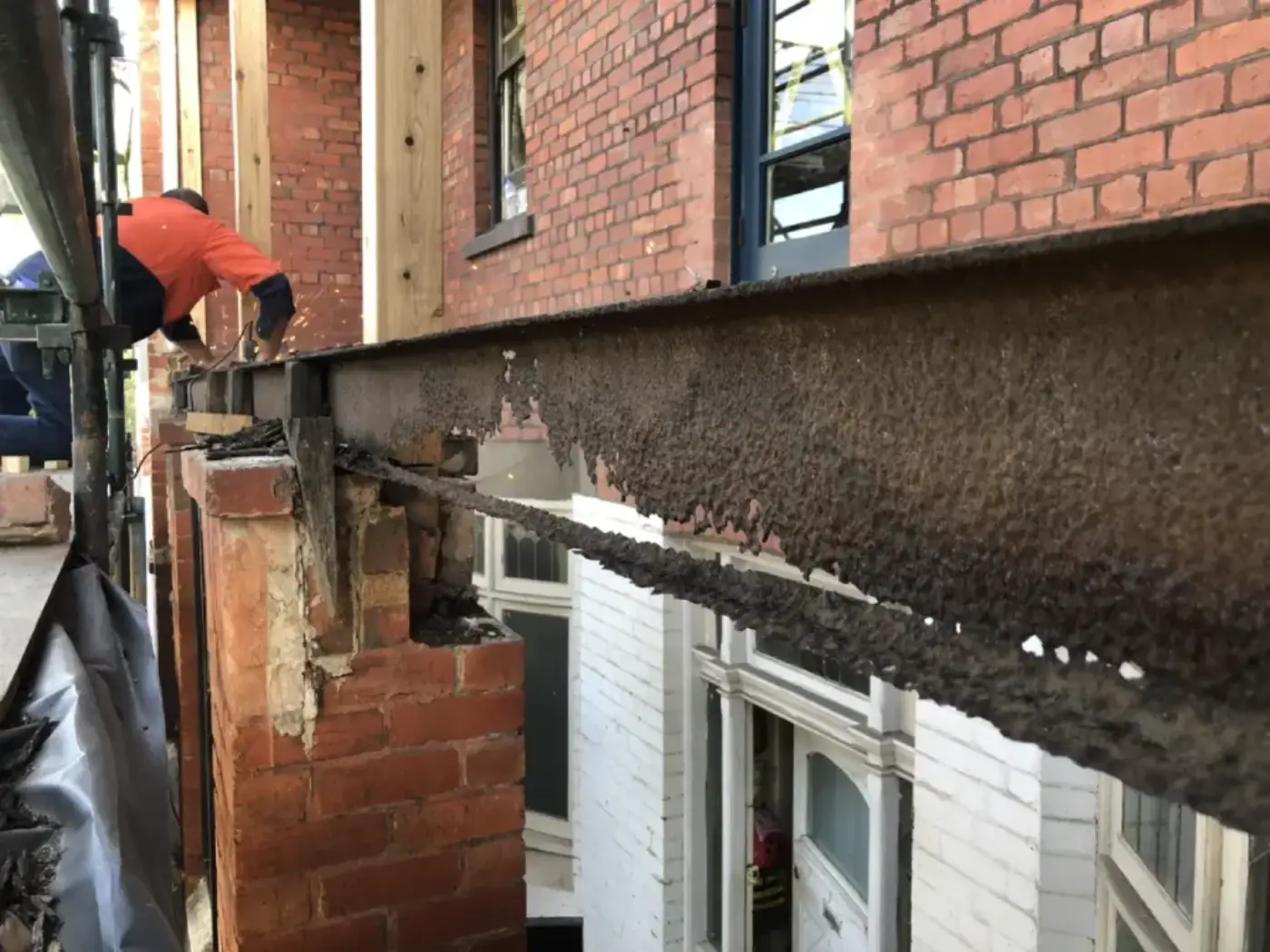
Structural Defect Inspections to Prevent Future Problems
Approximately one in five Australian homes experience structural issues. Learn how structural defect inspections can prevent expensive repairs and ensure safety.
Construction Defect Inspection: Identify and Prevent Issues
Construction defect inspections systematically assess property structure, materials, and workmanship to identify faults and ensure compliance with Australian Building Codes.
Concerned About Building Defects?
Our licensed inspectors cover Sydney, Melbourne, and all major Australian cities.