
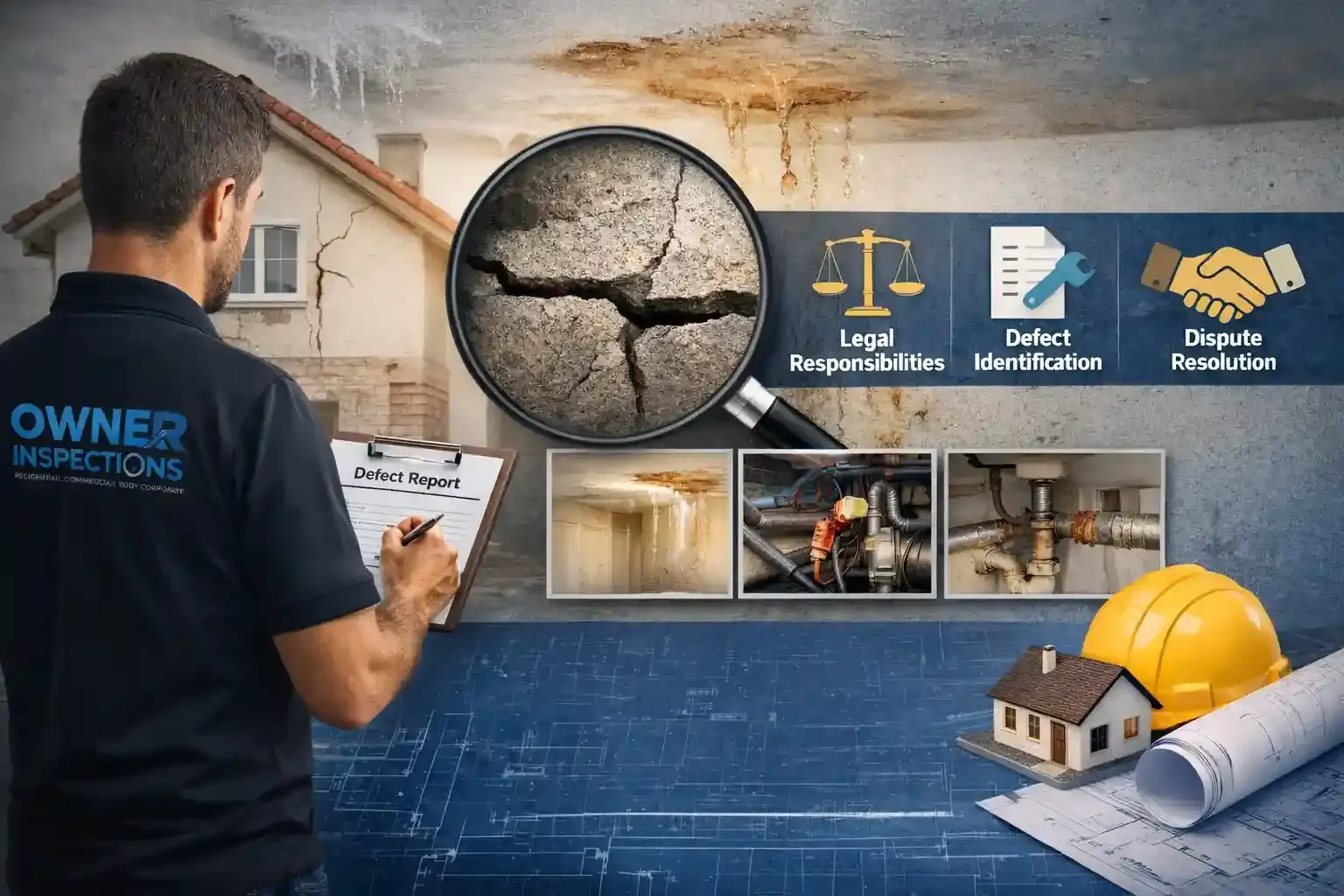
Unresolved building defects can compromise structural integrity, create safety hazards, and lead to expensive legal disputes. High-profile Australian cases like the Opal Tower cracking incident and the Mascot Towers evacuation have shown what happens when defects go undetected or unrectified. These events affected hundreds of residents and resulted in repair bills running into tens of millions of dollars.
For homeowners, investors, and developers, understanding the strategies behind effective defect rectification is not just about fixing problems after they appear. It is about knowing your rights, managing defects systematically, and putting preventive measures in place so that issues are minimised from the start. For a complete overview, see our guide to building defect investigations.
What Are Construction Defects?
Construction defects are faults or shortcomings in a building that affect its structural integrity, functionality, appearance, or safety. They can stem from design errors, poor workmanship, the use of substandard materials, or environmental factors. When left unaddressed, defects can escalate into serious safety risks and result in significant financial losses.
In Australia, defects are governed by a mix of state legislation, the National Construction Code (NCC), and Australian Standards. Builders, developers, and contractors carry legal obligations to deliver work that is free from defects and compliant with approved plans and specifications.
Types of Construction Defects
Understanding the type of defect is the first step towards effective rectification. Defects fall into two broad categories.
Patent Defects
Patent defects are visible and can be identified during a standard inspection or immediately after construction is completed. These are often cosmetic or surface-level issues that are straightforward to document.
- Cracked plaster or render on walls and ceilings
- Misaligned doors, windows, or cabinetry
- Poorly finished flooring, tiling, or paintwork
- Gaps in skirting boards, cornices, or architraves
- Visible water stains or dampness on surfaces
Latent Defects
Latent defects are hidden and may not become apparent for months or even years after construction. They tend to be more serious and more costly to repair because the damage often spreads before it is noticed.
- Waterproofing failures in bathrooms, balconies, or below-grade areas
- Foundation settlement or shifting caused by inadequate soil preparation
- Poor drainage systems that lead to long-term moisture damage
- Defective structural connections hidden behind walls or cladding
- Faulty electrical or plumbing installations concealed within building cavities
Latent defects are the most dangerous type because they can remain hidden during the Defects Liability Period. By the time they surface, builders may no longer be contractually liable, leaving property owners to bear the cost. Early independent inspections help uncover these issues before they escalate.
Common Causes of Construction Defects
Defects rarely have a single cause. In most cases, they result from a combination of factors during the design, construction, or post-construction phases.
| Description | Examples | |
|---|---|---|
| Poor Workmanship | Incorrect installation techniques, improper concrete curing, and careless finishing | Uneven tiling, cracked render, leaking pipe joints, poorly mixed mortar |
| Substandard Materials | Use of low-quality or non-compliant materials that fail prematurely | Cheap waterproofing membranes, low-grade timber, non-rated fixtures |
| Design Flaws | Errors or oversights in architectural and engineering plans | Inadequate drainage design, insufficient load-bearing capacity, non-compliant layouts |
| Environmental Factors | External forces that cause damage or accelerate deterioration | Reactive soil movement, extreme heat or cold, heavy rainfall, flooding |
| Compliance Failures | Work that does not meet the NCC, Australian Standards, or approved plans | Missing fire safety measures, non-compliant balustrades, incorrect setbacks |
A Melbourne apartment complex experienced extensive water leakage caused by improper waterproofing installation. The defects led to widespread mould growth, flooring damage, and deterioration of load-bearing walls, costing property owners approximately $2.5 million in rectification expenses.
Legal Framework and Obligations in Australia
Australian construction law provides multiple layers of protection for property owners. Understanding these rights is central to pursuing defect rectification effectively.
Defects Liability Period (DLP)
The DLP is the contractual window, typically lasting 12 to 24 months after practical completion, during which the builder must return and fix any defects at no extra charge to the owner. Builders are expected to comply with Australian Standards (including AS 4349.1) and the National Construction Code during this period and beyond.
Statutory Warranties Beyond the DLP
Even after the DLP expires, statutory warranties provide ongoing protection.
- Under the Home Building Act 1989 (NSW), builders are liable for major structural defects for up to six years and non-structural defects for up to two years after completion
- Similar protections exist under the Domestic Building Contracts Act 1995 (VIC), the Queensland Building and Construction Commission Act 1991 (QLD), and the Building Work Contractors Act 1995 (SA)
- Homeowners can lodge complaints with NSW Fair Trading, the QBCC, the VBA, or Consumer and Business Services SA depending on their state
Recent Regulatory Changes
- Decennial Liability Insurance (DLI) has been introduced to protect property owners by covering major structural defects for up to 10 years, increasing long-term accountability for builders and developers
- Mandatory defect reports are now required for multi-unit developments in some states, ensuring full disclosure of potential defects before sale or occupancy
- The NSW Strata Building Bond and Inspection Scheme requires developers to lodge a building bond equal to 2% of the contract price for buildings over three storeys, which is held for up to two years to fund defect rectification
The Mascot Towers case in Sydney demonstrated the consequences of latent structural defects discovered after the DLP expired. Residents were forced to evacuate, and owners faced multi-million-dollar repair costs with limited legal recourse. This case reinforced the need for independent inspections and long-term warranty coverage.
Defect Severity Classification
Classifying defects by severity helps determine the order and urgency of rectification. Not all defects carry the same risk, and a structured approach ensures that resources are allocated where they matter most.
| Description | Examples | Action Required | |
|---|---|---|---|
| Critical Defects | Defects that pose an immediate safety risk or compromise structural integrity | Structural cracks, electrical hazards, water ingress into load-bearing elements, fire safety breaches | Immediate rectification, possible stop-work order |
| Major Defects | Defects that significantly affect the building's function or compliance but do not pose an immediate safety threat | Waterproofing failures, non-compliant balustrades, major plumbing faults, poor insulation | Rectification within an agreed timeframe, typically 30 to 90 days |
| Minor Defects | Cosmetic or non-structural issues that do not affect safety or major function | Paint imperfections, minor tile chips, small gaps in joinery, scuff marks | Rectification before final handover or within the DLP |
Tip
When documenting defects for rectification, always assign a severity level. This helps builders and contractors understand the priority of each item and prevents minor cosmetic issues from delaying the repair of more serious faults.
Effective Defect Rectification Strategies
A systematic approach to defect rectification reduces cost, prevents disputes, and ensures that repairs are completed to the correct standard.
1. Early Detection Through Regular Inspections
The earlier a defect is found, the cheaper and simpler it is to fix. Waiting until problems become visible to the naked eye often means the damage has already spread.
- Conduct pre-handover inspections and post-construction inspections to catch defects before they become entrenched
- Use technology such as thermal imaging cameras, moisture meters, and drone inspections to detect hidden issues like water infiltration, poor insulation, and structural weaknesses
- Schedule inspections at each construction stage (slab, frame, lock-up, fixing, and pre-handover) to catch problems while they can still be corrected easily
2. Comprehensive Documentation
Good records are the foundation of any successful defect rectification process, whether it is handled cooperatively with the builder or escalated through legal channels.
A Defect Rectification Report (DRR) should include:
3. Prioritisation Based on Risk
Not every defect needs to be fixed at the same time. A risk-based approach ensures that the most dangerous or damaging issues are addressed first.
Identify and list all defects
Complete a thorough inspection and record every defect found, no matter how minor.
Classify each defect by severity
Assign each defect a category: critical, major, or minor. Use the severity table above as a guide.
Set rectification deadlines
Critical defects should be addressed immediately, major defects within 30 to 90 days, and minor defects before final handover or within the DLP.
Allocate resources accordingly
Assign qualified tradespeople and materials to the highest-priority items first. Do not allow minor cosmetic work to compete for resources with safety-related repairs.
Track and verify completion
Use a defect tracking system or register to monitor progress. Verify each repair with a follow-up inspection before signing off.
4. Engage Qualified Professionals
Defect rectification should always involve licensed and experienced professionals. Using unqualified workers can make problems worse and may void warranties or insurance coverage.
- Licensed builders and specialist subcontractors should carry out all structural and compliance-related repairs
- Independent building inspectors provide unbiased assessments of defect scope and rectification quality
- Structural engineers may be required for defects involving load-bearing elements, foundations, or significant cracking
- Building surveyors help identify compliance breaches and confirm that rectified work meets the NCC and Australian Standards
5. Use Compliant, High-Quality Materials
Defects frequently reoccur when repairs are carried out using the same substandard materials that caused the original problem. All replacement materials should meet or exceed the relevant Australian Standards.
- AS 3600 for concrete structures
- AS 1684 for timber framing
- AS 3740 for waterproofing of domestic wet areas
- AS 3958 for ceramic tiling
6. Clear Communication With All Parties
Defect rectification involves multiple stakeholders, including the property owner, builder, subcontractors, inspectors, and sometimes regulators. Keeping all parties informed reduces misunderstandings and speeds up resolution.
- Maintain a written record of all communications, including emails, letters, and meeting notes
- Use a defect register or real-time tracking system so all parties can see the current status of each item
- Set clear expectations for rectification timelines and follow up in writing when deadlines are missed
7. Post-Rectification Verification
The rectification process is not complete until repairs have been independently verified.
Preventive Measures to Minimise Future Defects
Fixing defects after they occur is necessary, but the most cost-effective strategy is preventing them in the first place. The following measures significantly reduce the likelihood of defects arising during construction.
Quality-Focused Planning and Design
- Use Building Information Modelling (BIM) to identify potential defect risks in the design phase before construction starts
- Ensure all designs comply with the NCC and relevant Australian Standards before work begins on site
- Engage experienced architects and engineers who understand local soil conditions, climate factors, and regulatory requirements
Strict Quality Control During Construction
- Implement ISO 9001-certified construction processes where possible to enforce consistent quality across all trades
- Conduct stage inspections at every construction milestone, including slab, frame, lock-up, and pre-handover
- Require independent third-party inspections at each stage rather than relying solely on the builder's own quality checks
Ongoing Training for Construction Teams
- Regular training on new materials, construction techniques, and compliance updates reduces the risk of workmanship-related defects
- Ensure all tradespeople hold current licences and understand the specific requirements of the project
Collaboration Across All Project Stakeholders
- Engage project managers, architects, engineers, and building inspectors throughout all construction phases
- Establish clear lines of accountability so that defects identified during construction are rectified before the project moves to the next stage
A Sydney commercial developer reduced defects by 40% after integrating BIM with real-time quality monitoring across their project portfolio. The combination of predictive design tools and continuous on-site checks caught issues during construction rather than after handover.
State-by-State Defect Liability Comparison
Defect liability protections vary across Australian states. The table below summarises the key differences for residential construction.
| Governing Legislation | Major Defect Warranty | Minor Defect Warranty | Regulatory Body | |
|---|---|---|---|---|
| NSW | Home Building Act 1989 | 6 years | 2 years | NSW Fair Trading |
| VIC | Domestic Building Contracts Act 1995 | 10 years | 6 years | Victorian Building Authority (VBA) |
| QLD | QBCC Act 1991 | 6 years 6 months | 6 months to 12 months (non-structural) | QBCC |
| SA | Building Work Contractors Act 1995 | 10 years (structural) | 5 years (non-structural) | Consumer and Business Services SA |
| ACT | Building Act 2004 | 6 years | 2 years | ACT Planning and Land Authority |
Key Takeaways
- Defect rectification in construction must follow a structured process of detection, documentation, prioritisation, repair, and verification to meet Australian legal and safety standards.
- The Defects Liability Period (DLP) typically lasts 12 to 24 months, but statutory warranties extend coverage for major defects up to six or ten years depending on the state.
- Classifying defects by severity (critical, major, minor) ensures that the most dangerous issues are addressed first and resources are used efficiently.
- Comprehensive documentation, including a Defect Rectification Report with photos, root cause analysis, and verification records, is the strongest tool in any defect dispute.
- Independent building inspections at every construction stage catch defects early, when they are cheapest and simplest to fix.
- All rectification work should use compliant, high-quality materials that meet the relevant Australian Standards to prevent recurring failures.
- Preventive strategies, including BIM, ISO 9001 processes, and third-party stage inspections, significantly reduce the number of defects that occur in the first place.
Frequently Asked Questions
What is defect rectification in construction?
Defect rectification is the process of identifying, documenting, and repairing faults in a building so that it meets the required quality, safety, and compliance standards. In Australia, builders are legally obligated to fix defects during the Defects Liability Period and under statutory warranty provisions that vary by state.
What is the Defects Liability Period in Australia?
The Defects Liability Period (DLP) is a contractual timeframe, usually 12 to 24 months after practical completion, during which the builder must return and fix any defects at no additional cost to the property owner. The exact duration depends on the construction contract and the state in which the building is located. Beyond the DLP, statutory warranties continue to provide protection for major and minor defects.
What is the difference between patent and latent defects?
Patent defects are visible faults that can be spotted during a standard inspection or at the time of handover, such as cracked plaster, misaligned doors, or poorly finished flooring. Latent defects are hidden and may not appear for months or years, such as waterproofing failures, foundation settlement, or concealed plumbing faults. Latent defects are typically more expensive to repair because the damage often spreads before it is discovered.
How long is a builder liable for defects in NSW?
Under the Home Building Act 1989 (NSW), builders are liable for major structural defects for up to six years after completion and for non-structural (minor) defects for up to two years. These statutory warranties apply on top of the Defects Liability Period specified in the construction contract. Homeowners can lodge complaints with NSW Fair Trading if builders fail to honour their obligations.
How should construction defects be prioritised for rectification?
Defects should be classified by severity. Critical defects that pose immediate safety risks, such as structural failures or electrical hazards, require immediate attention. Major defects that affect the building's function or compliance, such as waterproofing failures, should be addressed within 30 to 90 days. Minor cosmetic issues, such as paint imperfections or small gaps in joinery, can be scheduled for rectification before final handover or within the DLP.
What should a Defect Rectification Report include?
A thorough Defect Rectification Report (DRR) should include the nature and location of each defect, its severity classification, a root cause analysis, the recommended rectification method, photographic and video evidence, and verification steps confirming the repair meets the required standard. This documentation is valuable both for managing the rectification process and for supporting any legal claims if disputes arise.
Can I claim for defects after the Defects Liability Period has expired?
Yes. In most Australian states, statutory warranties provide ongoing protection beyond the DLP. For example, in NSW, major structural defects are covered for six years and minor defects for two years after completion. In Victoria, major defect cover extends to 10 years. If you discover defects after the DLP, contact your state's building authority or seek legal advice to understand your options.
What role do independent building inspectors play in defect rectification?
Independent building inspectors provide unbiased assessments of defect scope, severity, and repair quality. They are not employed by the builder or developer, so their reports carry significant weight in disputes. An independent inspector can identify defects the builder may have overlooked, verify that rectification work meets the required standard, and produce detailed reports that support warranty claims or legal proceedings.
What Australian Standards apply to defect rectification?
Several Australian Standards are relevant depending on the type of defect. Key standards include AS 4349.1 for building inspections, AS 3600 for concrete structures, AS 1684 for timber framing, AS 3740 for waterproofing of domestic wet areas, and AS 3958 for ceramic tiling. All rectification work should use materials and methods that comply with the applicable standard to prevent recurring failures.
How can I prevent construction defects during a new build?
The most effective prevention strategies include engaging qualified architects and engineers, using Building Information Modelling (BIM) during design, specifying compliant materials, and commissioning independent inspections at every construction stage (slab, frame, lock-up, fixing, and pre-handover). Third-party stage inspections catch problems while they can still be corrected easily, before they are covered up by subsequent work.
What is the NSW Strata Building Bond and Inspection Scheme?
The NSW Strata Building Bond and Inspection Scheme requires developers of residential strata buildings over three storeys to lodge a building bond equal to 2% of the contract price. This bond is held for up to two years and can be used to fund defect rectification identified through independent inspections arranged by the owners corporation. The scheme provides an additional layer of financial protection for apartment owners.
What should I do if my builder refuses to fix defects?
Start by putting your defect claims in writing with supporting evidence such as photos and an independent inspection report. If the builder does not respond or refuses to act, lodge a formal complaint with your state's building authority (NSW Fair Trading, QBCC, VBA, or the equivalent in your state). You may also pursue the matter through the relevant consumer tribunal or court. Legal advice from a construction law specialist can help you understand the strength of your case and the best course of action.
References and Resources
- NSW Fair Trading - Home Building Defects - NSW Government guidance on building defects and homeowner rights
- Victorian Building Authority (VBA) - Building regulation and compliance information for Victoria
- Queensland Building and Construction Commission (QBCC) - Defect complaint processes and builder licensing in Queensland
- National Construction Code (NCC) - Australian Building Codes Board, the national code governing building standards
- Home Building Act 1989 (NSW) - NSW legislation covering statutory warranties and defect liability
- Standards Australia - Publisher of Australian Standards for construction materials and practices
Related Articles
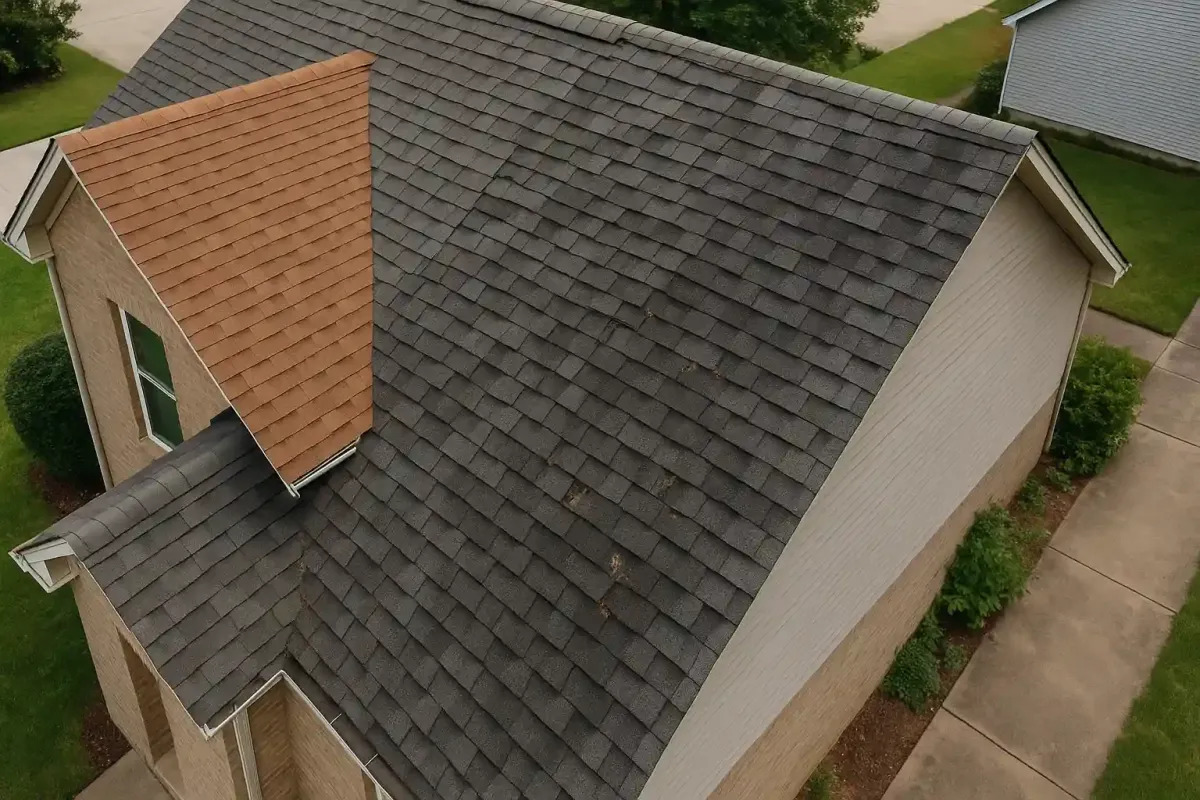
Hidden Building Defects: How to Identify Them and Protect Your Property
Hidden building defects cost Australian property owners billions of dollars each year. From concealed waterproofing failures and structural cracking to faulty plumbing and non-compliant electrical work, many defects remain invisible during a standard walkthrough. This guide explains how to identify hidden defects, your legal rights, and the steps you can take to protect your investment.
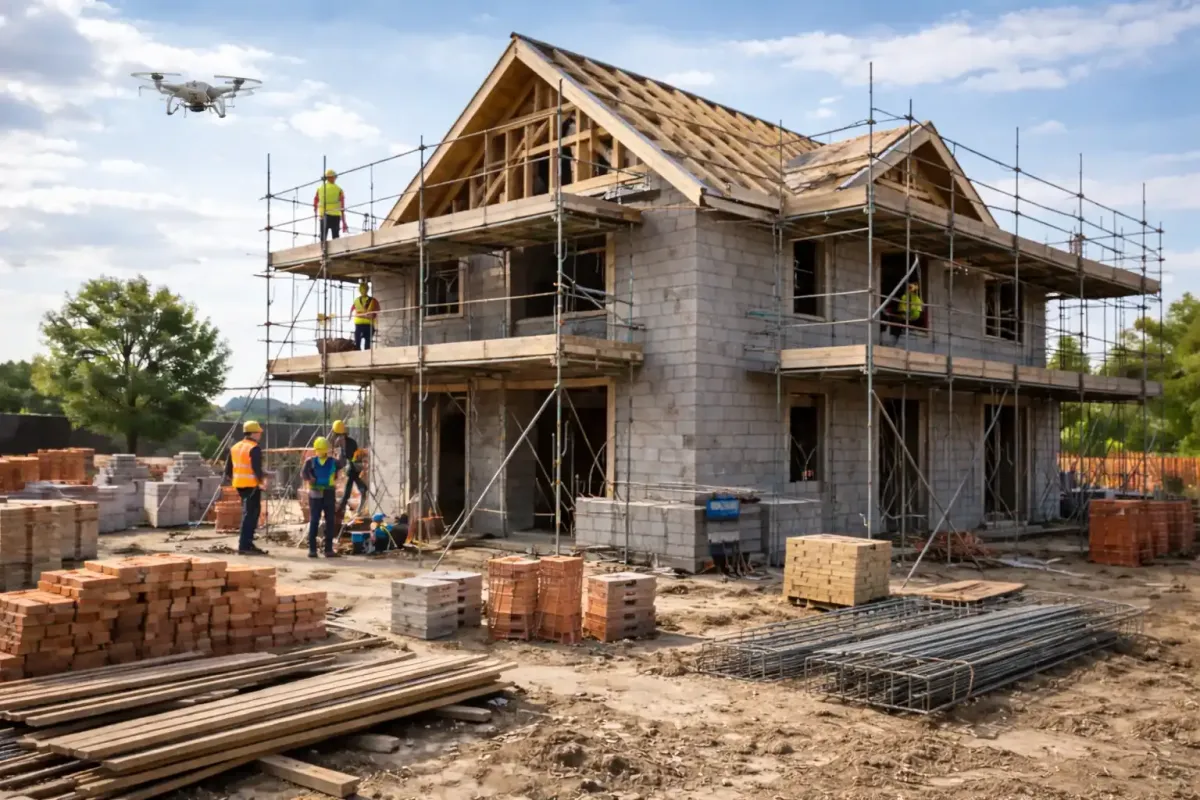
How Construction Progress Inspections Prevent Delays and Defects
Construction progress inspections are one of the most effective ways to keep your building project on time and on budget. This guide explains what happens at each inspection stage, who should be involved, and how regular checks protect homeowners and developers from costly rework and disputes.

Common Defects in Off-the-Plan Apartments
Off-the-plan apartments frequently contain defects ranging from waterproofing failures and structural cracking to cosmetic issues and non-compliant finishes. This guide covers the most common defects, how to identify them, and your rights as a buyer in Australia.
Concerned about defects in your new build or recently completed property? Owner Inspections provides independent defect inspection reports across NSW, Victoria, and Queensland. Our licensed building inspectors identify, document, and classify every defect so you have the evidence you need for rectification, warranty claims, or dispute resolution. Get a quote today or call us on 1300 471 805.