
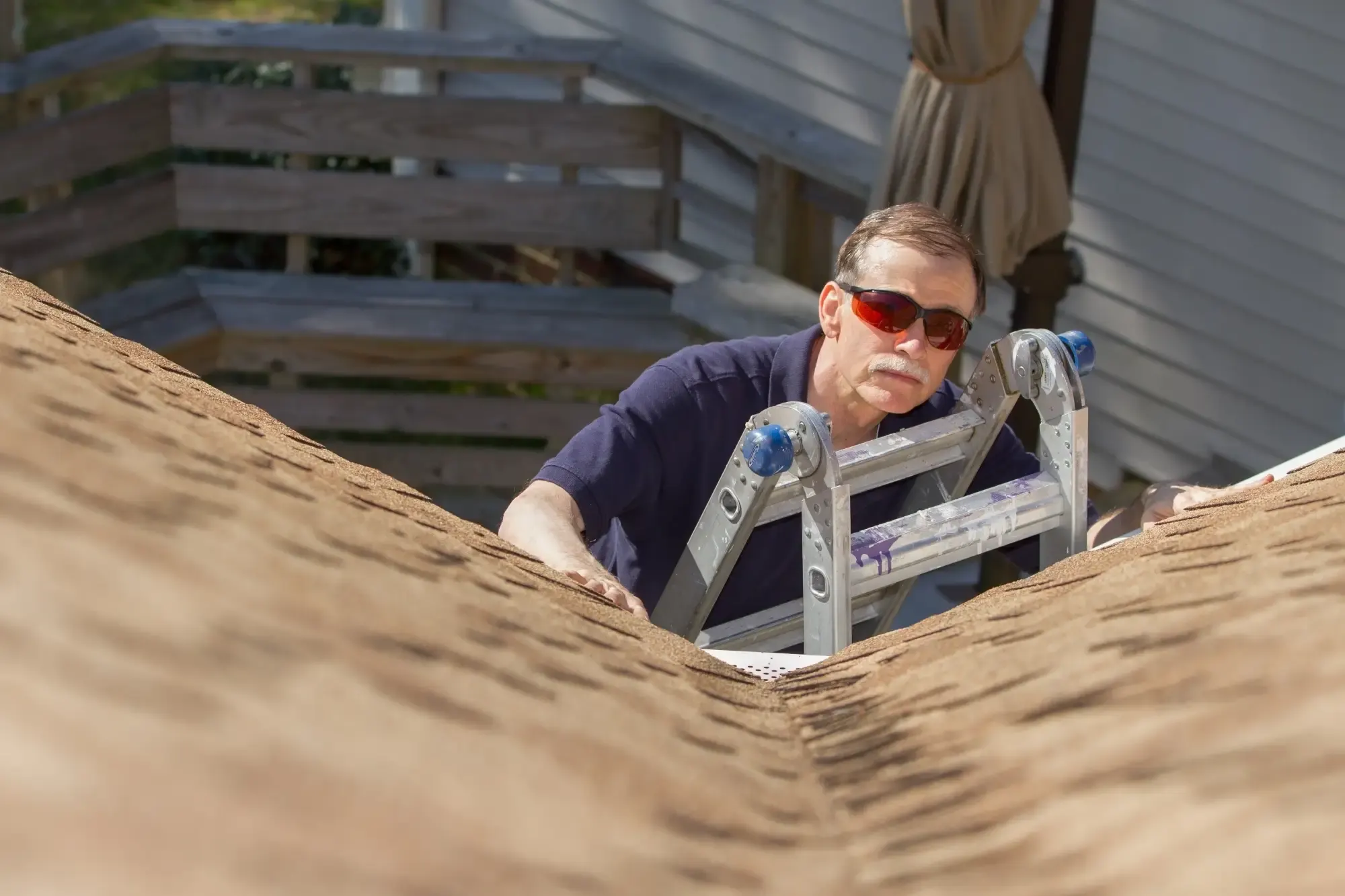
Your roof is the first barrier between your home and the weather. It absorbs UV radiation in summer, takes the full force of storms, and channels thousands of litres of rainwater away from your walls and foundations. Despite this, it is one of the most neglected parts of most properties. Many homeowners only think about their roof after a leak appears on the ceiling or tiles start falling off during a storm.
Whether you are buying a property, managing a rental, or simply maintaining your own home, understanding what a roof defect inspection covers can save you thousands of dollars and prevent safety risks that affect everyone living under that roof. For a complete overview, see our guide to building defect investigations.
Why Roof Defect Inspections Matter
Protecting Property Value
A property's roof has a direct impact on its market value. Buyers and their building inspectors will look closely at the condition of the roof before making an offer. Visible damage such as cracked tiles, rusted metal sheeting, or sagging ridgelines sends a clear signal that the property has been poorly maintained. On the other hand, a roof in good condition with documented inspection history gives buyers confidence and can justify a higher asking price.
Preventing Expensive Repairs
Small roofing problems grow quickly. A hairline crack in a tile can let moisture into the roof cavity, where it slowly rots timber battens and ceiling joists. A blocked gutter can cause water to pool under the eaves and seep into wall framing. What starts as a $200 repair can become a $20,000 problem if left unchecked for a few years. Regular inspections catch these issues while they are still minor and affordable to fix.
Ensuring Safety
A damaged roof is a safety hazard. Weakened structures can collapse under heavy rain or wind loads. Water ingress encourages mould growth, which affects indoor air quality and can trigger respiratory problems and allergies. In commercial buildings, a failing roof also creates legal liability for the property owner under workplace health and safety laws. Keeping your roof in sound condition protects everyone who lives or works under it.
Roofing damage accounts for approximately 25% of home insurance claims in Australia, according to the Insurance Council of Australia. Catching defects early through routine inspections can reduce the likelihood of large claims and keep your premiums lower.
The Australian Climate Factor
Australia's climate puts extreme pressure on roofing materials. The conditions vary significantly across states and regions, but most roofs face at least one of the following environmental stresses.
| Effect on Roofing | Most Affected Regions | |
|---|---|---|
| Heatwaves and UV Exposure | Prolonged sun exposure causes cracking, warping, and colour fading in tiles, metal sheeting, and sealants | Western Sydney, inland QLD, SA, and NT |
| Storms and Heavy Rainfall | High winds lift tiles and sheeting, heavy rain overloads gutters and exposes flashing failures | South-East QLD, Northern NSW, coastal VIC |
| Hail | Dents metal roofing, cracks terracotta and concrete tiles, damages skylights | Sydney, Canberra, Melbourne, parts of SEQ |
| Salt Spray and Coastal Moisture | Accelerates corrosion of metal components, degrades fasteners and flashing | All coastal areas, particularly within 1 km of the shoreline |
| Bushfire Embers | Embers lodge in gutters and roof cavities, igniting flammable materials | Blue Mountains, Dandenong Ranges, Adelaide Hills, rural QLD and NSW |
These conditions mean Australian roofs deteriorate faster than those in milder climates. Without regular inspections, damage from these environmental factors can go unnoticed until it causes serious structural problems or water damage inside the home.
What Happens During a Roof Defect Inspection
A professional roof inspection is a systematic process. Here is what a qualified building inspector will assess during a thorough roof defect inspection.
Visual Inspection of Roofing Materials
The inspector begins with a visual assessment of the roof surface, looking for:
- Missing, cracked, curling, or displaced tiles or sheeting
- Discoloured patches that indicate water damage or algae growth
- Deterioration of flashing around chimneys, vents, and skylights
- Debris accumulation in valleys and behind penetrations, which traps moisture and accelerates rot
- Condition of ridge capping, including mortar joints and bedding
Structural Integrity Assessment
The roof's support framework, including rafters, trusses, and beams, is checked for:
- Signs of sagging or deflection, which suggest weakened structural members
- Water damage or rot in timber framing
- Rust or corrosion on metal fasteners, brackets, and joints
- Evidence of timber pest activity such as termite damage or borer holes
Leak Detection
Leaks are among the most common roof defects. Inspectors identify them by looking for:
- Water stains on ceilings, walls, and around window frames
- Damp or deteriorating insulation in the roof cavity
- Soft spots in roofing materials that suggest trapped water beneath the surface
- Moisture readings taken with electronic moisture meters in suspect areas
Drainage and Gutter Check
Gutters and downpipes are a major part of roof performance. The inspector checks for:
- Clogged, damaged, or incorrectly graded gutters that prevent proper water flow
- Downpipes that discharge too close to foundations, which can lead to subfloor moisture problems
- Proper fall and alignment to ensure efficient water runoff without pooling
- Corrosion, rust holes, or separated joints in metal guttering
Insulation and Ventilation Inspection
Poor insulation and ventilation contribute to condensation, mould growth, and premature material degradation. The inspection covers:
- Insulation thickness, coverage, and material condition
- Whether vents are clear and providing adequate airflow through the roof space
- Signs of condensation or trapped moisture that could encourage mould or mildew
Skylight and Flashing Review
Roof penetrations such as skylights, chimneys, and pipe boots are common leak sources. Inspectors examine:
- Flashing condition, correct overlaps, and seal integrity
- Cracks or gaps in caulking and sealants around penetrations
- Water staining around skylights or vent pipes indicating past or active leaks
Many Australian roof inspectors now use infrared thermography (thermal imaging) to detect hidden moisture behind roofing materials that is not visible to the naked eye. This technology pinpoints problem areas quickly and without needing to remove tiles or sheeting.
Common Roof Defects Found During Inspections
These are the most frequently identified roof defects across Australian residential and commercial properties.
Leaks and Water Damage
Leaks usually result from deteriorating tiles, failed flashing, cracked sealants, or blocked gutters. If water enters the roof cavity unchecked, it damages insulation, timber framing, ceilings, and electrical wiring. The longer a leak persists, the more expensive the repair.
Tile and Sheeting Damage
Cracked, broken, or displaced tiles and corroded metal sheeting expose the underlayment to moisture. High winds can lift poorly secured sheets, and hail can crack terracotta and concrete tiles on impact.
Sagging Roof Structure
A visible sag in the roofline indicates that load-bearing members such as rafters or trusses have been compromised. This may be caused by prolonged water damage, excessive weight from debris, or original construction deficiencies. Sagging requires immediate professional assessment.
Clogged Gutters and Poor Drainage
Blocked gutters force water to overflow into fascia boards, wall cavities, and foundations. Regular cleaning is needed, but inspectors also check for design issues like insufficient gutter capacity, incorrect fall, and inadequate downpipe sizing.
Mould and Mildew Growth
Persistent moisture from leaks or poor ventilation creates conditions for mould and mildew to grow in the roof cavity and on ceilings. Beyond structural damage, mould poses health risks including respiratory irritation and allergic reactions.
Flashing Failures
Flashing seals the joints around chimneys, skylights, valleys, and roof junctions. When flashing loosens, cracks, or corrodes, water enters the roof structure at these connection points. Flashing failures are one of the leading causes of roof leaks in Australian homes.
Important
Approximately 40% of Australian roof damage cases involve poor drainage as a contributing factor. Keeping gutters clear and downpipes functioning properly is one of the simplest and most effective ways to extend the life of your roof.
Roof Defect Severity Levels
Not all roof defects carry the same urgency. The following table outlines how inspectors typically classify defects by severity.
| Description | Examples | Recommended Action | |
|---|---|---|---|
| Minor | Small cosmetic issues or early-stage wear that does not yet affect performance | Surface discolouration, minor moss growth, slight mortar cracking on ridge capping | Monitor and schedule repairs within 6 to 12 months |
| Moderate | Defects that affect the roof's ability to shed water or maintain insulation | Cracked tiles, partially blocked gutters, worn sealant around penetrations | Repair within 1 to 3 months to prevent escalation |
| Major | Active water entry, structural movement, or damage that compromises safety | Active leaks, sagging roofline, severe corrosion, widespread tile displacement | Immediate professional repair or replacement required |
| Safety Hazard | Defects that pose an immediate risk to occupants or the public | Structural collapse risk, loose roofing materials in high wind areas, exposed electrical wiring | Evacuate affected area and arrange emergency repairs immediately |
How Often Should You Have Your Roof Inspected
The recommended inspection frequency depends on the age and condition of the roof, the local climate, and whether the property has recently experienced a severe weather event.
- General recommendation: At least once every 12 months for all residential properties
- Older roofs (10 years or more): Every 6 months, as ageing materials become more vulnerable to cracking, corrosion, and leaks
- After a storm or severe weather event: As soon as it is safe to access the property, especially after hail, cyclones, or high wind events
- Coastal properties: Twice a year due to the accelerated corrosion caused by salt spray and moisture
- Before buying or selling a property: A pre-purchase or pre-sale roof inspection can reveal hidden defects that affect the property's value
Research suggests that one in three Australian roofs goes uninspected for over five years. By the time visible damage appears inside the home, the underlying defect has often been causing hidden damage for months or years.
What Happens if Your Roof Fails Inspection
If a roof defect inspection reveals significant problems, there are several paths forward depending on the nature and severity of the defects.
Immediate repairs for active defects
Active leaks, loose materials, and safety hazards should be addressed straight away by a licensed roofer. Temporary measures such as tarping a damaged section may be needed while permanent repairs are arranged.
Planned repairs for moderate defects
Defects that are not yet causing active damage but will worsen over time should be scheduled for repair within one to three months. Examples include cracked tiles, worn sealants, and partially blocked gutters.
Full roof replacement
When the majority of the roof has reached the end of its service life or structural members are significantly compromised, a full replacement may be more cost-effective than piecemeal repairs. A qualified inspector can advise on whether repair or replacement makes more sense.
Compliance verification
For commercial, strata, and public buildings, the roof must meet applicable building codes under the National Construction Code (NCC). The inspector's report will flag any areas of non-compliance and recommend corrective actions.
Reinspection after repairs
Once repairs or replacements are completed, a follow-up inspection confirms the work was done correctly and the roof is performing as expected.
Roof Inspection Methods Compared
Modern roof inspections may use a combination of techniques depending on the property's size, accessibility, and the type of defects being investigated.
| Description | Strengths | Limitations | |
|---|---|---|---|
| Physical Roof Access | Inspector walks on or accesses the roof directly | Allows hands-on testing of materials, close-up examination of defects | Safety risks on steep or fragile roofs, may require scaffolding or fall protection equipment |
| Drone Inspection | High-resolution cameras mounted on drones capture images and video of the entire roof | Safe, fast, reaches difficult areas, captures wide-angle and close-up footage | Cannot physically test materials, affected by wind and rain conditions |
| Infrared Thermography | Thermal imaging cameras detect temperature variations that indicate moisture, insulation gaps, or leaks | Detects hidden moisture and insulation deficiencies without removing materials | Requires specific weather conditions for accuracy, needs trained interpretation |
| Roof Cavity Inspection | Inspector enters the roof space through a manhole to assess framing, insulation, and ventilation | Direct view of structural members, insulation, wiring, and signs of pest activity | Access may be limited in low-clearance roof spaces or where insulation blocks visibility |
Key Takeaways
- A roof defect inspection identifies leaks, structural weaknesses, flashing failures, and drainage problems before they become costly repairs.
- Australian roofs face extreme conditions including UV exposure, storms, hail, salt spray, and bushfire embers, making regular inspections more important than in milder climates.
- Inspectors examine roofing materials, structural framing, gutters, insulation, ventilation, skylights, and flashing during a comprehensive assessment.
- Approximately 25% of home insurance claims in Australia involve roofing damage, and early detection through inspections can reduce the size and frequency of claims.
- Most residential roofs should be inspected at least annually, with more frequent checks for older roofs, coastal properties, and after severe weather events.
- If defects are found, a clear repair plan based on severity (minor, moderate, major, safety hazard) ensures the right issues are fixed first.
- Modern inspection techniques including drone surveys and infrared thermography allow inspectors to detect hidden damage without physically disturbing the roof.
- Keeping documented inspection records supports insurance claims, property valuations, and compliance with the National Construction Code.
Frequently Asked Questions
How do I know if my roof needs to be inspected?
Look for warning signs such as water stains on ceilings or walls, missing or cracked tiles, visible sagging in the roofline, rust on metal roofing, or damp smells in the roof cavity. If your roof is more than 10 years old or you have recently experienced severe weather, it is a good idea to book a professional inspection even if there are no obvious signs of damage. Many defects develop out of sight inside the roof space before they become visible from inside the home.
Can I inspect my roof myself or should I hire a professional?
You can check for some obvious issues from ground level, such as missing tiles, rust patches, or overflowing gutters. However, a professional building inspector has the training, tools, and experience to identify defects you are unlikely to spot on your own. This includes hidden leaks, structural movement, flashing failures, insulation problems, and early-stage timber pest damage in the roof cavity. Professional inspectors also use equipment such as moisture meters and thermal imaging cameras to detect issues that are not visible to the naked eye.
How long does a roof inspection take?
A standard roof inspection takes approximately 1 to 2 hours for an average-sized residential property. Larger homes, multi-storey buildings, or properties with complex roof designs may take longer. The duration also depends on whether the inspector needs to access the roof cavity, use drone equipment, or investigate specific areas in more detail. You will typically receive a written report within a few business days of the inspection.
What should I do if a roof inspection reveals leaks?
If active leaks are found, arrange repairs as soon as possible to prevent further water damage to ceiling linings, insulation, electrical wiring, and timber framing. Use a licensed roofer or building contractor for all repairs. In the meantime, place containers under active drips and move furniture and belongings away from affected areas. Keep all documentation including the inspection report and repair receipts, as these may be needed for insurance claims or warranty disputes.
How often should I inspect my roof in a coastal area?
Properties within 1 kilometre of the coastline should have their roofs inspected at least twice a year. Salt spray accelerates corrosion of metal roofing, fasteners, and flashing. Moisture levels are also generally higher in coastal environments, increasing the risk of condensation and mould in the roof cavity. Regular inspections catch corrosion and moisture damage before they compromise the roof's structural integrity.
What happens if my roof fails inspection due to missing tiles?
Missing tiles expose the underlayment and roof cavity to water entry, debris, and pest intrusion. If tiles are missing, they should be replaced promptly by a licensed roofer. The inspector will assess whether the missing tiles are isolated or part of a larger pattern of tile deterioration. If a significant number of tiles are cracked, displaced, or at the end of their service life, the inspector may recommend partial or full re-tiling rather than spot repairs.
Can a roof inspection detect mould or mildew problems?
Yes. During a roof cavity inspection, the inspector checks for visible mould and mildew on timber framing, insulation, and ceiling linings. Mould growth in the roof space usually indicates a ventilation problem, a persistent leak, or condensation caused by inadequate insulation. If mould is found, the inspector will note its location and extent in the report and recommend remediation along with addressing the underlying moisture source.
What are the most common roof defects found in older Australian homes?
Older homes commonly present with cracked or broken tiles, deteriorated ridge capping mortar, rusted or corroded flashing, sagging rooflines caused by weakened timber members, blocked or corroded guttering, and failing sealants around roof penetrations. Homes built before the 1990s may also have asbestos-containing roofing materials, which require specialist assessment and handling. If you are buying or maintaining an older property, a comprehensive roof inspection is strongly recommended.
Does a roof inspection include checking gutters and downpipes?
Yes. A thorough roof inspection covers the full drainage system including gutters, downpipes, gutter guards, and stormwater connections. The inspector checks for blockages, corrosion, incorrect fall, loose brackets, and whether downpipes discharge water safely away from the building's foundations. Gutters and downpipes are a common source of roof-related water damage, so they are always included in a professional assessment.
How can I prevent roof damage during extreme weather?
Preventive maintenance is the most effective protection against storm damage. Keep gutters clear of leaves and debris, especially before storm season. Have loose tiles, sheeting, and flashing repaired before severe weather arrives. Trim overhanging branches that could fall onto the roof. If you live in a cyclone-prone area, consider upgrading to cyclone-rated roofing and tie-down systems that comply with AS 1170.2 (Wind actions). After any severe weather event, have your roof inspected as soon as it is safe to do so, even if there is no visible damage from ground level.
How much does a roof defect inspection cost in Australia?
The cost of a roof inspection in Australia typically ranges from $250 to $600 depending on the property's size, roof type, accessibility, and location. More complex inspections involving drone surveys or thermal imaging may cost more. A standalone roof inspection is often more affordable when combined with a full building inspection. Contact a licensed building inspector in your area for a specific quote based on your property.
Is a roof inspection included in a standard pre-purchase building inspection?
Yes. Under Australian Standard AS 4349.1, a pre-purchase building inspection includes an assessment of the roof exterior (where safely accessible), the roof cavity, gutters, and downpipes. However, the depth of the roof inspection within a general building assessment may not be as detailed as a standalone roof defect inspection. If you have specific concerns about the roof's condition, ask your inspector about a dedicated roof inspection as an add-on to the standard assessment.
References and Resources
- Insurance Council of Australia - Disaster statistics, claims data, and roofing damage reporting
- National Construction Code (NCC) - Australian Building Codes Board, building standards for roofing and structural elements
- Standards Australia - AS 4349.1 - Inspection of buildings, pre-purchase inspections of residential buildings
- NSW Fair Trading - Building and Renovating - NSW Government guidance on building work and inspections
- QBCC - Queensland Building and Construction Commission - Licensing, compliance, and building standards in Queensland
- CSIRO - Climate and Weather Impacts on Buildings - Research on Australian climate effects on building materials and structures
Related Articles
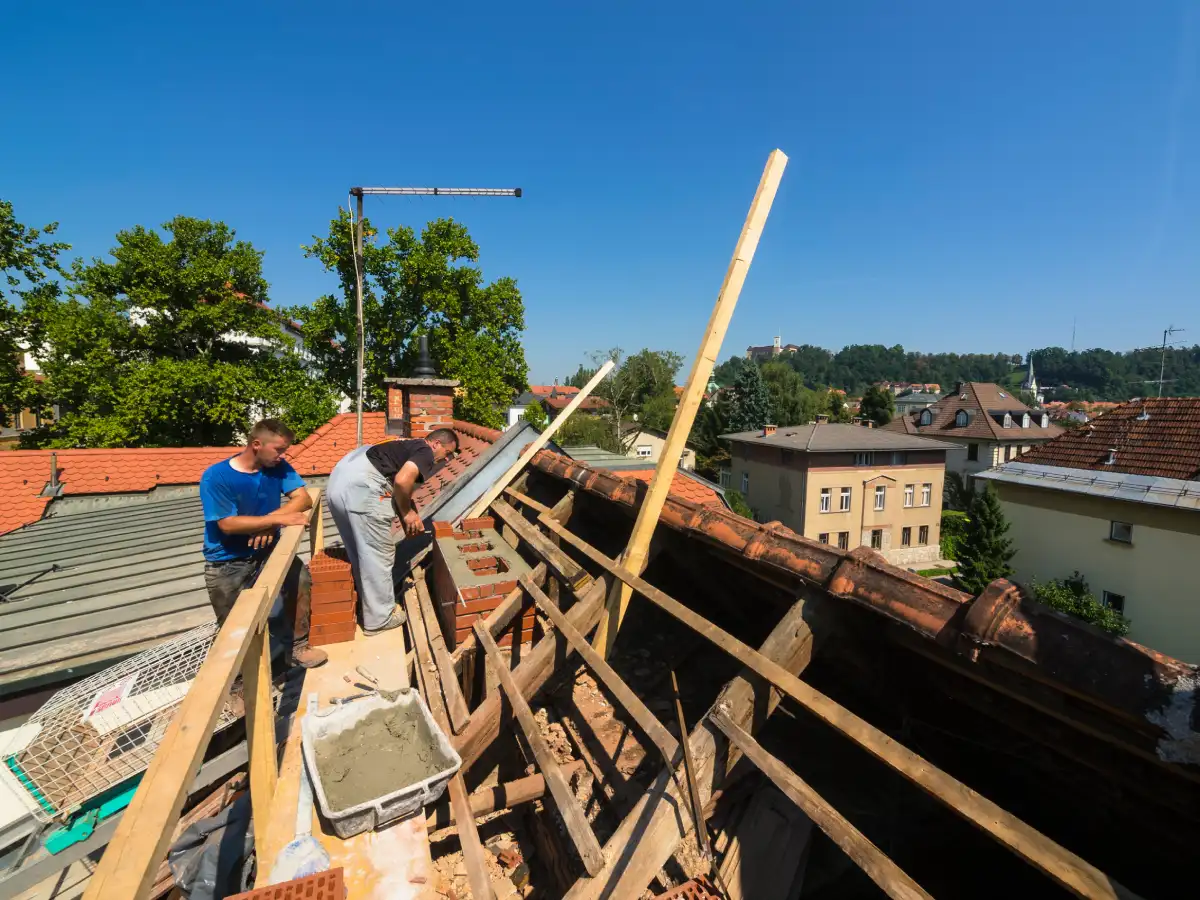
Cyclone Alfred: Property Issues to Inspect After the Storm
Cyclone Alfred caused widespread damage across southeastern Queensland and northern New South Wales in March 2025. This guide covers the property issues homeowners should inspect after the storm, from roof and gutter damage to foundation shifts, flooding, electrical hazards, and insurance claim steps.
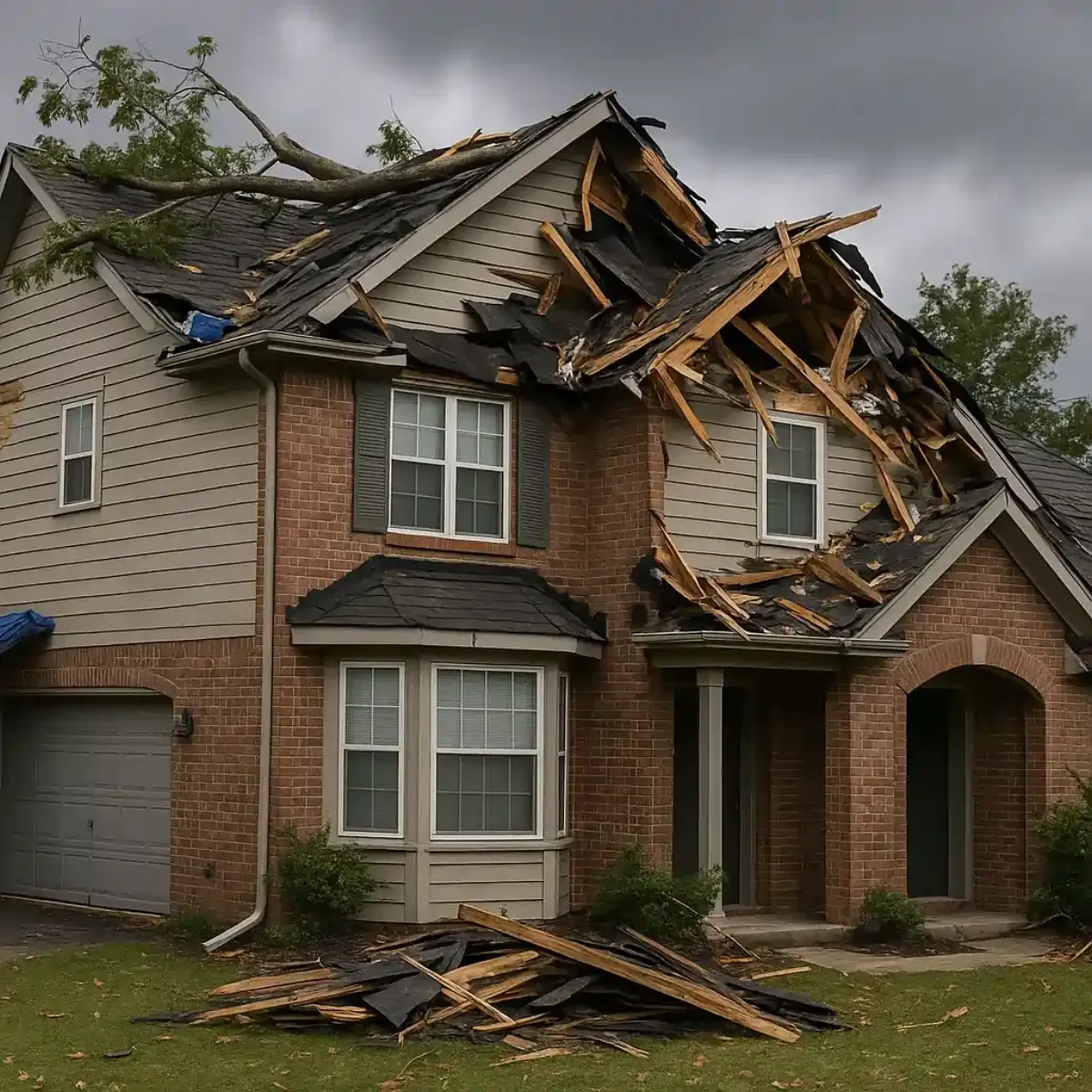
Steps to File a Building Insurance Claim after Storm Damage
Filing a building insurance claim after storm damage requires fast action, thorough documentation, and a clear understanding of your policy. This guide walks Australian homeowners through each step from initial safety checks to settlement negotiation and dispute resolution.
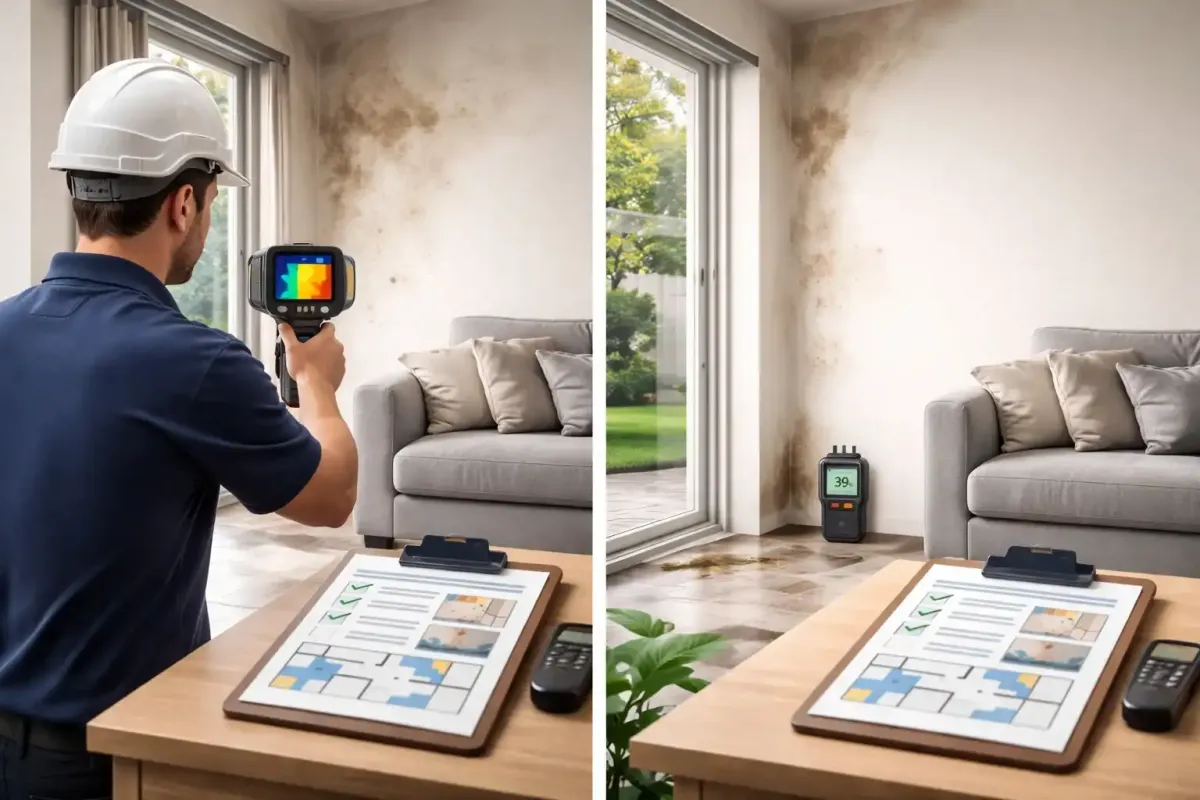
Water Damage Inspection Report
A water damage inspection report identifies the source, extent, and severity of water damage in a property. This guide covers what the report includes, common causes of water damage in Australian homes, inspection methods, and steps to prevent future damage.
Concerned about leaks, storm damage, or the overall condition of your roof? Owner Inspections provides independent roof defect inspections across NSW, Victoria, and Queensland. Our licensed building inspectors deliver detailed reports covering every aspect of your roof's condition, from tiles and flashing to structural framing and drainage. Get a quote today or call us on 1300 471 805.