

Property Insurance Claim Assessments: How to Get a Fair Outcome
Dealing with property damage? Learn how insurance claim assessments work and how to ensure you get a fair outcome.
Instant Quote
What Is a Property Insurance Claim Assessment?
A property insurance claim assessment is a professional evaluation of damage to your home or building following an event such as a storm, fire, flood, or impact. The purpose of the assessment is to identify the extent of the damage, determine its cause, and estimate the cost of repairs or restoration. This assessment forms the basis of what your insurer will pay out on your claim.
When you lodge a claim, your insurer will typically send their own assessor (sometimes called a loss adjuster) to inspect the property. This person works for, or is contracted by, your insurance company. Their job is to evaluate the damage and recommend a settlement figure to the insurer. While many insurer-appointed assessors are competent professionals, their role is to protect the insurer's financial interests. This can sometimes mean that the scope of damage is underestimated or that repair costs are calculated using lower-end figures.
An independent assessor, by contrast, works for you. They have no financial relationship with your insurer and no incentive to minimise the claim. Their role is to provide an objective, thorough report that accurately reflects the full extent of the damage. At Owner Inspections, our independent assessors are licensed building professionals with experience across NSW, Victoria, and Queensland. We have been providing independent building assessments since 2014 and understand how to document damage in a way that supports a fair outcome.
A comprehensive insurance assessment report typically includes:
- A detailed description of the damage to every affected area of the property
- Photographic evidence with annotations showing the nature and severity of the damage
- Identification of the cause of damage and whether it is consistent with the claimed event
- An itemised scope of works required to restore the property to its pre-damage condition
- An independent cost estimate for the required repairs
- Assessment of any consequential damage that may not be immediately obvious
Having a well-documented assessment is critical. Insurance companies make decisions based on the evidence in front of them, and a thorough, professional report gives you the strongest possible foundation for receiving a fair payout.
Types of Property Damage Covered by Insurance
Home and building insurance policies in Australia generally cover sudden and accidental damage caused by specific events. Understanding what types of damage are covered, and what is excluded, helps you set realistic expectations when making a claim.
Storm and hail damage is one of the most common causes of insurance claims in Australia. This includes damage to roofs, guttering, ceilings, windows, and external cladding caused by severe weather. Hailstorms can crack roof tiles, dent metal roofing, and break skylights. Heavy rain following roof damage often leads to secondary water damage inside the home.
Water damage can result from burst pipes, overflowing fixtures, or rainwater intrusion. Flood damage is treated separately under most policies and may require additional flood cover. It is important to check your policy wording, as the definition of "flood" versus "storm water runoff" varies between insurers and can affect whether your claim is accepted.
Fire damage covers destruction caused by house fires, bushfires, and lightning strikes. This includes structural damage, smoke damage, and damage to fixtures and fittings. Bushfire-prone areas of Australia are particularly susceptible, and policies may include specific conditions or exclusions related to bushfire preparation and compliance.
Impact damage refers to damage caused by falling trees, vehicles hitting structures, or other physical impacts. If a neighbour's tree falls on your property during a storm, this would typically be covered under your own policy as storm and impact damage.
Subsidence and ground movement can cause cracking to walls, foundations, and slabs. Coverage varies significantly between insurers. Some policies cover sudden subsidence events while excluding gradual ground movement. Reactive clay soils, common in parts of Melbourne and western Sydney, can cause significant structural movement over time.
What is typically excluded:
- Wear and tear: Gradual deterioration of building materials over time is not covered. This includes ageing roof tiles, weathered paintwork, and corroding plumbing.
- Pre-existing damage: Damage that was present before the insured event occurred is excluded. Insurers may argue that existing defects contributed to the damage.
- Maintenance issues: Damage resulting from a failure to maintain the property, such as blocked gutters leading to water ingress, is generally not covered.
- Gradual damage: Slow leaks, rising damp, and progressive structural movement are typically excluded as they are considered maintenance issues rather than sudden events.
- Defective design or construction: If damage results from original building defects or poor workmanship, it is usually excluded from standard home insurance policies.
An independent assessment can help distinguish between damage caused by the insured event and pre-existing or maintenance-related issues. This distinction is crucial because insurers will often try to attribute damage to excluded causes to reduce their liability.
How the Insurance Assessment Process Works
Understanding the insurance assessment process helps you navigate each stage more effectively and avoid common mistakes that can delay or reduce your claim. Here is how the process typically works from start to finish.
Step 1: Report the damage and lodge your claim
Contact your insurer as soon as possible after discovering the damage. Most insurers have a 24/7 claims hotline and online lodgement options. Provide a clear description of what happened, when it occurred, and what damage you have observed. Your insurer will give you a claim number for reference.
Step 2: Document the damage yourself
Before anything is moved, cleaned up, or repaired, take comprehensive photos and videos of all damage from multiple angles. Record the date and time. Keep damaged items where possible, as the insurer or assessor may need to inspect them. Write down a timeline of events while details are fresh in your memory.
Step 3: The insurer assigns an assessor
Your insurer will appoint a loss adjuster or building assessor to inspect the property. This may happen within days for severe damage or take several weeks for less urgent claims. The assessor will visit, inspect the damage, take their own photos, and prepare a report for the insurer.
Step 4: Consider an independent assessment
You have every right to engage your own independent assessor at any stage. Many homeowners choose to do this before the insurer's assessor visits, so they have a baseline report to compare against. Others commission an independent assessment after receiving a settlement offer they believe is too low. Owner Inspections provides independent insurance assessments across Sydney, Melbourne, and Brisbane, with reports typically delivered within 24 hours of inspection.
Step 5: Review the settlement offer
Based on their assessor's report, your insurer will make a settlement offer. This may be a cash settlement for the estimated repair cost, or an offer to manage the repairs through their preferred contractors. Review this offer carefully against your own documentation and any independent assessment you have obtained.
Step 6: Negotiate or accept
If the offer does not adequately cover the damage, you can negotiate. An independent assessment report is your strongest tool in negotiations, as it provides professional evidence to support your position. If negotiations reach an impasse, you have further options through internal dispute resolution and external bodies.
Timeline expectations:
- Simple claims (minor storm damage, single room): 2 to 6 weeks from lodgement to settlement
- Moderate claims (roof damage, multiple rooms affected): 4 to 12 weeks
- Complex claims (structural damage, fire, flooding): 3 to 12 months or longer
- Disputed claims: Can extend well beyond 12 months if external dispute resolution is required
Independent vs Insurer-Appointed Assessments
One of the most important decisions you can make during an insurance claim is whether to rely solely on your insurer's assessor or to engage an independent professional. Understanding the difference between these two types of assessment helps you protect your interests.
Insurer-appointed assessors are paid by your insurance company. They may be employees of the insurer or external loss adjusters contracted to handle claims. While they are expected to be professional and impartial, their client is the insurance company. The insurer's goal is to settle claims fairly but also to manage costs. This creates an inherent tension that can work against you as the policyholder.
Common concerns with insurer-appointed assessments include:
- Underestimating the scope of damage by focusing only on the most visible issues
- Attributing damage to excluded causes such as wear and tear or pre-existing conditions
- Using repair cost estimates that are lower than actual market rates
- Recommending patch repairs where full replacement is warranted
- Missing consequential damage in areas not immediately obvious
Independent assessors work exclusively for you. They have no relationship with your insurer and no financial reason to minimise the claim. Their role is to provide an accurate, comprehensive assessment of the damage and the true cost of restoring your property to its pre-damage condition.
An independent assessment strengthens your claim in several ways:
- Thorough documentation: Independent assessors typically spend more time on-site and produce more detailed reports with extensive photographic evidence.
- Accurate costings: Repair estimates reflect current market rates for labour and materials in your area, not discounted insurer panel rates.
- Expert opinion: A licensed building professional's opinion on the cause and extent of damage carries significant weight in disputes.
- Negotiation leverage: Presenting a professional, independent report signals to your insurer that you are serious and informed, often leading to improved settlement offers.
- Dispute support: If your claim proceeds to the Australian Financial Complaints Authority (AFCA) or legal proceedings, an independent report from a qualified assessor is essential evidence.
At Owner Inspections, our insurance assessments are conducted by licensed building professionals who hold registrations in NSW (Fair Trading 366177C), Victoria (BPC CDB-U 53425), and Queensland (QBCC 15249792). Our assessors understand both building standards and the insurance claims process, ensuring our reports address the specific evidence requirements that insurers look for when evaluating claims.
How to Maximise Your Insurance Claim
Getting a fair outcome on your insurance claim requires preparation, documentation, and a clear understanding of the process. Here are practical steps you can take to maximise your claim.
Document everything from the start
The moment you discover damage, start documenting. Take photos and videos of every affected area, including wide shots for context and close-ups for detail. Photograph undamaged areas as well, as this helps establish the contrast between damaged and intact sections. If you have photos of the property before the damage occurred (from listing photos, previous inspections, or personal photos), keep these accessible as they demonstrate the pre-damage condition.
Do not start repairs before the assessment
One of the most common mistakes homeowners make is rushing to clean up or repair damage before it has been properly assessed. You are entitled to make the property safe and prevent further damage (for example, placing a tarp over a damaged roof), but do not carry out permanent repairs until the insurer's assessor has inspected the property and you are satisfied with the scope of works. If you repair damage before it is assessed, the insurer may argue there is insufficient evidence to support the claim.
Get independent repair quotes
Do not accept your insurer's repair estimate at face value. Obtain at least two or three quotes from licensed tradespeople for the required repairs. These quotes serve as evidence of what the repairs will actually cost at current market rates. If the insurer's estimate is significantly lower, the independent quotes support your case for a higher settlement.
Understand your policy
Read your Product Disclosure Statement (PDS) carefully. Know what events are covered, what is excluded, your excess amount, and any sum insured limits. Understanding your policy helps you frame your claim correctly and identify if the insurer is applying exclusions unfairly. Pay particular attention to definitions of "flood" versus "storm damage," as this distinction catches many homeowners off guard.
Keep records of all communications
Maintain a written record of every interaction with your insurer, including phone calls (note the date, time, person you spoke with, and what was discussed), emails, and letters. If you are told something verbally, follow up with an email confirming the conversation. These records are invaluable if a dispute arises later.
Engage an independent assessor early
Commissioning an independent assessment early in the process gives you a professional baseline against which to evaluate your insurer's offer. It also demonstrates to the insurer that you are informed and proactive, which often leads to a more thorough response from their end.
Do not accept the first offer if it seems low
Initial settlement offers are often negotiable. If the offer does not cover the full cost of restoring your property, respond in writing with specific reasons why you believe the offer is inadequate, supported by your independent assessment and repair quotes. Most insurers expect some negotiation on larger claims.
What to Do If Your Claim Is Denied or Underpaid
Having your insurance claim denied or receiving a settlement that does not cover the actual cost of repairs is frustrating, but you have options. Australian consumer protections provide several avenues for challenging an insurer's decision.
Step 1: Understand why the claim was denied or reduced
Your insurer is required to provide written reasons for denying or reducing your claim. Review these reasons carefully against your policy wording. Common reasons for denial include the insurer claiming the damage was caused by wear and tear, poor maintenance, pre-existing defects, or an event not covered by your policy. Sometimes claims are reduced because the insurer's assessor underestimated the scope of damage.
Step 2: Request an internal review
All insurers are required to have an Internal Dispute Resolution (IDR) process. Lodge a formal complaint in writing, clearly stating why you disagree with the decision and providing any additional evidence. This might include your independent assessment report, repair quotes, photos, or expert opinions. The insurer must respond to your complaint within defined timeframes (usually 30 days).
Step 3: Commission an independent assessment
If you have not already done so, engage an independent building assessor to inspect the damage and prepare a detailed report. An independent assessment can challenge the insurer's findings by providing professional evidence that the damage is more extensive than acknowledged, that the cause is consistent with the claimed event, or that the repair costs are higher than the insurer's estimate. Owner Inspections has helped numerous homeowners overturn denied or underpaid claims through thorough, independent assessment reports.
Step 4: Escalate to the Australian Financial Complaints Authority (AFCA)
If the internal review does not resolve the dispute, you can lodge a complaint with AFCA (formerly the Financial Ombudsman Service). AFCA is a free, independent dispute resolution service. They will review your case, consider the evidence from both sides, and make a determination. Insurers are bound by AFCA's decisions. Having a professional independent assessment report significantly strengthens your case at this stage.
Step 5: Consider legal advice
For high-value claims or complex disputes, consulting a lawyer who specialises in insurance law may be worthwhile. Some solicitors offer initial consultations at no charge and can advise you on the strength of your case. Legal action is typically a last resort, but it can be effective when the evidence clearly supports your position.
Key tips for challenging a decision:
- Always respond in writing and keep copies of everything
- Be specific about what you disagree with and why
- Provide supporting evidence for every point you make
- Meet all deadlines for lodging complaints and responses
- Stay factual and professional in all communications
- Seek advice from a financial counsellor (free through the National Debt Helpline on 1800 007 007) if you are experiencing financial hardship due to the claim
Insurance Claims in Sydney and Melbourne
Property damage patterns differ between Australian cities due to climate, geography, and building styles. Understanding the common risks in your area helps you maintain appropriate insurance cover and respond effectively when damage occurs.
Sydney and New South Wales
Sydney experiences some of Australia's most severe storm and hail events. The city's geography, with coastal suburbs exposed to ocean weather and western suburbs prone to intense summer storms, creates a wide range of damage scenarios.
- Storm and hail damage: Sydney's hailstorms can be devastating. Major events have caused billions of dollars in insured losses across the city. Roof damage, broken skylights, cracked tiles, and dented metal roofing are the most common results. Homes with older terracotta or concrete tile roofs are particularly vulnerable.
- Coastal erosion and salt damage: Properties in coastal suburbs face ongoing exposure to salt spray, which accelerates corrosion of metal fixtures, deterioration of paintwork, and degradation of concrete. While gradual salt damage is typically excluded as maintenance, storm-related coastal damage may be covered.
- Water damage from storms: Sydney receives significant rainfall, and heavy downpours following roof damage can cause extensive internal water damage to ceilings, walls, flooring, and electrical systems.
- Flash flooding: Low-lying areas across Sydney are susceptible to flash flooding during intense rain events. Check whether your policy includes flood cover, as this is not always included as standard.
Melbourne and Victoria
Melbourne's weather is famously changeable, and its building stock faces distinct challenges compared to other Australian cities.
- Storm damage: Melbourne experiences severe storms, including damaging wind events that can strip roofing, bring down trees, and cause widespread damage across suburbs. The 2021 storm event alone generated over 85,000 insurance claims in Victoria.
- Flooding: Parts of Melbourne and regional Victoria are prone to riverine flooding. The Maribyrnong River, Yarra River, and numerous creeks can overflow during prolonged or heavy rainfall. Flood damage includes structural damage, contamination, and destruction of floor coverings, cabinetry, and electrical systems.
- Subsidence from reactive soils: Melbourne's western and northern suburbs sit on highly reactive clay soils that expand and contract with moisture changes. This movement can cause significant cracking to brick walls, concrete slabs, and foundations. While some policies cover sudden subsidence, damage from reactive soil movement is often disputed by insurers, making an independent assessment particularly valuable.
- Wind damage: Exposed properties in outer suburbs and elevated areas are vulnerable to strong winds that can lift roof sheeting, damage fences, and bring down mature trees onto structures.
Owner Inspections operates across both Sydney and Melbourne with locally based inspectors who understand the specific building types, soil conditions, and weather patterns in each region. Our assessors know what to look for in each city and can effectively distinguish between event-related damage and pre-existing conditions, which is often the key point of contention in insurance claims.
Ready to Get Started?
Our licensed inspectors are ready to help across Sydney, Melbourne, and all major Australian cities.
Explore Our In-Depth Guides
Dive deeper into specific topics with our detailed articles.
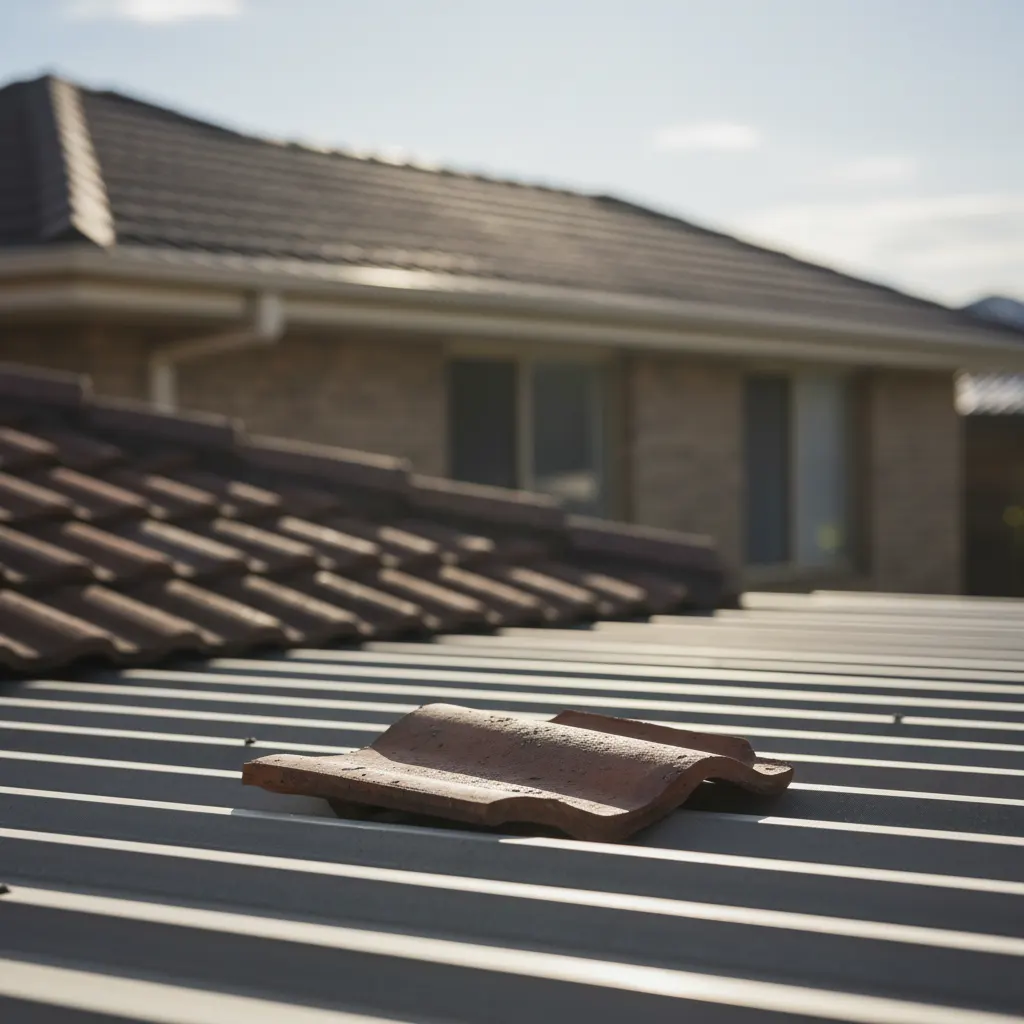
Insurer Voided My Policy After a Hail Damage Claim
An insurer that voids your policy after a hail damage claim is alleging you failed to disclose something, not just refusing the claim. Here is what that means and how to challenge it.

Builder insolvent, can I still claim for defects?
A builder in liquidation cannot be made to come back and fix anything, but the defect claim usually survives them. This guide explains which state insurance responds, what it pays, and the deadlines that quietly close the door.
6 min read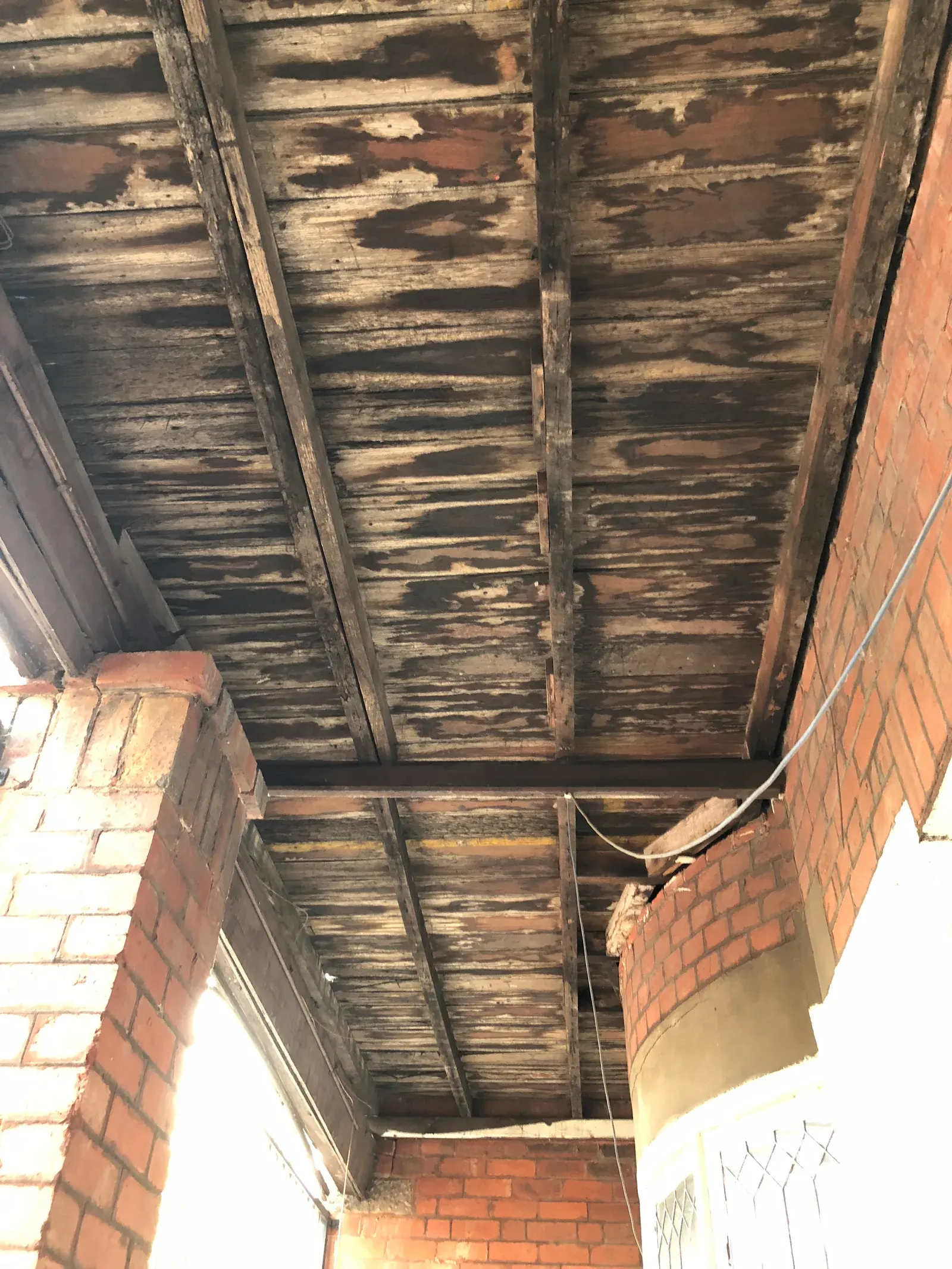
The apartment above flooded my ceiling, who pays?
When water comes through your ceiling from the apartment above, liability follows the source of the leak rather than the location of the damage. This guide explains how the lot and common property boundary decides who pays in NSW, Victoria and Queensland, and what evidence settles it.
6 min read
Insurer denied my claim because of asbestos: what now?
Insurers rarely deny a claim simply because a home contains asbestos. They deny it under a specific clause, and which clause it is decides whether the decision can be overturned. This guide explains the four common grounds and how to challenge them.
7 min read
Insurance Claim Denied? Steps to Challenge the Decision
Having your insurance claim denied can feel overwhelming, but you have options. This guide walks you through the steps to challenge a denial, including internal dispute resolution, independent assessments, and escalating to AFCA.
6 min read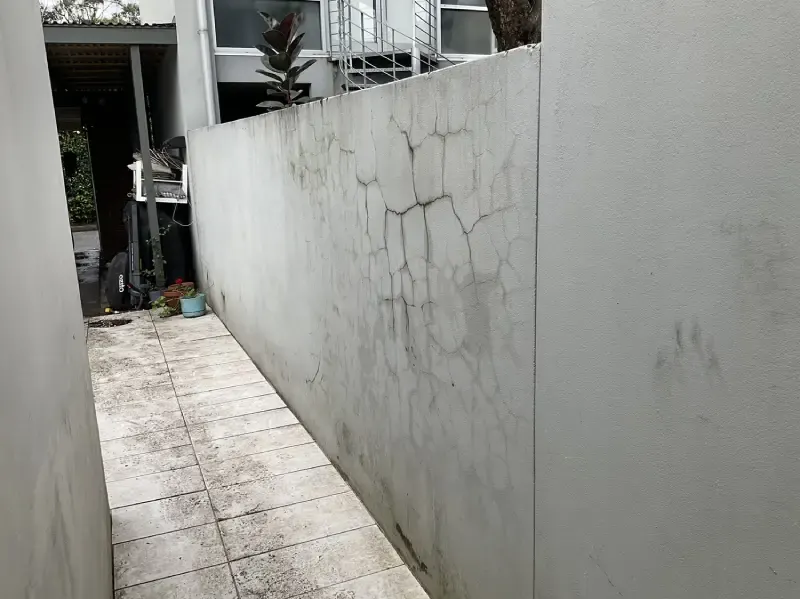
Dilapidation Reports for Insurance Claims: Why They Matter
A dilapidation report documents a property's condition before and after nearby construction work, providing strong evidence for insurance claims. This guide covers what reports include, Australian standards, and how they protect property owners from disputes and financial loss.
10 min read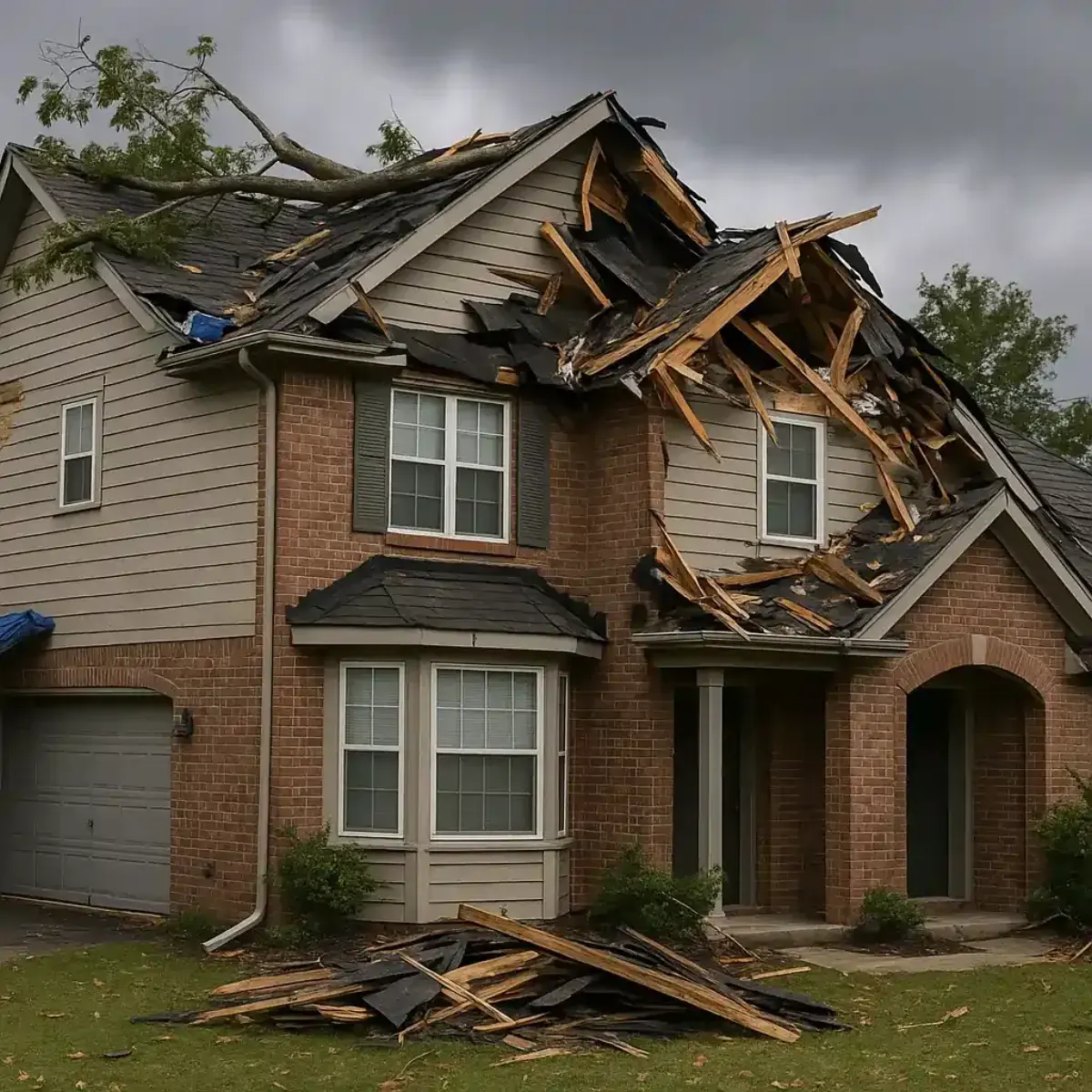
Steps to File a Building Insurance Claim after Storm Damage
Filing a building insurance claim after storm damage requires fast action, thorough documentation, and a clear understanding of your policy. This guide walks Australian homeowners through each step from initial safety checks to settlement negotiation and dispute resolution.
12 min read
Insurance Inspection for Commercial Buildings: Affecting Premium
Insurance inspections for commercial buildings directly affect your premium by evaluating structural condition, fire safety, security features, and location-based risks. This guide covers what inspectors assess, how findings influence pricing, and practical steps Australian property owners can take to reduce insurance costs.
11 min read
The Importance of Insurance for New Constructions
New construction projects in Australia face risks from structural damage, theft, workplace injuries, and contract disputes. This guide explains the six main types of construction insurance, who needs them, and how they protect builders, homeowners, and developers.
11 min read
Insurance Risks for New Construction Projects in Australia
New construction projects carry significant insurance risks from physical damage and design errors to contractor insolvency and regulatory non-compliance. This guide covers the common risks, required insurance policies, and best practices for managing them in Australia.
11 min read
How to File a Property Damage Insurance Claim in Australia
Filing a property damage insurance claim in Australia requires prompt action, thorough documentation, and a clear understanding of your policy. This step-by-step guide covers how to assess damage, notify your insurer, avoid common mistakes, and escalate disputes through the Australian Financial Complaints Authority.
10 min read
Understanding Building Insurance Inspections in Australia
Building insurance inspections assess a property's structural integrity, safety compliance, and risk profile to determine insurance coverage and premiums. This guide explains what inspectors look for, how the process works, and how to prepare your property for an insurance inspection in Australia.
11 min read
Cyclone Alfred: Property Issues to Inspect After the Storm
Cyclone Alfred caused widespread damage across southeastern Queensland and northern New South Wales in March 2025. This guide covers the property issues homeowners should inspect after the storm, from roof and gutter damage to foundation shifts, flooding, electrical hazards, and insurance claim steps.
11 min read
How Are Insurance Claims Assessed in Brisbane Construction?
Insurance claims in Brisbane construction are assessed through a structured process involving submission, preliminary review, on-site assessment, evidence gathering, and settlement. This guide explains each step and what property owners need to know.
10 min read
What to Do When Your Building Claim Is Denied in Geelong
A denied building insurance claim in Geelong is not the end of the road. This guide explains common denial reasons, immediate steps to take, the appeal and dispute resolution process, and how an independent inspection report can help overturn the decision.
10 min read
Guide to Insurance Claim Assessments for Property Damage
Property damage insurance claims in Australia have surged due to extreme weather events. This guide walks you through the assessment process, from documenting damage to disputing low settlement offers, so you can secure fair compensation.
10 min read
How Do Insurance Companies Assess Claims in Australia?
Insurance claim assessments in Australia follow a structured six-stage process from lodgement to settlement. Understanding each step helps builders, contractors, and property owners prepare stronger claims and avoid common pitfalls that lead to underpayment or denial.
10 min read
Insurance Claim Assessments in Gold Coast: A Homeowner's Guide
Gold Coast homeowners face frequent natural disasters including storms, floods, and cyclones. Understanding how insurance claim assessments work, what to document, and how to dispute unfair outcomes is the key to a successful claim. This guide walks you through every step.
11 min read
How Insurance Claim Assessments Work in Sydney
Insurance claim assessments in Sydney involve an insurer-appointed assessor evaluating property damage, reviewing your policy, and producing a report that determines your settlement. This guide explains the full process from lodging the claim to negotiating the offer and resolving disputes.
11 min read
Melbourne Property Damage: A Guide to Insurance Assessments
Melbourne property owners face damage from storms, flooding, burst pipes, fire, and construction impacts. Understanding how insurance claim assessments work in Victoria, what to document, and how to dispute unfair outcomes helps you secure a fair settlement.
11 min readFrequently Asked Questions
The on-site assessment typically takes between 1 and 3 hours depending on the size of the property and extent of the damage. For the overall claims process, simple claims may be resolved within 2 to 6 weeks, while more complex or disputed claims can take several months. An independent assessment report from Owner Inspections is usually delivered within 24 hours of the inspection, so it does not add significant time to the process.
You are not required to get an independent assessment, but it is strongly recommended for any significant claim. Your insurer's assessor works for the insurance company, not for you. An independent assessor provides an unbiased evaluation of the damage and repair costs, giving you a professional benchmark against which to evaluate the insurer's offer. If there is any disagreement about the scope or cost of repairs, an independent report is essential for supporting your position.
The cost of an independent insurance assessment varies depending on the property size, type of damage, and complexity of the assessment required. Contact Owner Inspections on 1300 471 805 for a tailored quote. In many cases, the cost of an independent assessment is recovered many times over through a higher insurance settlement. The assessment fee is a worthwhile investment in ensuring you receive a fair outcome.
You should take reasonable steps to prevent further damage, such as placing tarps over a damaged roof or turning off water to a burst pipe. However, you should avoid carrying out permanent repairs until the damage has been fully assessed and the scope of works agreed with your insurer. If you repair damage before assessment, the insurer may argue there is insufficient evidence to support your claim. Always photograph damage thoroughly before any temporary repairs.
First, ensure the safety of everyone in the property. Then take comprehensive photos and videos of all damage before anything is moved or cleaned up. Contact your insurer to lodge the claim as soon as possible. Make the property safe and prevent further damage where you can do so safely. Keep all damaged items for the assessor to inspect. Write down what happened and when while details are fresh. Consider engaging an independent assessor early for the best outcome.
Most insurance policies require you to notify your insurer of damage "as soon as reasonably practicable." There is no strict statutory deadline in most cases, but delays can give the insurer grounds to question the claim or argue that the damage has worsened due to late reporting. As a general rule, lodge your claim within days of discovering the damage. If you discover damage some time after the event (for example, a slow leak from storm damage), notify your insurer as soon as you become aware of it.
It depends on your insurer and your claims history. Some insurers increase premiums after a claim, while others do not penalise you for a single claim, especially if it results from a widespread event like a major storm. Making multiple claims within a short period is more likely to affect your premiums. You can ask your insurer about their claims impact policy before lodging. For significant damage, the cost of repairs will almost always outweigh any potential premium increase, so it generally makes sense to claim.
Yes, absolutely. An independent assessment is one of the most effective tools for challenging a denied or underpaid claim. The independent report can provide professional evidence that contradicts the insurer's reasons for denial, whether that involves demonstrating that the damage is event-related rather than caused by maintenance issues, that the scope of damage is greater than acknowledged, or that repair costs are higher than offered. This evidence is valuable for internal dispute resolution with the insurer and essential if you escalate to the Australian Financial Complaints Authority.
Reviewed across every major platform