
Australia's construction industry continues to grow, but insurance claims related to construction defects and property damage have also risen. A well-planned risk assessment allows stakeholders to price their projects accurately, avoid costly surprises, and meet regulatory requirements under the National Construction Code (NCC) and state-specific legislation.
For a complete overview, see our guide to insurance claim assessments.
What Is Insurance Risk Assessment in Construction?
Insurance risk assessment evaluates potential hazards in a construction project to determine coverage needs and premium rates. This process allows insurers to price policies accurately while helping builders and developers reduce their financial exposure.
Key Considerations
- Structural integrity: Quality of materials and workmanship, adherence to engineering standards, and risk of defects
- Environmental risks: Exposure to natural disasters such as bushfires, floods, and cyclones that may impact the construction site
- Project management risks: Delays, cost overruns, contractor defaults, and unforeseen operational challenges
How Risk Assessment Affects Premiums
| Characteristics | Effect on Premiums | |
|---|---|---|
| Lower Risk Profile | Fire-resistant materials, accredited builders, strict safety compliance | Lower premiums due to reduced claim exposure |
| Higher Risk Profile | Construction in flood zones, use of materials with known hazards, poor safety record | Higher premiums due to increased claim likelihood |
QWho Conducts Risk Assessments?
- Insurance companies: Underwriters and risk engineers assess a project's risk profile to determine coverage terms
- Developers and builders: Conduct internal risk evaluations to meet insurance and compliance standards
- Independent risk consultants: Provide expert assessments to identify hidden liabilities and recommend mitigation measures
Common Risks in New Construction
Physical Risks
- Fire and structural damage: Electrical malfunctions, welding sparks, and flammable materials can cause severe fire damage, increasing project costs and liability
- Natural disasters: Floods, cyclones, and bushfires are common across parts of Australia and require specialised insurance coverage
- Theft and vandalism: Construction sites are frequent targets for theft of materials and equipment, causing financial losses and project delays
Design and Structural Risks
- Faulty designs: Architectural errors or miscalculations can lead to structural deficiencies requiring expensive corrective work
- Substandard workmanship: Poor construction techniques and lack of skilled labour can compromise safety and building integrity
- Inferior materials: Using non-compliant or low-quality materials can result in failed inspections, costly rework, and increased liability
Financial Risks
- Cost overruns: Poor budgeting, inflation in material costs, and labour shortages can lead to unplanned expenses
- Contractor insolvency: If a key contractor goes bankrupt mid-project, replacing them can be costly and cause significant delays
Legal and Regulatory Risks
- Non-compliance with building codes: Failure to adhere to the NCC or state-specific codes can result in fines, legal actions, or project shutdowns
- Occupational Health and Safety (OHS) violations: Lack of adherence to safety protocols can lead to workplace accidents, litigation, and financial penalties
Failure to secure mandatory insurance policies such as workers' compensation can result in significant penalties and personal liability for directors and project managers.
Insurance Policies for New Construction
| What It Covers | Who Needs It | |
|---|---|---|
| Builder's Risk Insurance | Damages to structures under construction from fire, vandalism, weather, or theft | Builders, developers, and contractors on residential, commercial, and infrastructure projects |
| Public Liability Insurance | Legal claims from third-party injuries or property damage occurring on-site | Builders, developers, and subcontractors working on large-scale projects |
| Professional Indemnity Insurance | Design-related lawsuits and professional errors by architects, engineers, and surveyors | Design professionals and consultants involved in the project |
| Workers' Compensation | Medical expenses, rehabilitation, and wage losses for workers injured on-site | All employers with construction workers, required by law in every Australian state |
Best Practices for Construction Risk Management
Conducting Comprehensive Risk Assessments
Implementing Strong Safety Protocols
Contractual Risk Transfer
Well-drafted contracts ensure risk is properly allocated among stakeholders. Clauses covering indemnity, insurance requirements, and defect liability periods reduce each party's exposure and clarify responsibilities if something goes wrong.
Continuous Insurance Policy Review
Annual policy reviews ensure coverage remains adequate as the project progresses. Construction projects evolve over time, and the insurance cover should keep pace with changes in scope, value, and risk profile.
Australian Regulations and Construction Insurance
- National Construction Code (NCC): Outlines safety, durability, and sustainability requirements for buildings in Australia
- Workplace Health and Safety (WHS) Laws: Govern employer responsibilities regarding worker safety and accident prevention
- Insurance compliance requirements: Failure to secure mandatory insurance policies like workers' compensation can result in significant penalties under state legislation
State-specific regulations also apply. In NSW, the Home Building Act 1989 requires home warranty insurance for residential projects over $20,000. In Victoria, the Domestic Building Contracts Act 1995 sets out similar protections. In Queensland, the QBCC regulates builder licensing and insurance requirements.
Key Takeaways
- New construction projects face physical, design, financial, and legal insurance risks that must be identified and managed.
- A thorough risk assessment before construction starts helps secure the right coverage and reduce premiums.
- Builder's risk, public liability, professional indemnity, and workers' compensation insurance are all needed for proper protection.
- Lower risk profiles, through quality materials, accredited builders, and strict safety compliance, lead to lower insurance premiums.
- Contractor insolvency and cost overruns are financial risks that can be mitigated through careful contract drafting and regular reviews.
- The NCC and state-specific legislation set minimum safety and insurance compliance standards for all construction projects.
- Annual insurance policy reviews ensure coverage keeps pace with changes in project scope and value.
Frequently Asked Questions
What insurance do I need for a new construction project in Australia?
At a minimum, you need builder's risk insurance, public liability insurance, and workers' compensation. Professional indemnity insurance is also required for architects, engineers, and other design professionals. The specific requirements vary by state and by the type and scale of the project.
How does a risk assessment affect my construction insurance premiums?
A thorough risk assessment identifies hazards and mitigation strategies. Projects that demonstrate lower risk profiles through quality materials, accredited builders, and strong safety protocols typically qualify for lower premiums. Projects in high-risk locations or with poor safety records will face higher costs.
Is builder's risk insurance mandatory in Australia?
Builder's risk insurance is not universally mandatory, but many lenders and project owners require it as a condition of the construction contract. Home warranty insurance, which covers defects after completion, is required by law in most states for residential projects over certain thresholds.
What happens if my contractor does not have insurance?
If a contractor operates without the required insurance, you may be personally liable for workplace injuries, property damage, or defect claims. Always verify that all contractors and subcontractors hold valid insurance before allowing them to work on your project.
What are the most common insurance claims on construction projects?
The most common claims involve fire damage, storm damage, theft of materials, water damage from poor waterproofing, and workplace injuries. Design defects and substandard workmanship also generate significant claims, particularly on residential projects.
Does construction insurance cover defects found after completion?
Builder's risk insurance typically only covers damage during the construction phase. Defects found after completion are usually covered under home warranty insurance or defect liability provisions in the construction contract. The defect liability period varies by state but is commonly 6 years for major defects and 2 years for minor defects.
How can I reduce insurance risks on my construction project?
Use accredited builders with strong safety records, conduct regular site inspections and safety audits, carry out geotechnical studies before construction, and review all subcontractor qualifications and insurance. Well-drafted contracts with clear risk allocation and indemnity clauses also reduce your exposure.
What is the NCC and why does it matter for construction insurance?
The National Construction Code (NCC) sets the minimum standards for safety, durability, and sustainability in Australian buildings. Compliance with the NCC is a baseline requirement for most insurance policies. Non-compliant buildings may face denied claims, higher premiums, or difficulty obtaining coverage.
Are natural disaster risks covered under standard construction insurance?
Most builder's risk policies cover storm, wind, and hail damage. However, flood and bushfire coverage may be excluded or require an additional premium, particularly in high-risk areas. Always check your Product Disclosure Statement (PDS) for specific inclusions and exclusions.
What role do independent inspections play in managing construction insurance risks?
Independent building inspections at each construction stage help identify defects and safety issues before they become costly claims. Inspection reports provide documented evidence of compliance and quality, which can support insurance applications and reduce premium costs. They also serve as evidence in the event of a dispute or claim.
References and Resources
- National Construction Code (NCC) - Australian Building Codes Board
- Safe Work Australia - Workplace health and safety regulations
- NSW Fair Trading - Home Building Compensation Fund - Home warranty insurance requirements in NSW
- Insurance Council of Australia - Industry data and consumer guidance
- Queensland Building and Construction Commission (QBCC) - Builder licensing and insurance requirements in QLD
Related Articles
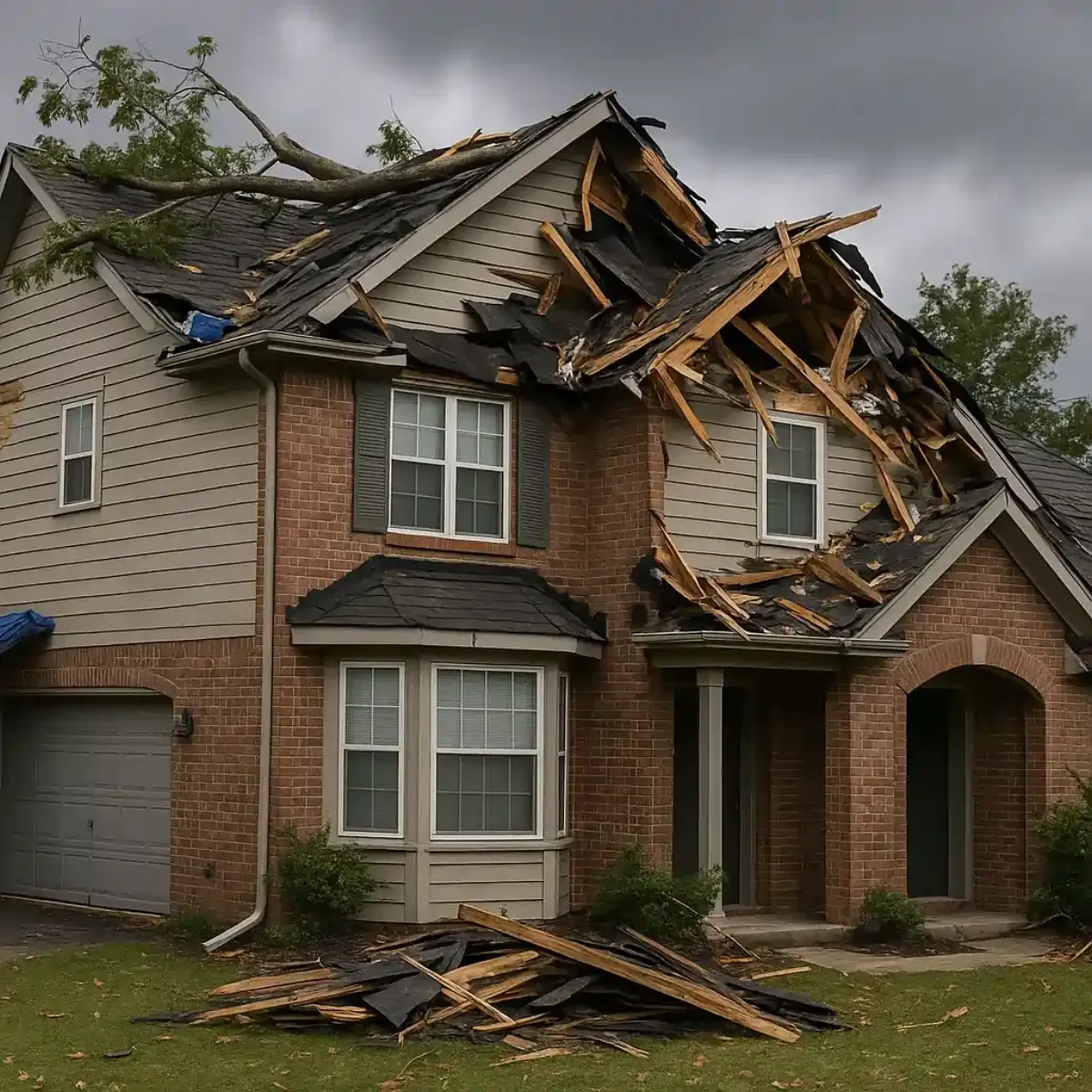
Steps to File a Building Insurance Claim after Storm Damage
Filing a building insurance claim after storm damage requires fast action, thorough documentation, and a clear understanding of your policy. This guide walks Australian homeowners through each step from initial safety checks to settlement negotiation and dispute resolution.
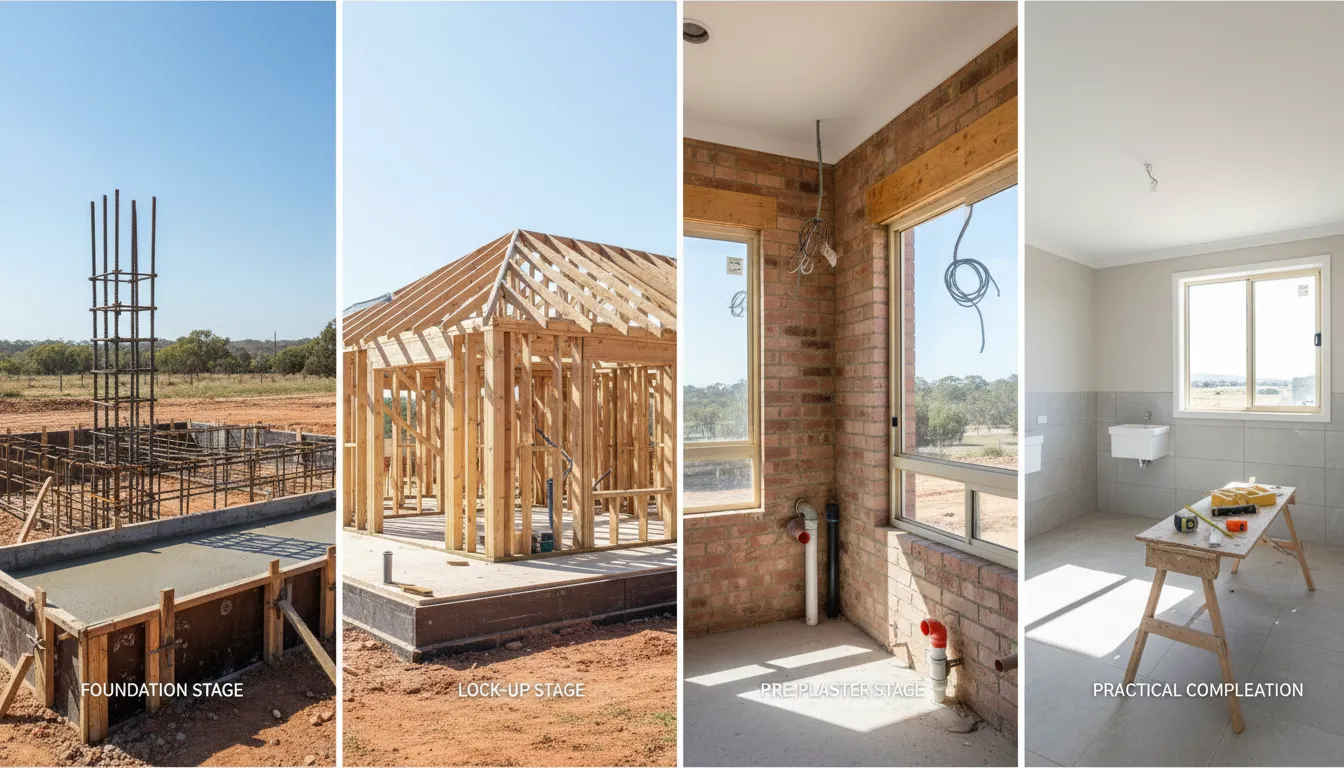
Construction Stage Inspections: What to Check at Each Stage
Every construction stage hides the one before it, so the defects that matter are the ones that become invisible next week. This guide covers what to check at pre-pour, slab, frame, lock-up, waterproofing and practical completion, the mandatory inspections in NSW, Victoria and Queensland, and the tolerances that decide whether something counts as a defect at all.
Independent Construction Inspections: Why They Matter
Independent construction inspections provide unbiased assessments of build quality and compliance. Learn why third-party inspections protect homeowners and investors.
Building a new home or managing a construction project? Owner Inspections provides independent construction stage inspections that identify defects and safety issues early, reducing your insurance risk and protecting your investment. Our licensed inspectors cover projects across NSW, Victoria, and Queensland. Get a construction inspection quote or call us on 1300 471 805.
For a complete overview, see our guide to insurance claim assessments.
Need an Insurance Claim Assessment?
Our independent assessors cover Sydney, Melbourne, and all major Australian cities.