
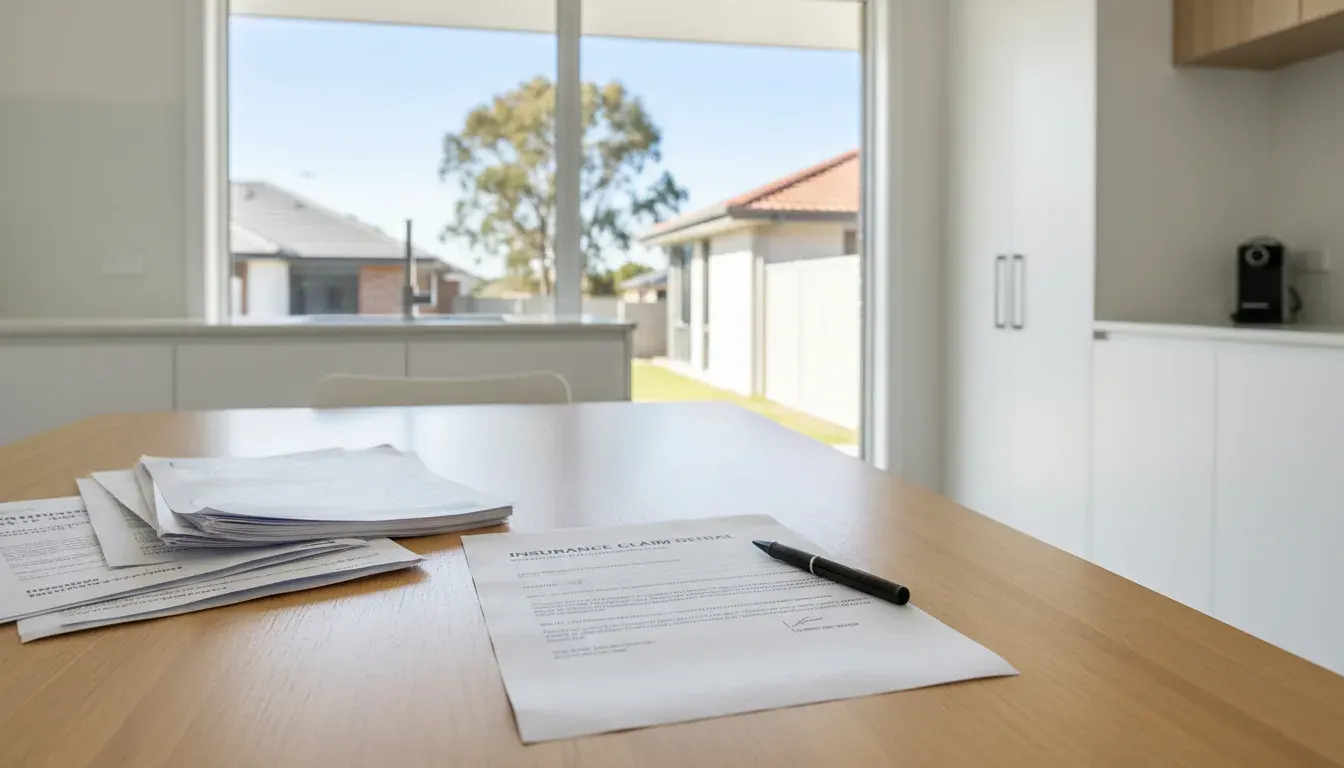
Insurance claim denials are more common than many people realise. Sometimes the denial is justified. Other times, it is based on a misunderstanding of the damage, an incorrect application of policy terms, or an inadequate assessment by the insurer's own assessor. This guide explains what to do when your claim is denied and how to work through each step methodically.
Understand Why the Claim Was Denied
The first step is to get absolute clarity on why your claim was rejected. Your insurer is required to provide a written explanation. Read the denial letter carefully and look for the specific policy clause or exclusion they are relying on.
Common reasons for denial include:
- Wear and tear or gradual deterioration. Insurers often argue that the damage was not sudden or accidental but developed over time due to lack of maintenance.
- Pre-existing damage. The insurer may claim the damage existed before the policy started or before the event you are claiming for.
- Excluded event. Certain events such as flood, earth movement, or actions of the sea may be excluded under your policy unless you have purchased additional cover.
- Failure to maintain the property. If the insurer believes that reasonable maintenance would have prevented the damage, they may decline the claim.
- Late notification. Some policies require you to notify the insurer within a specific timeframe after the damage occurs.
Once you understand the reason, you can start building your case to challenge it.
Review Your Policy Wording
Pull out your Product Disclosure Statement (PDS) and read the relevant sections carefully. Pay close attention to the definitions, inclusions, exclusions, and conditions. Insurance policies are legal contracts, and the wording matters. If you find that the denial does not align with what the policy actually says, you may have strong grounds for a challenge.
Look for ambiguous language. Under Australian consumer law, ambiguities in insurance contracts are generally interpreted in favour of the policyholder. This principle has been upheld in numerous decisions by the Australian Financial Complaints Authority (AFCA) and the courts.
Request an Internal Review
Every insurer in Australia is required to have an Internal Dispute Resolution (IDR) process. This is your first formal step in challenging the decision. Write to your insurer and clearly state that you disagree with the denial and wish to have the decision reviewed.
In your IDR request, include:
- A clear summary of why you believe the denial is incorrect
- Any supporting evidence, such as photographs, repair quotes, or independent reports
- References to specific policy clauses that support your position
The insurer must respond within 30 calendar days. If they fail to respond within this timeframe, or if you are unhappy with their response, you can escalate to the next level.
Get an Independent Assessment
This is often the most important step. Insurers rely on their own assessors or loss adjusters to inspect the damage, and these assessors work for the insurer. Their reports may not fully capture the extent of the damage, the true cause, or the actual cost of repairs.
An independent building assessor works for you, not the insurance company. They can provide a detailed report that covers:
- The full extent of damage, including areas the insurer's assessor may have missed
- The actual cause of the damage, supported by evidence and building expertise
- Whether the damage is consistent with the event you are claiming for
- An accurate scope of works and cost estimate for repairs
An independent report can directly challenge the insurer's findings and provides strong evidence for your dispute, whether at the IDR stage, at AFCA, or in court.
Escalate to AFCA
If the internal review does not resolve the issue, you can lodge a complaint with the Australian Financial Complaints Authority (AFCA). AFCA is a free, independent external dispute resolution scheme that covers complaints about insurance companies, banks, and other financial service providers.
To lodge a complaint with AFCA, you will need:
- Your policy number and claim reference
- A copy of the denial letter and the IDR response
- Your independent assessment report and any other supporting evidence
- A clear summary of what outcome you are seeking
AFCA will review the complaint and may request further information from both parties. They have the power to make binding decisions on insurers, including ordering them to pay claims they initially denied. The process typically takes a few months, though complex cases can take longer.
One important point: AFCA has financial limits on the claims it can consider. For general insurance disputes, AFCA can consider claims up to $1,085,000 and award compensation up to $542,500 (these limits are reviewed periodically). If your claim exceeds these limits, you may need to pursue legal action instead.
Consider Legal Action
If AFCA cannot resolve the matter, or if your claim exceeds their jurisdiction, you may need to consider legal action. This could involve proceedings in a state or territory court or tribunal. Before taking this step, it is worth getting legal advice from a solicitor who specialises in insurance disputes.
Legal action can be costly and time-consuming, but it may be the only option for large or complex claims. An independent building assessment report will be a critical piece of evidence in any legal proceedings.
What Not to Do
While working through the dispute process, avoid these common mistakes:
- Do not accept the denial without question. Insurers deny claims that are later overturned every day.
- Do not destroy evidence. Keep all damaged materials, photographs, and correspondence.
- Do not carry out permanent repairs before the dispute is resolved. Emergency repairs to prevent further damage are fine, but full repairs may compromise your claim.
- Do not sign anything without understanding it. If the insurer offers a settlement, make sure you understand what you are agreeing to and whether it fully covers the damage.
Take Action Early
Time matters in insurance disputes. Evidence can deteriorate, memories fade, and some dispute resolution processes have time limits. If your claim has been denied, start gathering your evidence and requesting an independent assessment as soon as possible.
The earlier you act, the stronger your position will be.
For a complete overview, see our guide to insurance claim assessments.
Need an Insurance Claim Assessment?
Our independent assessors cover Sydney, Melbourne, and all major Australian cities.