

Cyclone Alfred brought heavy rainfall, storm surges along the Gold Coast and Byron Bay coastline, and flash flooding across inland areas. Properties that survived the initial event may still have damage that worsens over time. Water can seep through hairline cracks in roofing, saturate foundations, and promote mould growth within wall cavities. Electrical systems exposed to moisture can short-circuit days or weeks after the storm. The sooner you inspect, the better your chances of catching problems early and keeping repair costs down.
This guide walks you through each area of your property that needs attention after Cyclone Alfred, explains what to look for, and outlines the steps for documenting damage for insurance purposes.
For a complete overview, see our guide to insurance claim assessments.
Cyclone Alfred Overview
Cyclone Alfred was classified as a Category 2 tropical cyclone with sustained winds of approximately 95 km/h and gusts reaching 130 km/h. Making landfall near the Queensland coast in early March 2025, it tracked southward through Brisbane and the Gold Coast before moving into northern New South Wales as an ex-tropical cyclone.
The storm's slow movement increased rainfall totals significantly. Some areas received more than 200mm of rain over several days. Rivers across the region experienced moderate to major flood warnings, and coastal areas faced dangerous surf conditions with waves reaching up to 7.7 metres in places like Byron Bay.
| Cyclone Alfred | What This Means | |
|---|---|---|
| Category | Category 2 tropical cyclone | Sustained winds around 95 km/h, gusts up to 130 km/h, capable of causing structural damage to roofs, windows, and fences |
| Affected Regions | Southeastern QLD, Gold Coast, Brisbane, Northern NSW, Byron Bay, Tweed Heads | Coastal properties face storm surge and erosion risks, inland areas face flash flooding |
| Rainfall | Up to 200mm or more in some areas over several days | Saturated soil weakens foundations, overwhelmed drainage increases flood risk |
| Coastal Conditions | Waves up to 7.7 metres, storm surge along Gold Coast and Byron Bay | Erosion of coastal land, salt water intrusion, and damage to waterfront properties |
Even though Cyclone Alfred's winds were not as extreme as a Category 3 or above event, the combination of sustained rainfall, storm surge, and flooding created conditions that can compromise buildings in ways that are not always obvious. That is why a thorough property inspection is so important after the storm has passed.
Why Post-Storm Inspections Matter
The visible damage from a cyclone, such as missing roof tiles or broken windows, is only part of the picture. Many of the most expensive and dangerous problems develop over time from damage that is hidden inside walls, under floors, or within roof cavities.
- Water can enter through small cracks in roofing or flashing and cause mould growth, timber rot, and ceiling collapse weeks after the event
- Saturated soil around foundations can cause shifting, cracking, and uneven floors that worsen as the ground dries unevenly
- Electrical wiring exposed to moisture may function intermittently before failing or causing a fire
- Insurance claims typically require documented evidence of damage, and many insurers will only process claims filed within 48 to 72 hours
Do not enter a property that appears structurally compromised. If you see sagging ceilings, large wall cracks, standing water near power points, or fallen power lines, call the SES on 132 500 or emergency services on 000 and wait for clearance before going inside.
A professional building inspection identifies damage you might miss and produces a formal report with photographic evidence. This report is accepted by insurers and can be used to support your claim or dispute a low settlement offer.
Roof and Gutter Damage
Cyclone-force winds can lift tiles, bend metal sheeting, tear away ridge capping, and dislodge flashing around vents and chimneys. Even if the roof looks intact from the ground, there may be displaced tiles or compromised seals that allow water into the roof cavity.
What to Look For
What to Do
- Do not climb onto a damaged roof yourself. Use binoculars from ground level or hire a professional
- If you see active leaks, place tarps over the affected area as a temporary measure and photograph the damage before and after
- Clear gutters of debris only if it is safe to do so from ground level
- Book a professional roof inspection to identify hidden damage to battens, sarking, and structural timbers
Windows and Doors
High winds and flying debris during a cyclone can shatter windows, damage frames, and break seals. Even if the glass has held, the frames may have shifted or the weatherproofing may have failed, allowing water to enter.
What to Look For
What to Do
- Board up any broken windows immediately to prevent further water entry and secure the property
- Replace damaged seals and gaskets as soon as possible
- If frames are warped or misaligned, have them assessed by a qualified tradesperson before attempting to force them closed
- Photograph all window and door damage with close-ups showing the affected areas
Structural Foundation Issues
Heavy and prolonged rainfall during Cyclone Alfred saturated the soil around many properties. When soil becomes waterlogged, it expands and shifts. As it dries, it contracts unevenly. This cycle puts pressure on foundations and can cause cracking, tilting, or settlement.
What to Look For
What to Do
- Monitor any new cracks over time by marking their ends with a pencil and dating them
- If cracks are wider than 5mm or if floors are noticeably uneven, contact a structural engineer for assessment
- Do not attempt to patch structural cracks with filler as this hides the problem without addressing the cause
- Check the drainage around your property to ensure water flows away from the foundation
Foundation damage can take weeks or months to fully manifest after a cyclone. If your property is in an area that experienced significant flooding or soil saturation, schedule a follow-up inspection 3 to 6 months after the event.
Flooding and Water Damage
Cyclone Alfred produced torrential rainfall and flash flooding across multiple areas. Even properties that were not directly flooded may have experienced water ingress through walls, roofs, or subfloor areas. Standing water and persistent dampness create the ideal conditions for mould, which can become a health hazard and structural concern.
What to Look For
What to Do
- Remove waterlogged carpets, rugs, and soft furnishings promptly, but keep samples for insurance documentation
- Use dehumidifiers and fans to dry affected areas as quickly as possible
- Do not paint over water-stained walls until the moisture source has been identified and resolved
- For extensive water damage, engage a professional water damage restoration service
- Have the property inspected for mould within 48 to 72 hours of water exposure
Electrical and Plumbing Systems
Water and electricity are a dangerous combination. Cyclone damage can expose wiring, corrode connections, and compromise safety switches. Plumbing systems can also be affected by ground movement, debris, and flood contamination.
What to Look For
- Never touch power points, switches, or appliances if there is standing water nearby
- Never attempt to repair electrical wiring yourself
- Never turn on the power supply without professional confirmation that it is safe
What to Do
- Turn off the main power supply at the switchboard if you suspect water damage to electrical systems, and only if it is safe to access the switchboard
- Contact a licensed electrician to inspect and test all circuits before restoring power
- Contact a licensed plumber if you notice leaks, low pressure, discoloured water, or sewage smells
- Document any plumbing or electrical damage with photos and keep records of any emergency callouts
How to Assess Damage and Determine Next Steps
Once it is safe to inspect your property, follow a structured approach to document and prioritise the damage.
Photograph and video all visible damage
Capture every affected area from multiple angles using your phone or camera. Include wide shots showing overall damage and close-ups of specific defects like cracks, water stains, and broken elements.
Create a written inventory of damaged items
List all damaged contents and structural elements with estimated values. Include model numbers, receipts, or proof of purchase where available.
Prioritise safety hazards
Address electrical risks, gas leaks, and structural instability first. Do not attempt to fix these yourself. Call the relevant licensed professional immediately.
Make temporary repairs only
Cover roof damage with tarps, board up broken windows, and clear blocked drains. Keep receipts and photographs of all temporary work. Do not begin permanent repairs until the insurer's assessor has visited.
Lodge your insurance claim promptly
Contact your insurer within 48 to 72 hours. Submit all photographic evidence, your damage inventory, and temporary repair receipts. Request a claim reference number in writing.
Engage a professional building inspector
A certified building inspector can produce a comprehensive report that documents hidden damage, provides independent repair cost estimates, and strengthens your insurance claim.
Cyclone Damage by Area Type
The type and severity of damage from Cyclone Alfred varies depending on whether a property is in a coastal or inland location.
| Coastal Properties (Gold Coast, Byron Bay, Tweed Heads) | Inland Properties (Brisbane, Ipswich, Northern NSW) | |
|---|---|---|
| Storm Surge and Erosion | High risk of storm surge, coastal erosion, salt water intrusion into foundations, and damage to retaining walls | Low risk of storm surge but potential for riverine flooding if near waterways |
| Wind Damage | Higher wind speeds due to open exposure, greater risk of roof, fence, and window damage | Reduced wind speeds but still capable of dislodging tiles, lifting sheeting, and toppling trees onto structures |
| Flooding | Risk from both storm surge and rainwater runoff, particularly in low-lying coastal zones | Higher risk from flash flooding and rising river levels, especially near creeks and floodplains |
| Foundation Risk | Sand-based soils may shift or erode, undermining footings and slabs | Clay soils expand when saturated and contract when drying, causing movement and cracking |
Building Safety and Compliance After a Cyclone
After a major weather event like Cyclone Alfred, local councils and building authorities may introduce updated requirements or issue directives relating to property repairs and rebuilds.
- Properties in Queensland must comply with the Queensland Building and Construction Commission Act 1991, and any repairs or rebuilds may need to meet current National Construction Code (NCC) standards
- In New South Wales, relevant regulations include the Home Building Act 1989, and certain repair work may require a licensed contractor and council approval
- Check with your local council for any specific post-storm building directives or temporary permits
- If repairs change the structural layout of the building, a building certifier may need to issue a new compliance certificate
Storm-proofing measures such as reinforced roof tie-downs, impact-resistant windows, flood barriers, and improved drainage can reduce the damage from future severe weather events. Consider these upgrades when making repairs to bring your property in line with current best practice.
Preparing for Future Cyclones
Key Takeaways
- After Cyclone Alfred, inspect your roof, gutters, windows, doors, foundation, and subfloor areas for both visible and hidden damage.
- Water infiltration through small cracks can cause mould growth, timber rot, and ceiling collapse if not detected early.
- Do not enter a property that appears structurally unsafe. Call the SES on 132 500 or emergency services before going inside.
- Document all damage with photos, video, and a written inventory before making any repairs or cleaning up.
- Make only temporary repairs such as tarps and boarding until the insurer's assessor has inspected the property.
- Lodge your insurance claim within 48 to 72 hours and include all supporting documentation.
- A professional building inspection report provides independent evidence that strengthens your insurance claim and identifies hidden damage.
- Schedule a follow-up inspection 3 to 6 months after the cyclone, as foundation and structural issues can develop over time.
Frequently Asked Questions
What category was Cyclone Alfred and what kind of damage can it cause?
Cyclone Alfred was classified as a Category 2 tropical cyclone with sustained winds of about 95 km/h and gusts up to 130 km/h. A Category 2 cyclone can cause significant damage to roofs, windows, fences, and external structures. Combined with heavy rainfall exceeding 200mm in some areas, it also created serious flooding and foundation risks for properties across southeastern Queensland and northern New South Wales.
How soon after Cyclone Alfred should I inspect my property?
Inspect your property as soon as authorities confirm it is safe to do so. The earlier you identify damage, the sooner you can take steps to prevent it from worsening. For insurance purposes, most insurers require claims to be lodged within 48 to 72 hours. If you cannot safely inspect the property yourself, contact a licensed building inspector to carry out a professional assessment.
What are the most common types of property damage from Cyclone Alfred?
The most common types of damage include missing or cracked roof tiles, bent metal sheeting, broken windows, water infiltration through walls and ceilings, foundation cracking from soil saturation, blocked or damaged gutters and downpipes, and electrical system faults caused by moisture exposure. In coastal areas, storm surge and erosion can also undermine foundations and retaining walls.
Should I climb on my roof to check for cyclone damage?
No. Climbing onto a damaged roof is dangerous and can cause further damage or injury. Instead, use binoculars to inspect from the ground, check the attic or roof cavity from inside for signs of water entry, and hire a professional roof inspector to carry out a safe and thorough assessment. A qualified inspector has the equipment and experience to identify damage you may not be able to see from the ground.
How do I know if my foundation has been affected by cyclone flooding?
Signs of foundation damage include new cracks in internal or external walls (especially around corners, doors, and windows), uneven or sloping floors, doors or windows that suddenly stick or will not close, and visible gaps between walls and ceilings or floors. Foundation issues can take weeks or months to fully appear, so monitor your property closely and consider a follow-up inspection 3 to 6 months after the event.
Can I start repairs before my insurance assessor visits?
You can and should make temporary repairs to prevent further damage, such as covering roof damage with tarps or boarding up broken windows. However, do not start permanent repairs, dispose of damaged materials, or make structural changes until the insurer's assessor has inspected the property. Keep detailed records, photos, and receipts of all temporary work, as these may be reimbursed under your policy.
How do I file an insurance claim for Cyclone Alfred damage?
Contact your insurer within 48 to 72 hours of the cyclone event. Most insurers allow claims via their website, mobile app, or call centre. Provide all photographic and video evidence, your written inventory of damaged items, receipts for temporary repairs, and any professional inspection reports. Request a claim reference number in writing and keep a diary of all interactions with the insurer, including names, dates, and outcomes.
Does standard home insurance cover flood damage from Cyclone Alfred?
Not always. Many Australian home insurance policies exclude flood damage from rising water or require it as a separate add-on at extra cost. This is particularly common in flood-prone regions of Queensland and northern New South Wales. Storm damage from wind and rain is generally covered, but damage from riverine flooding or storm surge may not be. Check your Product Disclosure Statement (PDS) or contact your insurer to confirm your level of cover.
What should I do if my insurance claim for cyclone damage is denied?
If your claim is denied, request a written explanation from the insurer detailing the reasons. Lodge a complaint through the insurer's Internal Dispute Resolution (IDR) process. If the IDR outcome is unsatisfactory, escalate to the Australian Financial Complaints Authority (AFCA), which provides free and legally binding dispute resolution. An independent building inspection report can provide supporting evidence if the insurer disputes the extent or cause of damage.
Why should I get a professional building inspection after Cyclone Alfred?
A professional building inspection identifies damage that may not be visible to an untrained eye, such as moisture within wall cavities, early mould growth, compromised roof battens, or hairline foundation cracks. The inspector produces a formal report with photographic evidence and repair cost estimates that insurers accept as supporting documentation. This report is particularly valuable if your claim is disputed, undervalued, or denied.
How can I protect my property from future cyclone damage?
Preventive measures include scheduling annual roof and gutter inspections, installing reinforced roof tie-downs and impact-resistant windows, improving drainage around the foundation, trimming trees near the house, and securing or removing loose objects from around the property before storm season. Keeping a digital home inventory and reviewing your insurance policy annually also ensures you are properly covered if another event occurs.
Are coastal properties more at risk than inland properties from Cyclone Alfred?
Coastal and inland properties face different risks. Coastal properties along the Gold Coast, Byron Bay, and Tweed Heads are more exposed to storm surge, erosion, salt water intrusion, and higher wind speeds. Inland properties in areas like Brisbane and Ipswich face greater risk from flash flooding and rising river levels, and clay soils that expand and contract with moisture changes can cause foundation movement. Both types of properties should be inspected after a cyclone.
References and Resources
- Bureau of Meteorology - Tropical Cyclone Information - Official cyclone tracking and warnings for Australia
- Insurance Council of Australia - Disaster Statistics - Claims data and disaster response information
- Queensland Building and Construction Commission (QBCC) - Building standards and compliance in Queensland
- NSW Fair Trading - Home Building - Home building regulations in New South Wales
- Australian Financial Complaints Authority (AFCA) - Free dispute resolution for insurance complaints
Related Articles
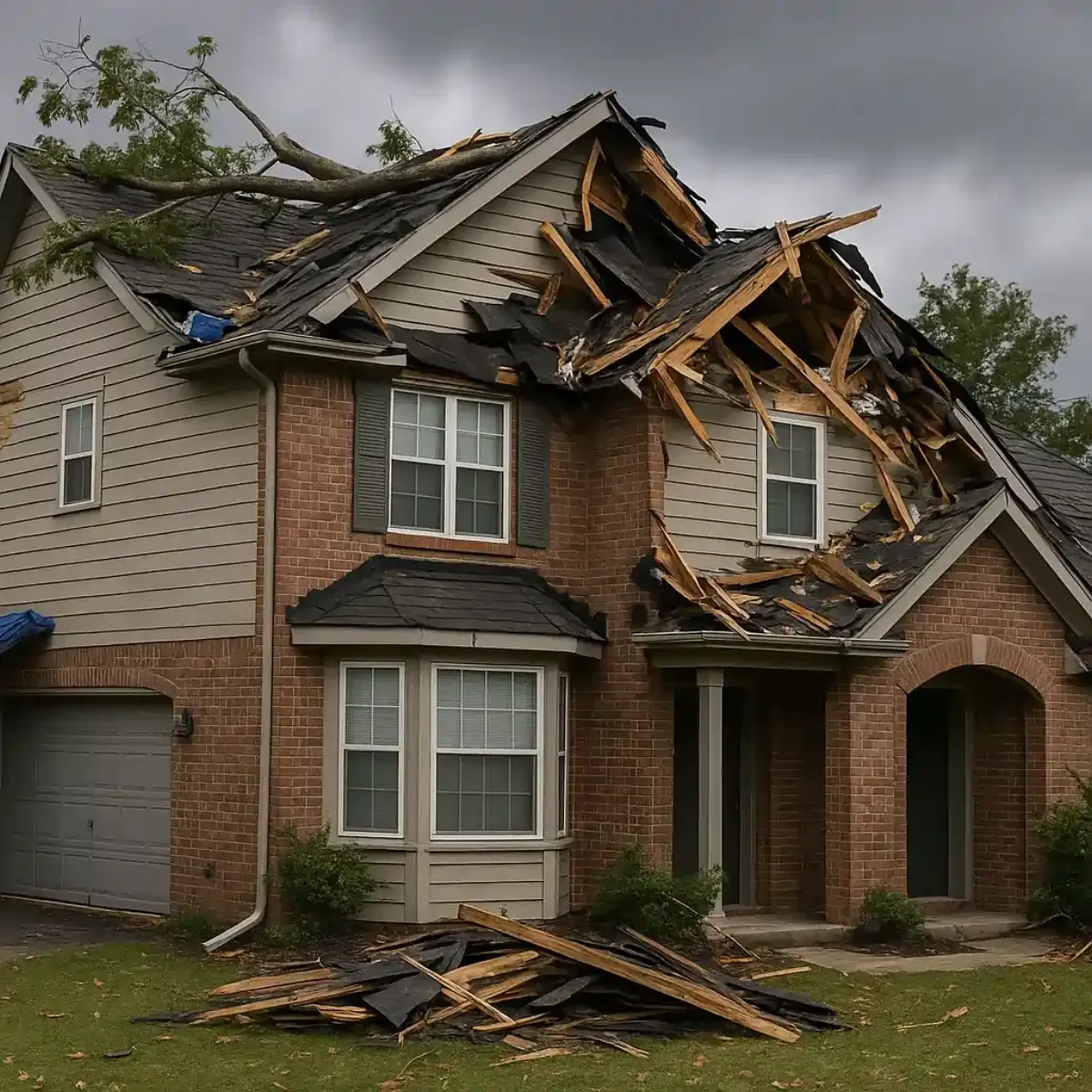
Steps to File a Building Insurance Claim after Storm Damage
Filing a building insurance claim after storm damage requires fast action, thorough documentation, and a clear understanding of your policy. This guide walks Australian homeowners through each step from initial safety checks to settlement negotiation and dispute resolution.
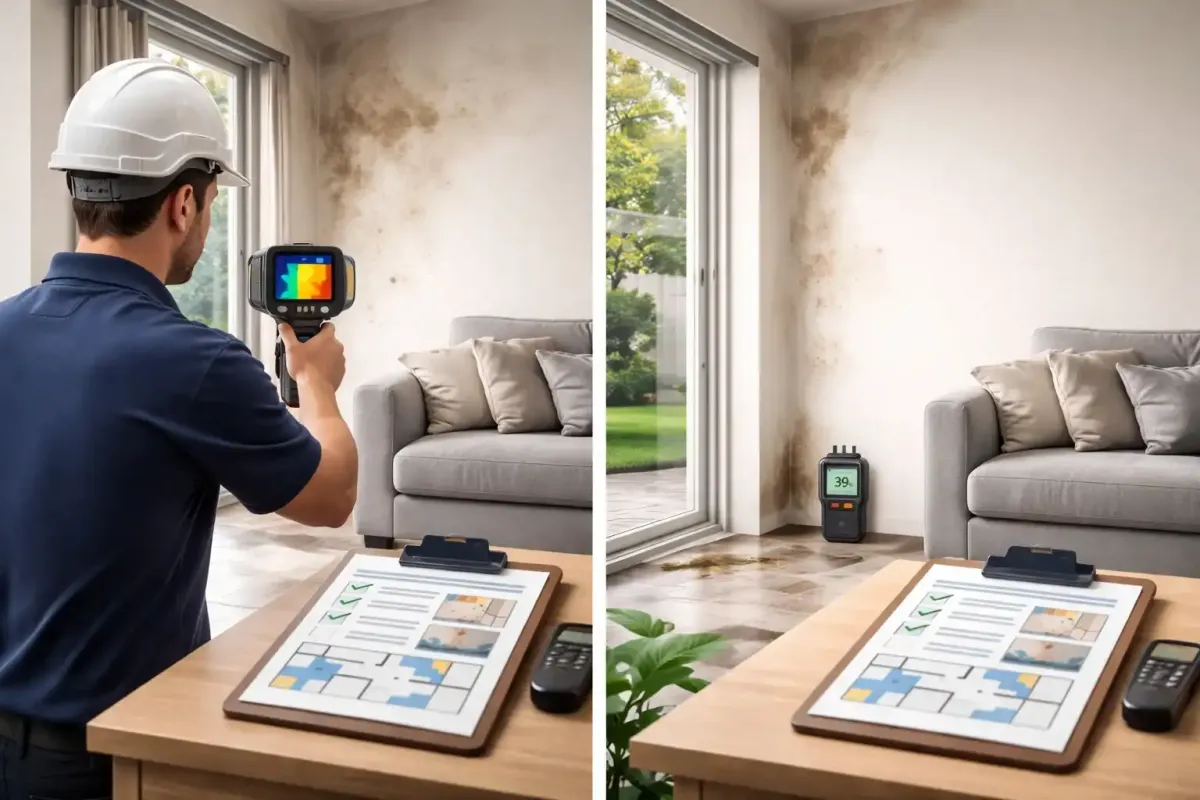
Water Damage Inspection Report to Protect Your Property
A water damage inspection report identifies the source, extent, and severity of water damage in a property. This guide covers what the report includes, common causes of water damage in Australian homes, inspection methods, and steps to prevent future damage.
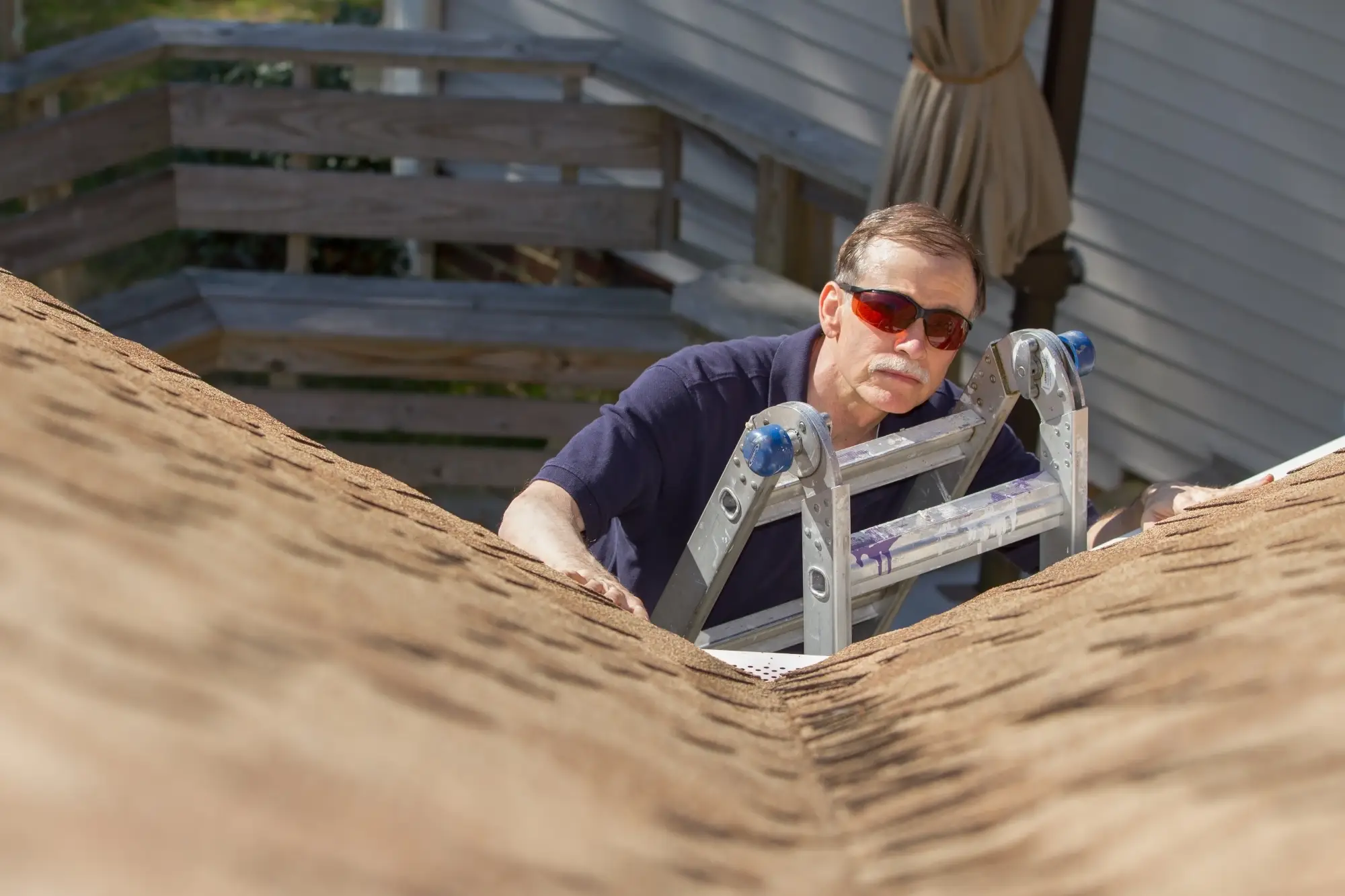
Roof Defect Inspection to Detect Leaks and Structural Issues
A roof defect inspection identifies leaks, structural weaknesses, drainage failures, and material deterioration before they become expensive repairs. This guide explains what inspectors look for, common roof defects found in Australian homes, and how often you should schedule inspections to protect your property.
Has your property been affected by Cyclone Alfred or another severe weather event? Owner Inspections provides independent building inspections that document storm damage, identify hidden issues, and produce detailed reports accepted by insurers. Our licensed inspectors operate across NSW, Queensland, and Victoria. Get a quote today or call us on 1300 471 805.
For a complete overview, see our guide to insurance claim assessments.
Need an Insurance Claim Assessment?
Our independent assessors cover Sydney, Melbourne, and all major Australian cities.