

Having your building claim denied can be frustrating, especially when you have been paying premiums and believed you were covered. In Geelong, where weather events, ageing building stock, and coastal conditions contribute to property damage, claim denials are more common than many homeowners realise.
This guide walks you through the practical steps to take after a denial, the most common reasons insurers reject claims, and the dispute resolution options available to Geelong property owners.
For a complete overview, see our guide to insurance claim assessments.
Common Reasons Building Claims Are Denied
Understanding why your claim was denied is the first step towards challenging it. These are the most common reasons insurers reject building claims in Geelong and across Victoria:
| What It Means | How to Address It | |
|---|---|---|
| Insufficient Evidence | The insurer believes there is not enough documentation (photos, reports, receipts) to support the claimed damage | Commission an independent building inspection report and gather additional photographic evidence |
| Pre-Existing Damage | The insurer argues the damage existed before the event you are claiming for | An independent expert can assess whether the damage is consistent with the claimed event |
| Maintenance Negligence | The insurer claims the damage resulted from lack of maintenance rather than a covered event | Provide maintenance records, inspection reports, and trade invoices showing regular upkeep |
| Excluded Event Type | The type of damage (e.g., flood, gradual deterioration) is excluded under your policy | Review your PDS carefully and seek advice on whether the exclusion has been applied correctly |
| Late Lodgement | The claim was submitted outside the insurer's required timeframe | Provide a reasonable explanation for the delay and lodge an appeal through IDR |
| Policy Lapse | The insurance policy was not active at the time of the damage due to missed premium payments | Check your payment records and contact the insurer to confirm the policy status at the relevant date |
Immediate Steps After a Claim Denial
Request a written explanation
Ask your insurer to provide a detailed, written explanation of exactly why the claim was denied. They are required to provide this under the Insurance Contracts Act 1984. The explanation should reference the specific policy clause or exclusion they are relying on.
Review your policy
Read your Product Disclosure Statement (PDS) and policy schedule carefully. Compare the insurer's stated reason for denial against the actual policy wording. Look for ambiguous terms or clauses that could be interpreted differently.
Gather additional evidence
If the denial relates to insufficient evidence, collect more documentation. This can include additional photographs, trade quotes, receipts for previous maintenance, weather records from the Bureau of Meteorology, and an independent building inspection report.
Keep a detailed record
Document every interaction with your insurer, including names, dates, times, what was discussed, and what was agreed. This record is valuable if the dispute escalates to AFCA.
Seek professional advice
Consider consulting a building inspector for an independent assessment of the damage, and a financial counsellor or legal professional who specialises in insurance disputes if the amount at stake is significant.
The Appeal and Dispute Resolution Process
A denied claim is not final. Australian insurance regulations provide a clear pathway for challenging a decision.
Step 1: Internal Dispute Resolution (IDR)
Every insurer in Australia is required to have an Internal Dispute Resolution process. Lodge a formal complaint in writing, clearly stating why you disagree with the decision and providing any additional evidence. The insurer must respond within 30 calendar days (or 21 days for general insurance complaints under the updated ASIC guidelines).
Step 2: Escalate to AFCA
If the insurer's IDR response does not resolve the matter, or if they do not respond within the required timeframe, you can escalate to the Australian Financial Complaints Authority (AFCA). AFCA is a free, independent dispute resolution service. Their decisions are legally binding on the insurer.
You must go through the insurer's IDR process before escalating to AFCA. AFCA will not accept a complaint until the insurer has had the opportunity to resolve it internally, or until the IDR timeframe has expired.
Step 3: Legal Action (If Needed)
If AFCA's decision is not in your favour, or if the dispute involves amounts beyond AFCA's jurisdiction, you may consider legal action. This is typically a last resort due to the costs involved, but it may be appropriate for high-value claims.
| Cost | Timeframe | |
|---|---|---|
| Internal Dispute Resolution (IDR) | Free | 30 calendar days for response |
| AFCA | Free | Typically 60 to 90 days |
| Legal Action | Varies (can be significant) | Months to years depending on complexity |
How an Independent Inspection Report Helps
An independent building inspection report is one of the most effective tools for challenging a denied claim. Here is why:
- It provides a professional, unbiased assessment of the damage by a licensed building inspector with no connection to the insurer
- It documents the type, cause, extent, and severity of damage with photographs and technical descriptions
- It can distinguish between damage caused by a specific event (such as a storm) and pre-existing wear or deterioration
- It includes an independent estimate of repair costs, which can counter the insurer's assessment
- It is accepted as evidence by AFCA, courts, and the Victorian Civil and Administrative Tribunal (VCAT)
If your insurer's assessor has underestimated the damage or attributed it to maintenance negligence, an independent report provides a second opinion backed by professional credentials.
Geelong-Specific Claim Challenges
Geelong's location and building stock present specific issues that can complicate insurance claims:
- Weather events: Geelong is exposed to strong winds from Corio Bay, heavy rainfall, and occasional severe storms that cause roof, gutter, and structural damage
- Ageing housing stock: Many Geelong suburbs have older homes with weatherboard, brick veneer, or concrete block construction that may have underlying conditions the insurer attributes to age rather than a covered event
- Coastal proximity: Properties along the Bellarine Peninsula and waterfront areas face salt exposure and moisture-related issues
- Soil movement: Parts of Geelong sit on reactive clay soils that can cause cracking and structural movement, which insurers frequently attribute to gradual deterioration rather than a specific event
An independent inspector with local Geelong experience understands these conditions and can provide context that helps distinguish between event-related damage and pre-existing conditions.
Preventive Measures for Future Claims
Taking proactive steps now can reduce the risk of future claim denials.
Key Takeaways
- A denied building insurance claim in Geelong can be challenged through the insurer's Internal Dispute Resolution process and then escalated to AFCA at no cost.
- The most common denial reasons include insufficient evidence, pre-existing damage, maintenance negligence, and excluded event types.
- Request a written explanation of the denial and compare it against your policy's Product Disclosure Statement.
- An independent building inspection report provides professional, unbiased evidence that can support your appeal.
- AFCA decisions are legally binding on the insurer and most disputes are resolved within 60 to 90 days.
- Geelong-specific factors such as weather exposure, ageing housing stock, and reactive soils can complicate claims but can also be addressed with local expert evidence.
Frequently Asked Questions
What should I do first when my building claim is denied in Geelong?
Request a detailed, written explanation from your insurer stating the exact reason for the denial and the policy clause they are relying on. Then review your Product Disclosure Statement to check whether the insurer's reasoning is valid. This gives you the foundation to decide your next steps.
Can I appeal a denied building insurance claim?
Yes. Every Australian insurer is required to have an Internal Dispute Resolution (IDR) process. Lodge a formal written complaint with additional evidence. If the IDR does not resolve the issue, you can escalate to the Australian Financial Complaints Authority (AFCA) at no cost. AFCA decisions are legally binding on the insurer.
How long do I have to appeal a denied claim?
There is no strict time limit for lodging an internal complaint with your insurer, but acting quickly is recommended while evidence is fresh. For AFCA, you generally have up to two years from the date of the insurer's final IDR response to lodge a complaint. Check AFCA's website for the most current time limits.
What is AFCA and how does it work?
The Australian Financial Complaints Authority (AFCA) is a free, independent dispute resolution service for consumers and small businesses. If your insurer denies your claim and their internal process does not resolve the issue, you can lodge a complaint with AFCA. They will review the evidence from both sides and issue a decision that is legally binding on the insurer. Most disputes are resolved within 60 to 90 days.
Will an independent building inspection report help my denied claim?
Yes. An independent building inspection report from a licensed inspector provides unbiased, professional evidence of the damage, its cause, and the estimated repair cost. This report can counter the insurer's assessment and is accepted as evidence by AFCA, VCAT, and the courts. It is one of the most effective tools for challenging a denied or reduced claim.
Why do insurers deny claims for maintenance negligence?
Most insurance policies require the property owner to maintain the property in reasonable condition. If the insurer believes the damage resulted from a failure to maintain (such as a roof leak caused by years of neglected gutters rather than a storm event), they may deny the claim on maintenance grounds. Keeping records of regular maintenance and inspections is the best way to counter this type of denial.
How much does it cost to dispute a denied claim?
The insurer's Internal Dispute Resolution process and AFCA are both free. The main cost you may incur is for an independent building inspection report (typically $400 to $800 in Geelong) and potentially legal advice if the dispute is complex or involves a large amount. Compared to the value of a successful claim, these costs are usually modest.
What if my claim is denied because of pre-existing damage?
If the insurer claims the damage was pre-existing, an independent building inspector can assess whether the damage is consistent with the event you are claiming for (such as storm damage) or whether it shows characteristics of gradual deterioration. Their expert opinion can provide the evidence needed to challenge the insurer's position.
Can I take my insurer to court in Geelong?
Yes, but legal action is typically a last resort. You should first exhaust the IDR and AFCA processes, which are free. If those do not resolve the matter, or if the dispute exceeds AFCA's jurisdiction, you can pursue legal action through VCAT or the courts. Legal costs can be significant, so seek advice on whether the potential recovery justifies the expense.
How can I prevent my building claim from being denied in the future?
Maintain your property regularly and keep records of all maintenance work. Document damage with photos and video immediately after an event. Report claims within 48 to 72 hours. Review your policy annually to ensure it covers the risks relevant to your property. Keep a claims diary logging all interactions with your insurer.
References and Resources
- Australian Financial Complaints Authority (AFCA) - Free dispute resolution for insurance complaints
- Insurance Contracts Act 1984 - Australian Government
- Victorian Building Authority (VBA) - Building regulation in Victoria
- Consumer Affairs Victoria - Consumer rights and dispute resolution in Victoria
Related Articles
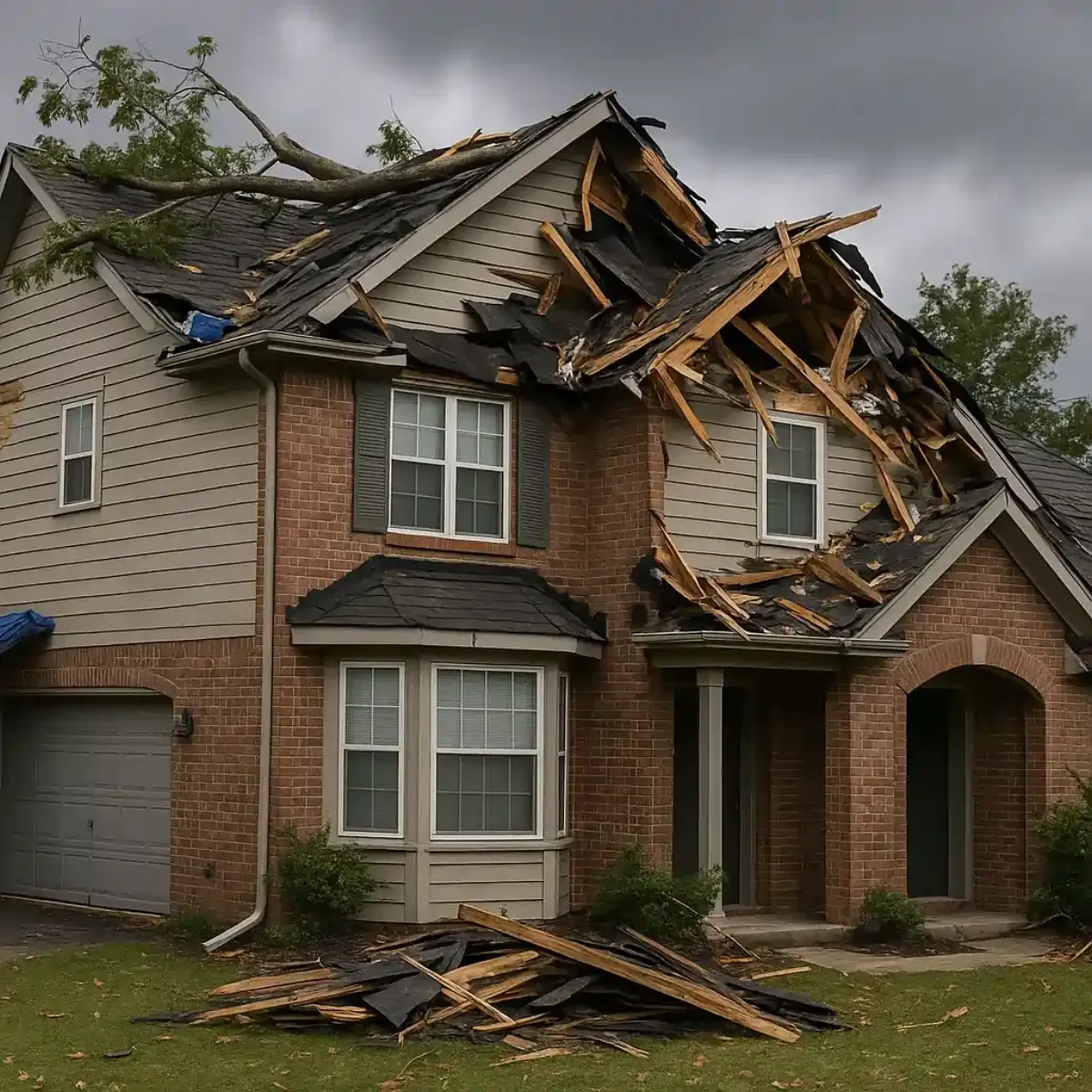
Steps to File a Building Insurance Claim after Storm Damage
Filing a building insurance claim after storm damage requires fast action, thorough documentation, and a clear understanding of your policy. This guide walks Australian homeowners through each step from initial safety checks to settlement negotiation and dispute resolution.

Expert Witnesses: Balancing Homeowner vs Insurance Disputes
Insurance disputes can leave homeowners feeling overwhelmed and outmatched. Expert witnesses provide independent, evidence-based analysis that levels the playing field between homeowners and insurance companies.
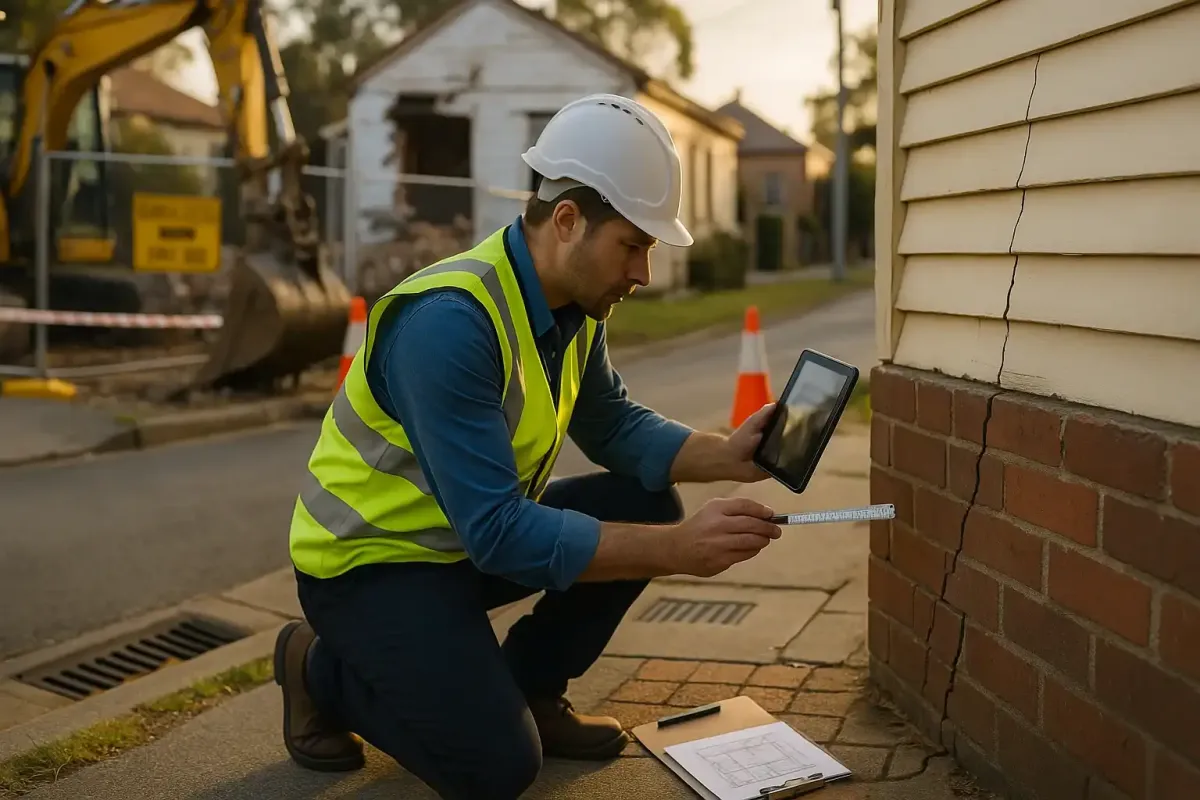
Construction Stage Inspections in Geelong
Geelong's residential market is growing rapidly, attracting new construction projects across the region. Construction stage inspections serve as health assessments for your build, ensuring quality and compliance at every phase from pre-construction through to final handover.
Need an independent assessment to support your denied building claim in Geelong? Owner Inspections provides detailed, evidence-based building inspection reports that strengthen insurance appeals. Our licensed inspectors serve Geelong and surrounding areas across Victoria. Get a quote today or call us on 1300 471 805.
For a complete overview, see our guide to insurance claim assessments.
Need an Insurance Claim Assessment?
Our independent assessors cover Sydney, Melbourne, and all major Australian cities.
If your insurance dispute requires legal action, an expert witness can strengthen your case. See our guide to expert witness reports for building disputes.