
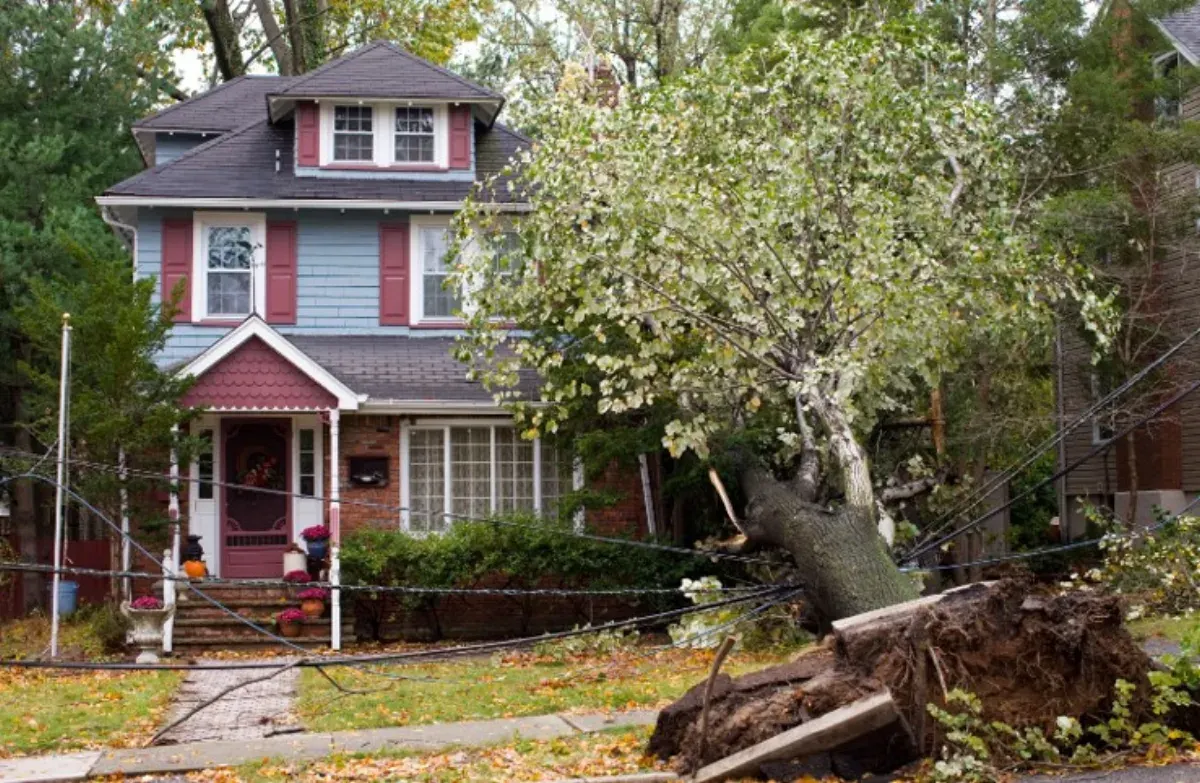
If you are dealing with property damage, understanding how insurance claim assessments work can make the difference between a fair payout and an inadequate one. This guide covers everything from preparing for the assessor's visit to handling disputes over settlement amounts.
For a complete overview, see our guide to insurance claim assessments.
The Rising Cost of Property Damage in Australia
Insurance premiums have climbed significantly in recent years, reflecting the growing frequency and severity of extreme weather events. Northern Australia, coastal Queensland, and flood-prone areas of New South Wales have been particularly affected.
The Insurance Council of Australia reported that natural disaster claims exceeded $7 billion in insured losses during some recent years. These figures only capture insured losses. Many homeowners are underinsured or lack cover for specific perils such as flood or storm surge.
For property owners, this means two things. Premiums are rising, and when damage does occur, the claims process is more scrutinised than ever. Insurers are under financial pressure, and assessments are becoming more thorough.
What Happens During an Insurance Claim Assessment
When you lodge an insurance claim for property damage, your insurer will typically appoint a loss adjuster to investigate. A loss adjuster is an independent professional who inspects the damage on behalf of the insurance company.
The loss adjuster's role is to verify the cause of damage, assess its extent, review your policy coverage, and recommend a settlement figure to the insurer. They are not your advocate. Their job is to provide an impartial assessment, though they are engaged and paid by the insurer.
In straightforward cases, the insurer may handle the assessment internally without sending a loss adjuster. For larger or more complex claims, an on-site inspection is standard.
Pre-Assessment Steps You Should Take
Preparing before the loss adjuster arrives gives you the best chance of a fair outcome. Do not wait until the assessment day to gather your evidence.
Document the Damage Thoroughly
Photograph and video all damage as soon as it is safe to do so. Capture wide-angle shots showing the overall scope and close-up images of specific damage. Include timestamps on your photos. Document every affected room, wall, ceiling, floor, and external area.
Review Your Insurance Policy
Read your Product Disclosure Statement carefully before the assessor visits. Understand what is covered, what is excluded, and what your excess amount is. Pay attention to sub-limits on specific categories like carpets, electronics, or temporary accommodation.
Make Temporary Repairs
Your policy likely requires you to take reasonable steps to prevent further damage. This might include tarping a damaged roof, boarding up broken windows, or extracting standing water. Keep all receipts for materials and any emergency tradespeople you engage. Photograph the temporary repairs as well.
Prepare for Questions
The loss adjuster will ask about the timeline of events, when the damage occurred, and what steps you have taken since. They may also ask about the property's maintenance history. Be honest and factual in your responses. Inconsistencies can raise red flags and delay your claim.
Create an Inventory of Damaged Items
For contents claims, list every damaged item along with its approximate age, purchase price, and replacement cost. If you have receipts, warranty cards, or bank statements showing purchases, gather these as supporting evidence.
What the Loss Adjuster Looks For
Understanding the assessor's priorities helps you anticipate their approach and ensure nothing is overlooked during the inspection.
Detailed Physical Inspection
The loss adjuster will inspect every area of reported damage. They will examine structural elements, internal linings, fixtures, fittings, and external surfaces. They may also inspect areas you have not reported damage in, looking for hidden or secondary damage from water ingress, structural movement, or mould growth.
Photographic Documentation
The assessor will take their own photographs and measurements. These form part of the official claim file. If their photos do not capture the full extent of damage, your own photographic evidence becomes a valuable supplement.
Repair Cost Estimates
Loss adjusters use industry-standard costing software and their professional experience to estimate repair costs. They may obtain quotes from preferred builders or use schedule-of-rates pricing. Their estimate may differ from quotes you obtain independently, which is one of the most common sources of dispute.
Signs of Pre-existing Damage or Neglect
One of the key things assessors look for is whether the damage pre-dates the claimed event. Peeling paint, long-term water staining, cracked tiles, or deteriorated grout may indicate that damage existed before the insured event. Lack of maintenance can also be used to reduce or deny a claim if the insurer argues that reasonable upkeep would have prevented the damage.
Consistency with the Claimed Event
The assessor will evaluate whether the damage pattern is consistent with the event described. For example, storm damage typically shows a directional pattern, while flood damage follows water levels. If the damage does not match the claimed cause, the insurer may question the claim.
Common Issues During Claim Assessments
Even legitimate claims can run into problems during the assessment process. Being aware of these common issues helps you respond effectively.
Disagreements About the Extent of Damage
You may believe the damage is more extensive than the assessor acknowledges. This is particularly common with water damage, where moisture can penetrate wall cavities, subfloor areas, and insulation without visible surface signs. An independent building inspection using moisture detection equipment can identify hidden damage the loss adjuster may have missed.
Coverage Disputes
Disputes about what your policy covers are another frequent issue. Common areas of contention include flood versus storm water damage, gradual deterioration versus sudden damage, and whether specific items fall within policy sub-limits. If you disagree with a coverage decision, request the insurer's reasoning in writing and reference the specific policy clauses.
Low Settlement Offers
The insurer's settlement figure may not reflect the true cost of restoring your property to its pre-damage condition. This can happen when the assessor underestimates repair scope, uses below-market labour rates, or fails to account for consequential damage. Obtain your own independent quotes and, if needed, commission an independent building inspection report to support your position.
Delays in the Assessment Process
After major weather events, loss adjusters are in high demand and assessment timelines can blow out significantly. While some delay is unavoidable, the General Insurance Code of Practice requires insurers to keep you informed of progress and handle claims within reasonable timeframes.
Tips for a Smoother Claims Process
A well-organised approach reduces delays and strengthens your negotiating position.
Keep Organised Records
Maintain a dedicated folder for all claim-related documents. This includes your policy, claim number, correspondence with the insurer, photos, receipts, quotes, and any reports. A clear paper trail protects you if disputes arise later.
Follow Up Regularly
Do not assume silence means progress. Contact your insurer at regular intervals to check on the status of your claim. Note the date, time, and name of the person you speak with at each contact. Written communication by email creates a more reliable record than phone calls.
Understand Your Dispute Rights
If you are unhappy with the assessment outcome, you can request an internal review through your insurer's complaints process. If that does not resolve the matter, you can lodge a complaint with the Australian Financial Complaints Authority (AFCA), which provides free and independent dispute resolution.
Consider a Public Adjuster for Complex Claims
A public adjuster, sometimes called a loss assessor or claims consultant in Australia, works on your behalf rather than the insurer's. They can prepare your claim, negotiate with the insurer, and advocate for a higher settlement. Public adjusters typically charge a percentage of the claim payout, usually between 5% and 15%.
Get Independent Expert Evidence
For significant claims, an independent building inspection report from a licensed inspector provides professional, unbiased documentation of the damage. This report can identify damage the loss adjuster missed, provide independent repair cost estimates, and serve as evidence in any dispute.
When to Get an Independent Building Inspection
Not every claim requires an independent inspection, but there are situations where it is highly advisable.
Consider engaging a licensed building inspector if the damage is extensive or involves structural elements, the loss adjuster's assessment seems to understate the damage, there is a dispute about the cause or extent of damage, you suspect hidden damage such as moisture in wall cavities or subfloor areas, or your claim has been denied or the settlement offer seems unreasonably low.
An independent report gives you professional evidence to support your position. It also ensures that all damage is identified and documented, including issues that may not become apparent until repairs are underway.
Frequently Asked Questions
How long does a property damage insurance claim take to settle in Australia?
Most straightforward claims are resolved within 30 to 45 days. Complex claims involving large losses, disputes, or specialist assessments can take three to six months or longer. After major natural disasters, processing times often increase due to high claim volumes across the industry.
Can I choose my own contractor for insurance repairs?
In most cases, yes. Your policy may allow you to use your own licensed contractor, though the insurer may require quotes to be within a reasonable range. Some policies offer a "managed repair" option where the insurer arranges and guarantees the work. Compare both options before deciding, as each has advantages.
What can I do if I disagree with the insurance assessment?
Start by requesting a detailed written explanation of the assessment from your insurer. Obtain independent quotes and, if appropriate, an independent building inspection report. Lodge a formal complaint through the insurer's internal dispute resolution process. If unresolved, escalate to the Australian Financial Complaints Authority (AFCA) for free independent review.
Does my insurance cover temporary accommodation if my home is uninhabitable?
Many home insurance policies include cover for temporary accommodation when your home is uninhabitable due to an insured event. Check your policy for the specific limit, as it is often capped at a set dollar amount or time period. Notify your insurer immediately if you need to relocate, and keep receipts for all temporary living expenses.
Will making a claim increase my insurance premium?
Making a claim can affect your premium at renewal, though the impact varies between insurers. Some insurers apply a claims loading, while others may only adjust your premium if you make multiple claims within a set period. Catastrophe or natural disaster claims are sometimes treated differently from other claim types.
Does insurance cover wear and tear or gradual deterioration?
No. Standard home insurance policies exclude damage caused by wear and tear, gradual deterioration, or lack of maintenance. Insurance is designed to cover sudden and accidental damage from specific events, not the natural ageing of building materials. If an insured event worsens pre-existing deterioration, only the additional damage may be covered.
What if damage gets worse after the initial assessment?
Contact your insurer immediately to report the progression of damage. You may need a supplementary assessment. Document the additional damage with photos and detailed notes. If the original claim is still open, the new damage can usually be added to the existing claim. If the claim has been settled, you may need to lodge a new claim depending on the circumstances.
What types of evidence strengthen an insurance claim?
The strongest claims include timestamped photographs and video of the damage, an independent building inspection report from a licensed inspector, multiple repair quotes from licensed tradespeople, receipts for emergency repairs, a detailed inventory of damaged contents with proof of purchase, and written records of all communication with your insurer.
Can I request a cash settlement instead of repairs?
Some insurers offer cash settlements, but policies vary. Cash settlements are typically based on the insurer's assessed repair cost, which may be lower than quotes you obtain independently. Read your policy to understand whether you have the option to choose between a cash settlement and managed repairs. In some cases, you can negotiate.
How quickly must I notify my insurer after property damage?
Most policies require you to notify your insurer "as soon as reasonably practicable" after discovering damage. While there is no strict deadline in most policies, delayed notification can prejudice your claim, particularly if the delay allows further damage to occur or makes it harder for the insurer to investigate. Aim to lodge your claim within 24 to 48 hours of the event.
What is the role of a loss adjuster in my insurance claim?
A loss adjuster is an independent professional appointed by your insurer to investigate and assess your claim. They inspect the damage, verify the cause, review your policy coverage, estimate repair costs, and recommend a settlement amount. While they aim to be impartial, they are engaged by the insurer. You have the right to obtain your own independent assessment to supplement or challenge their findings.
Are natural disaster claims handled differently from other property claims?
Yes, in several ways. After declared catastrophe events, insurers activate special response teams and may fast-track initial assessments. However, the sheer volume of claims can cause significant delays in settlement. The Insurance Council of Australia coordinates the industry response, and additional consumer protections may apply under the General Insurance Code of Practice during catastrophe events.
Key Takeaways
- Over 150,000 property damage claims were lodged in a single period in Australia, 75% higher than the previous comparable period
- Document all damage thoroughly with timestamped photos and video before making any temporary repairs
- Review your Product Disclosure Statement so you understand your coverage, exclusions, and excess amounts before the assessor visits
- Loss adjusters work for the insurer, not for you. Their assessment may not capture the full extent of damage
- Common claim issues include disagreements over damage extent, coverage disputes, and low settlement offers
- Keep organised records of all correspondence, quotes, receipts, and reports related to your claim
- You can dispute claim decisions through your insurer's internal process and then through AFCA at no cost
- An independent building inspection report provides professional evidence to support your claim or challenge an inadequate assessment
References and Resources
Related Articles
What is an Insurance Claim Assessment?
How Does Weather Affect Property Inspection Reports in Australia?
Weather conditions significantly influence what inspectors can detect during property assessments. Rain can reveal leaks but obscure drainage, while heat affects material expansion. This guide covers how Australian weather impacts inspection results.
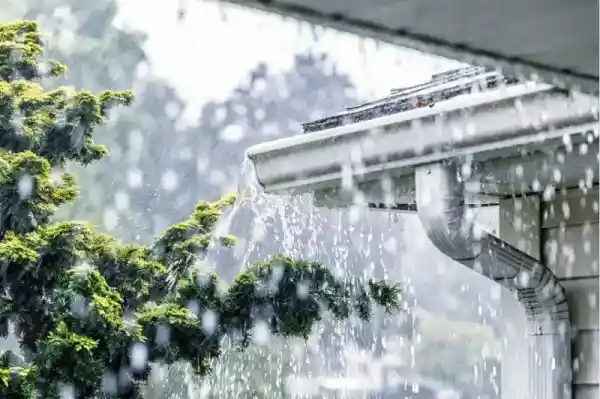
How to Build a Resilient Home for Extreme Weather in Australia
Climate change is making extreme weather events more frequent and intense across Australia. This guide covers how resilient construction methods protect homes from bushfires, floods, storms, and other climate-driven hazards.
Need a Property Damage Assessment?
Our licensed building inspectors provide independent damage reports to support your insurance claim. Get a professional assessment you can trust.
For a complete overview, see our guide to insurance claim assessments.
Need an Insurance Claim Assessment?
Our independent assessors cover Sydney, Melbourne, and all major Australian cities.