

The construction industry in Australia is growing rapidly, with residential and commercial projects expanding across the country. However, new construction projects come with risks that can result in significant financial losses, including structural damage from extreme weather, theft of materials, workplace injuries, and financial setbacks from project delays or contractor insolvency.
For a complete overview, see our guide to insurance claim assessments.
Why Is Construction Insurance Important
Without adequate insurance, stakeholders in a construction project may face devastating financial losses due to property damage, legal claims, or contractor failures. Some policies, such as home warranty insurance, are legally mandated in various Australian states, making compliance a requirement for builders and developers. Beyond legal compliance, insurance provides financial stability and ensures that projects can reach completion without financial ruin.
Common risks faced by new construction projects:
- Structural damage from extreme weather conditions like floods, cyclones, and bushfires
- Theft or vandalism of high-value construction materials such as timber, copper, and fixtures
- Workplace injuries affecting workers, visitors, or third parties, leading to compensation claims
- Financial setbacks from project delays, contract disputes, or contractor insolvency
Types of Insurance for New Constructions
1. Builder's risk insurance (contract works insurance)
A temporary insurance policy that covers the construction phase of a building project. It protects against unforeseen incidents such as natural disasters, theft, and vandalism.
What it covers:
- Fire, theft, vandalism, storm, or flood damage to the construction site
- Damages due to human error or construction mishaps, including accidental material defects
- Temporary structures such as scaffolding, site offices, and construction equipment
Who needs it: Builders, property developers, and homeowners investing in large construction projects.
2. Public liability insurance
Covers legal and compensation costs if third parties sustain injuries or property damage due to construction activities.
What it covers:
- Injuries sustained by pedestrians, visitors, or subcontractors due to site hazards
- Property damage to neighbouring structures or vehicles from falling debris or accidental impacts
Who needs it: Builders, contractors, and developers. Often required before obtaining construction permits in Australia.
3. Professional indemnity insurance
Protects professionals against claims of negligence, design flaws, or professional errors that may affect the integrity of a construction project.
Who needs it: Architects, engineers, surveyors, and consultants.
Example: An architect's flawed blueprint leads to unstable foundations. The builder sues for damages, and the architect's professional indemnity insurance covers the legal and compensation costs.
4. Home warranty insurance (domestic building insurance)
A mandatory policy in most Australian states for residential projects exceeding a specified value (for example, $16,000 in Victoria). It protects homeowners against defective or incomplete work if the builder goes bankrupt or disappears.
State requirements:
- Victoria, NSW, and WA require mandatory coverage for residential building projects
- Builders must obtain this insurance before starting work
- Homeowners benefit from financial protection against construction defects and builder failure
5. Construction defect insurance
Covers damages resulting from construction defects, including structural failures, poor workmanship, or material defects.
Who needs it: Builders, property developers, and project owners.
Example: A newly built office develops foundation cracks due to substandard concrete. This insurance covers the necessary repairs and prevents costly litigation between stakeholders.
6. Site liability insurance
Protects against injuries or damage caused by hazardous construction sites, particularly from unauthorised access or poor site security.
Who needs it: Builders, contractors, and developers responsible for site safety.
Insurance Types at a Glance
| Covers | Who Needs It | |
|---|---|---|
| Builder's Risk Insurance | Fire, theft, storm damage, construction mishaps | Builders, developers, homeowners |
| Public Liability | Third-party injury, neighbouring property damage | Builders, contractors, developers |
| Professional Indemnity | Negligence, design flaws, professional errors | Architects, engineers, surveyors, consultants |
| Home Warranty | Builder insolvency, defective or incomplete residential work | Builders (mandatory), homeowners (beneficiaries) |
| Construction Defect | Structural failures, poor workmanship, material defects | Builders, developers, project owners |
| Site Liability | Injuries from site hazards, unauthorised access incidents | Builders, contractors, developers |
Key Considerations When Choosing Construction Insurance
- Policy exclusions: Understand what is NOT covered, such as pre-existing defects, intentional damage, or delays caused by non-insurable factors
- Premium costs: Influenced by project complexity, location (urban vs. regional), construction materials, and claims history
- State regulations: Australian states have unique requirements for construction insurance. Check your state's specific rules
- Choosing the right provider: Work with insurers that have strong reputations, transparent policy terms, and reliable claims processing
Newer homes generally carry fewer risks and attract lower insurance premiums than older buildings. However, the value of coverage depends on the project's size, location, and risk profile. Always compare quotes from multiple providers before committing.
Key Takeaways
- Construction insurance protects builders, homeowners, and developers from financial losses during new building projects.
- The six main types of coverage are builder's risk, public liability, professional indemnity, home warranty, construction defect, and site liability insurance.
- Home warranty insurance is mandatory in most Australian states for residential projects above a specified value.
- Builder's risk insurance and public liability insurance are the most commonly recommended policies for new constructions.
- Always check policy exclusions, particularly for pre-existing defects, intentional damage, and non-insurable delays.
- State-specific regulations in Victoria, NSW, and WA set different requirements for mandatory coverage.
- Newer homes typically attract lower insurance premiums due to fewer risk factors.
Frequently Asked Questions
What is the most important insurance for new constructions in Australia?
Builder's risk insurance and public liability insurance are among the most commonly recommended policies. Builder's risk covers the construction site against fire, theft, and natural disasters, while public liability protects against third-party injury and property damage claims.
Is builder's risk insurance mandatory in Australia?
Builder's risk insurance is not legally required but is highly recommended to protect against financial losses from unexpected events during construction. Home warranty insurance, however, is mandatory in most states for residential projects above a specified threshold.
How much does construction insurance cost?
Costs vary based on project size, location, risk factors, and the types of coverage selected. Smaller residential projects may cost a few hundred dollars per year for basic cover, while large commercial builds can cost significantly more. Always obtain multiple quotes for comparison.
Are new homes cheaper to insure compared to older buildings?
Yes, generally. Newer homes have fewer risks related to structural deterioration, outdated wiring, and pest damage, which typically results in lower insurance premiums. However, the specific location, materials used, and local risk factors also affect pricing.
Does construction insurance cover subcontractors?
Some policies may extend coverage to subcontractors, but this depends on the policy terms. In many cases, subcontractors need to carry their own insurance, including public liability and professional indemnity. Always confirm coverage details with your insurer.
How can builders reduce insurance costs?
Implementing safety measures, maintaining a clean claims history, choosing higher deductibles, and working with reputable subcontractors can all help reduce premiums. Demonstrating compliance with WHS regulations and quality construction practices also supports lower rates.
What happens if a construction project is delayed?
Some policies offer extensions to cover projects that run beyond the original timeline, though additional costs may apply. If the delay is caused by an insured event (such as storm damage), the policy may cover associated costs. Always notify your insurer if delays occur.
What does home warranty insurance cover?
Home warranty insurance protects homeowners if the builder fails to complete the work, goes bankrupt, or disappears. It covers the cost of rectifying defective or incomplete building work for residential projects above the mandatory threshold in each state.
Is professional indemnity insurance required for architects in Australia?
Yes. In most Australian states, architects and engineers are required to carry professional indemnity insurance. This protects them against claims of negligence, design flaws, or professional errors that could lead to structural problems or financial losses.
Can construction insurance help in the event of theft on site?
Yes. Builder's risk insurance (contract works insurance) typically covers theft of construction materials, tools, and equipment from the site. Ensure your policy includes theft cover and that you maintain adequate site security measures to support any claims.
References and Resources
- Insurance Council of Australia - Industry guidance on construction insurance
- NSW Fair Trading - Home building compensation - NSW home warranty insurance requirements
- Victorian Building Authority - Domestic building insurance - Victorian home warranty insurance information
- QBCC - Insurance requirements - Queensland builder insurance obligations
- Safe Work Australia - Workplace safety standards for construction projects
Related Articles
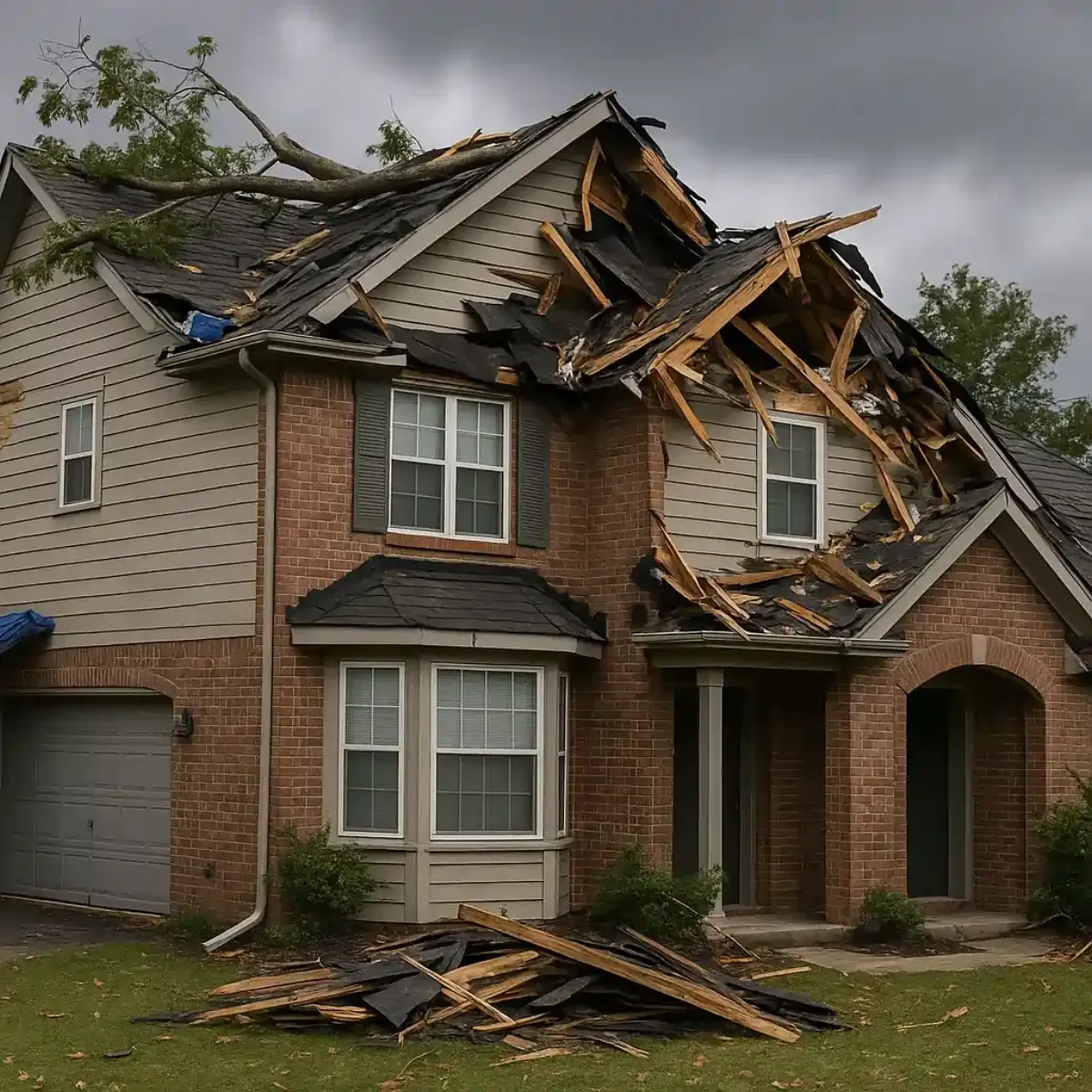
Steps to File a Building Insurance Claim after Storm Damage
Filing a building insurance claim after storm damage requires fast action, thorough documentation, and a clear understanding of your policy. This guide walks Australian homeowners through each step from initial safety checks to settlement negotiation and dispute resolution.

Common Issues in Structural Insurance Claims
Structural insurance claims in Australia are frequently delayed, denied, or reduced due to late reporting, poor documentation, policy exclusions, and disputes over damage causes. This guide covers the most common issues and how to handle them effectively.
Independent Construction Inspections: Why They Matter
Independent construction inspections provide unbiased assessments of build quality and compliance. Learn why third-party inspections protect homeowners and investors.
Building a new home or managing a construction project? Owner Inspections provides independent building inspections at every stage of construction. Protect your investment with expert assessments. Get a free quote or call 1300 471 805.
For a complete overview, see our guide to insurance claim assessments.
Need an Insurance Claim Assessment?
Our independent assessors cover Sydney, Melbourne, and all major Australian cities.