

Whether you are a homeowner dealing with storm damage, a builder facing project setbacks, or an investor managing a damaged rental property, understanding how the insurance claims process works in Brisbane helps you prepare properly and improve your chances of a fair outcome. This guide breaks down the assessment process, the key factors insurers consider, and practical tips for making your claim as strong as possible.
For a complete overview, see our guide to insurance claim assessments.
Why Insurance Claims Matter in Construction
Construction projects involve a significant investment of time and money. Unforeseen events such as storms, accidents, theft, or structural failures can cause major financial strain. Insurance claims provide a financial safety net that protects property owners, builders, and investors from absorbing the full cost of unexpected damage.
- Financial protection: Insurance claims help recover repair and replacement costs that would otherwise come out of pocket.
- Stakeholder confidence: Knowing insurance is in place gives investors, homeowners, and lenders confidence that risks are managed.
- Project continuity: A well-managed claims process helps keep construction or repair work moving forward rather than stalling due to financial shortfalls.
The Five Stages of Claim Assessment
Claim submission
The affected party provides a detailed account of the incident to the insurer. This includes a description of what happened, when it occurred, the extent of the damage, and preliminary evidence such as photographs and witness statements. The quality of this initial submission sets the tone for the entire assessment.
Preliminary review
The insurer reviews the submission to check whether the claim falls within the policy's coverage terms. This stage acts as a filter, confirming that the type of damage, location, and circumstances align with the policy's inclusions and exclusions.
On-site assessment
The insurer appoints a qualified assessor to visit the site and evaluate the damage in person. The assessor examines the extent of the damage, identifies the cause, and assesses the cost of repairs. For construction-related claims, the assessor typically has expertise in building and structural assessment.
Evidence gathering
The assessor collects all supporting evidence, including detailed photographs, written statements, expert opinions, contractor quotes, and any relevant documentation such as building plans or maintenance records. Each piece of evidence contributes to the overall picture of the claim.
Final review and settlement
With all evidence compiled, the insurer evaluates the claim's validity and determines the extent of coverage. If the claim is accepted, settlement negotiations begin, resulting in an agreed compensation amount, either as a cash payment or insurer-managed repairs.
Key Factors in the Assessment
Policy Coverage
| What It Means | Examples | |
|---|---|---|
| Inclusions | The specific events and damage types covered by the policy | Storm damage, fire, accidental damage, theft of building materials, public liability |
| Exclusions | Events and conditions specifically not covered by the policy | Pre-existing defects, wear and tear, flooding (if not included), unapproved building work |
| Excess (Deductible) | The amount the policyholder must pay before the insurer covers the rest | Typically $500 to $2,000 depending on the policy and claim type |
Costs and Valuations
- Direct costs: Immediate expenses such as repair or replacement of damaged building components, materials, and labour.
- Indirect costs: Additional expenses that accumulate over time, such as temporary accommodation, rental income loss, storage costs, and project delay penalties.
Liabilities and Responsibilities
- Determining fault: Was the damage caused by a genuine accident, a natural event, or negligence? The answer significantly affects the claim outcome.
- Shared responsibilities: Construction projects involve multiple parties including builders, subcontractors, architects, and site managers. If multiple parties contributed to the incident, the extent of each party's involvement influences how liabilities and claim outcomes are distributed.
Brisbane's Unique Considerations
Brisbane's tropical climate creates specific insurance challenges for the construction industry:
- Weather-related claims: Heavy rainfall, storms, hail, and cyclone impacts are common claim triggers in Brisbane and South East Queensland. Insurers in this region regularly assess claims for roof damage, water ingress, and flooding.
- Flood risk: Some areas of Brisbane carry a higher flood risk, which affects insurance premiums and policy terms. Flood cover may be excluded or priced at a premium depending on the property's location.
- Urban development pressures: Brisbane's ongoing growth means construction sites are often in close proximity, increasing the risk of damage from neighbouring works and the need for dilapidation reports.
Tips for a Strong Insurance Claim
Documentation
Professional Support
- Independent assessor: For significant claims, engaging an independent building inspector provides an unbiased assessment of the damage that can be compared against the insurer's findings.
- Legal advice: For complex or disputed claims, a lawyer experienced in insurance and construction law can guide you through the process and protect your rights.
- Industry knowledge: Speaking with other property owners or builders who have been through the claims process in Brisbane can provide practical insights and recommendations.
Know Your Policy
- Read your Product Disclosure Statement (PDS) before an incident occurs so you understand what is and is not covered.
- Review your policy annually and update it to reflect changes in property value, renovations, or construction costs.
- Check whether your policy includes flood cover, as this is frequently excluded or offered as an optional add-on in Brisbane.
What to Do If Your Claim Is Disputed
If the insurer denies your claim, offers a settlement you believe is too low, or disputes the extent of damage:
Request a written explanation
Ask the insurer to provide a detailed written reason for the decision, including which policy clauses they are relying on.
Lodge an internal complaint
Use the insurer's Internal Dispute Resolution (IDR) process. They are required to respond within set timeframes.
Get an independent inspection
Commission an independent building inspection report to provide evidence that supports your claim. This report can counter the insurer's assessment.
Escalate to AFCA
If the internal process does not resolve the issue, lodge a complaint with the Australian Financial Complaints Authority (AFCA). The service is free, and AFCA decisions are legally binding on the insurer.
Key Takeaways
- Insurance claims in Brisbane construction are assessed through five stages: submission, preliminary review, on-site assessment, evidence gathering, and final settlement.
- Key factors include policy coverage (inclusions and exclusions), direct and indirect costs, and liability assessment.
- Brisbane's tropical climate makes weather-related damage one of the most common claim triggers in the region.
- Strong documentation including photos, written records, and receipts significantly improves claim outcomes.
- An independent building inspection report provides unbiased evidence that can support or challenge the insurer's assessment.
- If your claim is denied or undervalued, you can escalate through the insurer's IDR process and then to AFCA at no cost.
- Reviewing your policy annually and understanding your coverage before an incident occurs saves time and reduces surprises.
Frequently Asked Questions
How are insurance claims assessed for construction projects in Brisbane?
Insurance claims for construction in Brisbane follow a structured process. The affected party submits a claim with evidence, the insurer reviews it against the policy terms, a qualified assessor inspects the damage on-site, all evidence is compiled, and the insurer makes a final determination on coverage and settlement amount. The process is designed to verify the claim's validity and the extent of the damage.
What types of damage are most commonly claimed in Brisbane?
The most common claim types in Brisbane relate to weather damage, including storm damage to roofs and structures, water ingress from heavy rainfall, hail damage, and in some areas, flooding. Other frequent claims involve construction defects, accidental damage during building work, and theft of materials from construction sites.
Does standard construction insurance cover flood damage in Brisbane?
Not always. Flood cover is frequently excluded from standard construction and home insurance policies in Brisbane, or offered as an optional add-on at additional cost. Properties in known flood-risk areas may face higher premiums or stricter terms. Always check your Product Disclosure Statement to confirm whether flood damage is included in your coverage.
How long does the insurance claim assessment process take?
The timeline varies based on the complexity of the claim and the insurer's workload. Simple claims may be assessed and settled within a few weeks. More complex claims involving significant damage, multiple parties, or disputed findings can take several months. During large-scale weather events, processing times may be longer due to high claim volumes.
Should I get an independent building inspection for my insurance claim?
Yes, an independent building inspection provides an unbiased assessment of the damage. The inspector's report documents the full extent of the damage, identifies issues the insurer's assessor may have missed, and provides an independent estimate of repair costs. This is especially valuable if you believe the insurer's assessment is incomplete or the settlement offer is too low.
What should I do if my insurance claim is denied in Brisbane?
If your claim is denied, request a written explanation from the insurer detailing the reasons and the policy clauses they relied on. Lodge an internal complaint through their IDR process. If that does not resolve the issue, escalate to the Australian Financial Complaints Authority (AFCA), which provides free, independent dispute resolution. An independent building inspection report can support your case.
What evidence strengthens an insurance claim?
Strong evidence includes clear photographs from multiple angles, a written timeline of events, receipts for emergency repairs, witness statements, contractor quotes, and an independent building inspection report. Keeping detailed records from the moment damage occurs significantly improves your position during the assessment process.
What is the role of the insurance assessor?
The insurance assessor is appointed by the insurer to visit the site, examine the damage, identify the cause, and estimate the cost of repairs. Their assessment directly influences the final settlement amount. Assessors working for the insurer represent the insurer's interests, which is why an independent inspection can be valuable as a counterbalance.
Can I dispute the amount offered by my insurer?
Yes. Under Australian Consumer Law and AFCA guidelines, you have the right to dispute a settlement offer you believe is unfair. Request a detailed breakdown of the calculation, submit additional quotes or an independent building inspection report, and lodge a complaint through the insurer's IDR process. If that fails, escalate to AFCA at no cost.
How does Brisbane's climate affect insurance claims?
Brisbane's tropical climate, with heavy rainfall, storms, and occasional cyclone impacts, means weather-related damage is one of the most frequent claim triggers. Insurers in the region regularly deal with claims for roof damage, water ingress, flooding, and structural impacts from severe weather events. Policies in flood-prone areas often have specific exclusions or higher premiums to account for this risk.
References and Resources
- Insurance Council of Australia - Disaster statistics and insurance claim information
- Australian Financial Complaints Authority (AFCA) - Free dispute resolution for insurance complaints
- QBCC - Queensland Building and Construction Commission - Building standards and regulatory guidance in Queensland
- Insurance Contracts Act 1984 - Australian Government legislation governing insurance
Related Articles
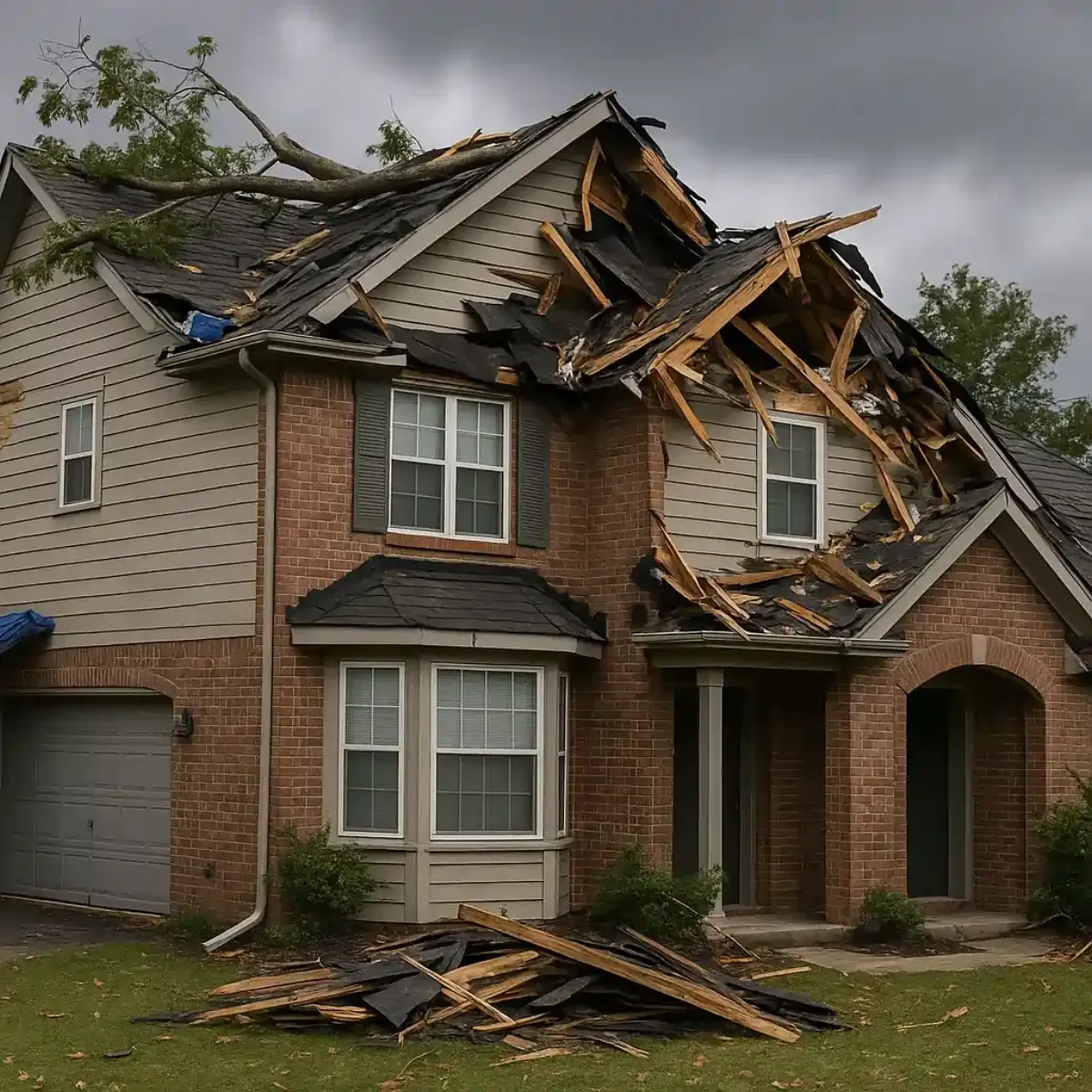
Steps to File a Building Insurance Claim after Storm Damage
Filing a building insurance claim after storm damage requires fast action, thorough documentation, and a clear understanding of your policy. This guide walks Australian homeowners through each step from initial safety checks to settlement negotiation and dispute resolution.

How Do Insurance Companies Assess Claims in Australia?
Insurance claim assessments in Australia follow a structured six-stage process from lodgement to settlement. Understanding each step helps builders, contractors, and property owners prepare stronger claims and avoid common pitfalls that lead to underpayment or denial.
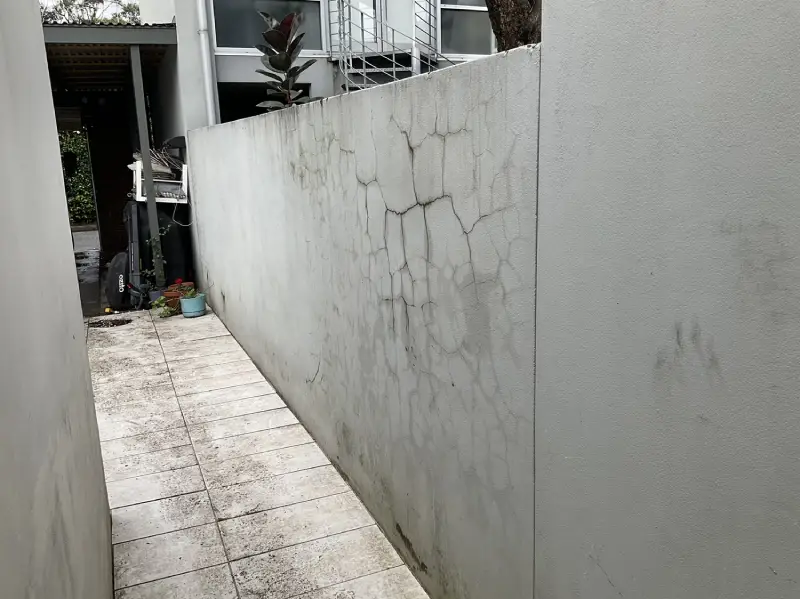
Dilapidation Reports for Insurance Claims
A dilapidation report documents a property's condition before and after nearby construction work, providing strong evidence for insurance claims. This guide covers what reports include, Australian standards, and how they protect property owners from disputes and financial loss.
Need an independent assessment for your insurance claim in Brisbane? Owner Inspections provides detailed, unbiased building inspection reports that support insurance claims across Brisbane and Queensland. Our licensed inspectors document the full extent of damage and provide independent repair cost estimates. Get a quote today or call us on 1300 471 805.
For a complete overview, see our guide to insurance claim assessments.
Need an Insurance Claim Assessment?
Our independent assessors cover Sydney, Melbourne, and all major Australian cities.