
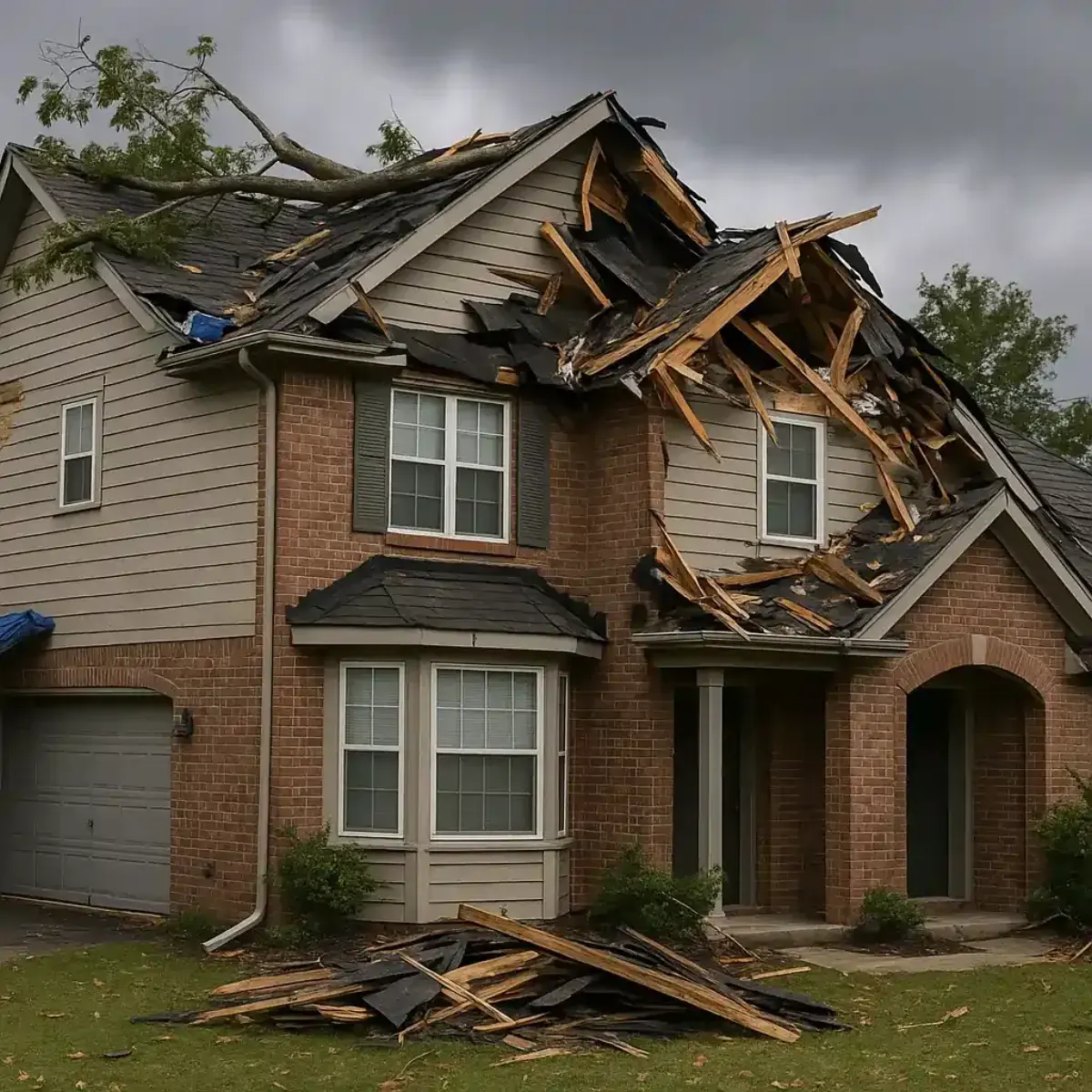
In early 2025 alone, more than 125,000 storm-related insurance claims were filed across Australia, with over $4.5 billion in losses reported according to the Insurance Council of Australia. As severe weather events become more frequent, homeowners, landlords, and strata managers need a clear process for making claims that actually get paid.
For a complete overview, see our guide to insurance claim assessments.
Step 1: Stay Safe First
After a storm, personal safety comes before salvaging possessions. Electrical systems may be live, ceilings could collapse, and structural elements might be unstable.
- Visually inspect for fallen power lines, collapsed walls, and exposed electrical wires before entering
- If there is any doubt, call the SES (132 500) or emergency services and wait for clearance
- Avoid using electrical appliances or stepping into water-damaged areas without professional confirmation
- Shut off gas and electricity at the mains if it is safe to access them
Some insurance policies may become void if unauthorised entry results in further damage. Do not enter the property until it has been declared safe.
Step 2: Document the Damage
Once it is safe to enter, document everything before moving or cleaning anything. Accurate documentation is your strongest asset when lodging a claim.
Photograph and film all damage
Use your phone or camera to capture high-resolution photos and videos from multiple angles. Cover every room and exterior section, focusing on structural elements like roofing, windows, fencing, and floors.
Capture close-ups
Photograph cracks, water stains, mould, broken glass, and any other visible impact damage up close.
Create an inventory of damaged contents
List every damaged item along with its estimated value or replacement cost. Include receipts or proof of purchase where available.
Keep physical samples
Retain samples of damaged materials such as carpet, tiles, or insulation that may support your claim.
Back up everything digitally
Store copies in cloud storage and on an external drive. Never rely on a single copy.
According to Mills Oakley, over 50% of denied claims in Australia involve inadequate documentation or allegations of insufficient property maintenance. Poor records can cost you the entire claim.
Step 3: Make Temporary Repairs Only
Preventing further damage is expected by your insurer, but rebuilding too early could jeopardise your case. Insurers generally cover emergency temporary repairs, not full-scale fixes, unless approved in writing.
- Do not replace or permanently fix walls, roofing, or built-ins until the assessor visits
- Do not make structural alterations before the claim is assessed
- Do not dispose of damaged items without insurer approval
Step 4: Review Your Insurance Policy
Understanding your policy before making a claim prevents surprises during the process.
| What It Covers | Common Exclusions | |
|---|---|---|
| Building Insurance | Structural damage caused by wind, rain, and hail | Pre-existing defects, wear and tear, gradual deterioration |
| Contents Insurance | Personal belongings damaged inside the home | Items stored outside, unspecified valuables over set limits |
| Temporary Accommodation | Hotel, rental, meals and transport if home is uninhabitable | Costs exceeding weekly limits, stays beyond 30 to 90 days |
| Flood Cover | Damage from rising water, riverine flooding | Often excluded or requires a separate premium, especially in QLD and Northern Rivers |
Request the Product Disclosure Statement (PDS) from your insurer and cross-check every clause related to natural disasters before lodging your claim.
Step 5: File the Claim Quickly
Insurers typically require claims within 48 to 72 hours of the storm event. Delays can weaken your case, especially during large-scale disasters when insurers manage high volumes of claims.
- Lodge your claim via your insurer's website, mobile app, or call centre
- Submit all documentation: photos, item lists, temporary repair receipts, and written assessments
- Keep a claims diary logging names, dates, times, and outcomes from every interaction
- Request confirmation of your claim reference number in writing
The earlier your claim is lodged, the sooner it is prioritised in the insurer's pipeline.
Step 6: Meet the Insurance Assessor
Within days or weeks, your insurer will assign an assessor to inspect the property. This visit directly influences the final claim amount.
- Ensure the property is accessible and safe for the assessor's visit
- Be present during the inspection to walk them through all documented damage
- Provide your photo evidence, inventory lists, and receipts
- Present quotes from licensed tradespeople as independent valuation comparisons
- Take your own notes during the meeting and request a written summary
An independent building inspection report from a qualified inspector can provide unbiased evidence of damage that supports your claim. This is particularly valuable when the insurer's assessor underestimates the scope of repairs needed.
Step 7: Review, Negotiate, and Settle
Once the assessor completes their report, the insurer will issue a settlement proposal in one of two forms:
Pros
- You arrange your own repairs with your choice of tradespeople
- More control over the quality and timing of work
- Can be faster if you already have trusted contractors
Cons
- Repairs managed through insurer-approved trades only
- Less control over who does the work and when
- Quality may vary depending on the appointed contractor
If the offer does not reflect the actual cost of damage:
- Request a written breakdown of how the settlement was calculated
- Submit additional quotes or independent assessments for review
- Engage an independent building inspector to produce a comprehensive condition report
Under AFCA guidelines, you have the right to dispute low offers, request a review, and seek a fair resolution.
Step 8: What to Do If Your Claim Is Denied
A denied or reduced claim is not the end of the process. Common rejection reasons include late lodgement, pre-existing defects, and insufficient supporting evidence.
Request a written explanation
Ask your insurer to explain in writing exactly why the claim was denied or reduced.
Lodge an internal complaint
Use the insurer's Internal Dispute Resolution (IDR) process. They must respond within set timeframes.
Escalate to AFCA
If unsatisfied with the IDR outcome, escalate to the Australian Financial Complaints Authority. It is free, and AFCA decisions are legally binding on the insurer.
Get an independent expert report
An independent building inspection report can provide evidence to support your case during the dispute process.
Step 9: Temporary Accommodation and Support
If your home is declared unsafe or uninhabitable after storm damage:
- Check if your policy includes Additional Living Expenses (ALE) or Temporary Accommodation cover
- These may cover hotel stays, rental property costs, meals, and transport
- Benefits typically last 30 to 90 days depending on your coverage
- Ask your insurer about weekly limits and allowable expenses
- Look into government relief payments through Services Australia or your local council's disaster support scheme
Always get written approval from your insurer before incurring costs you plan to claim.
Step 10: Future-Proofing Your Property
Storms are a fact of life across much of Australia. Preparation reduces future risks and losses.
Key Takeaways
- File your building insurance claim within 48 to 72 hours of storm damage occurring.
- Document all damage with photos, video, and a written inventory before cleaning or repairing anything.
- Make only temporary repairs to prevent further damage. Do not start permanent fixes until the assessor visits.
- Review your Product Disclosure Statement to understand what is covered and what is excluded.
- Keep a claims diary logging every interaction with your insurer including names, dates, and outcomes.
- An independent building inspection report provides unbiased evidence that can strengthen your claim.
- If your claim is denied or reduced, you can escalate to AFCA for free, legally binding dispute resolution.
- Future-proof your property with regular inspections, a digital inventory, and annual policy reviews.
Frequently Asked Questions
How soon after a storm should I file a building insurance claim in Australia?
Most Australian insurers require claims to be lodged within 48 to 72 hours of the storm event. Check your policy's Product Disclosure Statement for the specific deadline. Filing early ensures your claim is prioritised, especially during large-scale weather events when insurers handle thousands of claims at once.
What types of storm damage are usually covered under Australian home insurance?
Standard building insurance in Australia typically covers damage from wind, hail, falling trees, and rain. However, flood damage from rising water is often excluded or requires a separate policy add-on at additional cost. Storm surge, actions of the sea, and pre-existing defects are also commonly excluded. Always check your PDS for the full list of inclusions and exclusions.
Why do insurers reject storm damage claims?
Common reasons for claim rejection include late lodgement (beyond the policy timeframe), pre-existing damage or poor property maintenance, insufficient documentation, and damage falling under an excluded event type such as flooding. Over 50% of denied claims in Australia involve inadequate documentation or maintenance-related issues.
Does standard building insurance cover flood damage in Queensland or NSW?
Not always. Many policies exclude flood damage or offer it as optional cover at a higher premium. Properties in known flood risk zones, including parts of Queensland and the Northern Rivers region of NSW, often face higher premiums or stricter coverage terms. Contact your insurer to confirm whether your policy includes flood cover.
What should I do before the insurance assessor visits?
Prepare thoroughly before the assessor arrives. Have all your photo and video evidence organised, your damaged items inventory ready, receipts for any temporary repairs, and independent quotes from licensed tradespeople. Be present during the inspection so you can walk the assessor through every area of damage and provide context that photos alone may not convey.
Can I dispute a low insurance settlement offer?
Yes. Under Australian Consumer Law and AFCA guidelines, you have the right to dispute a settlement offer you believe is unfair. Request a written breakdown of how the amount was calculated, submit additional quotes or an independent building inspection report, and lodge a complaint through the insurer's Internal Dispute Resolution process. If that fails, escalate to AFCA at no cost.
What is AFCA and how does it help with insurance disputes?
The Australian Financial Complaints Authority (AFCA) is a free, independent dispute resolution service. If your insurer denies your claim or offers an unfair settlement and their internal process does not resolve it, you can lodge a complaint with AFCA. Their decisions are legally binding on the insurer. Most disputes are resolved within 60 to 90 days.
Should I get an independent building inspection for my insurance claim?
Yes, an independent building inspection provides unbiased, expert evidence of storm damage that can strengthen your claim. The inspector's report documents the full extent of damage, identifies issues the insurer's assessor may have missed, and provides an independent valuation of repair costs. This is especially valuable if your claim is disputed or undervalued.
Does my insurance cover temporary accommodation after storm damage?
Many Australian home insurance policies include Additional Living Expenses (ALE) or Temporary Accommodation cover. This can pay for hotel stays, short-term rental, meals, and transport if your home is declared uninhabitable. Coverage typically lasts 30 to 90 days with weekly spending limits. Check your policy for specific terms and get written approval from your insurer before incurring costs.
How can I prevent future storm damage to my home?
Regular maintenance is the best prevention. Schedule annual inspections of your roof, gutters, windows, and external drainage. Consider upgrades like storm shutters, impact-resistant glass, roof tie-downs, and flood barriers. Keep a digital home inventory with photos and receipts, and review your insurance policy every year to make sure your coverage matches current rebuild costs.
References and Resources
- Insurance Council of Australia - Disaster statistics and claims data
- Australian Financial Complaints Authority (AFCA) - Free dispute resolution for insurance complaints
- NSW State Emergency Service - Emergency response and safety guidance
- Insurance Contracts Act 1984 - Australian Government
Related Articles

Expert Witnesses: Balancing Homeowner vs Insurance Disputes
Insurance disputes can leave homeowners feeling overwhelmed and outmatched. Expert witnesses provide independent, evidence-based analysis that levels the playing field between homeowners and insurance companies.

Waterproofing Inspections: Prevent Water Damage and Save Costs
Waterproofing inspections are one of the most effective ways to protect your property from water damage. By identifying vulnerabilities early, you can avoid costly repairs, prevent mould growth, and maintain the structural integrity of your building. This guide covers the benefits, what to expect, and how to find a qualified inspector.
Understanding Your Property Inspection Report
Property inspection reports contain technical findings that can be difficult to interpret. This guide explains how to read your report, distinguish critical issues from maintenance items, and take effective action.
Need an expert assessment of storm damage to your property? Owner Inspections provides independent, detailed building inspection reports that support insurance claims across NSW, Victoria, and Queensland. Our reports document the full extent of damage and provide independent repair cost estimates. Get a quote today or call us on 1300 471 805.
For a complete overview, see our guide to insurance claim assessments.
Need an Insurance Claim Assessment?
Our independent assessors cover Sydney, Melbourne, and all major Australian cities.