
For commercial property owners, developers, and managers across Australia, understanding what goes into an insurance inspection is a practical way to control costs. With natural disasters such as bushfires, floods, and severe storms becoming more frequent, insurers are paying closer attention to the risk profile of every property they cover. The good news is that you have a direct say in many of the factors that determine your premium.
For a complete overview, see our guide to insurance claim assessments.
What Is an Insurance Inspection for Commercial Buildings?
An insurance inspection is a specialised assessment carried out by either an independent building inspector or an insurance company representative. Its purpose is to evaluate the risks involved in insuring a commercial property. Unlike a standard building code compliance check or a routine safety audit, this type of inspection focuses specifically on hazards that could lead to financial loss for the insurer.
The inspection typically covers four main areas:
- Structural evaluation including the foundation, roofing, walls, and load-bearing elements for signs of wear, cracking, or potential failure
- Fire safety measures such as sprinkler systems, smoke alarms, fire exits, extinguishers, and compliance with Australian fire safety regulations
- Security features including locks, access control systems, CCTV cameras, alarm systems, and vulnerability to theft or vandalism
- Location-based risks such as proximity to flood plains, bushfire zones, coastal erosion areas, or regions with seismic activity
The outcome of this inspection feeds directly into the insurer's pricing model. A property with fewer risks and better safety systems will be offered a lower premium, while a property with multiple issues will face higher costs or even coverage restrictions.
Why Insurance Inspections Matter for Your Premium
Insurance inspections are not a formality. They are the single biggest factor in how your insurer calculates what you pay each year. The inspection gives the insurer a clear picture of the financial exposure they are taking on by covering your property.
Risk Identification and Mitigation
When an inspector identifies hazards early, such as outdated electrical wiring, missing fire suppression systems, or structural weaknesses, you have the opportunity to fix those issues before they lead to a claim. Insurers view properties with fewer risks as safer investments, and that translates directly into lower premiums.
For example, a commercial building fitted with modern fire suppression systems and updated electrical infrastructure will almost always attract a lower premium than a building with old wiring and no sprinkler system.
How Inspections Influence Premium Calculations
Insurers use the inspection report to estimate their potential financial exposure. The more risks identified, the higher the premium. Here are some real-world examples of how specific findings can shift your costs:
| Impact on Premium | Reason | |
|---|---|---|
| Flood-prone location | Increase of 20% to 40% | Heightened risk of water damage and associated repair costs |
| Bushfire-prone area | Increase of up to 50% | High probability of fire damage in BAL-rated zones |
| Sprinkler system installed | Reduction of up to 15% | Active fire suppression reduces damage severity |
| Modern security system | Reduction of 5% to 10% | Lower risk of theft and vandalism claims |
| Outdated electrical wiring | Increase of 10% to 25% | Higher risk of electrical fires |
Key Factors That Affect Your Commercial Insurance Premium
Insurers weigh several factors when setting your premium. Knowing what they look for gives you the power to manage your costs proactively.
1. Building Condition
The physical state of your property is the most significant factor. Well-maintained buildings present a lower risk of damage and are cheaper to insure. Inspectors will examine:
- Roofing for leaks, sagging, missing tiles, or deterioration
- Foundation for cracks, settlement, or moisture intrusion
- Walls for cracking, mould, water staining, or structural movement
- Plumbing for leaks, corrosion, or ageing pipe systems
- Electrical systems for compliance with AS/NZS 3000 (Wiring Rules) and general safety
2. Location
The geographic location of your property directly affects its risk profile. Properties in natural disaster zones face higher premiums because the likelihood of a claim is greater.
Properties in bushfire-prone areas classified under BAL (Bushfire Attack Level) ratings may see premium increases of up to 50%. Flood-prone locations, particularly in parts of Queensland and the Northern Rivers region of NSW, can attract premium increases of 20% to 30% depending on the level of flood protection in place.
3. Type of Business
The nature of the business operating from the building influences risk calculations. A restaurant with commercial kitchens and open flames presents a significantly higher fire risk than a standard office tenancy. Factories, chemical storage facilities, and manufacturing plants also attract higher premiums due to the increased chance of damage or liability claims.
4. Age of the Building
Older buildings, especially those constructed before modern building codes were introduced, often have outdated electrical systems, plumbing, and roofing. These properties are more vulnerable to damage and cost more to insure unless the owner has invested in renovations and upgrades.
5. Previous Claims History
A building with a track record of insurance claims signals higher risk to insurers. Past claims for fire damage, water damage, or storm damage will all factor into the premium calculation. Maintaining a clean claims history by investing in prevention and maintenance can keep your premiums lower over time.
| Low Risk (Lower Premium) | High Risk (Higher Premium) | |
|---|---|---|
| Building condition | Well-maintained with no structural defects | Cracking, leaks, outdated systems |
| Location | Low natural disaster exposure | Flood plain, bushfire zone, or coastal |
| Business type | Office, retail, or low-hazard tenancy | Restaurant, factory, or chemical storage |
| Building age | Modern construction with current systems | Pre-1990 with original wiring and plumbing |
| Claims history | No claims in the past 5 years | Multiple claims in recent years |
Commercial Insurance Inspection Checklist
Before the official inspection, property owners and managers can run through their own pre-inspection assessment to identify and address issues ahead of time. This checklist covers the areas inspectors will focus on.
Structural Elements
Electrical and Plumbing Systems
Fire Safety
Exterior and Grounds
Security
Accessibility
How to Prepare for an Insurance Inspection
Taking the right steps before your inspection can lead to a better outcome and potentially lower premiums. Here is a practical guide to getting ready.
Gather maintenance records
Compile all maintenance logs, service records, and repair invoices for the property. Showing a consistent maintenance history demonstrates proactive risk management, which insurers view favourably.
Verify safety compliance
Confirm that the property meets all current fire safety, electrical safety, and workplace health and safety regulations. Non-compliance could lead to higher premiums or even difficulty obtaining coverage.
Ensure full access
Make sure all areas of the property are accessible to the inspector, including the roof, basement, plant rooms, and any outbuildings. Remove obstructions that could prevent a thorough assessment.
Present the property well
A clean, well-organised property reflects responsible management. Tidy common areas, clear storage rooms, and ensure the building presents as well-maintained throughout.
Address known issues in advance
If you are aware of existing problems such as leaking pipes, faulty wiring, or damaged roofing, fix them before the inspection. Resolving known issues shows the insurer that you take property care seriously and can directly improve your risk rating.
Failing to disclose known issues during an inspection could void your policy if those issues later lead to a claim. Always be transparent with the inspector about the property's condition and history.
What Happens After the Inspection
Once the inspection is complete, the inspector provides a detailed report to the insurer. This report includes:
- A summary of all identified risks and safety concerns
- An overall risk assessment based on the property's physical condition and location
- Recommendations for improvements that could reduce risk
- A risk rating that feeds into the insurer's premium calculation model
Based on the findings, the insurer will take one of three actions:
- Lower premiums for properties with minimal risks and strong safety systems in place
- Recommend improvements that, once completed, could result in a premium reduction at the next renewal
- Increase premiums for properties with significant risks that require mitigation
If the inspection reveals serious deficiencies, the insurer may also impose coverage conditions or exclusions until those issues are addressed. In some cases, coverage may be refused altogether until specific repairs or upgrades are completed.
Reducing Your Premium Through Risk Management
You do not have to accept a high premium as a fixed cost. There are practical steps commercial property owners can take to lower their insurance costs over time.
| Action | Potential Saving | |
|---|---|---|
| Install fire suppression | Fit or upgrade sprinkler systems and smoke detection | Up to 15% premium reduction |
| Upgrade electrical systems | Replace outdated wiring, install RCDs and modern switchboards | 10% to 15% premium reduction |
| Improve security | Install CCTV, monitored alarms, and access control | 5% to 10% premium reduction |
| Regular maintenance programme | Schedule annual inspections and keep documented records | Demonstrates lower risk at each renewal |
| Address location risks | Install flood barriers, clear vegetation in bushfire zones, improve drainage | Varies by location and risk level |
Getting an independent building inspection before your insurance inspection can also help. An independent report gives you a clear picture of the property's condition and allows you to address problems before the insurer's assessor arrives. This proactive approach often results in a better risk rating and a lower premium.
Key Takeaways
- Insurance inspections for commercial buildings evaluate structural condition, fire safety, security, and location-based hazards to determine your premium.
- The physical condition of your building is the single most significant factor affecting your insurance costs.
- Properties in bushfire-prone or flood-prone areas can face premium increases of 20% to 50% depending on the level of risk.
- Installing fire suppression systems, upgrading electrical infrastructure, and improving security can reduce premiums by 5% to 15%.
- Older buildings with outdated systems face higher premiums unless renovations bring them up to current standards.
- A clean claims history helps keep premiums lower, as past claims signal higher risk to insurers.
- Preparing thoroughly before the inspection, including gathering maintenance records and fixing known issues, leads to better outcomes.
- An independent building inspection report gives you a head start by identifying risks you can address before the insurer's assessment.
Frequently Asked Questions
How often should an insurance inspection be conducted for a commercial building?
Most insurers recommend an insurance inspection every 3 to 5 years for commercial properties. However, an inspection should also be carried out whenever significant changes occur, such as building renovations, a change in tenancy type, or after a major weather event. Some insurers may require more frequent inspections for properties in high-risk locations or for buildings over a certain age.
What are the main factors that affect a commercial property insurance premium in Australia?
The five main factors are building condition, location, type of business operating from the premises, age of the building, and previous claims history. Insurers weigh each of these based on the inspection findings. A well-maintained property in a low-risk area with a clean claims record will generally attract the lowest premiums, while an older building in a disaster-prone zone with past claims will face significantly higher costs.
Can I lower my commercial insurance premium by upgrading safety features?
Yes. Upgrading fire safety systems such as sprinklers and smoke detection can reduce your premium by up to 15%. Modernising electrical wiring and switchboards can provide a further 10% to 15% reduction, and installing security systems like CCTV and monitored alarms can save an additional 5% to 10%. The exact savings depend on your insurer and the specific improvements made, but documented upgrades are consistently rewarded with lower premiums.
What happens if my commercial property fails the insurance inspection?
If the inspection reveals significant risks, the insurer may increase your premium, impose specific coverage conditions or exclusions, or require that certain repairs or upgrades be completed before full coverage is provided. In serious cases, coverage may be refused until the identified issues are resolved. The inspection report will typically include recommendations, giving you a clear path to improving your risk rating.
How long does a commercial building insurance inspection take?
The duration depends on the size and complexity of the property. A small to medium commercial building typically takes 2 to 4 hours. Larger properties, multi-storey buildings, or those with complex mechanical and fire systems may take a full day. The inspector needs access to all areas including the roof, basement, plant rooms, and common areas to complete a thorough assessment.
Will my insurance premium change immediately after the inspection?
Premium adjustments usually take effect at your next policy renewal rather than immediately. However, if you make significant improvements based on the inspection findings and notify your insurer, some providers will apply a mid-term adjustment. It is worth asking your insurer whether early improvements can be reflected in your current policy period.
Is an insurance inspection the same as a standard building inspection?
No, they serve different purposes. A standard building inspection assesses compliance with building codes, structural integrity, and general condition for buyers, sellers, or owners. An insurance inspection focuses specifically on risk factors that affect insurability, such as fire hazards, security vulnerabilities, location-based risks, and the likelihood of future claims. Both types of inspection may cover some overlapping areas, but the insurance inspection is tailored to the insurer's risk assessment needs.
Do I need to fix every issue the insurance inspector identifies?
Not every item needs immediate attention, but addressing major safety concerns and high-risk findings will have the biggest impact on your premium. Focus on issues that the report flags as significant risks, such as fire safety deficiencies, electrical hazards, or structural problems. Minor items may not affect your premium substantially, but resolving them over time demonstrates ongoing property care, which insurers value at future renewals.
How does the location of my commercial building affect my insurance premium in Australia?
Location is one of the top factors in premium calculation. Properties in areas prone to bushfires, flooding, cyclones, or coastal erosion face significantly higher premiums. For example, buildings in BAL-rated bushfire zones may see increases of up to 50%, while flood-prone areas in Queensland and northern NSW can attract increases of 20% to 30%. Even urban locations with higher crime rates can lead to elevated premiums due to increased theft and vandalism risk.
Should I get an independent building inspection before my insurance inspection?
Getting an independent inspection before the insurer's assessment is a smart strategy. An independent building inspector will identify issues that you can fix in advance, which means the insurance inspector will find fewer risks during their visit. This proactive approach often results in a better risk rating and a lower premium. The independent report also gives you documented evidence of the property's condition, which can be useful if you need to dispute the insurer's findings.
What role does fire safety play in commercial building insurance premiums?
Fire safety is one of the heaviest-weighted factors in commercial insurance inspections. Inspectors assess sprinkler systems, smoke detection, fire extinguishers, emergency exits, and compliance with Australian fire safety standards including the National Construction Code. Properties with fully compliant, modern fire suppression systems can receive premium reductions of up to 15%. Conversely, buildings that lack basic fire safety features or have outdated systems will face substantially higher premiums.
How does the age of a commercial building affect insurance costs?
Older buildings, particularly those built before current Australian building codes were introduced, tend to have outdated electrical wiring, ageing plumbing, and roofing that may not meet modern standards. These factors increase the risk of damage from fire, water leaks, or structural failure, leading to higher premiums. However, if the owner has invested in renovations and system upgrades, the building can achieve a similar risk rating to a newer property. Documented evidence of upgrades is the key to securing lower premiums for older buildings.
References and Resources
- Insurance Council of Australia - Industry body providing data on commercial property insurance and disaster statistics
- Australian Financial Complaints Authority (AFCA) - Free dispute resolution for insurance complaints in Australia
- NSW Fair Trading - Building and Construction - NSW government building compliance and regulation information
- Queensland Building and Construction Commission (QBCC) - QLD government regulator for building and construction
- Australian Building Codes Board (ABCB) - National Construction Code and building standards
- Country Fire Authority (CFA) - Bushfire Attack Levels - BAL ratings and bushfire preparedness for properties in Victoria
Related Articles
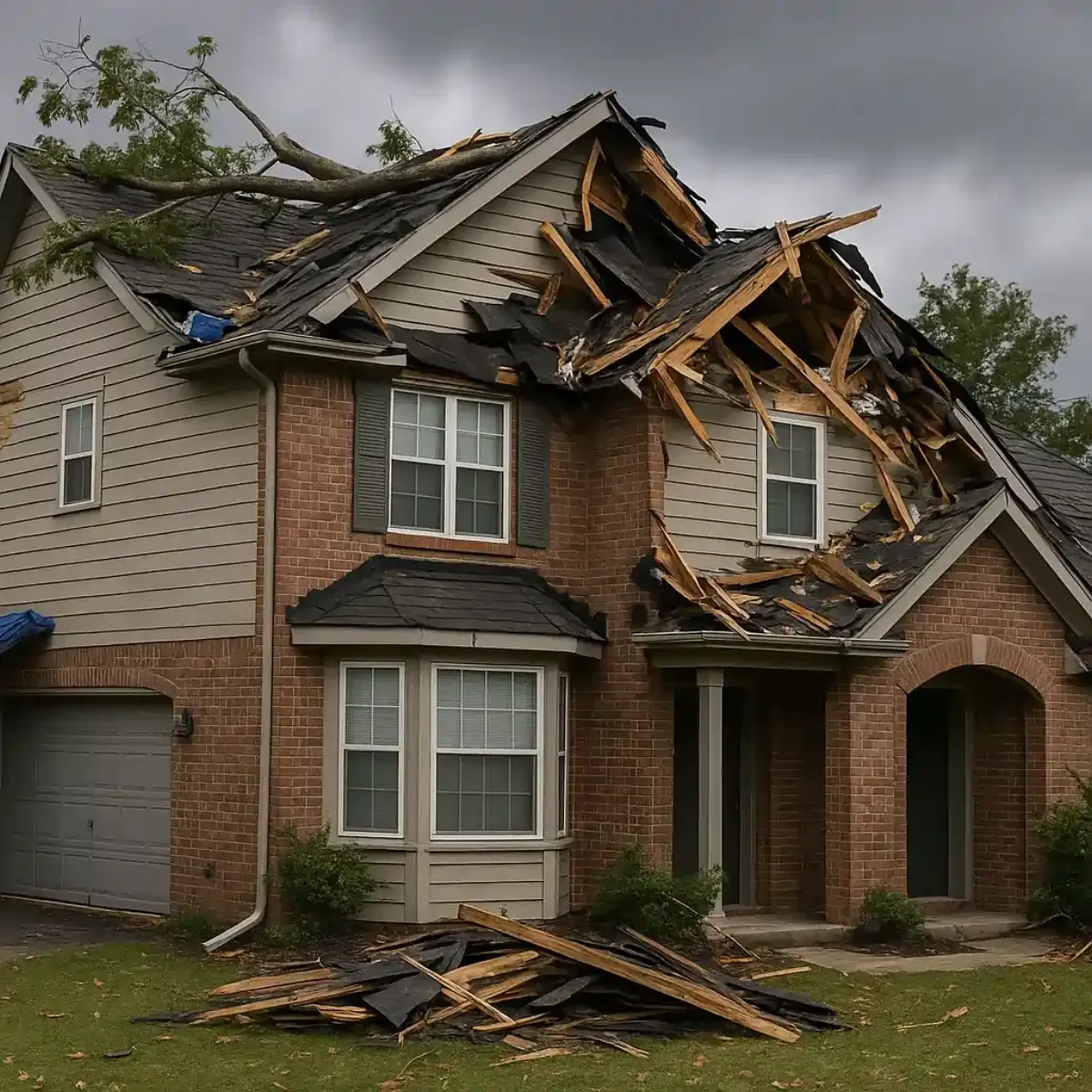
Steps to File a Building Insurance Claim after Storm Damage
Filing a building insurance claim after storm damage requires fast action, thorough documentation, and a clear understanding of your policy. This guide walks Australian homeowners through each step from initial safety checks to settlement negotiation and dispute resolution.
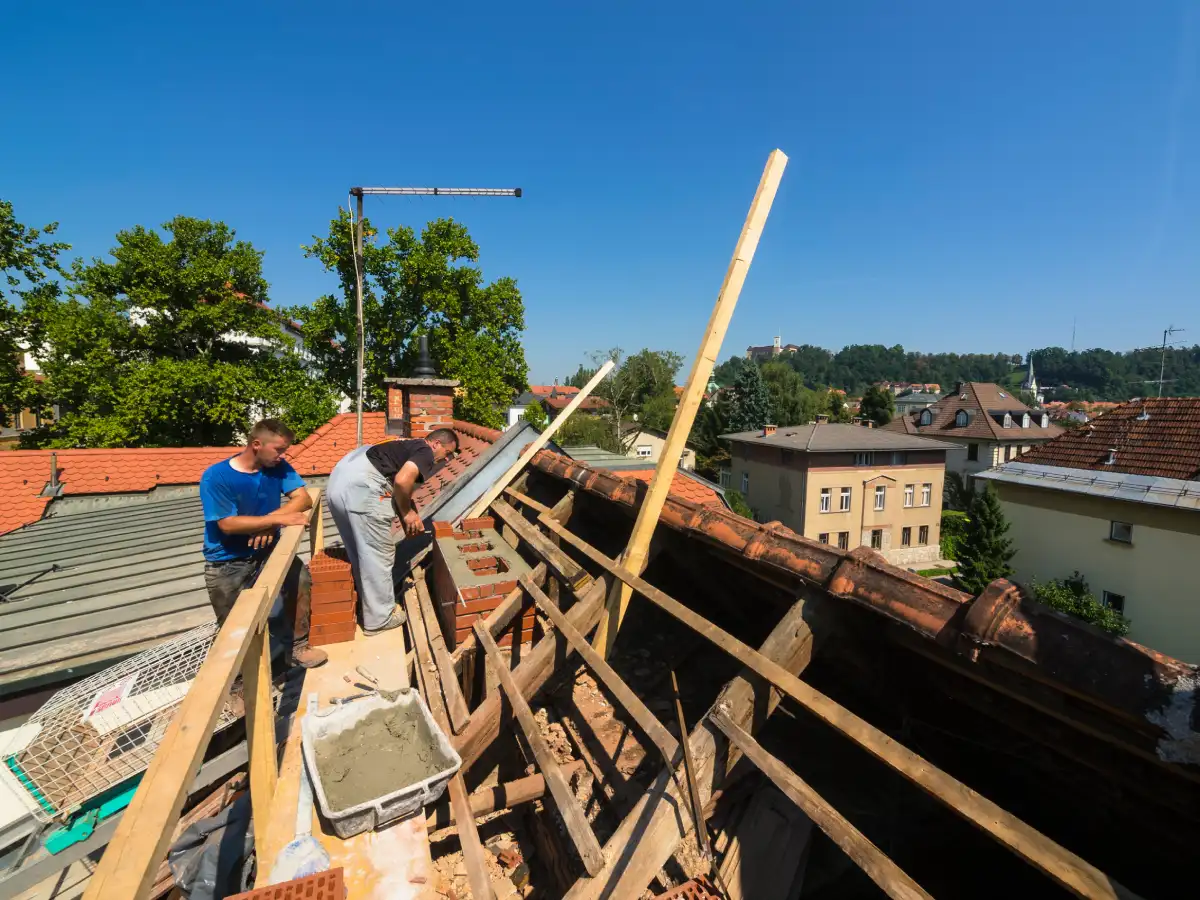
Cyclone Alfred Property Issues: What to Inspect After a Storm
Cyclone Alfred caused widespread damage across southeastern Queensland and northern New South Wales in March 2025. This guide covers the property issues homeowners should inspect after the storm, from roof and gutter damage to foundation shifts, flooding, electrical hazards, and insurance claim steps.
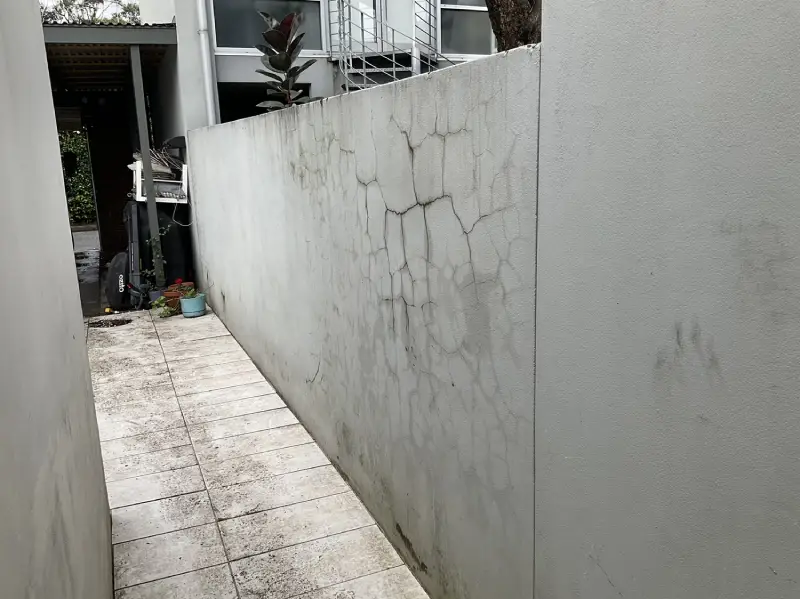
Dilapidation Reports for Insurance Claims
A dilapidation report documents a property's condition before and after nearby construction work, providing strong evidence for insurance claims. This guide covers what reports include, Australian standards, and how they protect property owners from disputes and financial loss.
Protect your commercial investment with an independent building inspection. Owner Inspections provides detailed condition reports and risk assessments for commercial properties across NSW, Victoria, and Queensland. Our licensed inspectors help you identify and resolve issues before your insurance inspection, giving you the best chance at a competitive premium. Get a quote today or call us on 1300 471 805.
For a complete overview, see our guide to insurance claim assessments.
Need an Insurance Claim Assessment?
Our independent assessors cover Sydney, Melbourne, and all major Australian cities.